Overview
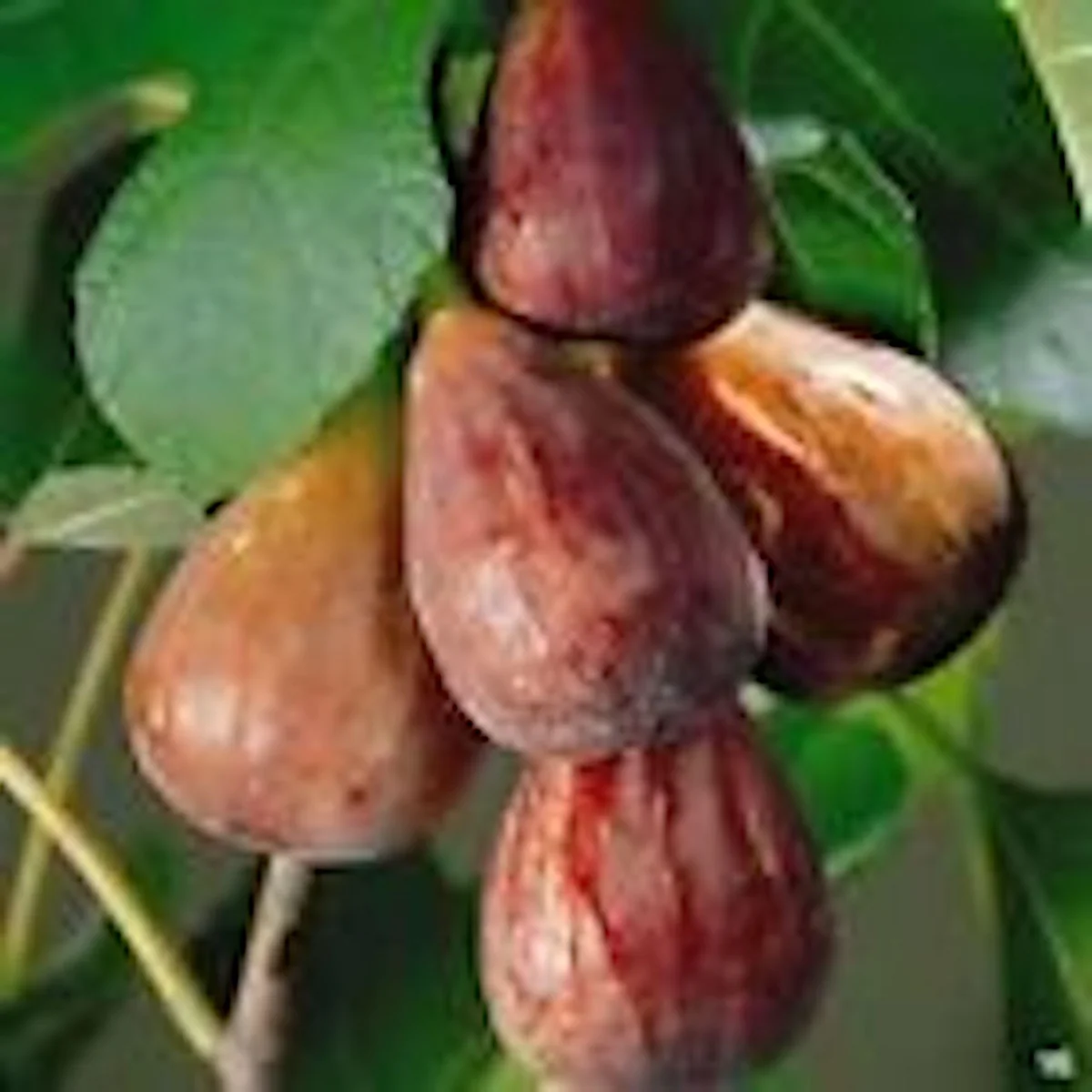
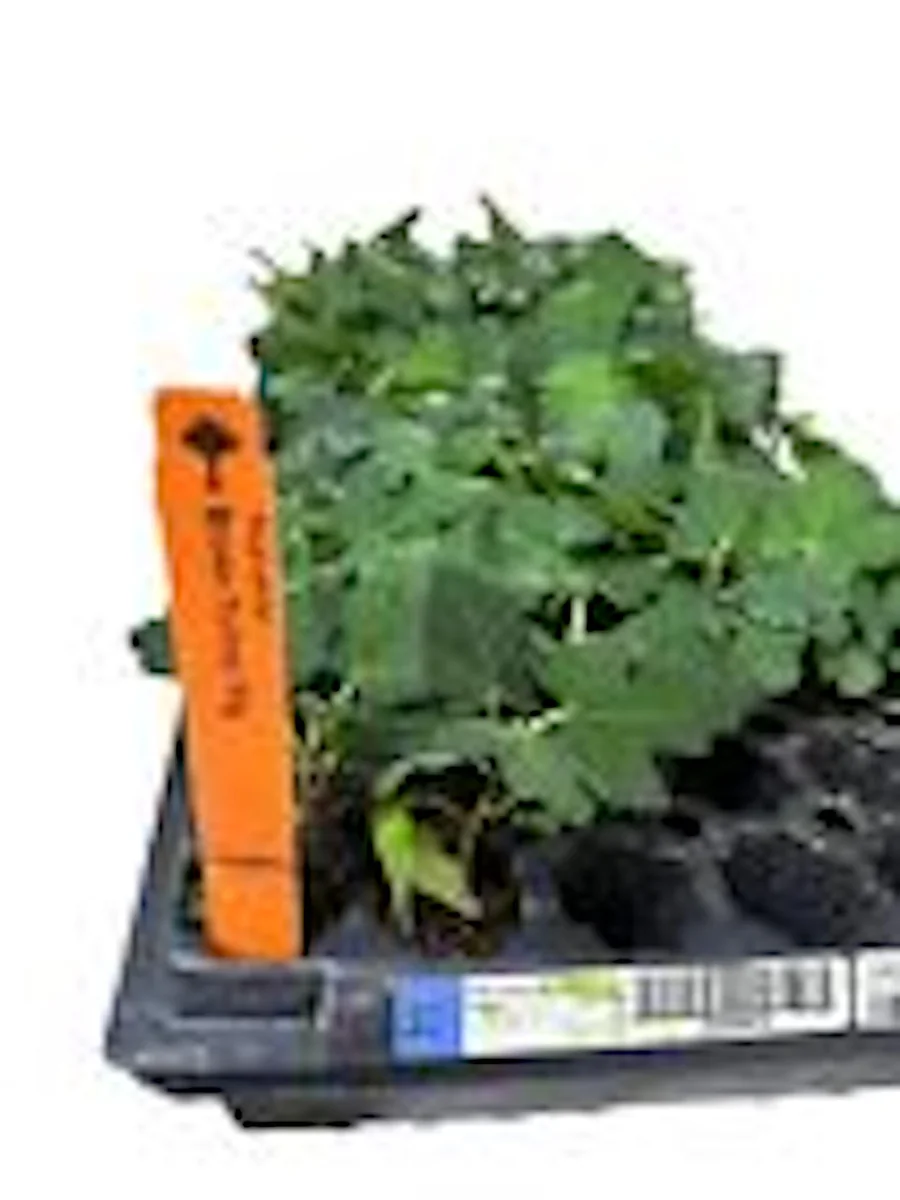
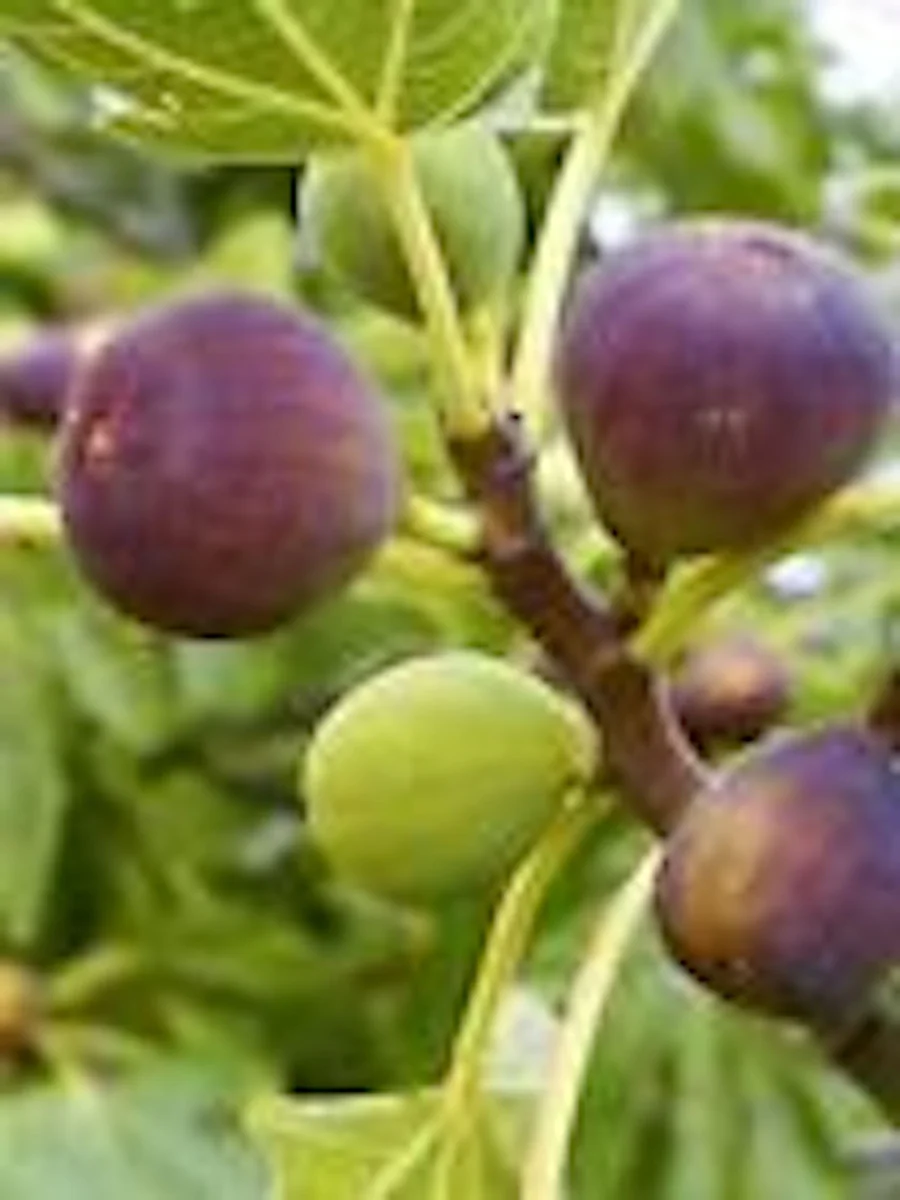
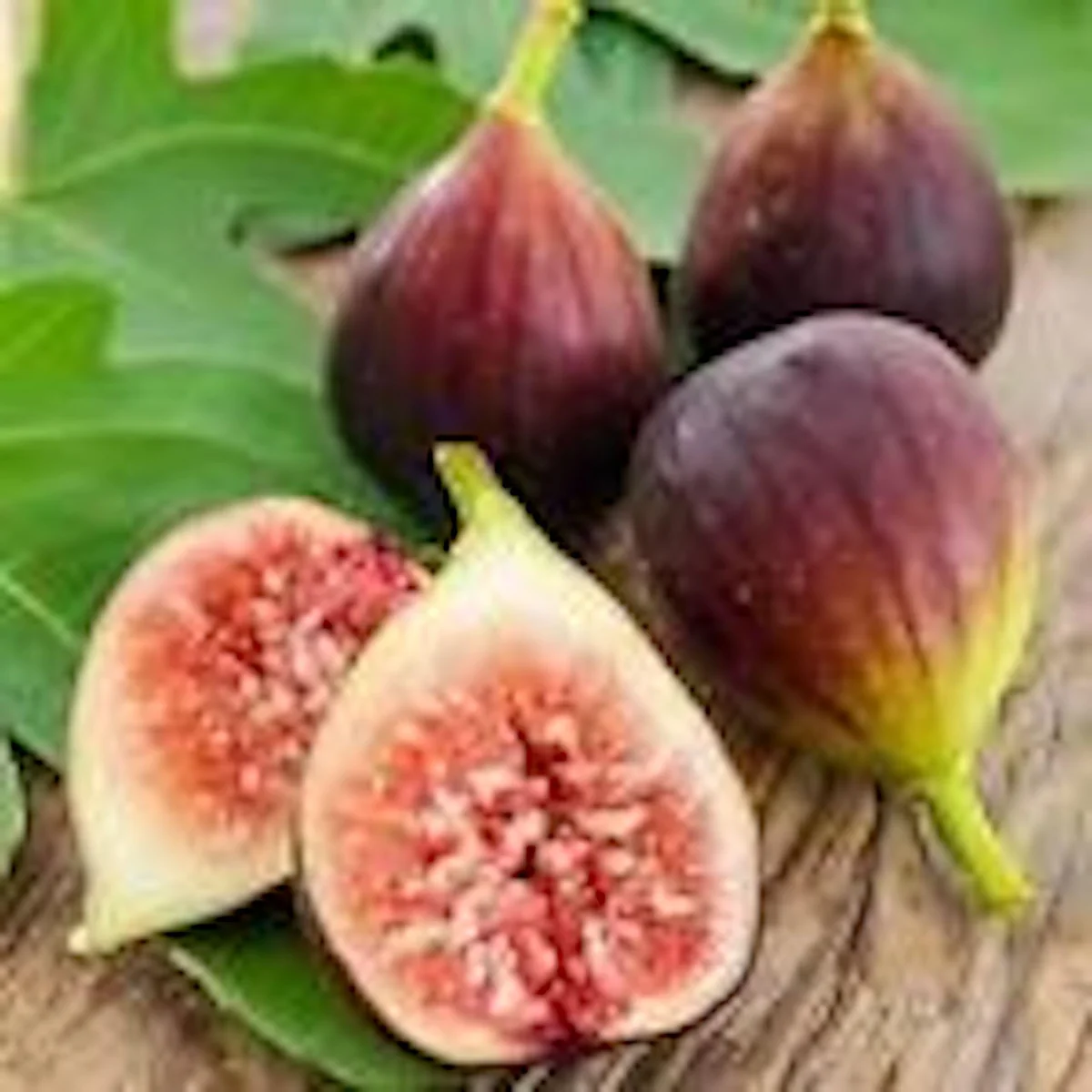
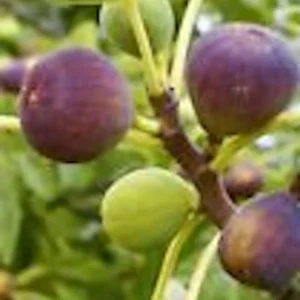
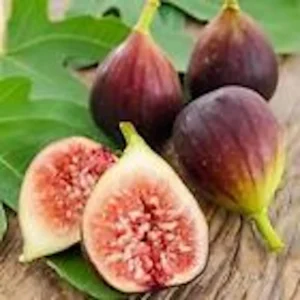
Bring the joy of fresh, homegrown fruit to your garden with this set of 3 Brown Turkey Fig Tree live plant starters. The Brown Turkey fig (Ficus carica) is a beloved fruiting perennial, celebrated for its delicious, sweet fruit that ripens directly on the branch. Unlike many other fruits, figs offer the best flavor when harvested ripe from the tree, providing an unparalleled culinary experience. These iconic plants are perfect for home gardeners eager to enjoy the freshest figs, known for their rich, honey-like taste and soft texture. A single Ficus Carica fruiting plant is all you need to start your fig harvest, as these trees are self-fruitful and do not require cross-pollination. Whether you’re a seasoned gardener or just beginning, these fig tree starters offer a rewarding and delicious journey into growing your own food.
The common fig tree, thriving in warm climates, is remarkably easy to cultivate. It’s a robust plant that adapts well to various garden settings. These starters will grow into mature trees capable of producing a bountiful yield, ensuring you have plenty of fresh figs throughout the season. The allure of harvesting your own fruit, bursting with natural sweetness, is a significant draw for many. With these 3 Brown Turkey Fig Tree live plant starters, you’re not just planting trees; you’re planting the promise of delicious, healthy, and satisfying harvests for years to come.
Key Benefits
Investing in these Brown Turkey Fig Tree live plant starters offers a multitude of benefits for your garden and your palate:
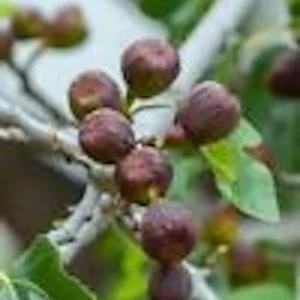
- Abundant Fruit Production: Enjoy a generous harvest of sweet, juicy figs, often yielding two crops per year. The main crop extends from summer into early fall, and some trees may produce a bonus “breba” crop early in the season.
- Exceptional Flavor: Experience the superior taste of figs ripened on the branch, unmatched by store-bought varieties. Figs are incredibly versatile, perfect for fresh eating, baking, jams, or preserving.
- Self-Pollinating: These Ficus Carica fruiting plant specimens are self-fruitful, meaning you only need one plant to produce fruit. This makes them ideal for smaller gardens or those with limited space.
- Drought Tolerance: Once established, these fig trees are surprisingly drought-tolerant, requiring less frequent watering compared to many other fruit trees, making them a sustainable choice for many regions.
- Adaptable Growth: While they can grow 10 to 30 feet tall, fig trees can also be managed through pruning for smaller spaces or even container growing. They thrive in various soil conditions, from loam to clay or sand.
- Health Benefits: Figs are packed with fiber, vitamins, and minerals, offering a healthy and delicious addition to your diet.
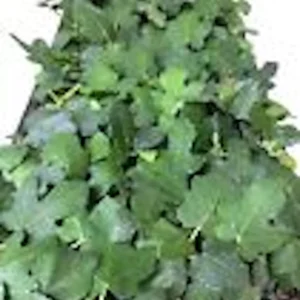
- Visual Appeal: The large, lobed leaves of the perennial fig plant provide an attractive, lush green backdrop in any garden, adding a Mediterranean touch.
Plant Care & Growing Tips
Proper care is essential to ensure your Brown Turkey Fig Tree live plant thrives and produces abundant fruit. Figs require full sun exposure to yield the sweetest and most plentiful harvest. Aim for an area that receives six to eight hours of direct sunlight daily. Less sunlight will result in fewer figs. These trees are best suited for USDA zones 7-10, though they can be grown in containers and brought indoors in colder climates. When you grow fig trees, remember that consistent light is key.
While fig trees tolerate various soil conditions, slightly acidic and well-drained soils are optimal. Incorporating rich organic matter will significantly supplement their growth. Regular potting mixes work well for container-grown figs, provided they retain moisture without becoming waterlogged and are well-aerated. During the first year after planting, regular watering is crucial for establishment. Mulching around the base of the tree helps retain soil moisture and regulate temperature. Once established, these trees become remarkably drought-tolerant. Pay close attention to watering when fruit is developing – check the soil daily and water as needed. To truly understand fig tree care, it’s vital to monitor your specific plant’s needs.
Fertilize your fig tree in early spring before new growth begins, and again in mid-summer with a balanced fertilizer. Pruning should be done in late winter or early spring to remove dead or diseased branches and to shape the tree, promoting better fruit production. Watch out for common pests like fig beetles and birds, which can be managed with netting or organic pest control methods. Learning to grow fig trees successfully means understanding their environmental requirements and responding to their needs throughout the growing season. This perennial fig plant is quite resilient, but consistent attention to these details will ensure a healthy, productive tree.
Size & Details
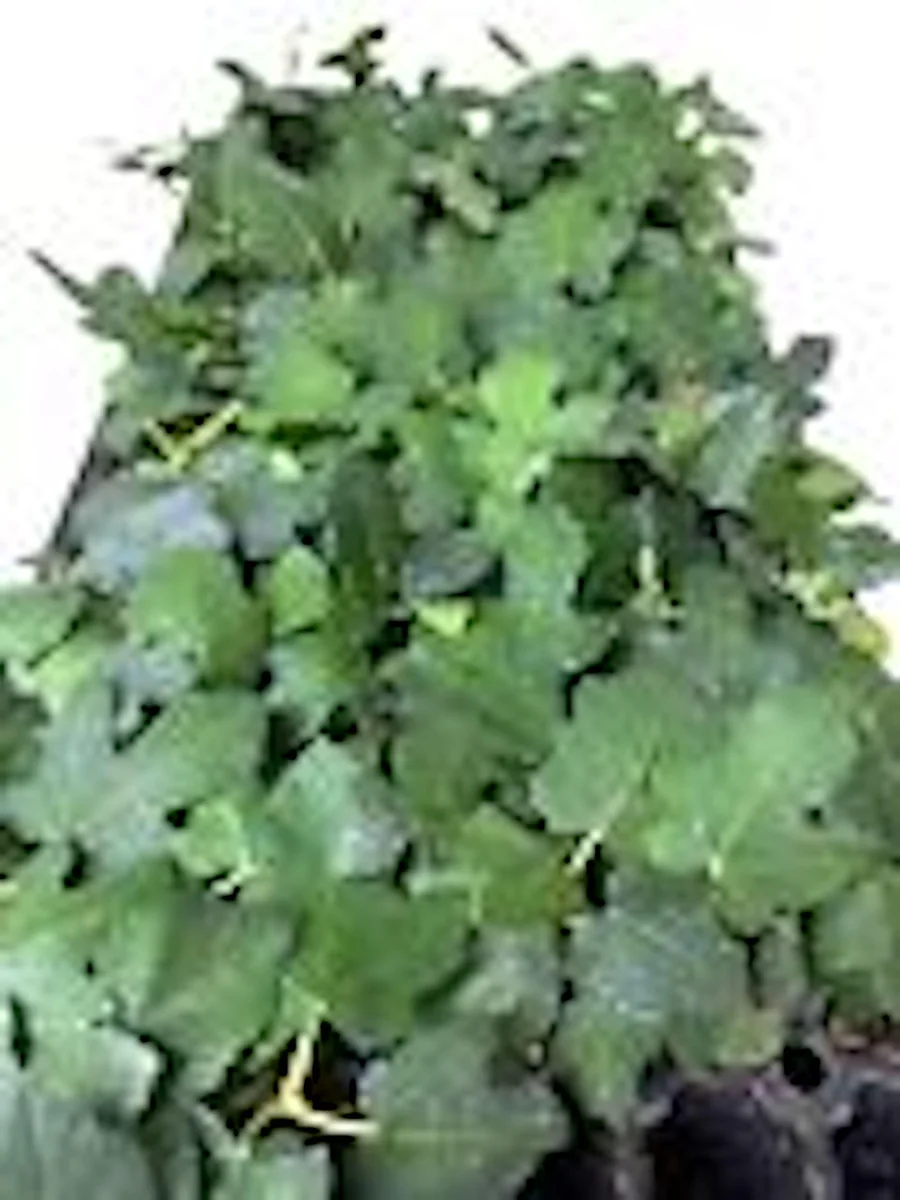
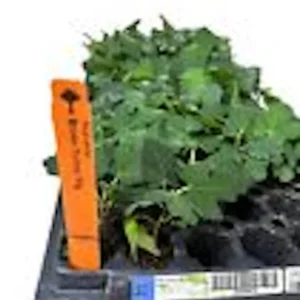
This offering includes 3 Brown Turkey Fig Tree live plant starters, ready for planting and establishment in your garden. These young plants are typically shipped as bare-root specimens, meaning they arrive without soil or a pot, which is an ideal method for transplanting and encourages rapid root development upon arrival. While exact initial size may vary, these starters are generally robust and well-prepared for growth. Mature Brown Turkey fig trees can reach heights of 10 to 30 feet, depending on growing conditions and pruning practices. However, they can be pruned to maintain a smaller, more manageable size, making them suitable for various garden spaces, including large containers.
Expected growth rate for a Ficus Carica fruiting plant is moderate to fast, allowing you to enjoy fresh fruit within a few years of planting. The Brown Turkey fig is known for its reliability and consistent fruit production once established. Planting these starters provides an excellent opportunity to cultivate your own sustainable source of delicious figs. Ensure you provide adequate space for their roots to spread if planting directly in the ground. These are healthy, viable plants chosen to give you the best start in growing your own delightful fig harvest.
Frequently Asked Questions
- Q: How big do these Brown Turkey Fig Tree live plants get? A: A mature Brown Turkey Fig Tree live plant can reach heights of 10 to 30 feet tall if left unpruned. However, they can be easily maintained at a smaller size through regular pruning, making them adaptable for various garden sizes or even large containers.
- Q: What condition will the fig tree starters arrive in? A: These plants typically ship as bare-root starters. This means they will arrive without soil or a pot, carefully packaged to ensure their health during transit.
- Q: How much sunlight does a Ficus Carica fruiting plant need? A: For optimal fruit production and the sweetest figs, a Ficus Carica fruiting plant requires full sun exposure, meaning at least six to eight hours of direct sunlight per day.
- Q: Is this fig tree easy to care for? A: Yes, the Brown Turkey fig is known for being relatively easy to care for, especially once established. It’s a great choice for both novice and experienced gardeners looking to grow fig trees.
- Q: When is the best time to plant these perennial fig plants? A: The best time to plant these bare-root starters is typically in early spring, after the last frost, or in early fall. This allows the plant to establish its root system before extreme temperatures.
- Q: How long until these fig trees produce fruit? A: You can typically expect your perennial fig plant to start producing fruit within 1 to 3 years after planting, with increasing yields as the tree matures.
- Q: What kind of soil is best for fig tree care? A: Fig trees prefer well-drained soil with a slightly acidic to neutral pH. While adaptable to various soil types, incorporating organic matter will greatly benefit their growth and fruit production.
- Q: Will this fig tree survive winter in my zone? A: Brown Turkey fig trees are generally hardy in USDA zones 7-10. In colder zones, they can be grown in containers and moved indoors during the winter months, or heavily mulched for protection.
- Q: Do I need more than one fig tree for fruit? A: No, the Brown Turkey fig is self-fruitful, meaning you only need one Ficus Carica fruiting plant to produce delicious fruit.
- Q: Can I grow fig trees in a pot? A: Yes, fig tree care for potted plants is very common. Choose a large container (at least 15-20 gallons) and ensure it has good drainage. You’ll need to water more frequently than in-ground trees.


Reviews
There are no reviews yet.