Overview
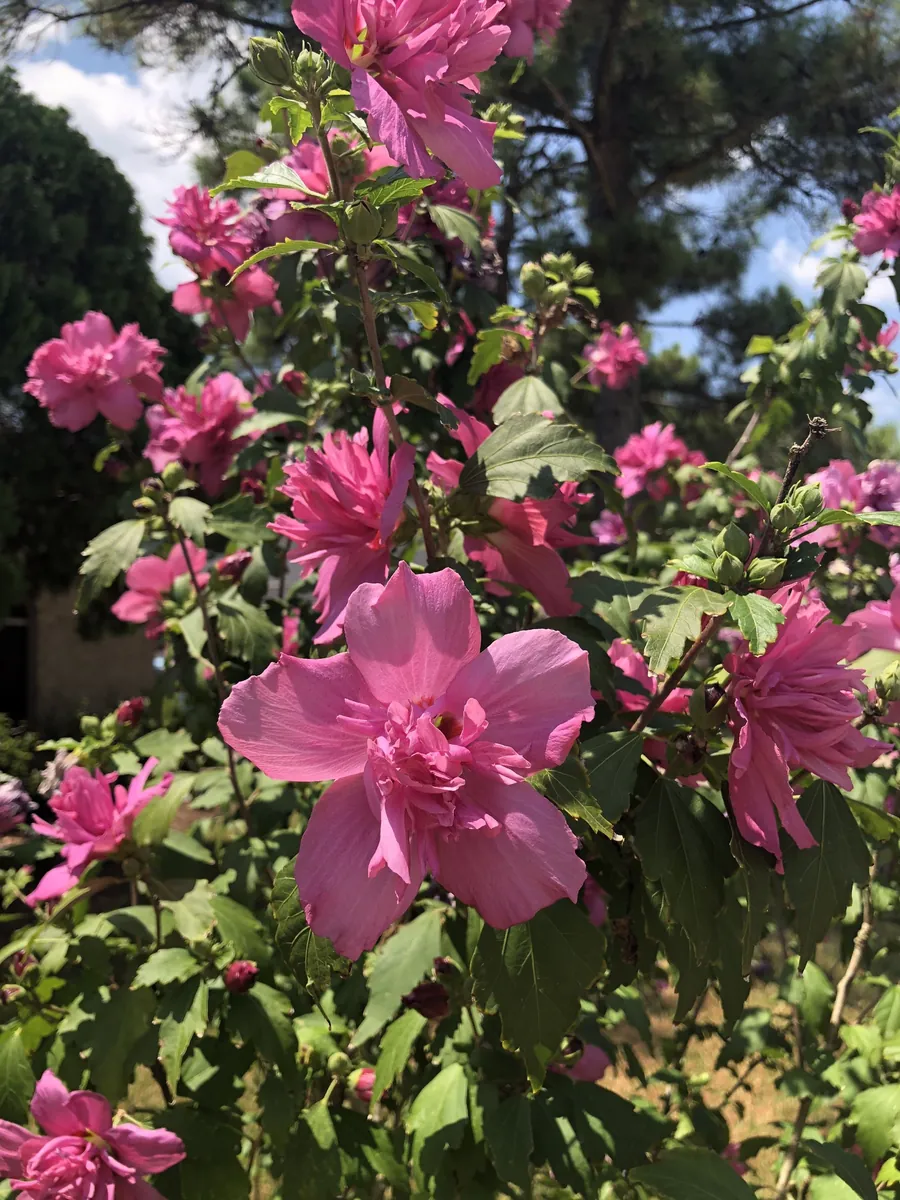
Introduce a touch of elegance and vibrant color to your garden with the stunning Red Rose of Sharon live plant. This mature, healthy specimen is delivered in a 1 gallon pot, ready to be transplanted into your landscape. Also known by its botanical name, Hibiscus syriacus, and commonly referred to as Althea shrub or Syrian ketmia, the Rose of Sharon is a deciduous shrub celebrated for its profusion of large, trumpet-shaped flowers. It’s an excellent choice for gardeners looking for a low-maintenance, yet spectacular flowering specimen. Originating from south-central and southeast China, this resilient shrub has become a beloved fixture in gardens across North America, thriving particularly well in USDA Zones 6-9. The striking red blooms will provide a continuous display of beauty throughout the summer and into the fall, attracting pollinators like hummingbirds and butterflies to your outdoor space.
The Red Rose of Sharon live plant is a versatile shrub that can serve many purposes in your garden design. Whether you’re creating a vibrant hedge, adding a focal point to a mixed border, or simply looking for a beautiful and easy-to-grow plant, this Althea shrub outdoor is an ideal choice. Its robust nature and adaptability make it suitable for both experienced gardeners and beginners alike. Enjoy the charm and enduring beauty of this classic garden favorite for years to come.
Key Benefits
The Red Rose of Sharon live plant offers numerous advantages, making it a highly desirable addition to any garden. Its impressive floral display and easy care requirements are just a few reasons why it’s so popular, providing a fantastic focal point as a flowering shrub for garden use.
- Extended Bloom Season: Unlike many flowering shrubs that bloom for a short period, the Red Rose of Sharon live plant produces its spectacular red flowers from summer through fall, providing continuous color when many other plants have faded.
- Low Maintenance: This hardy shrub is remarkably easy to care for, requiring minimal attention once established. It tolerates a range of soil conditions and is relatively pest and disease resistant, making it perfect for busy gardeners.
- Attracts Pollinators: The vibrant, open blooms are a magnet for hummingbirds, butterflies, and other beneficial pollinators, bringing life and activity to your garden.
- Versatile Landscaping Use: Its upright growth habit and dense foliage make it suitable for various landscape applications, including hedges, privacy screens, mixed borders, or as a stand-alone specimen plant. This Althea shrub outdoor truly shines in any setting.
- Drought Tolerant: Once established, the drought tolerant Rose of Sharon needs are minimal, including a good level of drought tolerance, making it a resilient choice for various climates and water conservation efforts.
- Deer Resistant: While no plant is entirely deer-proof, Rose of Sharon is generally considered less appealing to deer compared to other garden favorites, offering some protection against browsing.
- Adaptable to Urban Environments: This shrub tolerates urban pollution and can thrive in city gardens, making it a great option for challenging growing conditions.
Plant Care & Growing Tips
Proper Hibiscus syriacus care ensures a healthy, thriving plant with abundant blooms. This adaptable shrub is generally easy to grow, but understanding its basic needs will help it reach its full potential. The Hibiscus syriacus prefers a location with full sun to partial shade, meaning it should receive at least 6 hours of direct sunlight daily for optimal flowering. While it can tolerate some shade, too little sun may result in fewer blooms. Ensure good air circulation around the plant to prevent fungal issues.
When it comes to watering, the Red Rose of Sharon live plant prefers consistently moist soil, especially during its establishment period. Once mature, it becomes quite drought tolerant Rose of Sharon, but regular watering during prolonged dry spells will promote better flowering. The ideal soil for this shrub is well-draining, fertile, and slightly acidic to neutral. Amend heavy clay soils with compost to improve drainage. Fertilize in early spring with a balanced slow-release granular fertilizer formulated for flowering shrubs. Pruning is best done in late winter or early spring before new growth begins, focusing on removing dead or crossing branches and shaping the plant. You can also prune to control size and encourage more prolific blooming on new wood. This flowering shrub for garden is quite resilient, but keep an eye out for common pests like aphids, which can usually be managed with insecticidal soap.
The Althea shrub outdoor is hardy in USDA Zones 6-9. In colder zones, ensure it receives adequate winter protection, such as a layer of mulch around the base. It is a robust plant that generally bounces back even after a harsh winter. With the right care, your Red Rose of Sharon live plant will provide years of beautiful blooms and enjoyment, making Hibiscus syriacus care a rewarding experience.
Size & Details
You will receive one healthy Red Rose of Sharon live plant, expertly grown and shipped in a 1 gallon pot. This allows for a smooth transition from our nursery to your garden, ensuring a strong start for your new shrub. At the time of shipment, the plant will have established roots and foliage, ready for planting. The mature size of the Hibiscus syriacus typically reaches 8 to 12 feet in height with a spread of 6 to 10 feet, though it can be maintained at a smaller size through regular pruning. It has a moderate to fast growth rate, quickly filling in garden spaces.
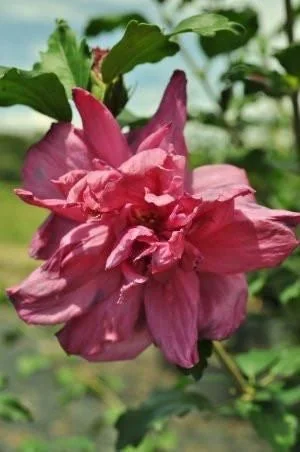
This flowering shrub for garden produces large, single or double, red hibiscus-like flowers, creating a dramatic visual impact. It is a deciduous shrub, meaning it will lose its leaves in the fall and regrow them in the spring. Plant in USDA Zones 6-9 for best results. The plant will arrive carefully packaged to minimize stress during transit, ensuring it reaches you in excellent condition, ready for its new home.
Frequently Asked Questions
- Q: How big does this Rose of Sharon plant get? A: A mature Red Rose of Sharon live plant typically grows to be 8 to 12 feet tall with a spread of 6 to 10 feet. Its size can be managed with annual pruning.
- Q: Is this an indoor or outdoor plant? A: This is an outdoor shrub, specifically an Althea shrub outdoor, best suited for planting directly in the ground in garden beds or as a large container plant on a patio.
- Q: How much sunlight does the Red Rose of Sharon need? A: For the best blooming performance, the Hibiscus syriacus prefers full sun, meaning at least 6 hours of direct sunlight per day. It can tolerate partial shade, but flowering may be reduced.
- Q: Is this plant easy to care for? A: Yes, the Red Rose of Sharon live plant is considered a low-maintenance shrub. It’s quite hardy and adaptable, making Hibiscus syriacus care relatively easy for gardeners of all experience levels.
- Q: What condition will it arrive in? A: Your plant will arrive in a 1 gallon pot, well-rooted and carefully packaged to ensure it reaches you in a healthy, vibrant condition, ready for planting.
- Q: When is the best time to plant a Rose of Sharon? A: The best time to plant a Red Rose of Sharon live plant is in spring or early fall when temperatures are moderate. This allows the plant to establish its root system before extreme heat or cold.
- Q: Will it survive winter in my zone? A: The Althea shrub outdoor is hardy in USDA Zones 6-9. If you are within these zones, it should successfully overwinter and return in the spring. In colder parts of Zone 6, some winter protection like mulch may be beneficial, helping with drought tolerant Rose of Sharon characteristics in cooler months.
- Q: What type of soil does a Red Rose of Sharon prefer? A: This flowering shrub for garden thrives in well-draining, fertile soil. It is adaptable to various soil types, but heavy clay soils should be amended with organic matter to improve drainage.
- Q: How often should I water my new Rose of Sharon? A: During its first year, water your newly planted Red Rose of Sharon live plant regularly to keep the soil consistently moist. Once established, it is quite drought tolerant but will benefit from watering during dry periods.
- Q: Does the Rose of Sharon attract pollinators? A: Yes, the vibrant red flowers of the Hibiscus syriacus are very attractive to hummingbirds, butterflies, and bees, making it a great choice for a pollinator-friendly garden.


Reviews
There are no reviews yet.