Overview
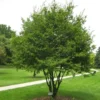
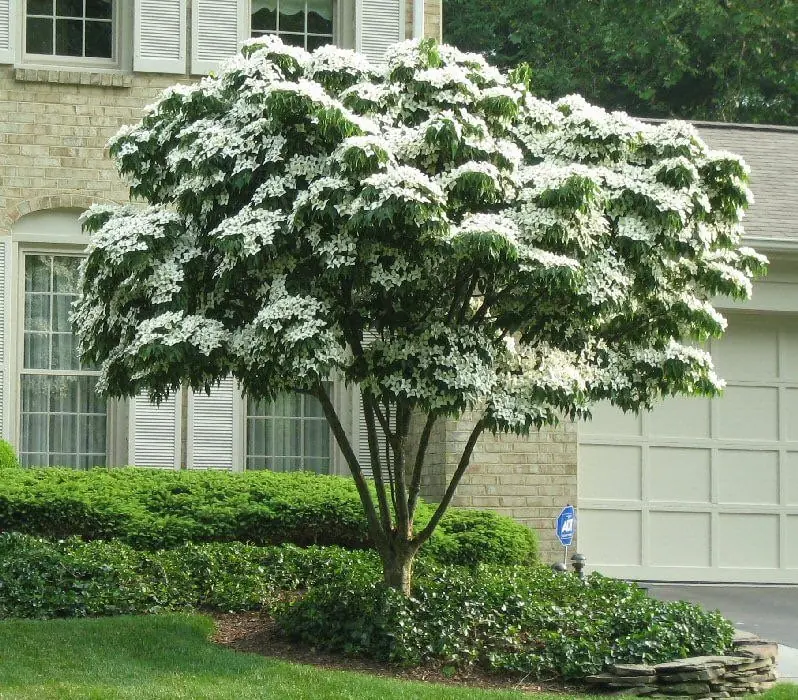
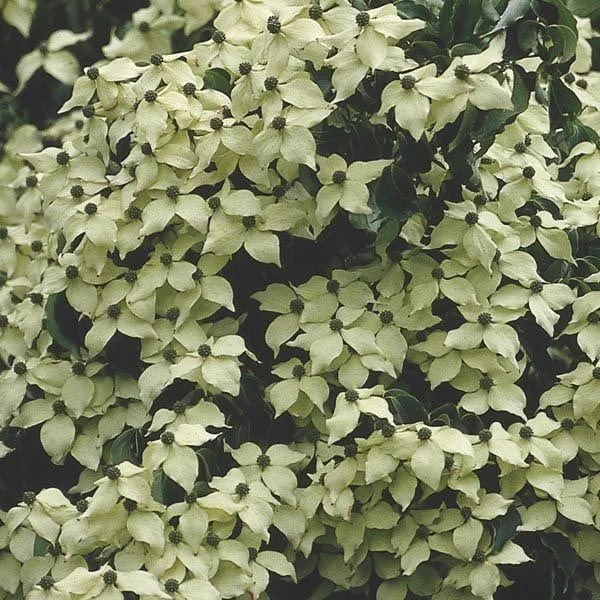
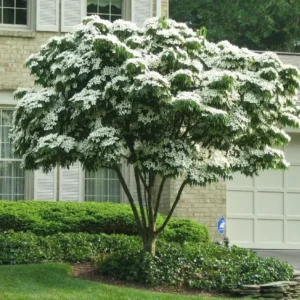
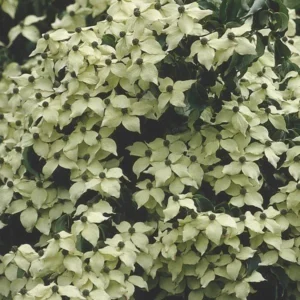
Introduce breathtaking beauty to your garden with a kousa flowering dogwood live plant. This exquisite deciduous tree, scientifically known as Cornus kousa, is celebrated for its stunning, star-like white bracts that appear in late spring to early summer, long after traditional dogwoods have finished blooming. Originating from East Asia, including Korea, China, and Japan, the kousa flowering dogwood live plant offers year-round visual interest. Beyond its spectacular flowers, it develops attractive red, berry-like fruit in the fall, which is a favorite among birds, and boasts striking reddish-purple autumn foliage. This particular offering is for a healthy young plant, ready to establish itself in your outdoor space, providing a graceful and captivating focal point for years to come.
The kousa flowering dogwood live plant is a versatile addition, suitable as a specimen tree, part of a mixed border, or even in naturalized settings. It’s a relatively low-maintenance tree once established, making it a rewarding choice for both novice and experienced gardeners. Its unique branching structure and exfoliating bark also add winter interest, ensuring your garden remains vibrant through all seasons. Discover the charm of this magnificent tree and elevate your landscape with its enduring appeal, making it a perfect addition for those seeking an elegant white flowering dogwood.
Key Benefits
Choosing a kousa flowering dogwood live plant for your garden brings a multitude of benefits, enhancing both the aesthetic and ecological value of your outdoor environment. This plant is not only beautiful but also resilient and beneficial, making Cornus kousa tree an excellent choice.
- Spectacular Seasonal Display: Enjoy an extended blooming season with large, star-like white flowers that appear in late spring, followed by vibrant red autumn foliage and unique berry-like fruit. The kousa flowering dogwood live plant provides continuous visual interest throughout the year.
- Wildlife Attraction: The distinctive red fruits produced in the fall are a natural food source for local birds, helping to support local ecosystems and bringing more life to your garden. This contributes to a healthier backyard habitat.
- Disease Resistance: Unlike some other dogwood varieties, Cornus kousa is notably resistant to common dogwood diseases, reducing the need for intensive care and treatments. This makes for easier dogwood tree care.
- Versatile Landscape Use: Perfect as a standalone specimen, part of a mixed shrub border, or to provide dappled shade, this tree adapts well to various garden designs and roles. Its adaptability makes it a gardener’s favorite.
- Attractive Bark: As the tree matures, its exfoliating bark reveals an appealing patchwork of grays, tans, and browns, providing excellent winter interest when other plants are dormant. This ensures year-round visual appeal.
- Hardy and Adaptable: Thriving in USDA Zones 5-9, the kousa flowering dogwood live plant is robust and can tolerate a range of soil conditions, making it suitable for many regions. This resilience contributes to its popularity.
- Year-Round Appeal: From spring blooms to summer greenery, fall color, and winter bark, this tree offers beauty in every season, ensuring your garden always has something to admire. It’s a truly dynamic landscape feature.
Plant Care & Growing Tips
Proper care is essential for your kousa flowering dogwood live plant to flourish and provide years of enjoyment. This tree is relatively easy to care for once established, but understanding its specific needs will ensure optimal growth and blooming. For those interested in dogwood tree care, attention to light, soil, and watering is paramount. Adhering to a good care routine will help your Cornus kousa tree thrive.
Sunlight Requirements: The kousa flowering dogwood live plant prefers a location that receives full sun to partial shade. In hotter climates, afternoon shade is beneficial to protect the foliage from scorching. Aim for at least 4-6 hours of direct sunlight per day for the best flowering, with some protection during the hottest part of the day. This balance helps in achieving vibrant blooms and healthy growth. When considering how to provide the best environment, remember that too much shade can reduce flowering, while too much intense sun can stress the tree.
Watering Schedule and Soil: Consistent moisture is key, especially during the first few years after planting and during dry spells. Water deeply and regularly, ensuring the soil remains evenly moist but not waterlogged. Allow the top inch or two of soil to dry out slightly between waterings. The kousa flowering dogwood live plant thrives in well-draining, slightly acidic to neutral soil (pH 5.5-6.5) that is rich in organic matter. Amending heavy clay soils with compost will improve drainage, while sandy soils will benefit from organic matter to retain moisture. Good drainage is crucial to prevent root rot, a common issue for many trees. Understanding the proper growing guide for soil conditions is vital for your Japanese dogwood plant.
Temperature and Hardiness: This resilient tree is hardy in USDA Zones 5-9, making it suitable for a wide range of climates. It can tolerate both cold winters and warm summers, provided its other needs are met. Protect young trees from harsh winter winds. Fertilize in early spring with a balanced, slow-release fertilizer formulated for trees and shrubs. Pruning should be done in late winter or early spring to remove dead, damaged, or crossing branches, and to maintain its natural shape. While generally robust, keep an eye out for common pests like borers or scale, and treat promptly if detected. Following a comprehensive Japanese dogwood plant care routine will ensure longevity and beauty.
Size & Details
This offering is for one kousa flowering dogwood live plant, shipped in a quart pot. Upon arrival, the plant will be well-rooted and ready for transplanting into your garden. Kousa dogwood is a small to medium-sized deciduous tree, typically growing 8–12 meters (approximately 26–39 feet) tall at maturity, with a similar spread, forming a graceful, vase-like shape. Its growth rate is moderate, adding about 12-24 inches per year, depending on growing conditions and care. Expect the tree to begin producing its characteristic white blooms within a few years of planting, with more abundant flowering as it matures. The berries ripen in late summer to early fall, and the intense autumn leaf color develops before leaf drop. This white flowering dogwood is an investment that matures into a stunning landscape feature, providing years of enjoyment and beauty.
Frequently Asked Questions
- Q: How big does this plant get? A: The kousa flowering dogwood live plant typically grows into a small to medium-sized deciduous tree, reaching a height of 26-39 feet with a similar spread at maturity. Its growth rate is moderate, adding 1-2 feet per year, making it a significant addition to your landscape over time.
- Q: What size pot does it come in? A: Each plant is shipped in a quart-sized pot, providing a healthy root system ready for transplanting into your garden or a larger container. This ensures a strong start for your new tree.
- Q: Is this an indoor or outdoor plant? A: The kousa flowering dogwood live plant is an outdoor deciduous tree, best suited for planting in gardens and landscapes where it can receive adequate sunlight and space to grow. It is not suitable for indoor cultivation.
- Q: How much sunlight does it need? A: It thrives in full sun to partial shade, ideally receiving at least 4-6 hours of direct sunlight daily. In hotter regions, afternoon shade is beneficial to prevent leaf scorch. This is crucial information for proper dogwood tree care.
- Q: Is this plant easy to care for? A: Yes, once established, the kousa flowering dogwood live plant is considered relatively low-maintenance. It requires consistent watering during dry periods and benefits from annual fertilization and occasional pruning to maintain its shape and health.
- Q: What condition will it arrive in? A: Your plant will arrive healthy and well-rooted in its quart pot, carefully packaged to ensure its safety during transit. It will be ready for immediate planting upon arrival.
- Q: How long until it blooms? A: Young Japanese dogwood plant specimens typically begin to bloom within a few years of planting, with the flower production increasing significantly as the tree matures and establishes itself in your garden.
- Q: When is the best time to plant? A: The ideal time to plant your kousa flowering dogwood live plant is in spring or early fall, allowing the roots to establish before extreme temperatures. This provides the best chance for successful growth.
- Q: Will it survive winter in my zone? A: This tree is hardy in USDA Zones 5-9, meaning it is well-suited to survive winters within these hardiness zones. Protection for very young plants in the colder end of its range may be beneficial during their first winter.
- Q: What makes this tree unique? A: The white flowering dogwood (Cornus kousa) stands out with its late spring to early summer blooms, attractive exfoliating bark, vibrant fall foliage, and resistance to many common dogwood diseases, offering year-round appeal and a distinct beauty.


Reviews
There are no reviews yet.