Overview
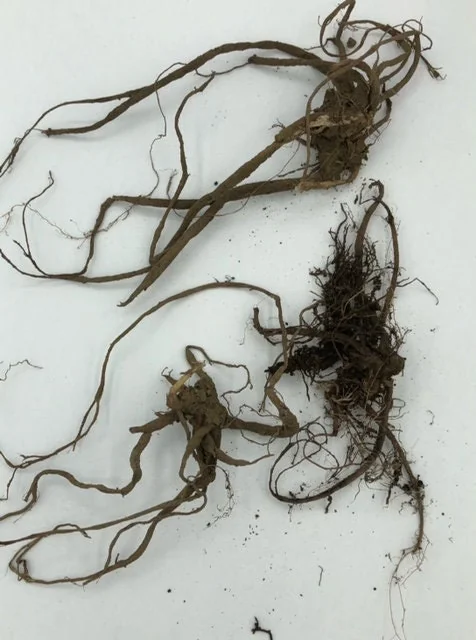
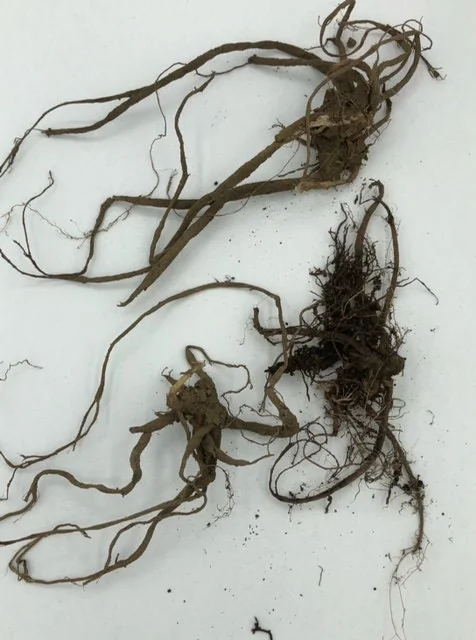
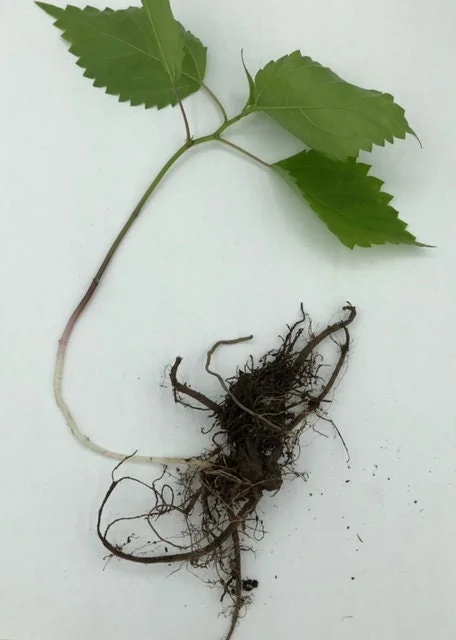
Embark on a rewarding gardening journey with our premium offering of 20 stinging nettle bare roots. Each order provides 20 robust Urtica dioica bare root plants, ready to be transplanted into your garden. Stinging nettle, also known by its botanical name Urtica dioica, is a versatile herbaceous perennial celebrated for its numerous culinary and medicinal applications. These organic nettle plants are carefully cultivated to ensure healthy, vigorous growth once planted. Choosing bare roots means you’re getting a resilient start, as these plants are harvested fresh and prepared for immediate planting, promising a strong foundation for your herbal garden. Discover the satisfaction of growing your own nutrient-rich and beneficial urtica dioica plants right at home.
Our commitment to organic practices ensures that these stinging nettle bare roots are free from synthetic pesticides and fertilizers, aligning with sustainable gardening principles. Stinging nettle is a powerhouse of vitamins and minerals, making it a valuable addition to both your kitchen and your herbal apothecary. Whether you’re an experienced herbalist or a home gardener looking to expand your edible landscape, these bare roots provide an excellent and economical way to establish a thriving nettle patch. With proper care, these plants will flourish, providing you with a continuous supply of fresh leaves for teas, tinctures, and culinary dishes.
Key Benefits
Cultivating stinging nettle bare roots offers a multitude of advantages, transforming your garden into a source of wellness and culinary delight. These urtica dioica plants are not only easy to grow but also provide significant benefits for both you and your garden ecosystem.
- Nutrient-Rich Harvest: Stinging nettle leaves are packed with vitamins A, C, K, B, and minerals like iron, calcium, magnesium, and potassium. Growing your own ensures a fresh, organic supply for teas, soups, and other healthful preparations.
- Medicinal Properties: Historically, organic nettle plants have been used for their anti-inflammatory, diuretic, and antioxidant properties. Having them readily available allows for easy access to this traditional herbal remedy.
- Supports Local Ecosystem: Stinging nettle can attract beneficial insects and pollinators to your garden, contributing to a healthier and more diverse environment. It also acts as a host plant for certain butterfly larvae.
- Culinary Versatility: The young leaves of these stinging nettle bare roots can be cooked like spinach, added to pesto, or used to make delicious and nutritious soups and sauces after being blanched to remove the sting.
- Soil Improvement: As a dynamic accumulator, nettle draws nutrients from deep within the soil, enriching the topsoil when used as a chop-and-drop mulch or compost activator.
- Easy to Grow: Stinging nettle is a resilient and low-maintenance plant, making it ideal for both novice and experienced gardeners. Once established, it requires minimal intervention to thrive.
- Sustainable Supply: By choosing to grow stinging nettle from bare roots, you establish a perennial patch that will return year after year, providing a sustainable and continuous harvest without the need for replanting.
Plant Care & Growing Tips
To ensure your 20 stinging nettle bare roots establish successfully and produce a bountiful harvest, understanding their care requirements is crucial. Stinging nettle (Urtica dioica) is quite adaptable but thrives best under specific conditions that mimic its natural habitat. When you grow stinging nettle, choose a location with partial shade to full sun. While it can tolerate full sun, some afternoon shade can prevent scorching in hotter climates and maintain leaf tenderness. Aim for at least 4-6 hours of sunlight daily. These urtica dioica plants prefer consistently moist soil, so regular watering is important, especially during dry spells and in their initial establishment phase. Avoid waterlogging, as this can lead to root rot.
The ideal soil for organic nettle plants is rich, moist, and well-draining, with a pH between 5.5 and 7.0. Amending your garden soil with compost or other organic matter before planting will provide the necessary nutrients and improve drainage. Stinging nettle is quite hardy and can tolerate a wide range of temperatures. It is generally suitable for USDA zones 3-10. Fertilization is typically not heavily required if planted in rich soil, but a light application of a balanced organic fertilizer in early spring can encourage vigorous growth. Be mindful that nettle can spread aggressively, so consider planting it in a contained area or a large pot to manage its growth. Harvesting regularly also helps to keep the plant in check and encourages new, tender growth. Look out for aphids or other common garden pests; a strong spray of water can often dislodge them.
Size & Details
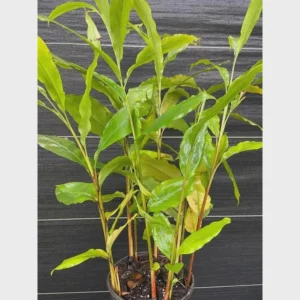
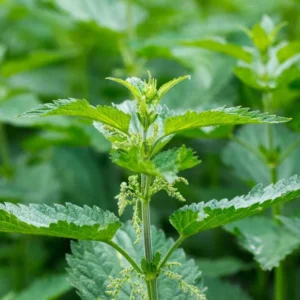
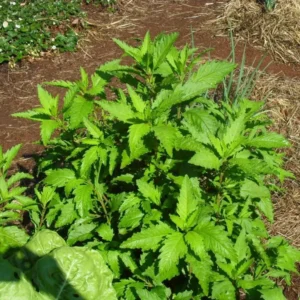
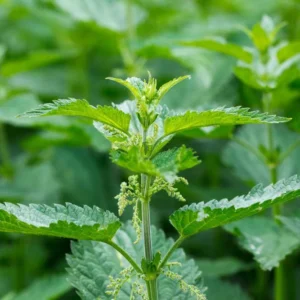
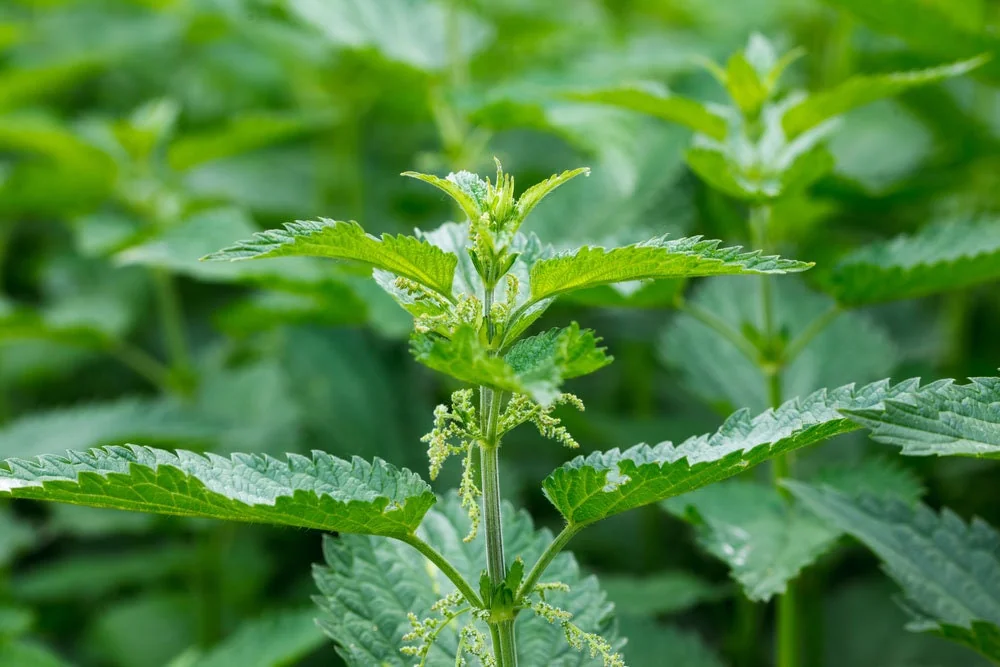
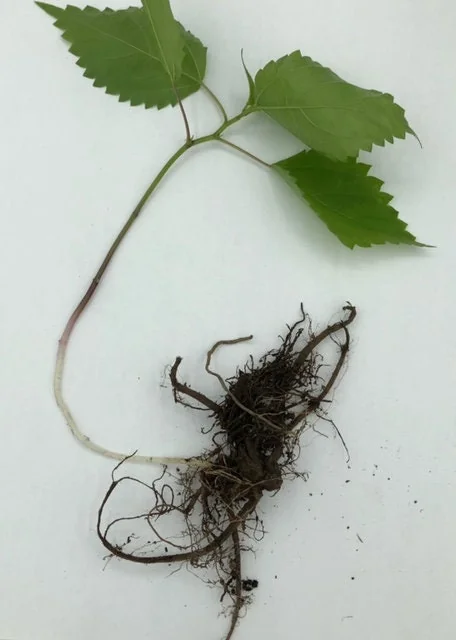
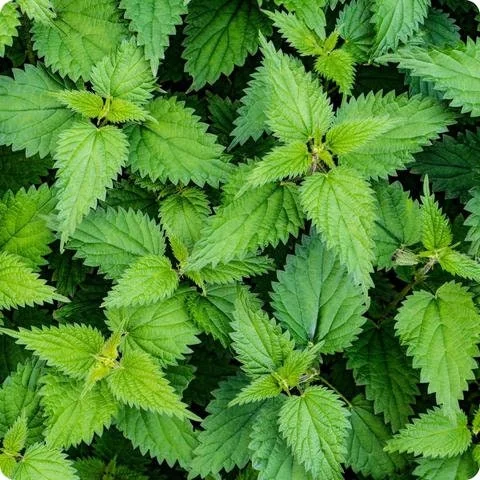
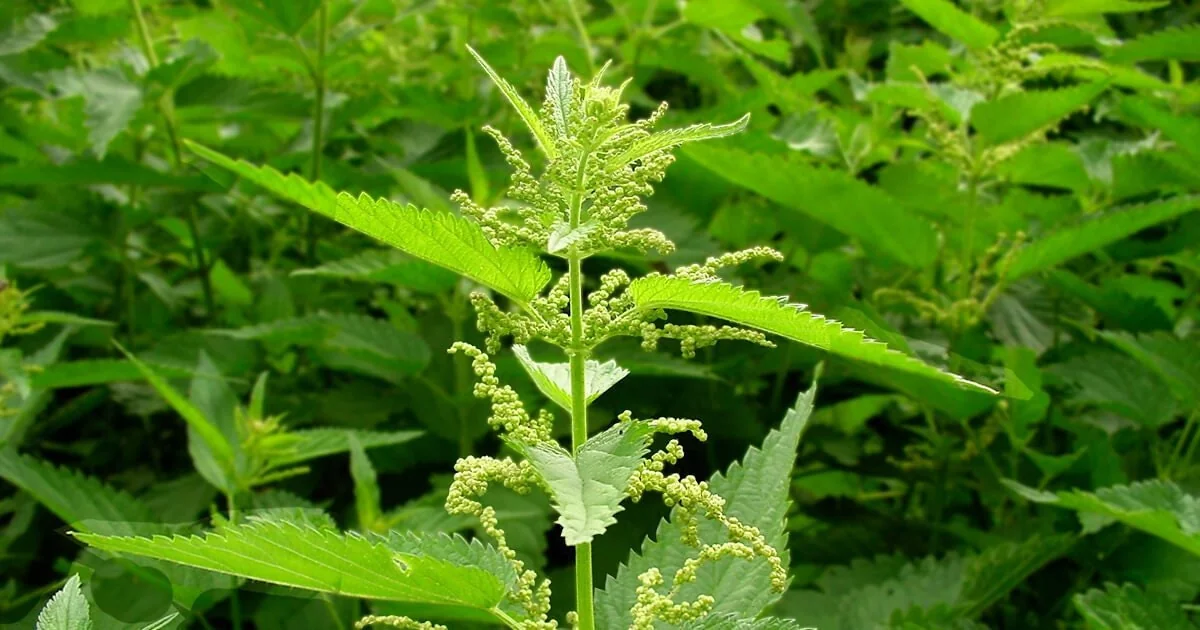
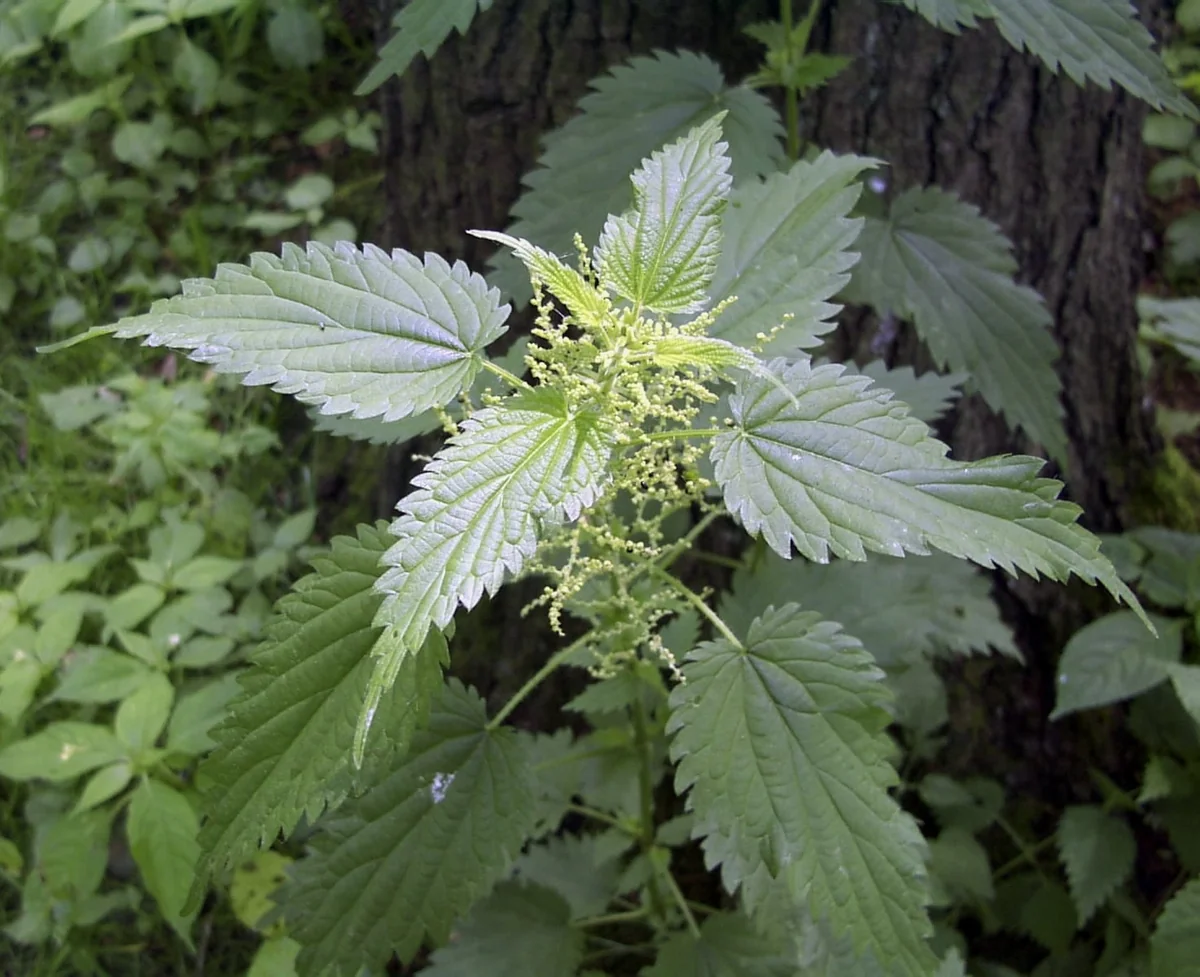
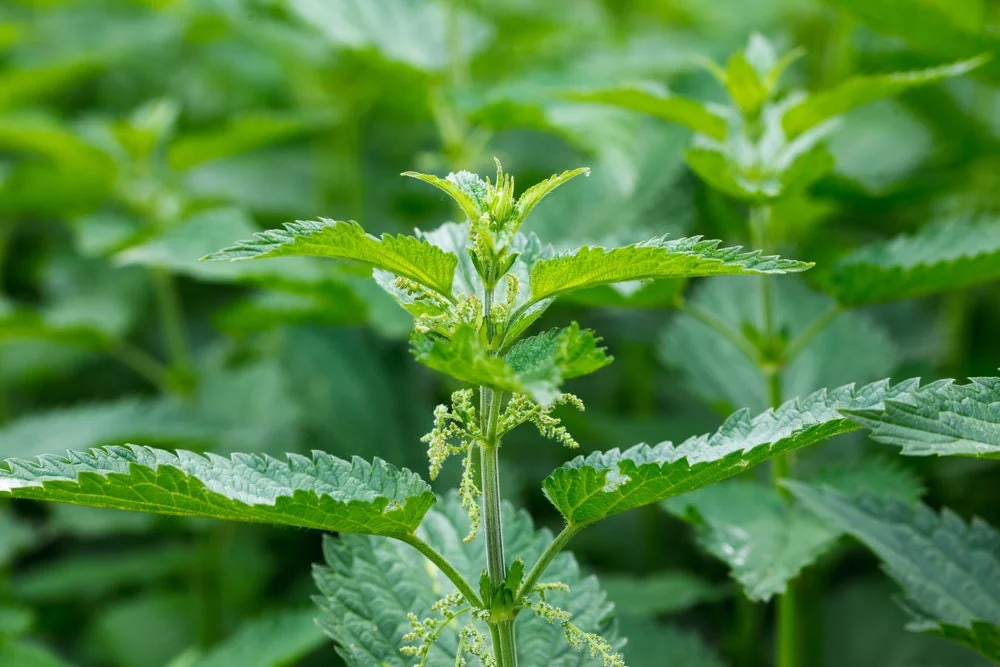
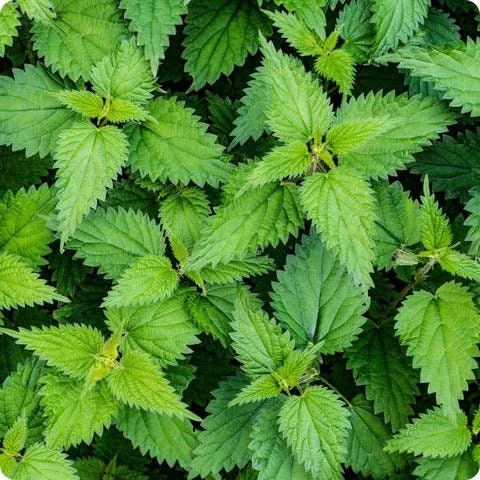
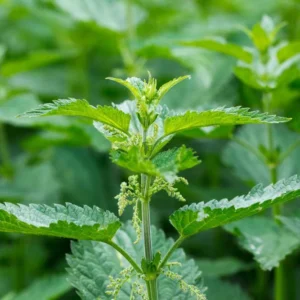
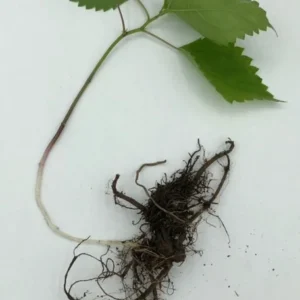
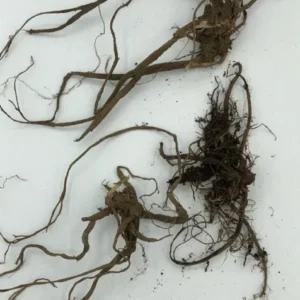
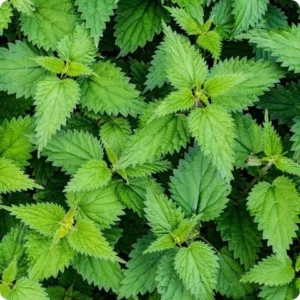
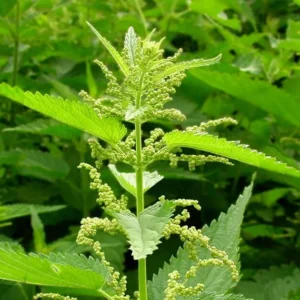
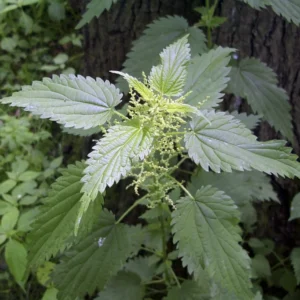
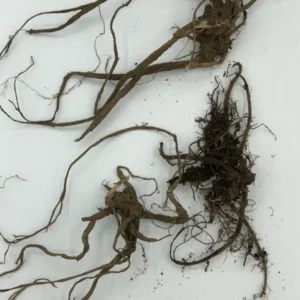
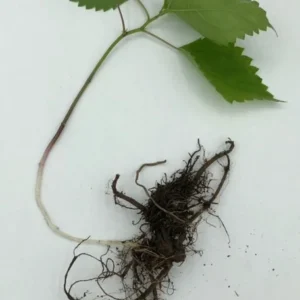
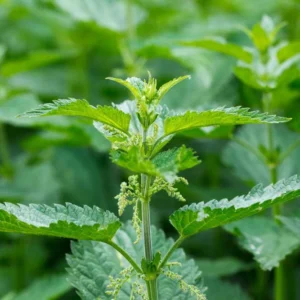
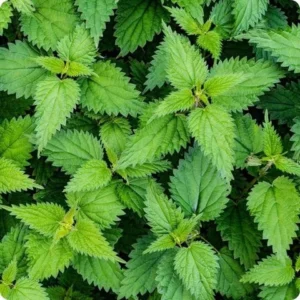
This offering includes 20 stinging nettle bare roots, each carefully selected for optimal health and growth potential. Bare roots are dormant plant material without soil, which allows for easy shipping and reduces transplant shock, ensuring a strong start for your plants. Upon arrival, these urtica dioica plants will appear as a collection of roots, ready for immediate planting. Once established, stinging nettle typically grows to a height of 2 to 7 feet (60-210 cm) and can spread significantly, forming dense patches if not managed. The mature plant features heart-shaped, serrated leaves covered in fine, stinging hairs. Expect these plants to establish quickly after planting, with visible new growth appearing within a few weeks, depending on environmental conditions. They are perennial, meaning they will return year after year from their rootstock, providing a continuous supply for those who wish to grow stinging nettle.
Frequently Asked Questions
- Q: How big does this plant get? A: Stinging nettle typically grows to a height of 2 to 7 feet (60-210 cm) and can spread quite a bit if left unmanaged. Regular harvesting can help control its size and encourage new growth.
- Q: Is this an indoor or outdoor plant? A: While adaptable, stinging nettle bare roots are primarily intended for outdoor cultivation. They thrive in garden beds where they have space to grow and establish their root system.
- Q: How much sunlight does it need? A: These urtica dioica plants prefer partial shade to full sun, ideally receiving 4-6 hours of sunlight daily. In very hot climates, some afternoon shade is beneficial to prevent leaf scorching.
- Q: Is this plant easy to care for? Is it good for beginners? A: Yes, stinging nettle is considered very easy to care for and is an excellent choice for beginners. It’s a resilient plant that requires minimal maintenance once established, making it simple to grow stinging nettle successfully.
- Q: What condition will it arrive in? Is it shipped in soil? A: Your order will arrive as 20 stinging nettle bare roots. They are shipped without soil, in a dormant state, which is ideal for transplanting and reduces stress during transit.
- Q: When is the best time to plant these bare roots? A: The best time to plant organic nettle plants from bare roots is typically in early spring, after the danger of hard frost has passed, or in early fall. This allows the roots to establish before extreme temperatures.
- Q: Will it survive winter in my zone? What’s the minimum temperature? A: Stinging nettle is very cold hardy and can survive winters in USDA Zones 3-10. It can tolerate temperatures well below freezing, dying back to the ground in winter and re-emerging in spring.


Reviews
There are no reviews yet.