Overview
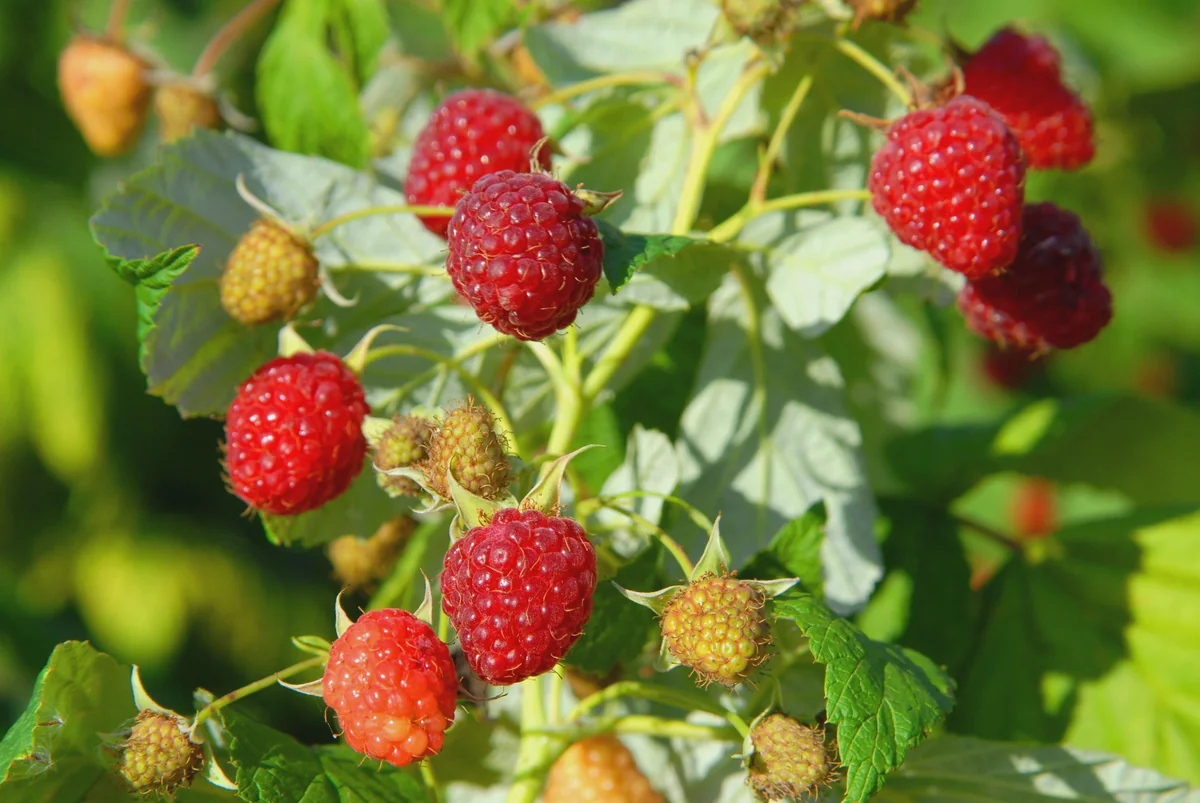
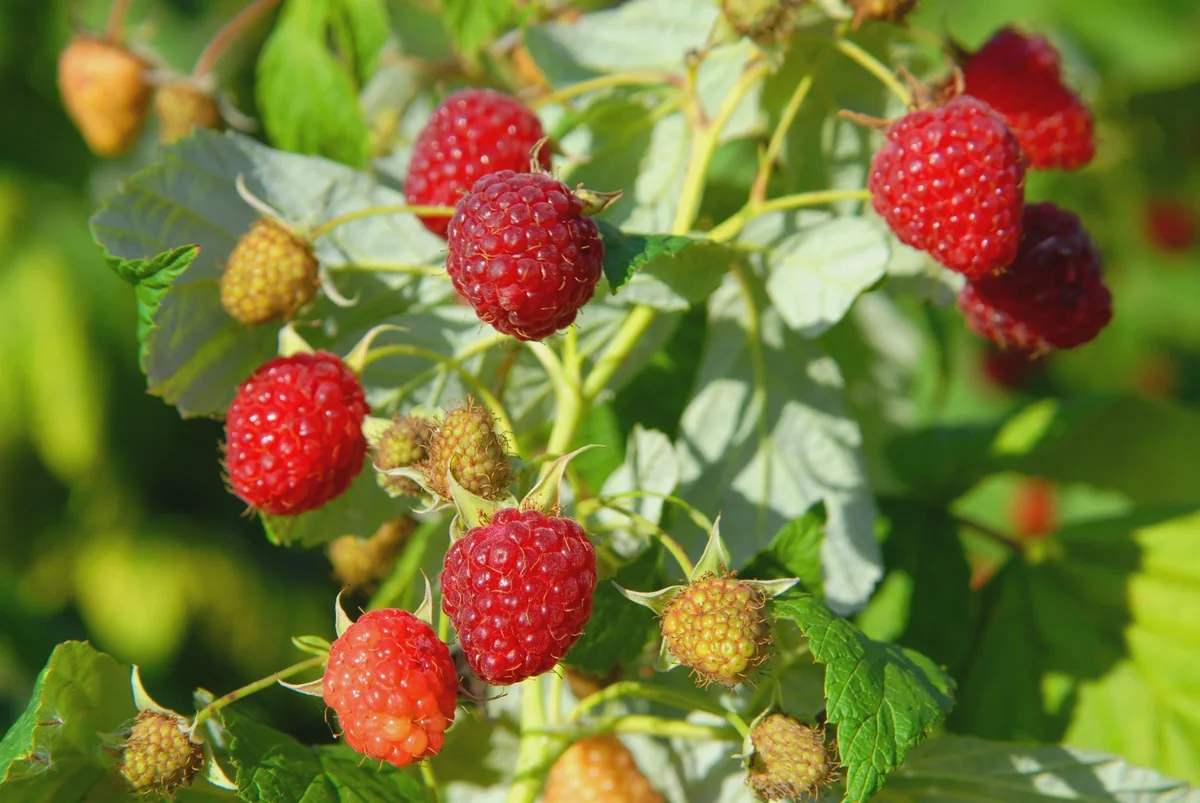
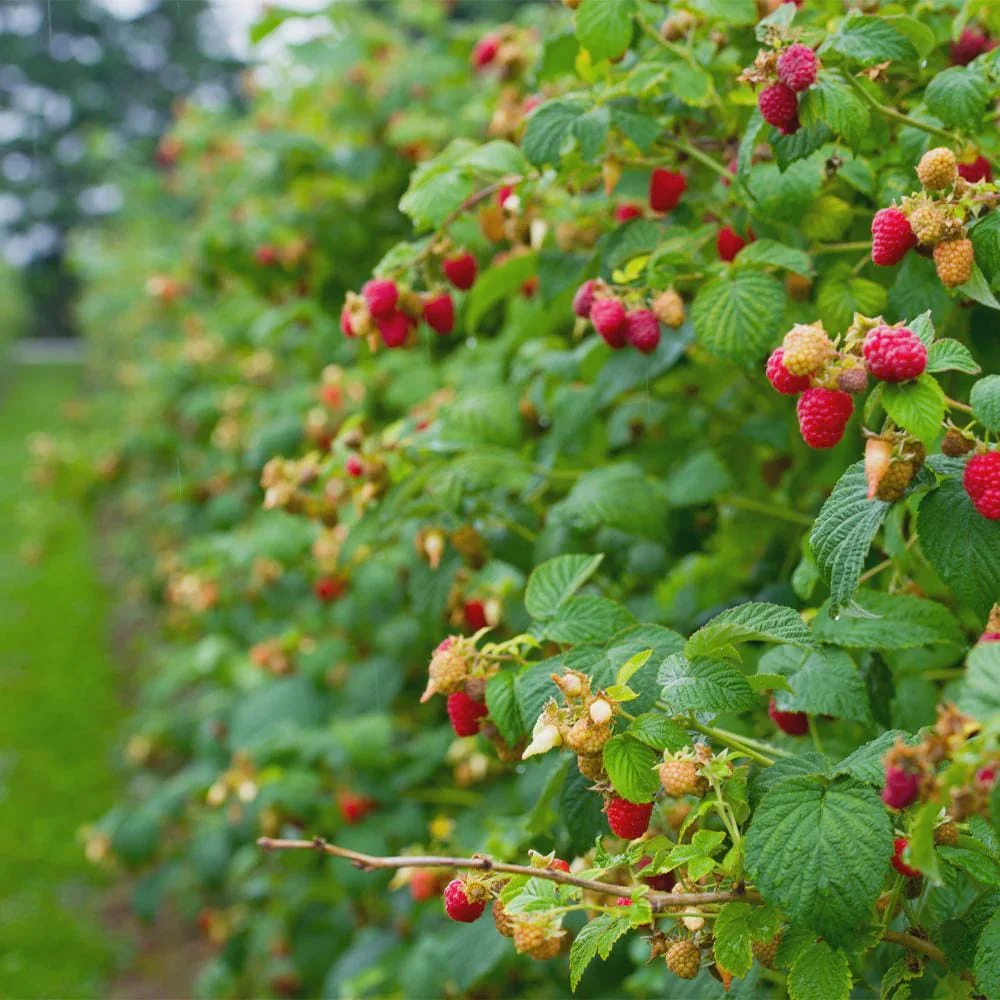
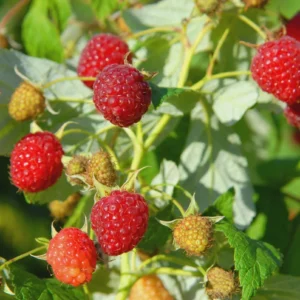
Bring the joy of homegrown fruit to your garden with the Heritage Red Raspberry plant. This offering includes three bare root starter plugs of the highly acclaimed ‘Heritage’ cultivar (Rubus idaeus ‘Heritage’), a popular choice among home gardeners for its exceptional flavor and reliable performance. Known for its large, sweet, dark red berries, the Heritage raspberry is an everbearing variety, meaning it produces two bountiful crops annually. This vigorous plant is celebrated for its disease resistance and relatively low-maintenance nature, making it an excellent addition to any edible landscape. Whether you’re a seasoned gardener or just starting, growing your own Heritage Red Raspberry plant provides a rewarding experience and a continuous supply of fresh, delicious fruit.
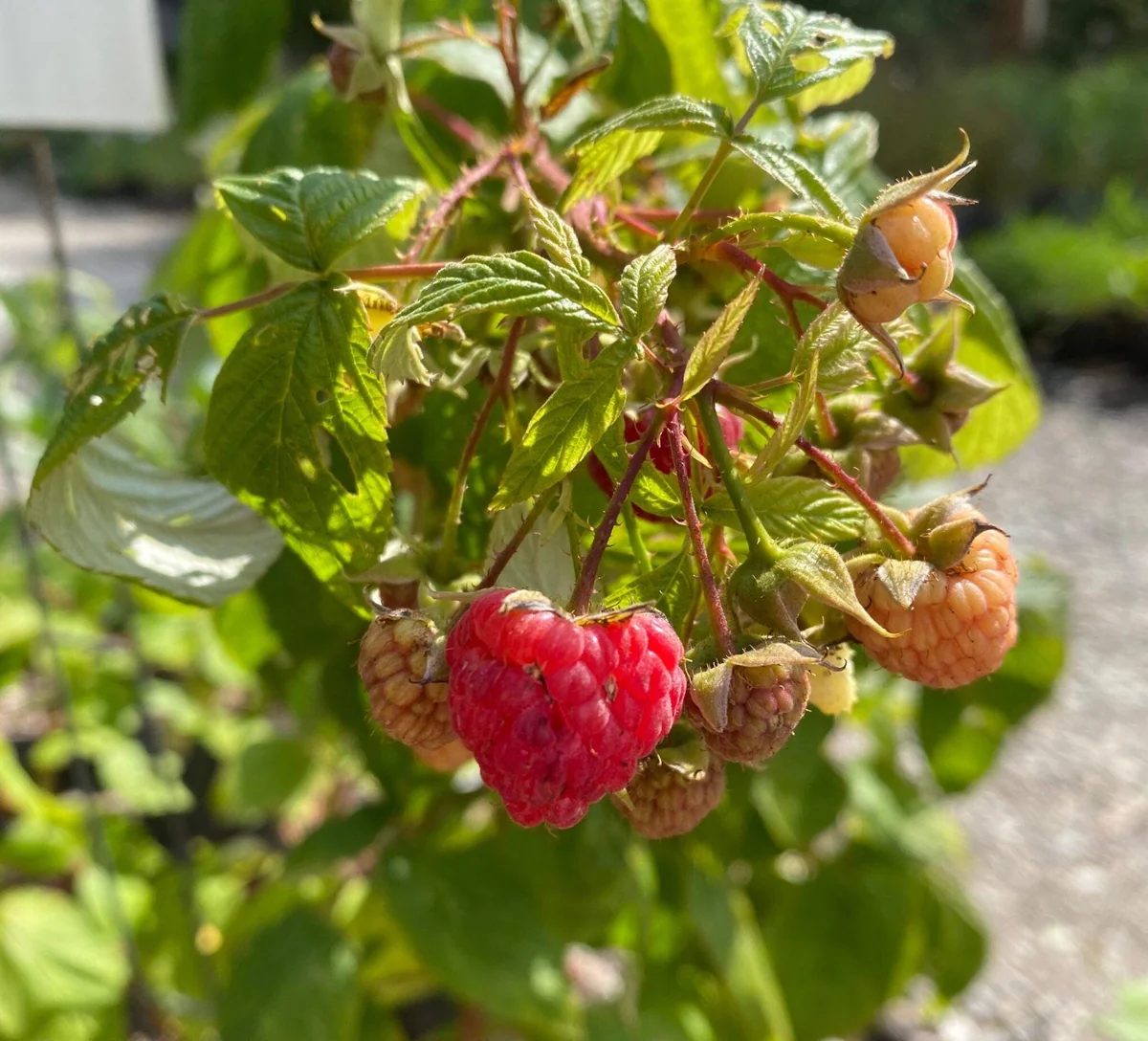
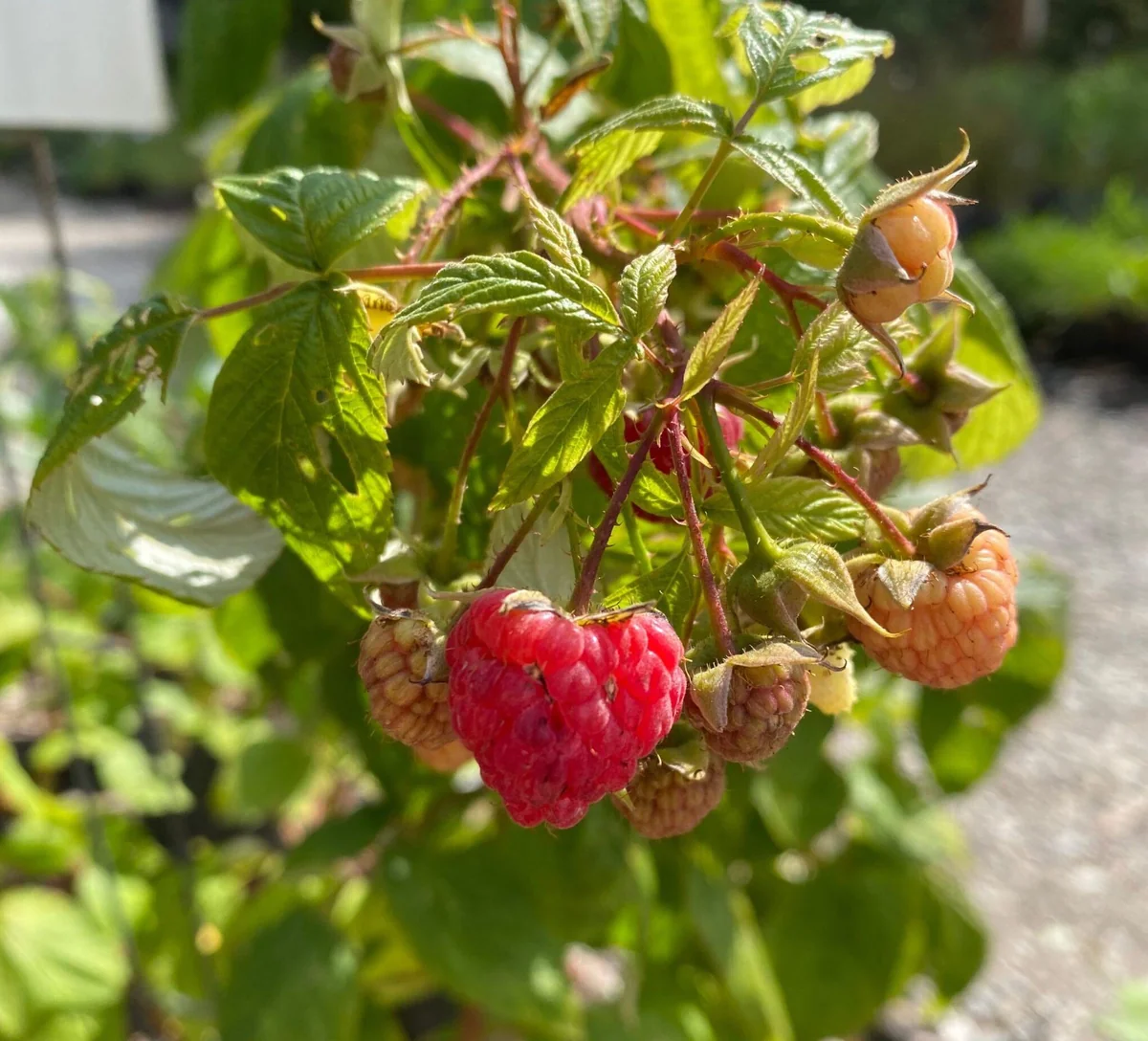
The ‘Heritage’ cultivar is a primocane-fruiting raspberry, famous for its ability to produce fruit on new canes (primocanes) in the late summer and fall, as well as an earlier, smaller crop on second-year canes (floricanes) in early summer. This dual-cropping nature ensures an extended harvest season, allowing you to enjoy fresh raspberries for several months. These starter plugs are shipped bare root, ready for planting upon arrival, ensuring a strong start for your new raspberry patch. Prepare to savor the rich, sweet taste of raspberries picked fresh from your own backyard.
Key Benefits
The Heritage Red Raspberry plant offers numerous advantages for the home gardener, combining ease of care with abundant yields and delicious fruit.
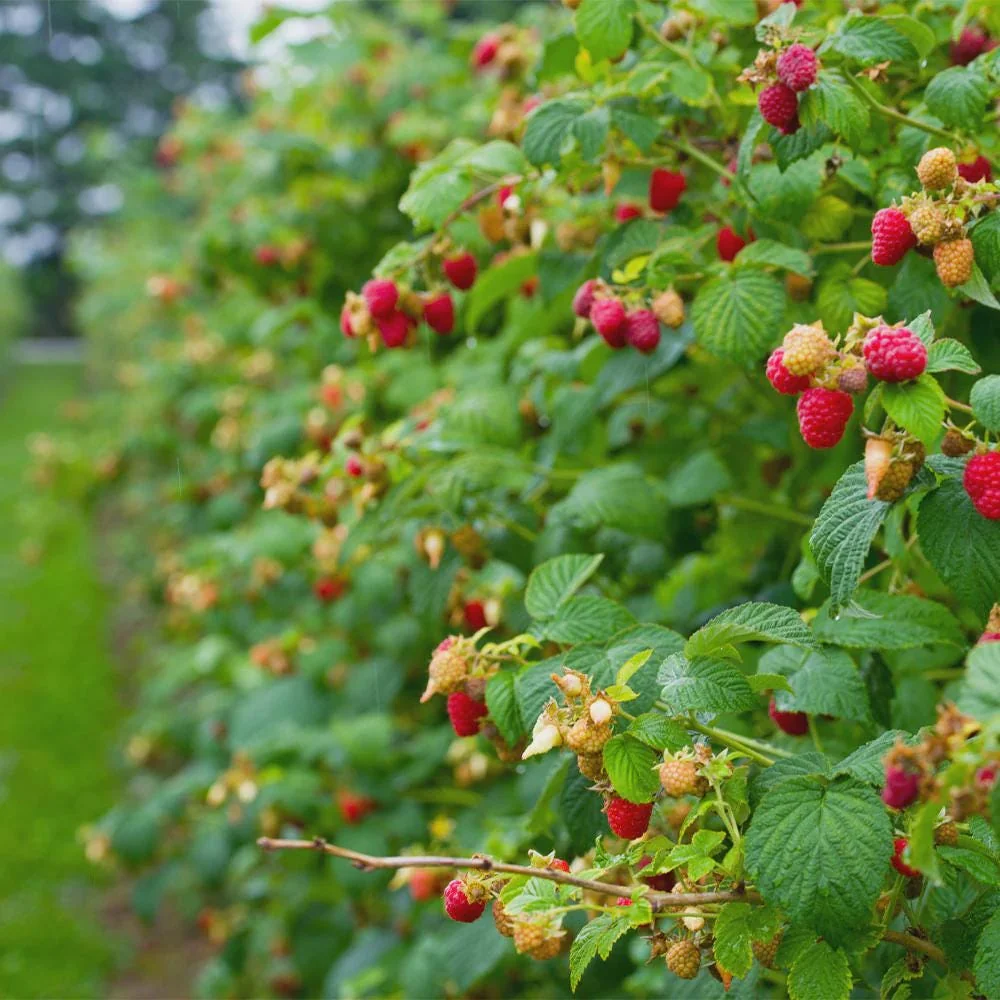
- Extended Harvest Season: As an everbearing raspberry, the ‘Heritage’ cultivar provides two distinct harvests each year. Enjoy a moderate crop in early summer (around July) on floricanes, followed by a heavy, main crop in late summer to fall (August-October) on primocanes. This ensures a prolonged supply of fresh berries.
- Superior Berry Quality: These plants produce large, firm, sweet, and dark red berries that are perfect for fresh eating, baking, jams, or freezing. The flavor is highly regarded, making them a favorite for culinary uses.
- Disease Resistance: The Rubus idaeus ‘Heritage’ is known for its robust health and resistance to many common raspberry diseases, reducing the need for intensive pest and disease management and promoting a healthier plant.
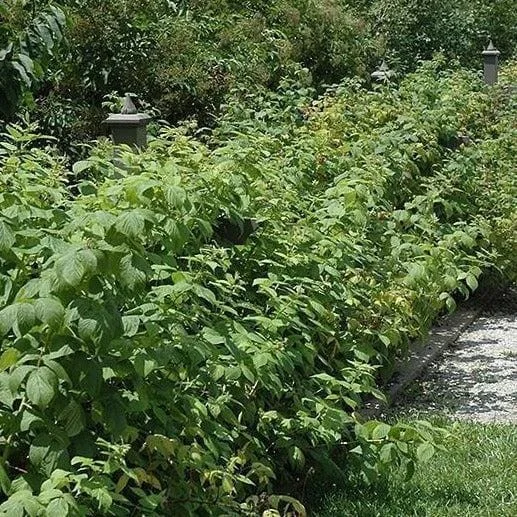
- Vigorous Growth: Heritage Red Raspberry plants are vigorous growers, quickly establishing themselves and producing a strong patch. Their robust nature contributes to higher yields and a more resilient plant.
- Low Maintenance: Despite their prolific fruiting, these raspberries are relatively low-maintenance, especially with proper pruning. They are a great choice for gardeners looking for high reward with minimal fuss.
- Cold Hardiness: Hardy in USDA zones 4 through 9, the ‘Heritage’ raspberry is adaptable to a wide range of climates, tolerating cold winters and hot summers, making it a versatile choice for many regions.
- Easy to Grow: These red raspberry starter plugs are an excellent way to begin your raspberry patch. They establish well and quickly grow into productive plants, even for beginner gardeners.
Plant Care & Growing Tips
Caring for your Heritage Red Raspberry plant is straightforward and will ensure a bountiful harvest. These bare root plants thrive in full sun, requiring at least 6-8 hours of direct sunlight per day for optimal fruit production. Choose a site with good air circulation to help prevent fungal diseases. The ideal soil for raspberries is well-draining, slightly acidic (pH 6.0-6.8), and rich in organic matter. Amend heavy clay soils with compost or peat moss to improve drainage, or sandy soils to enhance water retention. Avoid planting in areas where tomatoes, potatoes, peppers, or eggplants have recently grown, as they can harbor diseases that affect raspberries.
Upon arrival, plant your red raspberry starter plug as soon as possible. Dig a hole wide enough to spread the roots out without bending them, ensuring the crown of the plant is at soil level. Backfill with soil, gently tamping down to remove air pockets, and water thoroughly. Consistent moisture is crucial, especially during establishment and fruiting periods. Aim for about 1 inch of water per week, either from rainfall or irrigation. Avoid overhead watering if possible, as wet foliage can encourage disease; drip irrigation or soaker hoses are preferred. Fertilize in early spring with a balanced granular fertilizer or compost. Pruning is key for everbearing raspberries: for a single fall crop, cut all canes to the ground after fruiting. For a double crop, remove only the canes that fruited in the fall, leaving the primocanes to fruit in the spring, then remove those floricanes after their summer crop.
Protect your plants from pests and diseases by maintaining good garden hygiene and inspecting plants regularly. Common pests include aphids and Japanese beetles, which can often be managed with organic sprays or manual removal. Fungal issues like powdery mildew can be mitigated with good air circulation and appropriate fungicides if necessary. Ensuring proper spacing (about 2-3 feet between plants) and support (trellising is recommended) will also contribute to healthy growth and easier harvesting. Learning how to grow red raspberries successfully involves understanding these basic cultural practices, which will lead to years of delicious fruit.
Size & Details
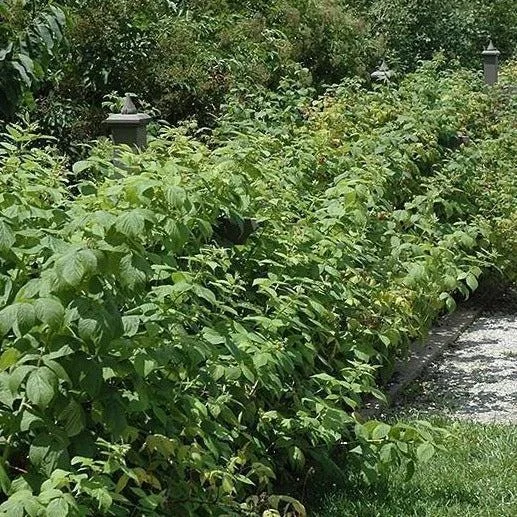
This offering includes 3 Heritage Red Raspberry starter plugs, shipped as bare root plants. Bare root plants are dormant, meaning they do not have soil around their roots and are ideal for shipping, reducing transplant shock when properly planted. Each starter plug is a young, healthy plant, ready to establish quickly in your garden. When mature, Heritage Red Raspberry plants typically grow to a height of 3-5 feet and can spread extensively through suckers if not managed. They are known for their vigorous growth rate, and with proper care, you can expect fruit production within the first year of planting, with significant yields in subsequent years. The everbearing nature ensures a moderate crop in July and a heavy crop from August to October.
These plants are suitable for USDA Hardiness Zones 4 through 9, demonstrating excellent cold tolerance and heat adaptability. They are best planted in early spring or late fall. For optimal growth and ease of harvest, consider installing a trellis or support system for your raspberry canes. The large, dark red berries are perfect for fresh consumption, baking, making jams and jellies, or freezing for later use. Invest in these high-quality Rubus idaeus Heritage starter plugs and look forward to a season full of fresh, homegrown raspberries.
Frequently Asked Questions
- Q: How big does this plant get and what’s the best way to support it? A: Heritage Red Raspberry plants typically grow 3-5 feet tall. They are vigorous growers and benefit greatly from a trellis or wire support system to keep canes upright, improve air circulation, and make harvesting easier.
- Q: Is this an indoor or outdoor plant, and how much sunlight does it need? A: This is an outdoor plant that thrives in full sun, requiring at least 6-8 hours of direct sunlight daily for the best fruit production. It is not suitable for indoor cultivation.
- Q: Is this plant easy to care for, and is it good for beginners? A: Yes, the Heritage Red Raspberry plant is considered relatively low-maintenance and is an excellent choice for beginners. Its disease resistance and everbearing nature make it quite forgiving, especially with consistent watering and proper pruning.
- Q: What condition will the plants arrive in, and are they shipped in soil? A: These are red raspberry starter plugs and will arrive as bare root plants, meaning they are dormant and shipped without soil. This method minimizes transplant shock and is ideal for planting directly into your garden.
- Q: When is the best time to plant these raspberry starter plugs? A: The best time to plant bare root raspberry starter plugs is in early spring, after the last frost, or in late fall after the plants have gone dormant. This allows them to establish roots before extreme weather.
- Q: Will the Heritage Red Raspberry plant survive winter in my zone? A: The ‘Heritage’ cultivar is hardy in USDA zones 4 through 9, making it highly resilient to cold winters in a wide range of climates. In colder zones, ensure adequate winter protection, such as mulching.
- Q: How long until I can expect to harvest berries from these plants? A: You can typically expect a moderate crop of berries in the late summer/fall of the first year after planting. Full production and the double crop cycle will usually begin in the second year.
- Q: What is an everbearing raspberry? A: An everbearing, or primocane-fruiting, raspberry produces fruit on its first-year canes (primocanes) in the late summer or fall. Many everbearing varieties, like ‘Heritage’, will also produce a smaller crop on these same canes (now called floricanes) the following summer.
- Q: Can I grow red raspberries in containers? A: While possible, raspberries generally prefer to spread in the ground. If growing in containers, choose large pots (at least 15-20 gallons) and ensure excellent drainage. Container plants will require more frequent watering and feeding.


Reviews
There are no reviews yet.