Overview
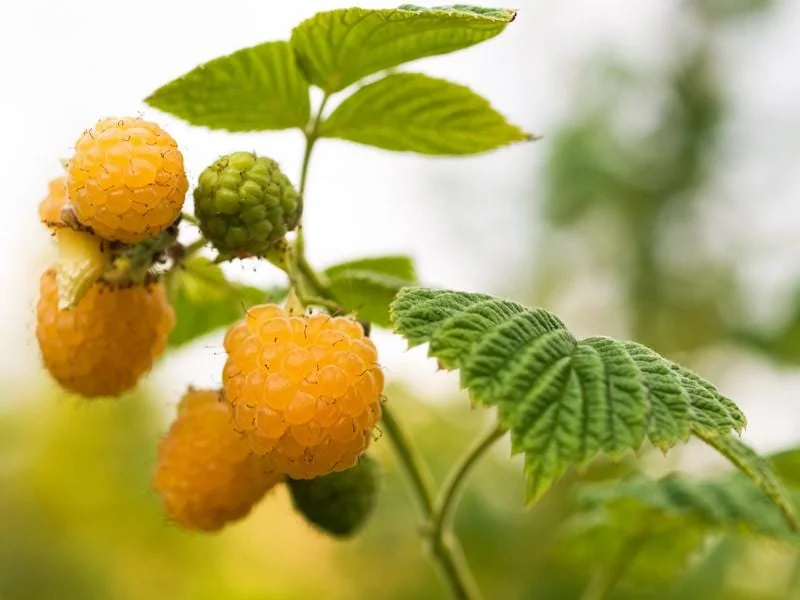
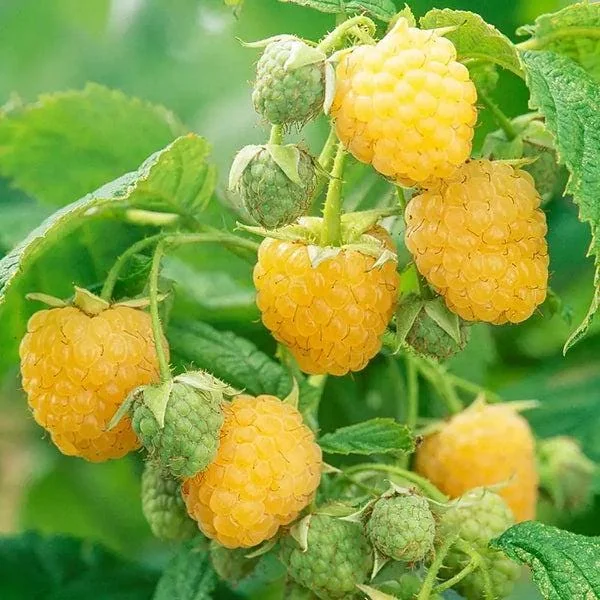
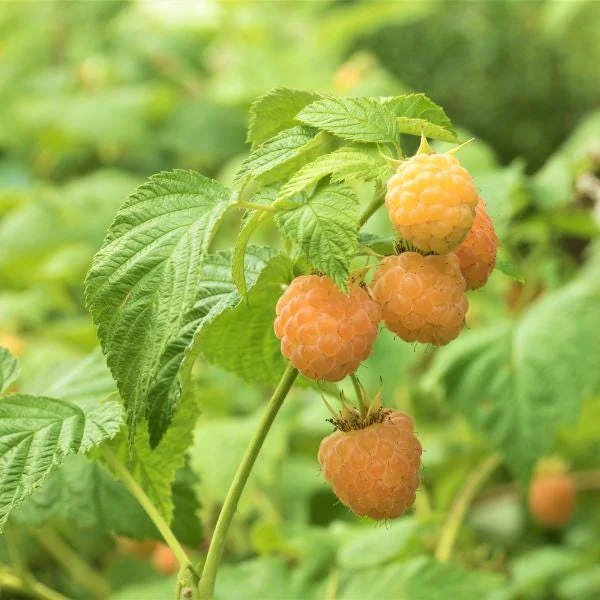
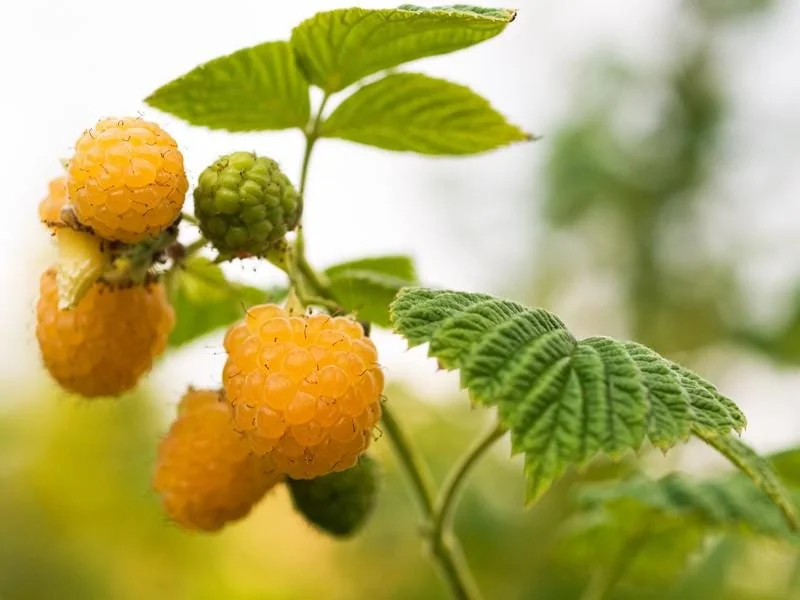
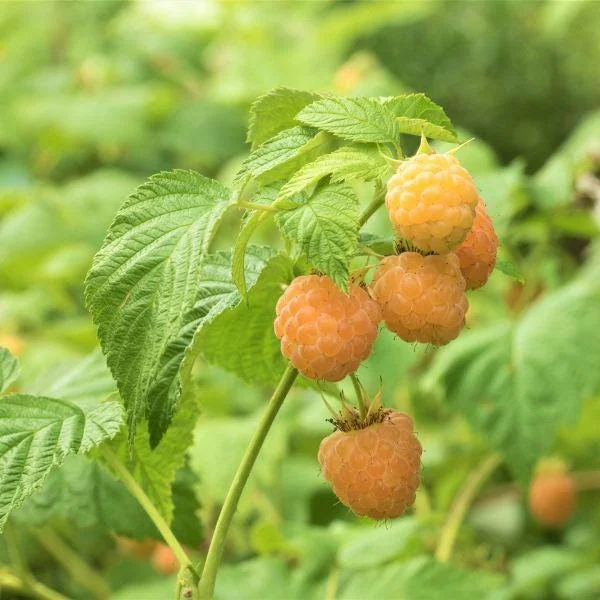
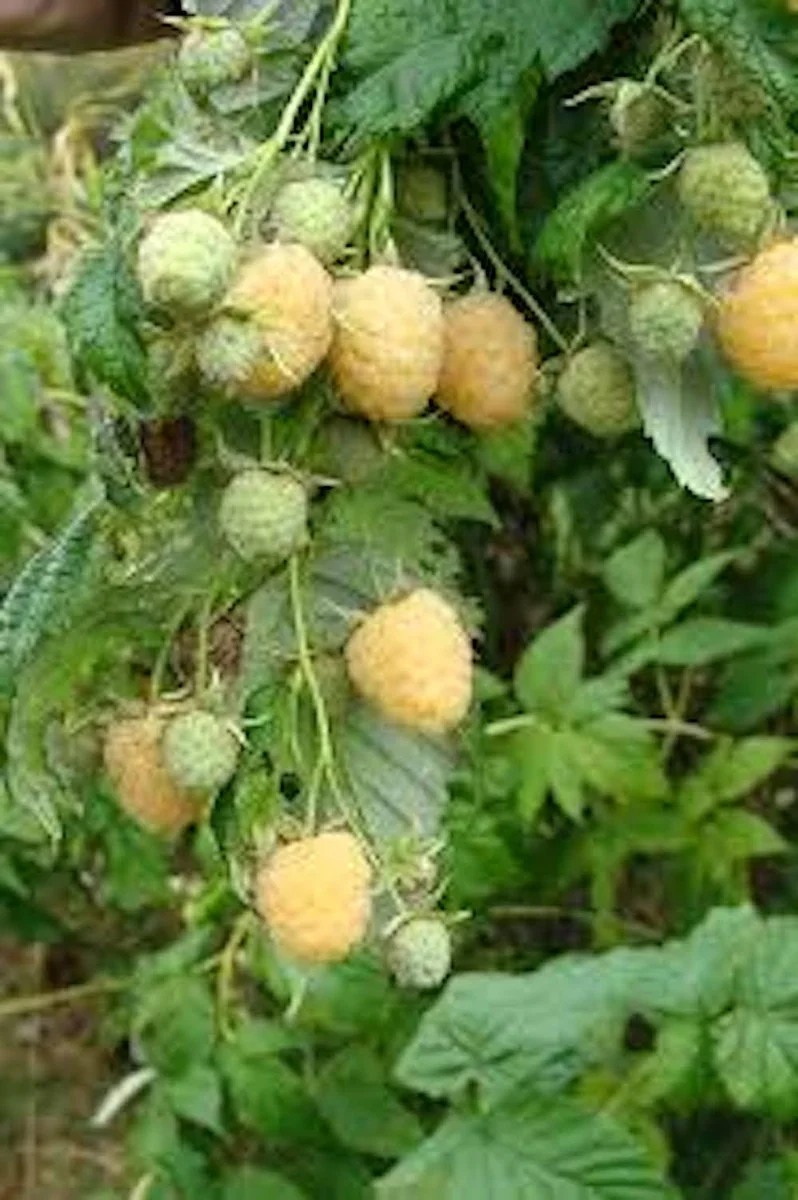
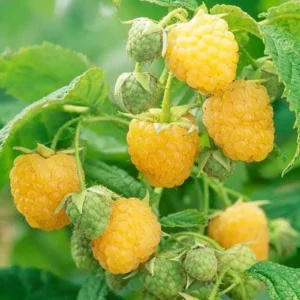
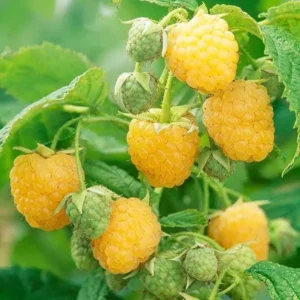
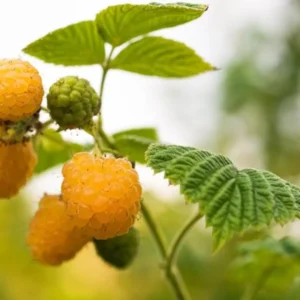
Bring the joy of fresh, homegrown fruit to your garden with the Golden Anne raspberry plant. This offering includes 5 robust starter plugs of the highly sought-after ‘Golden Anne’ raspberry, scientifically known as Rubus idaeus. This patented cultivar, developed by the University of Maryland, is celebrated for its unique and delicious yellow berries. As an everbearing raspberry (or fall-bearing), it provides a generous harvest from late summer into fall, offering a continuous supply of sweet treats. These bare root plants are an excellent choice for both novice and experienced gardeners looking to add a productive and beautiful fruit-bearing shrub to their landscape.
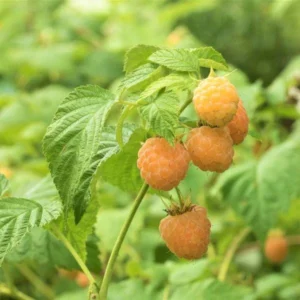
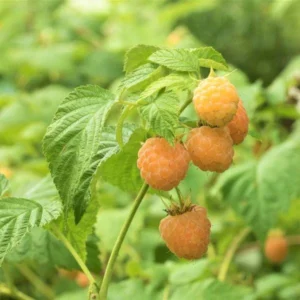
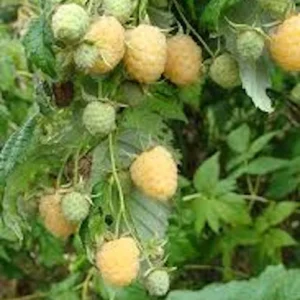
The ‘Golden Anne’ is distinguished by its large, exceptionally sweet, golden-colored berries that often boast a delightful apricot-like flavor. Unlike some other varieties, it features sparsely thorned canes, making harvesting a more pleasant experience. This variety is not just about taste; it’s also a resilient choice, known for its general disease resistance, including a strong resistance to Phytophthora root rot. Adaptable to a wide range of climates, it thrives in USDA Hardiness Zones 4 through 8, demonstrating impressive cold-hardiness and heat tolerance, ensuring a successful growing experience for many.
Key Benefits
The Golden Anne raspberry plant offers a multitude of benefits for the home gardener, combining delicious fruit with ease of cultivation:
- Exceptional Flavor & Quality: Enjoy large, incredibly sweet, golden-colored berries with a unique fruity, sometimes apricot-like, flavor. Perfect for fresh eating, desserts, jams, and preserves.
- Everbearing Harvest: As an everbearing raspberry, it produces two crops per year, with a lighter summer crop and a heavier, more significant fall harvest, extending your fresh berry season.
- Disease Resistance: This variety boasts strong natural resistance to common raspberry ailments, including Phytophthora root rot, reducing the need for chemical interventions and ensuring healthier plants.
- Adaptable & Hardy: Thrives across a broad spectrum of climates, specifically USDA Hardiness Zones 4-8. It exhibits excellent cold-hardiness for northern regions and good heat tolerance for warmer areas.
- Sparsely Thorned Canes: The canes have fewer thorns than many other raspberry varieties, making harvesting much more comfortable and enjoyable.
- Patented Cultivar: Developed by the University of Maryland, ensuring a high-quality, reliable, and scientifically backed variety that performs consistently.
- Beautiful Garden Addition: Beyond its fruit, the vibrant green foliage and golden berries add aesthetic appeal to any garden or edible landscape.
Plant Care & Growing Tips
Cultivating a thriving Golden Anne raspberry plant is straightforward with proper care. These plants prefer a location that receives at least 6-8 hours of direct sunlight per day, ideally full sun. Good air circulation is also beneficial to prevent fungal issues. When planting your yellow raspberry starter plugs, ensure the soil is well-draining, rich in organic matter, and has a slightly acidic pH between 6.0 and 6.8. If your soil is heavy clay, amend it with compost or peat moss to improve drainage and aeration.
Watering is crucial, especially during dry spells and fruit development. Raspberry plants need consistent moisture, about 1-2 inches of water per week, either from rainfall or irrigation. Avoid overhead watering if possible to minimize leaf wetness, which can encourage disease. Fertilize in early spring with a balanced granular fertilizer or a slow-release organic option, following package directions. Pruning is essential for everbearing varieties like the ‘Golden Anne’. For the largest fall crop, cut all canes to the ground in late winter. This ensures all energy goes into new canes that will bear fruit in the fall. If you desire two crops, prune only the tips of canes that fruited in summer; these will fruit again next spring. New canes will emerge for the fall crop.
The semi-erect canes of this Rubus idaeus variety are moderately strong but can benefit from support, especially when heavy with fruit. A trellis system or posts with wires can provide the necessary support, preventing canes from bending or breaking. Monitor for common pests like aphids or spider mites and treat with organic insecticidal soap if necessary. The inherent disease resistance, particularly to Phytophthora root rot, makes this a relatively low-maintenance option for a disease-resistant raspberry. Winter protection is generally not needed in its established hardiness zones, but a layer of mulch can help insulate roots in extreme cold.
Size & Details
This offering includes 5 healthy Golden Anne raspberry plant starter plugs, ready for transplanting into your garden. These are shipped as bare root plants, meaning they arrive without soil or a pot, which is an ideal state for establishing strong root systems directly in your garden bed. Upon planting, these vigorous young plants will establish quickly. Mature ‘Golden Anne’ raspberry canes typically reach a height of 4 to 6 feet and can spread to about 2-3 feet wide, forming productive hedgerows if given space. The plant has a moderate growth rate, and you can expect your first substantial harvest of delicious yellow raspberry fruits in the fall of the first full growing season after planting.
The ‘Golden Anne’ is an everbearing variety, which means it produces fruit on primocanes (first-year canes) in the fall, and if those canes are left, they will produce a smaller crop on floricanes (second-year canes) in the summer. For optimal fall production, it is recommended to prune all canes to the ground in late winter. This ensures a concentrated and abundant fall harvest. The planting period typically ranges from early spring to early summer, allowing the plants ample time to establish before their first fruiting season. With proper care, these disease-resistant raspberry plants will provide years of bountiful and flavorful harvests.
Frequently Asked Questions
- Q: How big does this Golden Anne raspberry plant get? A: Mature ‘Golden Anne’ raspberry canes typically reach a height of 4 to 6 feet and can spread 2-3 feet wide. Providing support like a trellis can help manage their growth and keep the berries off the ground.
- Q: Is this an indoor or outdoor plant? A: The Golden Anne raspberry plant is an outdoor fruit-bearing shrub. It requires full sun and thrives in garden beds, adaptable to a range of climates within USDA Zones 4-8.
- Q: How much sunlight does the everbearing raspberry need? A: For optimal fruit production and plant health, your ‘Golden Anne’ raspberry plant needs at least 6-8 hours of direct sunlight per day. Full sun is highly recommended.
- Q: Is this plant easy to care for? Is it good for beginners? A: Yes, the ‘Golden Anne’ raspberry is considered relatively easy to care for, especially due to its disease resistance. With consistent watering, proper pruning, and adequate sunlight, it’s a great choice for beginners looking to grow fruit.
- Q: What condition will the yellow raspberry starter plugs arrive in? A: Your ‘Golden Anne’ raspberry starter plugs will arrive as bare root plants. This means they are shipped without soil or a pot, which is a common and effective method for establishing healthy fruit plants.
- Q: When is the best time to plant these Rubus idaeus plugs? A: The ideal time to plant your ‘Golden Anne’ raspberry starter plugs is in early spring to early summer, after the last threat of frost has passed. This gives the plants ample time to establish before the growing season.
- Q: Will this disease-resistant raspberry survive winter in my zone? A: The ‘Golden Anne’ raspberry is highly adaptable and cold-hardy, thriving in USDA Hardiness Zones 4 through 8. It is well-equipped to survive winters within these specified zones.
- Q: How long until I get fruit from my Golden Anne raspberry plant? A: You can typically expect your first significant harvest of ‘Golden Anne’ raspberries in the fall of the first full growing season after planting. A smaller summer crop may also occur if canes are not pruned to the ground.
- Q: What kind of soil does the ‘Golden Anne’ raspberry prefer? A: This plant thrives in well-draining soil that is rich in organic matter. A slightly acidic pH (6.0-6.8) is ideal. Amending heavy clay soils with compost is beneficial.
- Q: Do I need to support the canes of my everbearing raspberry? A: While the canes are moderately strong, they often benefit from support, especially when laden with fruit. A trellis system, stakes, or wires can prevent canes from bending and keep berries clean.


Reviews
There are no reviews yet.