Overview
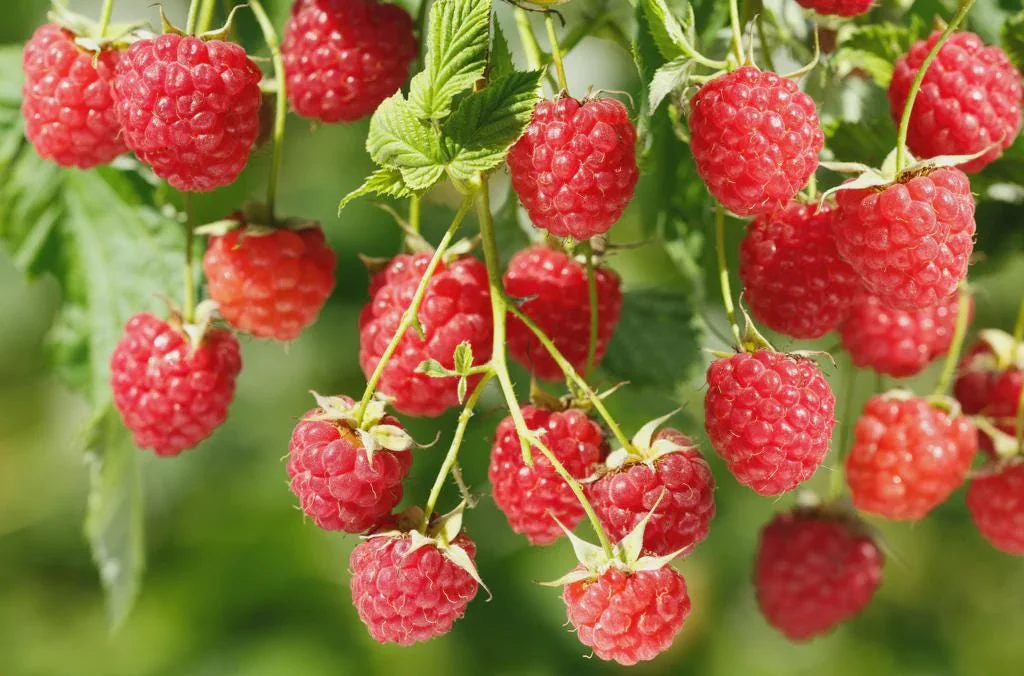
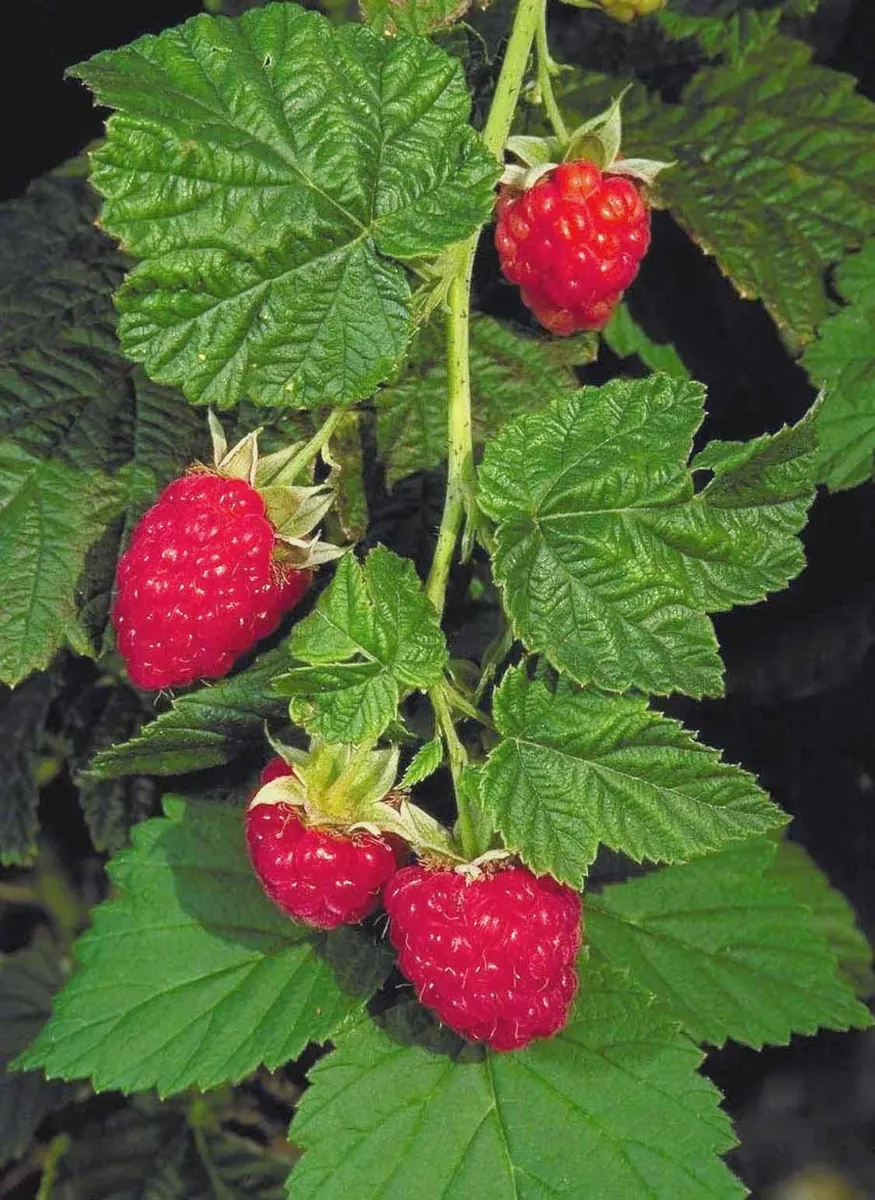
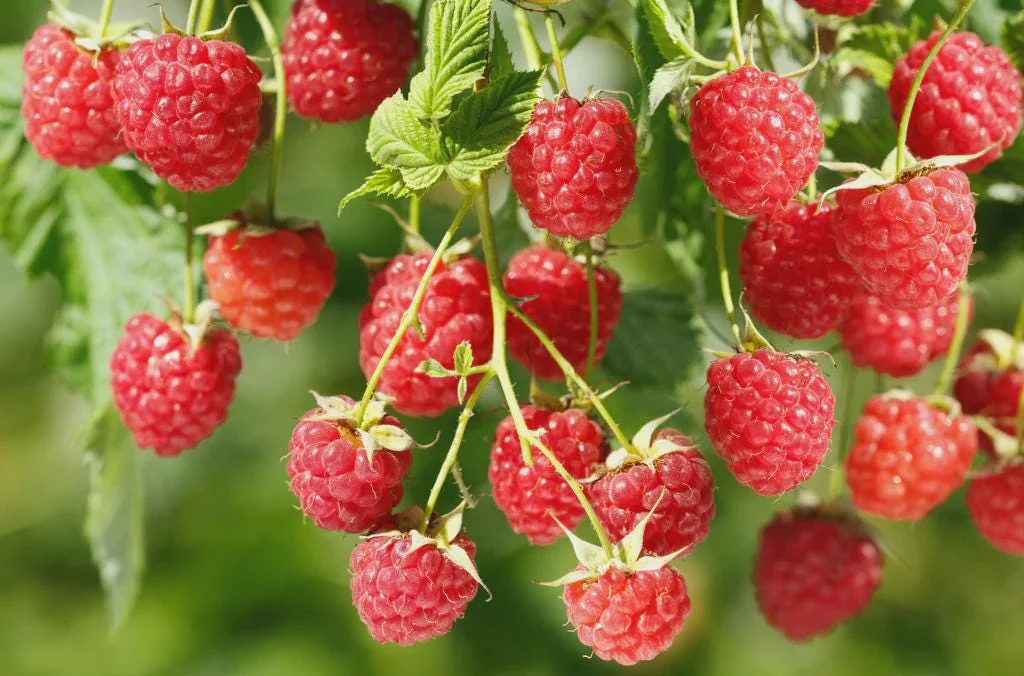
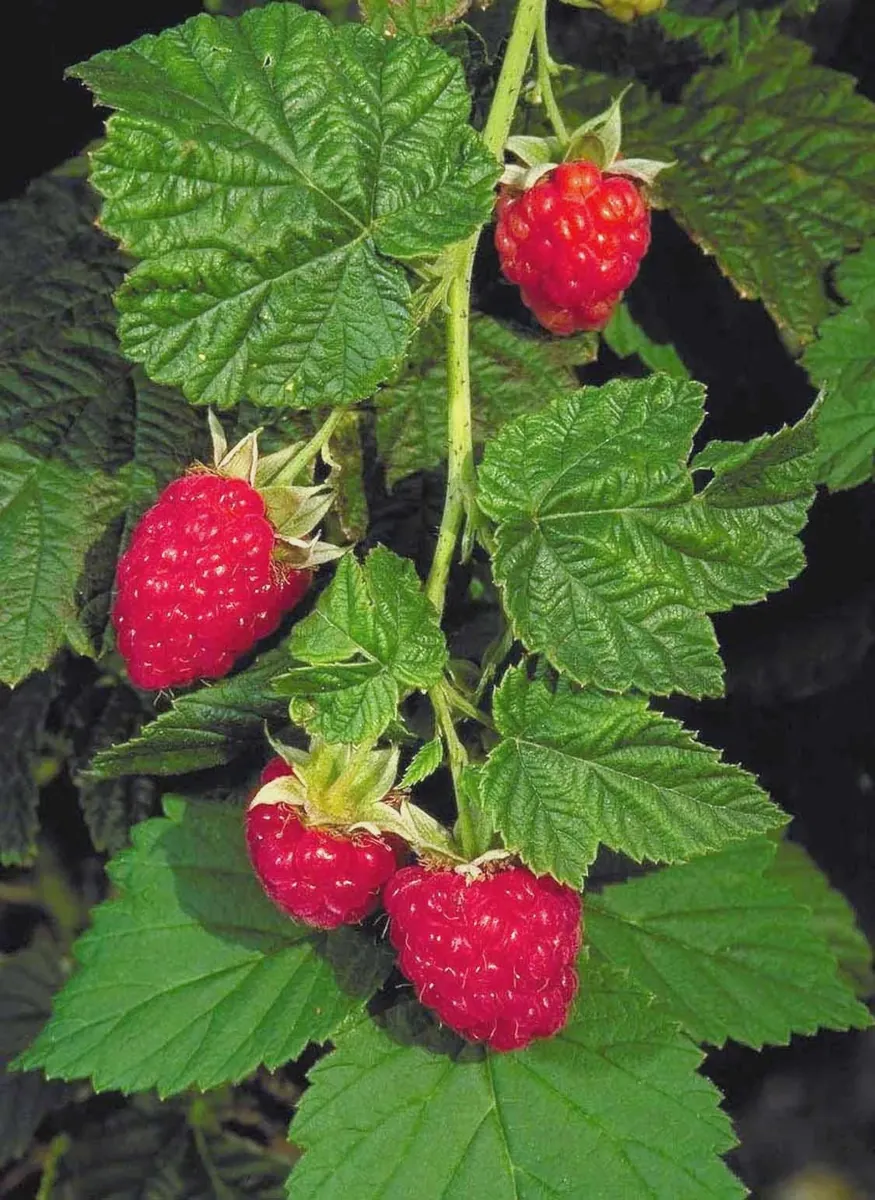
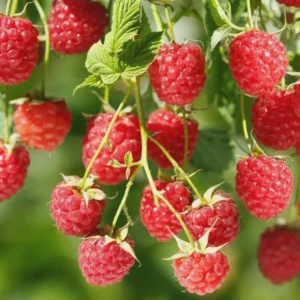
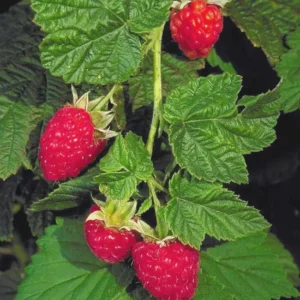
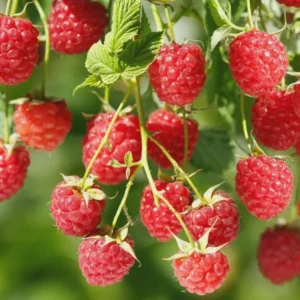
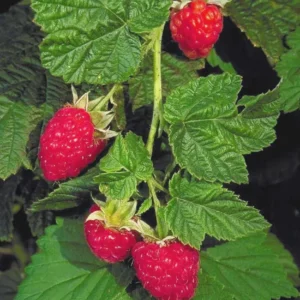
Bring the joy of fresh, homegrown fruit to your garden with this offering of 10 Canby thornless red raspberry starter plugs. The ‘Canby’ thornless raspberry (Rubus idaeus ‘Canby’) is a highly sought-after June-bearing, self-pollinating variety, cherished for its exceptionally large, sweet, and vibrantly red fruits. What truly sets this raspberry apart are its nearly thornless canes, which dramatically simplify the harvesting process, making it a favorite for gardeners of all experience levels. These vigorous and cold-hardy raspberry plants are designed to thrive in cooler summer climates, making them suitable for a wide range of USDA zones from 3 to 8. Beyond their delicious yield, ‘Canby’ raspberries also boast good resistance to common viruses and aphids, ensuring a healthier and more productive growing experience for your home orchard or garden.
The ‘Canby’ variety is an excellent choice for anyone looking to establish a productive and low-maintenance raspberry patch. These Rubus idaeus starter plugs provide a strong foundation for healthy plants that will quickly establish themselves and begin bearing fruit. Enjoy the satisfaction of picking your own sweet berries straight from the cane, knowing you’ve chosen a reliable and resilient variety that will reward you with abundant harvests for years to come. Whether you’re a seasoned gardener or just starting your fruit-growing journey, the ‘Canby’ raspberry offers an accessible and rewarding experience.
Key Benefits
Choosing the ‘Canby’ thornless red raspberry for your garden comes with a multitude of advantages, making it a standout choice for both novice and experienced growers. These benefits contribute to an enjoyable and productive gardening experience, ensuring a bountiful harvest of delicious fruit.
- Effortless Harvesting: The most significant benefit of the Canby thornless red raspberry is its nearly thornless canes. This feature eliminates the discomfort and scratches often associated with picking traditional raspberries, making harvesting a pleasant and easy task for everyone, including children.
- Delicious & Abundant Fruit: Enjoy large, sweet, and bright red berries that are perfect for fresh eating, jams, jellies, pies, or freezing. This June-bearing raspberry variety produces a generous crop during its season, ensuring plenty of fruit for all your culinary needs.
- Vigorous & Cold-Hardy: The ‘Canby’ is a robust plant that demonstrates excellent vigor and cold hardiness, thriving in USDA Zones 3-8. This resilience makes it suitable for a wide range of climates and ensures a strong, healthy plant in your garden, even through colder winters.
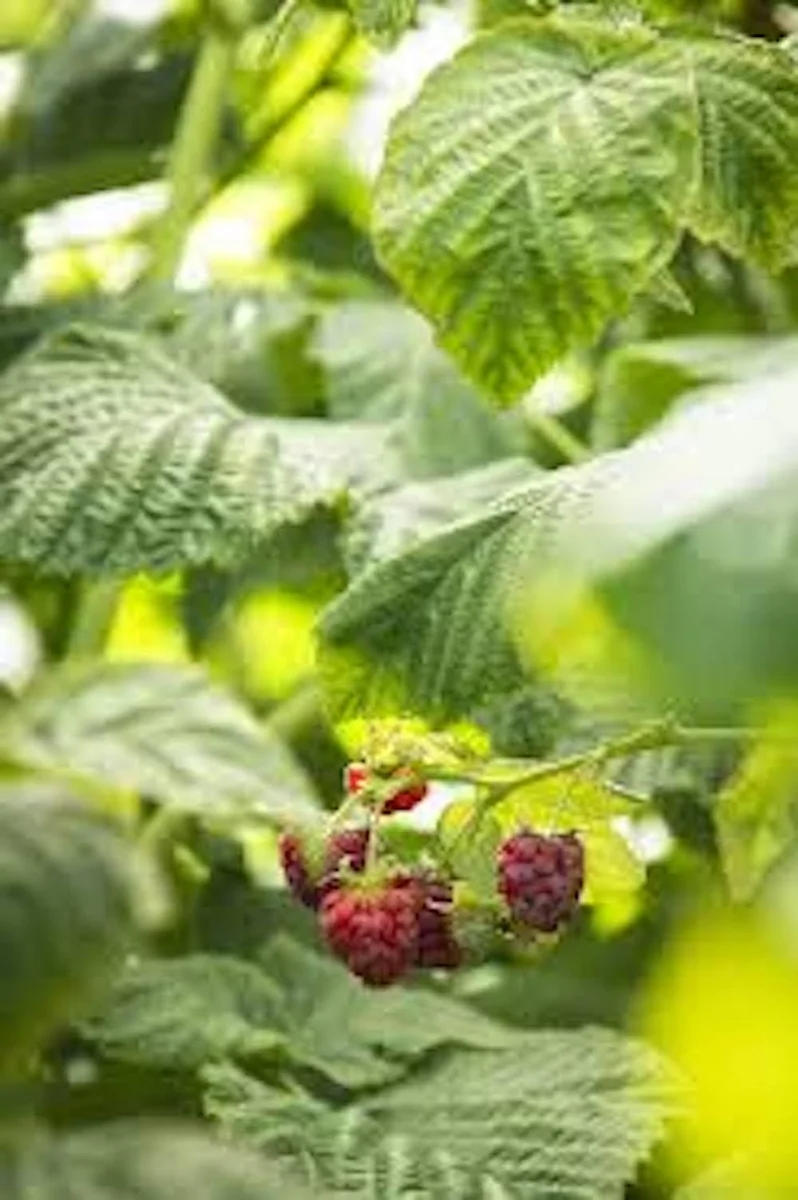
- Disease & Pest Resistance: This variety shows good resistance to several common raspberry viruses and aphids, reducing the need for chemical interventions and promoting a healthier, more organic growing environment. This natural defense contributes to the overall success and longevity of your thornless raspberry plants.
- Self-Pollinating: As a self-pollinating variety, you only need one ‘Canby’ plant to produce fruit, simplifying your garden planning. While cross-pollination can sometimes increase yields, it’s not essential for fruit production with these Rubus idaeus starter plants.
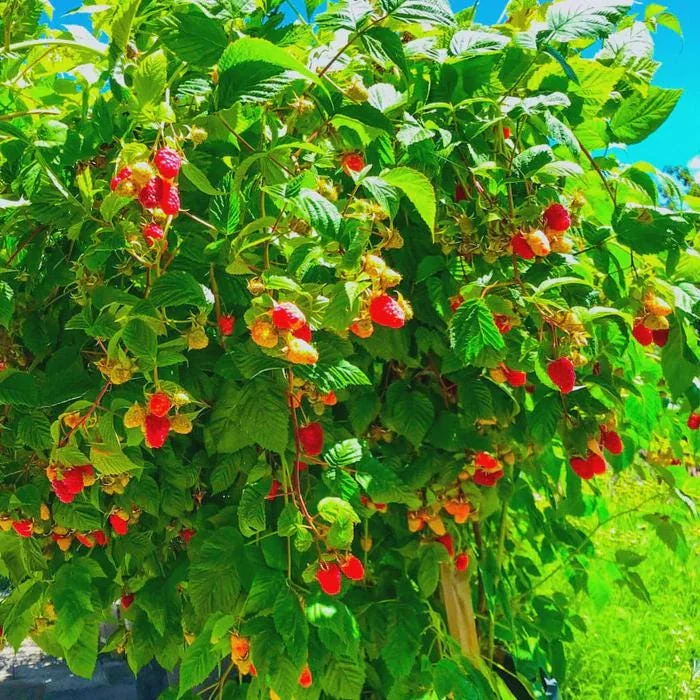
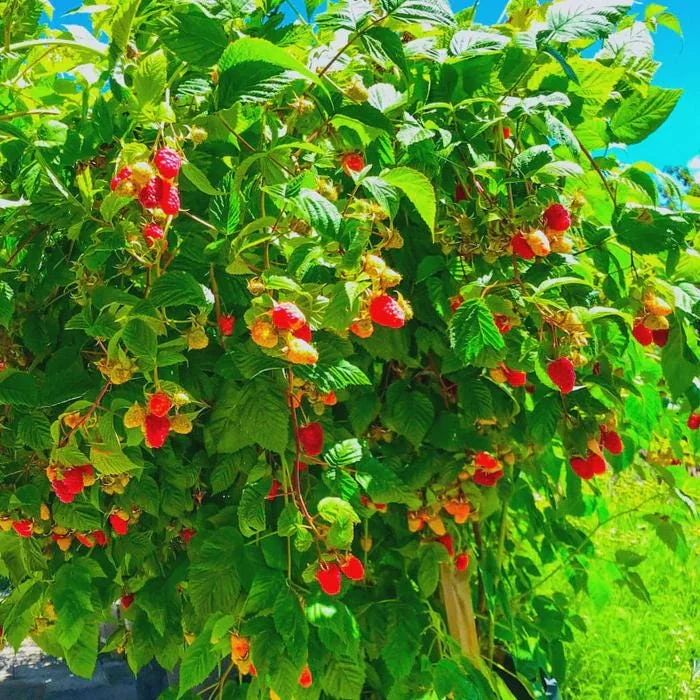
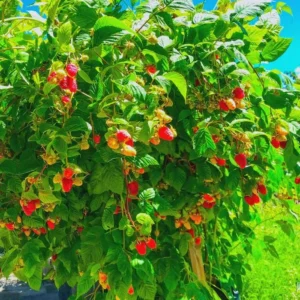
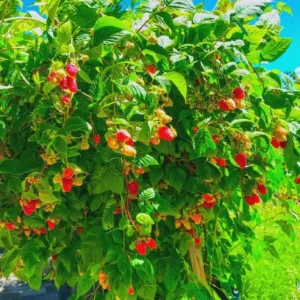
- Upright Growth Habit: The canes grow upright, reaching 4–6 feet in height, which can make them easier to manage. While trellising can be beneficial as they mature and fruit heavily, their natural growth habit is less sprawling than some other varieties.
- Versatile Use: Beyond fresh eating, these raspberries are excellent for a variety of culinary applications. Their sweet flavor and firm texture hold up well in baking, preserving, and even freezing for year-round enjoyment.
Plant Care & Growing Tips
Ensuring the success of your Canby thornless red raspberry plants involves understanding their specific care requirements. These plants are relatively low-maintenance once established, but consistent care in their early stages will lead to robust growth and abundant harvests. Proper site selection and soil preparation are crucial for their long-term health and productivity.
Sunlight Requirements: ‘Canby’ raspberries perform best in a location that receives full sun, meaning at least 6-8 hours of direct sunlight per day. Adequate sunlight is essential for optimal fruit production and flavor development. While they can tolerate partial shade, yields may be reduced. Watering Schedule: Consistent moisture is key, especially during flowering and fruiting periods. Aim for about 1 inch of water per week, either from rainfall or irrigation. The soil should be kept consistently moist but not waterlogged. Deep watering encourages deep root growth. Soil Type and Drainage: These plants prefer well-draining, slightly acidic soil with a pH between 6.0 and 6.8. Amend heavy clay soils with compost or other organic matter to improve drainage and aeration. Raised beds can also be an excellent option for areas with poor drainage. Temperature Range and USDA Hardiness Zone: The ‘Canby’ raspberry is a cold-hardy raspberry, suitable for USDA Zones 3 to 8. It can withstand cold winter temperatures, but in the coldest zones, providing some winter protection like mulch can be beneficial. Fertilization: Fertilize in early spring with a balanced granular fertilizer (e.g., 10-10-10) or a fertilizer formulated for berries. Avoid over-fertilizing, especially with nitrogen, which can encourage leafy growth at the expense of fruit. Pruning: As a June-bearing variety, ‘Canby’ raspberries produce fruit on floricanes (second-year canes). After harvest, prune these old fruiting canes back to the ground. Leave the new primocanes (first-year canes) to overwinter, as they will bear fruit the following year. This annual pruning promotes vigorous new growth and maximizes fruit production from your thornless raspberry plants.
Size & Details
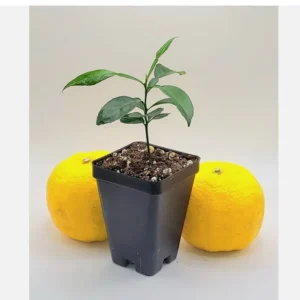
These 10 Canby thornless red raspberry starter plugs arrive ready for planting, providing a strong start for your raspberry patch. Each plug is a young, healthy plant, typically 3-6 inches tall, with an established root system, ensuring a good transition to your garden. The ‘Canby’ variety is known for its vigorous, upright growth habit, generally reaching a mature height of 4–6 feet. While the canes are sturdy, providing some form of trellis or support structure may be beneficial as the plants mature and become laden with fruit, especially with a productive June-bearing raspberry like ‘Canby’.
These plants are shipped bare root, meaning they are carefully removed from their growing medium with their roots protected, ready to be planted directly into your garden beds or larger containers upon arrival. Expect rapid establishment and growth, with fruit production typically beginning in the second year after planting. The ‘Canby’ raspberry produces a single, heavy crop in early summer, true to its June-bearing raspberry classification. With proper care, these Rubus idaeus starter plants will quickly mature into fruitful bushes, providing delicious berries for years to come.
Frequently Asked Questions
- Q: How big do these Canby thornless red raspberry plants get? A: The ‘Canby’ raspberry typically grows to an upright height of 4–6 feet. While they are vigorous growers, providing some support like a trellis can be helpful as they mature and produce heavy fruit loads.
- Q: Is this an indoor or outdoor plant? A: The Canby thornless red raspberry is an outdoor plant, best suited for garden beds or large outdoor containers where it can receive ample sunlight and space to grow. It is a cold-hardy raspberry designed to thrive in various climates.
- Q: How much sunlight does the ‘Canby’ raspberry need? A: These plants require full sun, meaning at least 6-8 hours of direct sunlight per day, for optimal growth and fruit production. More sun generally leads to sweeter and more abundant berries.
- Q: Is this plant easy to care for? Is it good for beginners? A: Yes, the ‘Canby’ raspberry is considered relatively easy to care for, especially due to its thornless canes and disease resistance. Its robust nature makes it an excellent choice for beginner gardeners looking to grow their own fruit.
- Q: What condition will the Rubus idaeus starter plugs arrive in? A: Your thornless raspberry plants will arrive as bare root starter plugs, meaning they are young plants removed from soil, with their roots carefully protected for shipping. They are ready to be planted upon arrival.
- Q: When is the best time to plant these raspberry plugs? A: The best time to plant these June-bearing raspberry plugs is in early spring, after the last danger of hard frost has passed. This allows the plants ample time to establish their root systems before the summer heat.
- Q: How long until these raspberry plants bear fruit? A: ‘Canby’ raspberries typically begin producing fruit in their second year after planting. You can expect a full crop of delicious berries in the June-bearing season of the following year.
- Q: Will these plants survive winter in my zone? A: The ‘Canby’ raspberry is a very cold-hardy raspberry, suitable for USDA Zones 3 to 8. This wide range ensures they can withstand cold winters in many regions, but in the coldest zones, a layer of mulch for root protection is beneficial.
- Q: Do I need more than one plant for pollination? A: No, the ‘Canby’ raspberry is a self-pollinating variety, meaning a single plant can produce fruit on its own. However, planting multiple bushes can often lead to a larger overall harvest.
- Q: What kind of soil is best for these Canby thornless red raspberry starter plants? A: They prefer well-draining, slightly acidic soil with a pH between 6.0 and 6.8. Amending your garden soil with organic matter like compost will significantly improve drainage and provide essential nutrients for these thornless raspberry plants.


Reviews
There are no reviews yet.