Overview
Cultivate your own fruitful garden with this elderberry sambucus live plant. Supplied in a convenient quart pot, this robust shrub is ready to be planted and establish itself in your landscape. Known botanically as Sambucus canadensis, the American Elderberry is a cherished native plant, valued for its ornamental appeal, ecological benefits, and edible berries. This particular variety is a fantastic choice for gardeners looking to add a resilient and productive plant that tolerates a wide range of conditions. It’s a true multi-season performer, offering attractive foliage, showy flowers, and nutritious fruit. Embrace the joy of growing elderberry bushes and enjoy the bounty it brings to your home and garden.
The Elderberry is a deciduous shrub that can grow quite large, providing excellent habitat and food for local wildlife, including birds and pollinators. Its rapid growth and adaptability make it a popular choice for various garden styles, from naturalized areas and hedgerows to more formal settings where its form can be maintained with pruning. This elderberry sambucus live plant is an excellent addition to any garden.
Key Benefits
Adding an elderberry sambucus live plant to your garden provides numerous advantages, from its aesthetic appeal to its practical uses. This versatile shrub is a powerhouse of benefits for both the gardener and the environment, making it a valuable investment for any landscape.
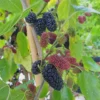
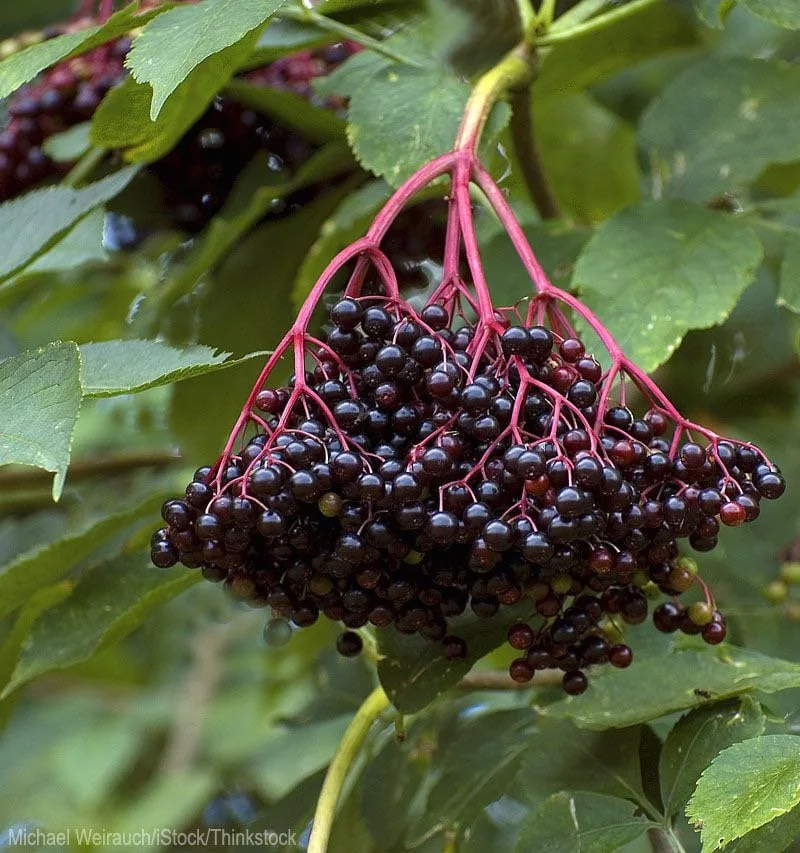
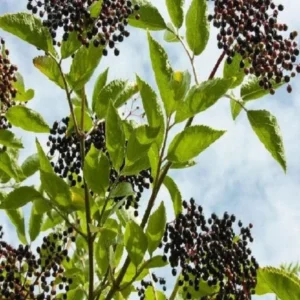
- Produce Edible Berries: Enjoy clusters of small, dark berries in late summer, perfect for making jams, jellies, pies, and elderberry syrup. These berries are known for their rich flavor and nutritional value, offering a fresh, homegrown culinary delight.
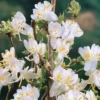
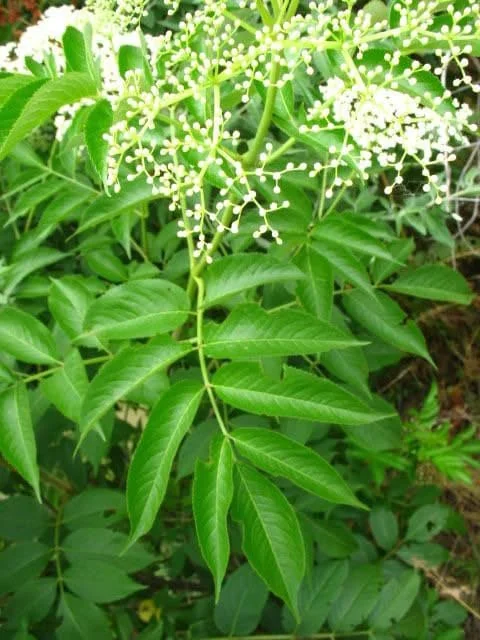
- Attract Pollinators and Wildlife: The large clusters of fragrant white flowers are a magnet for bees, butterflies, and other beneficial pollinators, enhancing your garden’s biodiversity. The berries also provide a crucial food source for birds, supporting local ecosystems.
- Hardy and Adaptable: Thrives in a wide range of climates, specifically USDA Zones 3-8, making it a reliable choice for many regions. It’s known for its robust nature and ability to withstand various soil conditions, ensuring success for diverse gardeners.
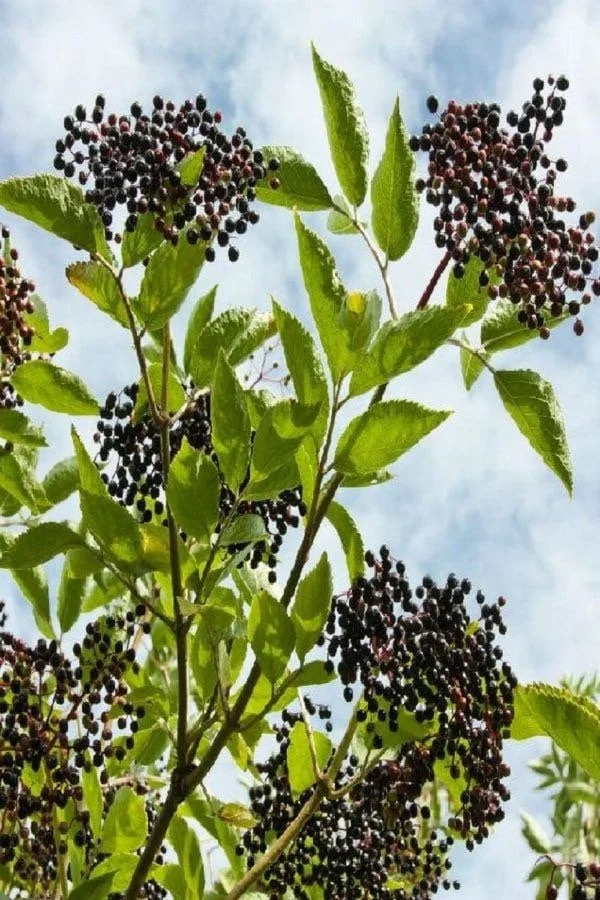
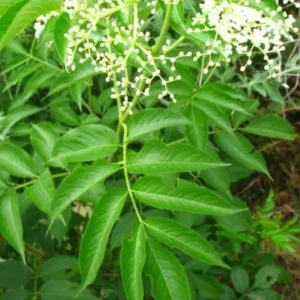
- Beautiful Ornamental Shrub: Features attractive pinnate leaves and striking white flower clusters, adding significant visual interest to your landscape throughout the growing season. The dark berries also provide a beautiful contrast against the green foliage, creating a dynamic display.
- Low Maintenance: Once established, the elderberry sambucus live plant requires minimal care, making it an excellent option for both experienced and novice gardeners. It’s generally resistant to most pests and diseases, reducing the need for constant attention.
- Fast Growing: This shrub grows relatively quickly, often producing flowers and berries within a few years of planting, giving you quicker returns on your gardening efforts and a sooner harvest.
- Supports Local Ecosystems: As a native plant, sambucus canadensis plays a crucial role in supporting local ecosystems, providing food and shelter for native wildlife and contributing to a healthier environment.
Plant Care & Growing Tips
Caring for your elderberry sambucus live plant is straightforward, especially given its hardy nature. For optimal growth and berry production, understanding its basic needs is key. Elderberries prefer a location with full sun to partial shade, meaning at least 6 hours of direct sunlight per day is ideal for the best fruiting. While they can tolerate some shade, berry production may be reduced. Ensure the planting site has good air circulation to prevent fungal issues. Proper american elderberry care ensures a thriving plant.
When it comes to soil, elderberries are not overly particular but thrive in moist, well-draining soil with a pH between 5.5 and 6.5. Amend heavy clay soils with compost or organic matter to improve drainage. Consistent moisture is crucial, especially during dry periods and when the plant is establishing. Water deeply and regularly, ensuring the soil remains consistently damp but not waterlogged. Mulching around the base of the plant can help retain soil moisture and suppress weeds. Fertilize in early spring with a balanced, slow-release fertilizer or a layer of compost to provide essential nutrients. Pruning is best done in late winter or early spring while the plant is dormant. Remove any dead, damaged, or weak canes, and thin out older, less productive stems to encourage new growth and better fruit yield. This dedication to care will result in a healthy, productive shrub, making it one of the most rewarding edible berry plants to grow.
Size & Details
This elderberry sambucus live plant is provided in a quart pot, establishing a healthy root system ready for transplanting into your garden. Upon arrival, the plant will typically stand between 6 to 12 inches tall, depending on the growing season. Elderberry shrubs are known for their vigorous growth and can reach a mature height of 5-12 feet tall and wide, forming a dense, multi-stemmed bush. The leaves are oppositely arranged and pinnate, featuring 5–9 leaflets, each 5–30 cm long with serrated margins. In late spring, large clusters of small white or cream-colored flowers emerge, followed by clusters of small black, blue-black, or rarely red berries. Expect your plant to begin producing berries within 1-2 years after planting, with full production typically by the third year. The plant is shipped as a live, actively growing specimen, carefully packaged to ensure its safe arrival, ready to contribute to growing elderberry bushes in your landscape.
Frequently Asked Questions
- Q: How big does this elderberry sambucus live plant get? A: This plant can grow quite large, typically reaching 5-12 feet in both height and width at maturity. Its size can be managed with annual pruning to fit your garden space, making it versatile for various garden designs.
- Q: What size pot does it come in? A: Each elderberry sambucus live plant is shipped in a quart-sized nursery pot, providing a strong root base for successful transplanting into your garden or a larger container. This ensures a healthy start for your new plant.
- Q: Is this an indoor or outdoor plant? A: The American Elderberry is an outdoor plant, highly suitable for garden beds, hedgerows, or naturalized areas. It requires outdoor conditions to thrive and produce berries optimally.
- Q: How much sunlight does it need? A: For best results and abundant fruit production, this plant thrives in full sun (at least 6 hours of direct sunlight daily). It can tolerate partial shade, but berry yields may be lower, impacting your harvest.
- Q: Is this plant easy to care for? A: Yes, elderberry plants are relatively easy to care for once established. They are hardy, adaptable to various soil types, and generally resistant to pests and diseases, making them a good choice for beginners interested in edible berry plants.
- Q: What condition will it arrive in? A: Your elderberry plant will arrive as a live, healthy specimen in its quart pot, carefully packaged to protect it during transit. We take utmost care to ensure it reaches you in excellent condition, ready for planting.
- Q: Can I use elderberry in cooking? A: Absolutely! The ripe berries are widely used in culinary applications for making jams, jellies, pies, wines, and the popular elderberry syrup. Ensure berries are cooked before consumption, as raw berries can be tart.
- Q: How long until it blooms and produces berries? A: Your plant may produce flowers and some berries in its first year, but more significant production typically begins in the second or third year after planting. Patience will be rewarded with bountiful harvests.
- Q: When is the best time to plant this elderberry? A: The best time to plant your elderberry sambucus live plant is in spring or early fall, allowing the plant to establish its root system before extreme weather conditions. This gives it the best chance for strong growth.
- Q: Will it survive winter in my zone? A: Yes, this particular elderberry is very cold-hardy, suitable for USDA Zones 3-8, meaning it will reliably survive winter in these regions and return year after year, providing continuous harvests.
- Q: What is the botanical name for this plant? A: The botanical name for this variety is sambucus canadensis, commonly known as American Elderberry. It’s a key species for those interested in native plants.


Reviews
There are no reviews yet.