Overview
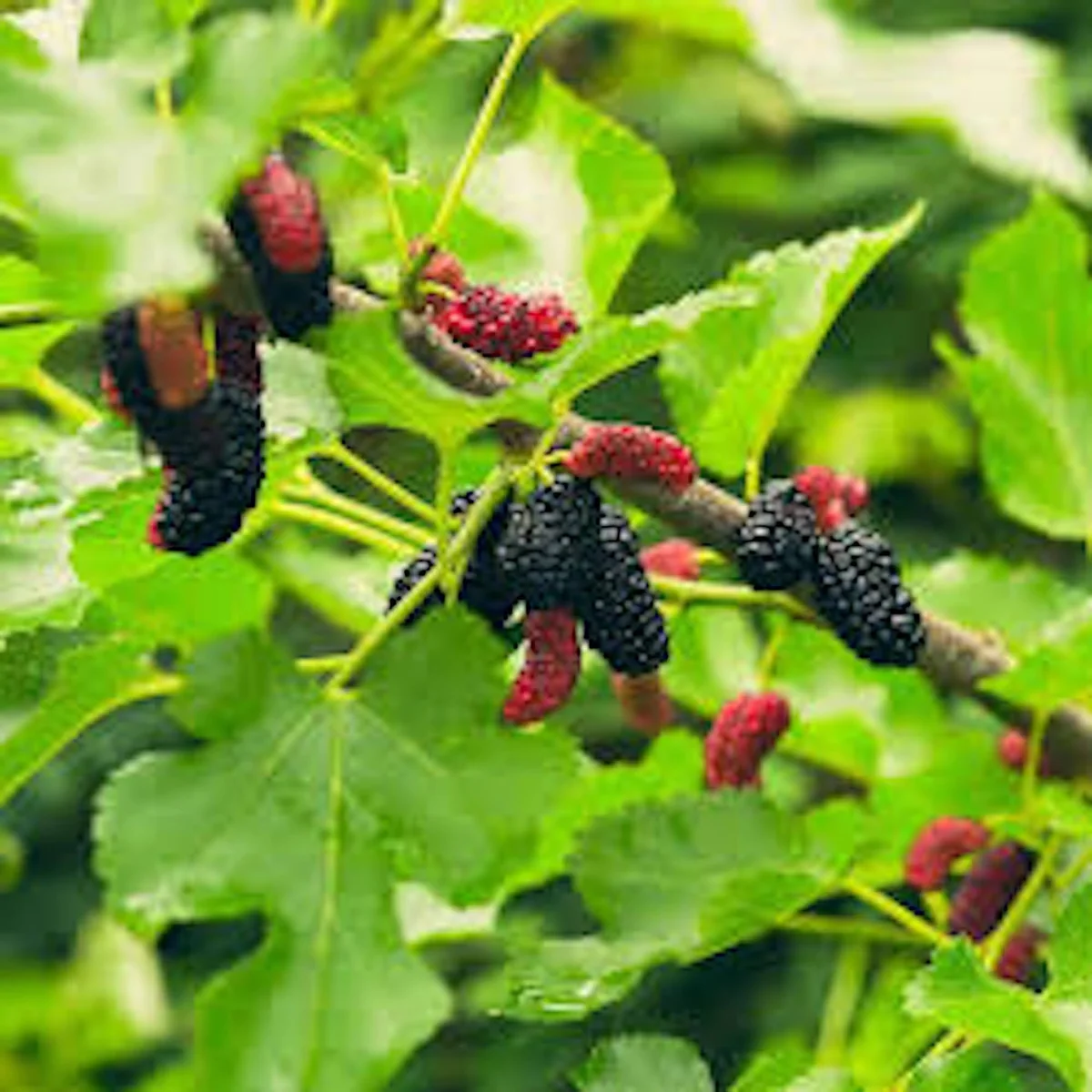
Bring the joy of fresh, homegrown fruit to your garden with the Illinois Everbearing Mulberry Tree. This exceptional hybrid variety is celebrated for its prolific and continuous fruit production, offering a bounty of sweet, dark berries from early summer all the way through to late summer. Unlike many other fruit trees with short harvest windows, the Illinois Everbearing Mulberry Tree provides a sustained yield, making it a highly desirable addition for any gardener seeking a continuous supply of fresh fruit. As a vigorous and cold hardy fruit tree, it thrives in a wide range of climates and is relatively low-maintenance, making it suitable for both experienced and novice growers. This starter plant offers an excellent opportunity to establish a long-lasting, productive fruit source in your landscape.
The Illinois Everbearing Mulberry Tree (Morus alba ‘Illinois Everbearing’) is a true gem among fruit-bearing plants. It’s a fast-growing deciduous tree that can quickly establish itself, providing shade and delicious fruit for many years. Known for its resilience, it’s an excellent choice for those looking for a reliable and productive fruit tree that can withstand various environmental conditions. Its adaptability makes it a popular choice across many USDA zones.
Key Benefits
The Illinois Everbearing Mulberry Tree offers a multitude of benefits, making it an outstanding choice for your garden or orchard. Its unique characteristics contribute to its popularity and value:
-
Extended Fruiting Season: Enjoy a prolonged harvest of delicious mulberries, as this variety produces fruit continuously throughout the entire summer, unlike many other mulberry types that fruit only once. This means fresh berries for weeks on end.
-
Exceptional Cold Hardiness: This cold hardy fruit tree is incredibly resilient, tolerating temperatures down to -20°F (-29°C), making it suitable for a broad range of climates, particularly in USDA Zones 4-9. Gardeners in colder regions can confidently grow this productive tree.
-
Fast Growth Rate: The tree establishes quickly and grows rapidly, allowing you to enjoy its benefits, including shade and fruit, sooner than many other fruit tree varieties. Its vigorous growth helps it to become a significant part of your landscape.
-
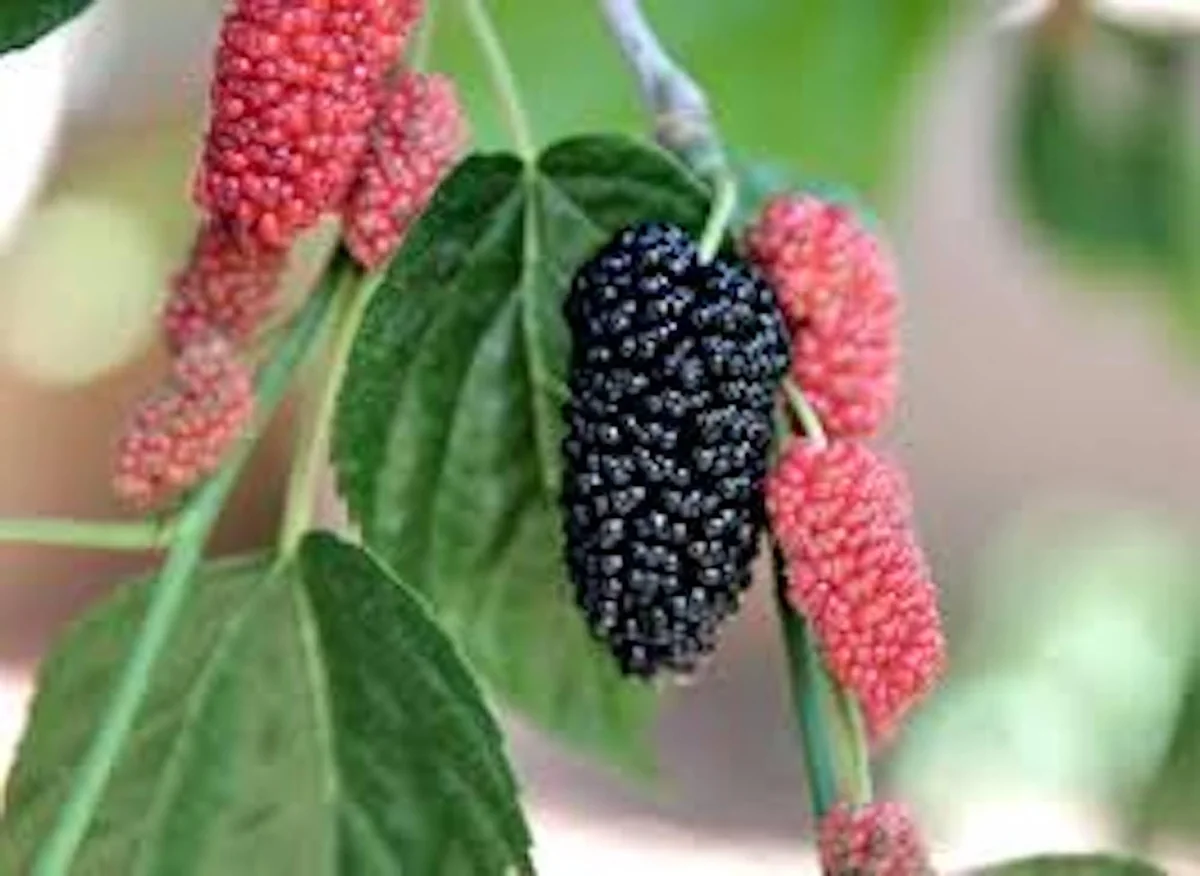
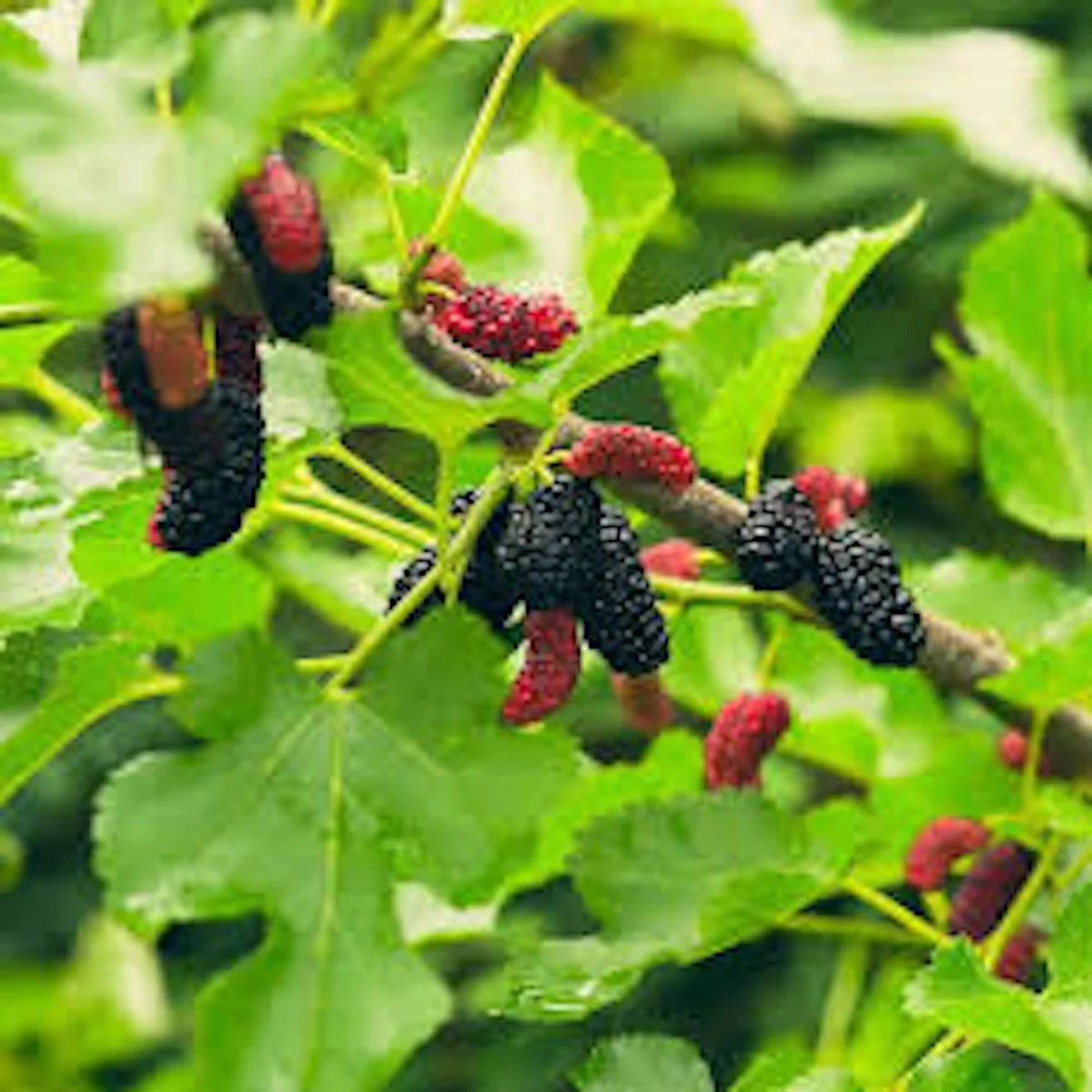
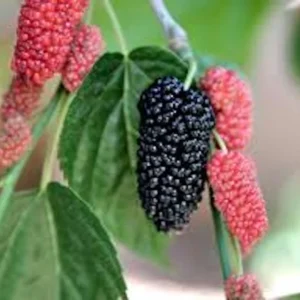
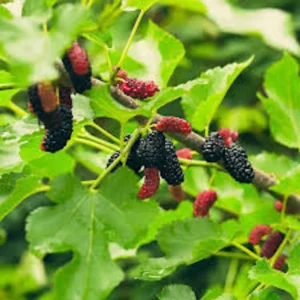
Delicious & Abundant Fruit: Produces 1-inch long, sweet, dark, and juicy mulberries that are perfect for fresh eating, jams, pies, and other culinary uses. The sheer volume of fruit ensures a bountiful harvest for families.
-
Low Maintenance: Once established, the Illinois Everbearing Mulberry Tree requires minimal care, making it an easy-to-grow option for busy gardeners. Its robust nature means less fuss and more enjoyment.
-
Wildlife Attraction: The berries are a favorite food source for birds and other wildlife, adding ecological value to your garden. This can create a vibrant and active ecosystem in your backyard.
-
Versatile Use: Beyond fruit production, the tree offers attractive foliage and can serve as a shade tree or a screening plant in your landscape design. Its multi-purpose nature adds to its appeal.
Plant Care & Growing Tips
Understanding mulberry tree care is key to ensuring a healthy and productive Illinois Everbearing Mulberry Tree. This variety is relatively forgiving, but providing optimal conditions will maximize fruit yield and tree vigor. For sunlight, this tree requires at least four hours of direct sunlight per day to thrive and produce abundant fruit. Full sun, meaning six or more hours of direct sunlight, is ideal. Plant in a location that receives ample light throughout the day, avoiding heavily shaded areas that can hinder growth and fruiting.
When it comes to soil, the Illinois Everbearing Mulberry Tree prefers average, moist soils with good drainage. While adaptable to various soil types, well-drained loamy or sandy loam soils are best. Avoid heavy clay soils that retain too much water, as this can lead to root rot. If your soil is heavy, amend it with organic matter like compost to improve drainage. Keep the soil consistently moist, especially during dry spells and when the tree is actively fruiting. However, do not allow the soil to become waterlogged. Regular watering during the first few years after planting will help establish a strong root system.
This cold hardy fruit tree is suitable for USDA Hardiness Zones 4-9, demonstrating impressive cold tolerance down to -20°F (-29°C). Pruning should be done in late winter or early spring while the tree is dormant. Focus on removing dead, damaged, or crossing branches, and thin out overcrowded areas to improve air circulation and light penetration. A balanced fertilizer can be applied in early spring to support healthy growth and fruit production. Understanding how to grow mulberry successfully involves monitoring for pests and diseases, though this variety is generally quite resistant. Regular inspection allows for early intervention if any issues arise, ensuring your tree remains robust and fruitful.
Size & Details
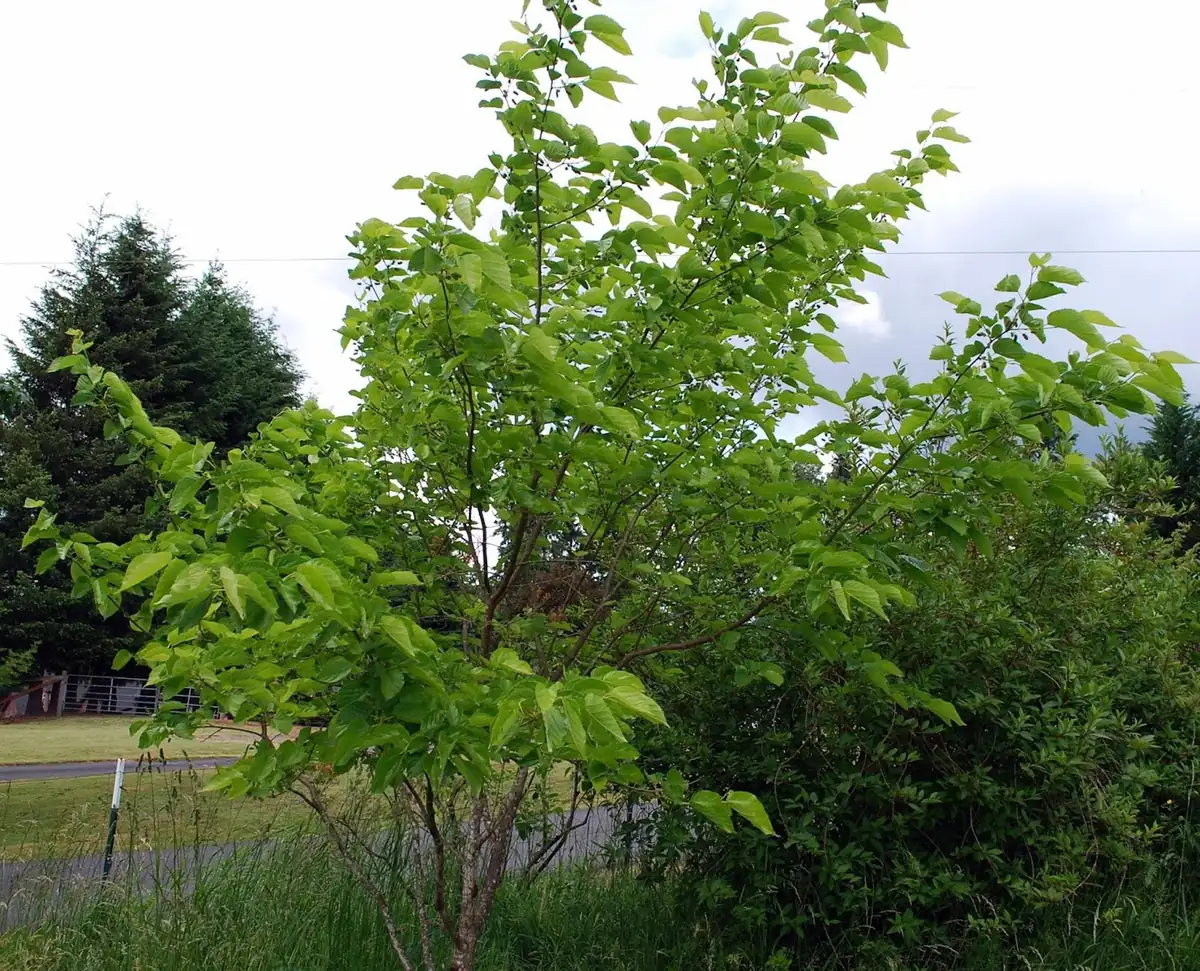
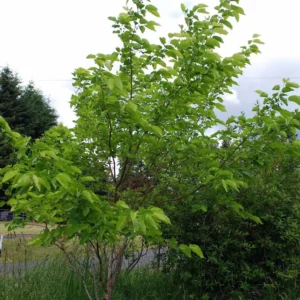
The Illinois Everbearing Mulberry Tree is a moderate to fast-growing deciduous tree that, at maturity, typically reaches a height of 12-25 feet and spreads 10-25 feet wide. Its size makes it suitable for many home landscapes, providing both shade and an abundant fruit harvest. This plant is a starter plant, meaning it is young and ready to be planted in its permanent location. It will grow rapidly once established, reaching its full productive potential within a few years. The fruit produced is approximately 1-inch long, dark, and sweet, perfect for fresh consumption or processing.
This continuous fruiting mulberry offers a steady supply of berries throughout the summer months, a significant advantage over other mulberry varieties. The exact size of the starter plant will vary depending on growing conditions and time of year, but it will be a viable young tree ready for transplanting. Expect to enjoy your first significant harvest within 2-3 years, with productivity increasing as the tree matures. This robust and adaptable tree is a long-term investment in your garden’s edible landscape.
Frequently Asked Questions
-
Q: How big does this Illinois Everbearing Mulberry Tree get at maturity? A: The Illinois Everbearing Mulberry Tree can reach a mature height of 12-25 feet tall and spread 10-25 feet wide. Its size makes it a good option for a medium-sized shade or fruit tree in your garden.
-
Q: Is this an indoor or outdoor plant? A: The Illinois Everbearing Mulberry Tree is an outdoor plant. It is a deciduous tree that requires outdoor conditions to thrive, including ample sunlight and seasonal changes.
-
Q: How much sunlight does the Illinois Everbearing Mulberry Tree need? A: This tree needs at least four hours of direct sunlight per day, but it will perform best and produce the most fruit in a location that receives full sun (six or more hours of direct sunlight).
-
Q: Is this plant easy to care for? A: Yes, the Illinois Everbearing Mulberry Tree is considered relatively easy to care for, especially once established. It’s a resilient and adaptable cold hardy fruit tree that doesn’t demand extensive maintenance.
-
Q: What condition will the starter plant arrive in? A: The starter plant will arrive as a young, viable tree ready for planting. It will be carefully packaged to ensure its health during transit, typically as a bare root plant.
-
Q: When is the best time to plant an Illinois Everbearing Mulberry Tree? A: The best time to plant is typically in spring or fall, allowing the tree to establish its root system before extreme summer heat or winter cold. This helps with successful establishment and growth.
-
Q: Will this continuous fruiting mulberry survive winter in my zone? A: This variety is very cold hardy, thriving in USDA Zones 4-9 and tolerating temperatures down to -20°F (-29°C). If your zone falls within this range, it should survive winter well.
-
Q: What kind of soil does this mulberry tree prefer? A: It prefers average, moist soils with good drainage. While adaptable, well-draining loamy or sandy loam soils are ideal to prevent waterlogging and promote healthy root growth.
-
Q: Can I use the fruit from the Illinois Everbearing Mulberry Tree for baking? A: Absolutely! The sweet, 1-inch long berries are excellent for fresh eating, but also perfect for making pies, jams, jellies, and other baked goods. It’s a versatile fruit for many culinary applications.
-
Q: How long until I get fruit from my Illinois Everbearing Mulberry Tree starter plant? A: You can typically expect to see your first significant fruit production within 2-3 years after planting your starter plant, with yields increasing as the tree matures and establishes itself.


Reviews
There are no reviews yet.