Overview
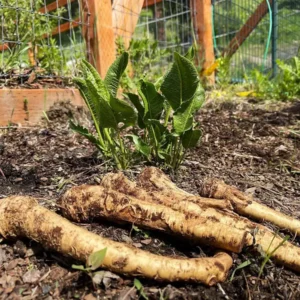
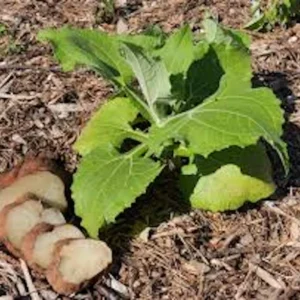
Discover the joy of growing your own nutritious food with the Yacón Root Plant. This listing provides 5 Yacón Root Plant starter plants, scientifically known as Smallanthus sonchifolius, also commonly referred to as Bolivian Sunroot. Native to the Andes, Yacón is a perennial plant celebrated for its sweet, crisp, and juicy tubers, which are a healthy alternative to traditional root vegetables. These starter plants are ideal for gardeners looking to cultivate an unique and beneficial crop. Yacón is relatively easy to grow in the right conditions and offers a rewarding harvest for both culinary and health-conscious enthusiasts. Each plant is carefully prepared to ensure a strong start in your garden, promising a bountiful yield of delicious roots.
The Smallanthus sonchifolius thrives in warm temperate to tropical climates, making it a fantastic addition to many home gardens across the United States. Its distinctive tubers are not only tasty but also known for their pre-biotic properties, contributing to gut health. Growing your own Bolivian Sunroot allows you to enjoy fresh, organic produce directly from your backyard, ensuring quality and flavor that store-bought options can’t match. Prepare to embark on an exciting gardening journey with these vibrant starter plants.
Key Benefits
The Yacón Root Plant offers a multitude of benefits, from its unique culinary uses to its health-promoting properties. Integrating this plant into your garden provides both satisfaction and a healthy food source.
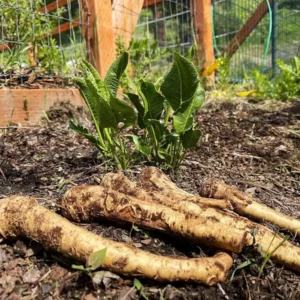
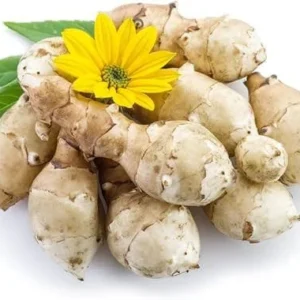
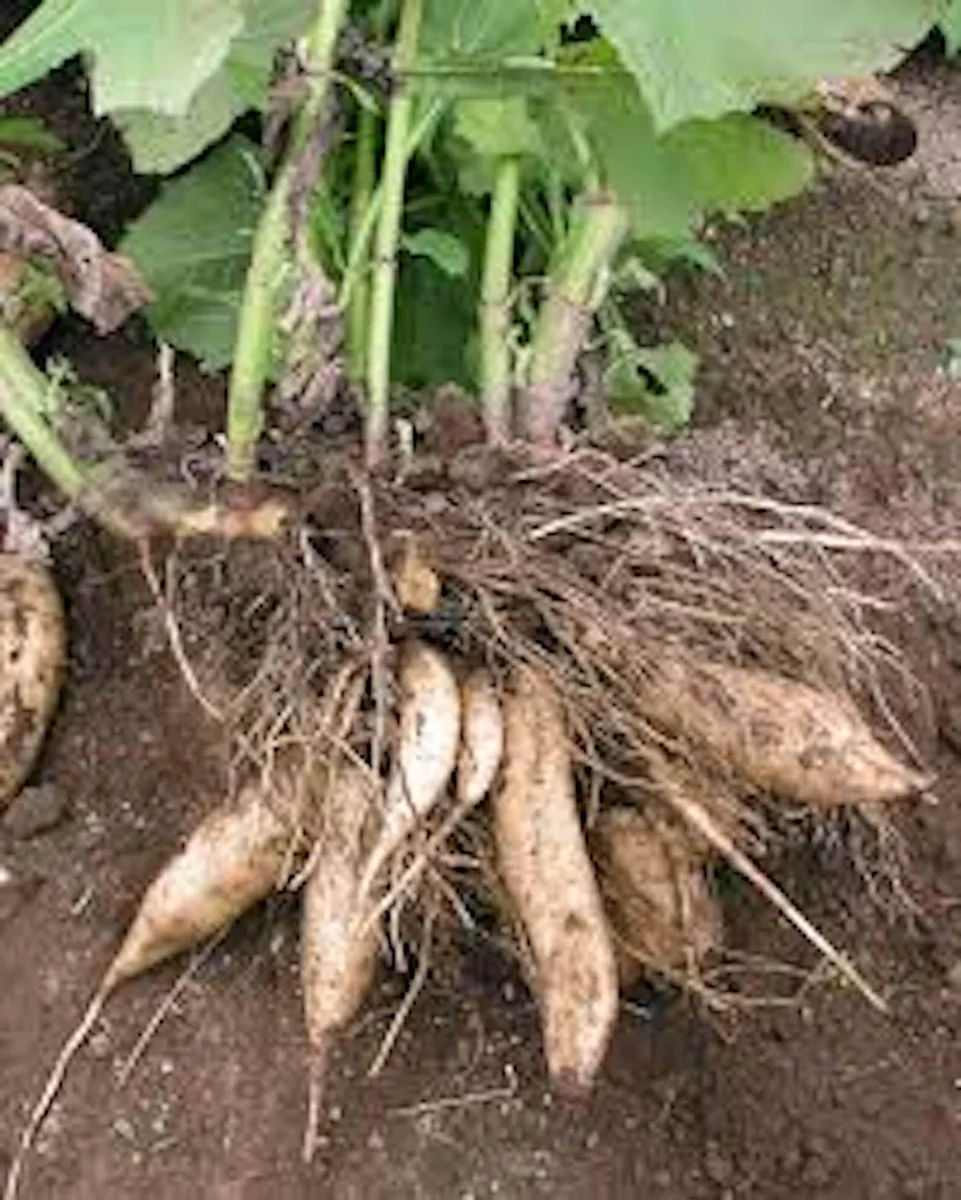
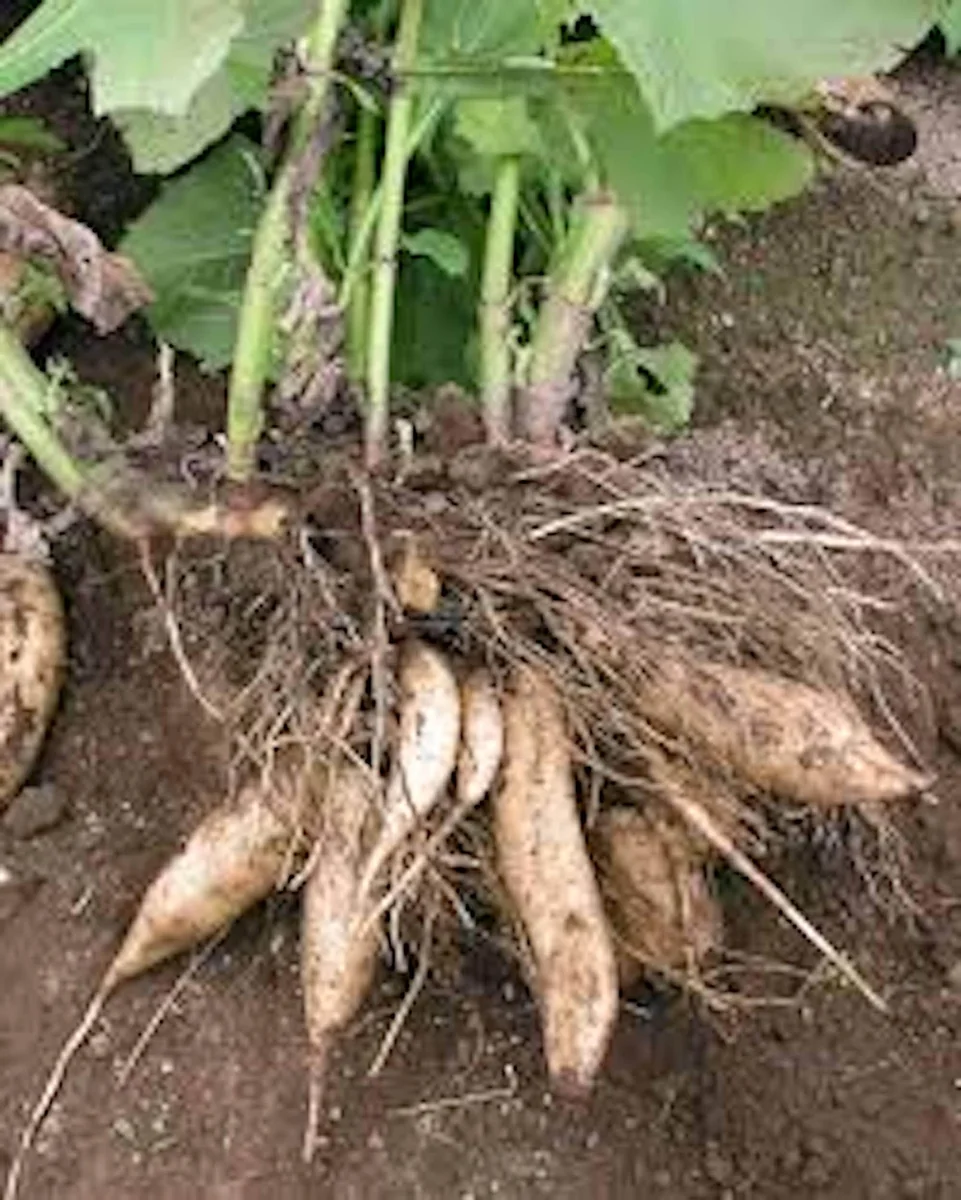
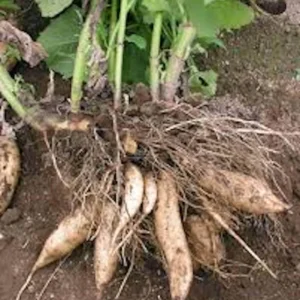
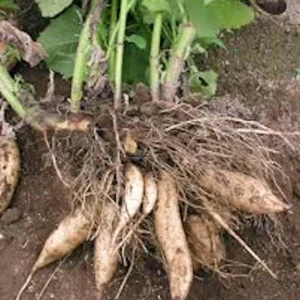
- Nutritious Edible Tubers: Yacón produces sweet, apple-like tubers that are low in calories and high in fructooligosaccharides (FOS), a type of pre-biotic fiber. Enjoy them raw, roasted, or juiced as a healthy snack or ingredient.
- Digestive Health Support: The FOS content in Smallanthus sonchifolius acts as a pre-biotic, promoting beneficial gut bacteria and supporting overall digestive wellness. It’s a natural way to enhance your gut flora.
- Versatile Culinary Use: The crisp texture and mild sweetness of Bolivian Sunroot tubers make them incredibly versatile. Use them in salads, stir-fries, or as a healthy sweetener. The leaves can also be brewed into a tea.
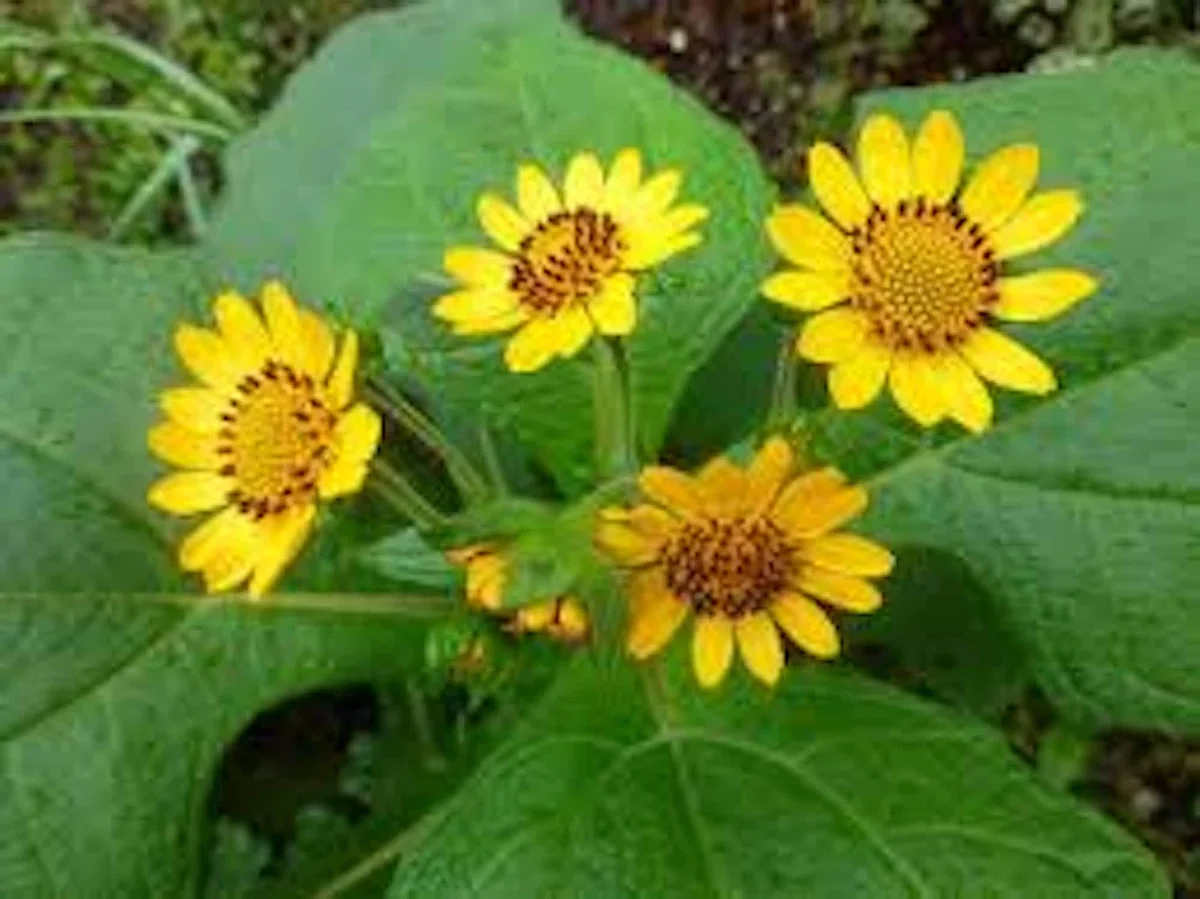
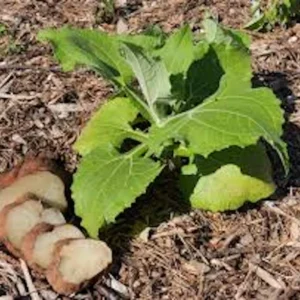
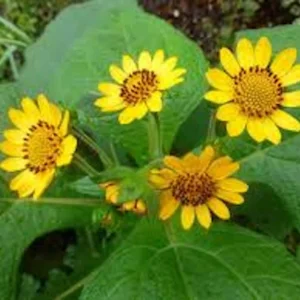
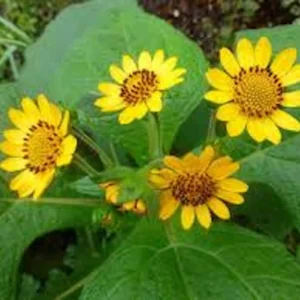
- Unique Garden Addition: Beyond its edible roots, the Yacón plant itself is an attractive perennial with large, fuzzy leaves and small, daisy-like flowers, adding an exotic touch to your garden landscape.
- Perennial Growth: In suitable climates, Yacón is a perennial, meaning it can return year after year, providing continuous harvests from a single planting. This makes it a sustainable choice for your garden.
- Relatively Low Maintenance: Once established, the Yacón Root Plant requires moderate care, making it accessible for gardeners of various experience levels.
- Sustainable Food Source: Growing your own Yacón contributes to a more sustainable lifestyle, reducing reliance on commercial food systems and enjoying fresh, locally grown produce.
Plant Care & Growing Tips
Caring for your Yacón Root Plant involves understanding its needs for climate, soil, sunlight, and water to ensure a successful harvest. These Bolivian Sunroot starter plants are frost-sensitive, thriving in warm temperate to tropical conditions. If you live in an area with hard frosts, you can grow them as annuals or dig up the rhizomes for overwintering indoors. The ideal temperature range for active growth is between 60-80°F (15-27°C).
For optimal growth, plant your Smallanthus sonchifolius in well-draining, loamy, and fertile soil. A pH between 6.0 and 6.5 is generally preferred. Amend heavy clay soils with organic matter like compost to improve drainage and fertility. Full sun is preferred, meaning at least 6-8 hours of direct sunlight per day. In very hot climates, some afternoon shade can be beneficial to prevent leaf scorch. Consistent moisture is crucial, especially during dry spells and when the tubers are developing. Water deeply and regularly, but avoid waterlogging, as this can lead to root rot. Fertilize every 4-6 weeks during the growing season with a balanced organic fertilizer to support vigorous growth and tuber formation for your Yacón Root Plant.
Harvesting typically occurs 6–7 months after planting, usually after the first frost in cooler areas, which signals the plant to put its energy into tuber development. When harvesting, carefully dig around the base of the plant to extract the tubers. They can be stored in a cool, dark, and humid place for several months. Protecting plants from strong winds can also be beneficial, as their large leaves can be susceptible to damage. Watch out for common garden pests, though Yacón is generally quite resistant. Regular inspection and natural pest control methods can keep your plants healthy.
Size & Details
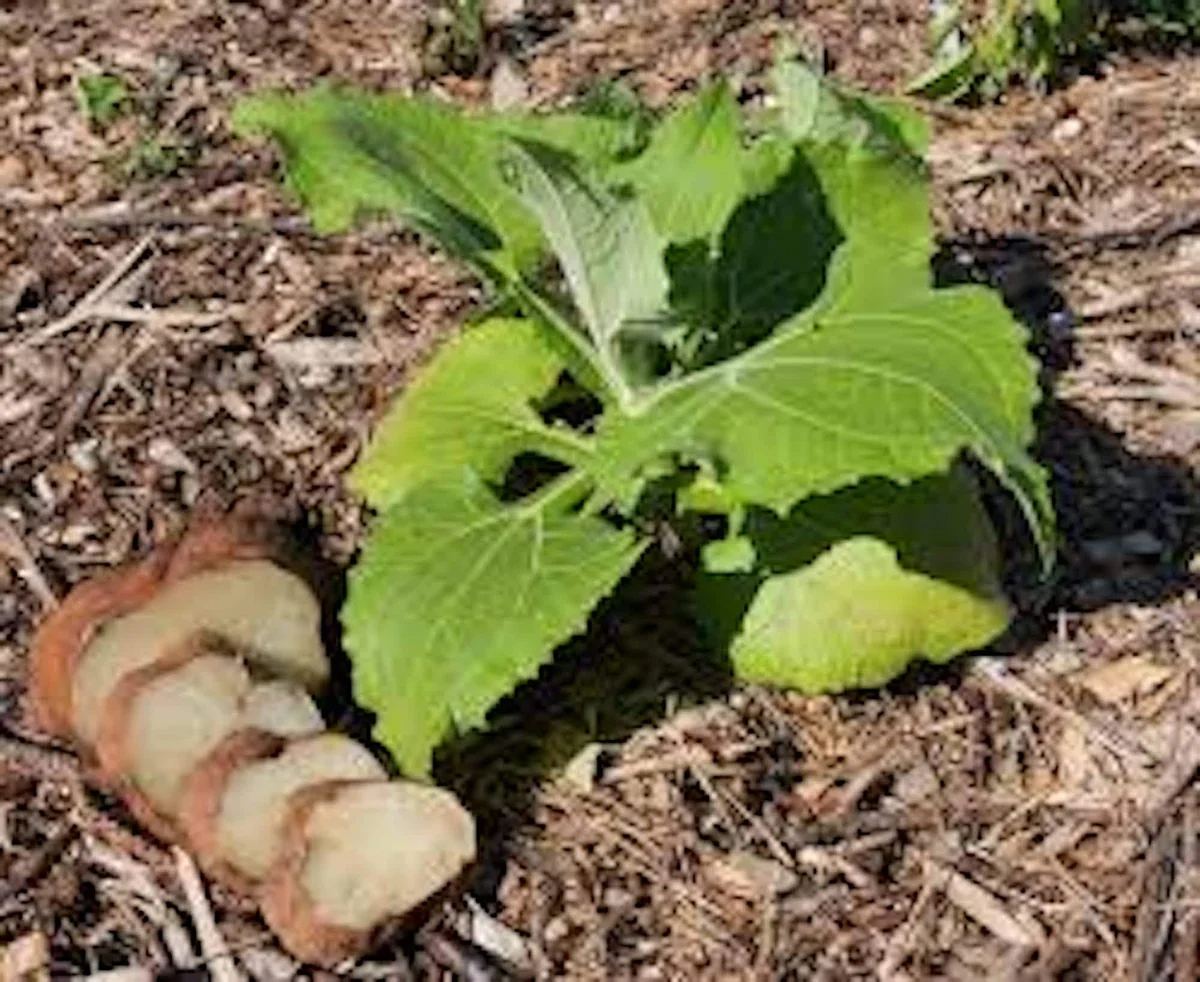
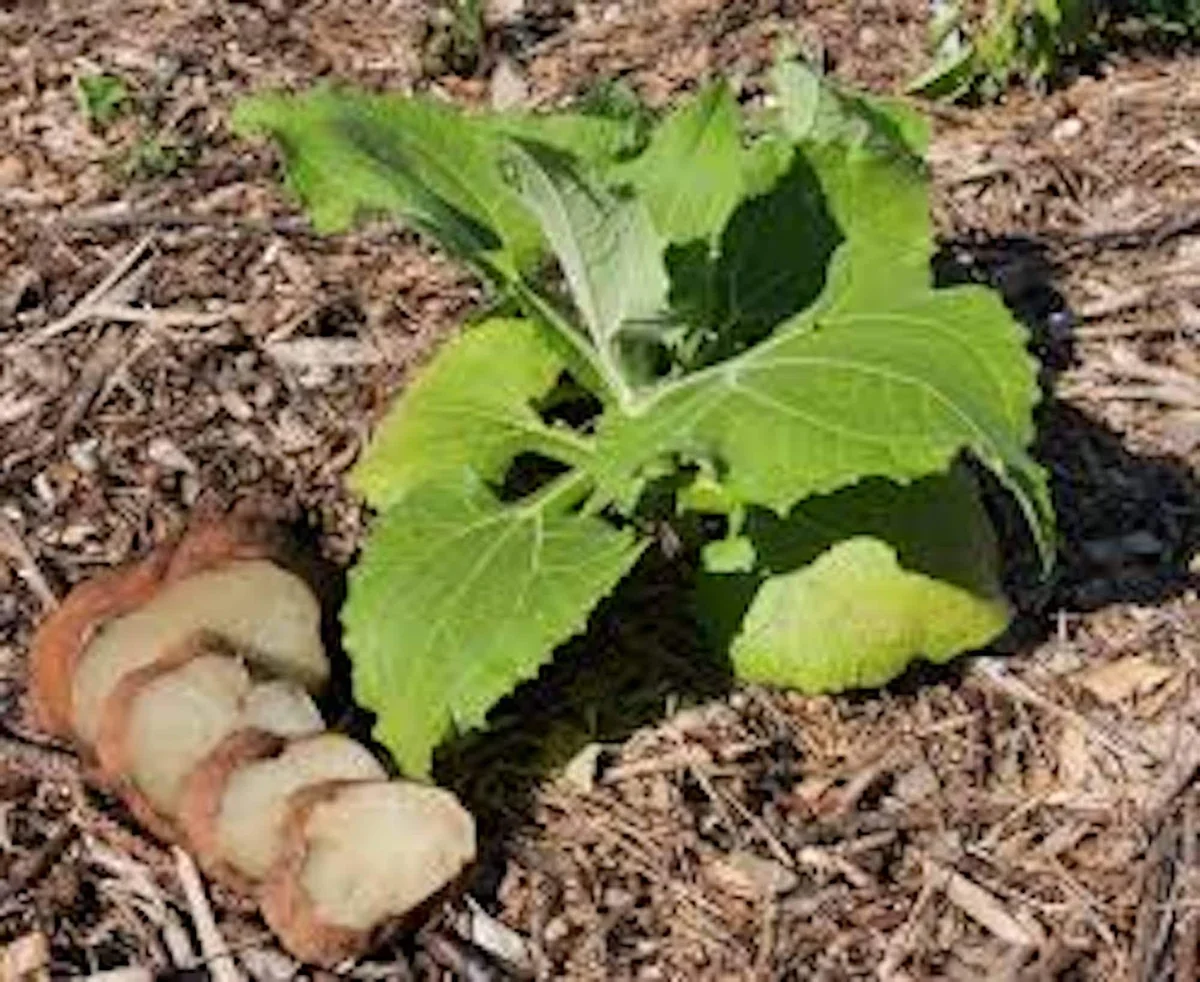
This offering includes 5 Yacón Root Plant starter plants, ready for transplanting into your garden. Each starter plant is a young, healthy specimen of Smallanthus sonchifolius, ensuring a robust beginning for your cultivation efforts. Yacón plants can grow quite tall, typically reaching heights of 5-7 feet (1.5-2.1 meters) with a spread of 2-3 feet (0.6-0.9 meters) in ideal conditions. These plants are shipped bare root, carefully packaged to maintain their vitality during transit, without pots or excess soil to minimize shipping stress.
Expect a harvest time of approximately 6–7 months after planting, with the most significant tuber development occurring as the days shorten and temperatures cool. The tubers themselves can vary greatly in size, from small potato-like shapes to larger, elongated roots. The growth rate is moderate to fast, especially in warm climates with consistent watering and nutrient availability. These Bolivian Sunroot plants are intended for outdoor cultivation in appropriate climates or can be grown in large containers where overwintering indoors is necessary.
Frequently Asked Questions
- Q: How big does this Yacón Root Plant get? A: The Yacón Root Plant (Smallanthus sonchifolius) can typically grow to a height of 5-7 feet and spread 2-3 feet wide, forming a substantial bush in ideal conditions.
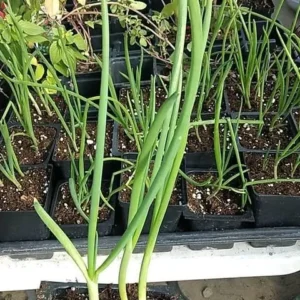
- Q: What size pot does it come in? A: These are Yacón starter plant specimens and are shipped bare root, meaning they do not come in pots. You will need to plant them directly into your garden or a suitable container upon arrival.
- Q: Is this an indoor or outdoor plant? A: The Bolivian Sunroot is primarily an outdoor plant, thriving in warm temperate to tropical climates. In colder zones, it can be grown as an annual or the tubers can be dug up and stored over winter.
- Q: How much sunlight does it need? A: Smallanthus sonchifolius prefers full sun, ideally receiving at least 6-8 hours of direct sunlight per day. In very hot regions, providing some afternoon shade can prevent leaf burn.
- Q: Is this plant easy to care for? A: Yacón is considered moderately easy to care for. It requires well-draining, fertile soil, consistent watering, and protection from frost. With proper attention, it’s a rewarding plant for beginners and experienced gardeners alike.
- Q: What condition will it arrive in? A: Your Yacón Root Plant will arrive as bare root starter plants, carefully packaged to ensure freshness and vitality during transit. They will be ready for immediate planting.
- Q: Can I use the tubers from this Yacón Root Plant in cooking? A: Yes, the tubers of the Yacón Root Plant are highly prized for their crisp, sweet, and juicy texture, making them excellent for eating raw, roasting, juicing, or adding to salads and stir-fries.
- Q: When is the best time to plant Yacón? A: The best time to plant Yacón is in the spring, after all danger of frost has passed and the soil has warmed up. This allows for a full growing season before the autumn harvest.
- Q: Will it survive winter in my zone? A: Smallanthus sonchifolius is frost-sensitive. In USDA zones where temperatures drop below freezing, the plant will die back, and the rhizomes should be dug up and stored indoors to replant the following spring.
- Q: What’s the minimum temperature this plant can tolerate? A: The Yacón plant is frost-sensitive and will not tolerate freezing temperatures. It thrives in warm temperate to tropical climates, typically requiring temperatures above 40°F (4°C).


Reviews
There are no reviews yet.