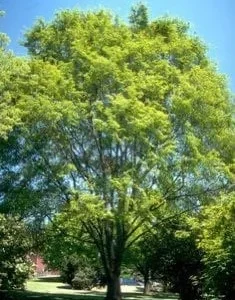
Overview
Introduce a touch of natural elegance to your property with our premium Lacebark Elm bare root seedlings. This listing provides two robust bare root plants, each standing 2-3 feet tall, ready to establish themselves in your garden or landscape. The Chinese Elm tree, scientifically known as Ulmus parvifolia, is a highly prized deciduous tree celebrated for its distinctive exfoliating bark, which reveals mottled patterns of grey, tan, and reddish-brown as it matures. This feature gives it its common name, ‘Lacebark Elm,’ and provides year-round visual interest, especially striking in winter. These adaptable trees are excellent choices for homeowners and landscapers seeking a resilient and aesthetically pleasing addition to their outdoor spaces. They are known for their rapid growth and ability to tolerate a wide range of growing conditions, making them a versatile choice for many climates.
The Lacebark Elm bare root seedling is an investment in your property’s future, offering shade, beauty, and ecological benefits for decades to come. Unlike many other elm species, Ulmus parvifolia exhibits strong resistance to Dutch Elm Disease, a significant advantage that ensures its longevity and health. Its relatively small, lustrous green leaves provide a dense canopy perfect for cooling in warmer months, and in some regions, they can persist late into the year, even into December or January. This makes the Chinese Elm tree a reliable and attractive option for various landscape designs, from urban settings to expansive rural gardens. These Ulmus parvifolia seedling plants are supplied in their bare root form, which allows for easier transport and planting, ensuring a healthy start when properly cared for.
Key Benefits
Opting for the Lacebark Elm bare root offers numerous advantages for your landscape design and personal enjoyment. This resilient tree provides both aesthetic appeal and practical benefits that make it a standout choice for any garden.
- Distinctive Ornamental Bark: The most striking feature of the Lacebark Elm bare root is its exfoliating bark. As the tree matures, patches of outer bark peel away to reveal an intricate mosaic of greens, greys, browns, and reds, creating a captivating visual display that adds year-round interest to your garden. This unique characteristic makes it a focal point in any landscape, ensuring your Chinese Elm tree stands out.
- Exceptional Disease Resistance: Unlike many other elm varieties, the Chinese Elm tree (Ulmus parvifolia) is highly resistant to Dutch Elm Disease, a devastating fungal pathogen. This resilience ensures a healthier, longer-lived tree with less need for intensive disease management, providing peace of mind for gardeners seeking a disease resistant elm.
- Adaptable and Hardy: These trees are incredibly adaptable, thriving in a wide range of soil types and tolerant of various environmental conditions, including urban pollution and drought once established. They are hardy in USDA Zones 4-9, making them suitable for diverse climates across the United States, proving the versatility of the Ulmus parvifolia seedling.
- Rapid Growth Rate: The Ulmus parvifolia seedling is known for its relatively fast growth, quickly developing into a medium-sized shade tree. This rapid establishment means you won’t have to wait long to enjoy the benefits of its shade and beauty, enhancing your landscape in a shorter timeframe.
- Attractive Foliage: The small, leathery, lustrous green leaves of the Lacebark Elm bare root create a dense and appealing canopy. In some climates, the foliage can persist well into late autumn or early winter, extending the season of interest and providing continuous visual appeal.
- Versatile Landscaping Use: Whether you’re looking for a specimen tree, a shade tree, or part of a mixed planting, the ornamental elm tree fits various landscape roles. Its moderate size and attractive form make it suitable for both large and smaller gardens, providing structure and beauty.
- Low Maintenance: Once established, the Lacebark Elm bare root requires minimal care. Its natural hardiness and disease resistance reduce the need for frequent intervention, allowing you to enjoy its beauty with less effort, making it an excellent choice for both experienced and novice gardeners looking for a disease resistant elm.
Plant Care & Growing Tips
Caring for your Lacebark Elm bare root seedlings is straightforward, given their inherent hardiness and adaptability. When planting your Ulmus parvifolia seedling, choose a location that receives full sun to partial shade. Full sun (at least 6 hours of direct sunlight per day) will promote the best growth and bark development, but the tree can tolerate some afternoon shade, especially in hotter climates. Ensure the planting site has well-draining soil; while adaptable to various soil types, good drainage is crucial to prevent root rot. Dig a hole wide enough to accommodate the spread of the roots without bending them, and plant the bare root seedling at the same depth it grew in the nursery, indicated by the root collar. Backfill with native soil, gently tamping down to remove air pockets, and water thoroughly.
Initial watering is critical for establishing your Chinese Elm tree. Water deeply and regularly during the first growing season, especially during dry spells, to encourage strong root development. Aim for consistently moist, but not waterlogged, soil. Once established, the Lacebark Elm bare root is quite drought-tolerant, though occasional deep watering during prolonged dry periods will benefit its health and vigor. Fertilization is generally not necessary in the first year after planting, as the tree focuses on root establishment. In subsequent years, if soil tests indicate a nutrient deficiency or if growth appears sluggish, a balanced, slow-release tree fertilizer can be applied in early spring according to package directions. Pruning should be done in late winter or early spring while the tree is dormant to remove any dead, damaged, or crossing branches, and to shape the canopy as desired. This helps maintain the tree’s health and aesthetic form, proving it to be a truly ornamental elm tree.
The Lacebark Elm bare root thrives in USDA Zones 4-9, demonstrating excellent cold hardiness. It is also quite tolerant of heat and humidity, making it a reliable choice for a wide range of climates. Watch out for common pests like aphids, though serious infestations are rare. Maintaining good air circulation and overall tree health will help prevent most issues. The exceptional disease resistance of this ornamental elm tree, particularly to Dutch Elm Disease, makes it a superior choice compared to other elm species and a truly disease resistant elm. Proper care during its establishment phase will ensure your Lacebark Elm bare root grows into a magnificent and enduring specimen in your landscape.
Size & Details
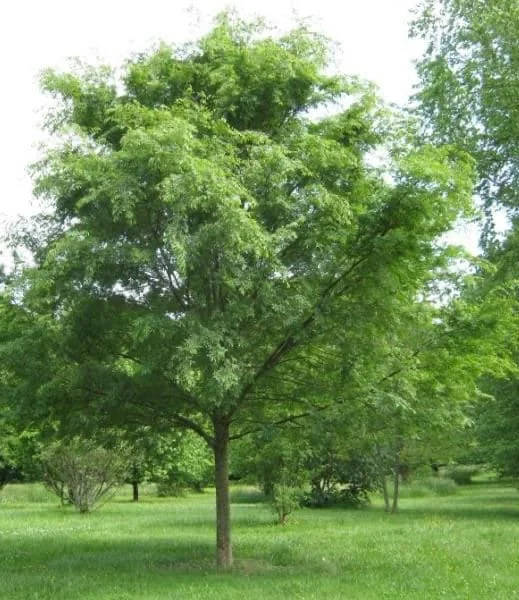
This offering includes two individual Lacebark Elm bare root seedlings, each measuring approximately 2-3 feet in height from the root crown to the tip. These bare root plants are shipped without soil or a container, allowing for efficient and economical transport. Upon receipt, it is crucial to plant them promptly or temporarily heel them into moist soil if immediate planting is not possible. The Ulmus parvifolia seedling has a moderate to fast growth rate, typically adding 1-2 feet per year once established, eventually reaching a mature height of 33-59 feet and a spread of 49-66 feet, developing a slender trunk and a broad, elegant crown. The leathery, lustrous green leaves are small, measuring 2-5 cm long by 1-3 cm broad, and contribute to the tree’s dense canopy.
The fruit produced by the Chinese Elm tree is a small samara, elliptic to ovate-elliptic, about 10-13 mm long by 6-8 mm broad, maturing rapidly in late autumn. The most distinguishing feature, the flaking bark, starts to develop as the tree matures, creating the characteristic mottled grey, tan, and red patterns. These trees are best planted in spring or fall, allowing their root systems to establish before the extremes of summer heat or winter cold. With proper care, your Lacebark Elm bare root seedlings will quickly develop into resilient and beautiful specimens, providing significant aesthetic value and shade for many years to come.
Frequently Asked Questions
- Q: How big does this plant get? A: The Lacebark Elm bare root seedlings provided are 2-3 feet tall. Once mature, a Chinese Elm tree can reach heights of 33-59 feet (10-18 meters) and spread 49-66 feet (15-20 meters) wide, forming a beautiful, broad canopy.
- Q: Is this an indoor or outdoor plant? A: The Lacebark Elm bare root is an outdoor tree, best suited for landscaping in gardens, parks, or as a street tree. It is not suitable for indoor cultivation.
- Q: How much sunlight does it need? A: A Ulmus parvifolia seedling thrives best in full sun, which means at least 6 hours of direct sunlight per day. It can tolerate partial shade, but full sun encourages optimal growth and bark development.
- Q: Is this plant easy to care for? A: Yes, the Lacebark Elm bare root is considered relatively easy to care for once established. It is adaptable to various conditions and known for its low maintenance requirements and strong disease resistance, making it an excellent disease resistant elm.
- Q: What condition will it arrive in? A: You will receive two 2-3 foot bare root seedlings. They will not come with soil or a pot, as they are shipped in their dormant state to ensure safe and efficient transport.
- Q: When is the best time to plant? A: The ideal times to plant a Lacebark Elm bare root seedling are in the spring, after the last frost, or in the fall, before the ground freezes. This allows the roots to establish in moderate temperatures.
- Q: Will it survive winter in my zone? A: Yes, the ornamental elm tree is very hardy and will survive winter in USDA Zones 4-9. It is well-adapted to cold temperatures within this range and is a deciduous tree, meaning it will lose its leaves in winter.
- Q: What kind of soil does it prefer? A: The Chinese Elm tree is adaptable to various soil types but prefers well-draining soil. It can tolerate clay, sandy, or loamy soils, making it versatile for different planting sites.
- Q: How long until it develops its distinctive bark? A: While young Lacebark Elm bare root seedlings will have smoother bark, the characteristic exfoliating, mottled bark typically begins to appear and become more pronounced as the tree matures, usually after a few years of growth.
- Q: Is it resistant to Dutch Elm Disease? A: Yes, Ulmus parvifolia, the Lacebark Elm bare root, is highly resistant to Dutch Elm Disease, making it an excellent alternative to less resistant elm species. This makes it a reliable disease resistant elm for your landscape.


Reviews
There are no reviews yet.