Overview
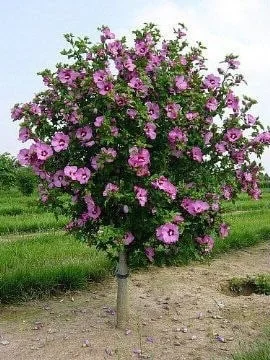
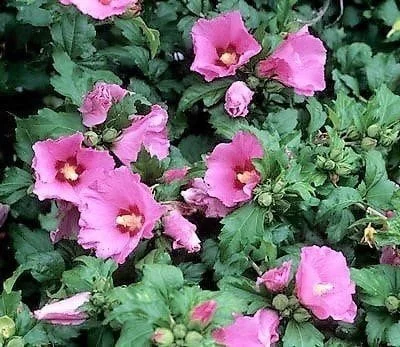
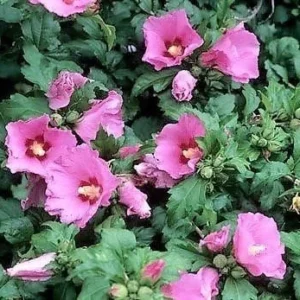
Introduce a touch of elegance and vibrant color to your garden with the exquisite Aphrodite Rose of Sharon live plant. This stunning Althea live plant, scientifically known as Hibiscus syriacus ‘Aphrodite’, is a deciduous shrub renowned for its large, showy, pink flowers with a deep red eye. Originating from south-central and southeast China, it has become a cherished addition to landscapes across North America, often referred to simply as Rose of Sharon. This hardy and adaptable outdoor shrub is an excellent choice for gardeners looking for a long-lasting bloom display from summer into fall. Its upright growth habit and beautiful blossoms make it a focal point in any garden setting, attracting pollinators like butterflies and hummingbirds. Whether you’re creating a hedge, a specimen plant, or adding to a mixed border, the Aphrodite variety offers exceptional beauty and resilience, making it a superb choice for enhancing outdoor spaces. Understanding proper Rose of Sharon care can ensure years of spectacular blooms.
The Aphrodite Rose of Sharon live plant is delivered as a healthy, established plant in a quart pot, ready for immediate planting. Known for its robust nature and ease of care, it’s suitable for both novice and experienced gardeners. Its striking appearance and extended blooming period ensure a season full of color and charm, making it a popular choice for enhancing outdoor spaces. This particular variety is celebrated for its vigorous growth and abundant flowering, providing a lush and dynamic presence in your landscape. For those looking for a vibrant and durable addition, the Hibiscus syriacus Aphrodite is an ideal selection.
Key Benefits
The Aphrodite Rose of Sharon live plant offers numerous benefits, making it an outstanding choice for any garden. Its hardiness and beauty combine to create a truly rewarding plant that requires manageable Rose of Sharon care.
- Spectacular Summer Blooms: Enjoy an abundance of large, vibrant pink flowers with a distinctive red center from mid-summer through fall. These long-lasting blooms provide continuous color when many other plants are fading, making the Aphrodite Rose of Sharon live plant a garden highlight.
- Attracts Pollinators: The showy flowers are a magnet for butterflies, hummingbirds, and other beneficial pollinators, bringing life and activity to your garden ecosystem. This enhances biodiversity and supports local wildlife, creating a lively atmosphere.
- Low Maintenance & Adaptable: This Althea live plant is remarkably easy to care for, thriving in a range of soil types and tolerating various conditions once established. It requires minimal pruning and is generally pest and disease resistant, reducing your gardening workload significantly.
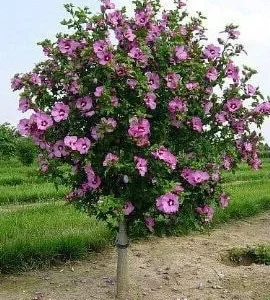
- Versatile Landscape Use: Ideal for use as a specimen plant, in mixed borders, as an informal hedge, or even in large containers. Its upright, vase-shaped growth habit provides excellent structure and vertical interest in the garden, fitting various design needs.
- Drought Tolerant: Once established, this outdoor shrub exhibits good drought tolerance, making it a sustainable choice for water-wise gardening. This resilience ensures it remains beautiful even during drier periods, minimizing water usage.
- Hardy in Many Climates: Thriving in USDA Zones 6-9, the Aphrodite Rose of Sharon live plant is well-suited for a wide array of climates, enduring both summer heat and winter cold effectively. This broad adaptability makes it a reliable choice for many regions.
- Deer Resistant: Generally not favored by deer, this plant is a good option for gardens in areas where deer browsing is a concern, helping to protect your landscape investment without additional deterrents.
Plant Care & Growing Tips
Caring for your Aphrodite Rose of Sharon live plant is straightforward, ensuring years of beautiful blooms. This resilient outdoor shrub prefers a location with full sun to partial shade, meaning at least 6 hours of direct sunlight per day for optimal flowering. While it can tolerate some shade, an abundance of sunlight will result in more prolific and vibrant blooms. When planting, choose a site with well-draining soil. It is adaptable to various soil types, including clay, loam, and sandy soils, but consistently wet conditions should be avoided to prevent root rot. Dig a hole twice as wide as the root ball and just as deep, then backfill with soil, ensuring the plant is at the same level it was in the quart pot.
Watering is crucial during the establishment period. Water thoroughly two to three times a week for the first growing season, allowing the top few inches of soil to dry out between waterings. Once established, the Aphrodite Rose of Sharon live plant is quite drought tolerant, but it will perform best with regular moisture, especially during dry spells. Fertilize in early spring with a balanced, slow-release granular fertilizer formulated for flowering shrubs. Pruning can be done in late winter or early spring to shape the plant, remove dead or damaged branches, and encourage more vigorous growth and larger flowers. Avoid heavy pruning in late summer, as this can remove flower buds that will form on new wood. For specific concerns about pests or diseases, consult a local garden center or extension office, though the plant is generally hardy. Proper Rose of Sharon care ensures a healthy and flourishing plant.
Understanding Rose of Sharon care is key to its success. This plant is known for its late emergence in spring, so don’t be alarmed if it’s one of the last plants to show new growth. It’s a normal characteristic of Hibiscus syriacus Aphrodite. Cold tolerance is excellent within its USDA hardiness zones, making it a reliable choice for many regions. Mulching around the base of the plant can help retain soil moisture, regulate soil temperature, and suppress weeds, further simplifying its care routine. With proper attention to these guidelines, your Aphrodite Rose of Sharon live plant will flourish and become a beloved feature in your garden for many seasons.
Size & Details
The Aphrodite Rose of Sharon live plant is provided as a healthy, established Althea live plant in a quart-sized nursery pot. Upon arrival, the plant will typically stand between 6-12 inches tall, depending on the growing season and recent pruning. This allows for easy transplanting and a quick start in your garden. The mature size of this outdoor shrub can reach an impressive height of 8-12 feet and a spread of 6-10 feet, forming an upright, vase-shaped habit. It has a moderate to fast growth rate, typically adding 1-2 feet per year under optimal conditions, quickly establishing itself as a prominent landscape feature.
The plant will ship with its root system intact within the quart pot, ensuring minimal transplant shock. Expect the first blooms to appear in its first or second growing season after planting, with flowering becoming more abundant as the plant matures. Its robust nature ensures it will develop into a substantial and beautiful specimen. The Aphrodite variety is characterized by its large, single, deep rose-pink flowers, each with a striking red eye, providing a dramatic contrast against its dark green foliage. This ensures that your Aphrodite Rose of Sharon live plant will be a showstopper once it reaches maturity.
Frequently Asked Questions
- Q: How big does this plant get? A: The Aphrodite Rose of Sharon live plant typically grows to a mature height of 8-12 feet and spreads 6-10 feet wide, forming an attractive upright, vase-shaped shrub. Its moderate to fast growth rate means it will fill out your garden space effectively.
- Q: What size pot does it come in? A: This Althea live plant is shipped in a quart-sized nursery pot, providing a healthy root system ready for planting. This size is ideal for ensuring successful establishment in your garden.
- Q: Is this an indoor or outdoor plant? A: The Aphrodite Rose of Sharon live plant is an outdoor shrub, best suited for garden planting. It thrives in full sun to partial shade and is hardy in USDA Zones 6-9, making it a robust addition to most outdoor landscapes.
- Q: How much sunlight does it need? A: For optimal flowering and vigorous growth, the Aphrodite Rose of Sharon live plant requires full sun exposure, meaning at least 6 hours of direct sunlight daily. It can tolerate partial shade, but blooming may be less prolific.
- Q: Is this plant easy to care for? A: Yes, this outdoor shrub is considered low maintenance. Once established, it is quite hardy and adaptable, requiring minimal care beyond initial watering and occasional pruning. This makes Rose of Sharon care relatively simple for gardeners of all experience levels.
- Q: What condition will it arrive in? A: Your Aphrodite Rose of Sharon live plant will arrive as a healthy, live plant in its quart pot, carefully packaged to ensure it reaches you in excellent condition, ready for planting.
- Q: When is the best time to plant? A: The best time to plant your Aphrodite Rose of Sharon live plant is in spring or early fall. This allows the plant sufficient time to establish its root system before extreme summer heat or winter cold.
- Q: Will it survive winter in my zone? A: Yes, this variety of Althea live plant is hardy in USDA Zones 6-9, meaning it is well-equipped to survive winter temperatures within these zones. It is a deciduous shrub, so it will lose its leaves in winter and leaf out again in spring. You can confidently plant this Hibiscus syriacus Aphrodite in suitable climates.
- Q: Can I grow the Aphrodite Rose of Sharon in a container? A: While primarily an in-ground plant, you can grow the Aphrodite Rose of Sharon live plant in a very large container (20-gallon or larger) if you provide adequate drainage and regular watering. Ensure the container is large enough to accommodate its mature size.
- Q: What is the main characteristic of the Aphrodite Rose of Sharon? A: The main characteristic of the Aphrodite Rose of Sharon live plant is its stunning, large, single pink flowers with a prominent red eye, which bloom profusely from summer through fall. This persistent blooming makes it a highly desirable landscape plant and a standout among outdoor shrub varieties.


Reviews
There are no reviews yet.