Overview
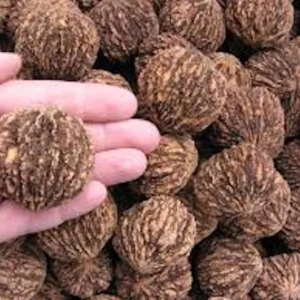
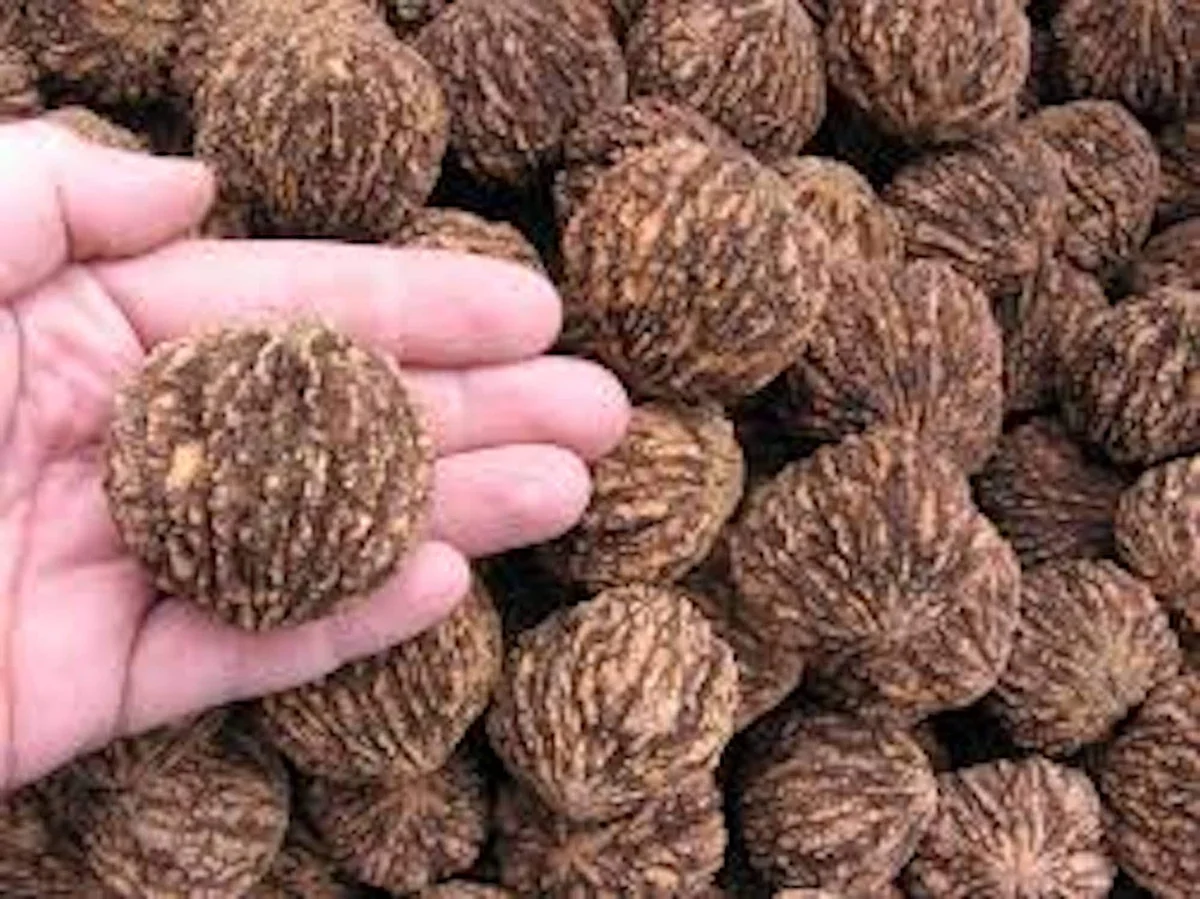
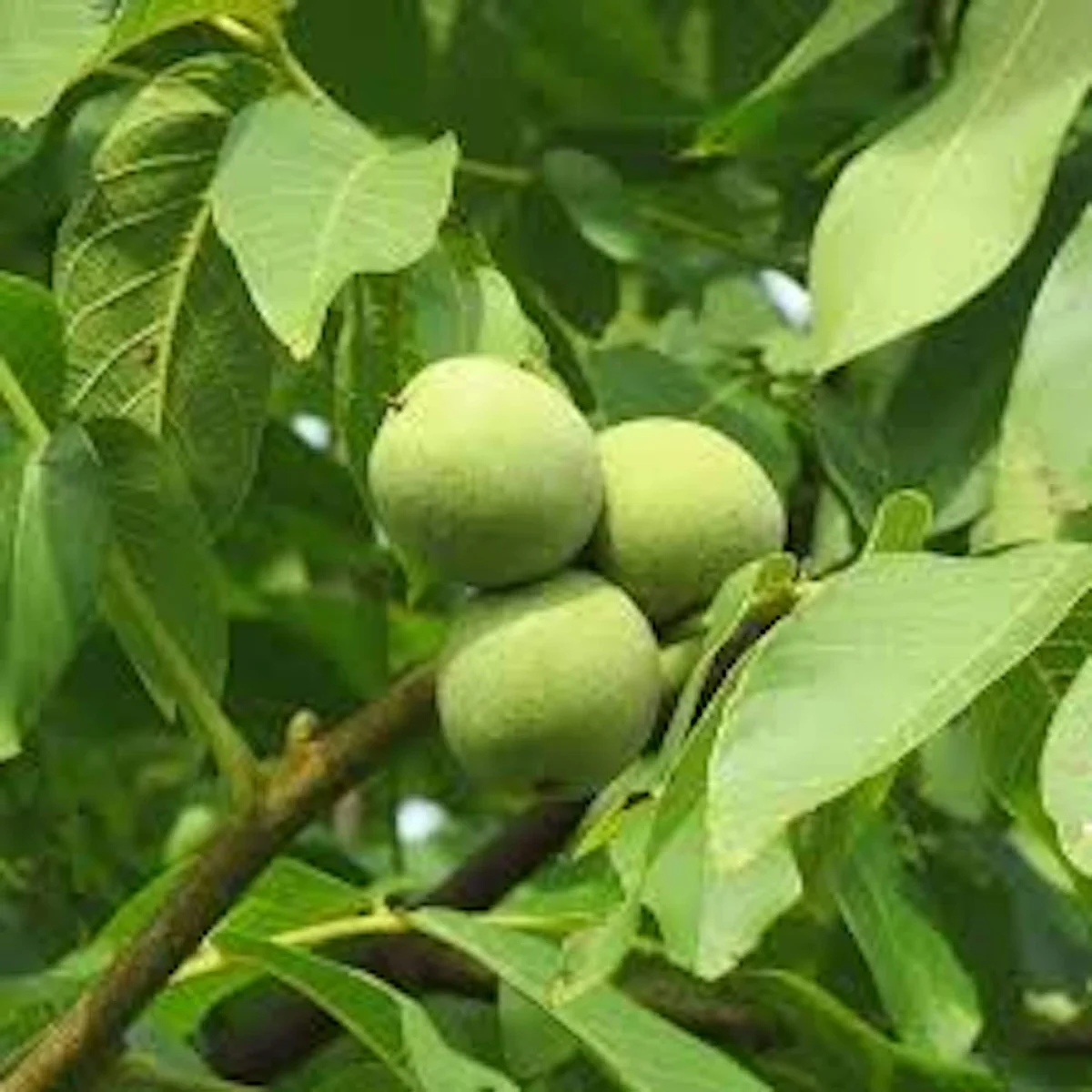
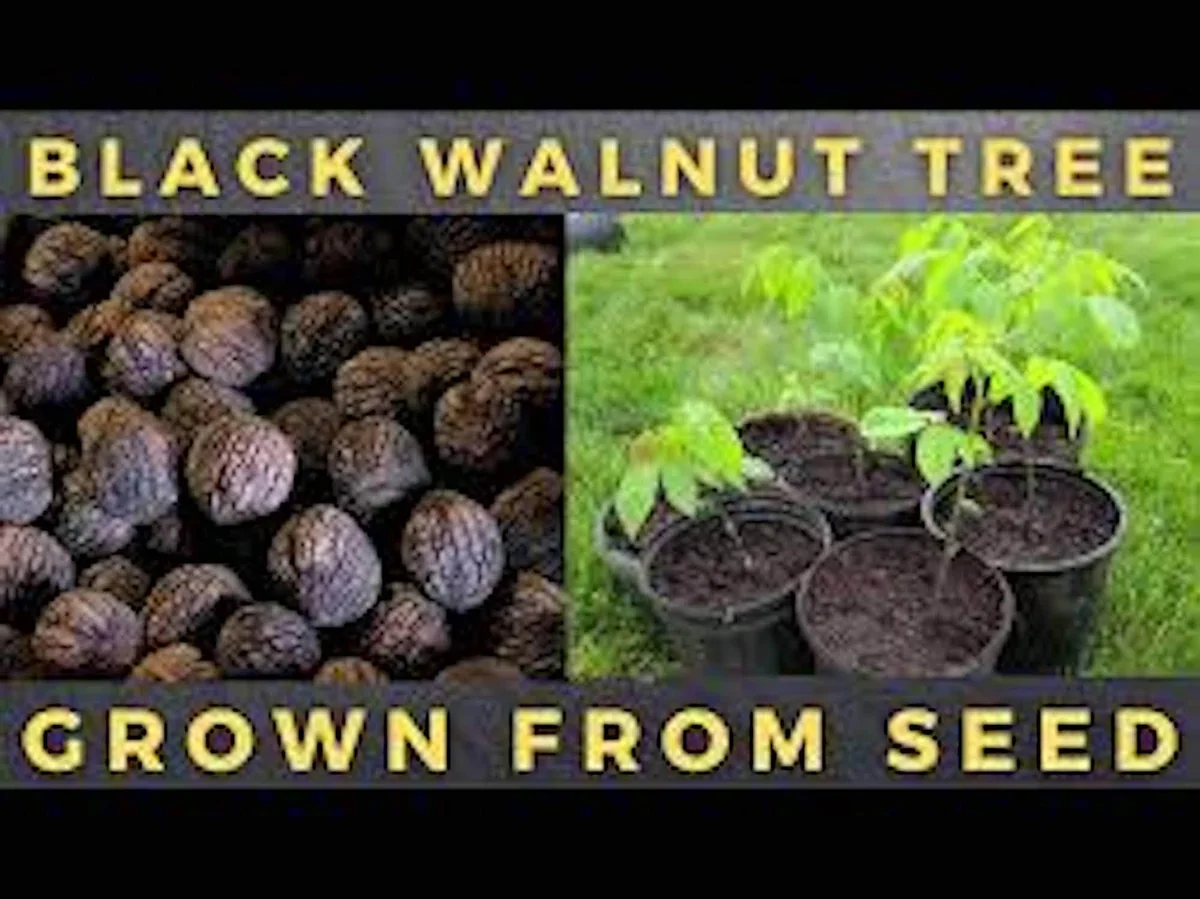
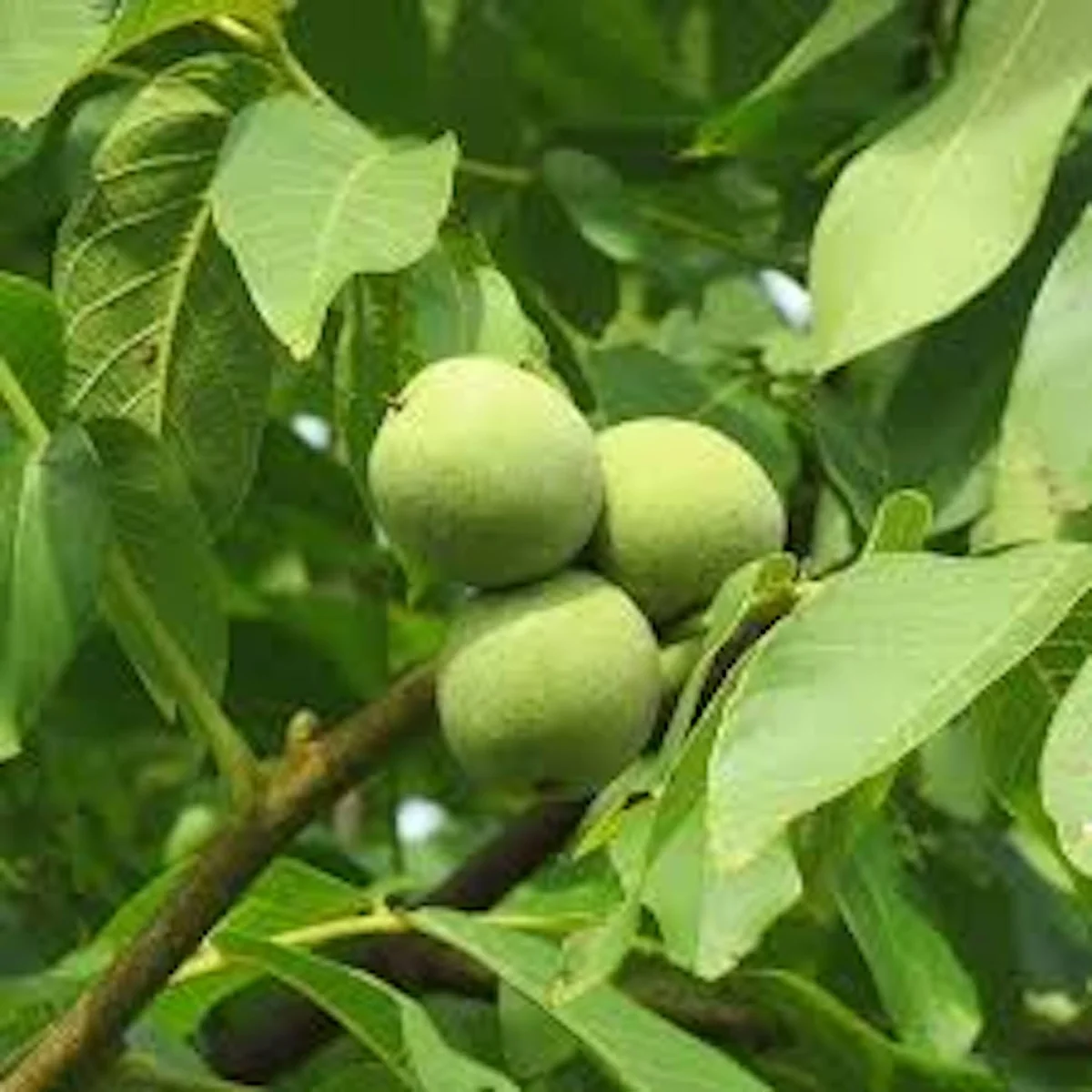
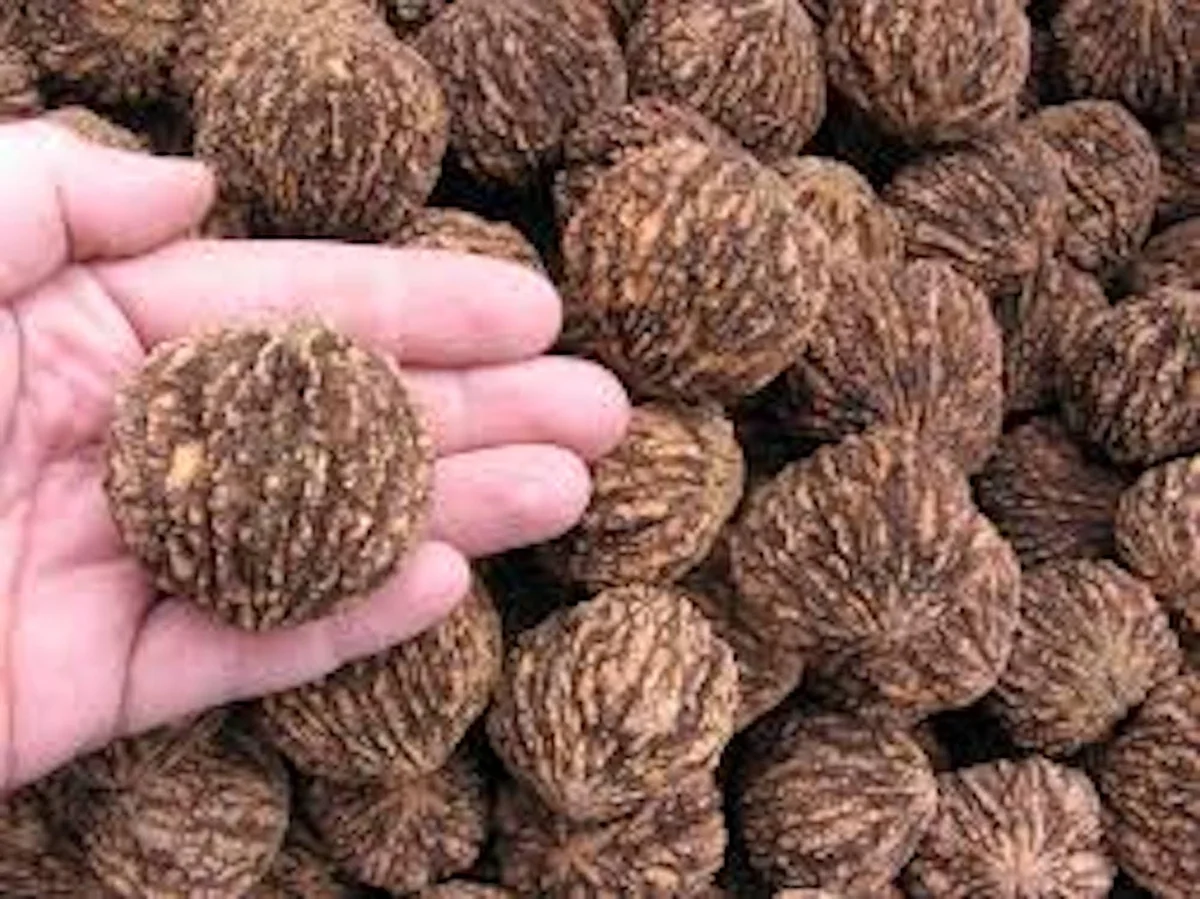
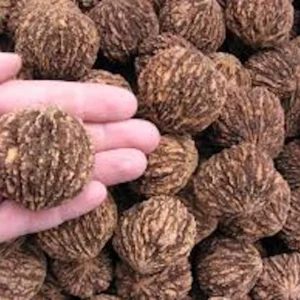
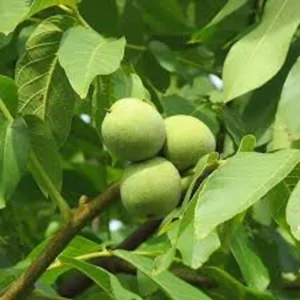
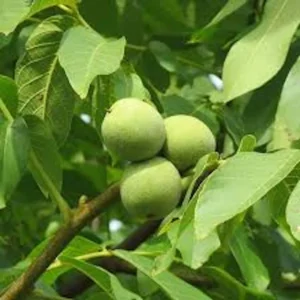
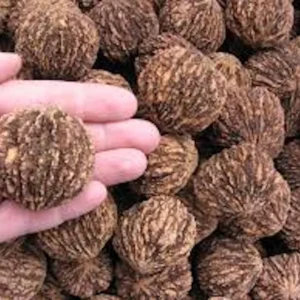
Embark on a rewarding gardening journey with our premium selection of black walnut tree seeds. Each packet contains 20 Black Walnut Tree Seeds (Juglans Nigra), offering a fantastic opportunity to cultivate this magnificent native American tree. Known scientifically as Juglans Nigra, these seeds are sourced for optimal viability, ensuring a higher success rate for your planting efforts. Whether you’re aiming to cultivate a sustainable food source, grow valuable timber, or enhance your local ecosystem, these seeds provide the perfect foundation. Black Walnuts are a versatile addition to any landscape, thriving in a variety of conditions and offering numerous benefits to both gardeners and wildlife.
Our black walnut tree seeds are perfect for those passionate about sustainable living and connecting with nature. These hardy trees are renowned for their distinctive flavor, producing nutrient-rich nuts that are excellent for snacking or culinary uses. Beyond their edible bounty, the wood of the Black Walnut is highly prized for its rich color and durability, making it a sought-after material for furniture making and cabinetry. By planting these juglans nigra seeds, you’re investing in a long-term asset that provides beauty, food, and ecological value for generations to come. Discover the joy of watching these impressive trees grow from seed to maturity.
Key Benefits
Cultivating black walnut tree seeds offers a wealth of advantages for your garden and beyond. These trees are not only beautiful but also highly functional, providing a range of natural resources and ecological benefits. Our organic black walnut seeds ensure you start with a healthy foundation for robust growth.
- Nutrient-Rich Harvest: Enjoy delicious, nutrient-rich black walnuts in just a few years. These nuts are perfect for baking, cooking, or simply enjoying as a healthy snack, offering a unique, strong flavor profile.
- Valuable Timber Source: Black Walnut wood is highly esteemed for its stunning dark color, fine grain, and exceptional durability. It’s an ideal choice for high-quality furniture, cabinetry, and other woodworking projects, representing a long-term investment.
- Wildlife Attraction: Create a thriving ecosystem in your backyard. Black Walnut trees attract a variety of birds and other wildlife, providing food and shelter, thereby enhancing biodiversity in your garden.
- Soil Improvement: The deep root system of Juglans Nigra seeds helps to improve soil structure and prevent erosion. These trees can contribute to the overall health and fertility of your land over time.
- Shade and Aesthetics: Grow magnificent shade trees that can significantly enhance the aesthetic appeal of your property. Their broad canopy provides excellent shade during warmer months, creating a comfortable outdoor environment.
- Sustainable Gardening: By choosing organic black walnut seeds, you’re making an environmentally conscious decision. These seeds allow you to grow black walnut trees naturally, supporting sustainable gardening practices.
- Hardy and Adaptable: Black Walnut trees are known for their resilience and ability to thrive in a wide range of climates and soil conditions, making them a suitable choice for many gardeners, from beginner to experienced.
Plant Care & Growing Tips
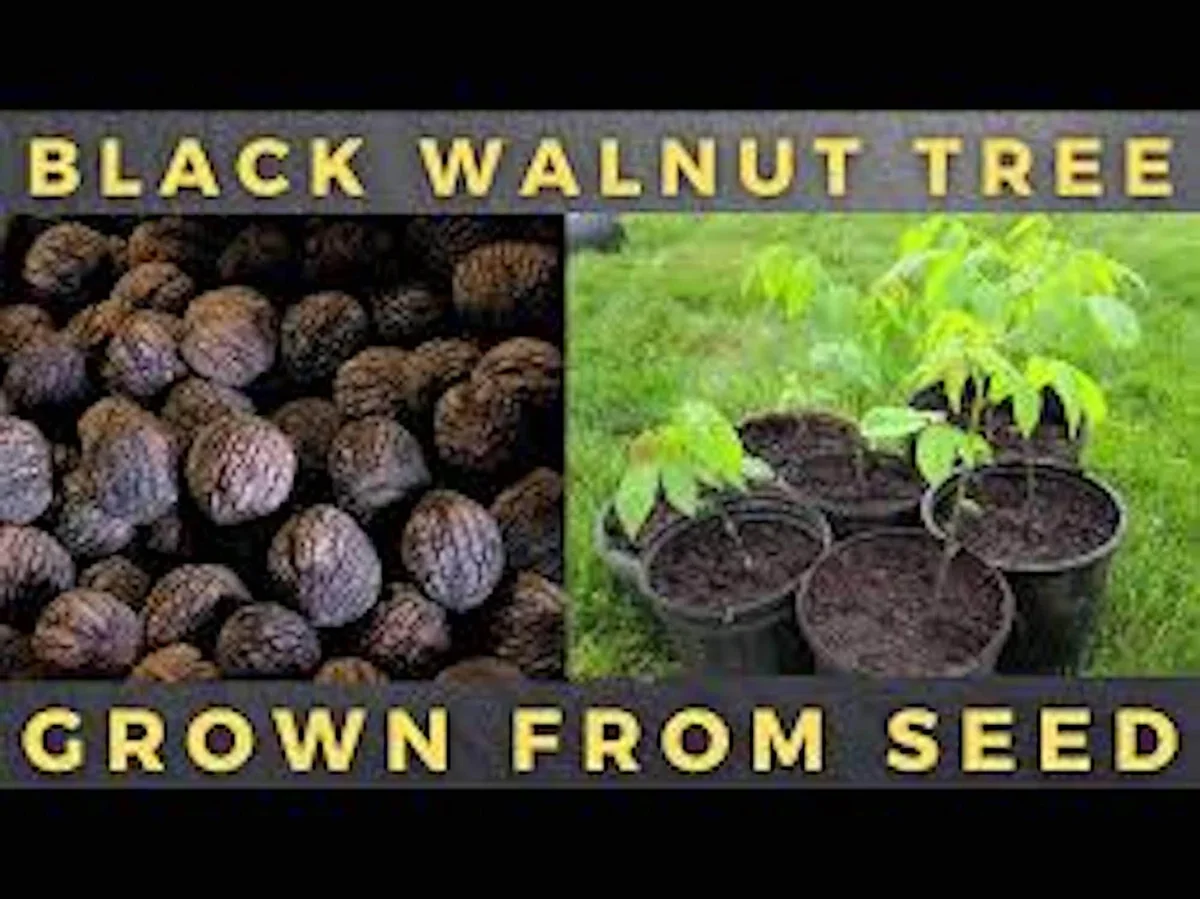
Successfully growing black walnut tree seeds requires a few key steps to ensure optimal germination and healthy growth. Following these guidelines will help your juglans nigra seeds establish strong roots and develop into flourishing trees. Start by preparing your planting site carefully, as Black Walnuts prefer well-drained, fertile soil.
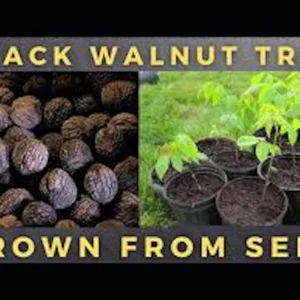
Before planting, it’s beneficial to soak your black walnut planting stock in water for 24 hours to help soften the seed coat and encourage germination. Plant the seeds 1-2 inches deep in a sunny location, ensuring they receive at least 6 hours of direct sunlight per day. Adequate spacing is crucial for mature trees, so consider their eventual size when selecting a site. Water regularly, especially during dry periods, until seedlings are well-established. Consistent moisture is vital in the early stages of growth to support root development.
Once established, Black Walnut trees are relatively low-maintenance. Fertilize annually with a balanced fertilizer to promote healthy growth, typically in early spring. Pruning should be done during the dormant season to shape the tree, remove any dead or diseased branches, and improve air circulation within the canopy. These practices will help your black walnut tree seeds develop into strong, productive trees. While generally hardy, keep an eye out for common pests or diseases and address them promptly. With proper care, you can successfully grow black walnut trees that will provide joy and resources for many years.
Size & Details
This product includes 20 Black Walnut Tree Seeds (Juglans Nigra), ready for planting. These seeds are carefully selected to ensure high quality and viability. When mature, Black Walnut trees typically reach heights of 50-75 feet, with some specimens growing even taller, up to 100 feet under ideal conditions. They develop a broad, rounded canopy, providing substantial shade. The nuts usually begin producing within 5-10 years, with significant harvests occurring after 15 years.
Our juglans nigra seeds are shipped as raw, stratified seeds, ready for direct planting or further stratification if desired based on your local climate. The growth rate is moderate, averaging 1-2 feet per year once established. These trees are known for their deep taproots, which allow them to draw water from considerable depths, contributing to their drought tolerance once mature. The black walnut planting stock you receive is designed to give you a head start in establishing these magnificent trees in your landscape.
Frequently Asked Questions
- Q: How big do these black walnut trees get? A: Black Walnut trees (Juglans Nigra) typically grow to an impressive height of 50-75 feet, with some reaching up to 100 feet. They develop a wide, spreading canopy, making them excellent shade trees.
- Q: Are these 20 Black Walnut Tree Seeds suitable for beginners? A: Yes, these black walnut tree seeds are suitable for gardeners of all experience levels. With proper stratification and planting instructions, even beginners can successfully grow black walnut trees.
- Q: What condition will the black walnut tree seeds arrive in? A: Your 20 Black Walnut Tree Seeds will arrive as carefully packaged, premium seeds, ready for planting or further stratification. We ensure they are in optimal condition for germination.
- Q: How much sunlight do black walnut trees need? A: Black Walnut trees thrive in full sun, requiring at least 6 hours of direct sunlight per day for optimal growth and nut production. A sunny, open location is ideal for planting your juglans nigra seeds.
- Q: When is the best time to plant these black walnut tree seeds? A: The best time to plant black walnut tree seeds is in the fall, allowing them to undergo natural cold stratification over winter. They can also be planted in spring after artificial stratification.
- Q: Can I grow black walnut trees for their nuts? A: Absolutely! One of the primary benefits of planting black walnut tree seeds is their delicious nut production. You can expect your trees to start bearing nuts within 5-10 years, with significant yields thereafter.
- Q: What kind of soil is best for black walnut trees? A: Black Walnut trees prefer deep, fertile, well-drained loamy soils. However, they are adaptable and can tolerate a range of soil types as long as drainage is adequate.
- Q: Are these organic black walnut seeds? A: Yes, these are organic black walnut seeds, sustainably sourced and selected for quality. This ensures you are starting with natural, healthy planting stock for your garden.
- Q: How long does it take for black walnut trees to mature? A: While trees can start producing nuts in 5-10 years, they reach full maturity and peak nut production around 15-30 years. The wood also continues to gain value as the tree matures.
- Q: Do I need to stratify the black walnut planting stock? A: Natural stratification occurs when planting in the fall. If planting in the spring, artificial cold stratification (mimicking winter conditions) is recommended for these black walnut tree seeds to improve germination rates.


Reviews
There are no reviews yet.