Overview
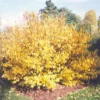
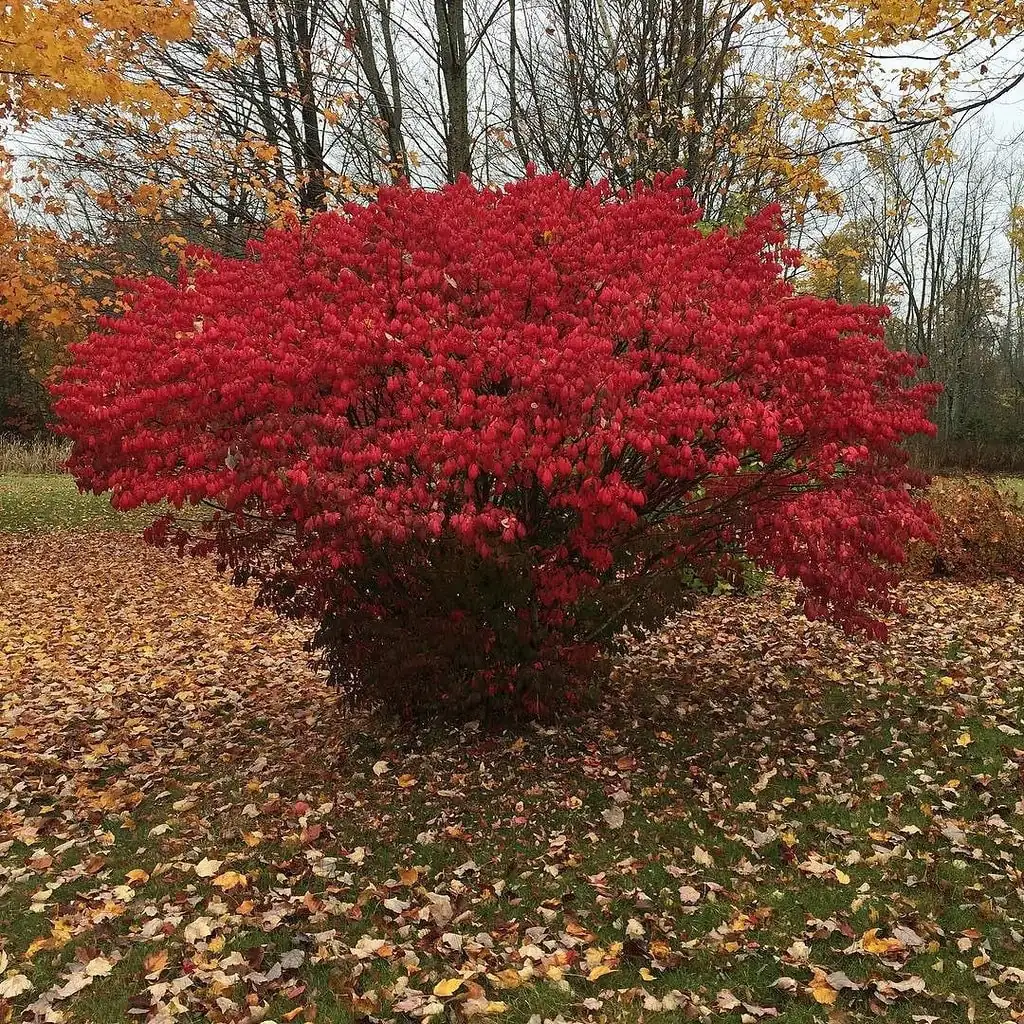
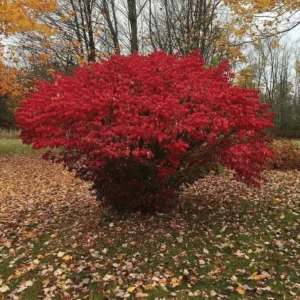
Transform your garden with the spectacular beauty of the burning bush bare root cutting. Each purchase includes two healthy, rooted cuttings, approximately 8-12 inches in length, ready to be planted and establish themselves in your landscape. The common name “burning bush” comes from its truly breathtaking, fiery red fall foliage, which creates a stunning display that is hard to miss. Scientifically known as Euonymus alatus, this deciduous shrub is a popular ornamental plant in gardens and parks, cherished for its attractive fall color and sometimes bright pink or orange fruit. These rooted burning bush cuttings offer an economical and effective way to introduce this vibrant shrub into appropriate landscapes, providing years of seasonal interest. Please note: in some regions, particularly parts of eastern North America, it is considered an invasive species; check local regulations regarding planting this species in your area.
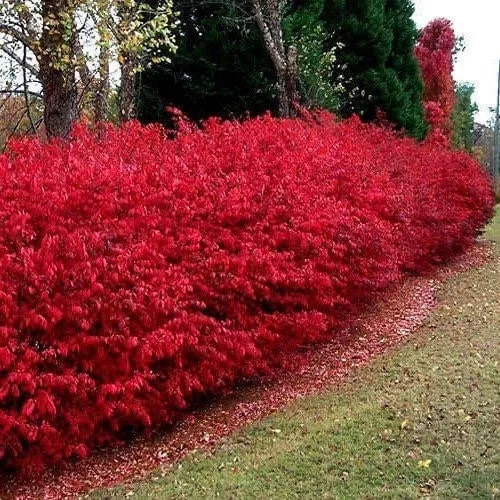
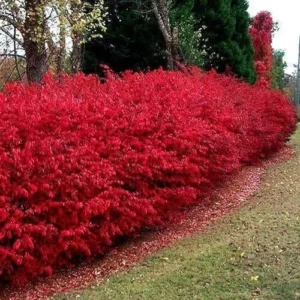
Our euonymus alatus plant bare root cuttings are carefully selected to ensure you receive viable, strong specimens. They are an excellent choice for gardeners looking to add dramatic fall color without the higher cost of potted plants. Once established, the burning bush shrub care is relatively low-maintenance, making it a favorite for both experienced and novice gardeners. Its dense branching structure provides a good screen or hedge option, and its unique corky bark adds winter interest after the leaves have fallen. Prepare to be amazed by the intense hues this plant brings to your autumn garden.
Key Benefits
The burning bush bare root offers several compelling benefits for your garden, making it a highly desirable choice for seasonal impact and landscape enhancement:
-
Spectacular Fall Color: The most significant benefit is its unrivaled, brilliant red to purplish-red fall foliage. This intense color lasts for several weeks, creating a dramatic focal point in any garden. The burning bush fall color is truly a showstopper, living up to its name.
-
Easy Establishment: Bare root cuttings are often easier to establish than larger potted plants, as they adapt quickly to their new environment. With proper care, these rooted burning bush cuttings will grow into robust shrubs.
-
Versatile Landscape Use: The euonymus alatus plant can be used as a specimen plant, in mass plantings, as a hedge, or as a border plant. Its adaptability makes it suitable for various landscape designs.
-
Attractive Fruit: In addition to its striking foliage, Euonymus alatus produces small, bright pink or orange fruit capsules that split open to reveal orange seeds, adding further visual interest in late summer and fall.
-
Low Maintenance: Once established, the burning bush shrub care is relatively easy. It is drought-tolerant and requires minimal attention, making it a good choice for busy gardeners.
-
Winter Interest: Even after its leaves drop, the unique corky wings on its stems provide architectural interest in the winter landscape, offering year-round appeal.
Plant Care & Growing Tips
Caring for your burning bush bare root cuttings is straightforward, ensuring they develop into vibrant shrubs. This plant thrives in a wide range of conditions but performs best with specific care. For optimal growth and the most intense burning bush fall color, select a location that receives full sun to partial shade. Full sun (at least 6 hours of direct sunlight daily) will generally produce the most brilliant fall display. While it tolerates some shade, too much shade can result in less vibrant foliage and a more open growth habit.
When planting, ensure the soil is well-draining. The euonymus alatus plant is adaptable to various soil types, including clay, loam, and sandy soils, but it does not tolerate consistently wet or waterlogged conditions. Amend heavy clay soils with organic matter to improve drainage. For newly planted bare roots, consistent moisture is crucial for establishment. Water regularly, especially during dry spells, keeping the soil consistently moist but not soggy. Once established, the burning bush shrub care is fairly simple, as it becomes drought-tolerant, but supplemental watering during prolonged dry periods will benefit its overall health and appearance.
This plant is hardy in USDA Zones 4-8, capable of withstanding cold winters and hot summers within this range. Fertilization is generally not necessary, especially in rich soils. However, if your soil is poor, a balanced slow-release fertilizer can be applied in early spring. Pruning can be done in late winter or early spring to shape the plant, remove any dead or damaged branches, or control its size. Be aware that the burning bush can become quite large if left unpruned. Monitor for common pests like spider mites or scale insects, though serious issues are rare. Always check local regulations before planting, as its classification as an invasive species in some areas is an an important consideration.
Size & Details
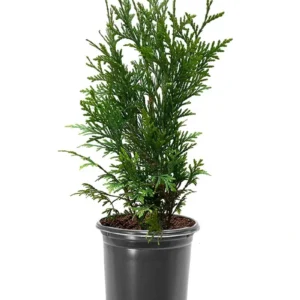
You will receive two high-quality burning bush bare root rooted cuttings with each purchase. Each cutting measures approximately 8-12 inches in length, providing a good starting size for quick establishment. These cuttings are shipped bare root, meaning they arrive without soil around their roots, which helps reduce shipping costs and allows for easier transplanting. Upon arrival, it’s recommended to plant them as soon as possible, or temporarily heel them into moist soil or peat moss if immediate planting isn’t feasible. The euonymus alatus plant is known for its moderate to fast growth rate, typically adding 1-2 feet per year once established. Mature plants can reach a height and spread of 10-15 feet, though the ‘Compactus’ cultivar, which is often what is sold, tends to be smaller, reaching 6-10 feet. The ultimate size can be managed through regular pruning. Expect the characteristic burning bush fall color to develop in its first full autumn season after planting, becoming more vibrant as the plant matures. These durable shrubs are a fantastic addition to any garden within their hardiness zones.
Frequently Asked Questions
- Q: How big will these burning bush bare root cuttings grow? A: Each burning bush bare root cutting is 8-12 inches upon arrival. Once established, the mature plant can reach 10-15 feet in height and spread, though common cultivars like ‘Compactus’ are typically smaller, growing to 6-10 feet. You can control its size with pruning.
- Q: Is this an indoor or outdoor plant? A: The burning bush shrub is an outdoor plant, suited for landscapes in USDA Hardiness Zones 4-8. It requires outdoor conditions to thrive and develop its iconic burning bush fall color.
- Q: How much sunlight does a burning bush need? A: For the best results and most intense fall color, your euonymus alatus plant should receive full sun (at least 6 hours of direct sunlight daily). It can tolerate partial shade, but the fall foliage may be less vibrant.
- Q: Is this plant easy to care for? A: Yes, once established, the burning bush is considered low-maintenance. It is relatively drought-tolerant and adaptable to various soil conditions, making burning bush shrub care suitable for gardeners of all experience levels.
- Q: What condition will the bare root cuttings arrive in? A: Your rooted burning bush cuttings will arrive as rooted stems, approximately 8-12 inches long, without soil around their roots. They will be carefully packaged to ensure they remain viable during transit.
- Q: When is the best time to plant burning bush bare root cuttings? A: The ideal time to plant bare root cuttings is in early spring, as soon as the soil can be worked, or in late fall after the leaves have dropped. This allows the roots to establish before extreme summer heat or winter cold.
- Q: Will the burning bush survive winter in my zone? A: The burning bush shrub is hardy in USDA Zones 4-8, meaning it can tolerate winter temperatures down to -30°F (-34°C). If you are within these zones, it should survive winter without special protection.
- Q: How long until I see the distinctive burning bush fall color? A: You should begin to see the characteristic burning bush fall color in the first full autumn season after planting. The intensity of the color will increase as the plant matures and establishes itself.
- Q: What type of soil is best for burning bush? A: While adaptable, the burning bush plant prefers well-draining soil. It can grow in loamy, sandy, or clay soils, but good drainage is crucial to prevent root rot. Amending with organic matter can improve heavy soils.
- Q: Are there any specific planting restrictions for the burning bush? A: Yes, the euonymus alatus plant is considered an invasive species in some parts of eastern North America. Its importation and sale are often prohibited in states like Massachusetts, New Hampshire, and Maine. Please check your local state and municipal regulations before purchasing and planting.


Reviews
There are no reviews yet.