Overview
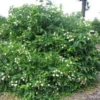
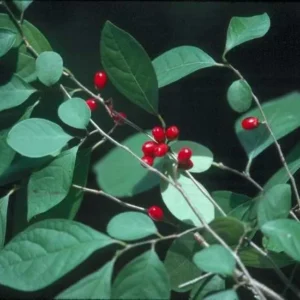
Introduce the captivating spice bush live plant to your landscape, a true gem for native plant enthusiasts and wildlife gardeners. This deciduous shrub, scientifically known as Lindera benzoin, is renowned for its ecological value, providing vital support for the Spicebush Swallowtail butterfly as a primary host plant. Our spice bush live plant is carefully grown in a quart pot, ready to thrive in your garden. With its striking yellow flowers in early spring, aromatic foliage, and vibrant red berries, the spice bush offers multi-seasonal interest and contributes significantly to local biodiversity. It’s an excellent choice for naturalizing areas, woodland gardens, or as a distinctive specimen shrub. The Lindera benzoin shrub is a colonial shrub, naturally forming thickets that provide shelter and food for various wildlife. Its leaves, when crushed, release a delightful spicy, citrusy aroma, giving the plant its common name. Beyond its beauty, this plant is a resilient and low-maintenance addition to almost any garden setting, promising years of enjoyment and ecological benefit.
Key Benefits
Adding a spice bush live plant to your garden brings a multitude of advantages, from aesthetic appeal to ecological contributions. This versatile shrub is a must-have for those looking to create a vibrant, wildlife-friendly outdoor space.
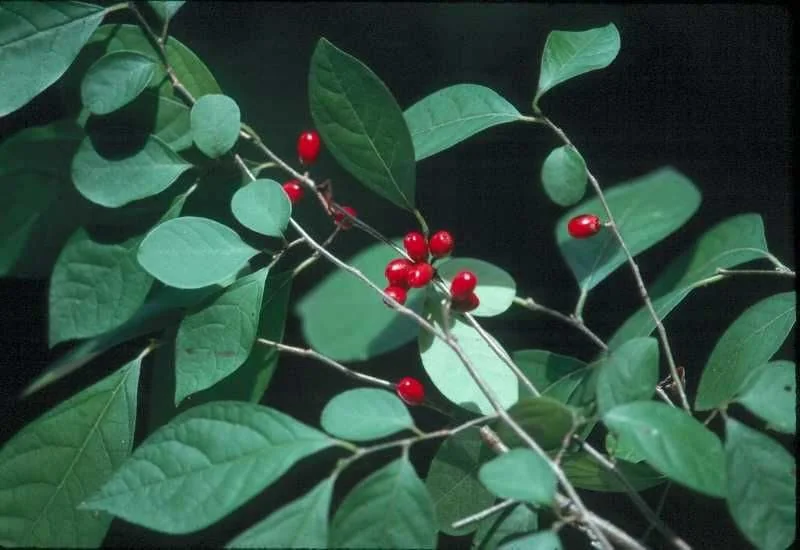
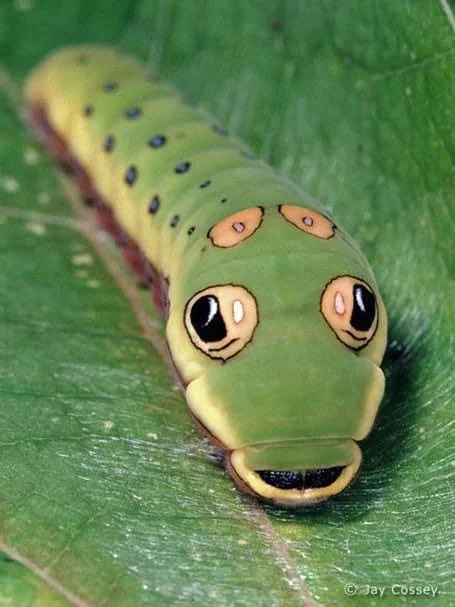
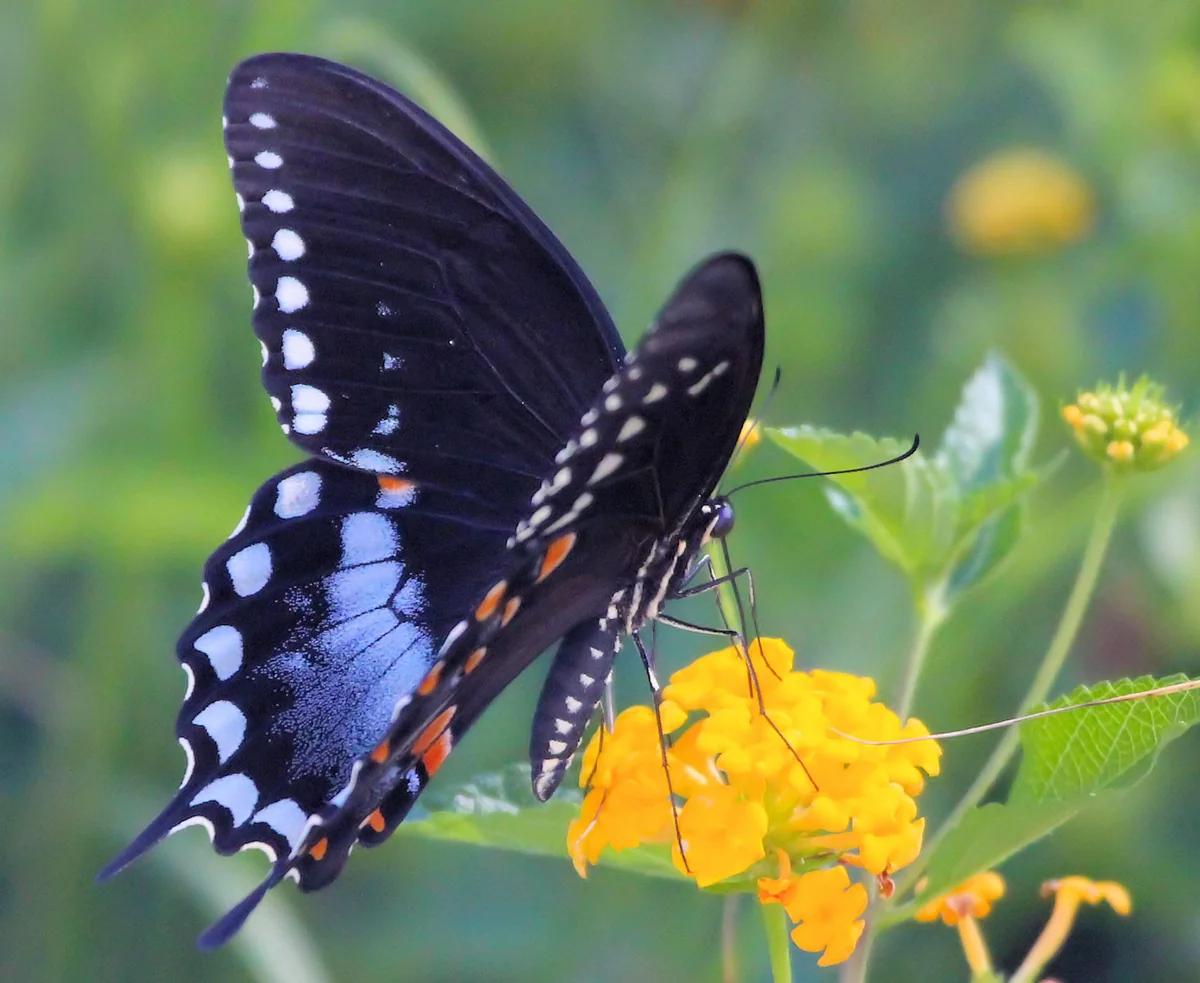
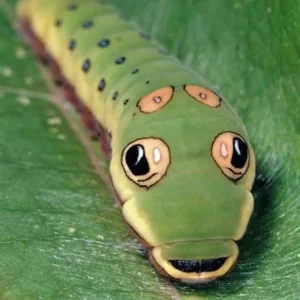
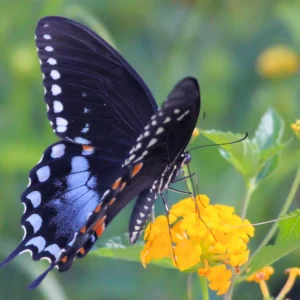
- Attracts Pollinators and Wildlife: The spice bush live plant is the exclusive host plant for the Spicebush Swallowtail butterfly, providing essential food for its larvae. Its early spring flowers also offer nectar for emerging pollinators, and the lipid-rich red berries are a crucial food source for many bird species in late summer and fall, making it an excellent native plant for wildlife.
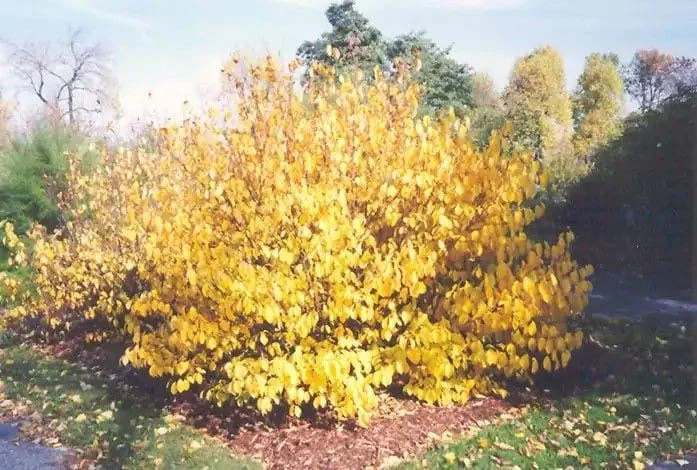
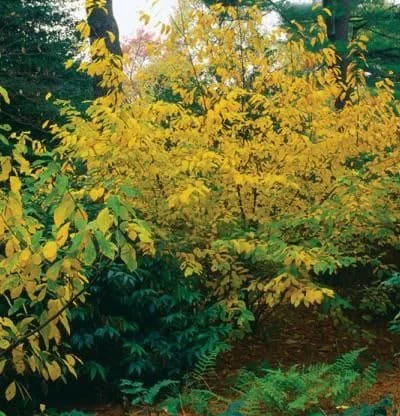
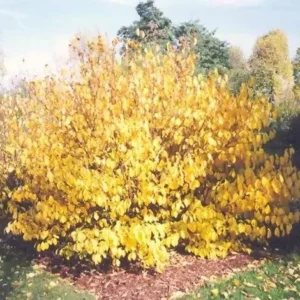
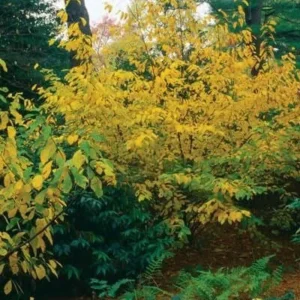
- Multi-Seasonal Interest: Enjoy brilliant yellow flowers in early spring before the leaves emerge, followed by lush green foliage that turns a spectacular bright yellow in autumn. The glossy red berries add visual appeal through fall and winter, ensuring your garden remains vibrant throughout the year.
- Fragrant Foliage and Flowers: Both the leaves and stems of the spice bush live plant emit a pleasant spicy, citrusy fragrance when crushed, adding an aromatic dimension to your garden experience. The small yellow flowers also possess a sweet, subtle scent.
- Low Maintenance and Hardy: This native deciduous shrub is incredibly adaptable and resilient. Once established, it requires minimal care, tolerating a range of soil conditions and thriving in USDA Zones 4-9. It’s an excellent choice for gardeners seeking an easy-to-grow yet impactful plant.
- Native Plant Benefits: As a native plant, the Lindera benzoin shrub is perfectly suited to local ecosystems, supporting native wildlife and contributing to ecological balance. It’s a sustainable choice for gardeners looking to restore native habitats.
- Naturalizing and Screening: Due to its colonial nature and tendency to reproduce by root sprouting, the spice bush live plant is ideal for creating naturalized areas, informal hedges, or providing screening in your landscape.
- Deer Resistant: Generally, the deer resistant shrub, spice bush, is considered deer resistant, making it a good option for areas where deer browsing can be an issue and protecting your garden investment.
Plant Care & Growing Tips
Caring for your spice bush live plant is relatively straightforward, as this native shrub is quite adaptable. It thrives in conditions that mimic its natural woodland habitat. For optimal growth and health, understanding its specific needs for sunlight, water, and soil is key. A healthy Lindera benzoin shrub will reward you with vibrant foliage, fragrant flowers, and a bustling wildlife habitat. The spice bush swallowtail host plant requires specific conditions to flourish.
Sunlight Requirements: The spice bush live plant performs best in partial shade to full sun. While it can tolerate full shade, flowering and fruiting will be more abundant with at least a few hours of direct sunlight per day. In hotter climates (southern end of USDA Zone 9), some afternoon shade is beneficial to protect it from intense sun. Watering Schedule and Soil Moisture: This shrub prefers consistently moist, well-draining soil. Water regularly, especially during dry spells and in its first year of establishment. Avoid waterlogged conditions, but do not let the soil dry out completely. A layer of mulch can help retain soil moisture. Soil Type and Drainage: Spice bush is adaptable to a variety of soil types, including clay, loam, and sandy soils, as long as they are well-draining. It prefers slightly acidic to neutral pH (6.0-7.0). Good drainage is crucial to prevent root rot. Temperature Range and USDA Hardiness Zone: The spice bush live plant is highly cold-hardy, thriving in USDA Zones 4-9. It can withstand winter temperatures well below freezing. Fertilization: Generally, spice bush does not require heavy fertilization. If your soil is poor, a light application of a balanced, slow-release granular fertilizer in early spring can be beneficial. Avoid over-fertilizing, which can promote leafy growth at the expense of flowers and fruit. Pruning: Prune in late winter or early spring while the plant is dormant. Remove any dead, damaged, or crossing branches. You can also thin out older stems to encourage new growth and maintain a desirable shape. Common Problems: Spice bush is relatively pest and disease free. Occasionally, leaf spot or powdery mildew may occur, especially in humid conditions or areas with poor air circulation. Ensure good spacing and air flow around the plant to minimize these issues.
Size & Details
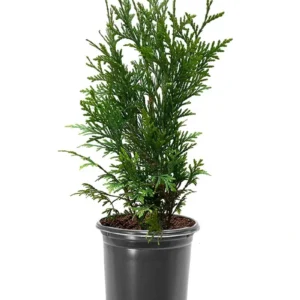
Your spice bush live plant will arrive established in a quart pot, ensuring a strong start in your garden. This native plant for wildlife typically grows to a height of 6–12 feet (1.8–3.7 m) with a similar spread, forming a rounded, multi-stemmed bush. Its growth rate is moderate, establishing quickly once planted. The mature size makes it suitable for various landscape applications, from a prominent specimen to a component of a larger native planting. The plant you receive will be a young, healthy specimen, ready to be transplanted into its permanent location.
Spice bush is dioecious, meaning individual plants are either male or female. Both sexes are needed in proximity if you desire the attractive red berries. Our plants are shipped in their nursery containers, providing protection during transit. Expect your plant to begin flowering in early spring, before leaf-out, and to produce berries (on female plants) by late summer and fall. The vibrant fall color of the leaves is a highlight, turning a brilliant yellow. This deer resistant shrub offers year-round appeal.
Frequently Asked Questions
- Q: How big does this spice bush live plant get? A: A spice bush live plant typically grows to a mature height of 6 to 12 feet and can spread similarly, forming a multi-stemmed, rounded shrub. Its exact size will depend on growing conditions and pruning.
- Q: What size pot does the plant come in? A: This spice bush live plant is shipped in a quart pot, providing a well-established root system for successful transplanting into your garden.
- Q: Is this an indoor or outdoor plant? A: The spice bush live plant is a native deciduous shrub specifically suited for outdoor planting. It is not recommended as an indoor plant.
- Q: How much sunlight does it need? A: Spice bush thrives in partial shade to full sun. It prefers at least 4-6 hours of direct sunlight for best flowering and fruiting, but can tolerate more shade, especially in hot climates.
- Q: Is this plant easy to care for? A: Yes, the spice bush live plant is considered low-maintenance and easy to care for, especially once established. It’s a robust native plant that adapts well to various conditions.
- Q: What condition will it arrive in? A: Your spice bush live plant will arrive as a healthy, actively growing plant in its quart pot, carefully packaged to ensure a safe journey.
- Q: Is it shipped in soil? A: Yes, the plant is shipped in its nursery container with its existing soil to minimize stress and ensure its health upon arrival.
- Q: When is the best time to plant a Lindera benzoin shrub? A: The best time to plant a Lindera benzoin shrub is in spring or fall when temperatures are moderate. This allows the plant to establish its root system before extreme weather.
- Q: Will it survive winter in my zone? A: Yes, the spice bush live plant is very cold-hardy and thrives in USDA Zones 4-9, meaning it will easily survive winter in most temperate climates.
- Q: What are the benefits of planting a native plant for wildlife? A: Planting a native plant for wildlife like the spice bush provides essential food, shelter, and breeding grounds for local insects, birds, and other animals, supporting biodiversity and ecological health. It’s also a vital spicebush swallowtail host plant.
- Q: Do I need both male and female plants for berries? A: Yes, spice bush live plant is dioecious, so you will need both male and female plants in your garden to ensure pollination and the production of red berries.
- Q: Is the spice bush live plant considered a deer resistant shrub? A: Yes, spice bush is generally considered deer resistant, making it a great choice for gardens where deer browsing might be a concern.


Reviews
There are no reviews yet.