Overview
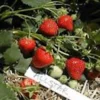
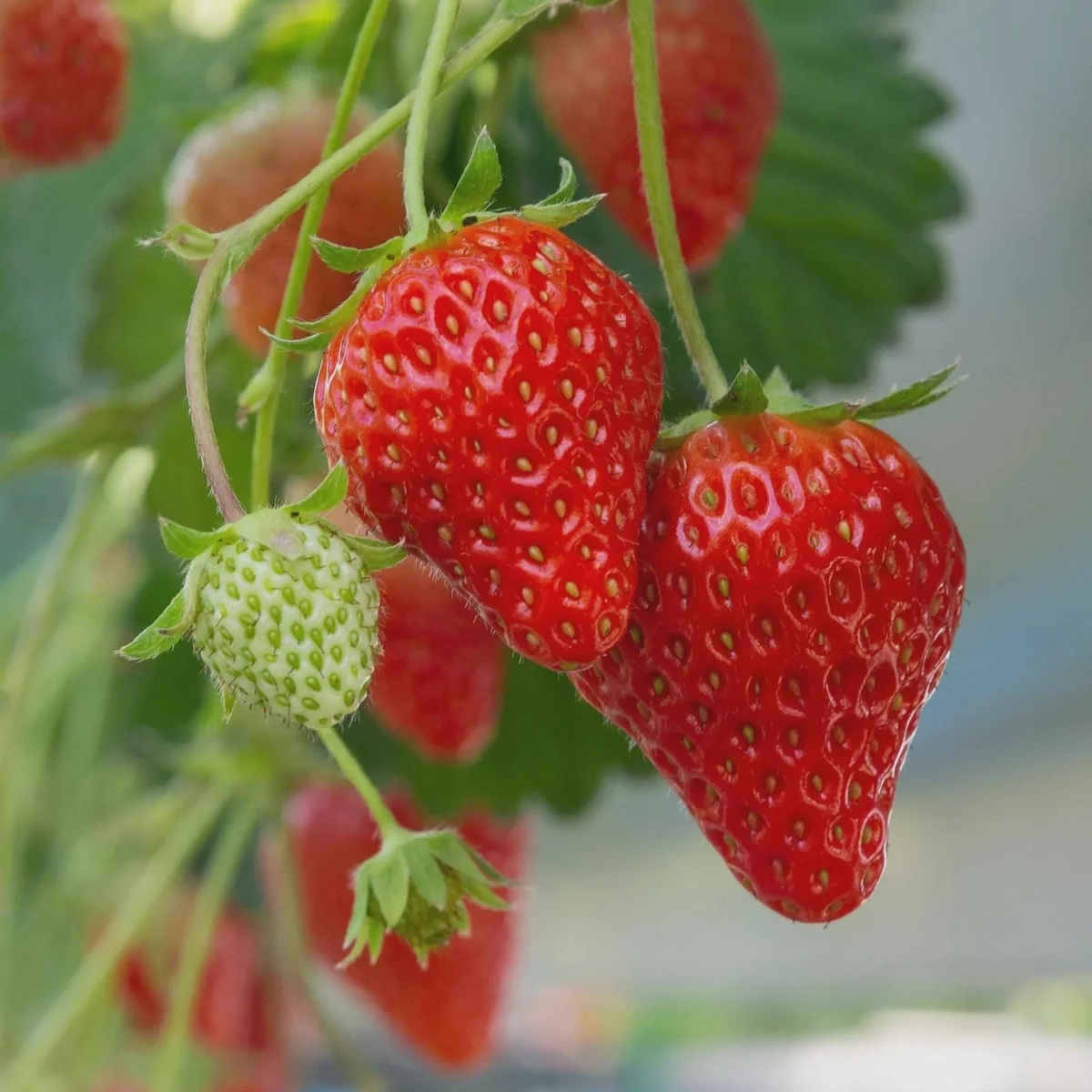
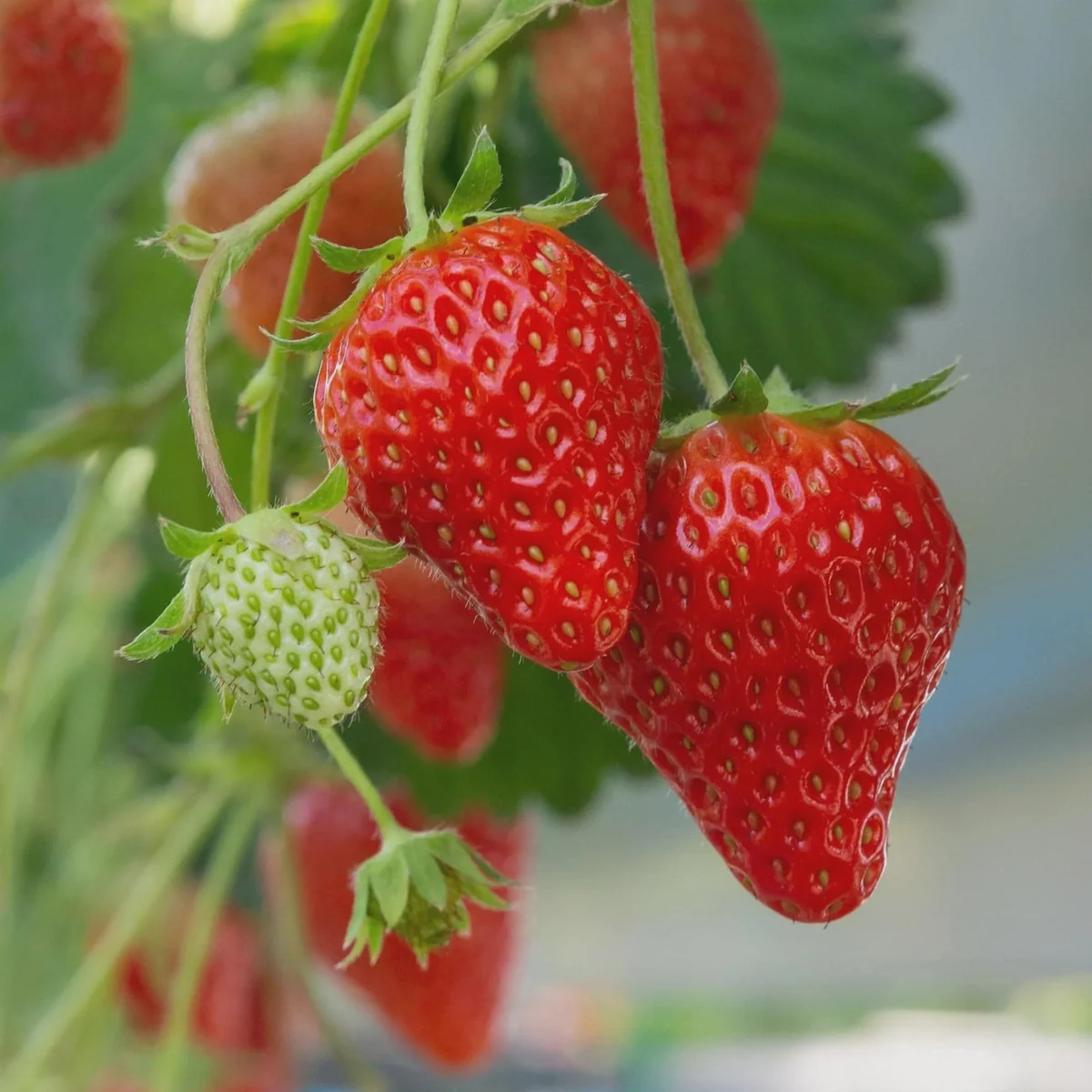
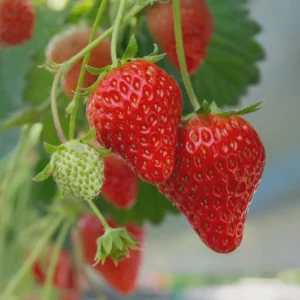
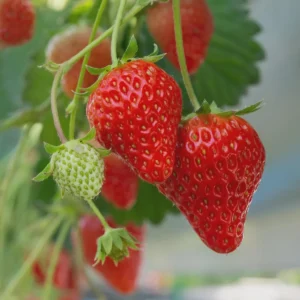
Embark on a delightful gardening journey with these 5 Ogallala strawberry bare roots. The Ogallala strawberry (Fragaria × ananassa ‘Ogallala’) is a highly sought-after, everbearing variety renowned for its exceptional flavor, reminiscent of wild strawberries. This robust plant offers continuous harvests of firm, plump, bright red berries from late spring through mid-fall, providing a steady supply of fresh fruit for your table. Perfect for both seasoned gardeners and beginners, these Ogallala strawberry plants are an excellent choice for adding a productive and beautiful element to your home garden or container plantings. Their hardiness and adaptability make them a standout choice for various climates, especially those with colder winters.
Originating from the University of Nebraska, the ‘Ogallala’ variety was specifically bred for its resilience and prolific fruiting. These everbearing strawberries are not just about quantity; they are celebrated for their rich, sweet taste that many describe as superior to common market varieties. When you plant these bare roots, you’re investing in a continuous source of gourmet berries that are perfect for eating fresh, making preserves, or adding to desserts. Their vigorous growth habit and ease of care ensure a rewarding experience for any gardener looking to grow strawberries cold climate.
Key Benefits
The Ogallala strawberry bare roots offer a multitude of advantages for the home gardener, blending productivity with remarkable resilience and delicious flavor. Choosing this variety ensures a bountiful and satisfying harvest season after season.
- Continuous Harvest: As an everbearing strawberries variety, Ogallala produces berries from late spring to mid-fall, offering a consistent supply of fresh fruit throughout the growing season, unlike June-bearing varieties that have a single, concentrated harvest.
- Superior Flavor Profile: Enjoy sweet, wild strawberry flavor that is intensely aromatic and delicious, making them perfect for fresh eating, jams, and desserts. This unique taste sets them apart from many store-bought options.
- Exceptional Hardiness: These plants are remarkably vigorous, winter-hardy, and drought-tolerant, performing well even in northern states and suitable for USDA Hardiness Zones 3-9. This resilience reduces the need for constant monitoring and specialized care.
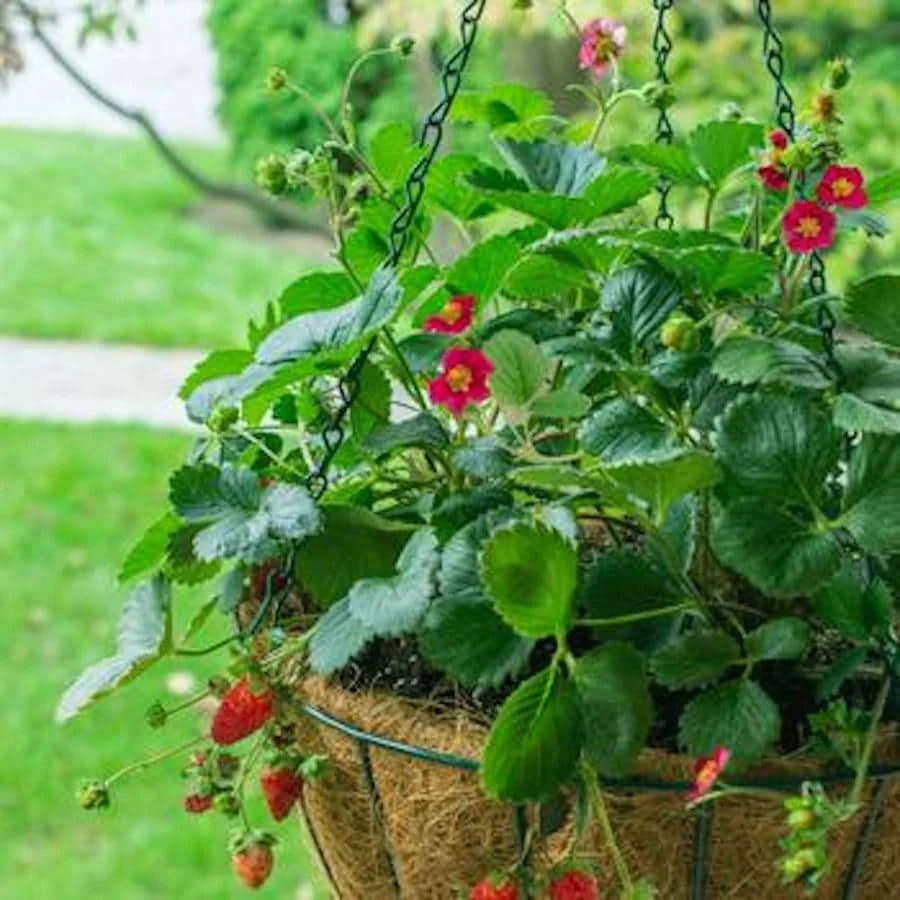
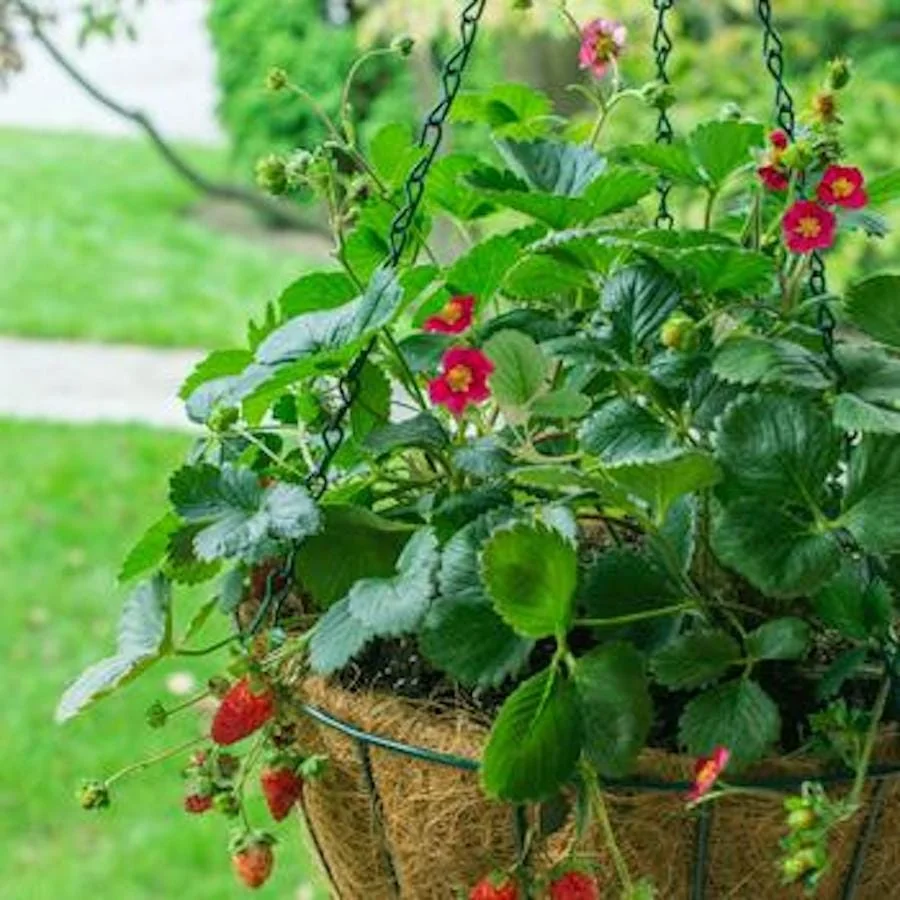
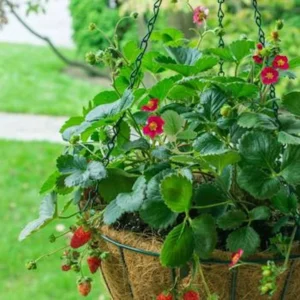
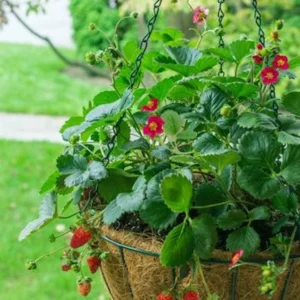
- Versatile Planting Options: Ideal for traditional garden beds, raised beds, or containers, making them suitable for various garden sizes and styles, including patios and balconies.
- Disease Resistance: The Ogallala variety exhibits good resistance to common strawberry diseases, contributing to healthier plants and more reliable yields with less intervention.
- Easy to Grow: Known for their robust nature, these Ogallala strawberry plants are relatively low-maintenance once established, making them a great choice for both experienced and novice gardeners looking to grow strawberries cold climate.
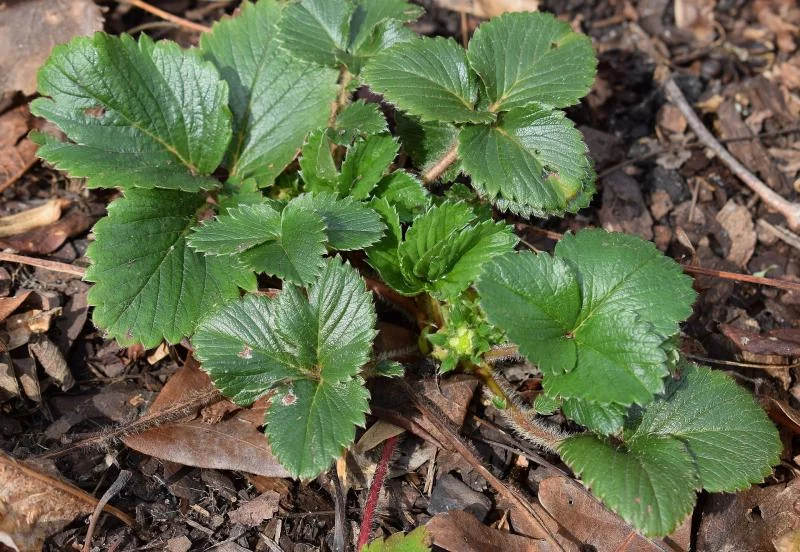
- Attractive Groundcover: With their spreading habit via runners, they can also serve as an attractive and edible groundcover, naturally filling garden spaces with lush foliage and vibrant red berries.
Plant Care & Growing Tips
Proper care is essential to ensure your Ogallala strawberry bare roots establish well and provide abundant harvests. These hardy plants are relatively forgiving, but understanding their basic needs will lead to the best results. Start by preparing a site that receives full sun, meaning at least 6-8 hours of direct sunlight per day. Adequate sunlight is crucial for fruit production and flavor development. The soil should be moist, well-drained, and fertile. Incorporate plenty of organic matter, such as compost or aged manure, to improve soil structure, fertility, and drainage. A slightly acidic to neutral pH (6.0-7.0) is ideal for Fragaria x ananassa.
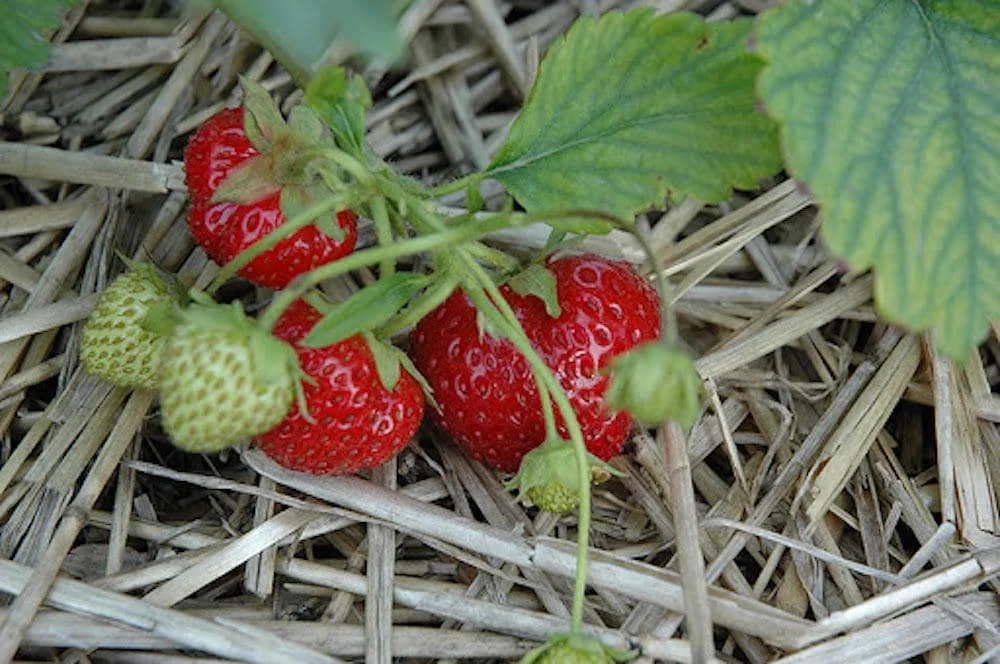
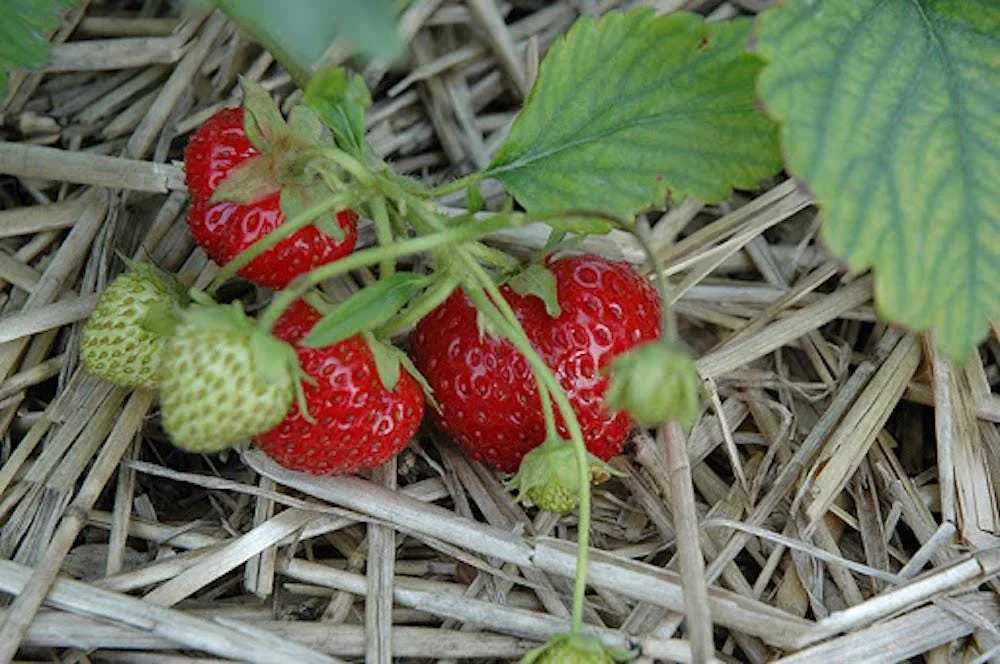
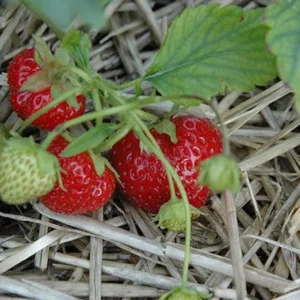
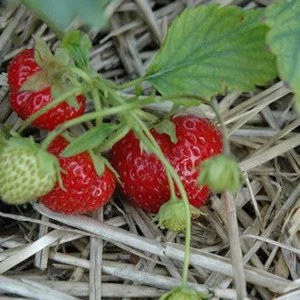
When planting your Ogallala strawberry bare roots, ensure the crown (the point where the roots meet the leaves) is at soil level. Plant them about 12-18 inches apart to allow for spreading via runners. Water thoroughly after planting. During the growing season, consistent moisture is key, especially when fruits are developing. Avoid overwatering, which can lead to root rot, but never let the soil dry out completely. Mulching around the plants with straw or wood chips helps retain soil moisture, suppress weeds, and keep berries clean. Fertilize with a balanced slow-release fertilizer in early spring and again after the first flush of berries if needed. In colder zones, protect plants with a thick layer of mulch in late fall to ensure they survive winter and are ready to produce again next spring. Managing runners can help concentrate energy into fruit production, though allowing some to root will expand your patch of everbearing strawberries.
While generally robust, keep an eye out for common pests like slugs and birds, and consider netting if necessary. Good air circulation helps prevent fungal diseases. With proper attention to these guidelines, your Ogallala strawberry plants will thrive, delivering delicious fruit year after year, particularly if you are looking to grow strawberries cold climate.
Size & Details
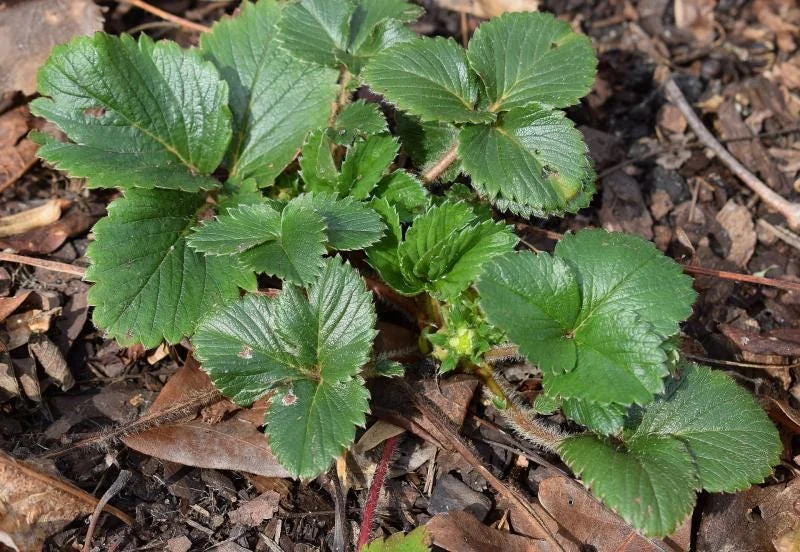
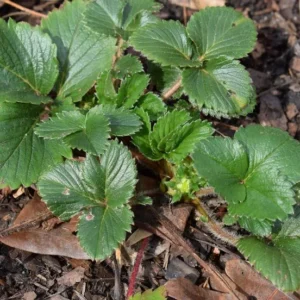
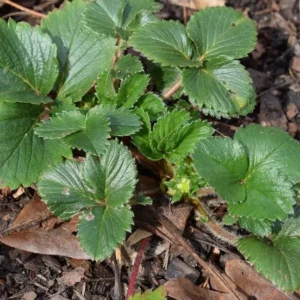
This offering includes 5 Ogallala strawberry bare roots, ready for planting upon arrival. These bare roots are dormant plants without soil or pots, which allows for easier shipping and faster establishment once planted in your garden. Each root is carefully selected to ensure viability and robust growth. The ‘Ogallala’ variety typically grows to a compact height of about 6-12 inches (15-30 cm) with a spreading habit, making it an excellent choice for groundcover, raised beds, or container gardening. The plants will send out runners, which can be allowed to root to expand your strawberry patch or trimmed to encourage larger fruit production on the main plants.
As an everbearing strawberries variety, you can expect fruit production to begin in late spring and continue through mid-fall. The berries are medium-sized, firm, and bright red, known for their intense, sweet, wild strawberry flavor. These plants are exceptionally winter-hardy and drought-tolerant, performing well across a wide range of climates, particularly favorable for those looking to grow strawberries cold climate, specifically within USDA Hardiness Zones 3-9. With proper care, these bare roots will quickly develop into productive plants, yielding delicious berries for years to come.
Frequently Asked Questions
- Q: How big do these Ogallala strawberry plants get? A: Ogallala strawberry plants typically grow to about 6-12 inches (15-30 cm) in height. They have a spreading habit through runners, which can be managed or allowed to expand your patch.
- Q: Are these an indoor or outdoor plant? A: The Ogallala strawberry bare roots are intended for outdoor planting in garden beds, raised beds, or outdoor containers. They require full sun to produce fruit effectively.
- Q: How much sunlight do Ogallala strawberries need? A: These plants thrive in full sun, requiring at least 6-8 hours of direct sunlight per day for optimal fruit production and flavor.
- Q: Is this plant easy to care for, especially for beginners? A: Yes, Ogallala strawberry plants are known for their vigor and hardiness, making them a good choice for beginners. They are relatively low-maintenance once established, especially if you are looking to grow strawberries cold climate.
- Q: What condition will the bare roots arrive in? A: The 5 Ogallala strawberry bare roots will arrive dormant, without soil or pots. This is the standard and most effective way to ship bare root plants, ensuring they are ready for planting.
- Q: When is the best time to plant Ogallala strawberry bare roots? A: The ideal time to plant strawberry bare roots is in early spring, after the last frost, allowing them ample time to establish before the growing season.
- Q: What USDA Hardiness Zones are suitable for Ogallala strawberries? A: Ogallala strawberries are very winter-hardy and perform well in USDA Hardiness Zones 3-9, making them an excellent choice for a wide range of climates.
- Q: Can I grow these everbearing strawberries in containers? A: Absolutely! Ogallala strawberries are well-suited for container gardening, especially in larger pots or hanging baskets, provided they receive adequate sunlight and consistent moisture.
- Q: How long until I get fruit from these bare roots? A: You can expect your first harvest of delicious Ogallala strawberry plants berries in the late spring to early summer of the first year after planting, with continuous fruiting into the fall.
- Q: Do I need to prune these strawberry plants? A: While not strictly necessary, managing runners can help direct the plant’s energy towards fruit production on the main plant. Old or diseased leaves can also be removed for plant health.


Reviews
There are no reviews yet.