Overview
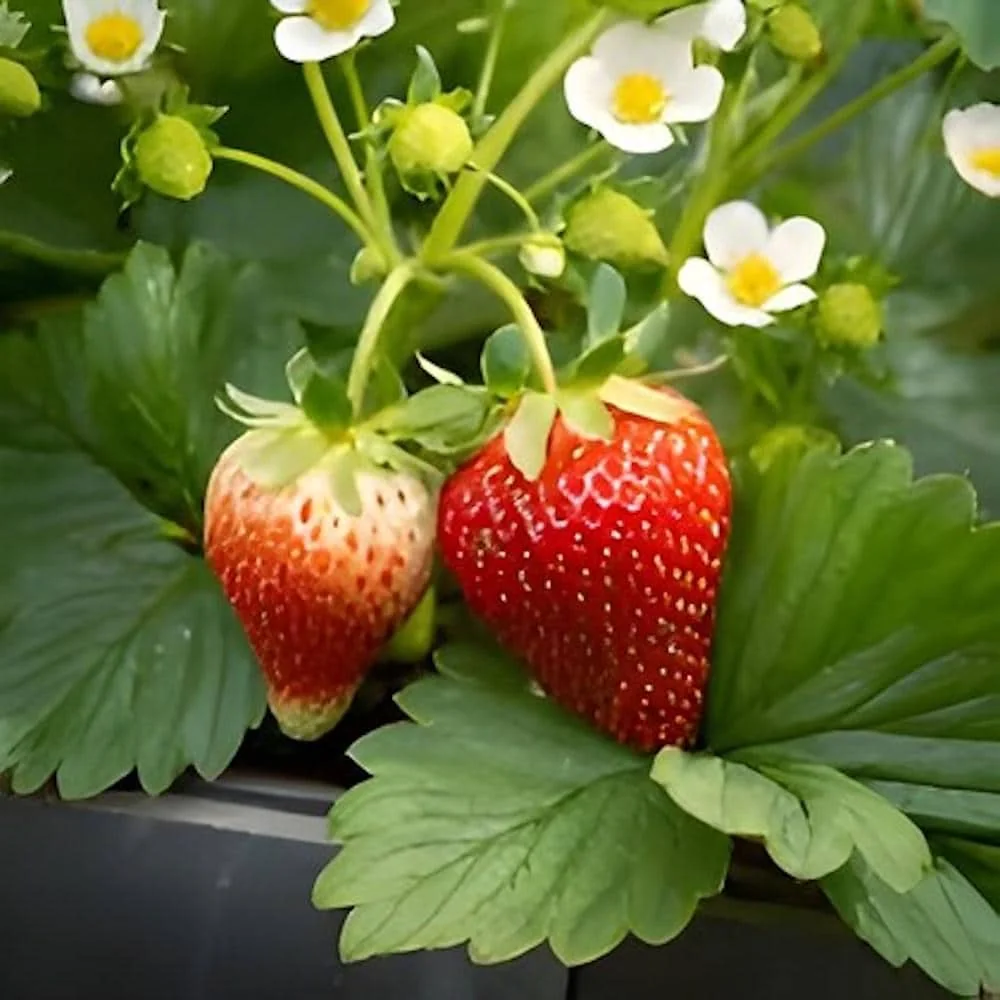
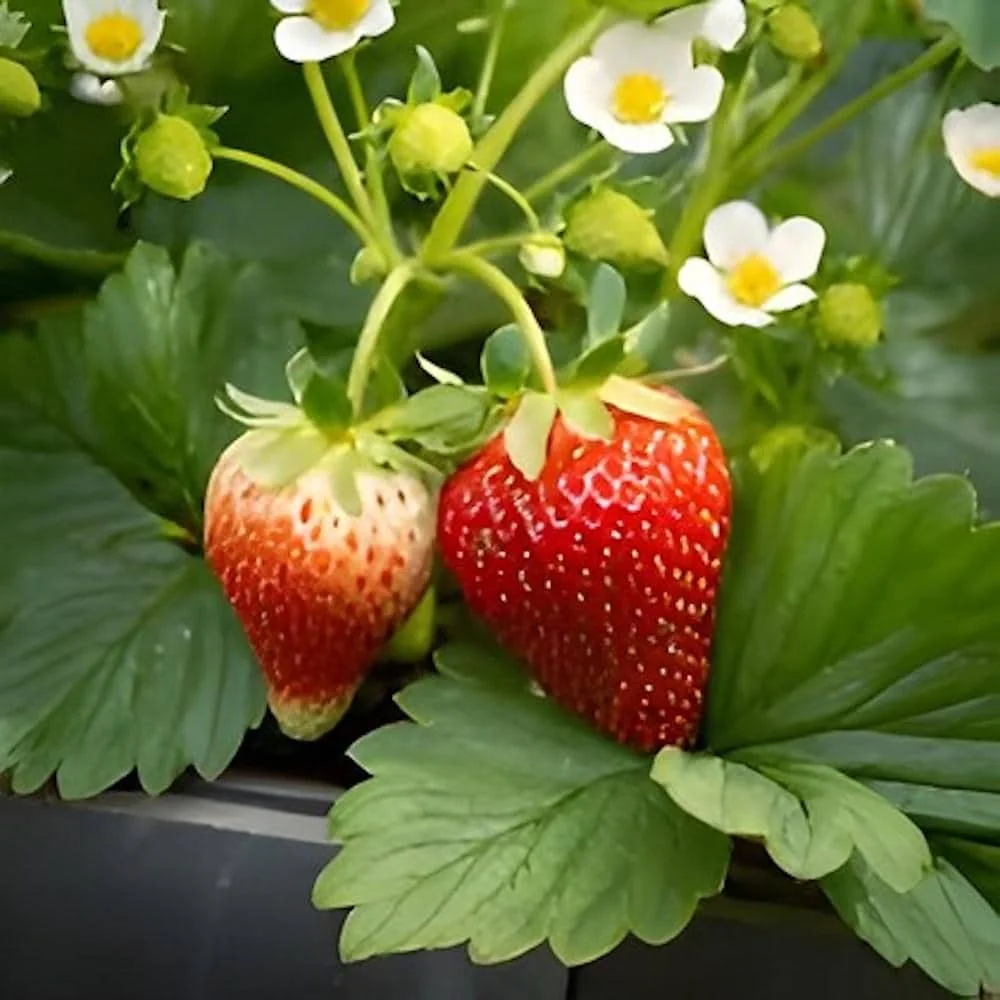
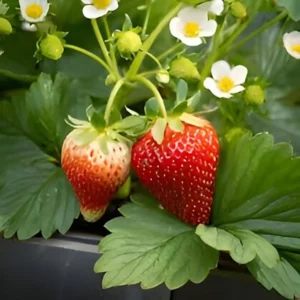
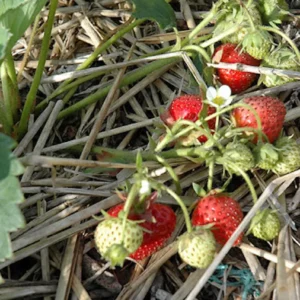
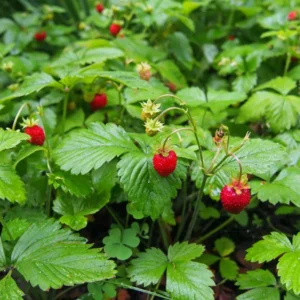
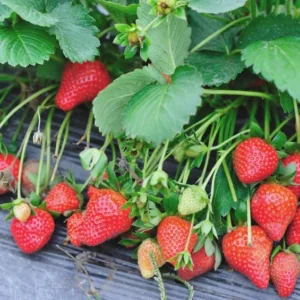
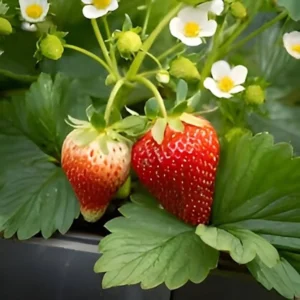
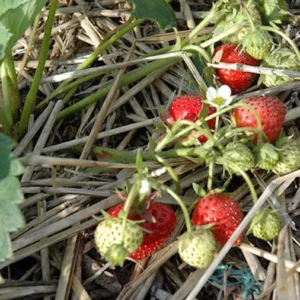
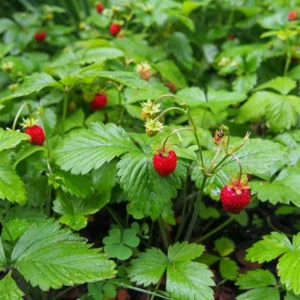
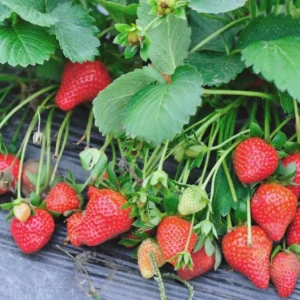
Embark on a rewarding gardening journey with these 5 Blakemore Strawberry Bare Roots. The Blakemore strawberry (Fragaria × ananassa) is a revered, classic June-bearing strawberry variety, celebrated for its robust characteristics and delicious fruit. Developed by the USDA in Maryland and introduced in 1931, it quickly became a favorite, especially across the southern and eastern United States. This popularity stemmed from its notably firm fruit, a significant advantage for shipping and handling in its time. When you plant these Blakemore strawberry bare roots, you’re choosing a piece of horticultural history that continues to deliver excellent results. These bare roots offer a cost-effective and efficient way to start a new strawberry patch, promising a bountiful harvest of sweet, firm berries.
The Blakemore strawberry is a hardy and adaptable choice for many home gardeners. It thrives in a range of climates, optimally growing in USDA Zones 3 through 8. These plants are known for their resilience, tolerating moderate drought conditions and showing good resistance to rotting even in hot, humid weather. This makes them a reliable option for various garden settings. With proper care, these 5 Blakemore Strawberry Bare Roots will establish quickly, setting the stage for years of fresh, homegrown strawberries.
Key Benefits
Choosing Blakemore strawberries for your garden offers a multitude of advantages, from their historical reliability to their delicious yield. These benefits make them an excellent addition for both novice and experienced gardeners.
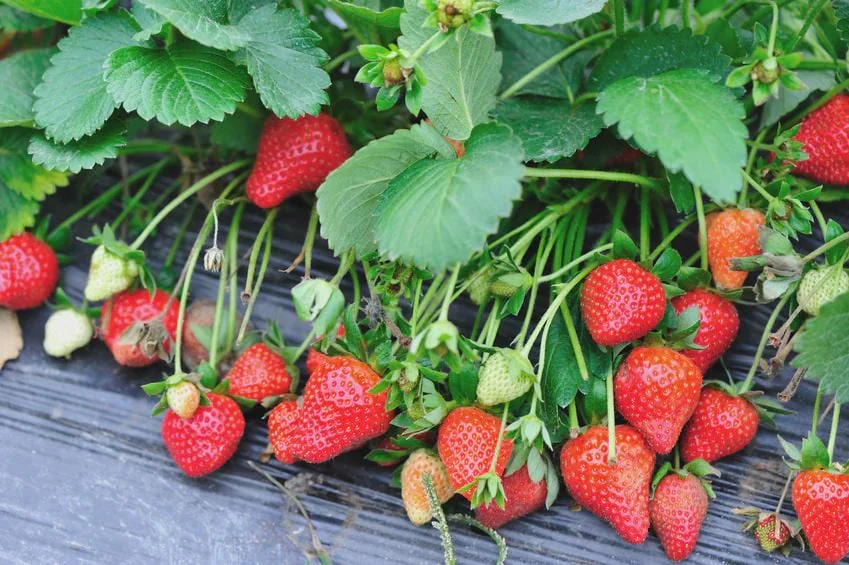
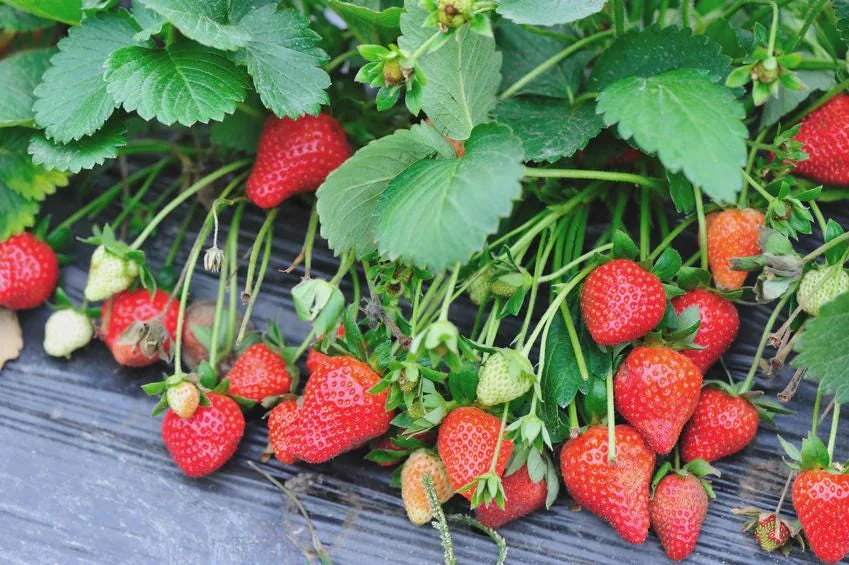
- Abundant June Harvest: As a June-bearing strawberry, the Blakemore variety produces a large, concentrated crop of berries over a few weeks in early summer, perfect for fresh eating, preserves, and freezing.
- Firm, Flavorful Fruit: The fruit of the Blakemore strawberry is renowned for its firmness, which not only made it great for historical shipping but also contributes to its excellent texture and shelf life for home gardeners. Expect sweet, classic strawberry flavor.
- Disease Resistance: This variety demonstrates good resistance to rotting, making it a reliable choice even in hot and humid climates, reducing the need for constant monitoring and intervention.
- Drought Tolerance: Blakemore strawberries are relatively hardy and can tolerate moderate drought conditions once established, contributing to their low-maintenance appeal.
- Adaptable to Various Zones: Optimally grown in USDA Zones 3 through 8, this variety is suitable for a wide range of growing regions across the United States.
- Historical Significance: Growing Fragaria x ananassa ‘Blakemore’ connects you to a rich horticultural past, cultivating a variety that has stood the test of time for nearly a century.
- Easy to Establish: Planting Blakemore strawberry bare roots is a straightforward process, allowing for quick establishment and growth in your garden.
Plant Care & Growing Tips
Caring for your Blakemore strawberry bare roots is straightforward, ensuring a healthy and productive patch. These plants prefer a location that receives full sun, meaning at least 6-8 hours of direct sunlight per day. Adequate sunlight is crucial for fruit production and flavor development. While relatively hardy, they will perform best in well-drained soil. A sandy loam enriched with organic matter is ideal. Before planting, amend your soil with compost to improve fertility and drainage. The optimal pH range for strawberries is between 5.5 and 6.8.
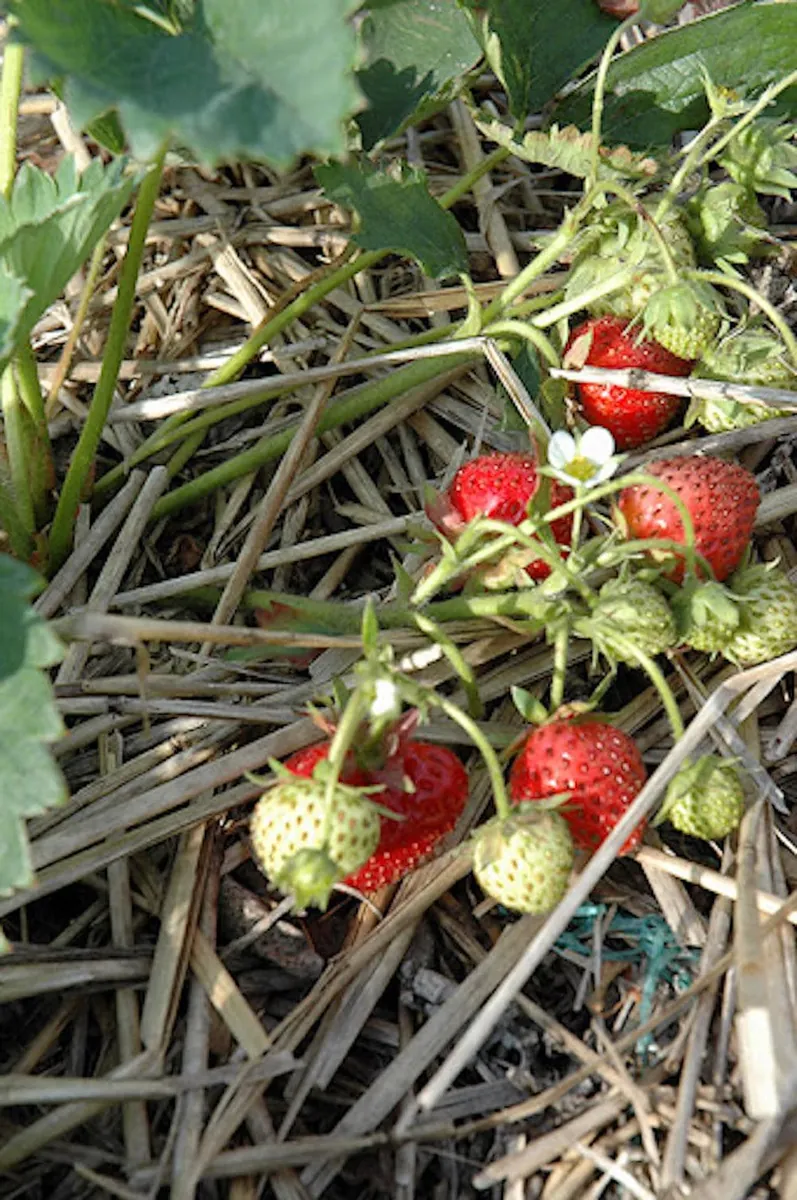
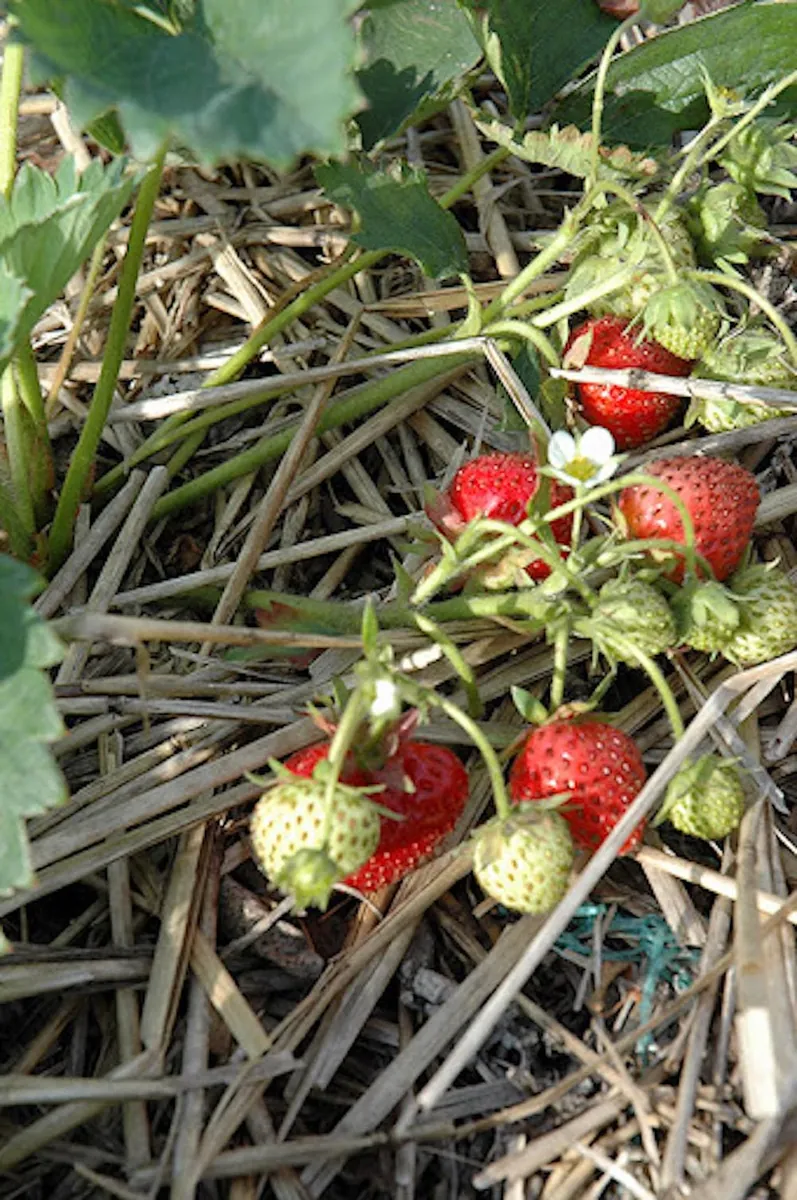
When planting your 5 Blakemore Strawberry Bare Roots, ensure the crown (where the leaves emerge) is level with the soil surface, with the roots spread out beneath. Water thoroughly after planting to settle the soil around the roots. Consistent moisture is important, especially during flowering and fruiting periods, but avoid overwatering, which can lead to root rot. Fertilize in early spring and again after the main harvest with a balanced fertilizer formulated for fruit plants. Mulching around the plants can help retain moisture, suppress weeds, and keep berries clean. Regularly remove runners to encourage the parent plant to put energy into fruit production, though you can allow some to root if you wish to expand your patch. Understanding strawberry plant care is key to a successful harvest.
These plants are quite resilient, tolerating moderate drought and resisting rotting in hot, humid weather, which contributes to their reputation as a robust June-bearing strawberry. However, monitoring for common pests like slugs or birds and diseases like leaf spot is always a good practice. Good air circulation and proper spacing between plants can help prevent fungal issues. Winter protection, such as a layer of straw, is recommended in colder USDA Zones to protect the crowns from freezing. Following these guidelines will help your growing strawberries thrive and yield abundant fruit.
Size & Details
This offering includes 5 Blakemore Strawberry Bare Roots, ready for planting. Bare roots are dormant plants shipped without soil, making them easy to handle and plant upon arrival. Each bare root represents a mature plant crown with a healthy root system, poised to sprout new foliage and begin fruit production in its first growing season. Blakemore strawberry plants typically grow to a height of 6-12 inches and spread about 12-18 inches, forming a dense groundcover when established. As a June-bearing strawberry, you can expect a concentrated harvest of berries in early summer, usually beginning in late May to early June depending on your specific climate and USDA zone.
The plants are optimally grown in USDA Zones 3 through 8, indicating their versatility across a wide range of temperate climates. They prefer full sun exposure and well-drained soil to achieve their best growth and fruit yield. These Fragaria x ananassa plants are known for their vigor and once established, they will produce runners that can be used to expand your patch or can be pruned to maintain plant energy for fruit production. Expect the plants to begin flowering and fruiting within the first year after spring planting, with increased yields in subsequent years as the patch matures.
Frequently Asked Questions
- Q: How do I plant the 5 Blakemore Strawberry Bare Roots? A: Dig a hole deep enough to accommodate the roots without bending them. Create a mound in the center of the hole, spread the roots over the mound, and ensure the crown (where the leaves emerge) is at soil level. Water thoroughly after planting.
- Q: When is the best time to plant these June-bearing strawberry bare roots? A: The best time to plant Blakemore strawberry bare roots is in early spring after the last frost, or in late fall before the ground freezes in milder climates. This allows the plants to establish their root system before the growing season.
- Q: How much sun do Blakemore strawberries need? A: Blakemore strawberries require full sun, meaning at least 6-8 hours of direct sunlight per day, for optimal growth and fruit production.
- Q: Are these strawberries resistant to diseases? A: Yes, the Blakemore variety is known for its hardiness, including good resistance to rotting in hot, humid weather, which helps with overall plant health.
- Q: How long until I get fruit from my strawberry plants? A: You can typically expect a light harvest of berries in the first year after planting. Production will increase significantly in the second and subsequent years as the plants mature.
- Q: What USDA zones are suitable for growing strawberries? A: The Blakemore strawberry bare roots are optimally grown in USDA Zones 3 through 8, making them suitable for a broad range of climates.
- Q: What kind of soil is best for growing strawberries? A: Growing strawberries thrive in well-drained, fertile soil with a slightly acidic to neutral pH (5.5-6.8). Amending your soil with organic matter such as compost is highly beneficial.
- Q: What condition will the bare roots arrive in? A: Your 5 Blakemore Strawberry Bare Roots will arrive in a dormant state, without soil or foliage, ready for planting. This is a normal and healthy condition for bare root plants.
- Q: How often should I water my strawberry plants? A: Keep the soil consistently moist, especially during flowering and fruiting. Avoid letting the soil dry out completely, but also ensure it’s not waterlogged.
- Q: Can I grow these Blakemore strawberries in containers? A: Yes, Blakemore strawberries can be grown successfully in large containers or grow bags, provided they have good drainage and adequate sunlight.


Reviews
There are no reviews yet.