Overview
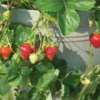
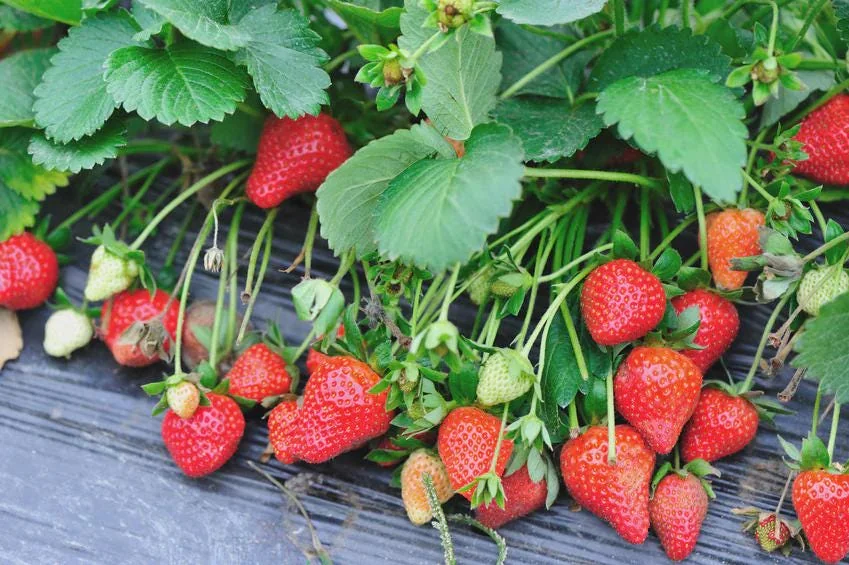
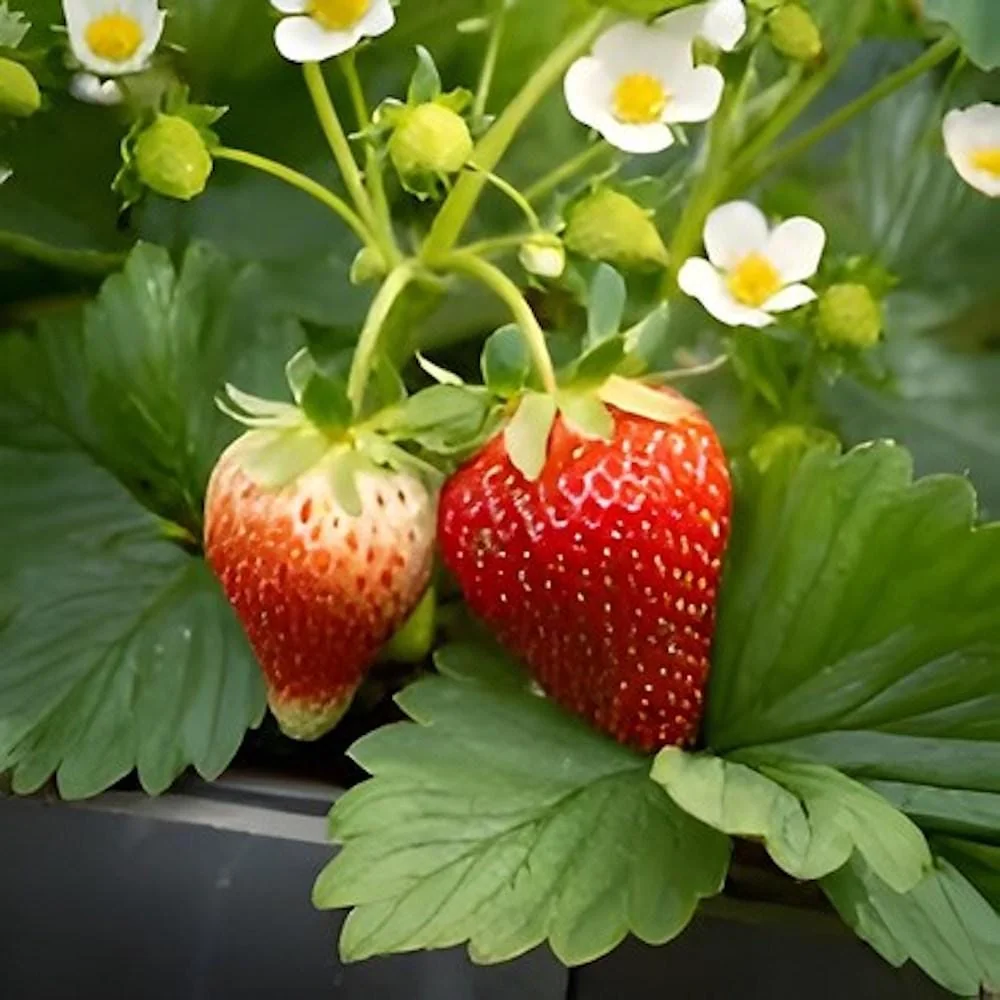
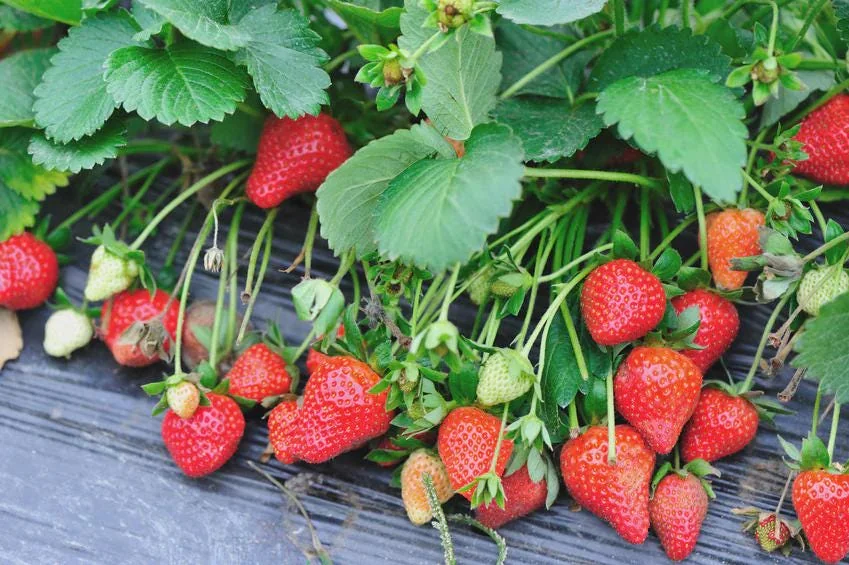
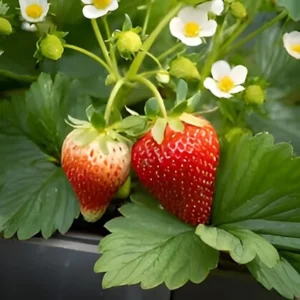
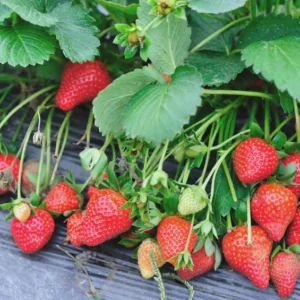
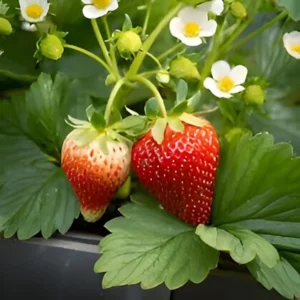
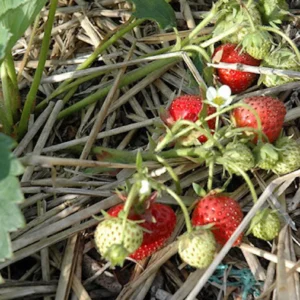
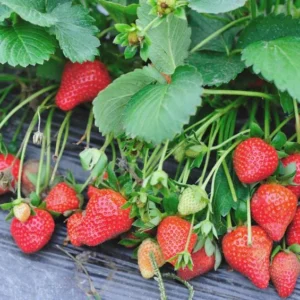
Embark on a rewarding gardening journey with our 10 Blakemore strawberry bare roots. The Blakemore strawberry, scientifically known as Fragaria × ananassa, is a cherished June-bearing variety with a rich history, originally developed by the USDA in Maryland and introduced in 1931. These bare roots offer an excellent starting point for establishing a productive strawberry patch, yielding an abundance of delicious fruit. Historically, this variety gained immense popularity, particularly across the southern and eastern United States, due to its exceptionally firm fruit, a highly desirable trait for shipping in its era. Today, it remains a favorite among home gardeners for its reliability and delightful flavor. Planting these Blakemore strawberry bare roots allows you to experience a piece of gardening heritage while enjoying fresh, homegrown strawberries.
This offering includes 10 healthy bare root plants, carefully prepared for optimal transplanting success. Bare roots are a cost-effective and efficient way to start perennial plants, as they establish quickly once planted in suitable conditions. The Blakemore variety is renowned for its adaptability and resilience, making it a fantastic choice for both novice and experienced gardeners looking to grow their own berries. Get ready to enjoy the sweet rewards of your labor with these robust strawberry plants.
Key Benefits
The Blakemore strawberry bare roots provide numerous advantages for any home garden, promising a bountiful harvest and a delightful experience. Here are some of the key benefits:
- Historic & Reliable Variety: The Blakemore strawberry is a time-tested, June-bearing variety with a long history of successful cultivation, ensuring dependable fruit production season after season. Its established reputation means you’re planting a proven performer.
- Firm, Flavorful Fruit: Known for its firm texture, the fruit of the Blakemore strawberry is excellent for fresh eating, canning, jams, and freezing. This firmness also contributes to its good shelf life after harvesting.
- June-Bearing Harvest: These plants produce a concentrated harvest over a few weeks in late spring to early summer, making them ideal for those who wish to process a large quantity of strawberries at once.
- Hardy & Adaptable: Optimally grown in USDA Zones 3 through 8, the Blakemore strawberry is relatively hardy and can tolerate moderate drought conditions, making it suitable for a wide range of climates. This hardiness simplifies strawberry plant care.
- Disease Resistance: This variety shows good resistance to rotting, especially in hot, humid weather, which is a significant advantage for gardeners in areas prone to such conditions.
- Easy to Grow: Growing Blakemore strawberries from bare roots is straightforward, requiring full sun and well-drained soil. They are generally low-maintenance once established, making them perfect for beginners.
- Excellent for Home Gardens: With its delicious fruit and robust growth, the Blakemore strawberry is a perfect addition to any home garden, providing fresh, organic berries right from your backyard.
Plant Care & Growing Tips
Proper care is essential for a successful harvest of delicious Blakemore strawberries. These June-bearing strawberries thrive in specific conditions. First, choose a location that receives full sun, meaning at least 6-8 hours of direct sunlight per day. Adequate sunlight is crucial for fruit development and flavor. The soil should be well-drained, rich in organic matter, and have a slightly acidic pH (between 5.5 and 6.5). Before planting your Blakemore strawberry bare roots, amend heavy clay soils with compost or peat moss to improve drainage and aeration. For sandy soils, adding organic matter will help retain moisture and nutrients.
When planting, dig a shallow hole large enough to spread the roots out. The crown of the plant (where the leaves emerge) should be at soil level, not too deep or too shallow. Water thoroughly after planting to settle the soil around the roots. During the growing season, consistent moisture is vital, especially when the plants are flowering and fruiting. Aim for about 1 inch of water per week, either from rainfall or irrigation. Avoid overhead watering if possible to minimize fungal diseases; drip irrigation or soaker hoses are ideal. Fertilize established plants in early spring and again after the main harvest with a balanced fertilizer or one formulated for berries. For optimal strawberry plant care, remove runners to encourage energy to go into fruit production, though some can be allowed to root if you wish to expand your patch.
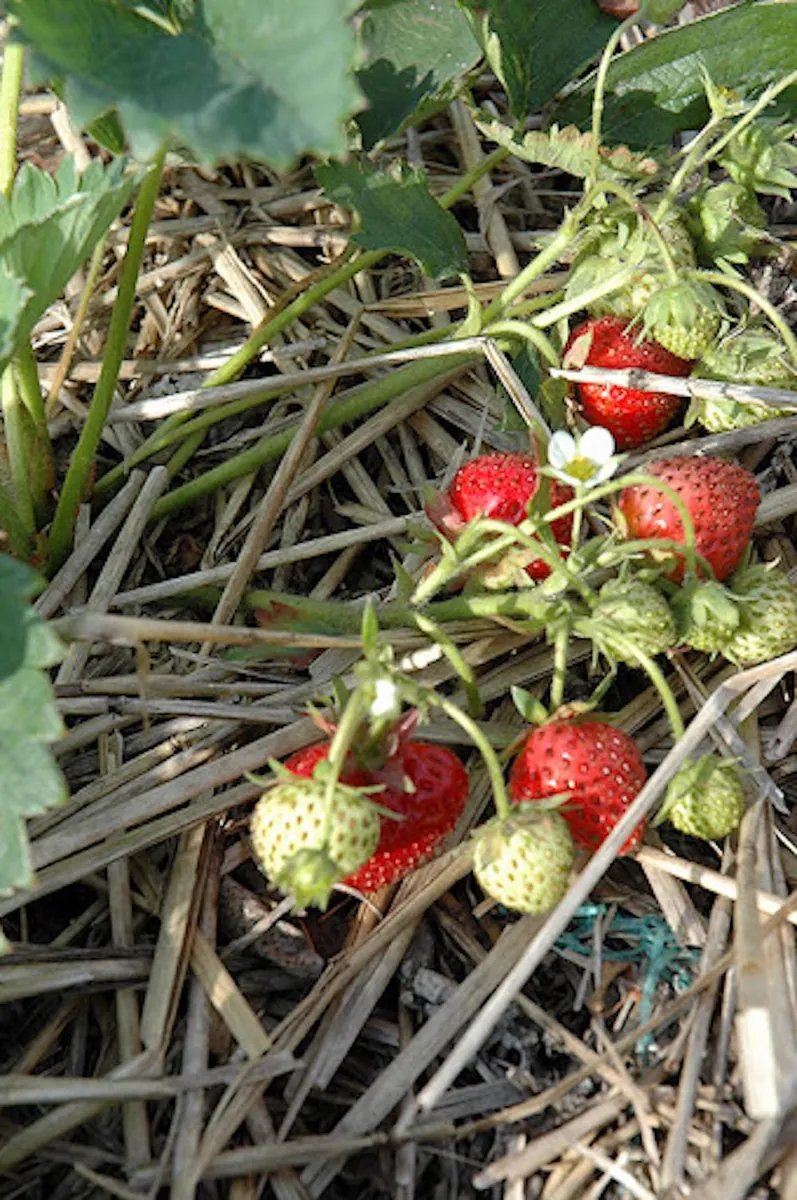
Pest and disease management are also part of growing Blakemore strawberries. Keep an eye out for common strawberry pests like slugs, birds, and various insects. Companion planting, netting, and organic pest control methods can be effective. Good air circulation and proper spacing between plants can help prevent fungal issues. In colder climates (USDA Zones 3-5), consider mulching your plants in late fall with straw or pine needles to protect them from harsh winter temperatures. Remove the mulch in early spring as new growth begins. These hardy plants are known for resisting rotting in hot, humid weather, which is a significant advantage for this Fragaria x ananassa variety.
Size & Details
This offering includes 10 Blakemore strawberry bare roots, ready for planting to establish a thriving strawberry patch. When mature, Blakemore strawberry plants typically grow to a height of 6-12 inches and spread about 12-18 inches, forming dense, productive clumps. These are June-bearing varieties, meaning they will produce one large crop annually, usually over a 2-3 week period in late spring to early summer, depending on your climate zone. The bare roots are dormant plants, shipped without soil or foliage, which minimizes transplant shock and allows them to establish quickly once planted in your garden. Expect to see significant growth and potentially a small harvest in their first year, with full production commencing in the second year. These plants are optimally grown in USDA Zones 3 through 8, making them suitable for a wide range of temperate climates.
Frequently Asked Questions
- Q: How big do these Blakemore strawberry plants get? A: Once established, Blakemore strawberry bare roots will grow into plants that typically reach 6-12 inches tall with a spread of 12-18 inches, forming a compact and productive patch.
- Q: Is this an indoor or outdoor plant? A: The Blakemore strawberry is an outdoor plant, best suited for garden beds, raised beds, or large containers where it can receive full sun and proper air circulation. It thrives in outdoor conditions.
- Q: How much sunlight does it need? A: These June-bearing strawberries require full sun, meaning at least 6-8 hours of direct sunlight per day, for optimal growth and fruit production.
- Q: Is this plant easy to care for? A: Yes, growing Blakemore strawberries is considered relatively easy. They are hardy and adaptable, making them a good choice for gardeners of all experience levels, especially with proper site selection and watering.
- Q: What condition will the bare roots arrive in? A: The 10 Blakemore strawberry bare roots will arrive dormant, without soil or foliage, carefully packaged to ensure they are healthy and ready for planting.
- Q: When is the best time to plant Blakemore strawberry bare roots? A: The best time to plant bare root strawberries is in early spring as soon as the soil can be worked, after the danger of hard frost has passed. This allows them ample time to establish before summer heat.
- Q: Will it survive winter in my zone? A: Blakemore strawberries are hardy in USDA Zones 3 through 8. In colder zones (3-5), mulching them with straw in late fall is recommended to protect them from winter damage.
- Q: Can I grow these in containers? A: Yes, you can grow Blakemore strawberries in containers, provided they are large enough (at least 8-10 inches deep and wide) and have good drainage. Ensure they still receive full sun.
- Q: How long until I get fruit from these bare roots? A: You may get a small harvest of fruit in the first year after planting, but the plants will typically produce a full, abundant crop in their second year.
- Q: What kind of soil do Blakemore strawberries prefer? A: They prefer well-drained, fertile soil that is rich in organic matter and has a slightly acidic pH (5.5-6.5).


Reviews
There are no reviews yet.