Overview
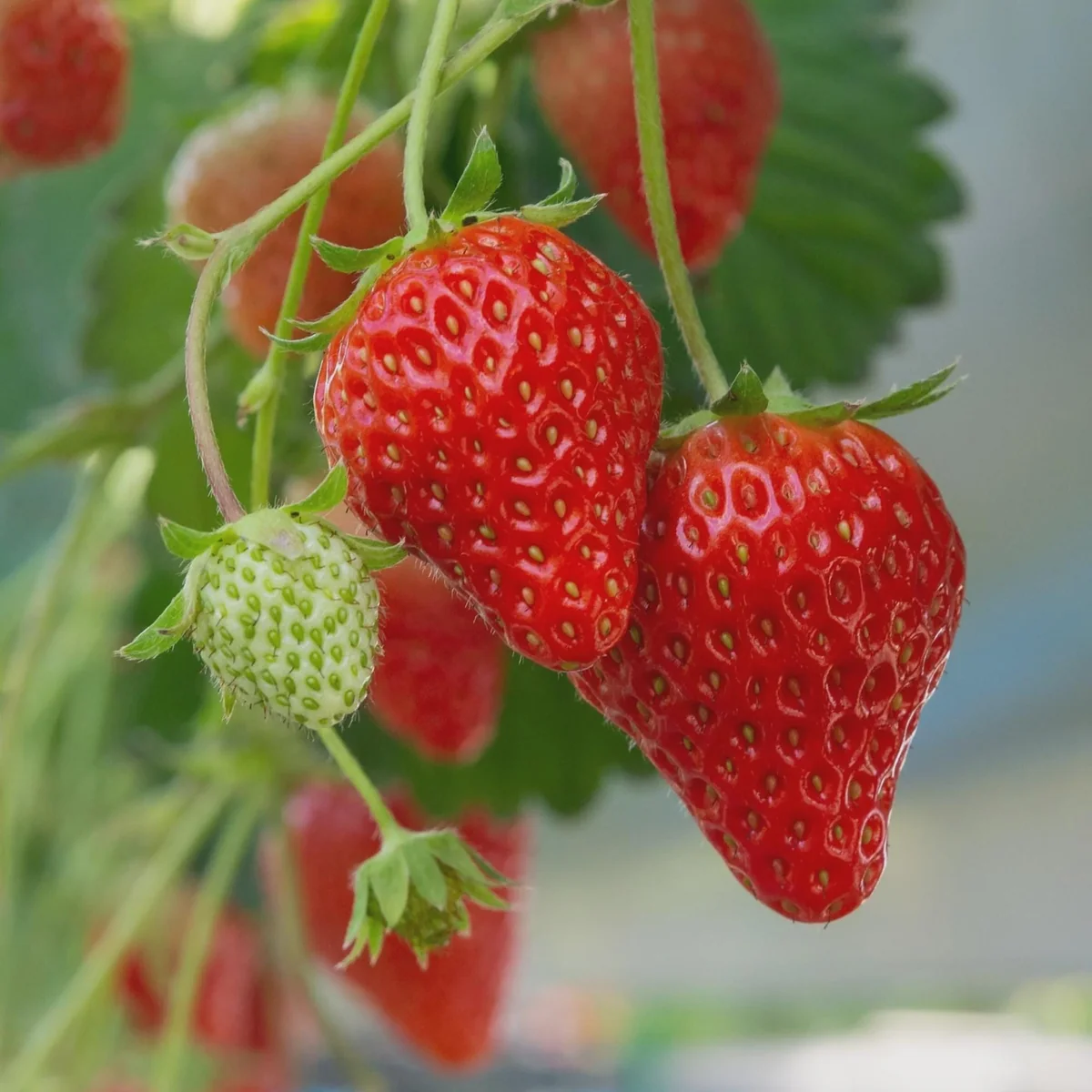
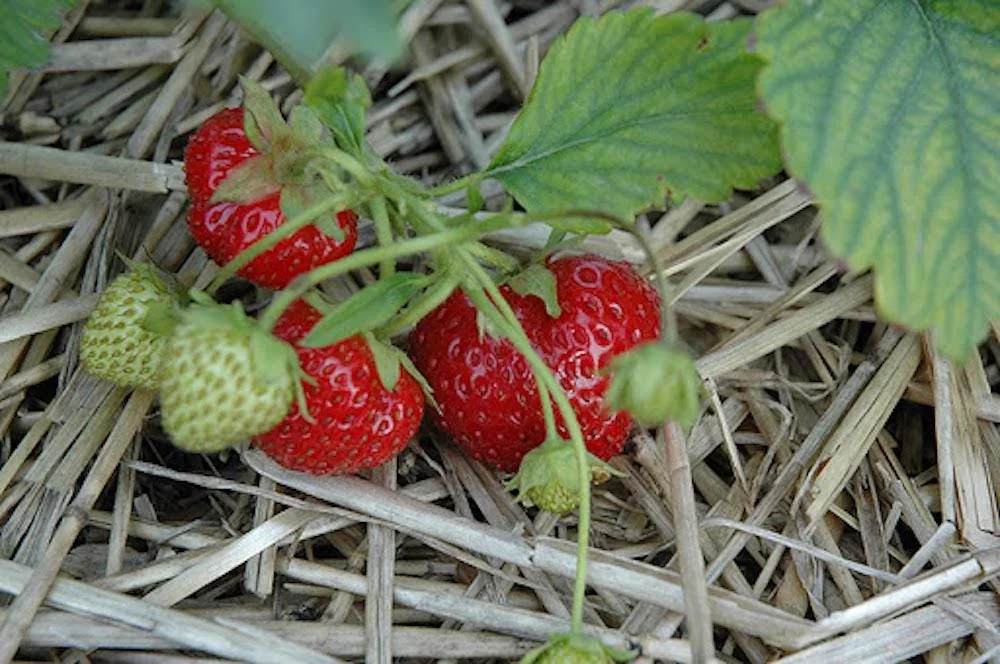
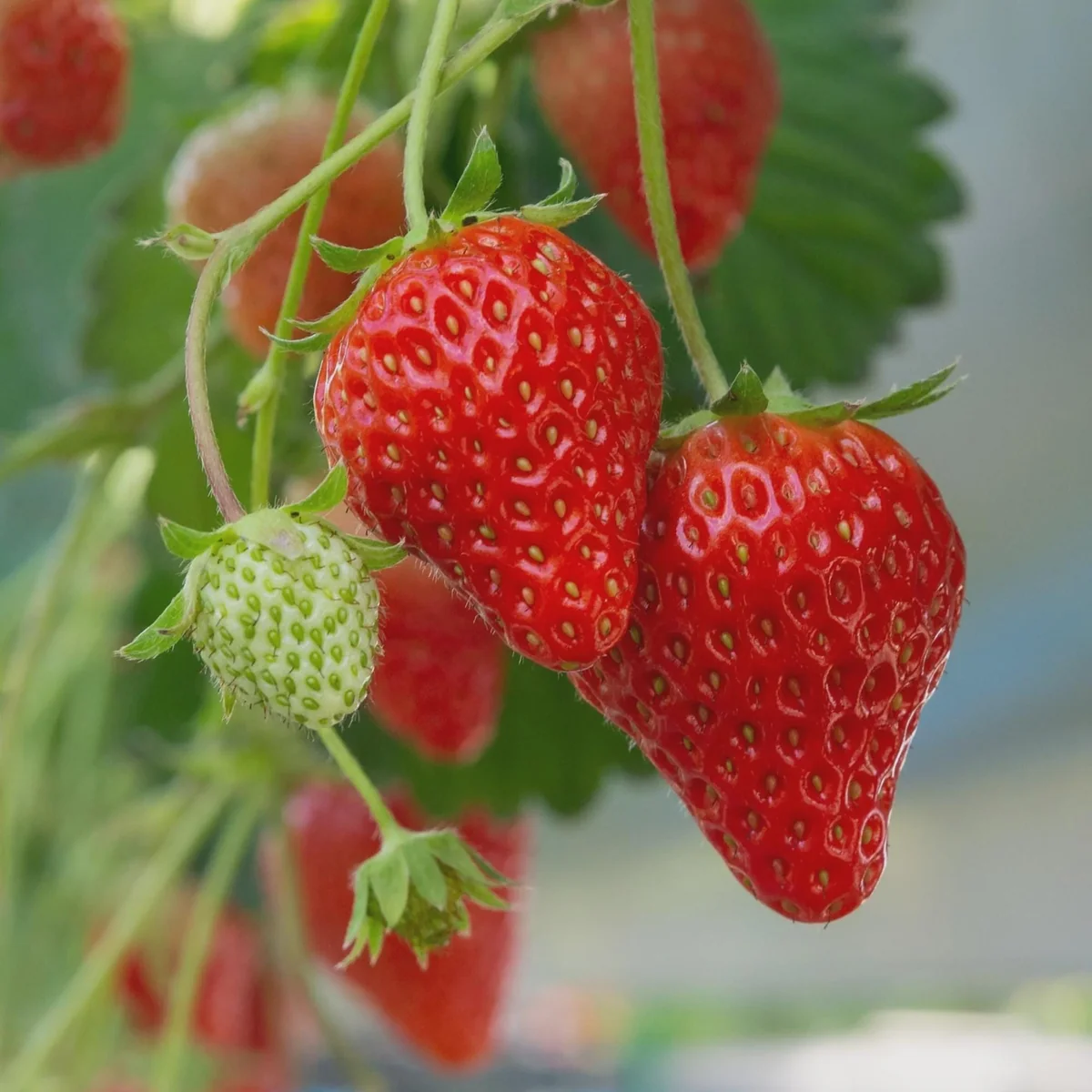
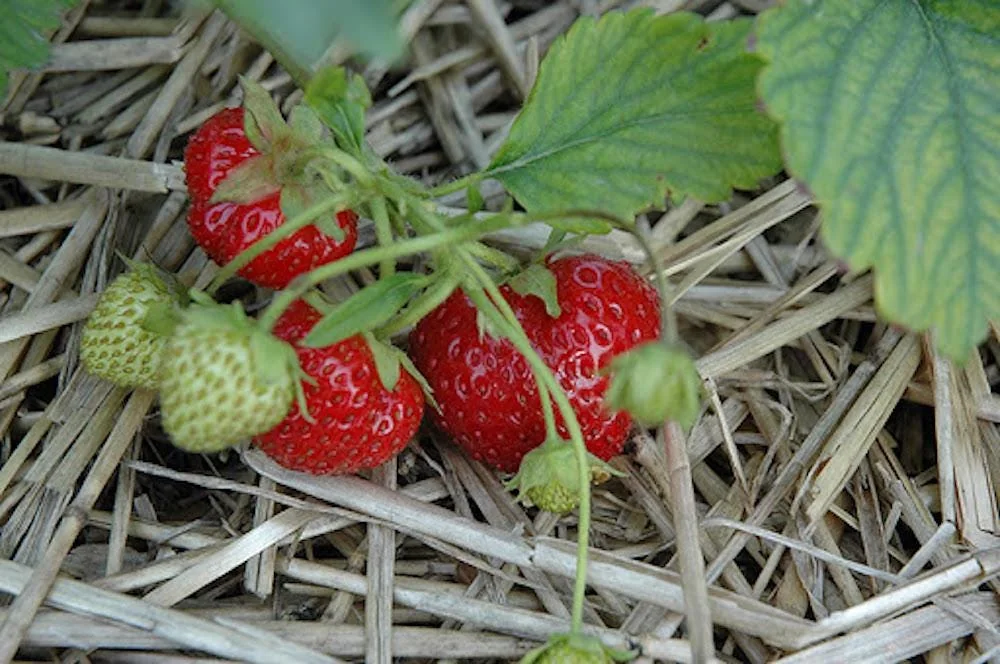
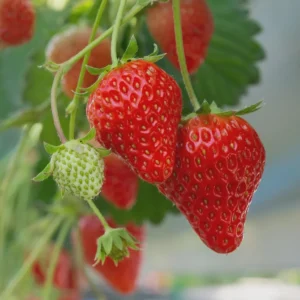
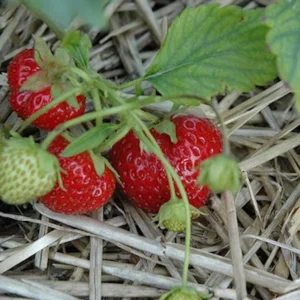
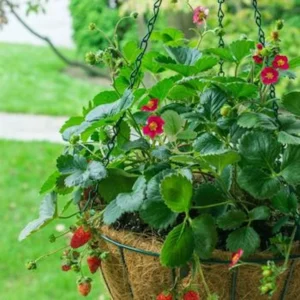
Bring the joy of fresh, homegrown berries to your garden with these 10 Ogallala Strawberry Bare Roots. The Ogallala strawberry (Fragaria × ananassa) is a highly-regarded, everbearing variety celebrated for its exceptionally sweet, wild strawberry flavor. These vigorous plants are an excellent choice for both experienced gardeners and beginners, providing a continuous bounty of firm, plump, bright red berries from late spring through mid-fall. Known for their resilience and adaptability, these everbearing strawberry plants thrive in a variety of conditions, making them a superb addition to any home garden or container planting. The ‘Ogallala’ variety is particularly noted for its winter-hardiness and drought tolerance, performing exceptionally well in colder climates and northern states within USDA Hardiness Zones 3-9.
Growing your own fragaria ananassa ogallala means enjoying fresh, organic strawberries right from your backyard. These bare roots offer a cost-effective and rewarding way to establish a productive strawberry patch. The plants develop a spreading habit via runners, allowing your patch to expand naturally over time, ensuring years of delicious harvests. Whether you’re looking to create a dedicated strawberry bed, add edible plants to your landscape, or grow in patio containers, the Ogallala strawberry is a reliable and flavorful choice.
Key Benefits
The ogallala strawberry bare roots offer numerous advantages for the home gardener, combining robust growth with an abundance of flavorful fruit. These benefits make them a highly desirable choice:
- Continuous Harvest: As an everbearing strawberry plant, the Ogallala produces berries from late spring to mid-fall, ensuring a steady supply of fresh fruit for an extended period. This continuous production is ideal for enjoying fresh berries throughout the growing season.
- Exceptional Flavor: Known for its sweet, wild strawberry taste, the Ogallala offers a superior flavor profile compared to many store-bought varieties. Its intense, aromatic berries are perfect for eating fresh, making jams, or baking.
- Cold Hardiness: This variety is remarkably winter-hardy, thriving in USDA Zones 3-9. It can withstand colder temperatures, making it an excellent choice for gardeners in northern regions where other strawberry varieties might struggle. This makes it a truly cold hardy strawberry.
- Vigorous Growth: Ogallala plants are known for their strong, vigorous growth and ability to spread via runners. This means your initial planting will multiply over time, yielding an even larger harvest in subsequent years.
- Drought Tolerance: Once established, these plants show good drought tolerance, reducing the need for constant watering. This resilience makes them a more forgiving option for busy gardeners.
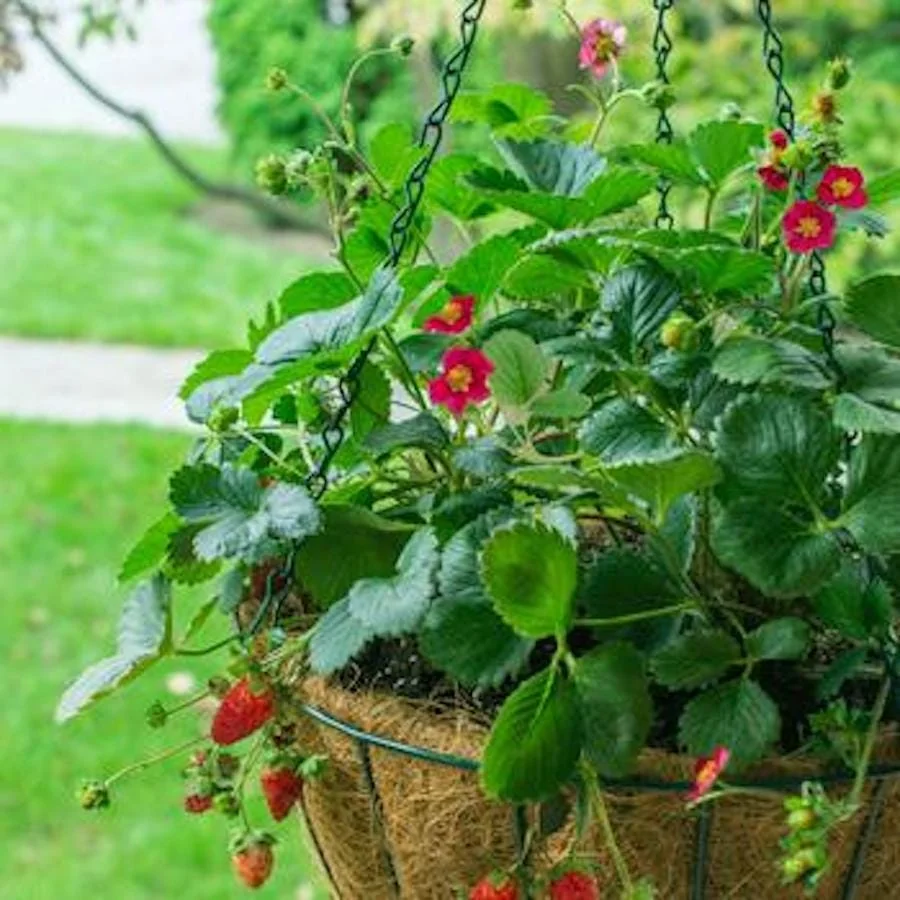
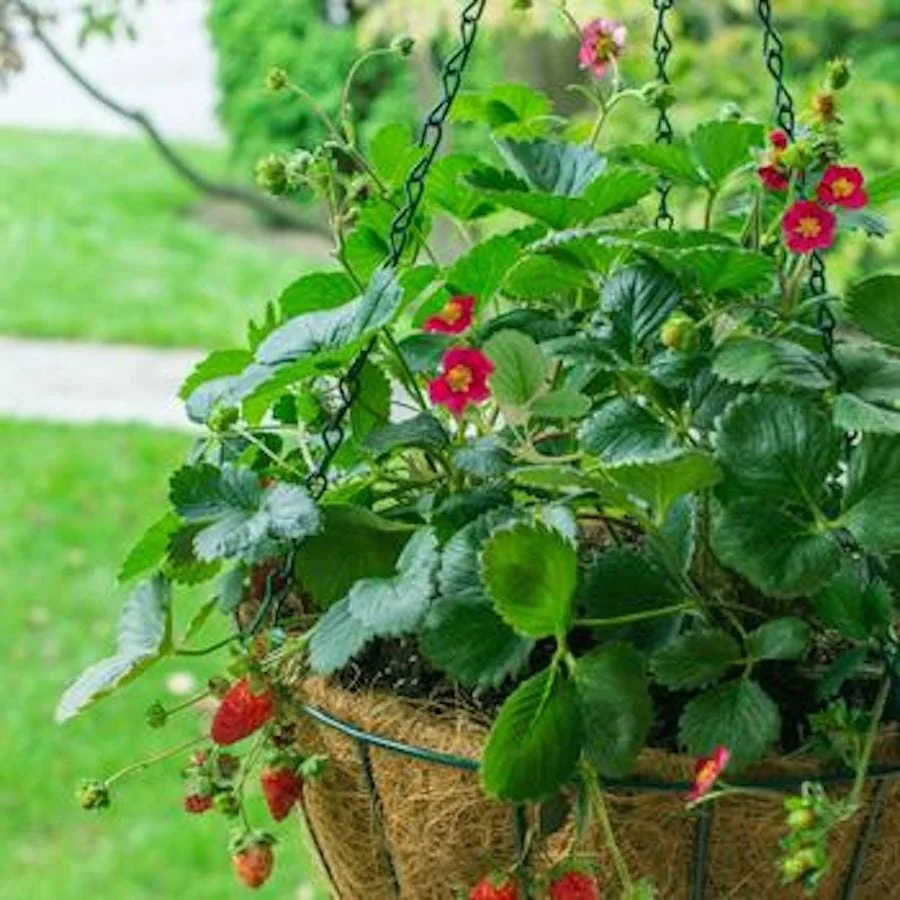
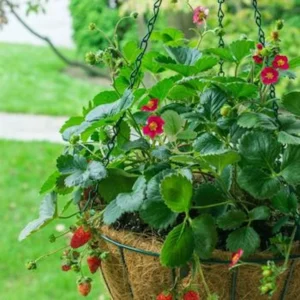
- Versatile Planting: Suitable for both in-ground gardens and containers, the Ogallala strawberry offers flexibility in planting options. Grow them in raised beds, hanging baskets, or traditional garden rows.
- Easy to Grow: Even for beginner gardeners, the Ogallala strawberry is relatively easy to care for, requiring basic attention to sunlight, water, and soil conditions to produce bountiful yields.
Plant Care & Growing Tips
Proper care is essential for a successful harvest of your ogallala strawberry bare roots. Upon arrival, soak the bare roots in water for 20-30 minutes before planting. Choose a location that receives full sun, meaning at least 6-8 hours of direct sunlight per day. Adequate sunlight is crucial for fruit production and flavor development. These plants prefer moist, well-drained, and fertile soil. Amend heavy clay soils with organic matter like compost to improve drainage and fertility, or for sandy soils, add compost to help retain moisture and nutrients. The ideal pH for strawberries is between 5.5 and 6.8.
Plant the bare roots with the crown (the point where the roots meet the leaves) at soil level, ensuring the roots are spread out and not cramped. Water thoroughly after planting to settle the soil around the roots. Maintain consistent moisture, especially during flowering and fruiting periods, but avoid overwatering, which can lead to root rot. Fertilize with a balanced slow-release fertilizer in early spring and again after the first flush of berries. Remove runners if you want to encourage larger berries, or allow them to grow if you want your patch to expand. Protecting plants during extreme winter conditions with mulch can be beneficial in colder zones to ensure they remain a cold hardy strawberry.
Pest and disease management is also vital. Watch out for common issues like slugs, birds, and fungal diseases. Using netting can protect ripening fruit from birds, while proper spacing and air circulation help prevent fungal problems. With attentive care, your fragaria ananassa ogallala plants will reward you with a season full of delicious, sweet strawberry plants.
Size & Details
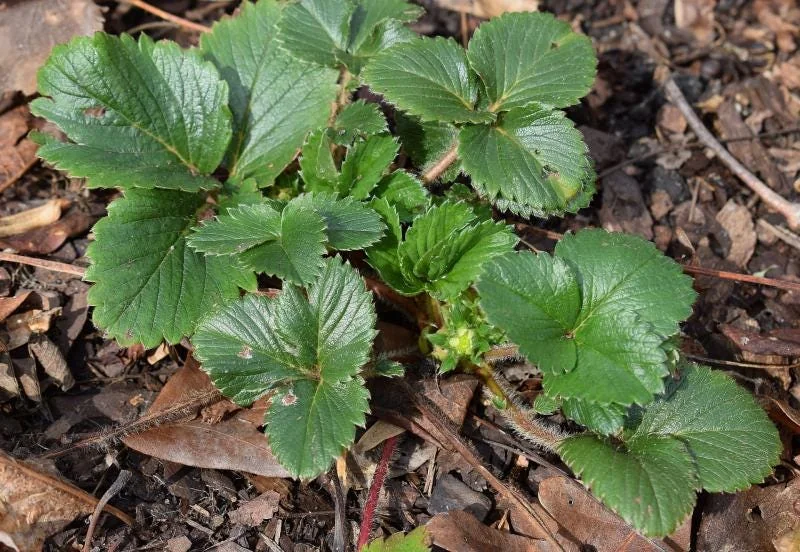
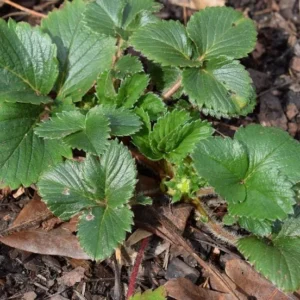
This offering includes 10 Ogallala Strawberry Bare Roots, ready for planting upon arrival. These bare roots are dormant plants, an efficient and economical way to establish a strawberry patch. Once planted, Ogallala strawberry plants typically grow to about 6-12 inches high with a spreading habit, thanks to their runners. The runners allow the plants to naturally propagate and fill out a garden bed or container over time. These vigorous plants are known for their robust growth rate, quickly establishing themselves in well-prepared soil. Expect to see new foliage emerge within a few weeks of planting, followed by flowers and then fruit.
The ‘Ogallala’ variety is an everbearing strawberry plant, meaning it produces fruit over an extended season rather than a single large flush. You can anticipate berries from late spring through mid-fall. For optimal fruit production, it’s recommended to plant these bare roots in a location where they can receive full sun and in well-drained, fertile soil. They are well-suited for USDA Hardiness Zones 3-9, demonstrating excellent winter hardiness and drought tolerance once established.
Frequently Asked Questions
- Q: How big do these Ogallala strawberry plants get? A: Ogallala strawberry bare roots will grow into plants that typically reach 6-12 inches in height with a spreading habit due to runners. They can cover a good area over time as they establish.
- Q: Is this an indoor or outdoor plant? A: The Ogallala strawberry is primarily an outdoor plant best suited for garden beds, raised beds, or large outdoor containers. While some may attempt to grow them indoors, they require significant light and specific conditions to fruit.
- Q: How much sunlight does an everbearing strawberry plant need? A: For optimal fruit production, these everbearing strawberry plants require full sun, meaning at least 6-8 hours of direct sunlight per day. More sun generally leads to sweeter and more abundant berries.
- Q: Is this plant easy to care for? A: Yes, Ogallala strawberries are considered relatively easy to care for, making them suitable for beginner gardeners. They are vigorous and forgiving, especially with consistent watering and good soil.
- Q: What condition will the bare roots arrive in? A: The 10 Ogallala Strawberry Bare Roots will arrive dormant, without soil or foliage, ready for planting. This is a common and effective way to ship and plant strawberries.
- Q: When is the best time to plant fragaria ananassa ogallala? A: The best time to plant fragaria ananassa ogallala bare roots is in early spring as soon as the soil can be worked, or in the fall in milder climates.
- Q: Will these sweet strawberry plants survive winter in my zone? A: Yes, Ogallala strawberries are known for their exceptional winter hardiness and thrive in USDA Hardiness Zones 3-9, making them a truly cold hardy strawberry. They can withstand cold temperatures with proper establishment.
- Q: Do these plants produce runners? A: Yes, Ogallala strawberry plants produce runners, which are horizontal stems that will root and form new plants. You can allow them to spread to expand your patch or prune them to encourage larger fruit production on the main plant.
- Q: How long until I get berries from these ogallala strawberry bare roots? A: You may get a small harvest in the first year, but the plants will become more productive in their second year. As an everbearing variety, they will produce berries from late spring to mid-fall.
- Q: What kind of soil do these sweet strawberry plants prefer? A: These sweet strawberry plants prefer moist, well-drained, and fertile soil with a pH between 5.5 and 6.8. Amending with organic matter is beneficial.


Reviews
There are no reviews yet.