Overview
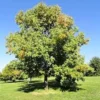
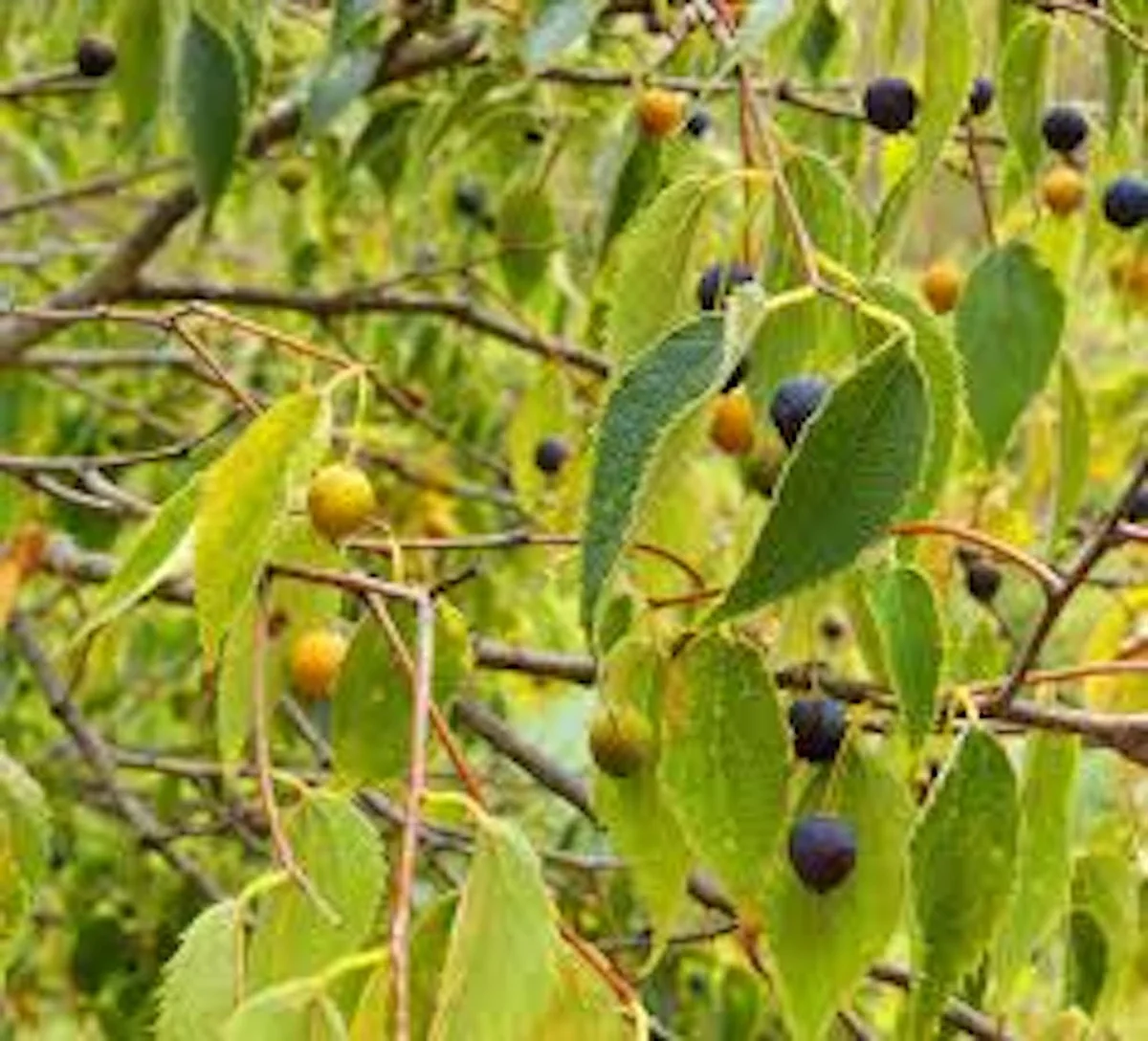
Introduce a robust and adaptable centerpiece to your landscape with the Hackberry tree plant. This offering provides 5 bare root specimens, each 12-24 inches tall, ready to establish and thrive in their new environment. Known scientifically as Celtis occidentalis, and often referred to as Sugarberry, False Elm, Nettle tree, or Beaverwood, the Hackberry is a native North American tree celebrated for its hardiness and environmental benefits. It’s an excellent choice for those seeking a long-lived and relatively low-maintenance tree that offers significant shade and ecological value. The Hackberry’s unique bark and attractive form make it a distinctive addition to any garden or park setting. Planting a Hackberry tree plant contributes to local biodiversity and provides habitat and food for wildlife, making it a sustainable choice for your property.
The Sugarberry tree bare root form allows for efficient and successful transplantation, especially when planted during the dormant season. These young trees are poised for vigorous growth, developing into mature specimens that can reach impressive heights. Their resilience to various soil types and urban conditions makes them a versatile option for many different planting scenarios, from expansive rural properties to more challenging urban gardens. Consider adding this remarkable tree to create a lasting legacy of natural beauty and ecological support in your outdoor space.
Key Benefits
The Hackberry tree plant offers a multitude of advantages for the discerning gardener and homeowner. Its robust nature and aesthetic appeal make it a popular choice for diverse landscapes.
- Exceptional Hardiness: Thriving in USDA Zones 3-9, the Hackberry tree plant is incredibly resilient, tolerating a wide range of climates and conditions, from urban pollution to drought. This makes it a reliable choice for many regions.
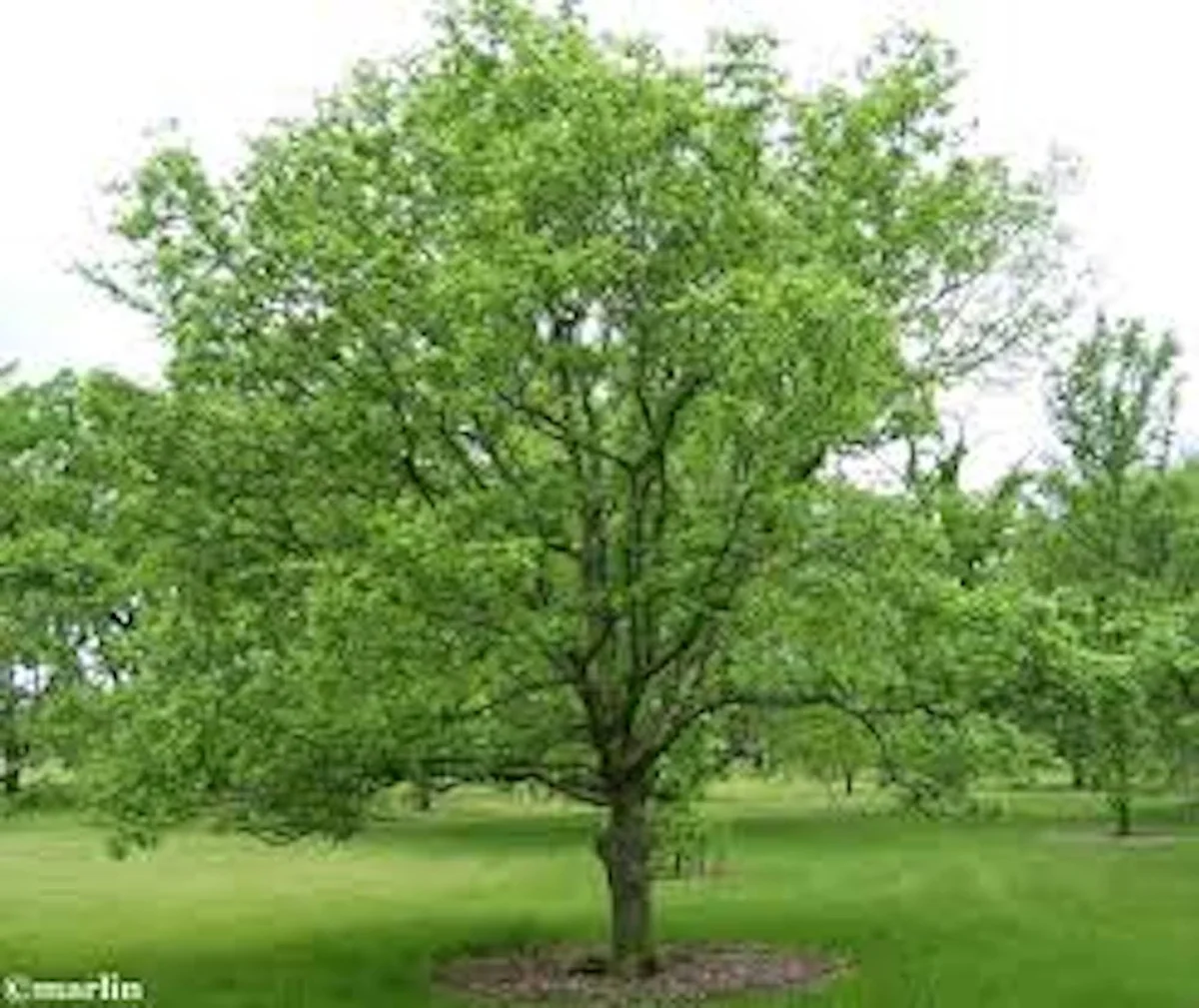
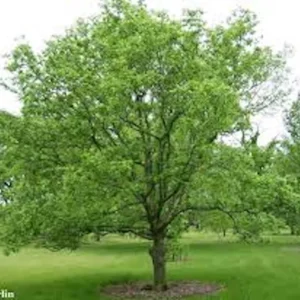
- Significant Shade Provider: As it matures, the Hackberry develops a broad, rounded crown, casting ample shade. This is ideal for reducing summer cooling costs, creating comfortable outdoor living spaces, and protecting other plants from intense sun.
- Adaptable to Various Soils: The Celtis occidentalis tree can grow in a diverse array of soil types, from moist to dry, and even prefers well-drained, rich, moist soils. This adaptability minimizes the need for extensive soil preparation.
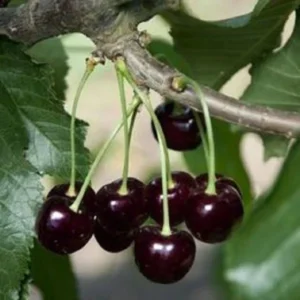
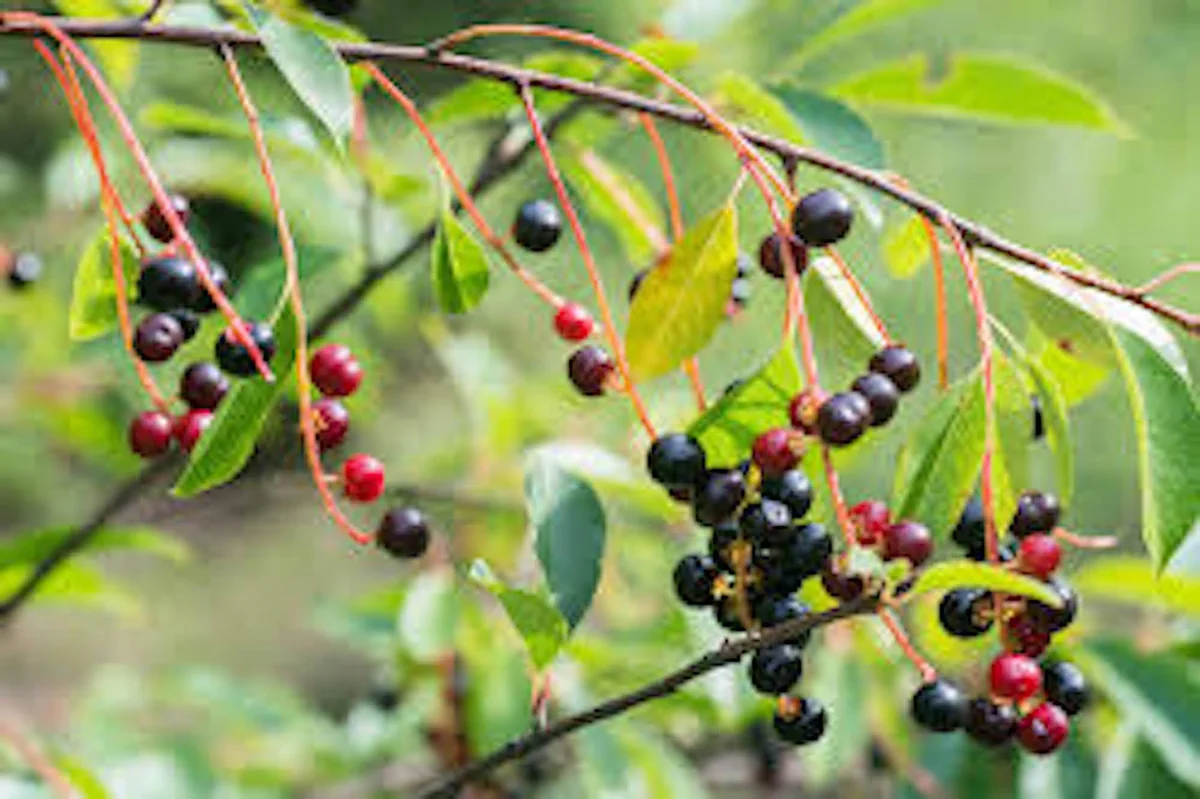
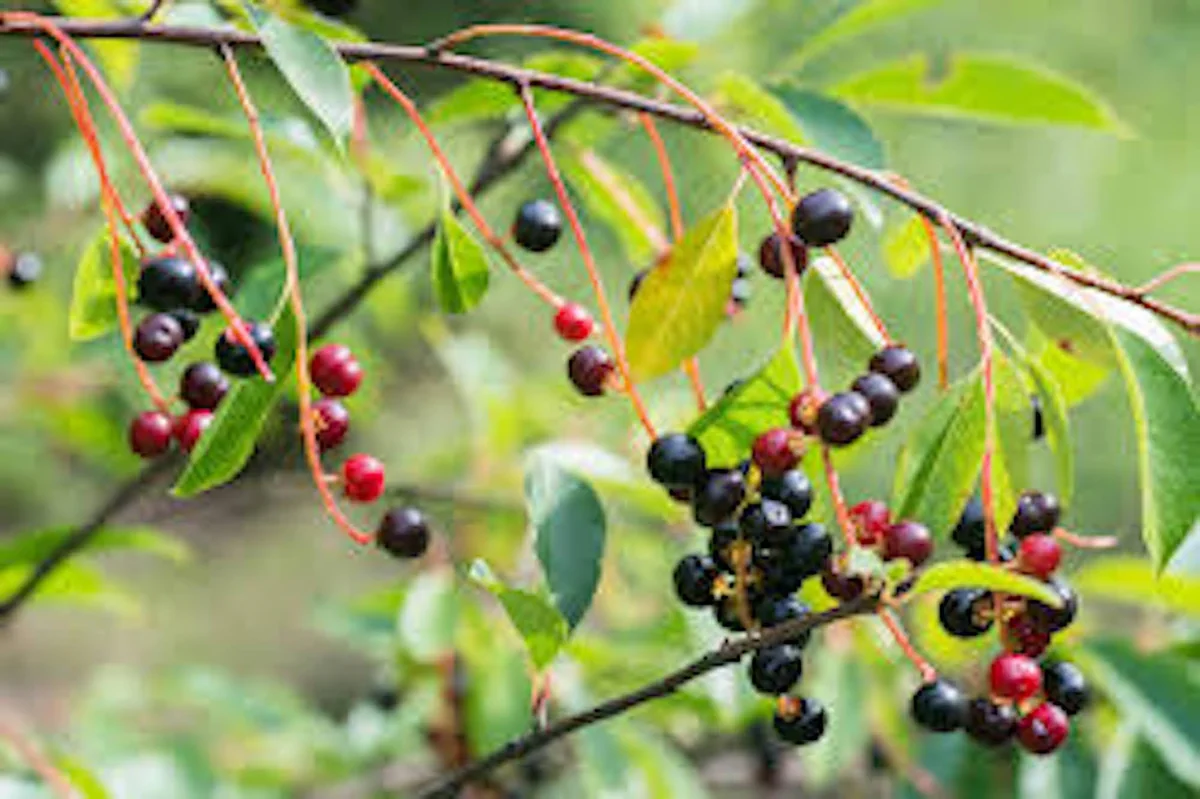
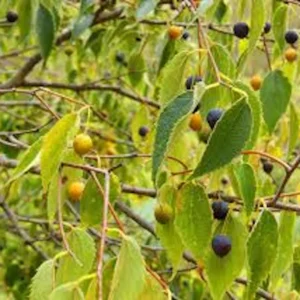
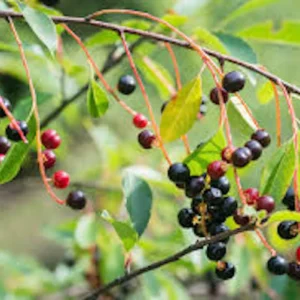
- Wildlife Attraction: The small, berry-like fruits of the Hackberry, known as sugarberries, are a valuable food source for birds and other wildlife, enhancing biodiversity in your garden.
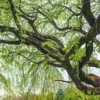
- Unique Bark Texture: The distinctive warty, corky bark of the Hackberry adds significant visual interest to the landscape, particularly in winter when leaves have fallen.
- Tolerant of Urban Environments: Its ability to withstand urban stresses like compacted soil and air pollution makes it an excellent choice for city parks, street plantings, and residential areas.
- Low Maintenance: Once established, the Sugarberry tree bare root requires minimal care, making it a great option for those seeking a beautiful yet easy-to-manage tree.
Plant Care & Growing Tips
Caring for your Hackberry tree plant is relatively straightforward, thanks to its inherent hardiness. To ensure optimal growth, proper site selection and initial care are crucial. The Hackberry thrives best in full sun, meaning it should receive at least six hours of direct sunlight per day. While it can tolerate partial shade, its growth and form will be most vigorous in sunnier locations. When planting your Sugarberry tree bare root, ensure the soil is well-drained. Although adaptable to various soil types, it prefers rich, moist loamy soils. Amend heavy clay or sandy soils with organic matter to improve drainage and fertility.
Watering is critical during the establishment phase. Keep the soil consistently moist but not waterlogged for the first year or two after planting. Once established, the Celtis occidentalis tree is quite drought-tolerant, though occasional deep watering during prolonged dry spells will benefit its health and vigor. Fertilization is generally not necessary in rich soils, but a balanced slow-release fertilizer can be applied in spring if soil nutrients are poor. Pruning should focus on removing dead, damaged, or crossing branches to maintain a strong structure and good air circulation. The Hackberry tree care routine is minimal, making it an excellent choice for both experienced and novice gardeners. Monitor for common pests like hackberry nipple gall psyllids, which are primarily aesthetic and rarely harm the tree.
The Hackberry tree plant is suited for USDA Hardiness Zones 3-9, indicating its ability to withstand significant cold. Protect young trees from harsh winter winds in the coldest zones. A layer of mulch around the base of the tree helps retain soil moisture, regulate soil temperature, and suppress weeds. With proper care, your Hackberry will quickly develop into a magnificent shade tree, providing decades of enjoyment and ecological benefits. Knowing how to provide effective Hackberry tree care will ensure a healthy and flourishing tree in your landscape.
Size & Details
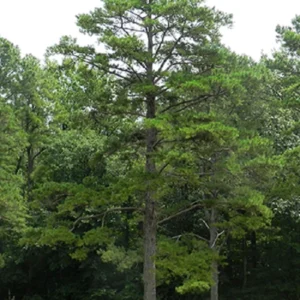
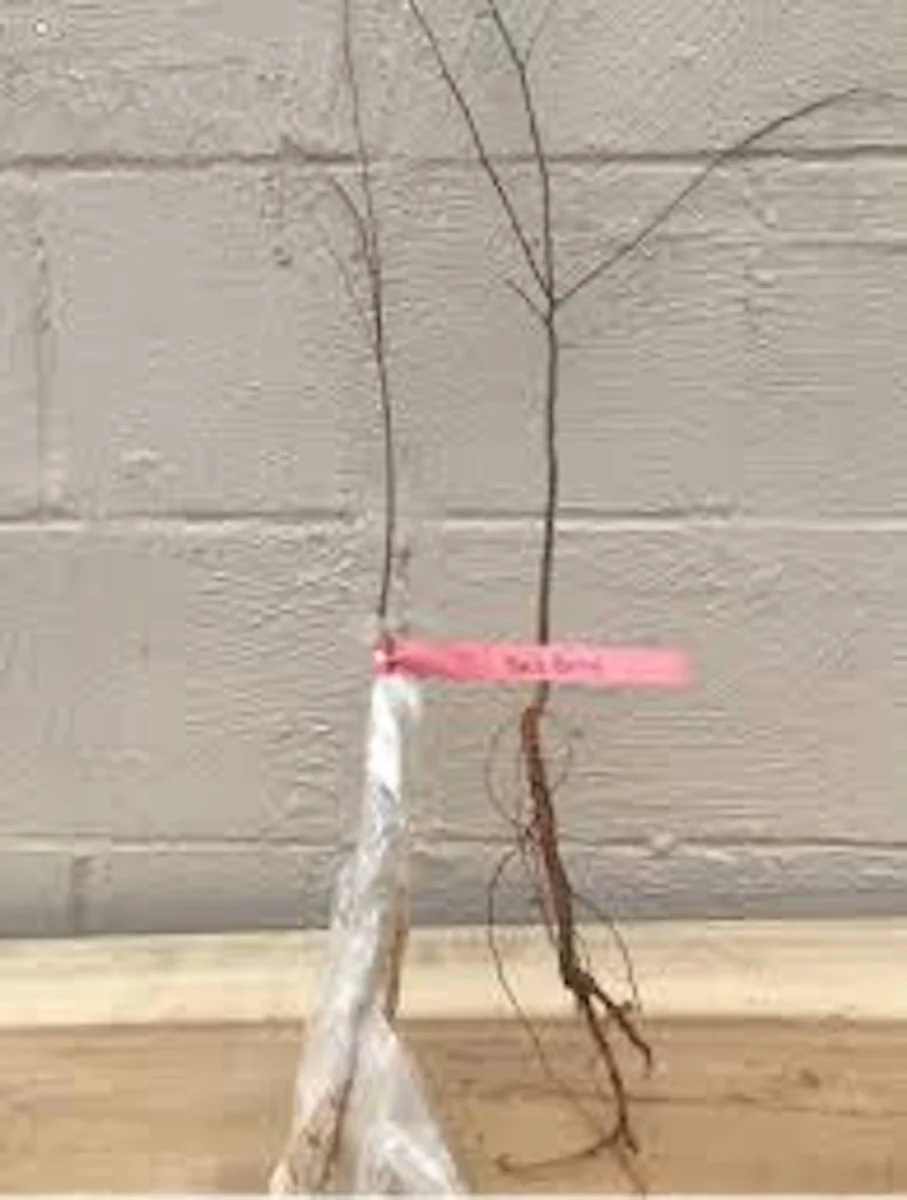
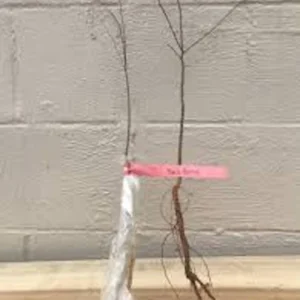
This offering includes 5 individual Hackberry tree plant specimens, each provided in a bare root form. Each plant measures approximately 12-24 inches tall at the time of shipment, providing a strong foundation for future growth. The bare root format is ideal for planting during the dormant season, allowing the roots to establish before the active growing period. Mature Celtis occidentalis tree specimens typically grow to an impressive height of 40-60 feet (12-18 meters), with some even exceeding this, and develop a broad, rounded crown. The trunk diameter can reach 1-4 feet (0.3-1.3 meters) wide, showcasing its substantial presence in the landscape. These trees exhibit a moderate to fast growth rate, especially once established.
When planting your Sugarberry tree bare root, consider its mature size to ensure adequate space for its root system and canopy development. The upright, spreading branches create an appealing silhouette, making it an excellent choice as a prominent shade tree for garden and landscape designs. These plants will ship as bare root during the fall and winter months, optimizing their readiness for transplantation. During the growing season, they may be shipped in pots to ensure successful delivery. Expect these trees to establish quickly and begin their journey towards becoming majestic features in your outdoor space, offering a long-term investment in your property’s beauty and ecological value.
Frequently Asked Questions
- Q: How big will my Hackberry tree plant get? A: A mature Hackberry tree plant typically grows 40-60 feet tall with a wide, rounded crown. Some specimens can grow even taller, reaching impressive heights in ideal conditions.
- Q: Is this an indoor or outdoor plant? A: The Hackberry tree plant is an outdoor tree, best suited for planting in gardens, parks, and large landscapes where it has ample space to grow and mature. It is not suitable for indoor cultivation.
- Q: How much sunlight does a Hackberry tree need? A: For optimal growth and health, a Celtis occidentalis tree prefers full sun, meaning it should receive at least six hours of direct sunlight per day. It can tolerate partial shade, but growth may be less vigorous.
- Q: What condition will the bare root Sugarberry tree arrive in? A: Your Sugarberry tree bare root will arrive dormant, with its roots carefully packed to retain moisture. This is the ideal state for planting during the fall and winter seasons.
- Q: Is this tree easy to care for? A: Yes, the Hackberry is known for its hardiness and low maintenance once established. It’s a great choice for both beginner and experienced gardeners looking for a resilient shade tree. Proper Hackberry tree care is simple.
- Q: When is the best time to plant a bare root Hackberry tree? A: The best time to plant a bare root Hackberry tree is during its dormant season, typically in the fall after leaf drop or in early spring before new growth begins.
- Q: Will the Hackberry tree survive winter in my zone? A: The Hackberry tree plant is incredibly hardy and thrives in USDA Hardiness Zones 3-9, meaning it can withstand cold winter temperatures across a wide range of climates.
- Q: What type of soil does a Hackberry prefer? A: While adaptable to various soil types, the Hackberry prefers well-drained, rich, moist soils. It can tolerate both moist and dry conditions once established.
- Q: Does the Hackberry tree attract wildlife? A: Yes, the small, sweet fruits of the Hackberry, often called sugarberries, are a favorite food source for many bird species and other wildlife, making it a valuable addition to a wildlife-friendly garden. This aids in creating a vibrant ecosystem as a shade tree for garden enjoyment.
- Q: Can this shade tree for garden use tolerate urban conditions? A: Absolutely. The Hackberry is highly tolerant of urban environments, including compacted soil, air pollution, and drought, making it an excellent choice for city landscapes and street plantings.


Reviews
There are no reviews yet.