Overview
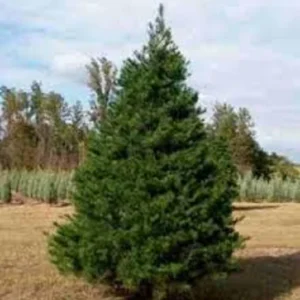
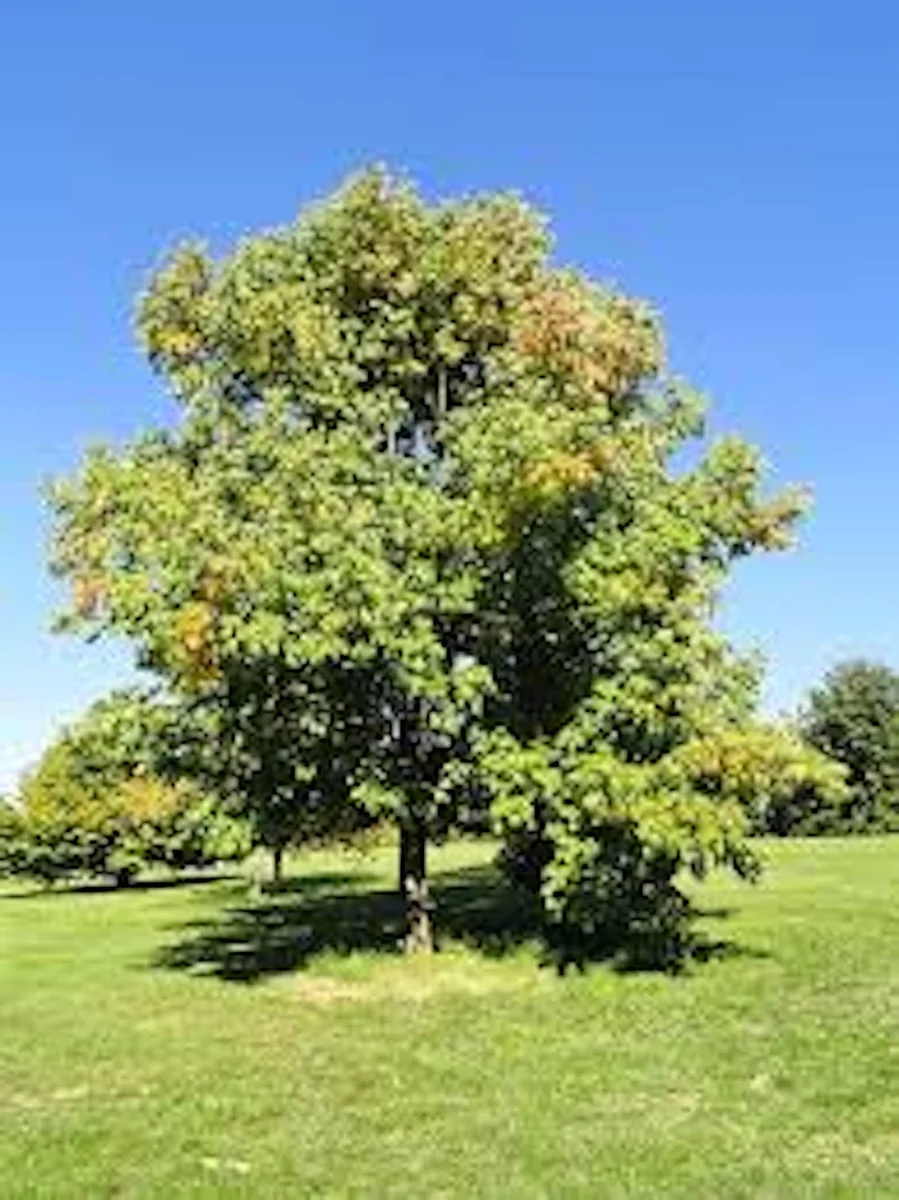
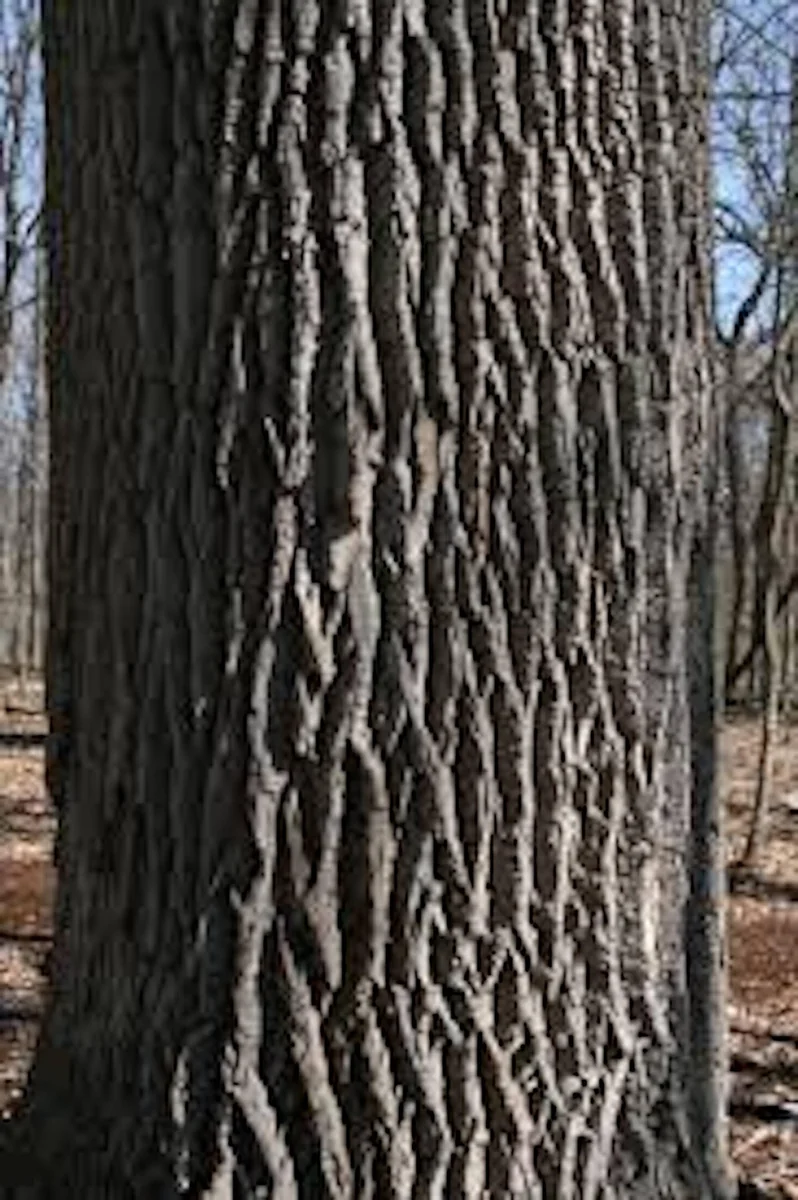
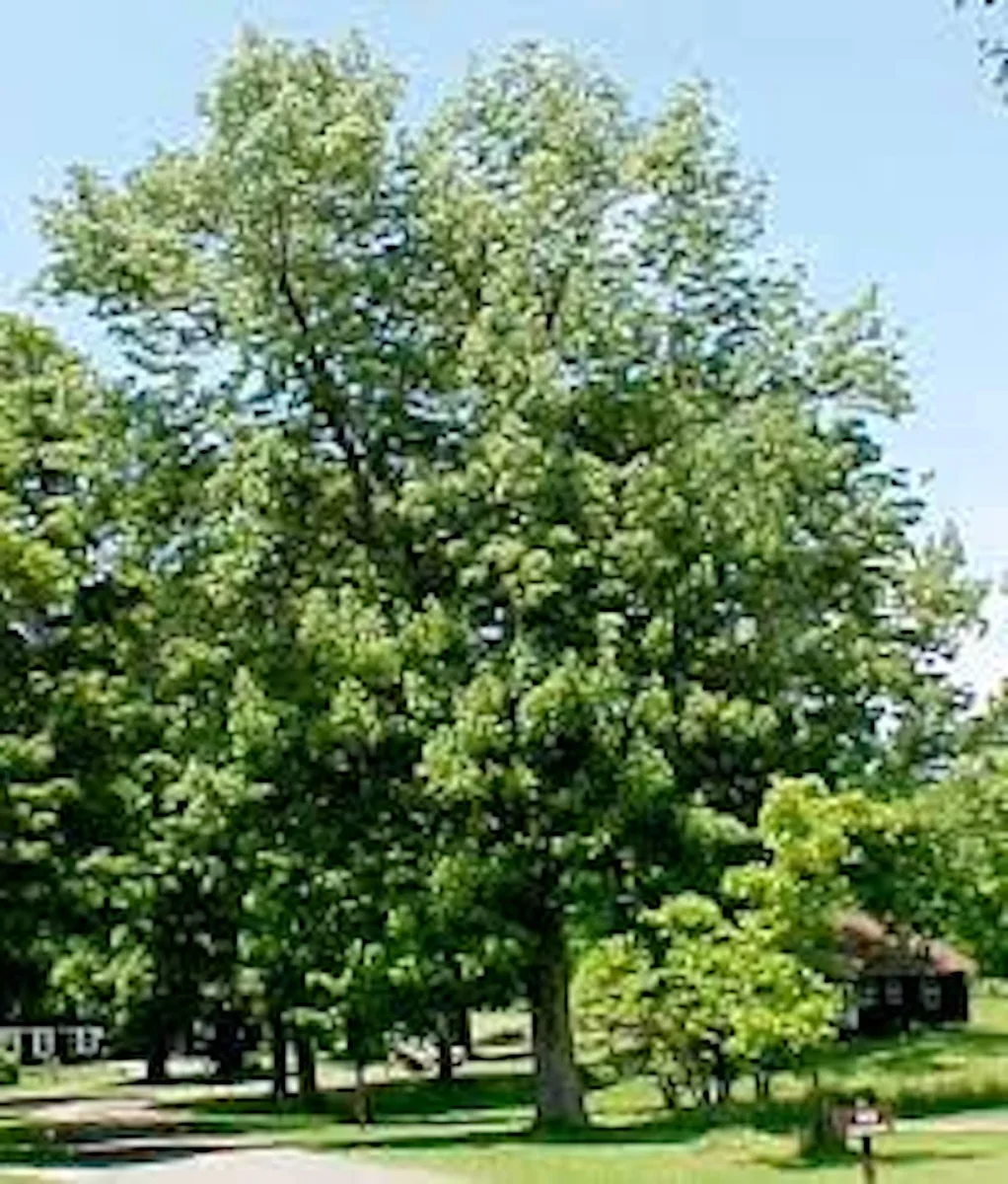
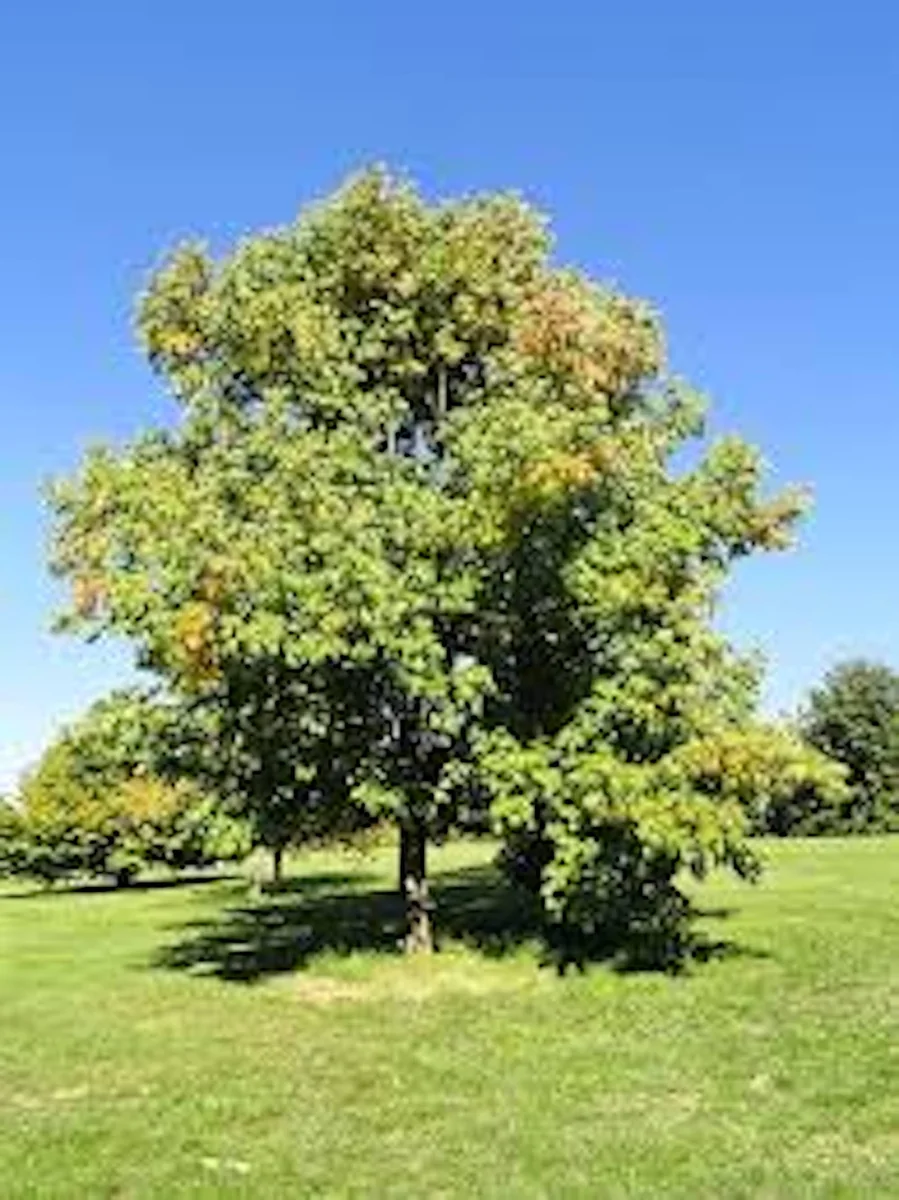
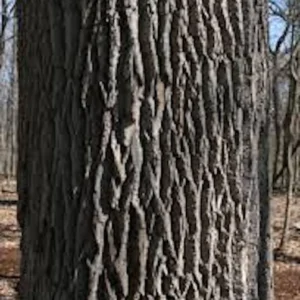
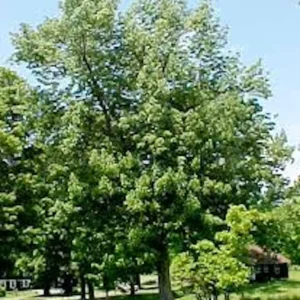
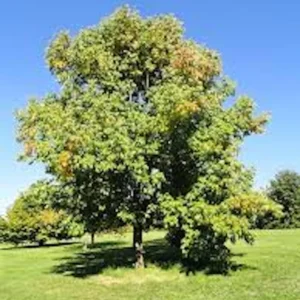
Cultivate a robust and majestic landscape with our white ash tree bare root. This offering includes three bare root specimens, each measuring 12-24 inches, ready for planting to establish a strong foundation. The Fraxinus americana plant, commonly known as the White Ash, is a distinguished native North American species celebrated for its remarkable strength and dense wood. Renowned for its utility, the wood of the White Ash has historically been a preferred material for crafting baseball bats, durable tool handles, and fine furniture. As a medium to large deciduous tree, it commands attention, typically reaching impressive heights of 50-80 feet with a substantial spread of 40-50 feet at maturity. A defining characteristic of the White Ash is its distinctive bark, which develops an intricate pattern of interlacing ridges and deep, diamond-shaped furrows as the tree matures, adding significant visual interest to any garden or natural setting. This live plant is an excellent choice for those looking to enhance their property with a long-lasting and ecologically beneficial tree.
Key Benefits
Investing in a white ash tree bare root offers numerous advantages for both your landscape and the environment. These bare root plants provide a cost-effective and efficient way to introduce large, established trees into your garden, ensuring vigorous growth from the start.
- Strong and Durable Wood: The White Ash is famous for its exceptionally strong and resilient wood, making it a valuable addition to natural landscapes where its timber could eventually be utilized for various applications, from construction to crafting.
- Significant Shade Provider: With its potential to reach heights of 50-80 feet and a spread of 40-50 feet, this tree offers substantial shade, contributing to cooler outdoor spaces and potentially reducing energy costs for nearby structures. The fraxinus americana plant is an excellent choice for creating a comfortable environment.
- Distinctive Bark Texture: The mature bark of the White Ash features a unique pattern of interlacing ridges and diamond-shaped furrows, providing year-round visual interest, especially during winter months when leaves have fallen.
- Adaptable to Various Soils: This resilient tree can thrive in a wide range of soil types, from clay to sand, and tolerates both acidic and alkaline conditions, making it a versatile choice for many different planting sites. This adaptability makes white ash tree care less demanding.
- Wildlife Habitat: The White Ash provides food and shelter for various wildlife, including birds and small mammals, contributing to biodiversity in your local ecosystem.
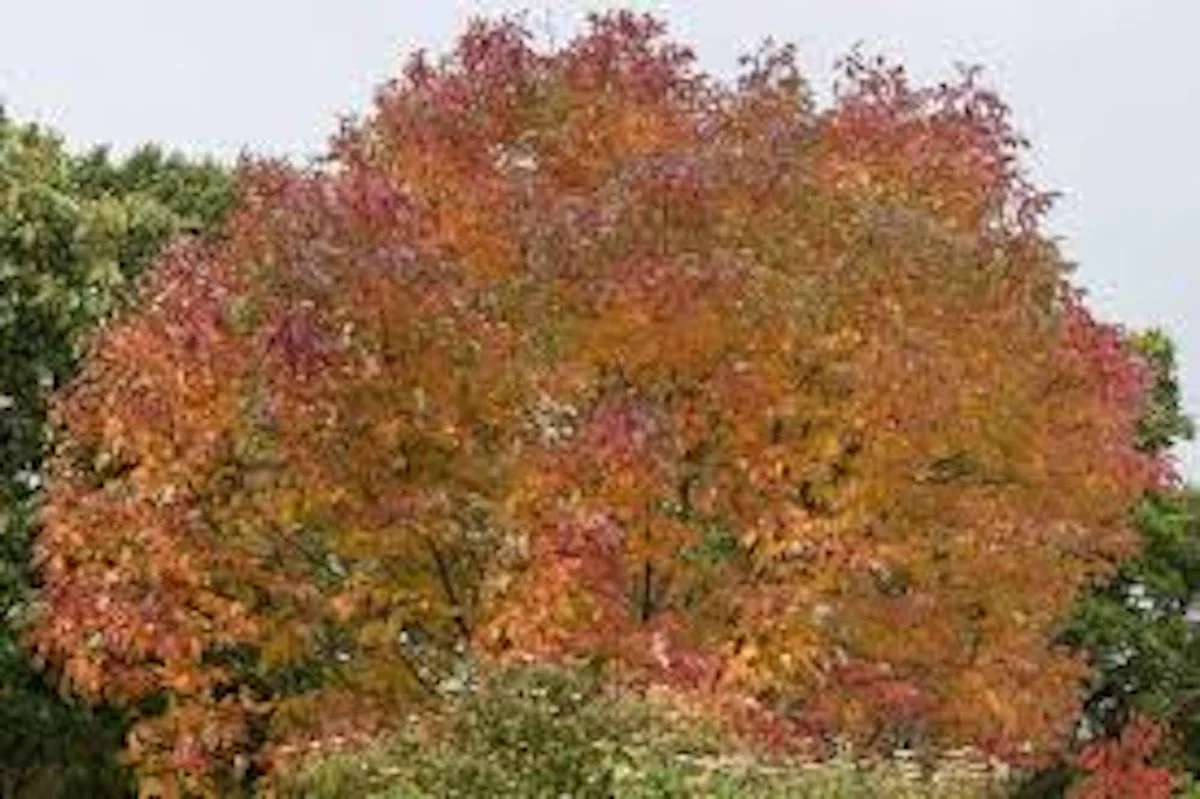
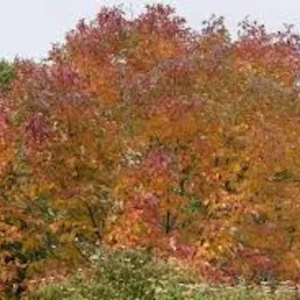
- Autumn Color: In the fall, the foliage of the White Ash transforms into attractive shades of yellow, purple, and maroon, adding seasonal beauty to your landscape.
- Easy Establishment from Bare Root: Planting a bare root tree planting allows for quick establishment, as the tree focuses its energy on root growth once planted, leading to a strong and healthy specimen.
Plant Care & Growing Tips
Proper care is essential for ensuring your white ash tree bare root thrives and develops into a magnificent specimen. The Fraxinus americana plant is relatively low-maintenance once established, but initial care is crucial for its long-term health. Plant your bare root trees as soon as possible after arrival, ideally in early spring before new growth begins. Dig a hole wide enough to accommodate the roots without bending them, and deep enough so the root collar (where the roots meet the trunk) is at or slightly above ground level. Fan out the roots evenly before backfilling with soil.
The White Ash prefers full sun, meaning at least six hours of direct sunlight per day, but it can tolerate part shade. It grows best in moist, organically rich, well-drained loams. While it tolerates a wide range of soil conditions, including clay, loam, sand, acidic, alkaline, and even temporarily flooded areas, optimal growth occurs with high nitrogen and moderate to high calcium in the soil. Water regularly after planting to keep the soil consistently moist, but not waterlogged. Once established, the tree requires medium moisture but can tolerate moderate drought.
The white ash tree care regimen includes occasional fertilization, especially if your soil is poor. Use a balanced tree fertilizer in early spring. Pruning should focus on removing dead, damaged, or crossing branches to maintain a strong structure. The USDA Hardiness Zones for the White Ash are 3 through 9A, indicating its resilience to a broad spectrum of climates. Regular monitoring for pests and diseases, though generally hardy, will help ensure your tree remains healthy. If you’re looking to buy ash tree online, ensure you’re prepared for these care requirements.
Size & Details
This offering includes three white ash tree bare root specimens. Each bare root tree measures approximately 12-24 inches in height at the time of shipment. These trees are shipped in their dormant state, without soil around their roots, which is the ideal condition for successful transplanting and minimizes transplant shock. The bare root format allows the tree to focus its energy on developing a strong root system once planted in your garden. The fraxinus americana plant is a medium to large tree, expected to reach a mature height of 50-80 feet with a spread of 40-50 feet. Its growth rate is considered medium to fast, typically adding 12-18 inches or more per year under optimal conditions. Expect to see significant growth and establishment in the first few years after planting, leading to a stately tree that provides substantial shade and aesthetic appeal for decades.
Frequently Asked Questions
- Q: How big does this plant get? A: The white ash tree bare root is a medium to large tree that can reach a mature height of 50-80 feet with a spread of 40-50 feet. Its size makes it ideal for larger landscapes and open spaces.
- Q: What size pot does it come in? A: This product consists of three 12-24 inch bare root trees. They do not come in pots, as they are shipped without soil around their roots, ready for direct planting. This method is excellent for bare root tree planting.
- Q: Is this an indoor or outdoor plant? A: The White Ash Tree is an outdoor plant, best suited for planting in gardens, yards, and naturalized areas where it has ample space to grow and mature.
- Q: How much sunlight does it need? A: The Fraxinus americana plant thrives in full sun, requiring at least six hours of direct sunlight daily. It can tolerate partial shade, but optimal growth and health are achieved in sunnier locations.
- Q: Is this plant easy to care for? A: Once established, the White Ash is relatively easy to care for, known for its hardiness and adaptability. Initial white ash tree care involves consistent watering and proper planting techniques to ensure successful establishment.
- Q: What condition will it arrive in? A: Your white ash tree bare root will arrive dormant and without leaves, carefully packaged to protect the roots during transit. This is the natural and healthy state for bare root trees, ready for planting.
- Q: When is the best time to plant? A: The best time for bare root tree planting is in early spring, as soon as the ground can be worked and before the tree breaks dormancy. This allows the roots to establish before the stress of summer heat.
- Q: Will it survive winter in my zone? A: The White Ash Tree is hardy and suitable for USDA Hardiness Zones 3 through 9A, meaning it can withstand a wide range of winter temperatures in most of the United States.
- Q: What type of soil does it prefer? A: The White Ash prefers moist, organically rich, well-drained loams but is highly adaptable and can tolerate various soil conditions, including clay, sand, acidic, and alkaline soils. It requires high nitrogen and moderate to high calcium for optimal growth.
- Q: Why should I choose to buy ash tree online as a bare root? A: Buying bare root trees online is often more economical and allows for easier handling and planting of larger quantities. Bare roots establish quickly as they are not restricted by a pot and can immediately spread their roots into the native soil.


Reviews
There are no reviews yet.