Overview
Introduce a touch of the exotic to your garden or patio with the remarkable Azadi Pomegranate live plant. This specific variety, Punica granatum ‘Azadi’, is highly sought after for its unique characteristics and robust growth. Unlike many other pomegranates, the Azadi boasts a soft-seeded interior, making the fruit a pleasure to eat fresh. This productive and resilient plant is also impressively drought-tolerant, an ideal feature for gardeners looking for low-maintenance fruit trees. Thriving in a range of climates, particularly USDA zones 8-11, it adapts well to both warm and temperate conditions. Whether you’re planning a home orchard or looking for an attractive container plant, the Azadi Pomegranate live plant offers both ornamental beauty and delicious fruit.
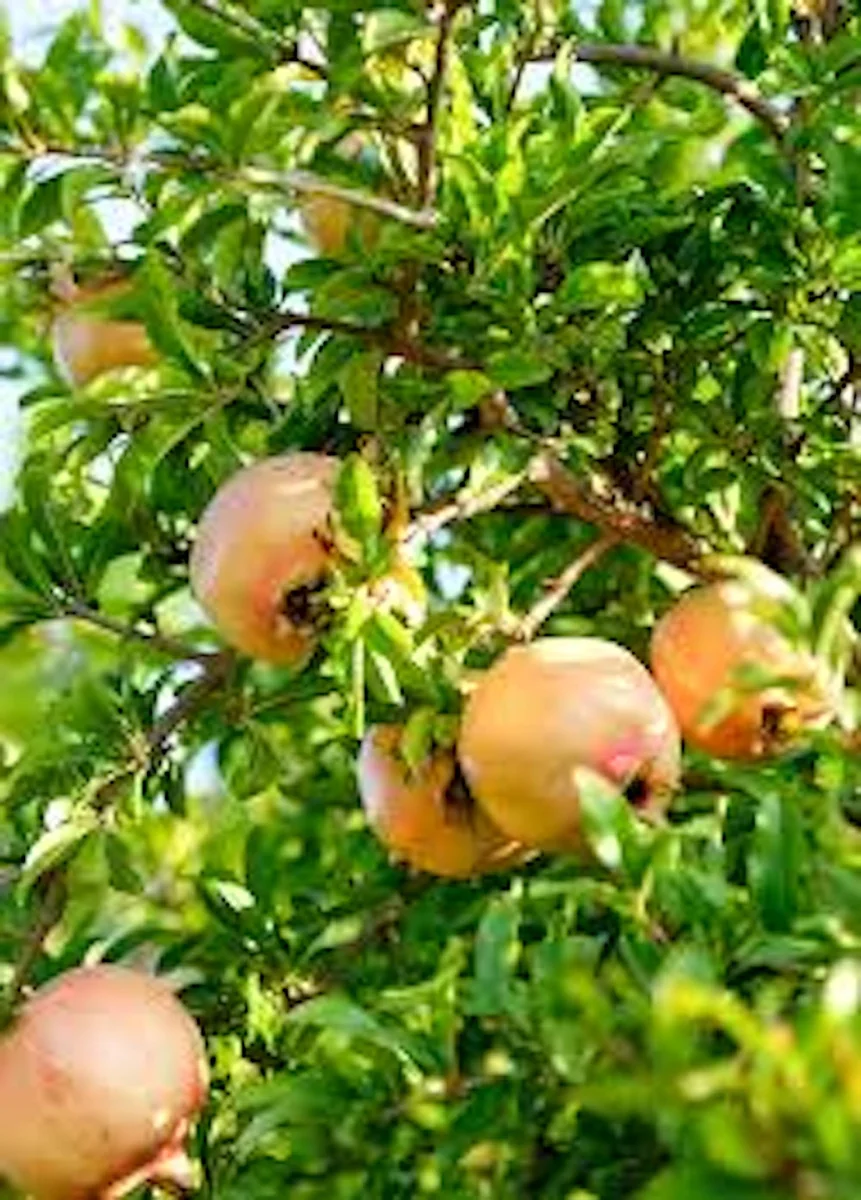
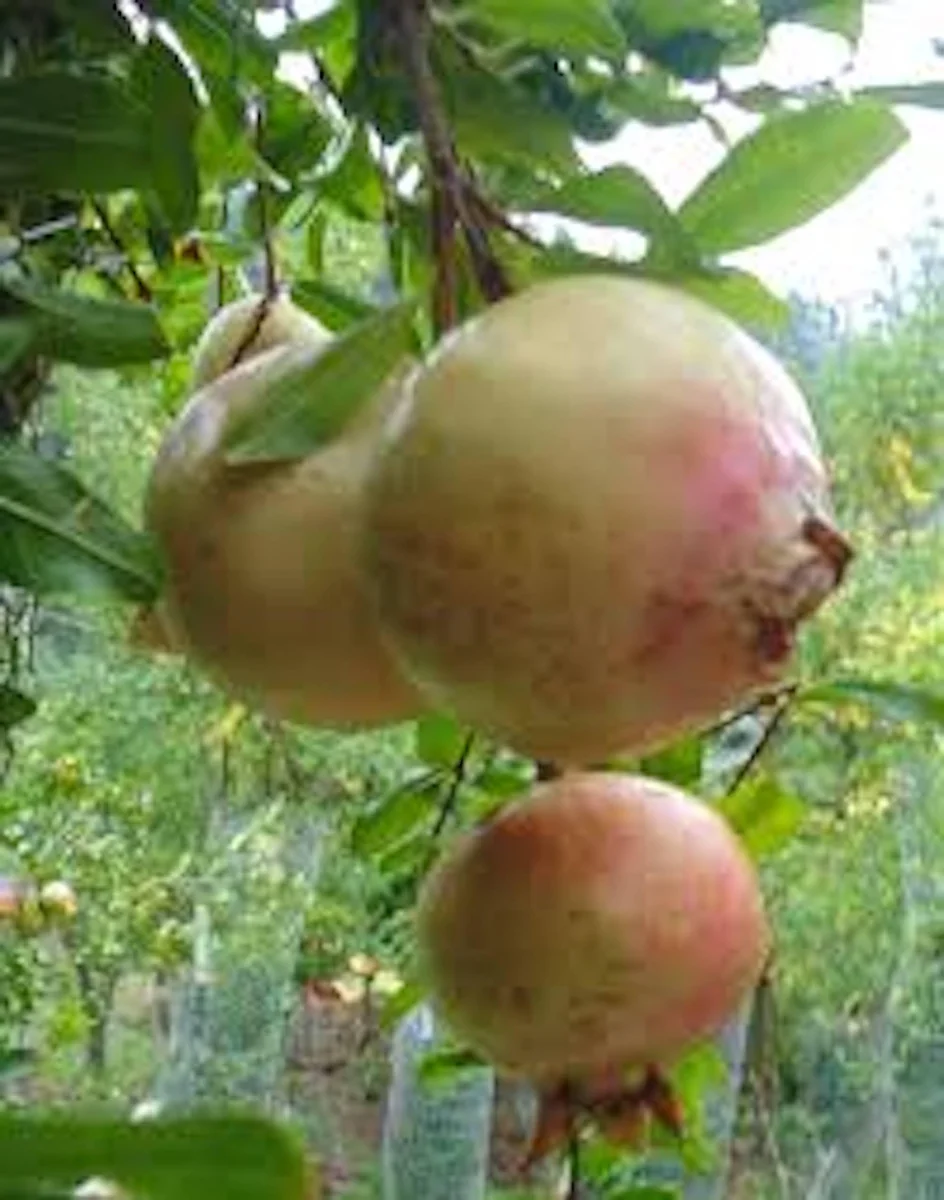
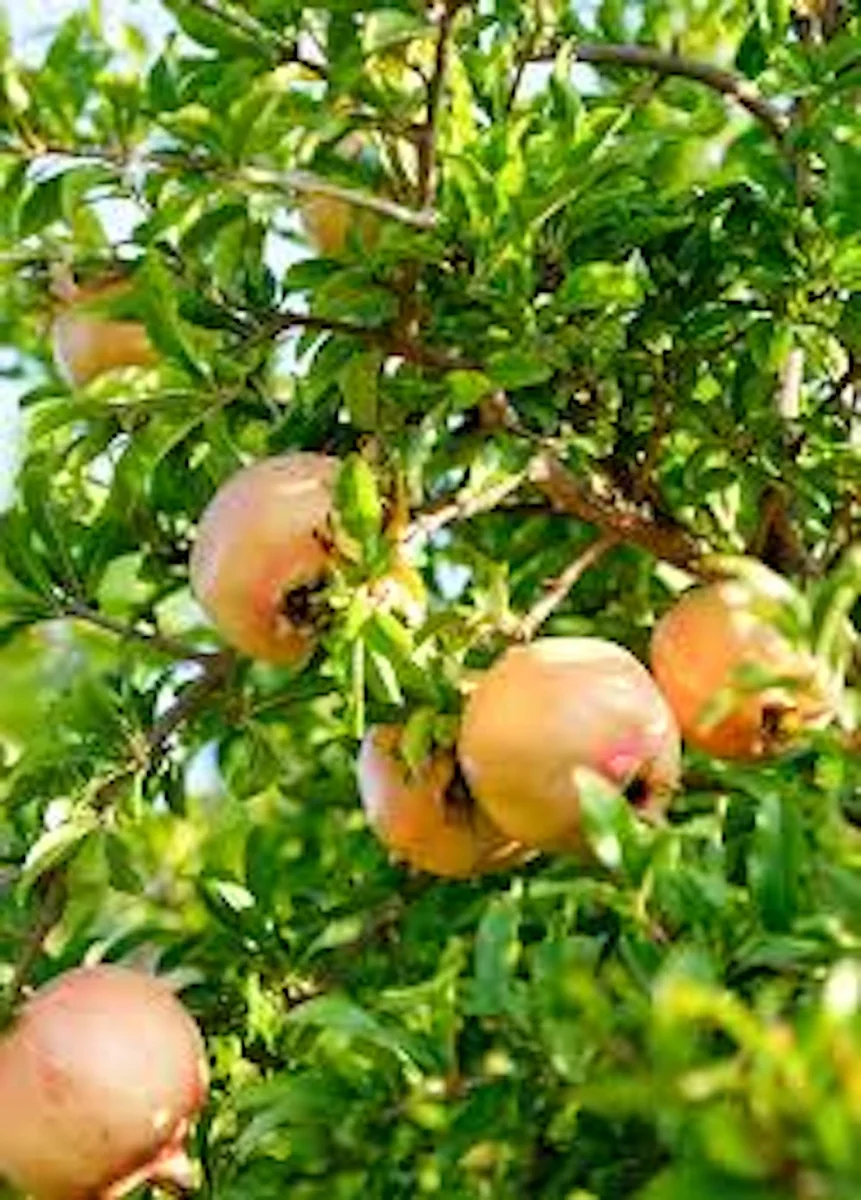
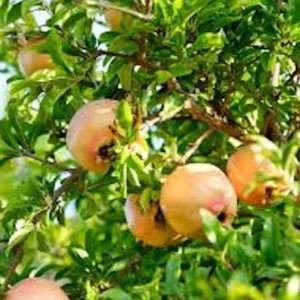
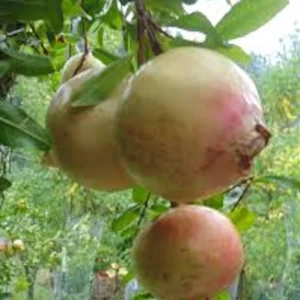
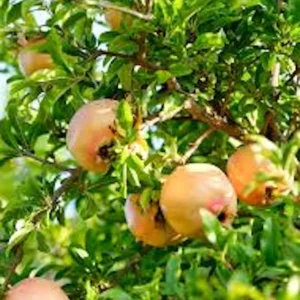
The Azadi pomegranate is celebrated not only for its fruit but also for its aesthetic appeal. Its beautiful pale pink skin and attractive foliage add visual interest to any landscape. As a starter plant, it provides an excellent foundation for growing your own mature fruit-bearing tree. With proper care, this Punica Granatum Azadi will become a cherished part of your garden, yielding sweet, juicy pomegranates season after season.
Key Benefits
The Azadi Pomegranate live plant offers a multitude of advantages for home gardeners, combining ease of care with bountiful rewards. Here are some of the key benefits you can expect from cultivating this exceptional fruit tree:
- Soft-Seeded Fruit: Enjoy pomegranates without the hassle of hard seeds. The Azadi variety is specifically known for its soft, edible seeds, making it a favorite for fresh consumption and juicing.
- Drought Tolerance: Once established, this plant is remarkably resilient to dry conditions, requiring less frequent watering than many other fruit trees. This makes it a sustainable choice for various climates.
- Productive Yield: Expect a generous harvest of delicious fruit from a mature Azadi Pomegranate live plant, providing ample pomegranates for your culinary needs.
- Versatile Growing: Suitable for both in-ground planting in home orchards and container gardening, offering flexibility for different garden sizes and styles.
- Attractive Foliage & Fruit: Beyond its fruit, the plant itself is ornamental, featuring lovely pale pink fruit skin and lush green foliage that adds beauty to your landscape.
- Adaptable to Climates: Thrives in a wide range of conditions, particularly USDA zones 8-11, making it a good choice for many regions across the US.
- Health Benefits: Pomegranates are rich in antioxidants and vitamins, offering a healthy and fresh addition to your diet directly from your garden.
Plant Care & Growing Tips
Caring for your Azadi Pomegranate live plant is relatively straightforward, especially given its hardy and drought-tolerant nature. To ensure optimal growth and fruit production, pay close attention to its specific needs for sunlight, water, soil, and temperature. This drought tolerant pomegranate thrives in conditions that mimic its native Mediterranean climate.
For sunlight, the Azadi pomegranate requires full sun, meaning at least 6-8 hours of direct sunlight per day. In hotter climates, some afternoon shade can be beneficial to prevent scorching, but generally, more sun leads to better fruit development. When it comes to watering, young plants need consistent moisture to establish a strong root system. Once mature, however, they are highly drought-tolerant. Water deeply but infrequently, allowing the top few inches of soil to dry out completely between waterings. Overwatering can lead to root rot, so ensure excellent drainage. The ideal soil type is a well-draining loam with a slightly acidic to neutral pH (6.0-7.0). If planting in a container, use a high-quality potting mix formulated for fruit trees or general outdoor plants, ensuring the pot has adequate drainage holes.
The Azadi pomegranate is suitable for USDA Hardiness Zones 8-11. It can tolerate temperatures down to about 10-15°F (-12 to -9°C) once established. In colder zones, it can be grown in containers and brought indoors during winter or protected with heavy mulching. Fertilize your pomegranate tree care with a balanced slow-release fertilizer in early spring, just as new growth begins, and again in mid-summer. Avoid heavy nitrogen fertilizers, which can promote foliage growth at the expense of fruit production. Pruning should be done in late winter or early spring to remove dead or crossing branches, encourage air circulation, and shape the tree for better fruit access. Watch out for common pests like aphids and scale insects, which can be managed with insecticidal soap, and fungal issues like leaf spot, which are often a result of poor air circulation or excessive humidity.
Size & Details
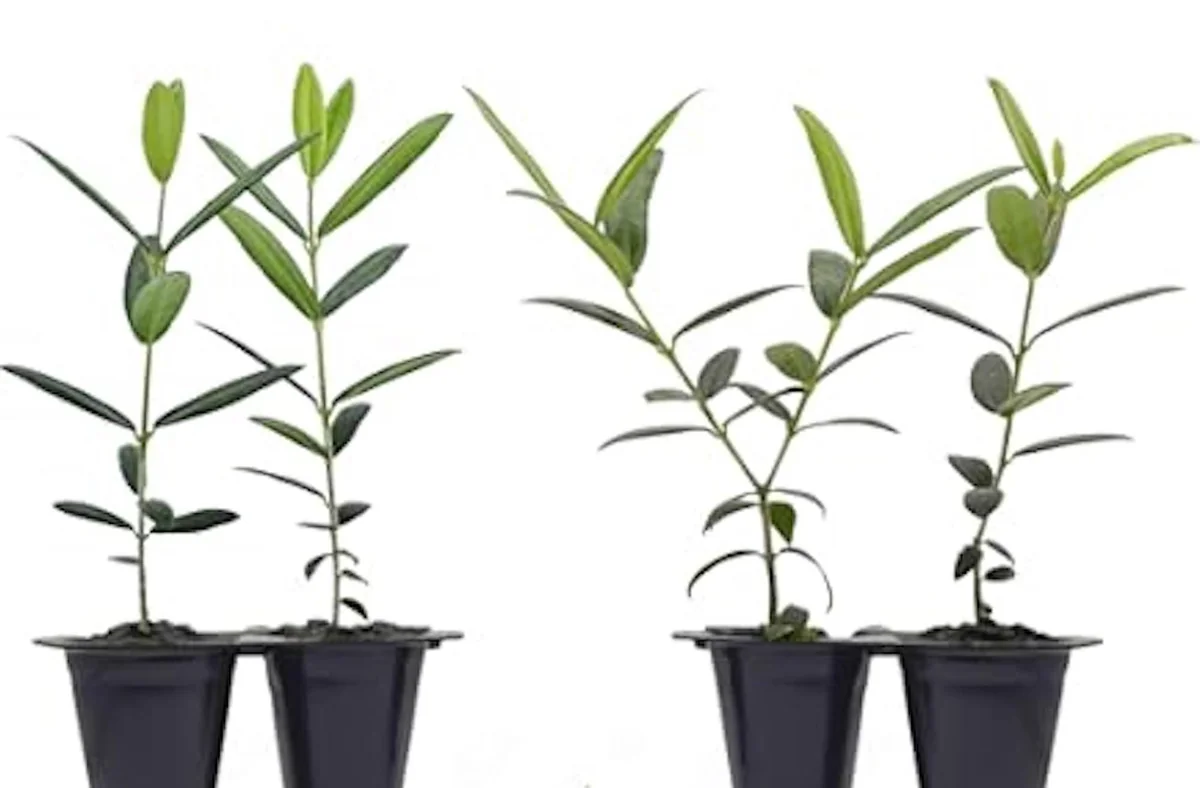
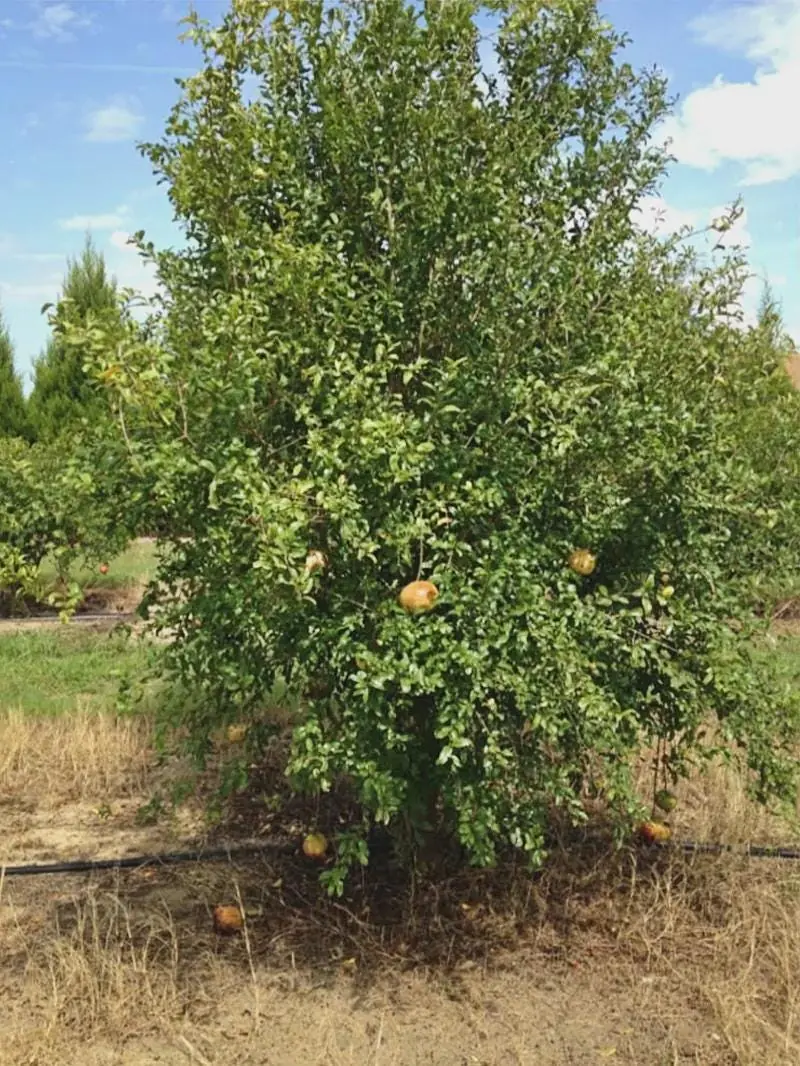
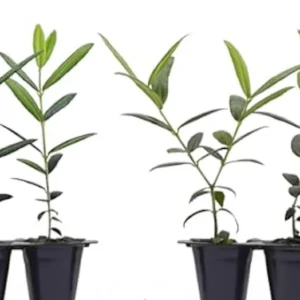
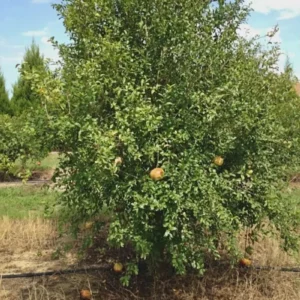
This offering is for a bare root Azadi Pomegranate starter plant, providing you with a healthy, young specimen ready for planting. Bare root plants are dormant and ship without soil or a pot, which minimizes transplant shock and allows for easier establishment in your garden. Upon arrival, it’s crucial to plant it promptly or temporarily heel it into moist soil or sawdust until you are ready. The exact size will vary, but starter plants are typically 6-12 inches tall, with a well-developed root system. The soft-seeded pomegranate is known for its moderate growth rate, reaching a mature height of 10-20 feet and a similar spread, though it can be kept smaller with regular pruning, making it suitable for smaller gardens or large containers. Expect fruit production to begin within 2-3 years, with increasing yields as the plant matures.
The Azadi pomegranate is a deciduous plant, meaning it will lose its leaves in the fall and winter, going dormant in preparation for new growth in spring. This natural cycle is essential for its health and productivity. When planting, ensure you provide enough space for its mature size, or plan for regular pruning if you intend to keep it compact. Its adaptability to various growing conditions, including its status as a drought tolerant pomegranate, makes it a rewarding addition to many landscapes.
Frequently Asked Questions
- Q: How big does this plant get? A: The Azadi Pomegranate live plant typically reaches a mature height and spread of 10-20 feet if left unpruned. With regular pruning, it can be maintained at a smaller, more manageable size, making it suitable for various garden spaces or large containers.
- Q: Is this an indoor or outdoor plant? A: The Azadi Pomegranate is best grown outdoors in USDA zones 8-11. In colder climates, it can be grown in a large container and brought indoors to a bright, cool location during the winter months to protect it from freezing temperatures.
- Q: How much sunlight does it need? A: This plant requires full sun, meaning at least 6-8 hours of direct sunlight per day for optimal growth and fruit production. Insufficient sunlight can lead to poor fruiting.
- Q: What condition will it arrive in? A: The plant will arrive as a bare root starter plant. This means it will be dormant, without soil or a pot, and its roots will be carefully packaged to retain moisture during transit.
- Q: Is this plant easy to care for? A: Yes, the Azadi Pomegranate live plant is considered relatively easy to care for, especially once established. Its drought tolerance and adaptability make it a good choice for both experienced and novice gardeners, particularly when following recommended pomegranate tree care guidelines.
- Q: How long until it produces fruit? A: You can typically expect your Azadi Pomegranate to begin producing fruit within 2-3 years after planting. Yields will increase as the plant matures.
- Q: Will it survive winter in my zone? A: This variety is hardy in USDA zones 8-11. If you are in a colder zone, you will need to provide winter protection, such as growing it in a container and moving it indoors, or heavily mulching if planted in the ground.
- Q: What makes this pomegranate variety special? A: The Azadi pomegranate is particularly special because it is a soft-seeded pomegranate, making the fruit much easier and more enjoyable to eat fresh compared to hard-seeded varieties. It’s also highly productive and a drought tolerant pomegranate.
- Q: Can I grow this plant in a pot? A: Absolutely! The Azadi Pomegranate is an excellent candidate for container gardening. Choose a large pot (at least 15-20 gallons) with good drainage and use a quality potting mix.
- Q: When is the best time to plant a bare root pomegranate? A: The best time to plant a bare root pomegranate is in late winter or early spring, while the plant is still dormant, before new growth begins.


Reviews
There are no reviews yet.