

Overview
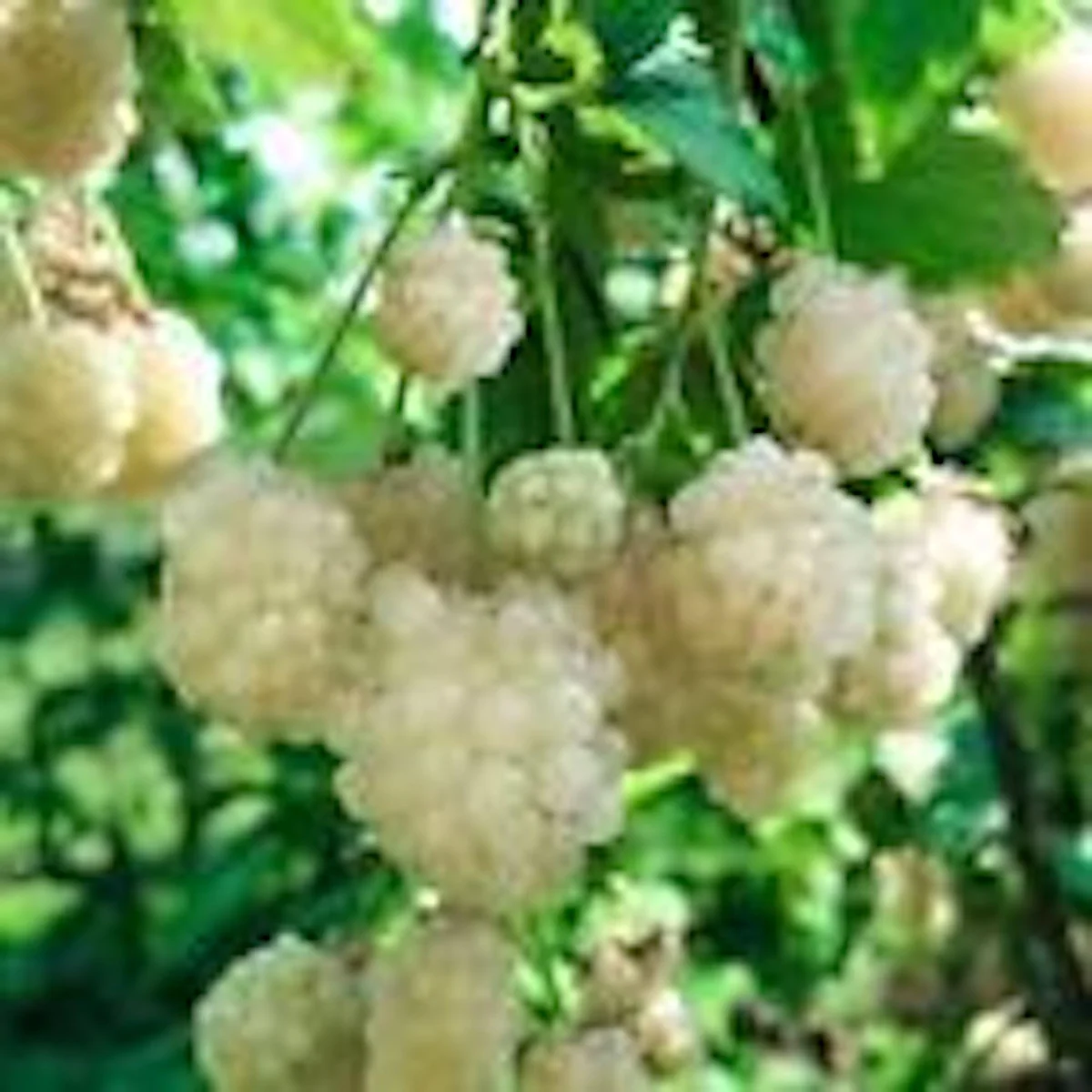
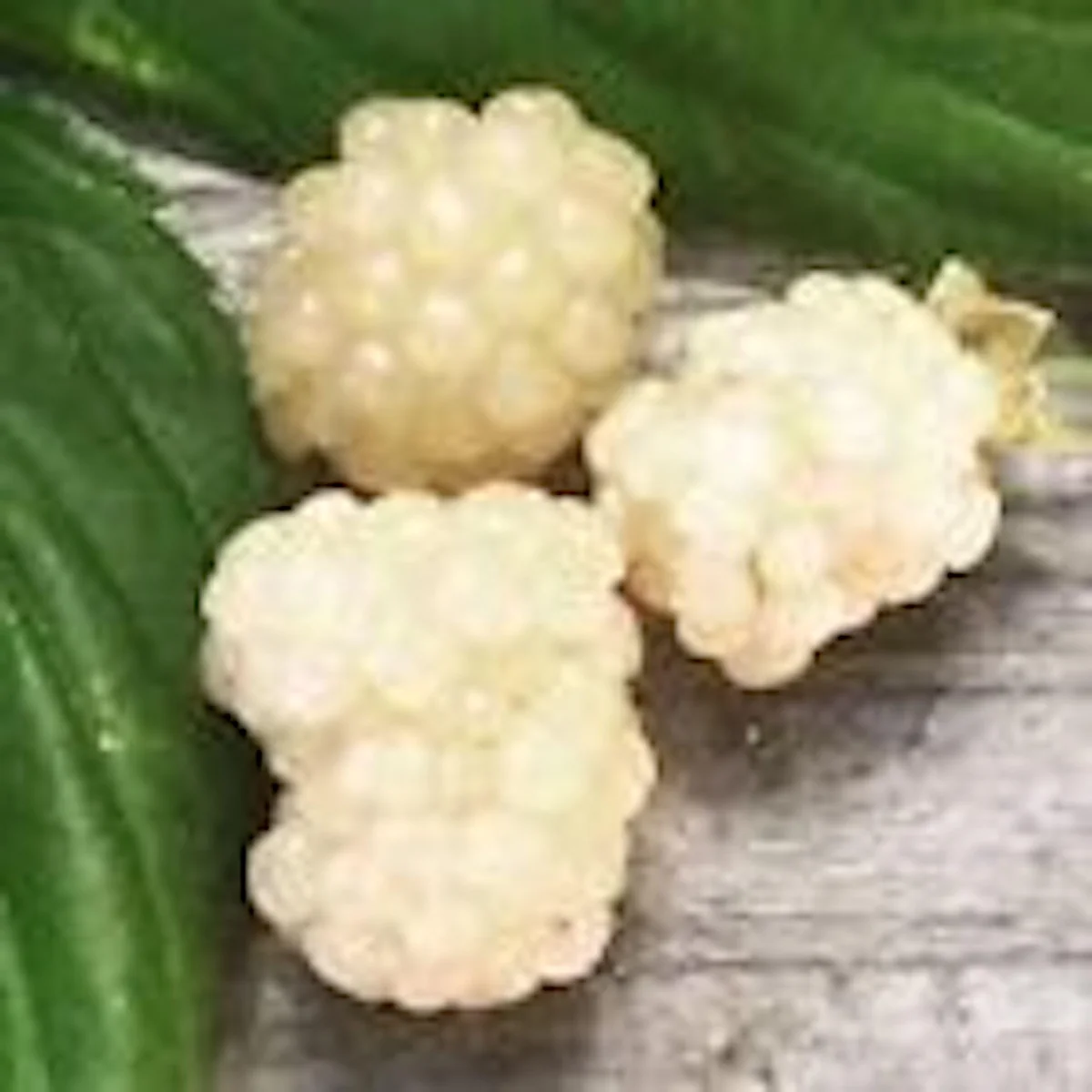
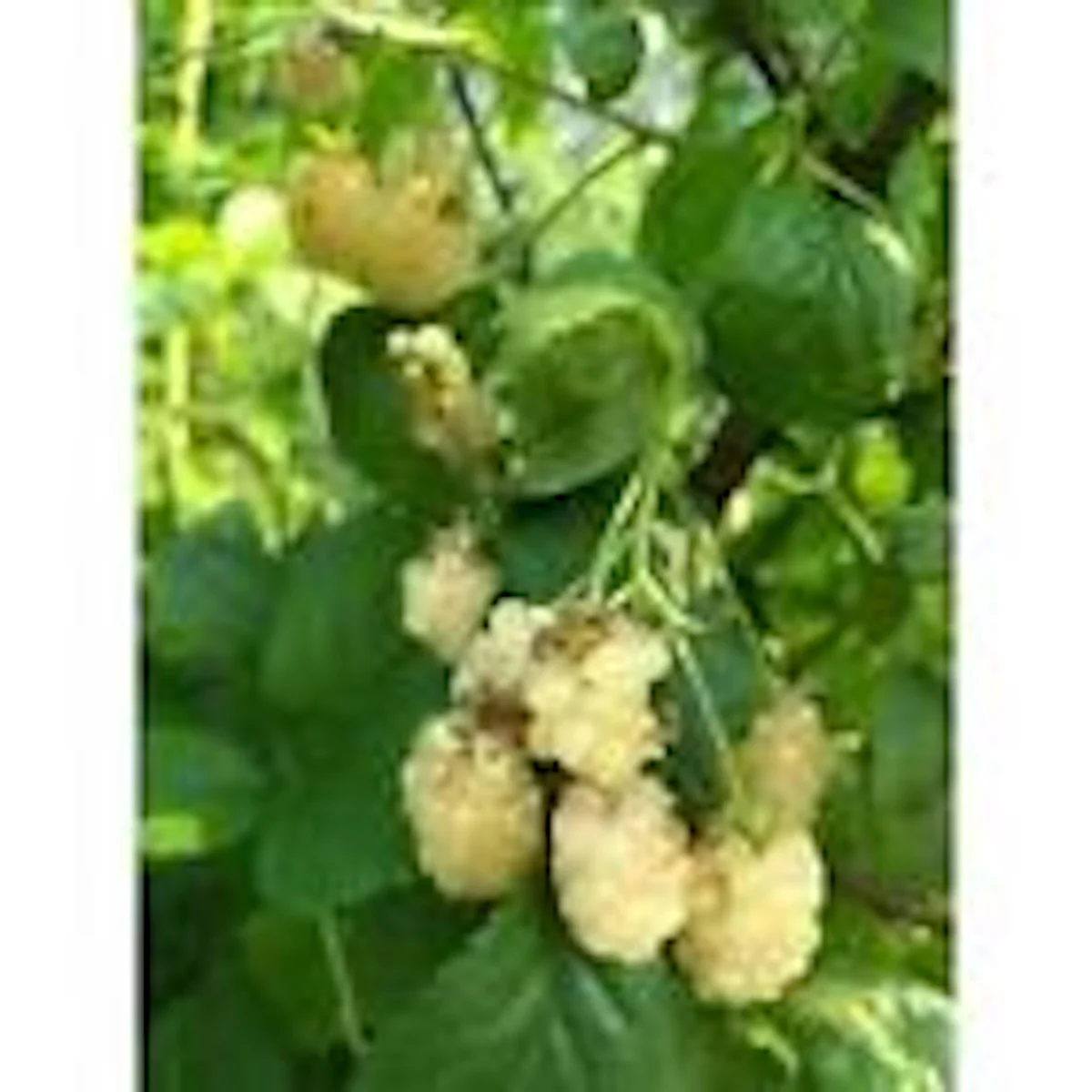
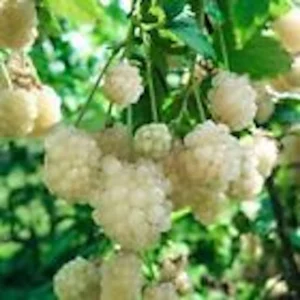
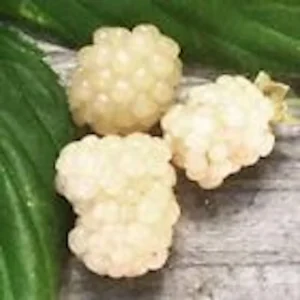
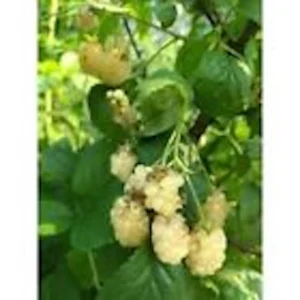
Introducing the Snowbank Blackberry live plant, a truly unique and visually striking addition to any garden or edible landscape. This exceptional variety of blackberry is celebrated for its distinctive white fruit, offering a sweet and flavorful experience unlike traditional black blackberries. Referred to as ‘Snowbank’ due to the fruit’s snow-white appearance, this plant is a conversation starter and a gourmet delight. Belonging to the genus Rubus within the rose family Rosaceae, these fruiting shrubs are known for their robust growth and ease of care, making them suitable for both experienced gardeners and enthusiastic beginners. Cultivating a white blackberry plant allows you to enjoy fresh, homegrown fruit with high levels of antioxidants, including vitamin C, vitamin K, potassium, and dietary fiber, right from your backyard.
The Snowbank Blackberry live plant was developed by the renowned horticulturist Luther Burbank, a testament to its quality and unique characteristics. While it is a thorny variety, the reward of its delicious and unusual white fruit far outweighs this minor consideration. These perennial shrubs are designed to thrive in USDA hardiness zones 5-9, preferring full sun exposure to produce an abundant harvest. Whether you’re looking to expand your home orchard, add a unique edible ornamental, or simply enjoy the freshest fruit, the Snowbank Blackberry offers an exciting and rewarding gardening journey. Its vigorous growth ensures you’ll be enjoying these rare white berries for years to come.
Key Benefits
The Snowbank Blackberry live plant offers a multitude of benefits, from its unique fruit to its relatively easy cultivation. This plant is an excellent choice for gardeners seeking both novelty and nutritional value in their landscape.
- Unique White Fruit Production: The primary appeal of the Snowbank Blackberry live plant is its production of distinctive white blackberries. These berries offer a sweet, mild flavor and are a visual stand-out compared to traditional black varieties, making them perfect for culinary experimentation and garden aesthetics.
- Rich in Antioxidants: Like their darker cousins, Rubus Snowbank plant berries are packed with beneficial antioxidants, including vitamin C and K, potassium, and dietary fiber. They are a healthy addition to any diet, supporting overall well-being.
- Vigorous and Hardy Growth: This thorny blackberry variety is known for its fast and robust growth, establishing itself quickly in suitable conditions. It is a perennial shrub, meaning it will return year after year, providing a consistent supply of fruit.
- Adaptable to Various Conditions: While preferring full sun, the Snowbank Blackberry is tolerant of a range of growing conditions, including some afternoon shade, especially in hotter climates. This adaptability makes it a versatile choice for many gardens.
- Long-Lived Productive Plant: With proper care and site selection, your edible blackberry plant can remain productive for about a decade, offering many seasons of fresh, homegrown white blackberries.
- Easy Care for Home Gardeners: Compared to more demanding ornamental plants, the Snowbank Blackberry is relatively easy to care for, resembling the hardiness of wild roses more than hybrid teas. This makes it a great option for gardeners of all skill levels.
- Culinary Versatility: The unique flavor and appearance of white blackberries make them excellent for fresh eating, jams, jellies, pies, desserts, or as an elegant garnish for drinks and dishes.
Plant Care & Growing Tips
Caring for your Snowbank Blackberry live plant is straightforward, especially when you understand its basic needs. These fruiting shrubs thrive with adequate sunlight, proper watering, and well-draining soil. To ensure a bountiful harvest of delicious white fruit, choosing the right location and following consistent care routines are key.
For optimal growth and fruit production, plant your Rubus Snowbank plant in a site that receives full sun, meaning at least 6-8 hours of direct sunlight per day. In regions with particularly hot summers, some afternoon shade can be beneficial to prevent scorching. The ideal soil is slightly acidic with excellent drainage; blackberries do not fare well in heavy clay soils. Consider planting in raised beds or an elevated site to improve drainage and protect early buds from late spring frosts. Moderate amounts of water are required, approximately 1 inch per week, either from rainfall or ground-level irrigation. Avoid overhead watering, which can encourage fungal diseases, and ensure the soil is consistently moist but never waterlogged, as wet soils can be detrimental to the plant’s health. This thorny blackberry variety is hardy in USDA zones 5-9.
Fertilization can begin once the plant is established, typically in its second year. Apply a balanced, slow-release fertilizer in early spring before new growth begins. Pruning is also an important aspect of care for your edible blackberry plant. Blackberries produce fruit on floricanes (second-year canes), so understanding how to prune effectively will maximize your yield. Remove dead or diseased canes as needed, and after fruiting, cut back the floricanes that have produced fruit to the ground. This encourages new growth and maintains plant vigor. Protect young plants from extreme winter conditions in the colder parts of their hardiness range with a layer of mulch around the base.
Size & Details
The Snowbank Blackberry live plant is typically shipped as a bare root starter plant, ready for immediate planting upon arrival. These vigorous plants grow quickly once established, developing into robust fruiting shrubs. While exact mature size can vary based on growing conditions and pruning, they generally reach a height of 5-8 feet and a similar spread, making them a significant presence in the garden. This white blackberry plant is a perennial, meaning it will return year after year and can remain productive for up to a decade with proper care. The plants are best suited for USDA hardiness zones 5-9.
Expect your Snowbank Blackberry live plant to begin producing fruit in its second year after planting, with increasing yields as it matures. The distinctive white berries ripen in mid-summer, offering a unique harvest. These plants are known for their fast growth rate, quickly filling out their allocated space. They are a thorny variety, so consider this when choosing a location and handling the plant. The ease of care and long-term productivity make this Rubus Snowbank plant a valuable investment for any home gardener looking for an unusual and delicious fruit.
Frequently Asked Questions
- Q: How big does this plant get? A: The Snowbank Blackberry live plant typically grows to a height of 5-8 feet and can spread similarly, depending on growing conditions and how it’s pruned. It’s a vigorous grower once established.
- Q: Is this an indoor or outdoor plant? A: This is an outdoor fruiting shrub, best suited for garden planting. It thrives in full sun conditions within its recommended USDA hardiness zones.
- Q: How much sunlight does it need? A: For optimal fruit production, the white blackberry plant requires at least 6-8 hours of direct sunlight per day. In very hot climates, some afternoon shade can be beneficial.
- Q: What condition will it arrive in? A: Your plant will arrive as a bare root starter, meaning it will not be in a pot or soil. This is a common and effective way to ship dormant plants for successful transplantation.
- Q: Is this plant easy to care for? A: Yes, the Snowbank Blackberry live plant is considered relatively easy to care for, especially compared to some other fruit-bearing plants. It’s quite hardy and tolerant of various conditions.
- Q: When is the best time to plant? A: The best time to plant bare root blackberries is typically in early spring, after the danger of hard frost has passed, allowing the plant ample time to establish before summer.
- Q: Will it survive winter in my zone? A: This Rubus Snowbank plant is hardy in USDA zones 5-9. If you are within these zones, it should survive winter with minimal protection, especially if mulched in colder areas.
- Q: What’s the ideal soil for this blackberry? A: An ideal soil is slightly acidic, fertile, and most importantly, well-draining. Blackberries do not tolerate standing water or heavy clay soils.
- Q: How long until it produces fruit? A: You can generally expect your edible blackberry plant to begin producing its unique white fruit in the second year after planting. Yields will increase as the plant matures.
- Q: Can I grow this thorny blackberry variety in a container? A: While possible, blackberries prefer to spread and are best grown directly in the ground. If using a container, choose a very large one (at least 20-25 gallons) and ensure excellent drainage.


Reviews
There are no reviews yet.