
Overview
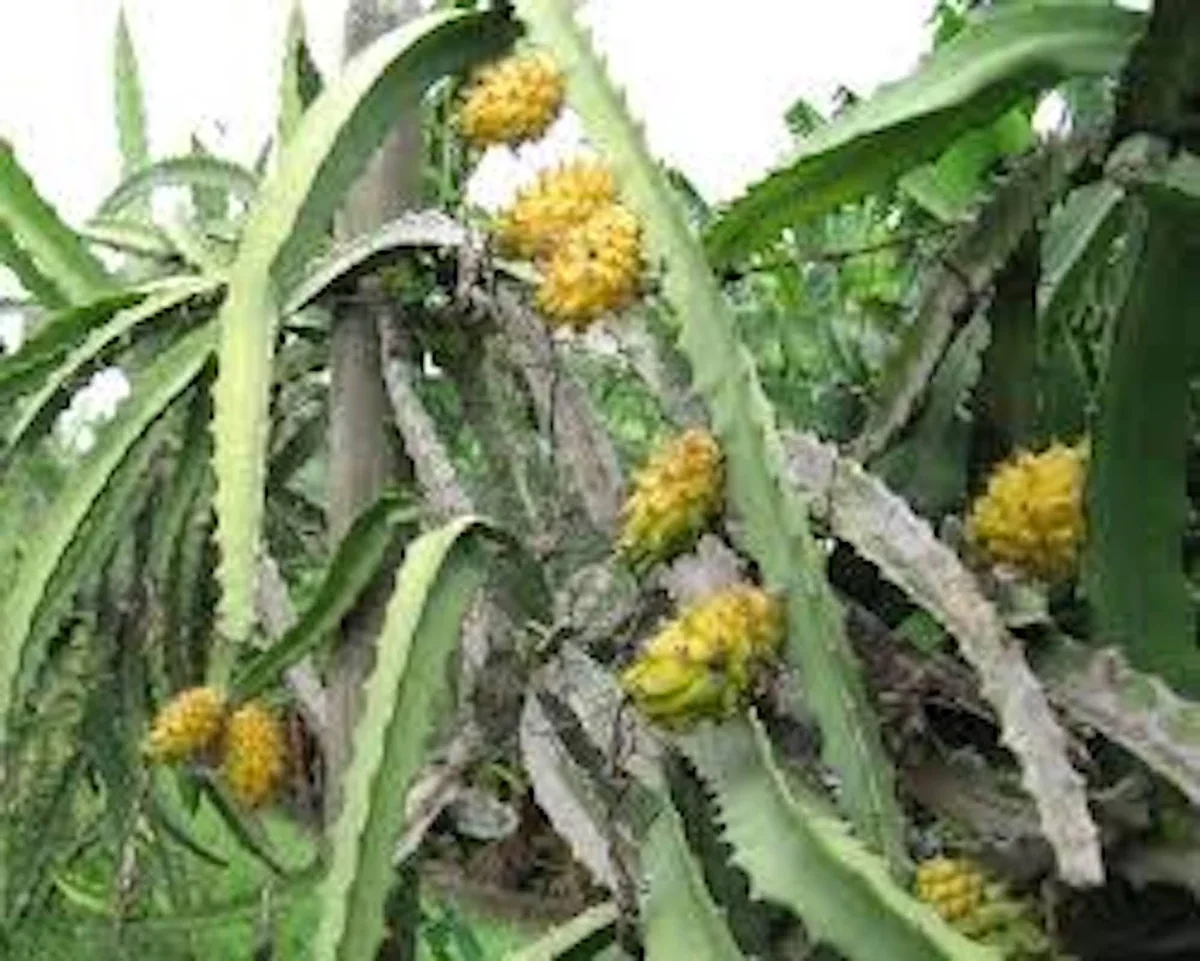
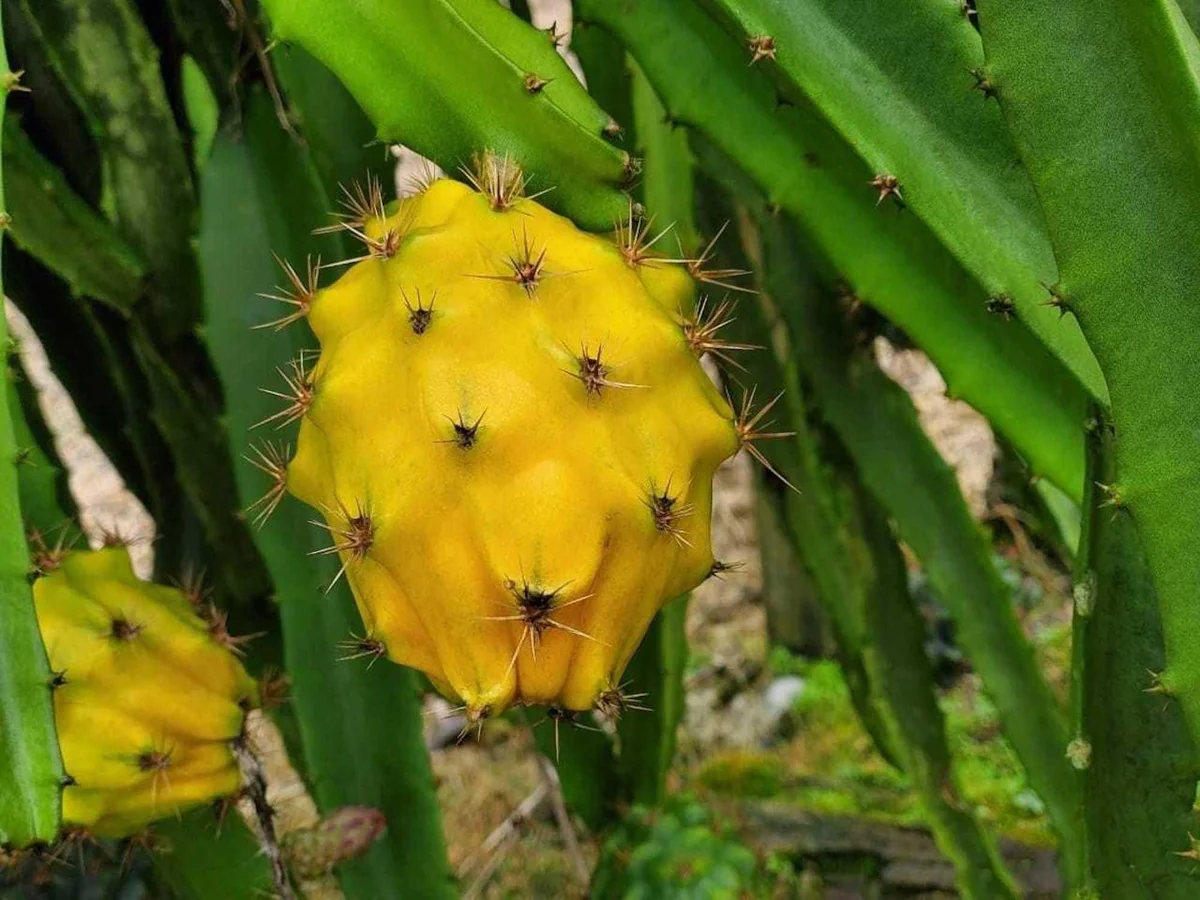
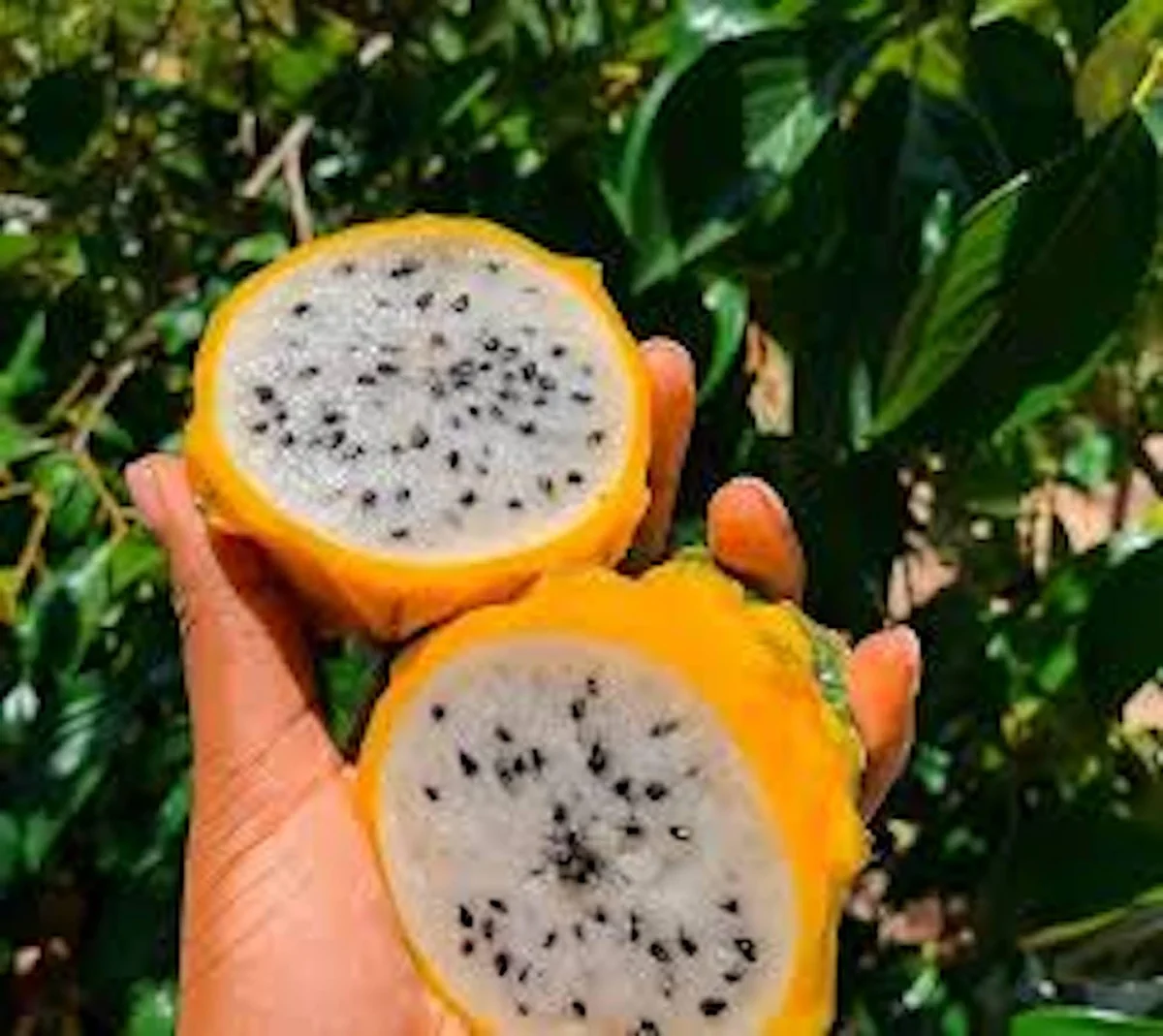
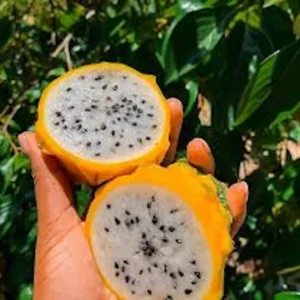
Embark on an exciting horticultural journey with your very own yellow dragon fruit live plant starter plug. This unique tropical fruit, scientifically known as Selenicereus megalanthus, is also commonly referred to as yellow pitaya starter or simply yellow pitahaya. Unlike its red-skinned relatives, the yellow variety boasts a distinctively sweet flavor and vibrant yellow skin, encasing succulent white flesh dotted with tiny, edible black seeds. This vigorous, climbing cactus is a fascinating addition to any garden, especially in warmer climates, promising not only delicious fruit but also an intriguing growth habit. Cultivating your own yellow dragon fruit live plant allows you to enjoy fresh, organic produce right from your backyard or patio.
Originating from Central and South America, the Selenicereus megalanthus is a true gem among tropical fruits. Its striking appearance and delectable taste make it a favorite for both culinary enthusiasts and gardeners seeking something out of the ordinary. This starter plug provides a convenient and effective way to begin your dragon fruit cultivation, setting you up for a rewarding harvest in the future. The plant’s climbing nature means it will require support, such as a trellis or stake, to thrive and produce its best fruit, adding an architectural element to your garden design.
Key Benefits
Growing a yellow dragon fruit live plant offers a multitude of benefits, from its unique aesthetic appeal to the delicious, nutritious fruit it produces. This tropical wonder is more than just a garden novelty; it’s a source of enjoyment and health.
- Exotic Fruit Production: Enjoy the unparalleled taste of fresh, sweet yellow dragon fruit live plant straight from your garden. The yellow pitaya is known for its superior sweetness compared to red varieties, making it a highly sought-after delicacy.
- Vigorous Growth Habit: As a climbing cactus, Selenicereus megalanthus grows vigorously, quickly establishing itself and creating an impressive display. Its unique form adds a dynamic element to trellises, arbors, or other support structures.
- Nutrient-Rich Harvest: The fruit is not only delicious but also packed with vitamins, minerals, and antioxidants, contributing to a healthy diet. Growing your own ensures you have access to fresh, chemical-free produce.
- Ornamental Appeal: Beyond its fruit, the yellow pitaya starter itself is an attractive plant with its lush, segmented stems and potential for stunning nocturnal flowers, adding beauty to your outdoor space.
- Adapts to Warm Climates: Thriving in USDA Zones 9B-11, this plant is well-suited for warm, humid environments, making it an excellent choice for many southern and coastal regions.
- Drought Tolerance: Once established, the yellow dragon fruit plant exhibits some drought tolerance, reducing the need for constant watering compared to many other fruit-bearing plants.
- Rewarding Growing Experience: Cultivating this unique tropical fruit provides a deeply satisfying experience, allowing gardeners to connect with nature and enjoy the fruits of their labor.
Plant Care & Growing Tips
Proper care is essential for ensuring your yellow dragon fruit live plant thrives and produces abundant fruit. This vigorous climbing cactus requires specific conditions to reach its full potential. For optimal growth, the Selenicereus megalanthus prefers full sun, ideally receiving at least 6-8 hours of direct sunlight per day. While it can tolerate partial shade, too little sun may result in fewer flowers and less fruit. Ensure your plant is positioned in an area that receives ample warmth and light, which is crucial for the development of its sweet yellow pitaya fruits.
When it comes to soil, a well-draining mix rich in organic matter is paramount for healthy growing dragon fruit. Cactus or succulent potting mixes can be amended with compost to provide the necessary nutrients and drainage. Avoid heavy, waterlogged soils, as these can lead to root rot. Regular watering is required, especially when the plant is young or during dry periods. Allow the top inch or two of soil to dry out between waterings to prevent overwatering. Established plants are somewhat drought-tolerant but will benefit from consistent moisture during fruiting. Understanding selenicereus megalanthus care also involves protecting it from frost, as it is sensitive to cold temperatures and thrives in USDA Zones 9B-11.
Fertilization should be done during the growing season (spring and summer) using a balanced, low-nitrogen fertilizer. Pruning is also important to manage the plant’s size, encourage branching, and improve air circulation, which can help in preventing pests and diseases. Support structures like trellises or sturdy stakes are vital for this climbing cactus to grow vertically and bear fruit effectively. By following these tropical fruit plant care guidelines, you’ll be well on your way to a successful harvest of delicious yellow dragon fruit.
Size & Details
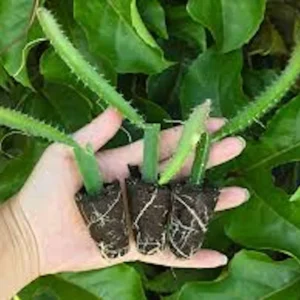
This offering is for 1 Yellow Dragon Fruit Starter Plug, a live plant ready for transplanting. Each starter plug provides a healthy, young specimen of Selenicereus megalanthus, commonly known as yellow pitaya starter. These plugs are typically rooted cuttings, approximately a few inches in height, with developing root systems designed to establish quickly in your garden or container. The vigorous growth habit of this plant means it will rapidly develop into a substantial climbing cactus once planted in suitable conditions.
While initial size is compact for shipping, expect your yellow dragon fruit live plant to grow vigorously, reaching several feet in length within a year with proper care and support. The plant will require a sturdy trellis, post, or wall for climbing. Fruit production typically begins within 1-3 years from planting, depending on environmental conditions and care. These starter plugs are an excellent way to begin your journey of growing dragon fruit and enjoying fresh, homegrown tropical produce.
Frequently Asked Questions
- Q: How big does this yellow dragon fruit live plant get? A: As a climbing cactus, it can grow quite large, with stems reaching 10-20 feet or more in length. It requires a sturdy support structure like a trellis or post to climb.
- Q: Is this an indoor or outdoor plant? A: This is primarily an outdoor plant, thriving in warm, humid climates (USDA Zones 9B-11). In colder zones, it can be grown in a large container and brought indoors during winter, but fruiting may be less prolific.
- Q: How much sunlight does the yellow pitaya starter need? A: It prefers full sun, meaning at least 6-8 hours of direct sunlight per day. It can tolerate partial shade, but direct sun is best for fruit production.
- Q: Is this plant easy to care for? A: While it has specific needs regarding sun, soil, and frost protection, selenicereus megalanthus care is generally considered moderate. Once established, it can be relatively low-maintenance, especially in its ideal climate.
- Q: What condition will the tropical fruit plant arrive in? A: Your starter plug will arrive as a healthy, live plant, typically bare root or with minimal soil, carefully packaged to ensure its safe journey to your home.
- Q: How long until it blooms and fruits? A: With optimal conditions, the plant can begin blooming and fruiting within 1-3 years from the time of planting the starter plug.
- Q: Will it survive winter in my zone? A: This plant is sensitive to frost and thrives in USDA Zones 9B-11. If you are in a colder zone, you will need to provide winter protection or grow it in a container that can be moved indoors.
- Q: What type of soil is best for growing dragon fruit? A: A well-draining soil mix rich in organic matter is ideal. A cactus or succulent blend amended with compost works well to provide both drainage and nutrients.
- Q: Can I grow this plant in a pot? A: Yes, you can grow a yellow dragon fruit live plant in a large container, especially useful for those in colder climates who need to move the plant indoors during winter. Ensure the pot has excellent drainage.
- Q: Is this the sweet yellow variety or a sour one? A: This is the sweet yellow variety of dragon fruit, Selenicereus megalanthus, known for its distinctively sweet flavor compared to other dragon fruit types.


Reviews
There are no reviews yet.