Overview
Experience the joy of growing your own fruit with the Chicago Hardy Fig live plant. This robust and highly sought-after variety of Ficus carica, also known as ‘Bensonhurst Purple’, is celebrated for its remarkable ability to withstand colder temperatures, making it an ideal choice for gardeners in a wide range of climates. Unlike many other fig varieties, the Chicago Hardy Fig live plant is a self-pollinating fig, meaning you only need one plant to produce a bountiful harvest of sweet, delicious fruit. This starter plug provides a healthy, vigorous young plant ready to establish itself in your garden, offering the promise of fresh, homegrown figs for years to come. Whether you’re an experienced gardener or just starting out, this resilient fig tree is a fantastic addition to any edible landscape.
The cold tolerant fig tree is particularly favored in regions where other figs struggle to survive the winter. Its ability to regrow from the roots even if the top growth dies back from extreme cold ensures a consistent yield. This adaptability makes it a popular choice for those looking for a reliable fruit producer that can handle diverse environmental conditions. Imagine harvesting your own plump, sweet figs right from your backyard, a truly rewarding experience made possible by the hardiness of this exceptional variety. This starter plug is the perfect beginning for establishing a thriving fig presence in your garden.
Key Benefits
The Chicago Hardy Fig live plant offers numerous advantages for both novice and experienced gardeners, providing a rewarding and delicious addition to your landscape. Its unique characteristics make it a standout choice among fruit-bearing plants.
- Exceptional Cold Tolerance: This fig variety is renowned for its ability to survive harsh winters, often regrowing from the roots even after significant frost damage. This makes it a reliable choice for a cold tolerant fig tree in USDA Zones 5-10, extending the range where figs can be successfully grown.
- Self-Pollinating Nature: As a self pollinating fig, it does not require a second tree or specific pollinator insects to produce fruit. A single plant is sufficient to ensure a generous harvest, simplifying cultivation for home gardeners.
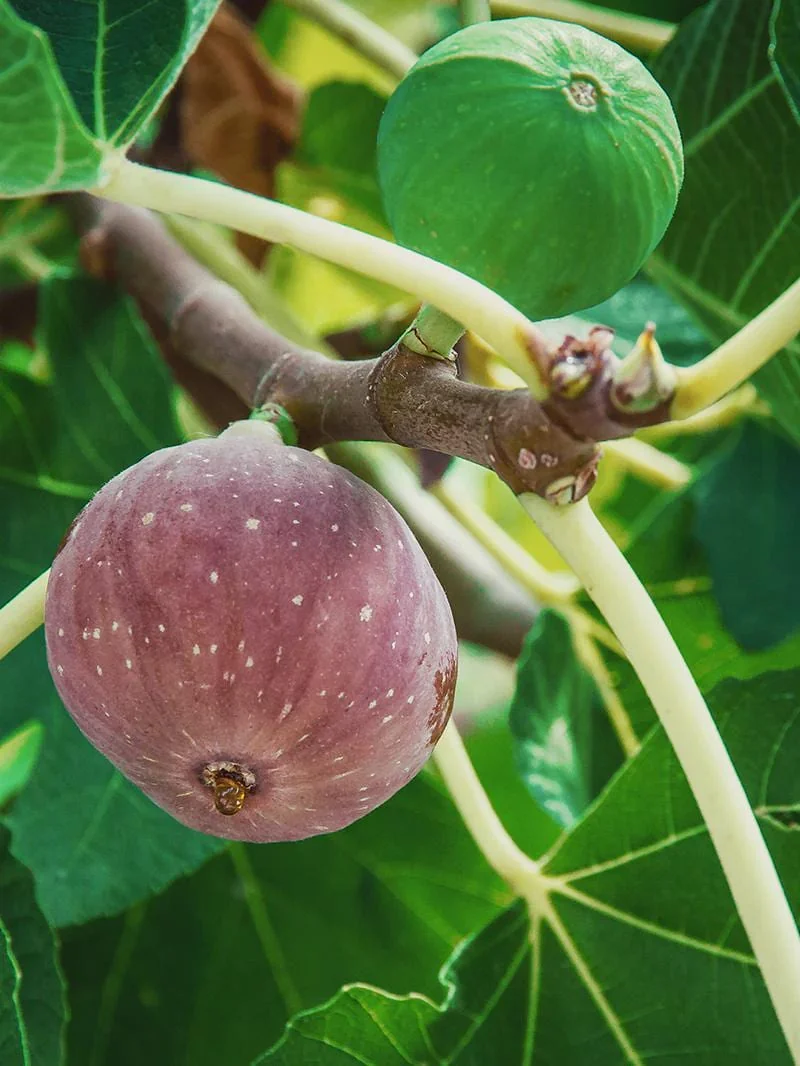
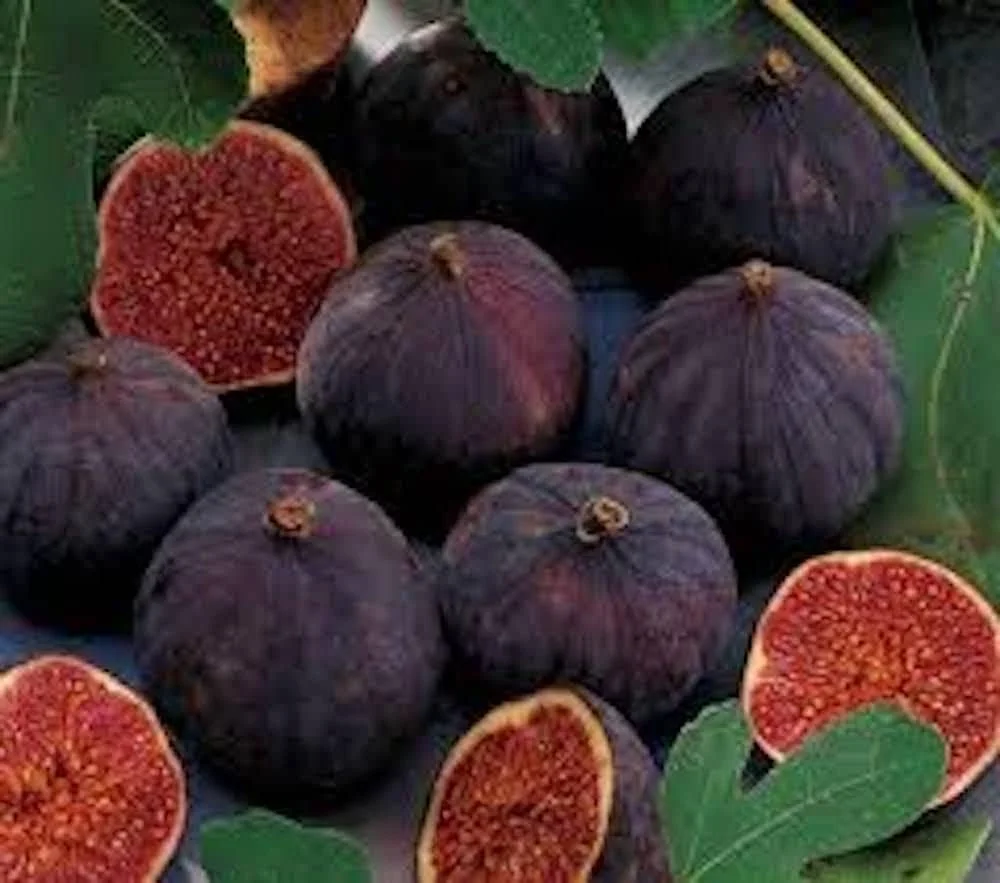
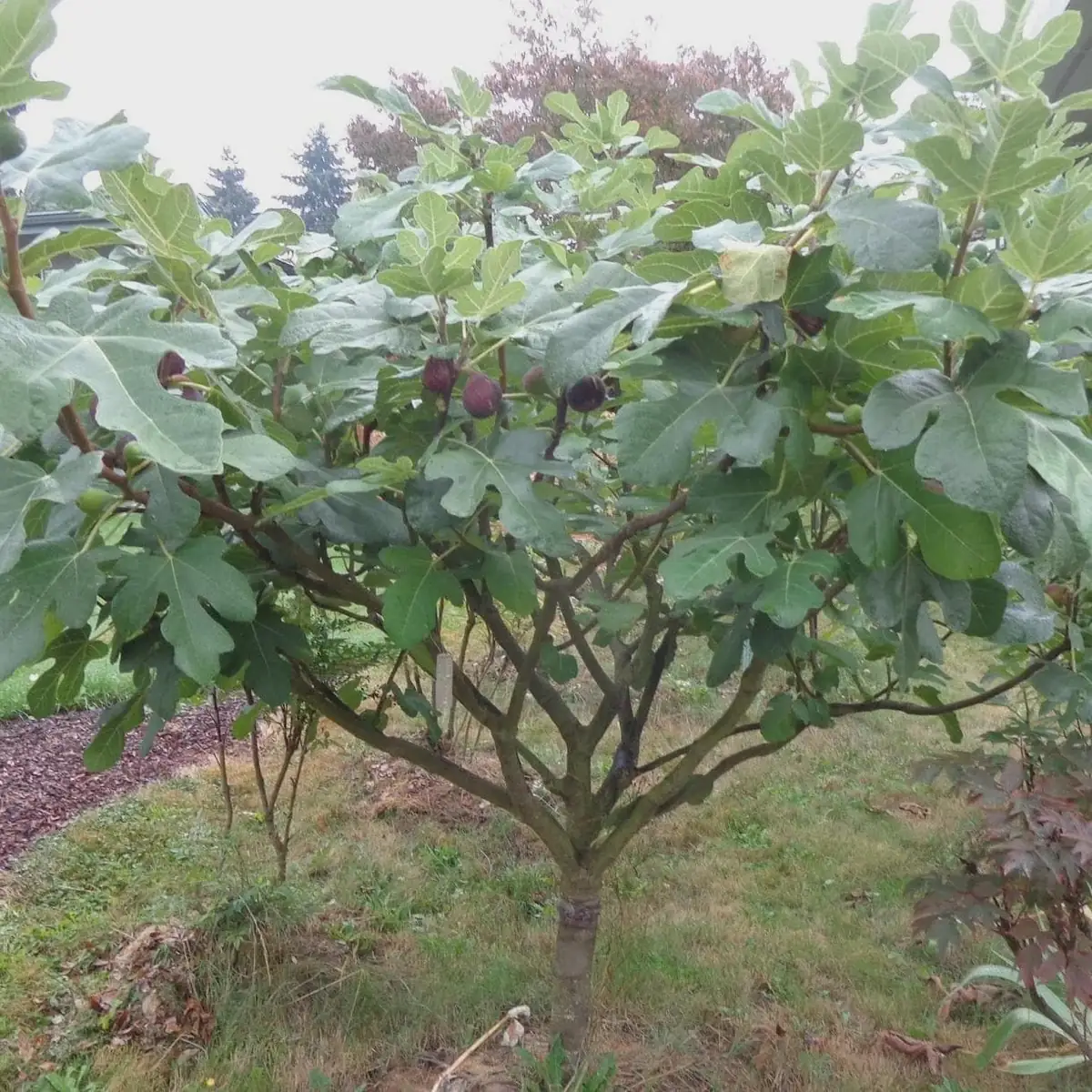
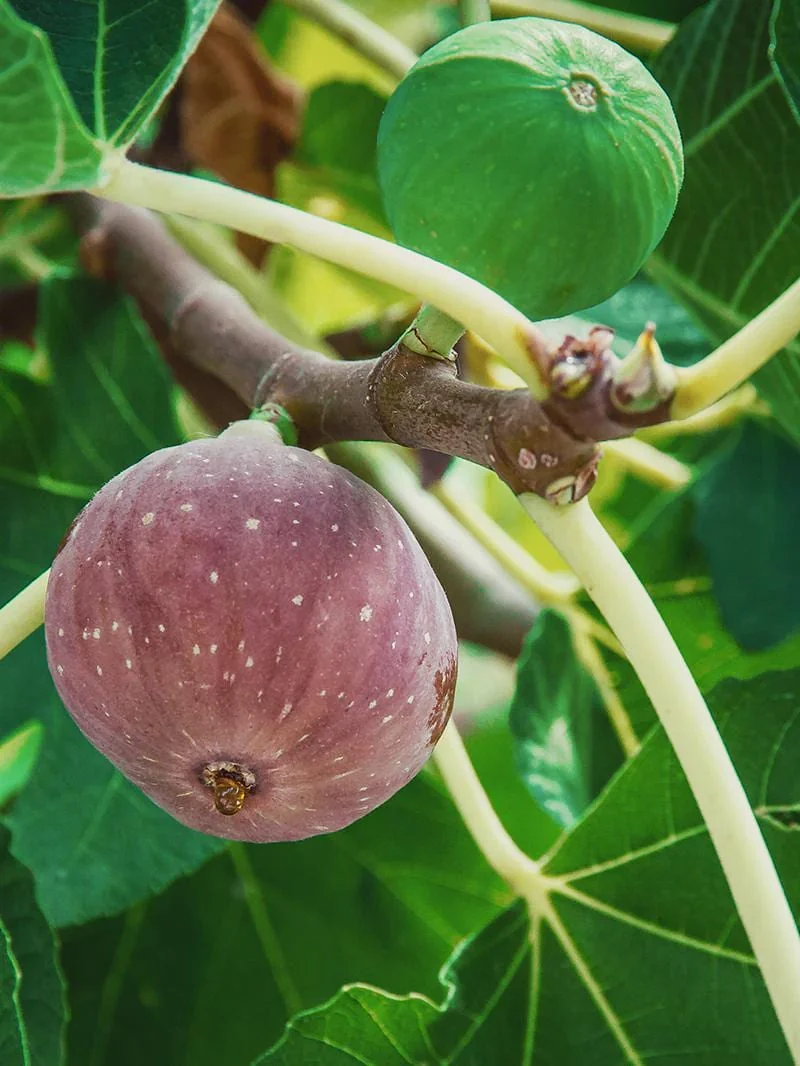
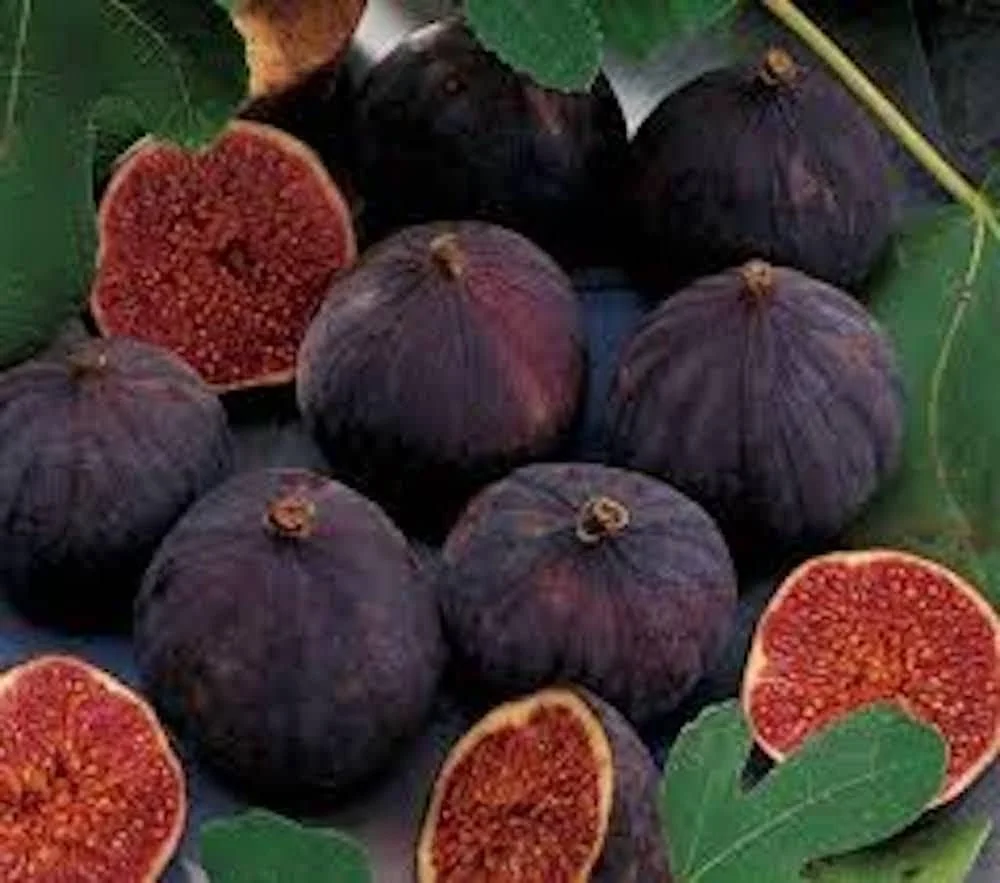
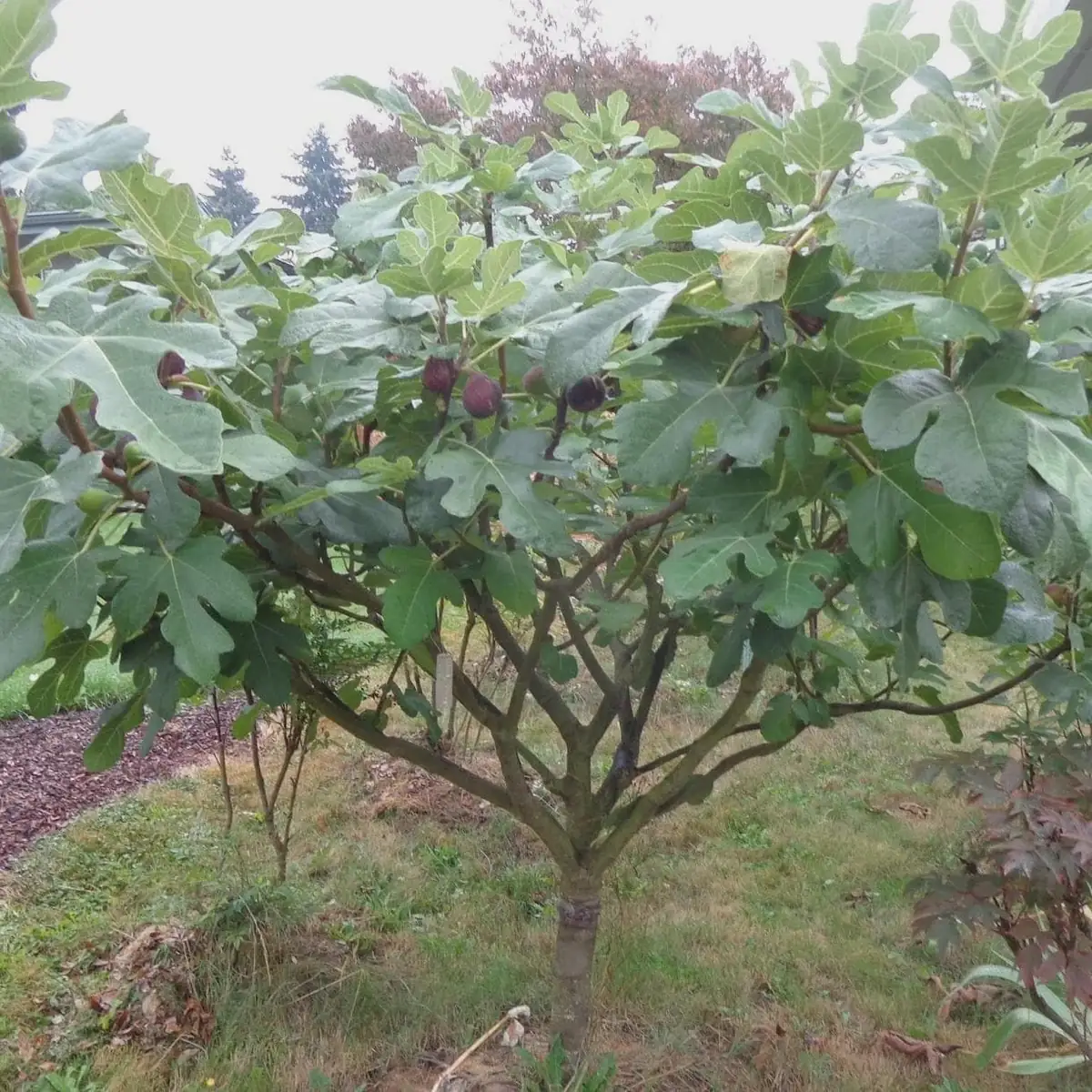
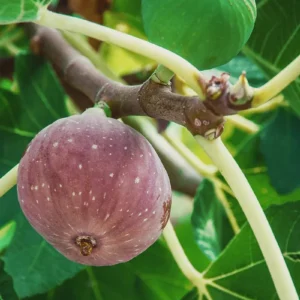
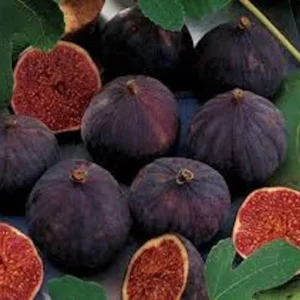
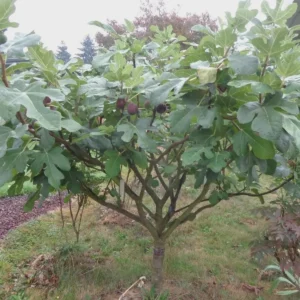
- Delicious, Abundant Fruit: The Chicago Hardy Fig produces medium-sized, purplish-brown figs with sweet, rich, reddish-pink flesh. These delectable fruits are perfect for fresh eating, jams, preserves, or drying.
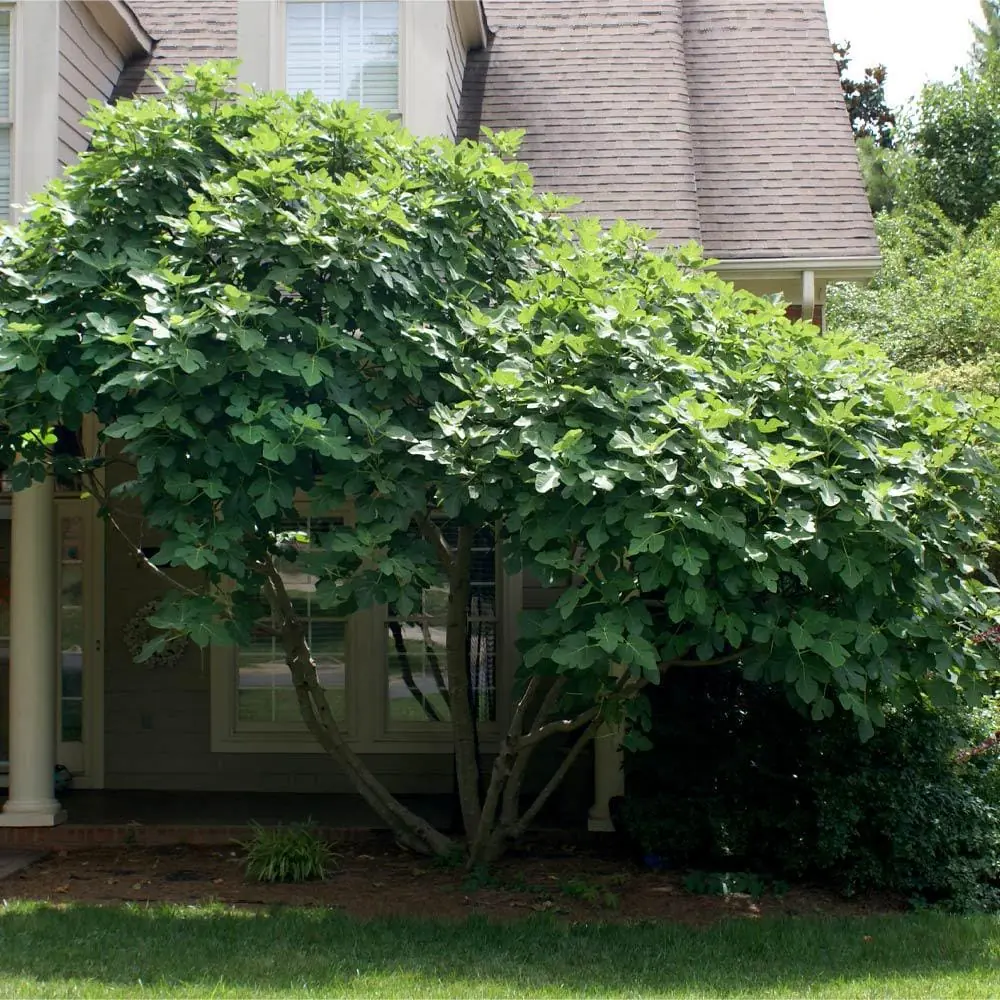
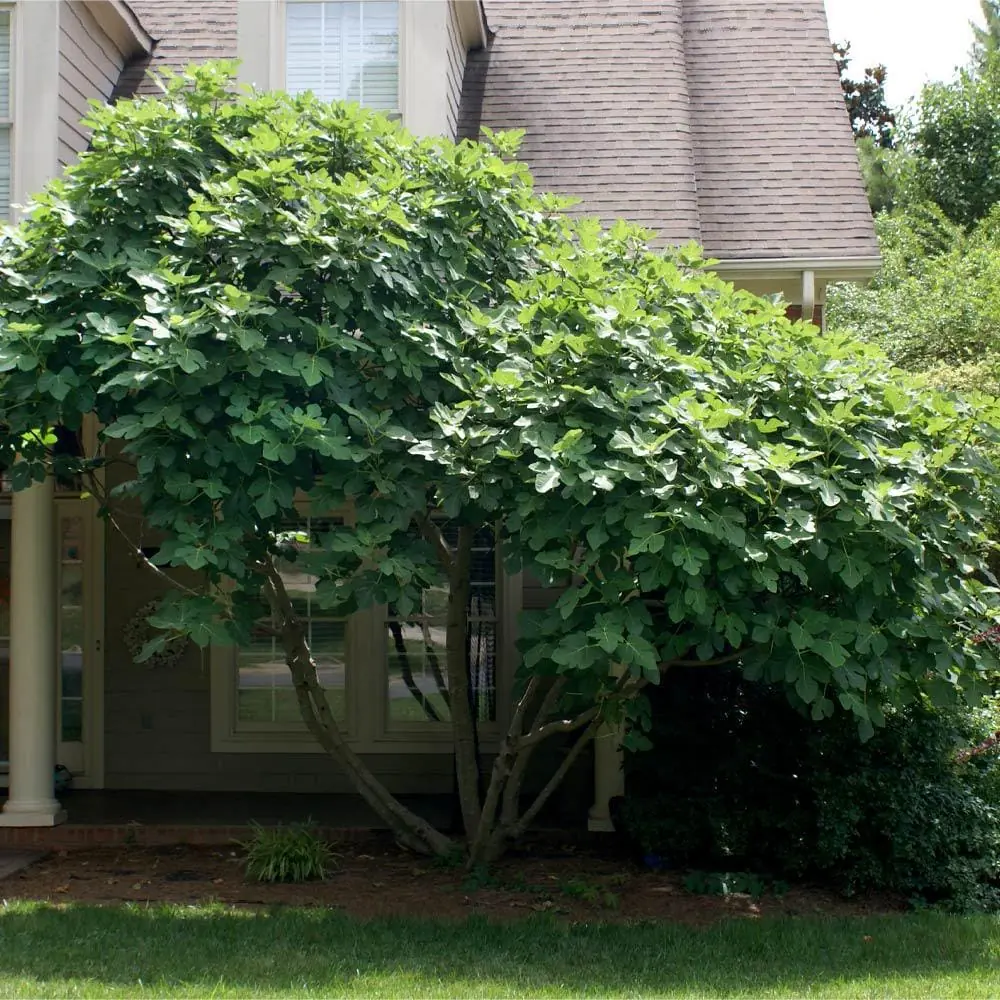
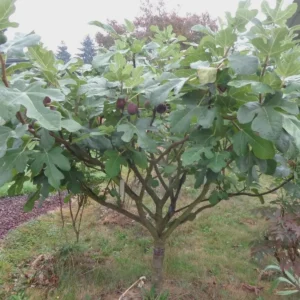
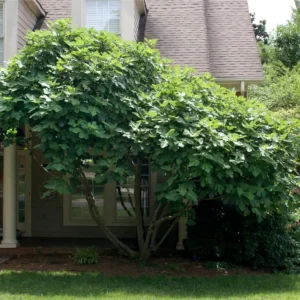
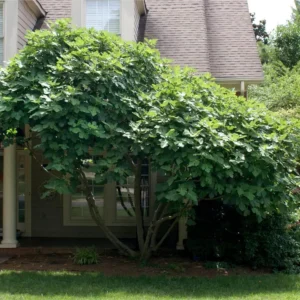
- Versatile Growth Habit: This fig can be grown as a multi-stemmed shrub or trained into a small tree, offering flexibility in garden design. Its compact size makes it suitable for smaller gardens, containers, or even as an attractive edible hedge.
- Low Maintenance: Once established, the Chicago Hardy Fig live plant is relatively easy to care for, requiring minimal attention beyond basic watering and occasional pruning. Its resilience contributes to its popularity.
- Adaptable to Various Climates: While thriving in warmer climates, its strong cold tolerance allows for growing figs in cool climates, making it accessible to a broader range of gardeners.
- Attractive Foliage: Beyond its fruit, the plant boasts large, lobed green leaves that provide an appealing tropical aesthetic to any garden space.
Plant Care & Growing Tips
Caring for your Chicago Hardy Fig live plant is straightforward, and with proper attention, it will reward you with years of delicious fruit. This resilient variety is known for its adaptability, but understanding its basic needs will ensure optimal growth and productivity. For sunlight, the Chicago Hardy Fig thrives in full sun, meaning at least 6-8 hours of direct sunlight per day. In very hot climates, some afternoon shade can be beneficial to prevent leaf scorch. If growing indoors or in a container, place it in the brightest south-facing window or use supplemental grow lights. Good air circulation is also important to prevent fungal diseases.
When it comes to watering, young cold tolerant fig tree plants need consistent moisture to establish a strong root system. Water deeply when the top inch or two of soil feels dry to the touch, ensuring the water drains well. Established plants are more drought-tolerant but will produce better fruit with regular watering, especially during dry spells and fruit development. Avoid overwatering, as figs do not like soggy feet, which can lead to root rot. For soil, the Chicago Hardy Fig prefers well-draining, fertile soil with a pH between 6.0 and 7.0. A good quality potting mix amended with compost works well for container growing, while garden soil should be improved with organic matter for better drainage and nutrient retention. This attention to soil health will greatly benefit your self pollinating fig.
Fertilize your Chicago Hardy Fig in early spring as new growth begins, and again mid-summer if needed. Use a balanced fertilizer (e.g., 8-8-8 or 10-10-10) or one formulated for fruit trees. Follow package directions for application rates. Pruning is best done in late winter or early spring before new growth appears. Remove any dead, damaged, or crossing branches. You can also prune to maintain desired size and shape, or to encourage more fruit production. The Chicago Hardy Fig is hardy in USDA Zones 5-10. In colder zones (5-7), protect the plant during winter by wrapping it, covering it with mulch, or bringing container plants indoors. This ensures successful growing figs in cool climates and a healthy plant for the next season.
Size & Details
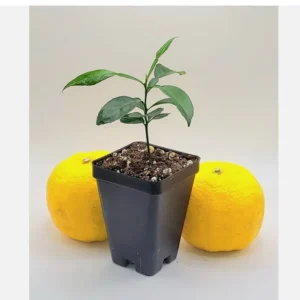
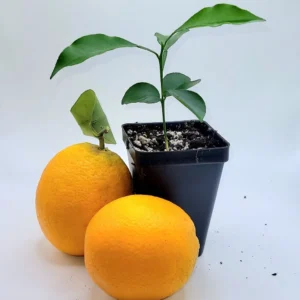
This offering is for one Chicago Hardy Fig live plant starter plug, ready for planting and establishment in your garden or container. The specific size of the starter plug will vary but typically consists of a well-rooted young plant, approximately 4-8 inches tall, with healthy foliage. These plants are shipped bare root, carefully packaged to ensure their safe arrival. Upon receipt, it is recommended to plant them promptly into a larger pot or directly into their permanent garden location.
The cold tolerant fig tree is known for its moderate growth rate, typically reaching a mature height of 15-20 feet and a similar spread if grown as a tree, or 6-10 feet if maintained as a shrub. Fruit production usually begins within 1-2 years after planting, with the main crop ripening in late summer to early fall. With proper care, your self pollinating fig will grow into a robust and productive specimen, providing fresh figs for many seasons to come. This starter plant offers an excellent foundation for an thriving fig plant.
Frequently Asked Questions
- Q: How big does this plant get? A: The Chicago Hardy Fig live plant can grow into a small tree, reaching 15-20 feet tall and wide, or it can be maintained as a multi-stemmed shrub at 6-10 feet tall through pruning. Its ultimate size depends on growing conditions and how it’s pruned.
- Q: Is this an indoor or outdoor plant? A: The Chicago Hardy Fig is primarily an outdoor plant, especially known for its hardiness in cold climates. However, it can be grown in large containers and brought indoors during winter in very cold regions, making it versatile for growing figs in cool climates.
- Q: How much sunlight does it need? A: This fig tree thrives in full sun, requiring at least 6 to 8 hours of direct sunlight per day for optimal growth and fruit production. Ensure it receives ample light, especially during the fruiting season.
- Q: Is this plant easy to care for? A: Yes, the Chicago Hardy Fig live plant is considered relatively easy to care for, particularly once established. It’s forgiving of various soil types and is quite resilient, making it a good choice for both beginner and experienced gardeners.
- Q: What condition will it arrive in? A: Your cold tolerant fig tree starter plug will arrive bare root, meaning it will be shipped without soil or a pot, with its roots carefully protected. This method ensures safe transport and minimizes transplant shock.
- Q: How long until it blooms and fruits? A: Fig trees do not ‘bloom’ in the traditional sense, as their flowers are internal. You can expect your self pollinating fig to start producing fruit within 1-2 years after planting, with a more substantial crop in subsequent years.
- Q: Will it survive winter in my zone? A: The Chicago Hardy Fig is famous for its cold tolerance, hardy down to USDA Zone 5. In colder zones, the top growth may die back, but the plant typically regrows vigorously from the roots in spring.
- Q: What type of soil is best for this fig? A: This fig prefers well-draining, fertile soil. A slightly acidic to neutral pH (6.0-7.0) is ideal. Amending heavy clay soils with organic matter will improve drainage and aeration, which is crucial for root health.
- Q: Can I grow this fig in a pot? A: Absolutely! The Chicago Hardy Fig is an excellent candidate for container growing, especially beneficial for those in colder climates who wish to move the plant indoors for winter protection. Use a large pot with good drainage.
- Q: How often should I fertilize my fig tree? A: Fertilize your Chicago Hardy Fig live plant in early spring when new growth appears and optionally again in mid-summer. Use a balanced, slow-release fertilizer or one specifically for fruit trees, following the product’s instructions.


Reviews
There are no reviews yet.