Overview
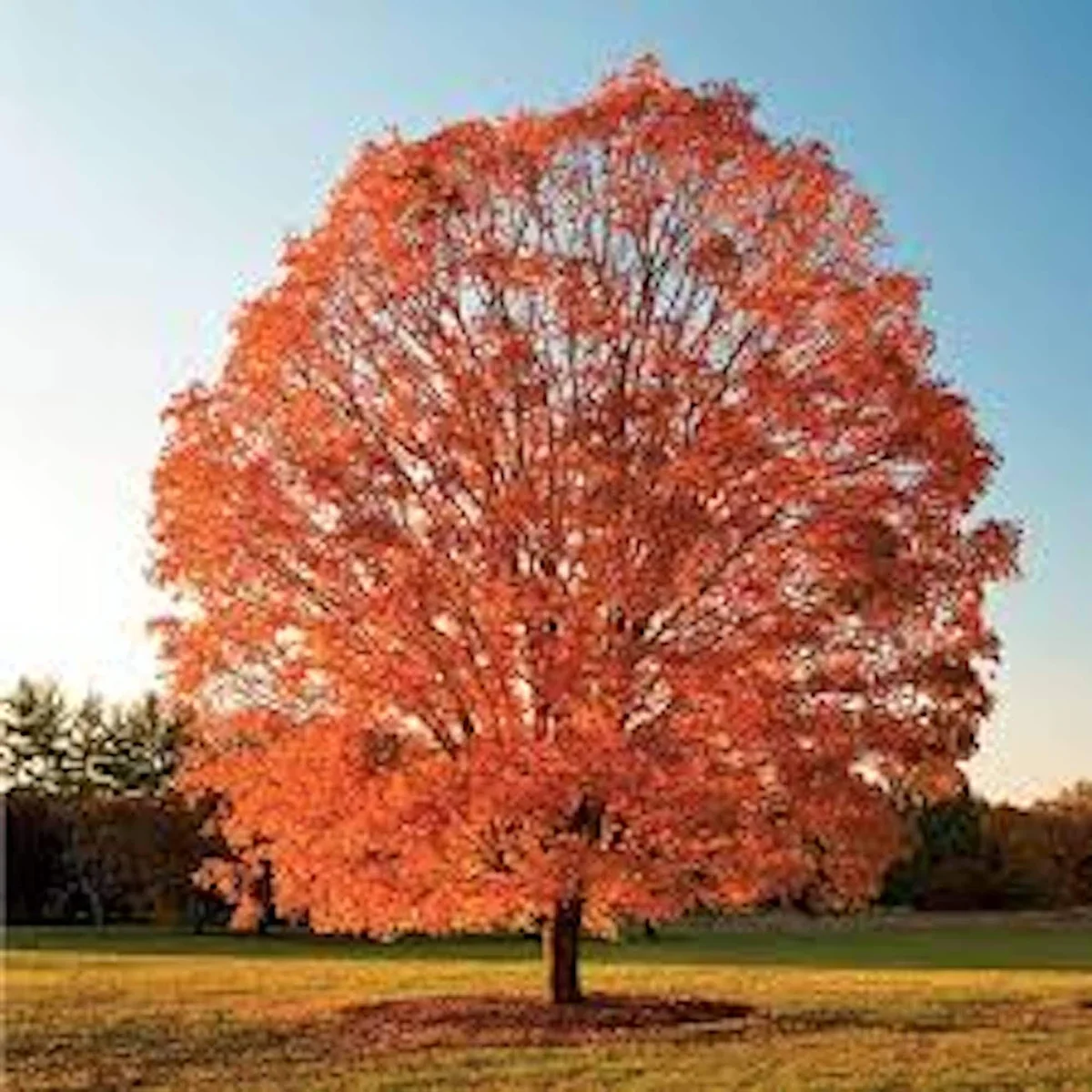
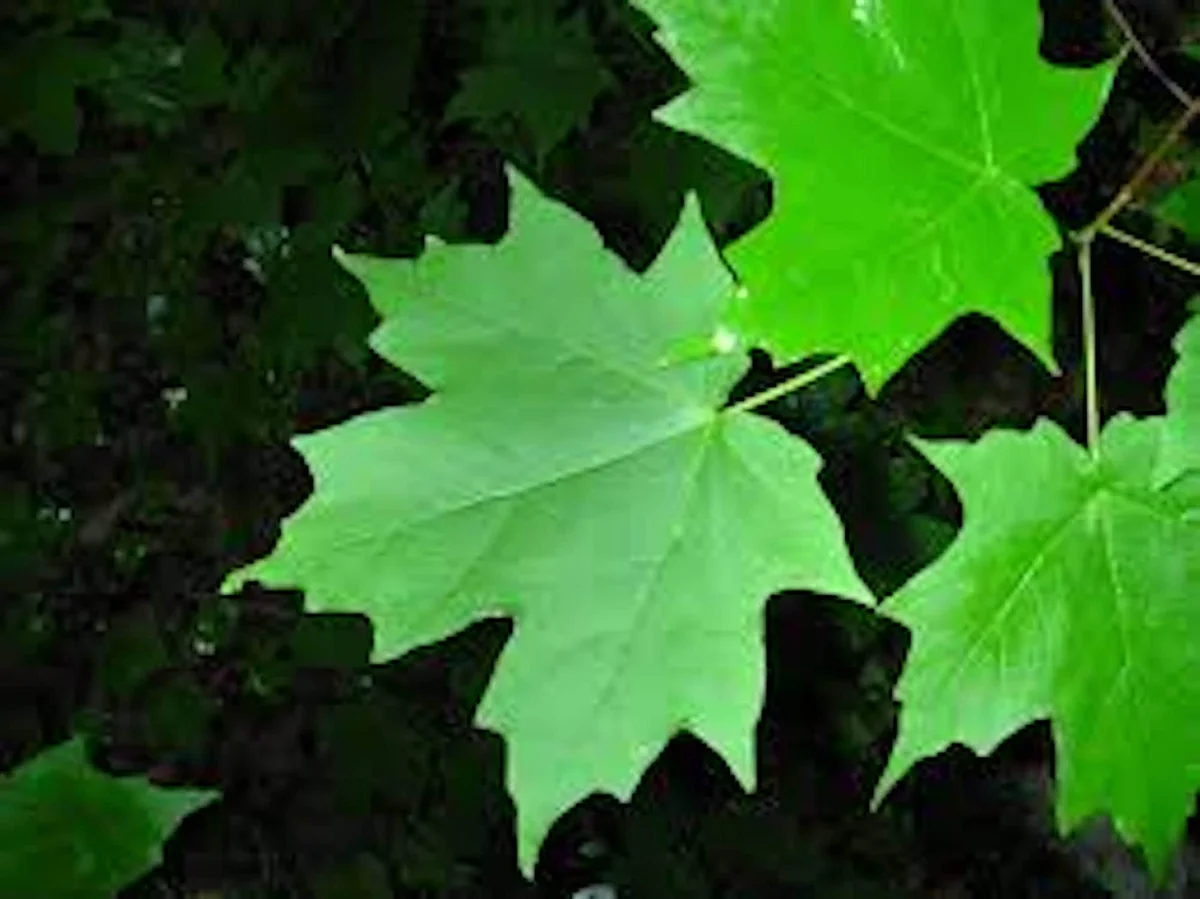
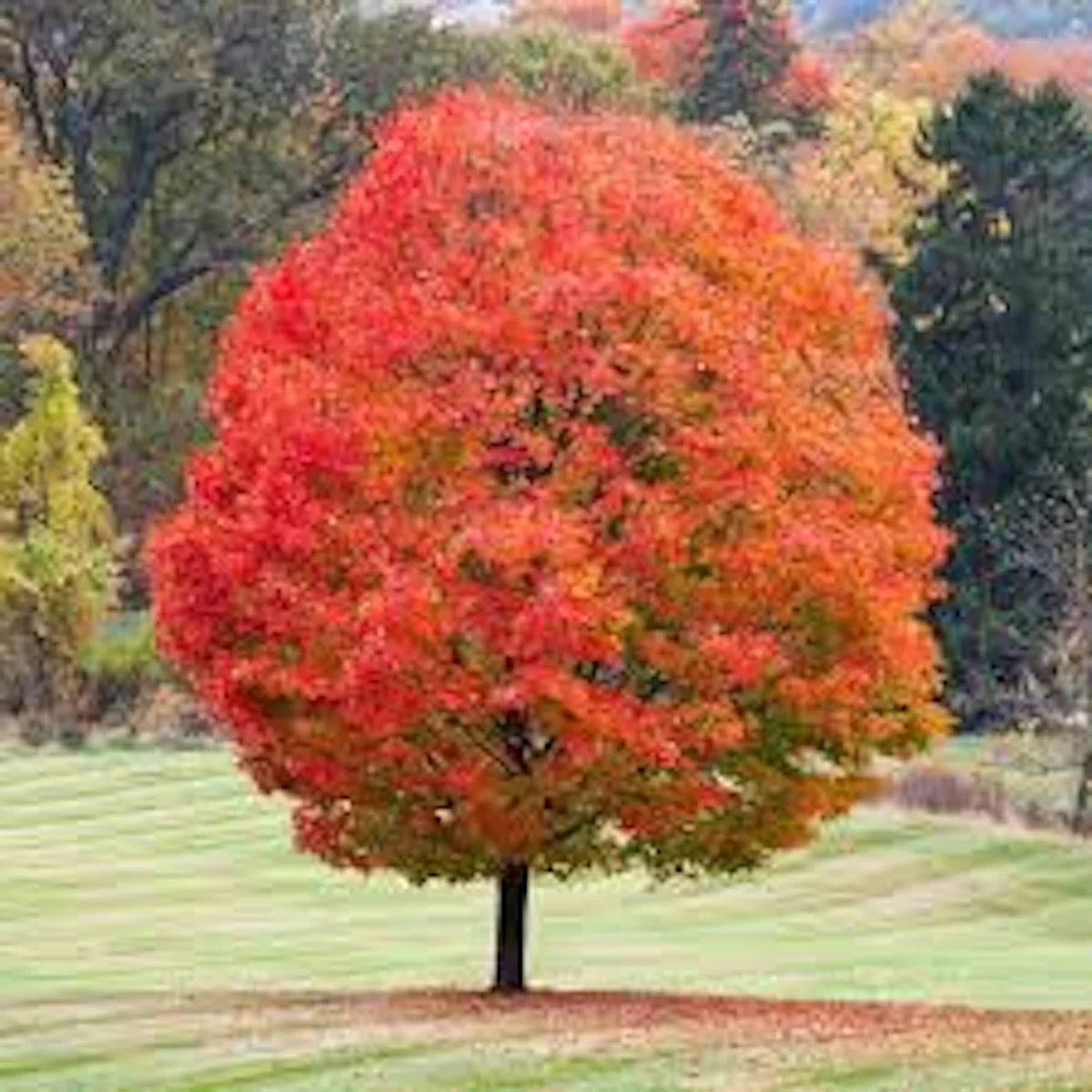
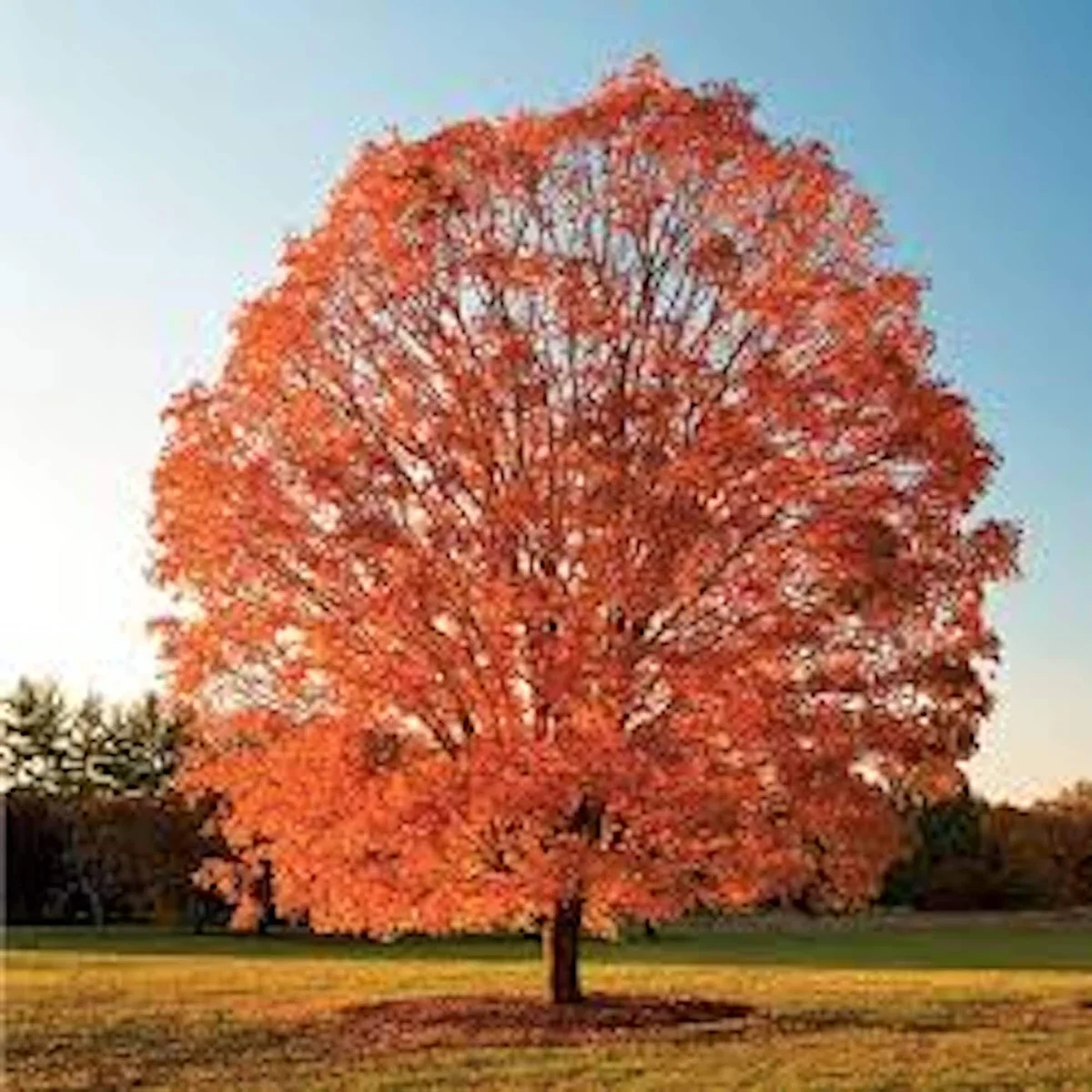
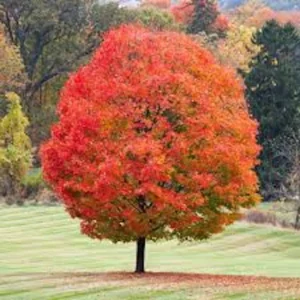
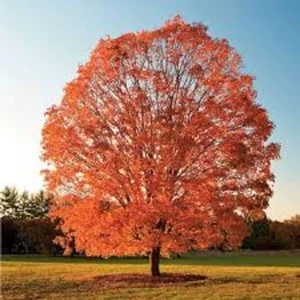
Bring the timeless beauty of North American forests to your landscape with our sugar maple tree. This offering includes five 12-24 inch tall Acer saccharum bare root plants, ready to establish in your garden. Known for its iconic, brilliant fall foliage that ranges from vibrant yellow to fiery orange and deep red, the sugar maple tree is a true spectacle of nature. Beyond its aesthetic appeal, this species is also the primary source of maple syrup, adding a touch of practical charm to its ornamental value. It’s a long-lived deciduous tree that will provide shade and beauty for generations, making it an excellent investment for any homeowner or gardener looking to grow sugar maple.
The hard maple tree, as it’s often called, is a robust and adaptable species native to a wide range across northeastern and central North America. These bare root specimens are carefully prepared for planting, ensuring a strong start for healthy growth. Whether you’re planning a new shade tree, creating a woodland garden, or simply adding a touch of natural elegance, this sugar maple bare root collection offers a fantastic opportunity to cultivate one of the most beloved trees on the continent.
Key Benefits
Planting a sugar maple tree offers numerous advantages, enhancing both the beauty and ecological value of your property. These benefits make it a highly desirable choice for various landscaping needs.
- Stunning Fall Foliage: Experience an unparalleled display of autumnal colors, from bright yellow to deep crimson. The Acer saccharum is renowned for its consistent and spectacular seasonal transformation, making your garden a focal point each fall.
- Excellent Shade Tree: With a mature height of 40-100 feet and a dense, round crown, the hard maple tree provides ample shade, reducing cooling costs and creating comfortable outdoor living spaces during warm months.
- Long Lifespan: A healthy sugar maple tree can live for hundreds of years, becoming a lasting legacy for your property and providing beauty and ecological benefits for generations to come.
- Wildlife Habitat: Sugar maples provide food and shelter for a variety of wildlife, including birds and small mammals, contributing to local biodiversity. Learning to grow sugar maple can support your local ecosystem.
- Durable and Cold-Resistant: This species is known for its hardiness and ability to withstand cold climates, thriving in USDA Zones 3-8, making it a reliable choice for many regions.
- Maple Syrup Production: For those interested in self-sufficiency, mature Acer saccharum trees can be tapped for sap to produce delicious maple syrup, offering a unique and rewarding harvest.
- Environmental Benefits: Like all trees, the sugar maple tree helps improve air quality, reduce carbon dioxide, and prevent soil erosion, contributing to a healthier environment.
Plant Care & Growing Tips
Caring for your sugar maple tree is straightforward, especially when you understand its basic needs. These 12-24 inch bare root plants will quickly establish themselves with proper attention during their initial years. The Acer saccharum thrives in specific conditions that mimic its native habitat, ensuring vigorous growth and vibrant fall color.
For optimal growth, plant your sugar maple bare root in a location that receives full sun to partial shade, meaning at least 4-6 hours of direct sunlight daily. While it tolerates some shade, more sun generally leads to better fall color. The ideal soil is medium, well-drained, and slightly acidic. Rich soil is preferred, but avoid heavy, poorly drained soils as the tree does not fare well in these conditions. Ensure the planting site has good drainage to prevent root rot. When planting, dig a hole wide enough to accommodate the roots without bending them, and plant at the same depth as the root collar. Water thoroughly after planting.
Regular watering is crucial, especially during the first few growing seasons, to help the young hard maple tree establish its root system. Keep the soil consistently moist but not waterlogged. Once established, the tree becomes more drought-tolerant. Fertilization is generally not necessary in rich soil, but if your soil is poor, a balanced, slow-release fertilizer can be applied in early spring. Protect young trees from pests and diseases, and be aware that sugar maples are sensitive to road salt and urban pollution. Pruning should be done in late summer or early fall to avoid excessive sap bleeding. Understanding how to grow sugar maple successfully involves patience and consistent care, especially in the early stages of development.
Size & Details
This offering provides five sugar maple tree bare root plants, each measuring 12-24 inches tall upon arrival. These young trees are shipped without soil, allowing for easier transplanting and quick establishment in your garden. The Acer saccharum is known for its slow to moderate growth rate, though it grows more rapidly during its first 35 years. At maturity, these majestic trees can reach an impressive height of 40-100 feet (12-30 meters) with a significant spread, forming a dense, round crown that provides extensive shade. The mature lifespan of a hard maple tree can easily exceed a century, making it a long-term addition to your landscape.
The hardiness of this species is notable, thriving across USDA Hardiness Zones 3-8, indicating its resilience to a wide range of temperate climates. When you grow sugar maple, you’re investing in a tree that will grow into a substantial and enduring feature. The bare root format allows the tree to quickly adapt to its new environment once planted, focusing its energy on root development. These plants are ideal for creating a naturalistic setting or as a prominent feature in a large yard or park.
Frequently Asked Questions
- Q: How big does this sugar maple tree get? A: A: At maturity, a sugar maple tree (Acer saccharum) typically grows between 40-100 feet (12-30 meters) tall, developing a large, dense, and rounded crown. Its spread can be considerable, so ensure ample space for its growth.
- Q: What condition will the sugar maple bare root arrive in? A: Your sugar maple bare root plants will arrive dormant and without soil, carefully packaged to maintain moisture. This bare root format is ideal for transplanting and encourages rapid root establishment once planted.
- Q: Is this an indoor or outdoor plant? A: The sugar maple tree is an outdoor tree, best suited for planting in gardens, yards, or naturalized areas where it can reach its full majestic size. It is not suitable for indoor cultivation.
- Q: How much sunlight does the Acer saccharum need? A: This tree prefers full sun to partial shade, meaning it should receive at least 4-6 hours of direct sunlight daily for optimal growth and the best fall color display.
- Q: Is this hard maple tree easy to care for? A: Once established, the hard maple tree is relatively low-maintenance. The initial years require consistent watering and proper planting to ensure a strong start, but it’s a robust and long-lived species.
- Q: When is the best time to plant a sugar maple bare root? A: Bare root trees are typically best planted in the dormant seasons, either in the fall after leaf drop or in early spring before new growth begins. This allows the tree to focus energy on root development before the stress of summer heat.
- Q: Will this sugar maple tree survive winter in my zone? A: Yes, the sugar maple tree is very cold-hardy and thrives in USDA Hardiness Zones 3-8, making it suitable for a wide range of temperate climates with cold winters.
- Q: Can I tap this tree for maple syrup? A: While these young trees are not ready for tapping immediately, a mature Acer saccharum can indeed be tapped for sap to produce maple syrup. It typically takes several years for the tree to reach a tappable size, usually around 10-12 inches in diameter.
- Q: What kind of soil does a hard maple tree prefer? A: The hard maple tree thrives in medium, well-drained soil that is slightly acidic and rich in organic matter. It does not tolerate heavy, poorly drained soils well.
- Q: What are the common names for Acer saccharum? A: Besides sugar maple tree, it is also commonly known as Rock Maple and Hard Maple Tree, reflecting its sturdy wood.


Reviews
There are no reviews yet.