Overview
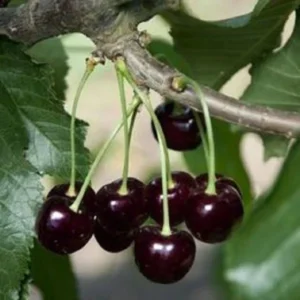
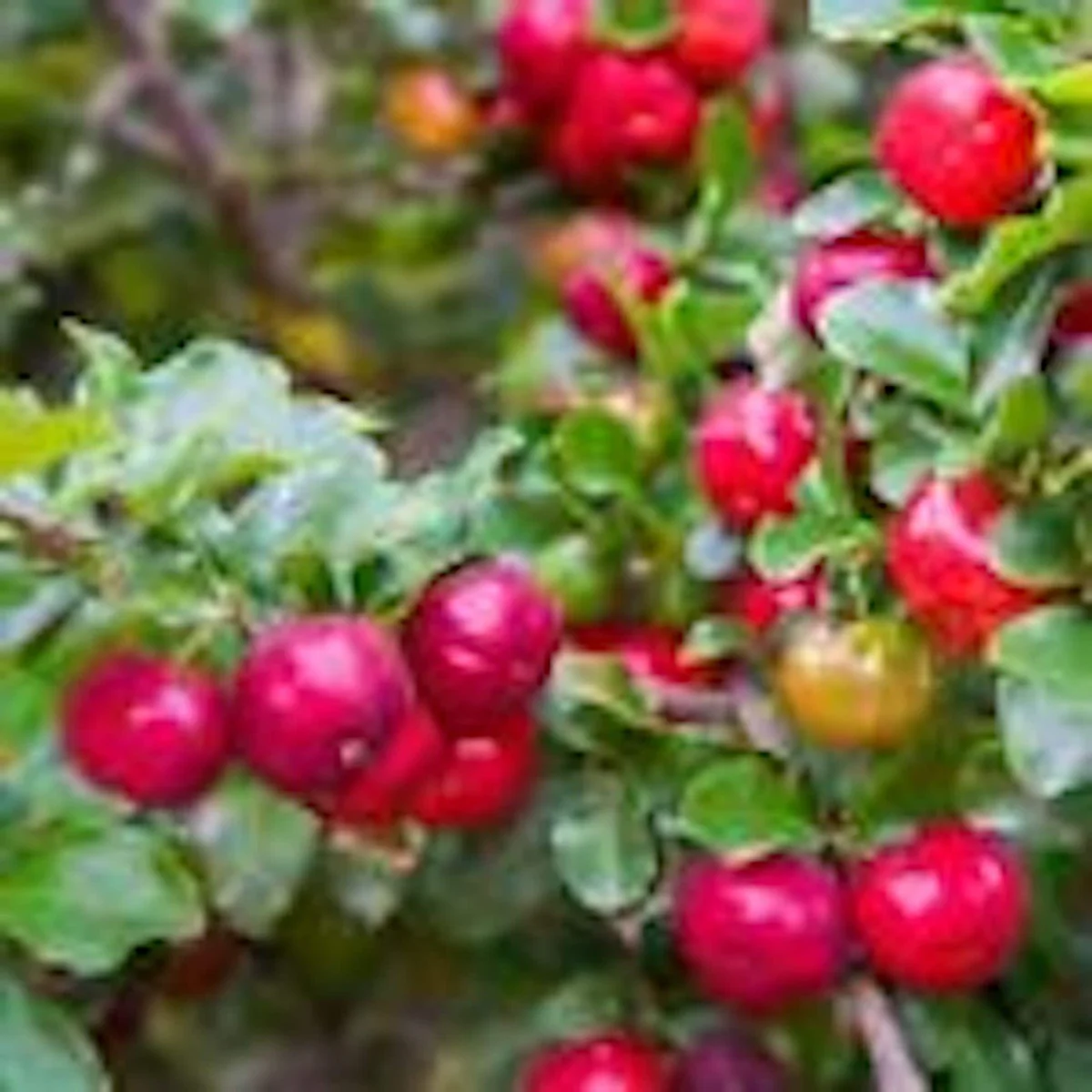
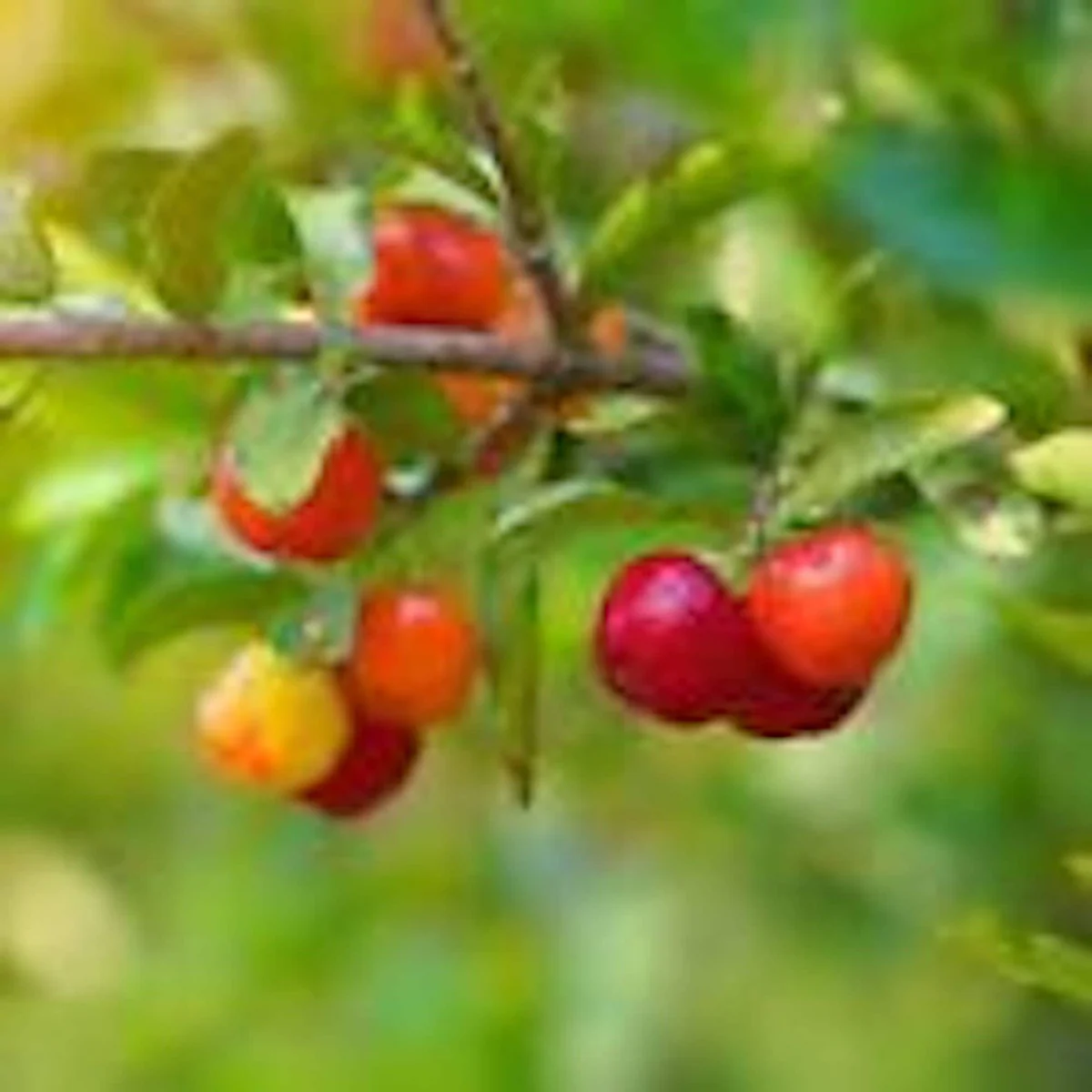
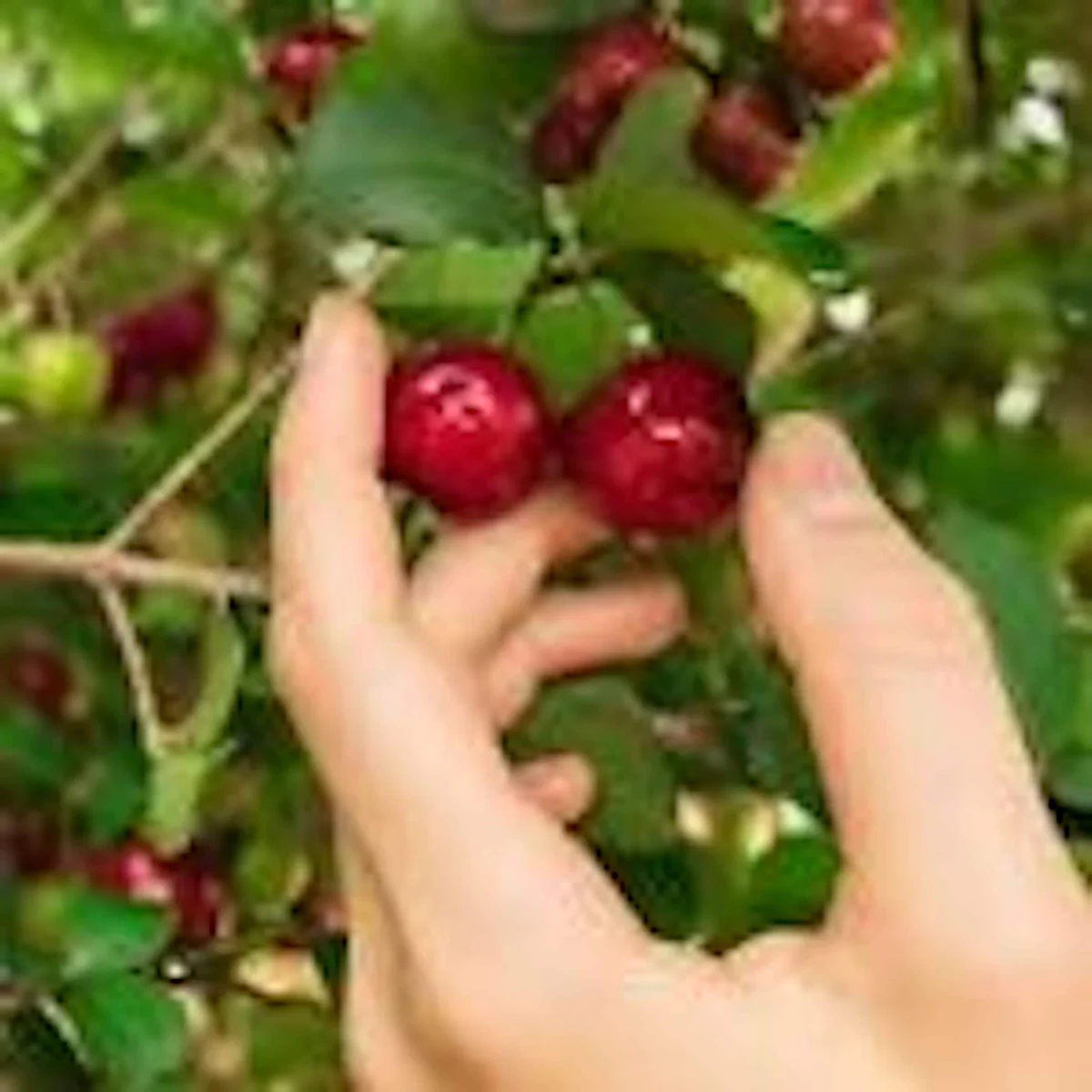
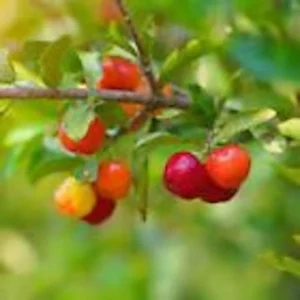
Bring the tropics to your home garden with this exquisite Barbados Cherry live plant. Also known by its botanical name, Malpighia Emarginata tree, or commonly as Acerola Cherry, this starter plant offers the promise of fresh, homegrown fruit and ornamental beauty. Originating from the West Indies, the Barbados Cherry is a fast-growing, attractive small tree or bushy shrub that makes a fine addition to any backyard fruit orchard, especially in warmer climates. Its dense, evergreen foliage and charming pink flowers provide year-round appeal, leading to a prolific harvest of nutrient-rich cherries. This live plant is ready to establish itself and begin its journey to becoming a productive fruit-bearing specimen.
The Barbados Cherry live plant is a versatile and rewarding choice for gardeners of all levels. Whether you’re looking to expand your edible landscape or simply enjoy the beauty of a flowering fruit tree, this plant delivers. Known for its high vitamin C content, the acerola fruit is not only delicious but also incredibly healthy. With proper care, your Barbados Cherry tree will thrive, offering both visual delight and a bounty of sweet, tangy cherries to enjoy fresh or in various culinary creations.
Key Benefits
Adding a Barbados Cherry live plant to your garden provides numerous advantages beyond just its delicious fruit. This versatile plant offers a blend of aesthetic appeal, nutritional value, and gardening satisfaction.
- Nutrient-Rich Fruit: The primary benefit is the production of acerola cherries, renowned for being one of the richest natural sources of Vitamin C, far exceeding oranges. Enjoy fresh, healthy fruit right from your backyard.
- Attractive Ornamental Value: Beyond fruit production, the Malpighia Emarginata tree features charming bright pink, five-petaled flowers that bloom for extended periods, adding a splash of color to your landscape. Its dense, evergreen leaves provide year-round greenery.
- Fast Growing and Manageable Size: This tree is a relatively fast grower and typically reaches a mature height of about 12 feet (3.5 m), making it suitable for smaller gardens or for growing in containers. It can also be pruned to maintain a shrub-like form.
- Tropical Appeal: Ideal for creating a tropical ambiance, especially in warmer regions like South Florida. It brings a touch of the Caribbean to your outdoor living space.
- Extended Fruiting Season: While blooming mainly from April through October and fruiting from May to November, this tree can produce some blossoms and cherries year-round in very warm climates, ensuring a continuous supply.
- Homesteading Potential: For those interested in self-sufficiency, growing an acerola fruit tree contributes to a productive homestead, providing fresh produce and reducing reliance on store-bought items.
- Versatile Use: The fruit can be enjoyed fresh, juiced, or used in jams, jellies, and desserts. The plant itself can serve as a beautiful specimen tree or a dense hedge.
Plant Care & Growing Tips
Caring for your Barbados Cherry live plant is straightforward, especially when provided with the right conditions. This tropical species thrives in warm environments and appreciates consistent attention to its needs. For optimal growth and fruit production, understanding its requirements for sunlight, water, soil, and temperature is crucial. With proper care, your Malpighia Emarginata tree will flourish and reward you with abundant harvests.
The Barbados Cherry prefers full sun exposure, meaning at least 6-8 hours of direct sunlight daily. In extremely hot climates, some afternoon shade can be beneficial to prevent leaf scorch. It thrives in well-draining soil with a slightly acidic to neutral pH (6.0-7.0). A good quality potting mix for container plants or amended garden soil with compost will provide the necessary nutrients and drainage. Water regularly to keep the soil consistently moist but never waterlogged. Allow the top inch or two of soil to dry out between waterings. During periods of active growth and fruiting, increase watering frequency. Fertilize every 2-3 months during the growing season (spring through fall) with a balanced, slow-release granular fertilizer or a liquid feed formulated for fruit trees. Young trees benefit from higher nitrogen, while mature, fruiting trees need more phosphorus and potassium.
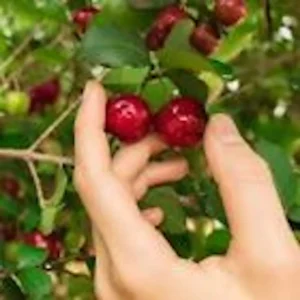
This tropical plant is sensitive to cold and is best suited for USDA Zones 9-11. In cooler zones, it can be grown as a container plant and brought indoors during the winter months. Protect it from temperatures below 30°F (-1°C). Pruning should be done annually after the main fruiting season to maintain shape, remove dead or diseased branches, and encourage new growth and fruit production. While generally robust, keep an eye out for common pests like aphids or mealybugs, treating them with insecticidal soap if necessary. When harvesting the fruit, wear gloves, as the fine fuzz on young stems and leaves can cause skin irritation. By following these guidelines, you’ll be well on your way to successfully growing a productive acerola fruit tree.
Size & Details
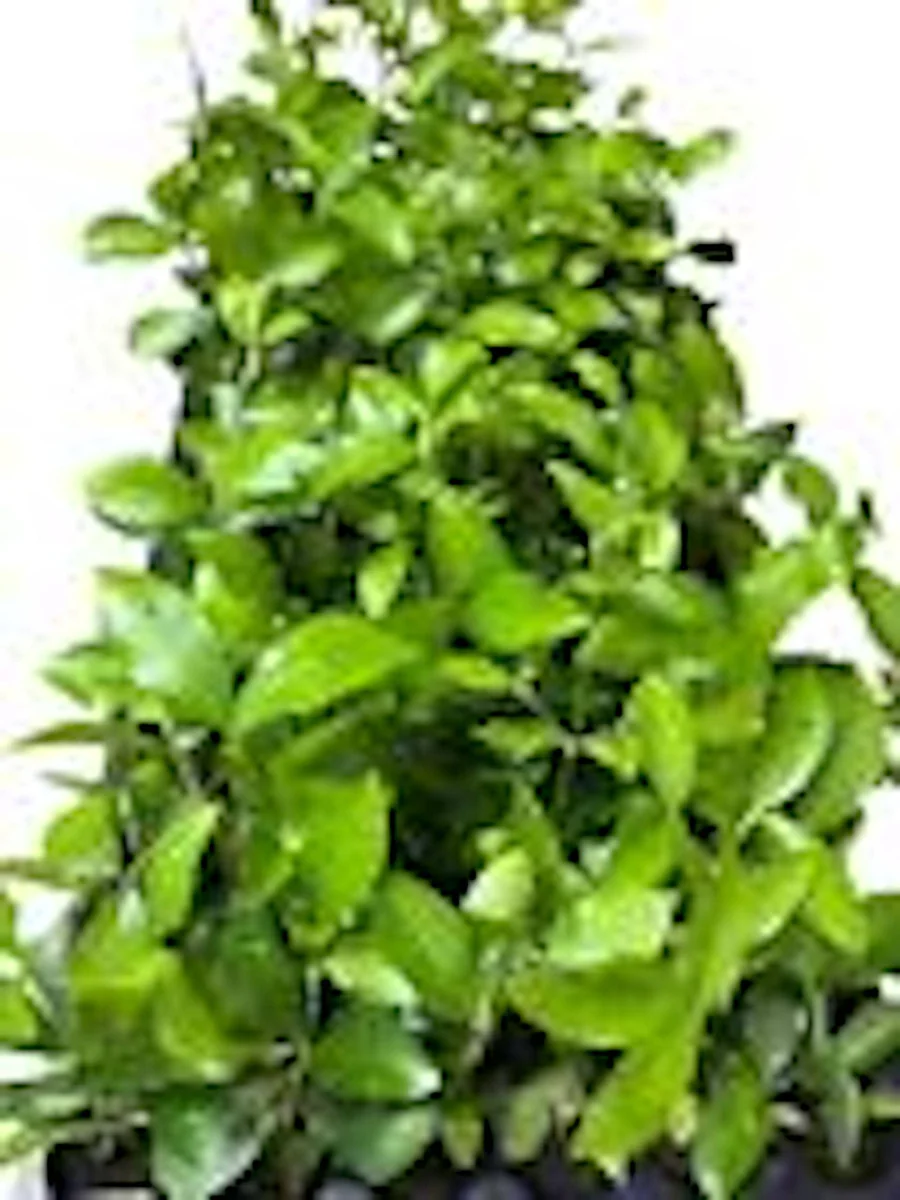
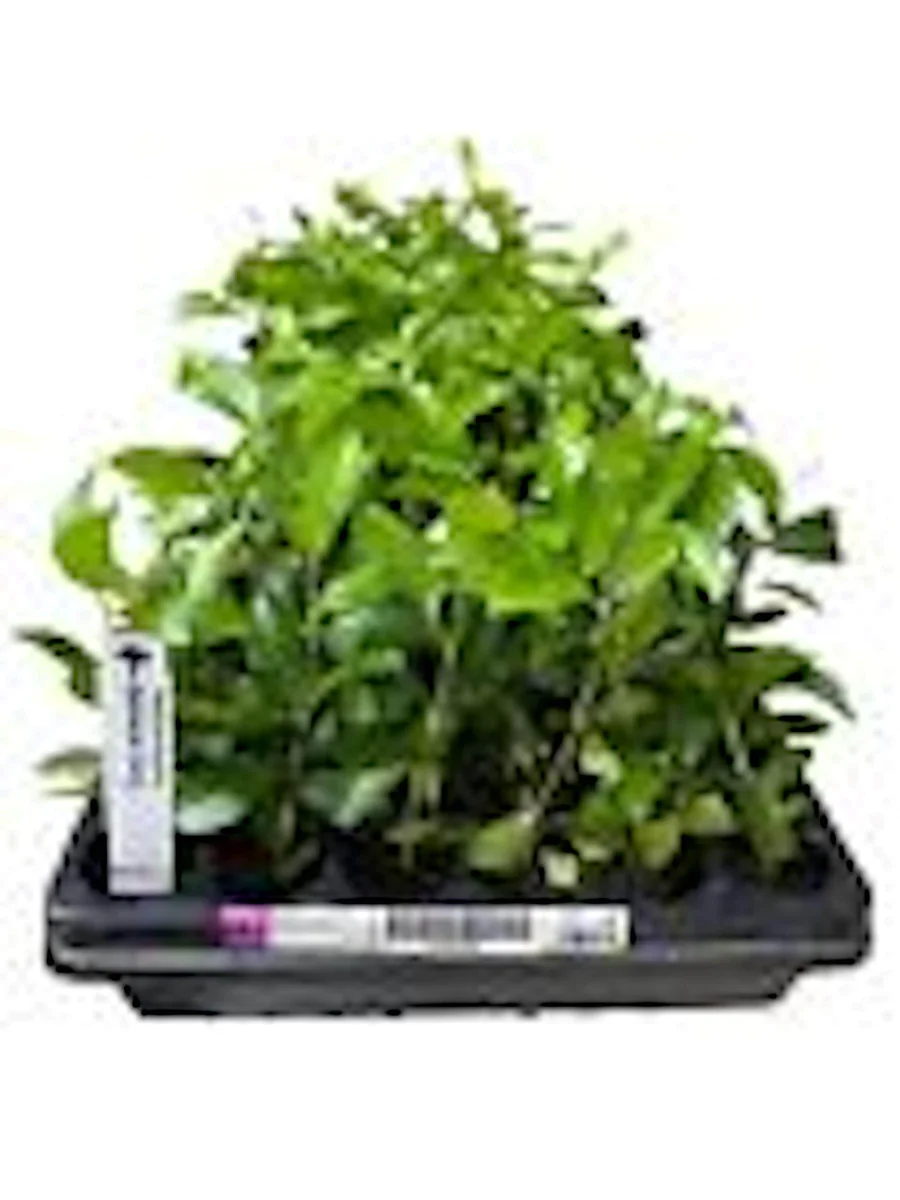
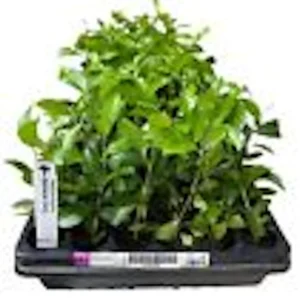
This Barbados Cherry live plant is provided as a healthy starter plant, ready for transplanting into a larger pot or directly into your garden, depending on your climate and growing preferences. Typically, these starter plants range from 6 to 12 inches in height upon arrival, featuring established root systems and several sets of leaves, ensuring a strong start. The Barbados Cherry is a fast-growing species that can reach mature heights of about 12 feet (3.5 meters) in optimal conditions, though it can be kept smaller with regular pruning, making it adaptable to various garden sizes and container cultivation.
The plant will develop into a large, bushy shrub or a small tree with dense, bright green, evergreen leaves. Blooms, consisting of bright pink, five-petaled flowers, appear mainly from April through October, with some sporadic flowering year-round in warmer climates. Fruiting typically occurs from May to November, providing a consistent supply of delicious cherries. This starter plant will need time to mature before it begins to produce fruit, usually within 1-2 years under ideal growing conditions. It ships as a potted plant, ensuring minimal stress during transit and a smooth transition to its new home.
Frequently Asked Questions
- Q: How big does this Barbados Cherry live plant get? A: A: The Barbados Cherry live plant typically grows into a large bushy shrub or small tree, reaching mature heights of about 12 feet (3.5 meters) in optimal conditions. It can be kept smaller with regular pruning.
- Q: Is this an indoor or outdoor plant? A: This is primarily an outdoor tropical plant, best suited for USDA Zones 9-11. In cooler zones, it can be successfully grown indoors in a container with sufficient light, or moved outdoors during warm months and brought inside for winter.
- Q: How much sunlight does the Malpighia Emarginata tree need? A: The Malpighia Emarginata tree thrives in full sun, requiring at least 6-8 hours of direct sunlight per day. In extremely hot climates, a little afternoon shade can be beneficial.
- Q: Is this plant easy to care for? A: Yes, the Barbados Cherry is considered relatively easy to care for, especially in its preferred warm climates. It requires consistent watering, good drainage, and regular fertilization during the growing season.
- Q: What condition will the Barbados Cherry live plant arrive in? A: Your Barbados Cherry live plant will arrive as a healthy, well-rooted starter plant in a nursery pot, carefully packaged to ensure its safety during transit.
- Q: How long until this acerola fruit tree produces fruit? A: Under ideal growing conditions, a young acerola fruit tree starter plant can begin to produce fruit within 1 to 2 years after planting.
- Q: When is the best time to plant a Barbados Cherry? A: The best time to plant a Barbados Cherry is in spring or early summer, after all danger of frost has passed, allowing it ample time to establish before cooler weather.
- Q: Will this tropical fruit plant care require special soil? A: No, but it prefers well-draining soil. A good quality potting mix for containers or garden soil amended with compost will work well for effective tropical fruit plant care.
- Q: Can I grow Barbados Cherry in a pot? A: Absolutely! The Barbados Cherry makes an excellent container plant, especially suitable for those in cooler climates who need to bring it indoors during winter. Choose a large pot with good drainage.
- Q: Is the fuzz on the leaves irritating? A: Yes, the fine fuzz on the stems and leaves, especially on younger plants, can cause skin irritation for some people. It’s recommended to wear gloves when handling the plant during pruning or harvesting.


Reviews
There are no reviews yet.