Overview
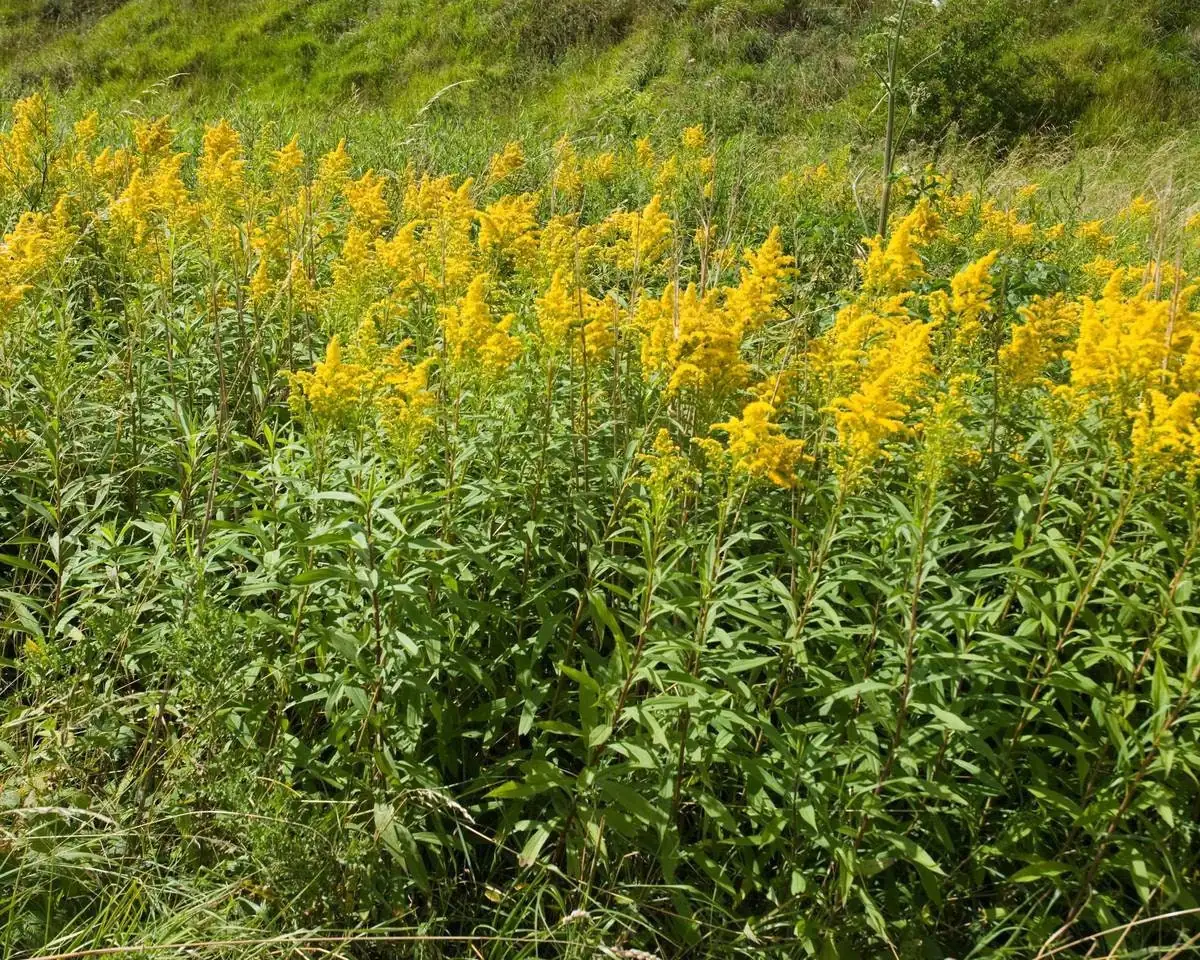
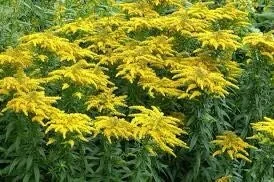
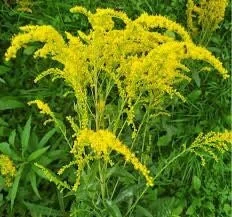
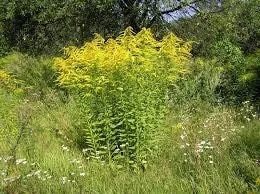
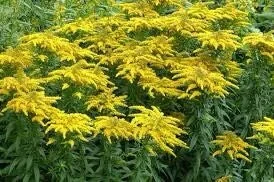
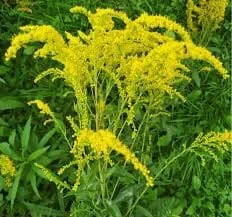
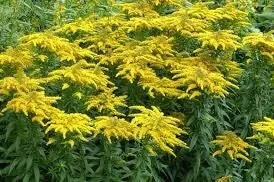
Transform your garden into a haven for wildlife with these 20 Goldenrod bare root plants. Goldenrod (Solidago species) is a vital native perennial wildflower, celebrated for its brilliant yellow blooms and its crucial role in supporting monarch butterflies and a multitude of other pollinators. Often misunderstood, true goldenrod is a beneficial plant that adds vibrant color to the late-season landscape while providing essential nectar for migrating insects. These bare root plants are an economical and effective way to establish a robust patch of this eco-friendly beauty. They are shipped as live starter plants with no pot or foliage, ensuring freshness and allowing for quick establishment in your garden.
Native goldenrod varieties are known for their hardiness and adaptability, making them an excellent choice for gardeners looking to create a low-maintenance, ecologically beneficial space. They are particularly favored by monarch butterflies who rely on their nectar-rich flowers for energy during their long migration. Beyond monarchs, goldenrod attracts a diverse array of bees, beneficial insects, and other butterflies, enriching the biodiversity of your outdoor sanctuary.
Key Benefits
Adding goldenrod bare root plants to your garden offers numerous advantages, from ecological support to aesthetic appeal. These plants are not only beautiful but also contribute significantly to a healthy garden ecosystem.
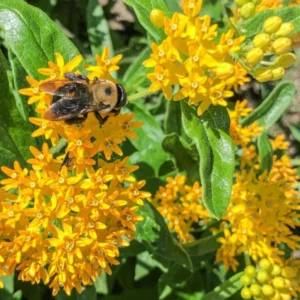
- Pollinator Magnet: Goldenrod is a powerhouse for pollinators, especially monarch butterflies, providing abundant nectar late in the season when other food sources are scarce. Its bright yellow flowers are irresistible to bees, butterflies, and other beneficial insects.
- Native & Hardy: As a native goldenrod, these plants are naturally adapted to local conditions, requiring less intervention once established. They are incredibly resilient and can thrive in a range of environments, making them a reliable addition to any garden.
- Low Maintenance: Once planted, goldenrod is remarkably easy to care for. It tolerates dry or average soils and prefers full sun, making it an ideal choice for gardeners seeking a beautiful yet undemanding perennial.
- Deer Resistant: Enjoy your garden without concern for deer browsing, as goldenrod is known for its natural resistance to deer, allowing its beauty to flourish undisturbed.
- Beneficial Insect Attractor: Beyond pollinators, goldenrod attracts predatory insects that can help control pests in nearby vegetable gardens, promoting a natural balance without the need for chemical interventions.
- Habitat Creation: Allowing flowerheads to remain throughout winter provides valuable shelter and food for birds and small insects, extending the ecological benefit of your garden year-round.
- Erosion Control: Its robust root system can help stabilize soil, making it useful in areas prone to erosion or on slopes.
Plant Care & Growing Tips
Caring for your goldenrod bare root plants is straightforward, as these native perennials are quite resilient. They are designed to establish quickly and thrive with minimal fuss, providing years of vibrant color and ecological benefit. Proper planting and initial care will ensure a strong start for your new plants.
For optimal growth, plant your goldenrod in a location that receives full sun, meaning at least 6 hours of direct sunlight per day. While most varieties prefer full sun, some, like Zig Zag Goldenrod, can tolerate part-shade, though they may require richer soil. Goldenrod is adaptable to various soil types, thriving in dry to average soils, but good drainage is always beneficial. Avoid overly wet conditions, as this can lead to root rot. When planting the bare roots, dig a hole large enough to accommodate the root system without bending. Place the roots in the hole, ensuring the crown is level with the soil surface, and backfill with soil, gently tamping down to remove air pockets. Water thoroughly after planting to help settle the soil around the roots.
Once established, perennial goldenrod is largely drought-tolerant, but consistent watering during prolonged dry spells in its first year will help it become robust. Fertilization is generally not necessary, especially in average garden soils, as goldenrod is adapted to less fertile conditions. Over-fertilization can lead to leggy growth. For winter care, consider leaving the dried stalks and seed heads in place. This provides winter interest and essential habitat for beneficial insects and birds, contributing to the overall health of your garden ecosystem. You can cut them back in early spring before new growth emerges. Goldenrod is typically hardy in a wide range of USDA zones, often thriving in zones 3-9, making it suitable for many climates. Addressing any specific issues with Solidago plant care often involves ensuring proper light and moisture conditions, as they are generally resistant to most pests and diseases.
Size & Details
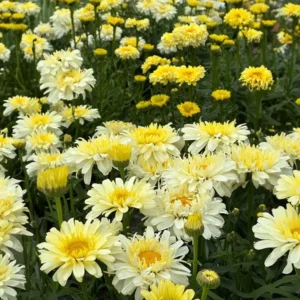
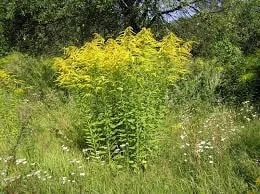
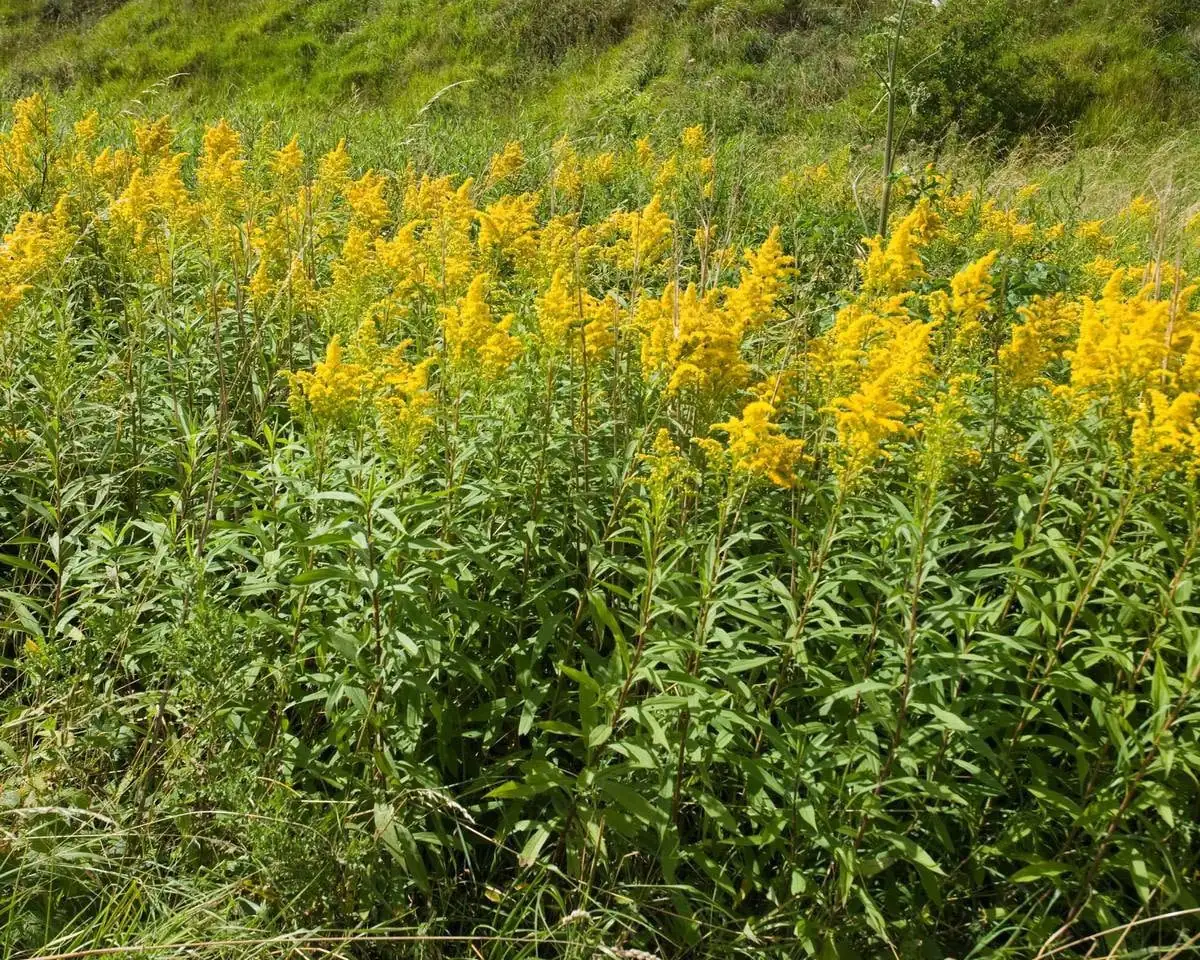
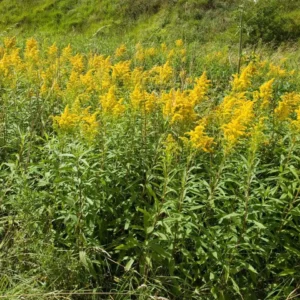
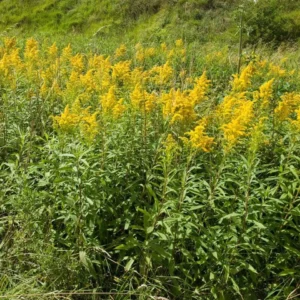
This offering includes 20 Goldenrod bare root plants, ready for planting upon arrival. These bare roots are live starter plants, shipped without foliage or a pot, which allows for efficient and fresh delivery. This method of shipping does not harm the plants; they are dormant and will regrow once planted in suitable conditions. Goldenrod varies in mature size depending on the specific species, but most garden varieties typically reach heights of 2-6 feet tall and spread 1-3 feet wide, forming attractive clumps. They have a moderate to fast growth rate and will generally establish well within their first growing season, providing blooms from late summer into fall. The vibrant yellow flowers appear as dense clusters, creating a striking visual impact.
The plants are harvested from the farm by order and shipped the same day to ensure maximum freshness and viability. Expect these plants to develop their full foliage and flower production in the season following planting, or even in the late summer of the planting year if established early. These are robust, healthy root divisions designed to provide a strong foundation for your garden. For optimal results, plant them upon receipt. Understanding good Solidago plant care from the start will ensure a thriving display.
Frequently Asked Questions
- Q: How big will these goldenrod plants get? A: Most goldenrod varieties typically grow 2-6 feet tall and spread 1-3 feet wide. The exact size can depend on the specific species and growing conditions, but they generally form substantial clumps.
- Q: Are these suitable for attracting monarch butterflies? A: Yes, these goldenrod bare root plants are excellent for attracting monarch butterflies and many other pollinators. Goldenrod is a crucial late-season nectar source for migrating monarchs.
- Q: What condition will the plants arrive in? A: The plants will arrive as bare roots, meaning they are live starter plants shipped without foliage or a pot. This is a common and effective method for shipping dormant perennials.
- Q: How much sunlight do goldenrod plants need? A: Goldenrod generally thrives in full sun, requiring at least 6 hours of direct sunlight daily for best flowering. Some varieties can tolerate part-shade but may need richer soil.
- Q: Is goldenrod easy to care for? A: Yes, perennial goldenrod is known for being very low-maintenance. Once established, it is drought-tolerant and adaptable to various soil conditions, making it an easy addition for beginners and experienced gardeners alike.
- Q: When is the best time to plant these bare roots? A: Bare root plants are best planted in early spring or fall when the weather is mild. This allows the roots to establish before extreme heat or cold.
- Q: Will these plants spread aggressively? A: While some goldenrod species can spread, many garden varieties are more clump-forming. Proper placement and occasional division can help manage their spread if desired.
- Q: Is goldenrod deer resistant? A: Yes, goldenrod is typically considered deer-resistant, meaning deer are less likely to browse on these plants compared to other garden flora.
- Q: Can goldenrod help with pest control in my garden? A: Yes, goldenrod attracts beneficial insects, such as predatory wasps and ladybugs, which can help control common garden pests, making it a valuable companion plant.
- Q: What kind of soil does goldenrod prefer? A: Goldenrod is quite adaptable and thrives in dry to average, well-draining soils. It can tolerate a range of soil types, including sandy, loamy, and clay soils, as long as they are not waterlogged.


Reviews
There are no reviews yet.