

Overview
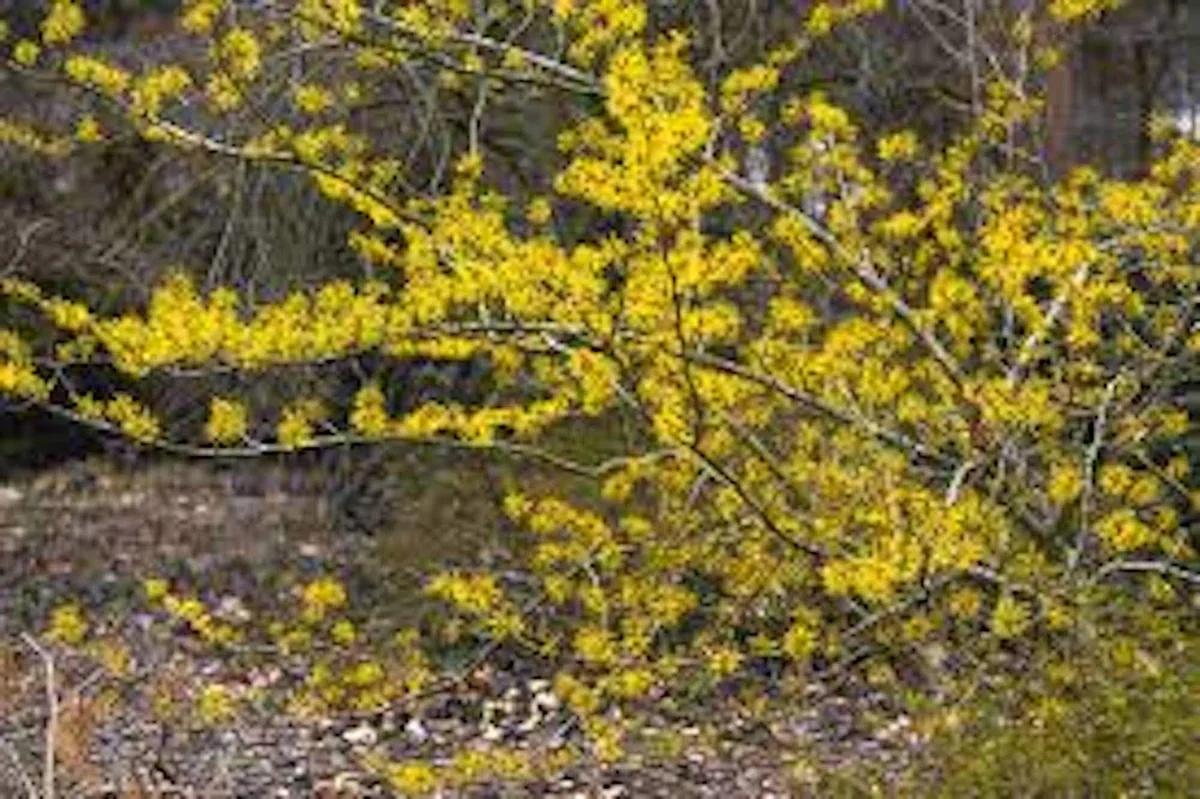
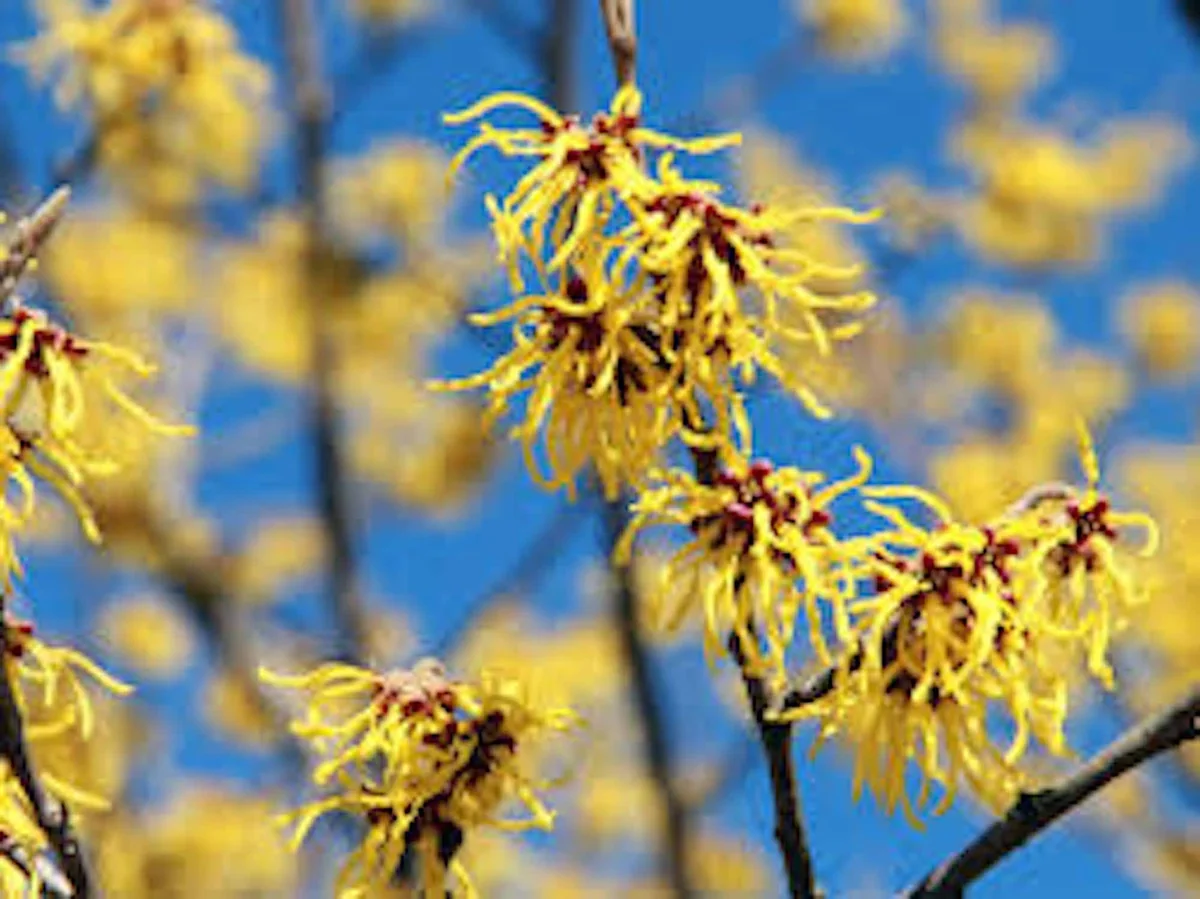
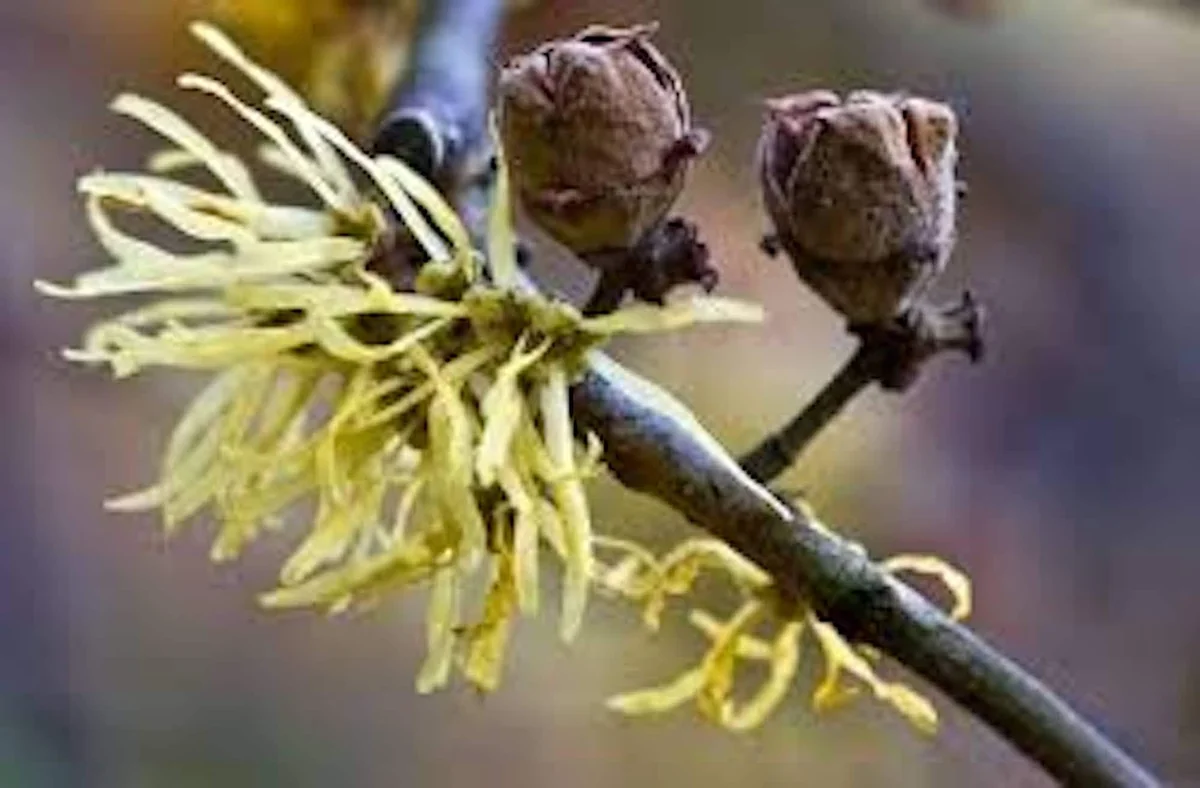
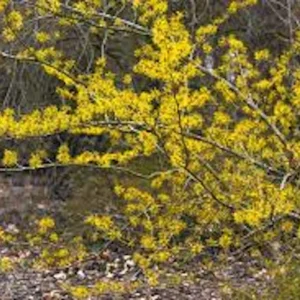
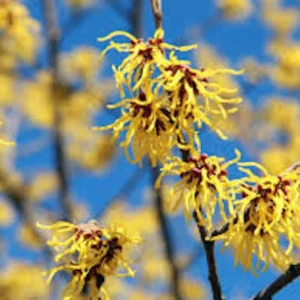
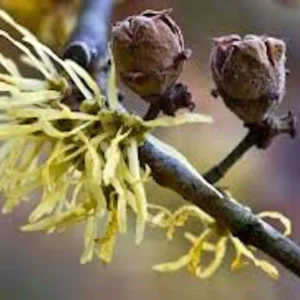
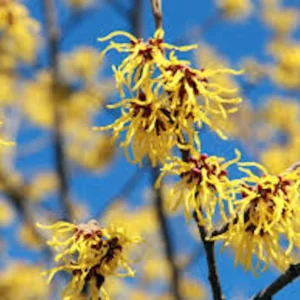
Introduce a touch of natural elegance to your landscape with the Witch Hazel Tree (Hamamelis virginiana). This remarkable native deciduous tree, often reaching heights of 12-24 inches in its younger stages, is celebrated for its distinctive late-season flowering. Unlike many trees that bloom in spring or summer, the Witch Hazel Tree enchants with its spidery, fragrant yellow flowers appearing from late fall into early winter, providing much-needed color when most other plants are dormant. Its unique blooming period, combined with its attractive green foliage that turns brilliant yellow in autumn, makes it a standout specimen in any garden. This hardy and adaptable plant is perfect for gardeners seeking a low-maintenance yet captivating addition to their outdoor spaces.
The botanical name, Hamamelis virginiana, refers to the North American native species, known for its resilience and ecological benefits. As a native tree plant, it supports local wildlife and thrives in a variety of conditions, making it an excellent choice for sustainable landscaping. Whether you’re looking to create a woodland garden, add a focal point, or simply enjoy its seasonal charm, the Witch Hazel Tree offers year-round interest and a touch of wild beauty.
Key Benefits
The Witch Hazel Tree offers a multitude of benefits that make it a highly desirable addition to any garden or landscape. Its unique characteristics contribute to both aesthetic appeal and ecological value.
- Unique Seasonal Interest: One of the most compelling benefits of the Witch Hazel Tree is its unusual blooming period. It produces fragrant, spidery yellow flowers in late autumn or early winter, providing vibrant color when most other plants have faded for the season. This makes it a fantastic plant for extending garden interest.
- Native and Eco-Friendly: As a native tree plant, Hamamelis virginiana is perfectly adapted to local ecosystems. It provides habitat and food for native wildlife, requiring less intervention in terms of watering and fertilization once established, thus supporting biodiversity and sustainable gardening practices.
- Attractive Foliage: Beyond its winter blooms, the foliage of the Witch Hazel Tree is a significant asset. Its oval, medium green leaves turn a stunning golden-yellow in the fall, creating a brilliant display of autumn color before the flowers emerge.
- Low Maintenance: This hardy deciduous tree is known for its robust nature and relatively low care requirements. Once established, it is quite tolerant of various soil conditions and is generally resistant to pests and diseases, making it suitable for both experienced and novice gardeners.
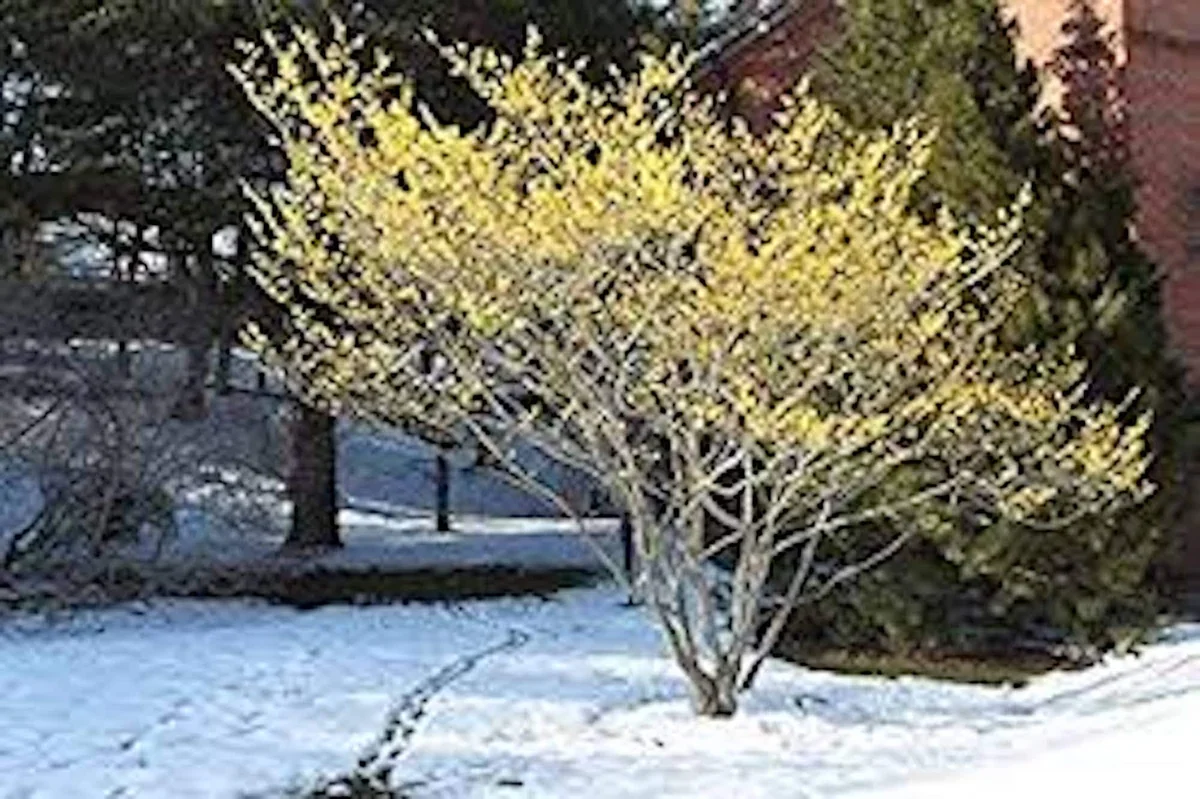
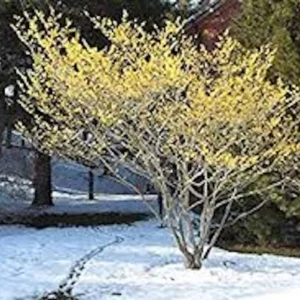
- Versatile Landscape Use: The upright, rounded shape of the Witch Hazel Tree makes it versatile for a variety of landscape designs. It can be used as a specimen plant, in shrub borders, naturalized areas, or even as an understory tree in larger gardens.
- Medicinal Properties: Historically, extracts from Witch Hazel have been used for their astringent and anti-inflammatory properties, making it a plant with both ornamental and practical value.
- Fragrant Blooms: The delicate yellow flowers of the Witch Hazel Tree emit a subtle, pleasant fragrance that can be appreciated even in the cooler months, adding an olfactory dimension to the winter garden.
Plant Care & Growing Tips
Caring for your Witch Hazel Tree is relatively straightforward, especially since it is a native species well-suited to many climates. To ensure your Hamamelis virginiana thrives, consider the following guidelines for optimal growth and bloom production. This hardy deciduous tree prefers specific conditions to reach its full potential.
Sunlight and Location: The Witch Hazel Tree performs best in locations that receive full sun to partial shade. Full sun (at least 6 hours of direct sunlight daily) will encourage the most abundant flowering and vibrant fall foliage, but it can tolerate partial shade, especially in hotter climates where some afternoon protection can prevent leaf scorch. Ensure the planting site has good air circulation to prevent fungal issues. When considering Witch Hazel care, proper light exposure is paramount.
Watering and Soil: This tree prefers consistently moist, well-draining soil. While it doesn’t like soggy conditions, it also doesn’t tolerate prolonged drought, especially when young. Water regularly, particularly during dry spells and in its first few years after planting, to establish a strong root system. Once mature, it is more drought-tolerant but will benefit from supplemental watering during extended dry periods. The ideal soil is rich in organic matter, slightly acidic to neutral (pH 5.5-7.0). Amending heavy clay soils with compost can improve drainage, while adding organic matter to sandy soils can improve moisture retention.
Temperature and Hardiness: The Witch Hazel Tree is remarkably cold-hardy, thriving in USDA Zones 3-8. It can withstand significant winter cold, which is essential for its late-season blooming cycle. Minimal protection is needed for established plants in these zones. Fertilization is generally not heavily required for this resilient native tree plant. If your soil is poor, a balanced, slow-release granular fertilizer applied in early spring can be beneficial. Pruning should be minimal, primarily to remove dead, damaged, or crossing branches. If shaping is desired, do so after flowering to avoid cutting off the next season’s blooms.
Size & Details
This offering includes a Witch Hazel Tree (Hamamelis virginiana) that stands 12-24 inches tall upon arrival, providing a substantial young plant ready for establishment in your garden. These trees are typically shipped as bare-root plants in fall and winter, transitioning to potted plants during the active growing season to ensure their health and vitality. The mature height of a Witch Hazel Tree typically ranges from 12 to 20 feet, with an impressive spread of 15 to 20 feet, although in ideal growing conditions, it can occasionally reach up to 25 feet. It generally develops an upright, rounded shape, making it a beautiful architectural element in the landscape.
Growth rate for this deciduous tree is considered slow to moderate, adding approximately 6 to 12 inches per year under optimal conditions. It’s important to note that it can take several years, typically around 5-10 years, for the Witch Hazel Tree to reach its full mature size and flowering potential, particularly in cooler, temperate climates where it naturally thrives. This allows you to enjoy its growth and development over time, culminating in its spectacular late-season blooms and vibrant fall foliage.
Frequently Asked Questions
- Q: How big does this Witch Hazel Tree get at maturity? A: The Witch Hazel Tree typically grows to a mature height of 12 to 20 feet with a spread of 15 to 20 feet. In optimal conditions, it can sometimes reach up to 25 feet, developing an upright, rounded form.
- Q: Is this an indoor or outdoor plant? A: The Witch Hazel Tree (Hamamelis virginiana) is an outdoor deciduous tree, best suited for garden and landscape planting. It is not recommended as an indoor houseplant.
- Q: How much sunlight does the Witch Hazel Tree need? A: This native tree plant thrives in full sun to partial shade. For the best flowering and fall color, aim for at least 6 hours of direct sunlight per day.
- Q: What condition will the Witch Hazel Tree arrive in? A: During fall and winter dormancy, the trees ship as bare roots. During the active growing season, they will be shipped in pots to ensure their health during transit.
- Q: Is the Witch Hazel Tree easy to care for? A: Yes, the Witch Hazel Tree is generally considered low-maintenance once established. It’s a hardy deciduous tree that is quite resilient to pests and diseases with proper Witch Hazel care.
- Q: How long until it blooms? A: While young plants may show some early blooms, it typically takes 5-10 years for the Witch Hazel Tree to reach its full maturity and consistent, abundant flowering potential.
- Q: Will it survive winter in my zone? A: Yes, Hamamelis virginiana is very cold hardy and thrives in USDA Zones 3-8, making it suitable for a wide range of temperate climates.
- Q: What kind of soil does it prefer? A: The Witch Hazel Tree prefers consistently moist, well-draining soil that is rich in organic matter. It tolerates a slightly acidic to neutral pH.
- Q: When is the best time to plant a Witch Hazel Tree? A: The best time to plant is typically in the spring or fall when temperatures are moderate. This allows the tree to establish its root system before extreme heat or cold.
- Q: Does Witch Hazel have any special medicinal uses? A: Historically, extracts from Witch Hazel have been used for their astringent and anti-inflammatory properties, commonly found in various topical remedies.


Reviews
There are no reviews yet.