Overview
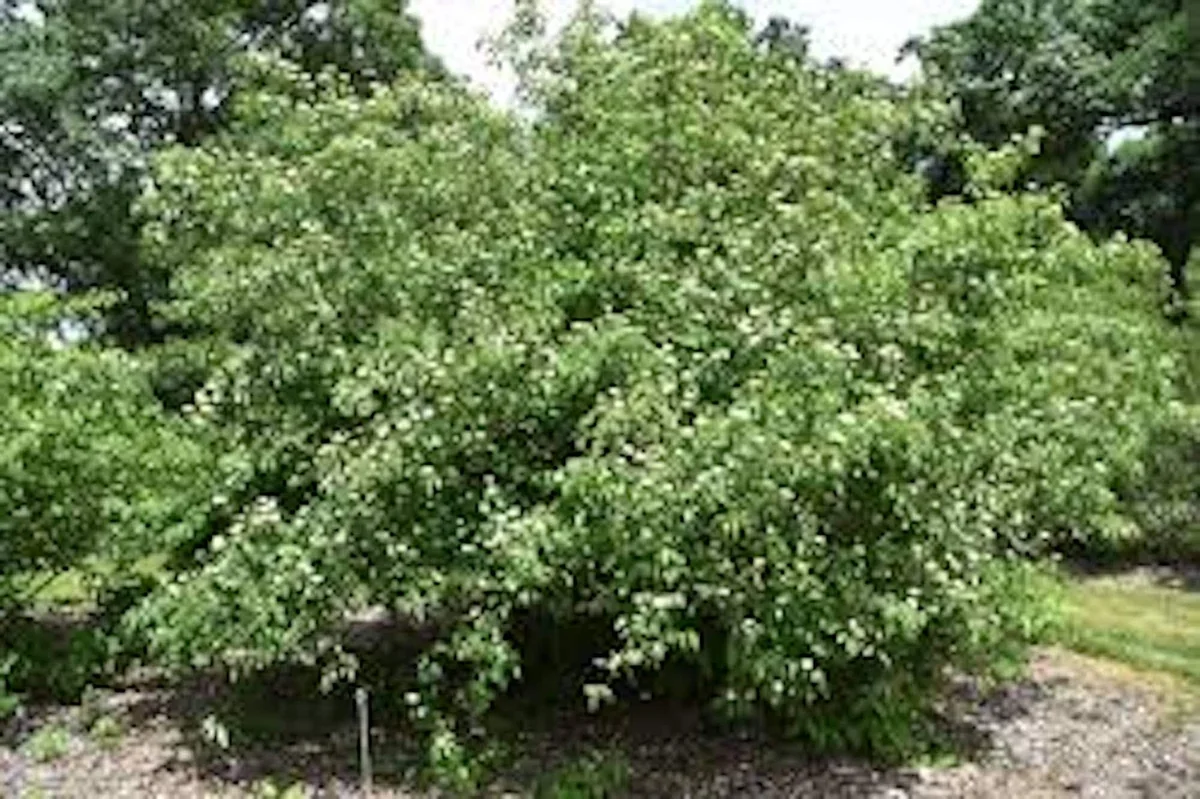
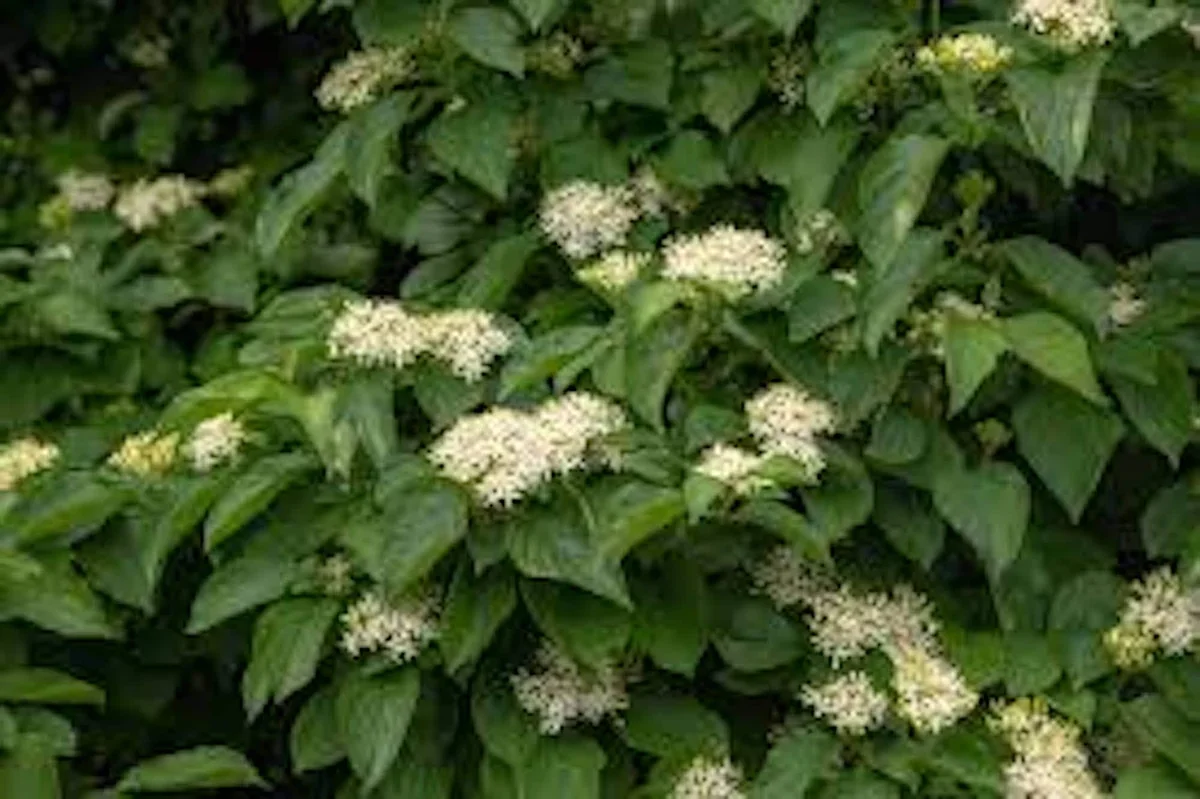
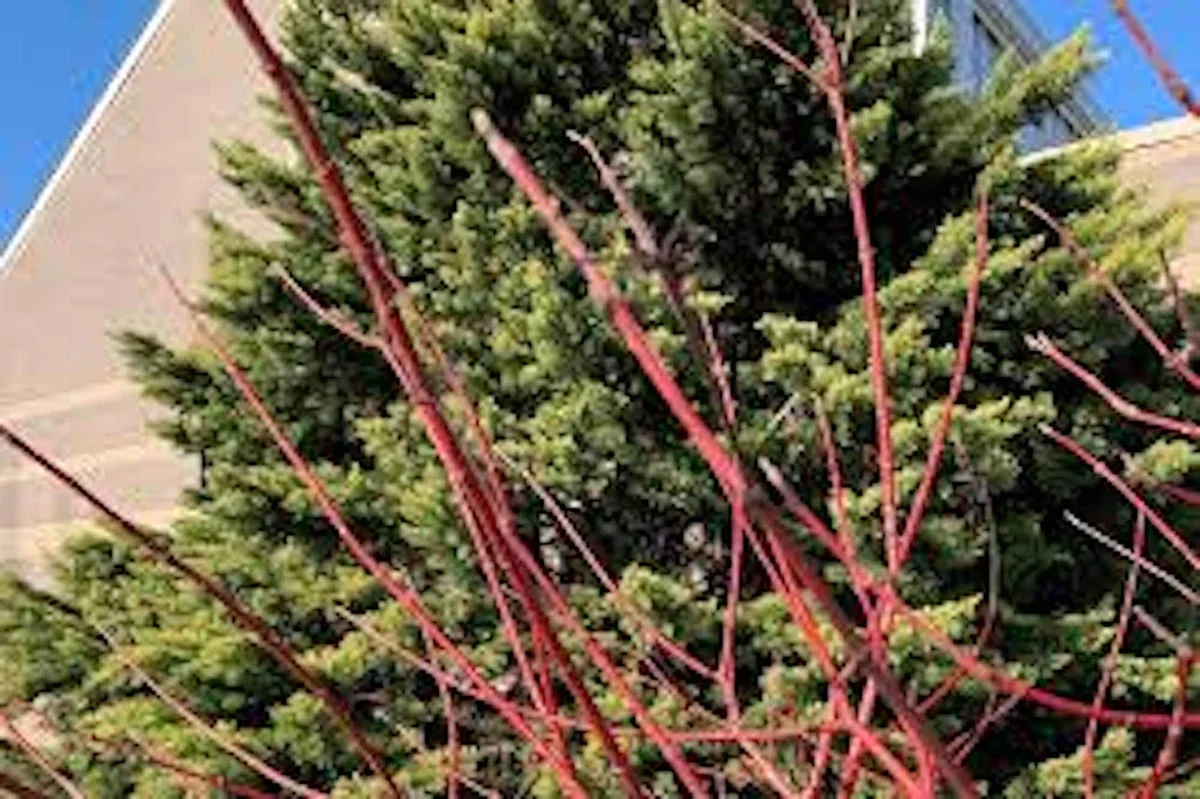
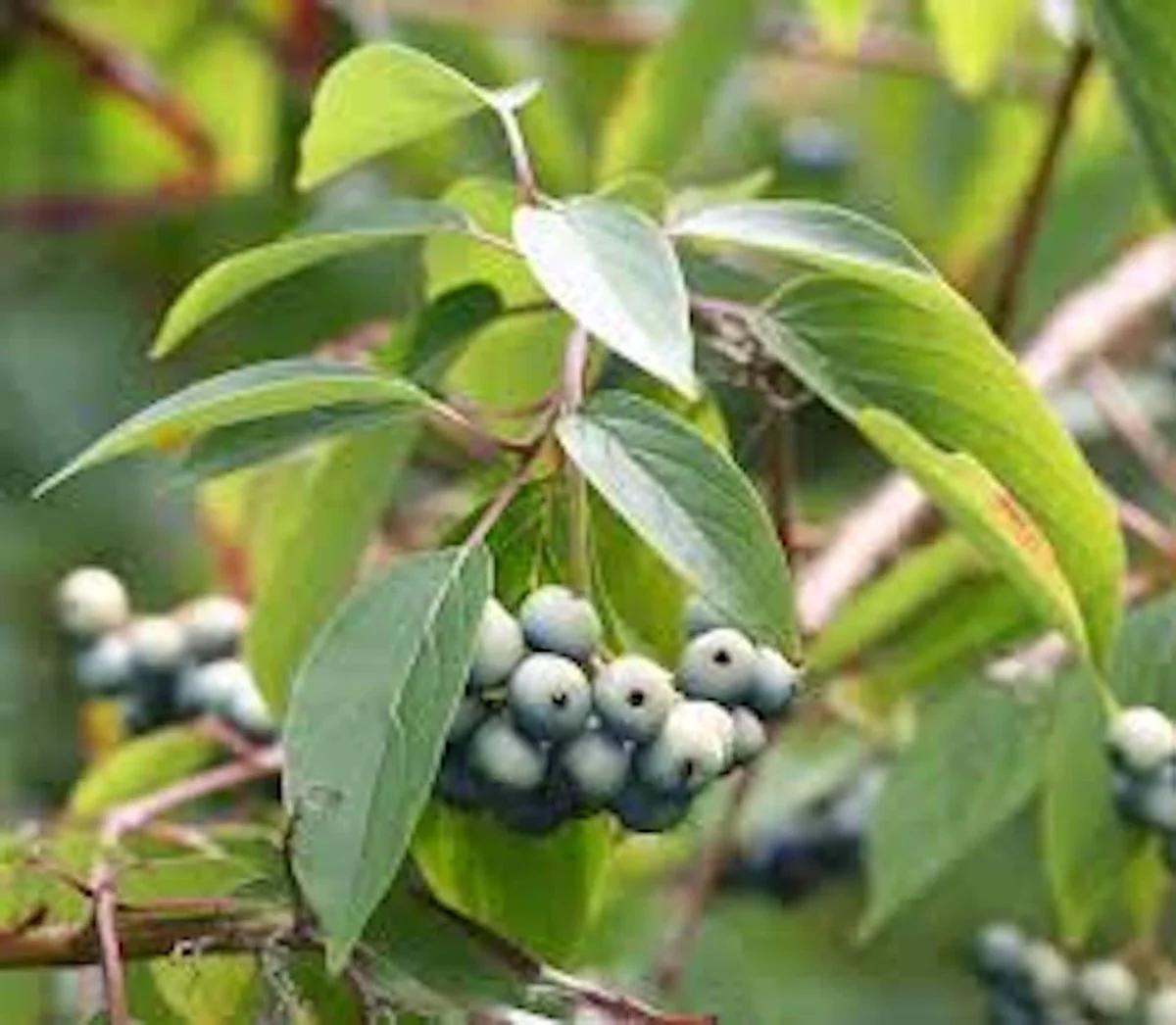
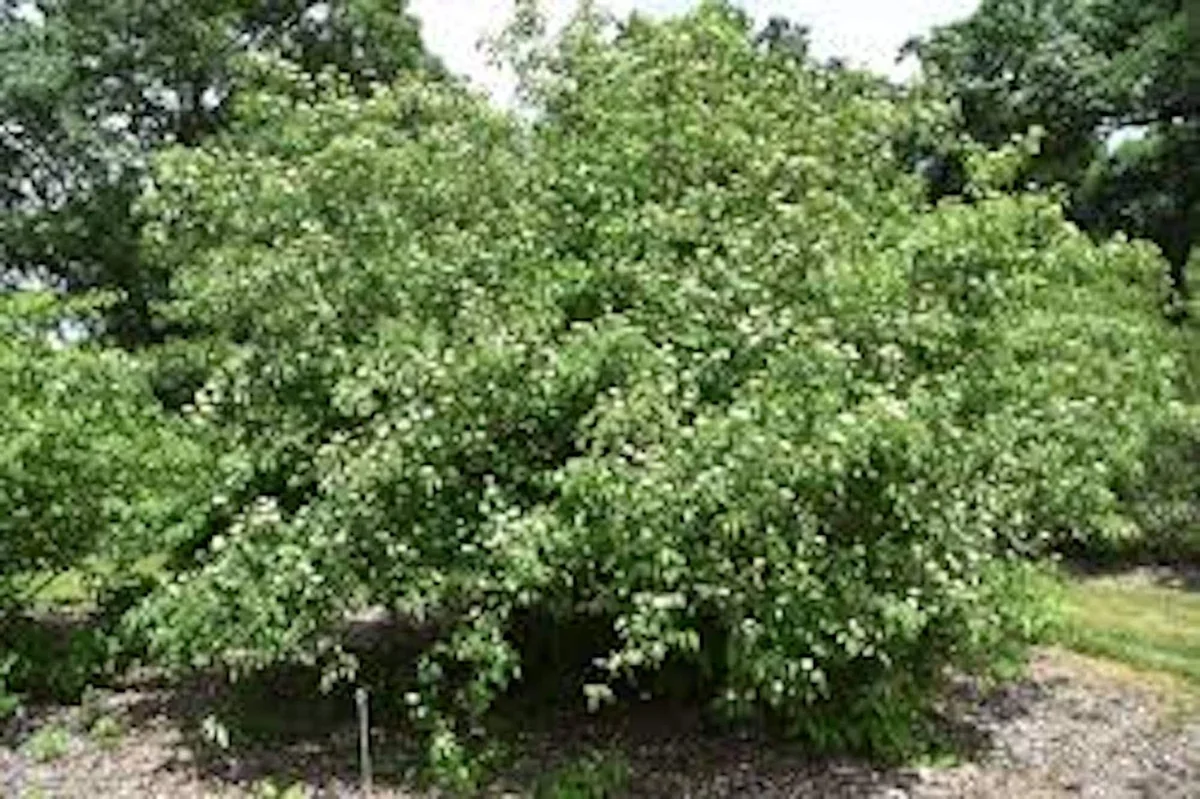
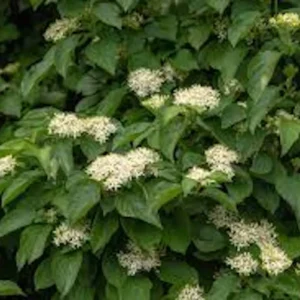
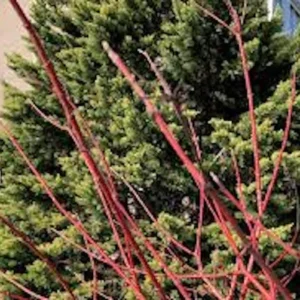
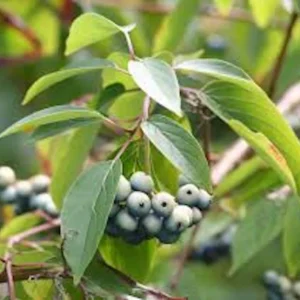
Introduce a touch of native elegance to your outdoor space with this silky dogwood bare root plant. The silky dogwood tree (Cornus amomum) is a versatile and resilient multi-stemmed shrub, highly valued for its ornamental appeal and ecological benefits. Growing 12-24 inches tall upon arrival, this bare root specimen is ready to establish quickly in your garden. Native to eastern and central North America, it adapts well to various conditions, making it an excellent choice for gardeners seeking a low-maintenance yet impactful plant. This remarkable shrub is celebrated for its beautiful white flowers in late spring, followed by attractive blue berries in late summer that provide a vital food source for local wildlife. Its reddish-purple twigs offer a striking visual display, particularly in the stark beauty of winter landscapes.
The silky dogwood bare root is an exceptional addition for those looking to support local ecosystems and create a vibrant, year-round garden. Its ability to thrive in moist to wet soils, combined with its tolerance for drier conditions and various light levels, makes it a robust option for many garden designs. Whether you’re creating a rain garden, a naturalized area, or simply enhancing your existing shrub borders, the silky dogwood tree will prove to be a rewarding investment. Its common name, silky dogwood, refers to the fine, soft hairs found on its leaves and twigs, adding a unique textural element to the plant.
Key Benefits
The silky dogwood bare root offers a multitude of benefits, making it a superior choice for diverse landscaping needs. Its natural beauty and ecological advantages contribute significantly to a healthier and more visually appealing outdoor environment.
-
Multi-Season Interest: Enjoy vibrant white flowers in late spring, followed by striking blue berries in late summer, and distinctive reddish-purple twigs that provide color during the winter months. This continuous display ensures your garden remains engaging throughout the year.
-
Wildlife Attraction: The blue berries serve as an important food source for various bird species, while the dense foliage provides shelter and nesting sites, making it an excellent dogwood for wildlife habitats. Planting this shrub actively supports local biodiversity.
-
Adaptable & Resilient: This Cornus amomum plant is highly adaptable, thriving in a range of soil conditions from moist to wet, and tolerating drier spells once established. It also performs well in full sun to partial shade, offering flexibility in placement.
-
Erosion Control: Due to its robust root system and preference for moist environments, silky dogwood is an effective plant for stabilizing stream banks and controlling erosion in wet areas of your property.
-
Low Maintenance: Once established, the silky dogwood bare root requires minimal care, making it an ideal option for busy gardeners or those seeking a beautiful yet undemanding addition to their landscape.
-
Native Plant: As a native species, it is well-suited to local climates and ecosystems, requiring less intervention and contributing to the ecological balance of your region. This also means it’s often more resistant to local pests and diseases.
-
Naturalized & Rain Gardens: Its ability to thrive in moist conditions makes it a perfect candidate for naturalized plantings, wetland restoration projects, or rain gardens, where it can help manage stormwater runoff.
Plant Care & Growing Tips
Caring for your silky dogwood bare root is straightforward, ensuring a healthy and thriving shrub with proper attention to its specific needs. Upon arrival, soak the bare roots in water for a few hours before planting to rehydrate them. Choose a planting location that receives full sun to partial shade for optimal growth and flowering. While it prefers at least 4-6 hours of direct sunlight, it can tolerate more shaded conditions, though flowering and fruiting may be less prolific. Dig a hole wide enough to accommodate the spread of the roots and deep enough so that the crown of the plant is at soil level. Spread the roots out evenly in the hole and backfill with soil, gently tamping down to remove air pockets.
Watering is crucial, especially during the establishment phase of your silky dogwood tree. Ensure consistent moisture, particularly during dry spells in the first year. Silky dogwood thrives in moist to wet, well-draining soil, but it is adaptable to a variety of soil types, including clay or sandy soils. However, avoid excessively dry conditions, which can stress the plant. Mulching around the base of the plant with 2-3 inches of organic material like wood chips or shredded bark will help retain soil moisture, regulate soil temperature, and suppress weeds. This also enriches the soil as it breaks down over time. Fertilization is generally not necessary in rich soils, but a balanced slow-release fertilizer can be applied in early spring if soil nutrients are lacking. This robust native dogwood shrub is hardy in USDA zones 5-8.
Pruning is best done in late winter or early spring while the plant is dormant. Remove any dead, damaged, or crossing branches to maintain a healthy structure. You can also prune to shape the shrub or to encourage new growth, which often produces the most vibrant reddish-purple twigs. This Cornus amomum plant is generally resistant to most pests and diseases, but keep an eye out for common issues like powdery mildew in humid conditions or leaf spot, which can usually be managed with good air circulation and proper cultural practices. With these simple care guidelines, your silky dogwood will flourish, providing beauty and ecological benefits for years to come.
Size & Details
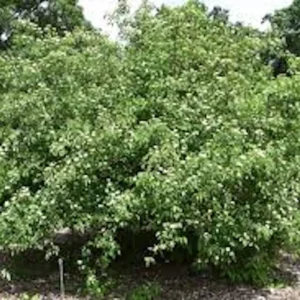
This offering is for one silky dogwood bare root plant, typically measuring 12-24 inches in height upon arrival. As a bare root specimen, it is shipped without soil or a pot, allowing for easier transplanting and establishment. Once planted, the silky dogwood tree is a medium-sized, multi-stemmed shrub that can reach a mature height of 6-10 feet with a similar spread. Its growth rate is moderate, allowing it to fill out your garden space effectively within a few seasons. The plant develops a dense, rounded form, making it an excellent choice for hedgerows, naturalized areas, or as a specimen shrub.
The blue berries typically appear in late summer to early fall, following the white flowers of late spring. The distinctive reddish-purple twigs are most prominent during the winter months, offering a beautiful contrast against snow or dormant landscapes. This plant is well-suited for a variety of landscape applications, from informal hedges to wildlife gardens, and is a fantastic choice for those seeking a resilient and aesthetically pleasing native dogwood shrub. The bare root format ensures that the plant’s energy is focused on root development once planted, leading to strong growth in its new home.
Frequently Asked Questions
-
Q: How big does this silky dogwood bare root get when mature? A: A: Once mature, the silky dogwood tree typically reaches a height of 6-10 feet with a similar spread, forming a dense, multi-stemmed shrub. Its size can be managed with appropriate pruning.
-
Q: Is this an indoor or outdoor plant? A: This is an outdoor plant, perfectly suited for landscaping in USDA Hardiness Zones 5-8. It is not recommended for indoor cultivation.
-
Q: How much sunlight does the Cornus amomum plant need? A: Silky dogwood prefers full sun to partial shade, meaning it thrives with at least 4-6 hours of direct sunlight per day. It can tolerate more shade, but flowering and fruiting may be reduced.
-
Q: Is this plant easy to care for? A: Yes, once established, the silky dogwood bare root is considered low-maintenance. It is quite adaptable to various soil conditions and is generally resistant to pests and diseases, making it a good choice for gardeners of all skill levels.
-
Q: What condition will the silky dogwood bare root arrive in? A: The plant will arrive as a bare root specimen, meaning it will have healthy roots but no soil or foliage. This is a common and effective method for shipping deciduous plants.
-
Q: When is the best time to plant a native dogwood shrub like this? A: The best time to plant bare root shrubs like silky dogwood is in early spring, after the danger of hard frosts has passed, but before the plant breaks dormancy and begins to leaf out.
-
Q: Will the berries from the silky dogwood tree attract birds? A: Absolutely! The blue berries produced by the silky dogwood are a favorite food source for many bird species, making it an excellent choice for attracting and supporting local wildlife in your garden.
-
Q: What kind of soil does this Cornus amomum plant prefer? A: It thrives in moist to wet, well-draining soils but is adaptable to clay or sandy soils. Consistent moisture is key, especially during its first year of establishment.
-
Q: Can the silky dogwood bare root be used for erosion control? A: Yes, due to its preference for moist conditions and strong root system, silky dogwood is often used in naturalized areas and along stream banks for erosion control.
-
Q: What is special about the twigs of the silky dogwood tree? A: The twigs are a distinctive reddish-purple color, which becomes particularly vibrant and noticeable during the winter months, adding significant ornamental value to the dormant landscape.


Reviews
There are no reviews yet.