
Overview
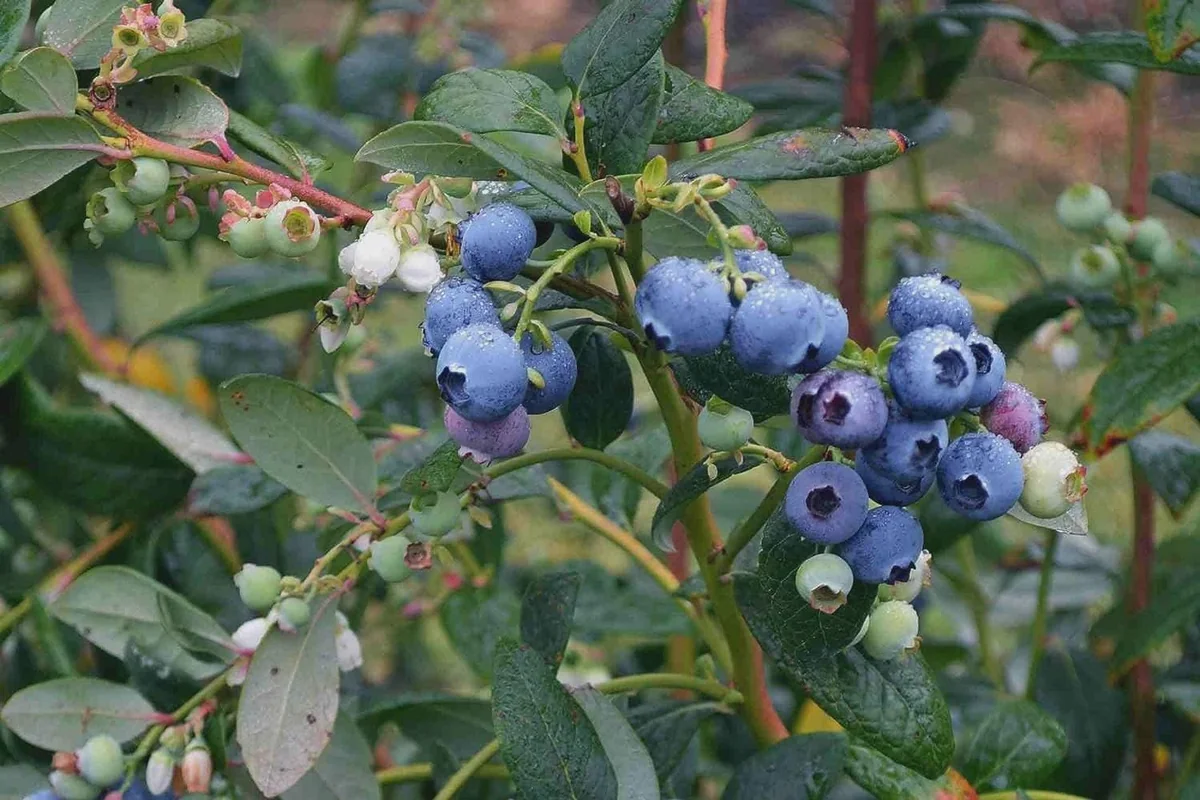
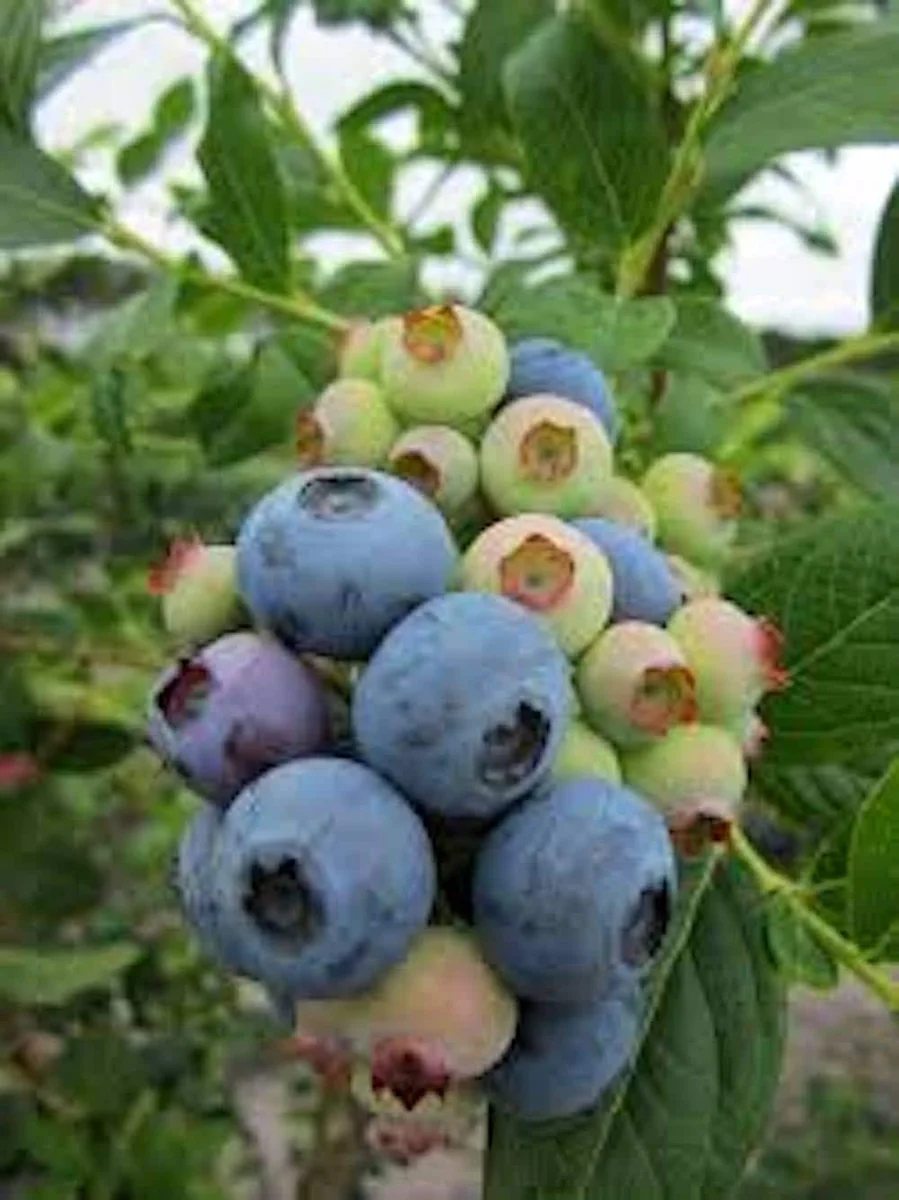
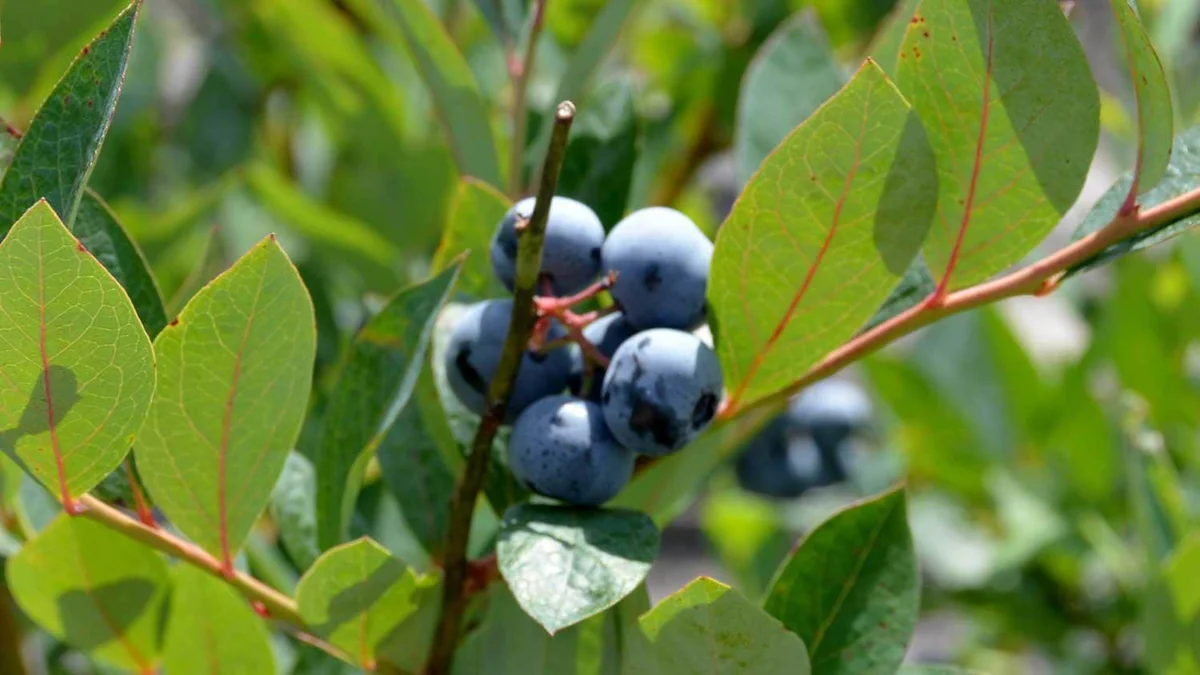
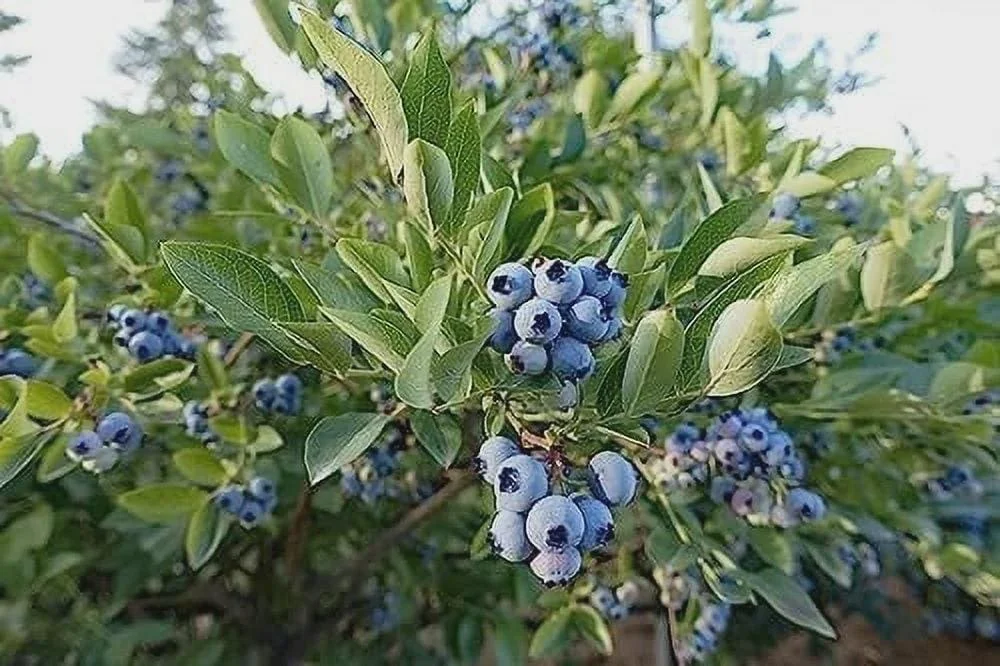
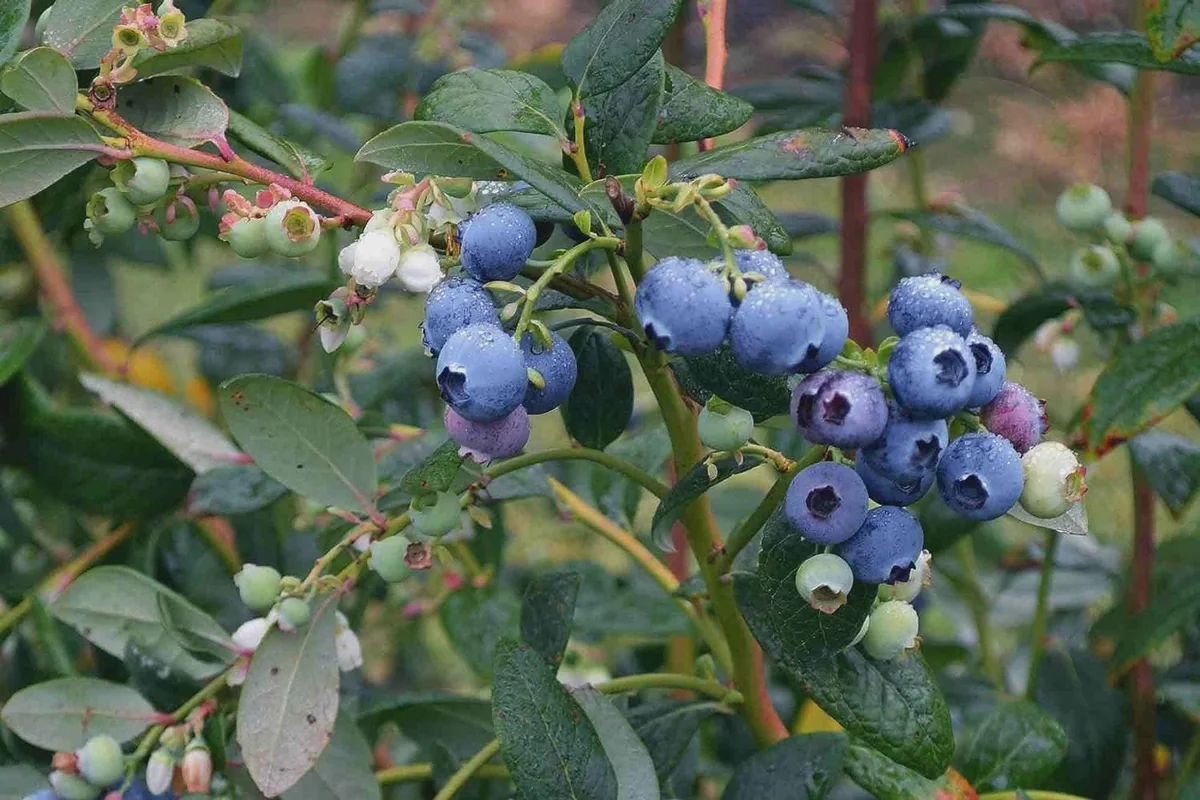
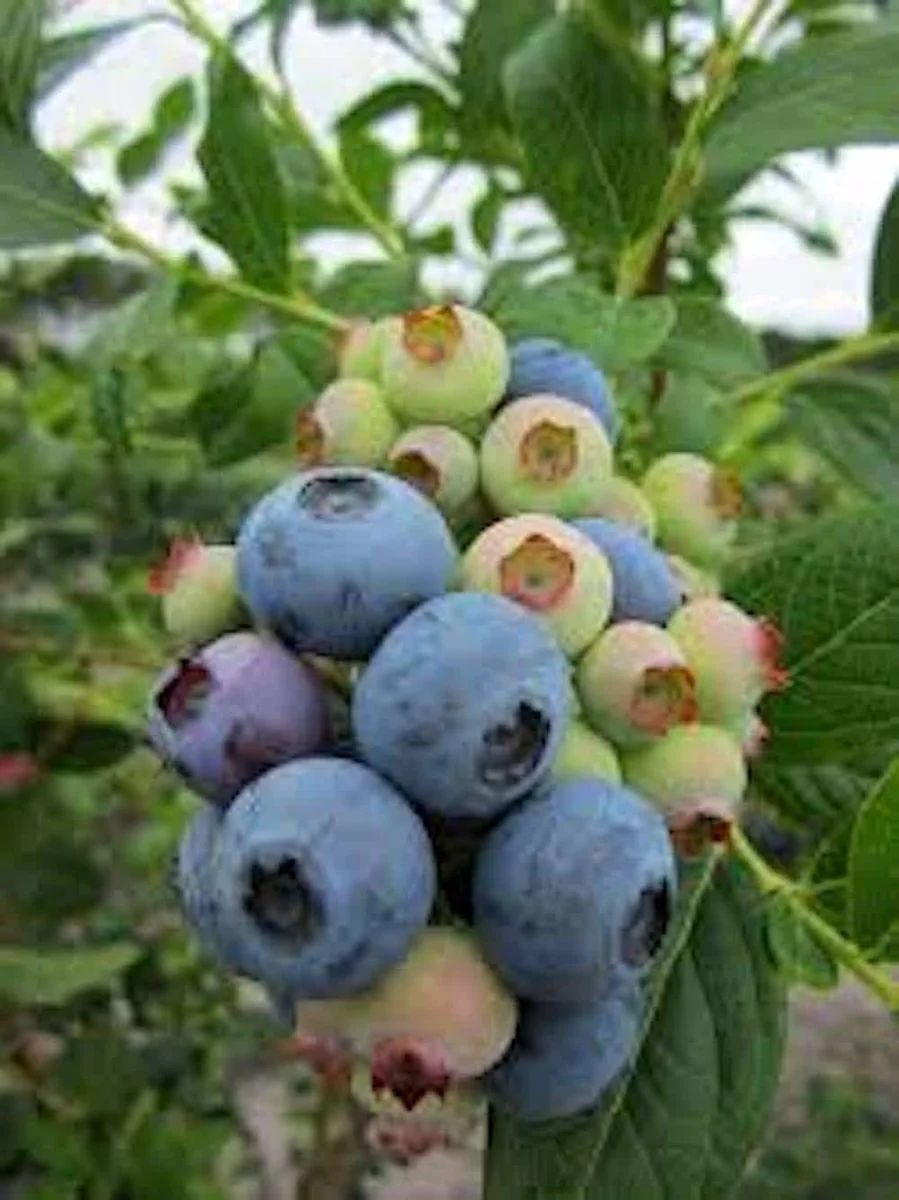
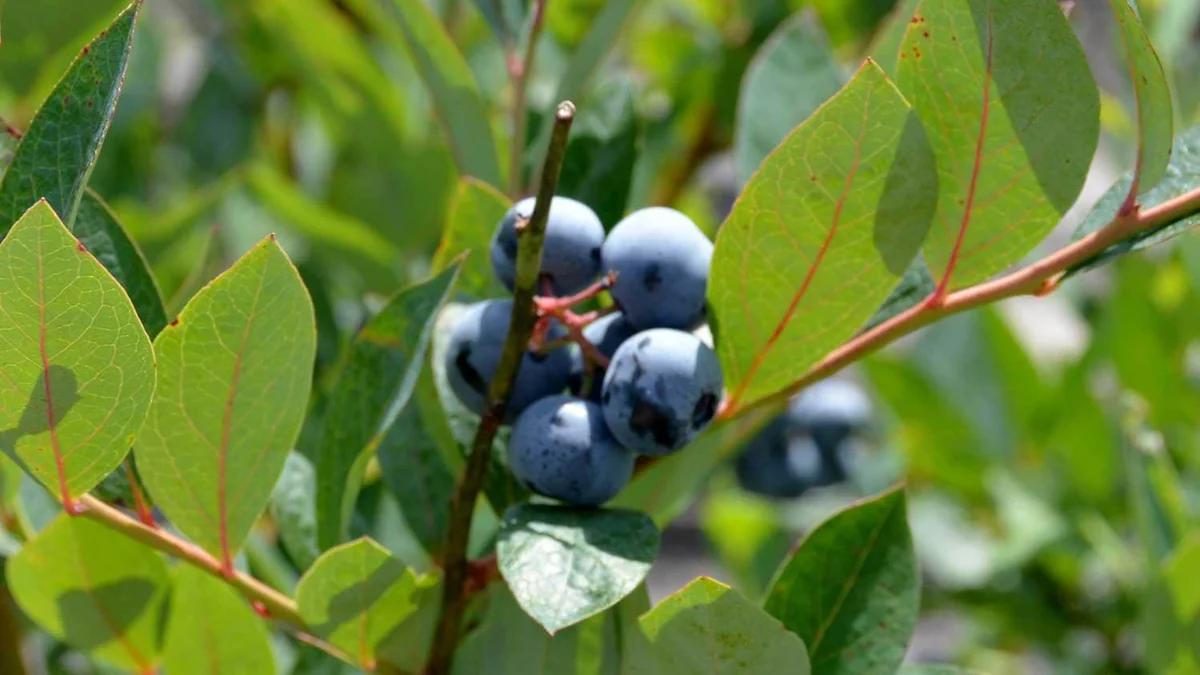
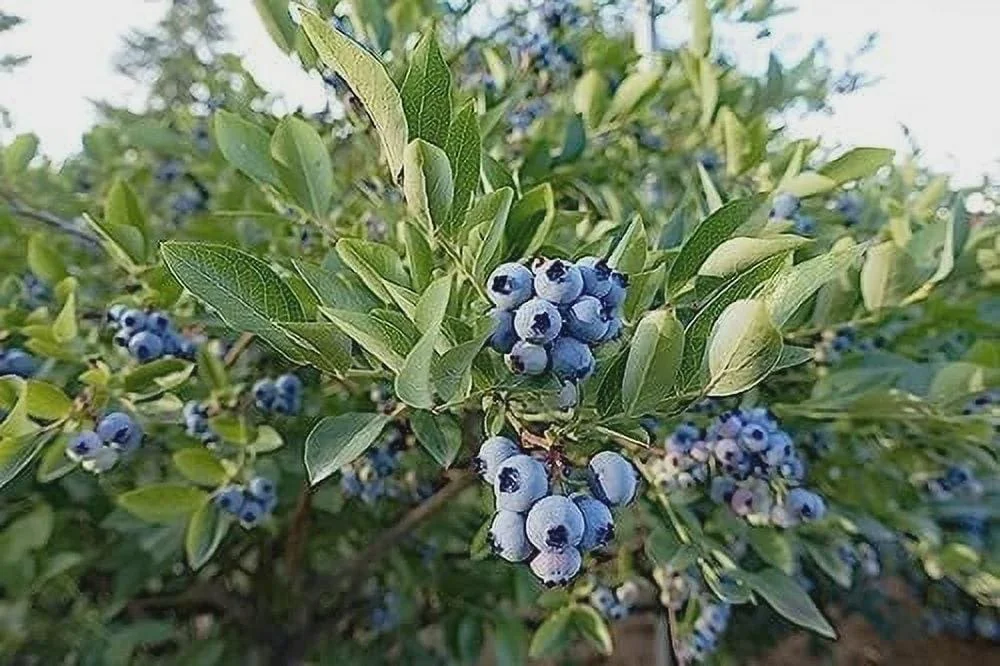
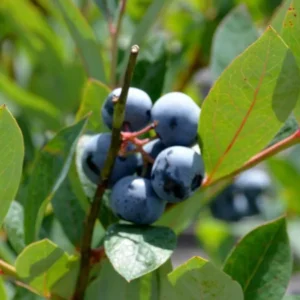
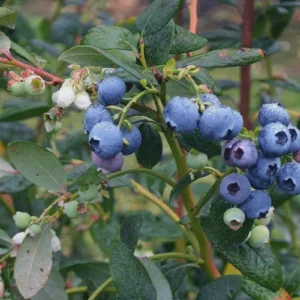
Embark on a rewarding gardening journey with this pack of 5 Heintooga blueberry starter plug plants. The ‘Heintooga’ cultivar, scientifically known as Vaccinium formosum x, is a distinguished highbush-type blueberry, celebrated for its exceptional fruit quality. These sweet blueberry plants produce highly aromatic, incredibly sweet, and delightfully low-seeded berries, making them a favorite among fruit enthusiasts. Developed by North Carolina State University, this patented hybrid boasts a rich lineage, tracing its wild grandparent, Vaccinium constablaei, to Heintooga Ridge in North Carolina. Whether you’re an experienced grower or new to fruit cultivation, these starter plugs offer an excellent foundation to grow Heintooga blueberries successfully in your home garden.
Each starter plug is carefully cultivated to provide a robust beginning for your future blueberry bushes. Known for their vigorous growth and reliable yields, these plants are an investment in delicious, homegrown fruit for years to come. The ‘Heintooga’ variety is a testament to superior breeding, combining hardiness with outstanding flavor, ensuring a bountiful harvest of some of the finest blueberries you can enjoy.
Key Benefits
Investing in Heintooga blueberry starter plug plants offers a multitude of advantages for the home gardener. From their delicious fruit to their ornamental appeal, these plants are a fantastic addition to any edible landscape. Proper highbush blueberry plant care will ensure these benefits are maximized.
- Exceptional Flavor Profile: The ‘Heintooga’ produces berries that are renowned for their intense sweetness and aromatic qualities, far surpassing many commercial varieties. This makes them perfect for fresh consumption, baking, or preserves, providing a truly gourmet experience.
- Low-Seeded Berries: Enjoy plump, juicy blueberries with minimal seeds, enhancing the eating experience and making them more palatable for children and adults alike.
- Patented Hybrid Vigor: As a patented hybrid, the ‘Heintooga’ benefits from superior genetic traits, offering robust growth, disease resistance, and consistent yields, which simplifies the process to grow Heintooga blueberries.
- Wide Hardiness Range: These plants are incredibly versatile, thriving in USDA Zones 4 through 10, allowing a broad range of gardeners across the United States to successfully cultivate them.
- Ornamental Appeal: Beyond their delicious fruit, blueberry bushes offer seasonal beauty with delicate spring flowers, lush green summer foliage, and vibrant fall color, adding aesthetic value to your garden.
- Health Benefits: Blueberries are packed with antioxidants, vitamins, and fiber, contributing to a healthy diet and supporting overall well-being.
- Homegrown Satisfaction: There’s immense satisfaction in harvesting your own fresh fruit, knowing exactly how it was grown and enjoying the peak of freshness and flavor.
Plant Care & Growing Tips
Successful cultivation of your Heintooga blueberry starter plug plants requires attention to a few key care aspects. Blueberries thrive in specific conditions, and understanding these will lead to a healthy, productive bush. Proper highbush blueberry plant care is crucial for a bountiful harvest.
Sunlight Requirements: Blueberry plants, including the ‘Heintooga’ variety, require a minimum of 6-8 hours of direct sunlight per day to produce the best fruit. Choose a location in your garden that receives full sun throughout most of the day. While they can tolerate some partial shade, too much shade will result in fewer berries and less vigorous growth. Ensure good air circulation around the plants to prevent fungal diseases.
Watering and Soil: Blueberries prefer consistently moist, but not waterlogged, soil. Provide about 1-2 inches of water per week, either from rainfall or irrigation, especially during dry spells and when berries are developing. The most critical factor for blueberries is acidic soil. They thrive in a pH range of 4.5 to 5.5. If your soil is not naturally acidic, you may need to amend it with peat moss, elemental sulfur, or use acidic fertilizers. The soil should also be well-draining, rich in organic matter, and loamy. Avoid heavy clay soils that retain too much moisture, as this can lead to root rot. For optimal growth, consider raised beds if your native soil is unsuitable. These conditions are key for anyone looking to grow Heintooga blueberries successfully.
Temperature and Fertilization: The ‘Heintooga’ blueberry is hardy in USDA Zones 4 through 10, meaning it can tolerate a wide range of winter temperatures. In colder zones, ensure adequate mulching around the base of the plant to protect roots. Fertilize your blueberry plants in early spring before new growth begins, and again after the fruit set. Use a fertilizer specifically formulated for acid-loving plants, such as azalea or rhododendron fertilizer, or one that contains ammonium sulfate. Avoid fertilizers containing nitrates, as these can be harmful to blueberries. Pruning should be done in late winter while the plant is dormant, removing dead or weak canes and thinning out older, less productive branches to encourage new growth and better fruit production. This focused approach to highbush blueberry plant care will yield excellent results.
Size & Details
This offering includes 5 Heintooga blueberry starter plug plants. Each plug is a young, healthy specimen, ready for transplanting into your garden or larger containers. While exact initial size may vary slightly, these starter plugs are typically well-rooted and between 4-8 inches tall, providing a robust base for future growth. The ‘Heintooga’ highbush blueberry variety is known to mature into a medium to large bush, generally reaching 4-6 feet in height and spread, depending on growing conditions and pruning practices. Expect fruit production to begin within 1-2 years after planting, with significant yields by the third year. These plants are shipped bare root, without a pot, to minimize transplant shock and ensure healthy establishment. With proper care, these sweet blueberry plants will develop into productive bushes, providing years of delicious fruit.
Frequently Asked Questions
- Q: How big do these Heintooga blueberry starter plugs get after planting? A: Once planted, these Heintooga blueberry starter plug plants will grow into mature bushes typically reaching 4-6 feet in height and spread. The final size can be influenced by growing conditions, climate, and pruning.
- Q: Are these plants suitable for growing in containers? A: Yes, ‘Heintooga’ blueberries can be grown successfully in large containers (at least 15-20 gallon capacity) with proper acidic potting mix and consistent watering. This is a great option for those with limited garden space or unsuitable native soil.
- Q: How much sun do these highbush blueberry plants need? A: For optimal fruit production and plant health, these highbush blueberry plant care requires at least 6-8 hours of direct sunlight per day. Choose a sunny location in your garden.
- Q: What condition will the plants arrive in? A: Your Heintooga blueberry starter plug plants will be shipped bare root, meaning they will arrive without soil or a pot. This method helps reduce shipping stress and is ideal for immediate planting upon arrival.
- Q: What is the best time to plant these blueberry plugs? A: The best time to plant these blueberry plugs is typically in spring after the last frost, or in early fall. This allows the roots to establish before extreme temperatures.
- Q: What kind of soil is best for growing Heintooga blueberries? A: Grow Heintooga blueberries in highly acidic soil with a pH between 4.5 and 5.5. The soil should also be well-draining and rich in organic matter. Amending with peat moss or elemental sulfur may be necessary.
- Q: How long does it take for these sweet blueberry plants to produce fruit? A: You can expect your sweet blueberry plants to start producing a small amount of fruit in their first or second year after planting, with a more substantial harvest typically beginning in the third year.
- Q: How do I ensure good pollination for my Heintooga blueberries? A: While ‘Heintooga’ is self-fertile, planting multiple blueberry varieties nearby often leads to larger and more consistent fruit yields due to improved cross-pollination.


Reviews
There are no reviews yet.