Overview
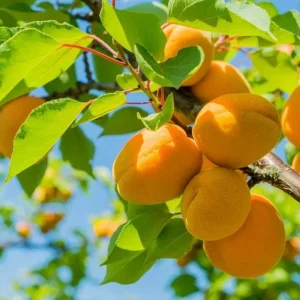
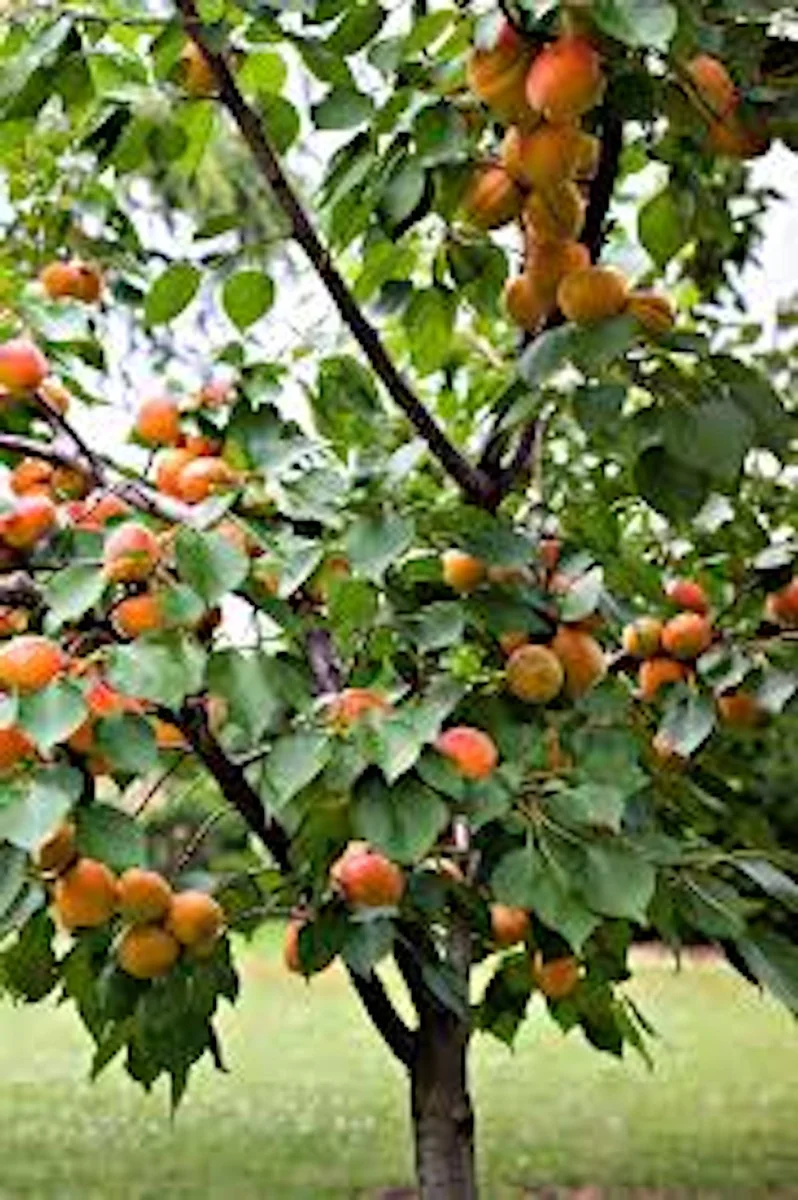
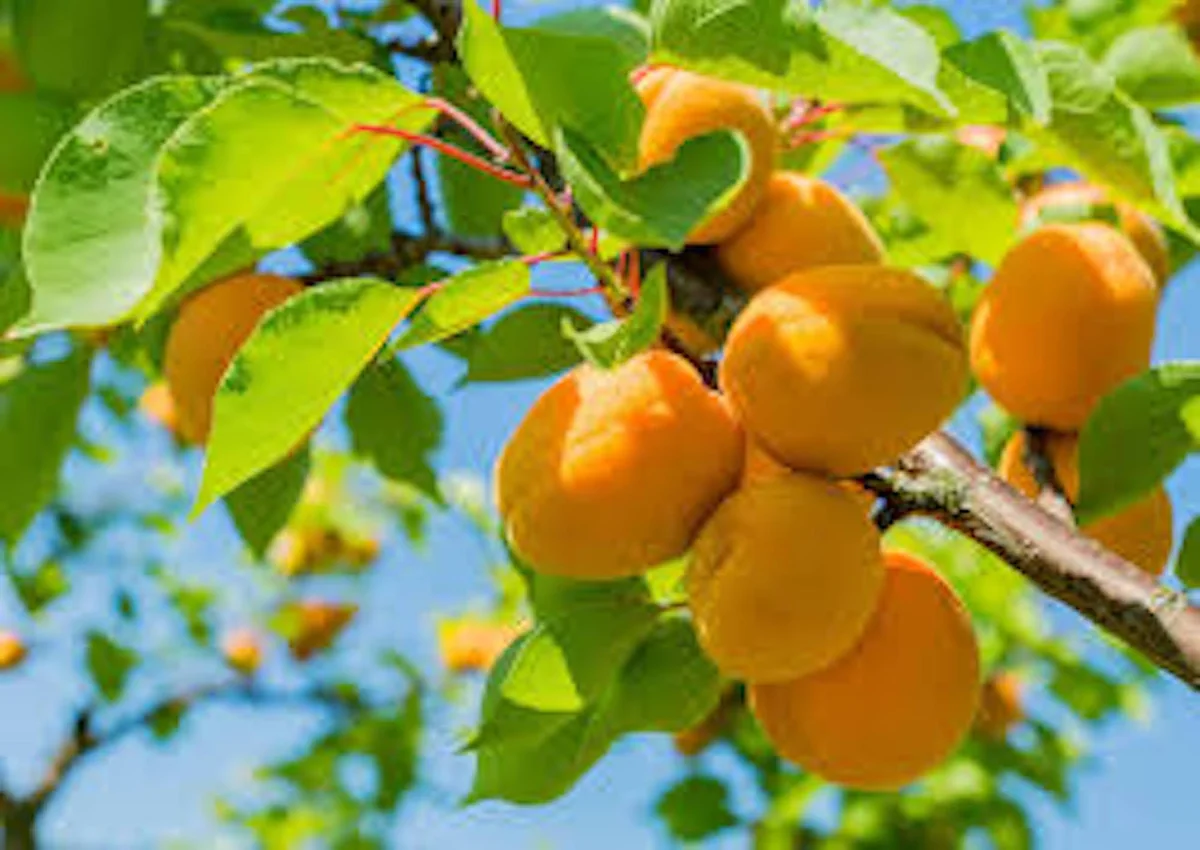
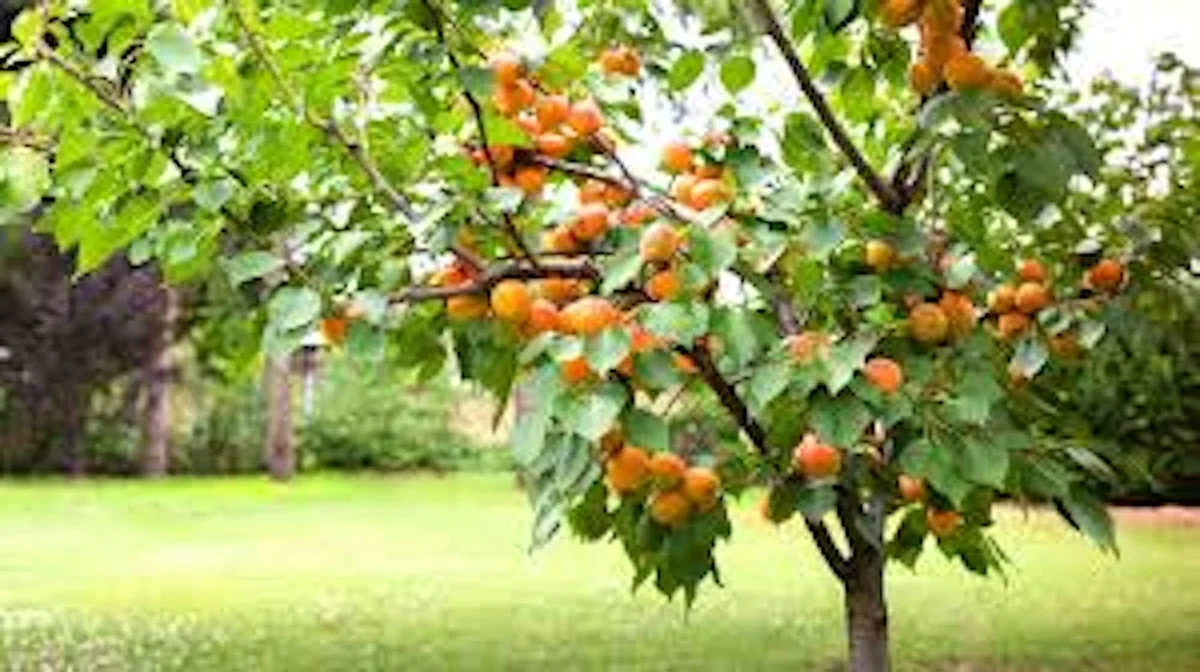
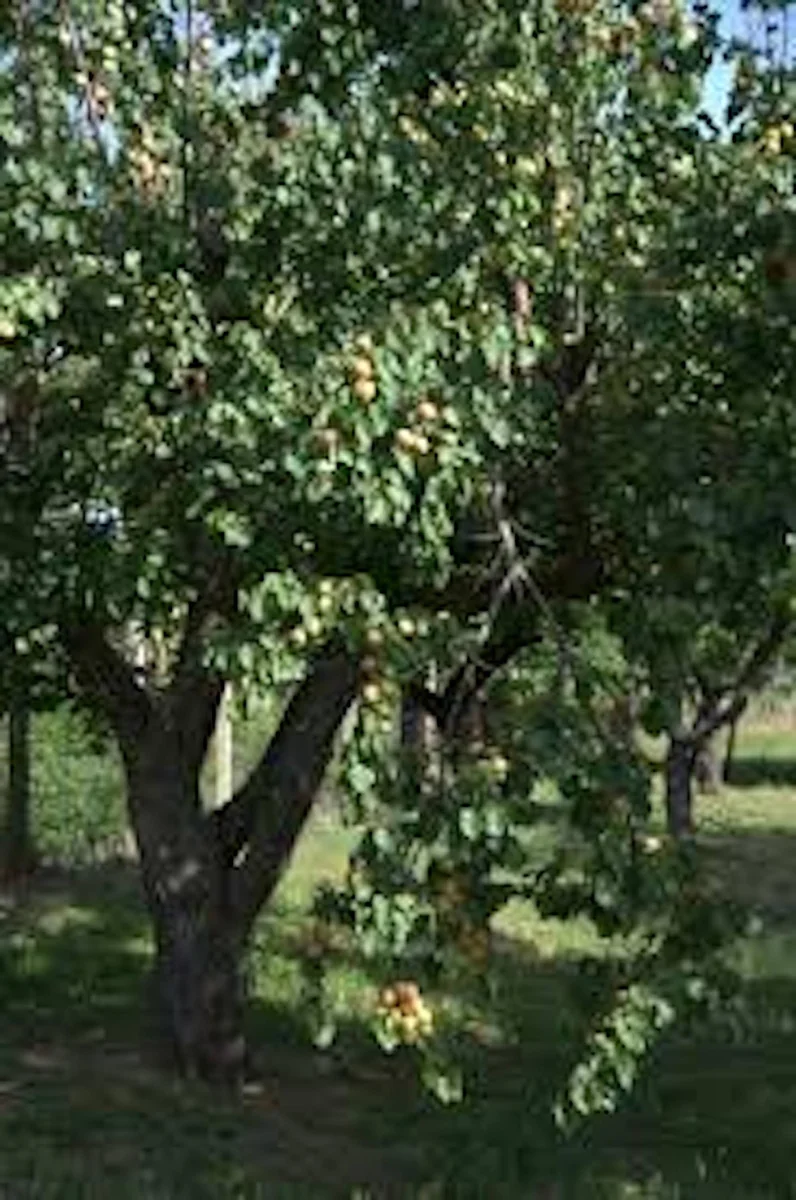
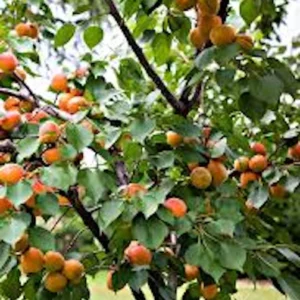
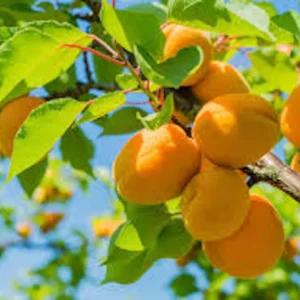
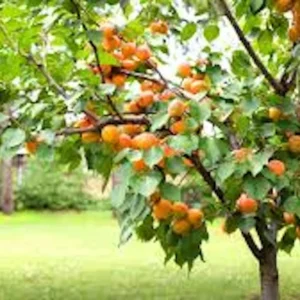
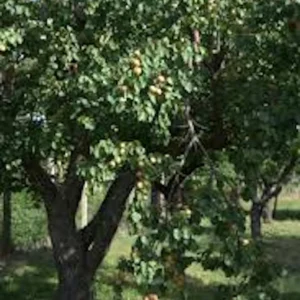
Introduce the joy of homegrown fruit to your garden with this exceptional offering: a 10-pack of apricot tree live plant starters. Scientifically known as Prunus armeniaca tree, these deciduous trees are celebrated for their early spring display of delicate white or pink blossoms, followed by a generous yield of sweet, juicy yellow-orange fruit. Far more than just a fruit producer, the apricot tree adds significant ornamental value to your landscape, transforming your outdoor space into a vibrant haven. Each young tree is carefully cultivated to thrive, providing a rewarding experience for both novice and experienced gardeners eager to cultivate their own fresh produce. These starter plants are an ideal way to establish a productive home orchard, ensuring a bountiful harvest for years to come. Growing your own apricots offers unparalleled freshness and flavor compared to store-bought varieties, making this an investment in both your garden and your culinary endeavors.
Key Benefits
Investing in these apricot tree live plant starters brings a multitude of benefits, enriching your garden and providing delicious rewards. From their aesthetic appeal to their abundant harvests, these trees are a fantastic choice for any home gardener seeking both beauty and productivity.
-
Abundant Fruit Production: Enjoy a consistent supply of fresh, sweet, and juicy apricots directly from your own garden. These trees are known for their generous yields once mature, providing ample fruit for eating fresh, baking, or preserving.
-
Stunning Spring Blooms: Before the fruit appears, these apricot tree live plant specimens adorn your garden with a magnificent display of white or pink flowers in early spring. These blossoms are not only beautiful but also attract beneficial pollinators, contributing to the overall health of your garden ecosystem.
-
Ornamental Value: Beyond their fruit, apricot trees offer significant aesthetic appeal. Their spreading canopy, oval-shaped leaves with serrated edges, and reddish stems create an attractive focal point in any landscape, providing shade and visual interest throughout the growing season.
-
Home Orchard Starter: This 10-pack provides an excellent foundation for establishing a productive home orchard. Planting multiple trees ensures better pollination and a more substantial harvest, allowing you to truly embrace the farm-to-table lifestyle.
-
Hardy and Adaptable: The hardy apricot tree, Prunus armeniaca, is generally robust and adaptable to various growing conditions, making it a reliable choice for many regions. With proper care, these trees can thrive and produce fruit for many years.
-
Freshness and Flavor: There’s nothing quite like the taste of a freshly picked apricot. Growing your own ensures you enjoy the peak of ripeness and flavor, free from the concerns of commercial harvesting and transportation.
Plant Care & Growing Tips
Caring for your apricot tree live plant starters will ensure they grow into strong, fruit-bearing trees. Apricot trees generally prefer a sunny location with well-draining soil. Understanding their specific needs for sunlight, water, soil, and temperature is crucial for a successful harvest. Providing the right environment from the start will lead to healthier trees and more abundant fruit.
Sunlight Requirements: Apricot trees thrive in full sun, meaning they need at least 6-8 hours of direct sunlight per day. Choose a planting site that receives ample morning sun to help dry dew from the leaves, reducing the risk of fungal diseases. Good air circulation around the tree is also beneficial. Proper sunlight is essential for fruit development and ripening, so avoid shaded areas.
Watering Schedule and Soil Moisture: Young Prunus armeniaca tree plants require consistent moisture, especially during their first few years and during dry spells. Water deeply and regularly, ensuring the soil remains evenly moist but not waterlogged. Once established, apricot trees are moderately drought-tolerant, but regular watering during fruit development will improve yield and fruit quality. Avoid overhead watering to minimize leaf diseases.
Soil Type and Drainage: Apricot trees prefer well-drained, fertile loamy soil with a pH between 6.0 and 7.0. Heavy clay soils should be amended with organic matter to improve drainage. Poor drainage can lead to root rot, which is detrimental to the tree’s health. A soil test can help determine your soil’s composition and suggest necessary amendments. This is a critical aspect of apricot plant care.
Temperature Range and USDA Hardiness Zone: Most apricot varieties are hardy in USDA Zones 5-8, though some can tolerate colder or warmer climates. They require a certain number of chill hours (hours below 45°F/7°C) during winter to produce fruit. Protect young trees from late spring frosts, which can damage new growth and blossoms. Choose a variety suited to your specific climate for the best results.
Fertilization: Fertilize your fruit tree starter plants annually in early spring before new growth begins. Use a balanced slow-release fertilizer or one formulated for fruit trees. Follow the product instructions carefully to avoid over-fertilization, which can lead to excessive leafy growth at the expense of fruit production. Organic compost can also be incorporated into the soil to provide nutrients and improve soil structure.
Size & Details
Each order includes 10 hardy apricot tree starter plants, ready for transplanting into your garden. These bare-root specimens are carefully packaged to ensure their health during transit. Typically, these young trees will reach heights of 15-40 feet at maturity, forming a beautiful spreading canopy. The growth rate is moderate, with significant development occurring in their early years. Expect the trees to begin producing fruit within 3-5 years after planting, with yields increasing as they mature. The exact size of the starter plants upon arrival may vary, but they are robust and prepared for successful establishment in your landscape. These are ideal for anyone looking for a substantial fruit tree starter project.
Frequently Asked Questions
-
Q: How big will my apricot tree live plant grow? A: A mature apricot tree typically reaches a height of 15-40 feet with a spreading canopy. The final size can depend on the specific variety, growing conditions, and pruning practices. Proper pruning can help manage the tree’s size and shape.
-
Q: Is this an indoor or outdoor plant? A: The apricot tree live plant (Prunus armeniaca) is an outdoor tree. It requires specific chill hours during winter and ample sunlight to thrive and produce fruit, making it unsuitable for long-term indoor cultivation.
-
Q: How much sunlight does a Prunus armeniaca tree need? A: A Prunus armeniaca tree requires full sun exposure, which means at least 6-8 hours of direct sunlight per day. Adequate sunlight is crucial for healthy growth, flowering, and the development of sweet, ripe fruit.
-
Q: Is this apricot tree good for beginners? A: Yes, apricot trees can be a rewarding choice for beginners with some basic knowledge of fruit tree care. They are relatively hardy, but attention to watering, soil drainage, and protection from late frosts is important for successful growth and fruiting. Following proper apricot plant care guidelines will ensure success.
-
Q: What condition will the fruit tree starter plants arrive in? A: These fruit tree starter plants are shipped as bare-root specimens, meaning they will arrive without soil in a pot. This method is effective for transporting deciduous trees during their dormant season and helps reduce shipping shock. Plant them as soon as possible upon arrival.
-
Q: How long until my hardy apricot tree produces fruit? A: You can typically expect your hardy apricot tree to begin producing fruit within 3 to 5 years after planting. The yield will increase as the tree matures, reaching its full production potential around 5-7 years.
-
Q: What USDA hardiness zone is suitable for this apricot tree live plant? A: Most common apricot tree varieties, including this apricot tree live plant, are well-suited for USDA Hardiness Zones 5-8. It’s important to choose a location within these zones to ensure the tree receives the necessary chill hours and can withstand local temperatures.
-
Q: What kind of soil is best for an apricot tree? A: Apricot trees thrive in well-drained, fertile, loamy soil with a slightly acidic to neutral pH (6.0-7.0). Good drainage is essential to prevent root rot. Amending heavy clay soils with organic matter can significantly improve their suitability for apricot cultivation.
-
Q: When is the best time to plant these apricot tree starter plants? A: The ideal time to plant bare-root fruit tree starter plants is in late winter or early spring, while the trees are still dormant. This allows them to establish their root systems before the stresses of summer heat.
-
Q: Do I need more than one apricot tree for fruit production? A: While many apricot varieties are self-pollinating, planting more than one tree, especially different varieties, can often lead to significantly better fruit set and higher yields. Cross-pollination can enhance productivity for your apricot tree live plant.


Reviews
There are no reviews yet.