Overview
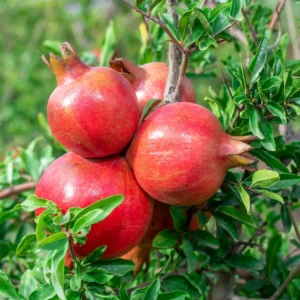
Bring the taste of fresh, sweet pomegranates to your home garden with the Parfianka pomegranate tree starter plant. This particular variety, scientifically known as Punica granatum ‘Parfianka’, is highly esteemed for its superior fruit quality and robust growth. Originating from Turkmenistan and introduced by Dr. Gregory Levin, the Parfianka pomegranate tree has consistently received top ratings in taste tests, making it a favorite among fruit enthusiasts. Unlike many other pomegranates, Parfianka produces fruit with remarkably soft seeds and a delightful sweetness that is balanced by minimal tartness, offering a truly enjoyable eating experience. This live plant is a deciduous tree, meaning it will shed its leaves in the fall and regrow them in the spring, providing seasonal beauty and a bountiful harvest.
The Parfianka pomegranate tree is also a compact and self-pollinating variety, which means you only need one plant to successfully produce fruit. This makes it an ideal choice for smaller gardens or for those looking to maximize their yield with limited space. Whether you are an experienced gardener or just starting out, growing a sweet pomegranate plant like the Parfianka offers a rewarding experience with delicious results. Prepare to enjoy homegrown pomegranates that are far superior to store-bought varieties, perfect for eating fresh, juicing, or adding to culinary creations.
Key Benefits
The Parfianka pomegranate tree offers a multitude of benefits for the home gardener, combining aesthetic appeal with exceptional fruit production. Its vigorous growth and delicious fruit make it a standout choice for any edible landscape.
- Exceptional Fruit Quality: The primary benefit of the Parfianka pomegranate tree is its highly acclaimed fruit. Known for its intense sweetness, juicy arils, and incredibly soft seeds, it provides a superior eating experience compared to many other varieties. The minimal tartness ensures a delightful flavor profile.
- High Yielding: This variety is celebrated for its consistent and abundant fruit production. Once established, you can expect a generous harvest of large, beautiful pomegranates each season, ensuring a steady supply of fresh fruit.
- Self-Pollinating: As a self-pollinating plant, the Parfianka pomegranate tree does not require another pomegranate tree for cross-pollination to produce fruit. This simplifies the growing process and makes it suitable for single-tree planting in smaller spaces.
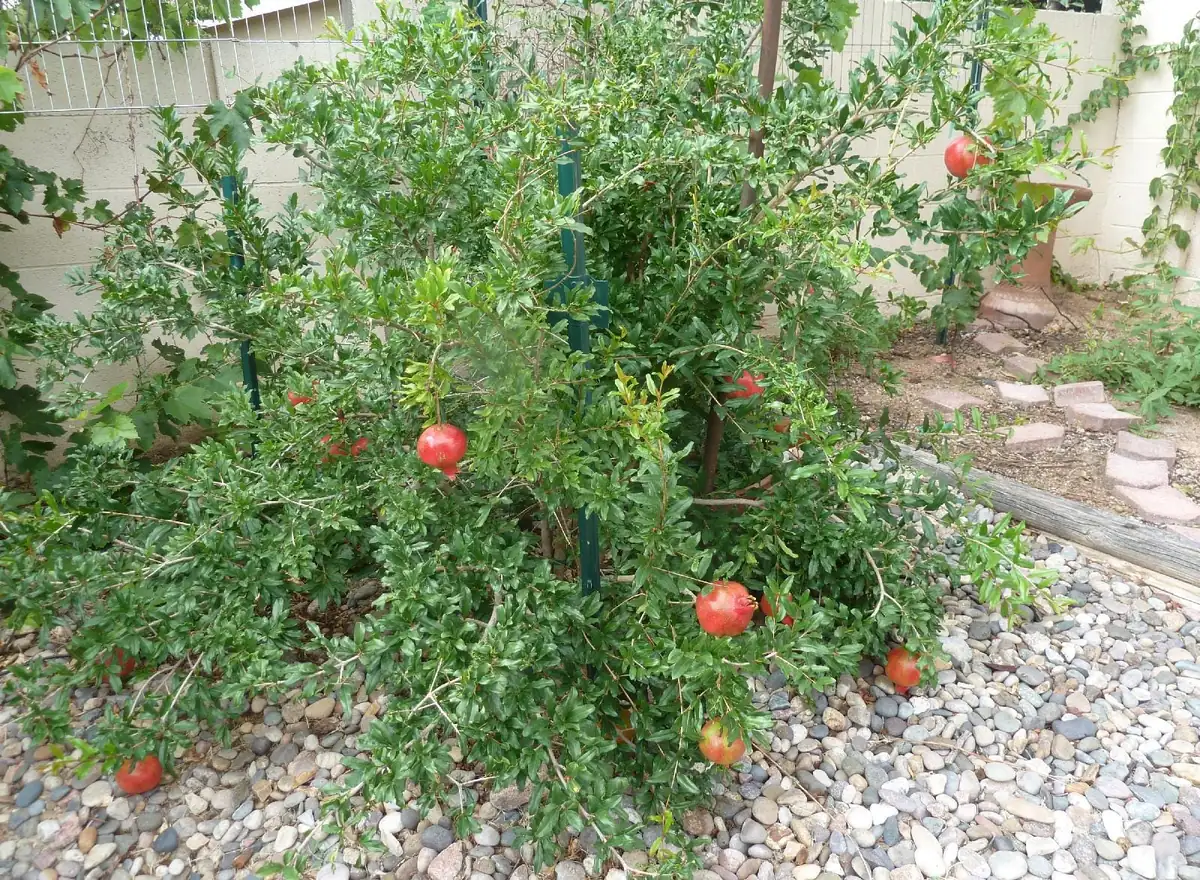
- Compact Growth Habit: While a tree, ‘Parfianka’ maintains a more compact size compared to some other pomegranate varieties. This makes it manageable in various garden settings, including larger containers or smaller yards, without sacrificing fruit production.
- Drought Tolerant: Pomegranates are generally quite drought-tolerant once established, making them a resilient choice for regions with drier climates or for gardeners looking for water-wise options.
- Ornamental Value: Beyond its fruit, the Punica granatum Parfianka also offers significant ornamental appeal. Its vibrant orange-red flowers in spring and attractive foliage add beauty to the landscape throughout the growing season.
- Versatile Culinary Use: The delicious arils of the soft seed pomegranate are perfect for eating fresh, juicing, making syrups, adding to salads, or incorporating into a wide range of culinary dishes and desserts.
Plant Care & Growing Tips
Caring for your Parfianka pomegranate tree is relatively straightforward, and with proper attention, it will thrive and produce abundant fruit. Pomegranates are resilient plants that can adapt to various conditions, but optimal care will ensure the best possible harvest. When considering where to plant your Punica granatum Parfianka, choose a location that receives full sun, meaning at least 6-8 hours of direct sunlight per day. This is crucial for fruit development and ripening. In extremely hot climates, some afternoon shade can be beneficial to prevent scorching, but generally, more sun equals more fruit.
Soil requirements for the Parfianka pomegranate tree are quite flexible, but it prefers well-draining soil. While it can tolerate a range of soil types, from sandy to loamy, excellent drainage is key to prevent root rot. Amend heavy clay soils with organic matter like compost or perlite to improve drainage. Once established, pomegranates are quite drought-tolerant, but consistent moisture is important during the flowering and fruiting stages. Water deeply and regularly, especially during dry spells, allowing the top few inches of soil to dry out between waterings. Reduce watering frequency in the fall as the plant prepares for dormancy.
The soft seed pomegranate is generally hardy in USDA zones 7-11. In cooler zones, it can be grown in a large container and moved indoors during winter, or given significant winter protection. Fertilize your sweet pomegranate plant in early spring before new growth begins, using a balanced fertilizer or one slightly higher in phosphorus and potassium to encourage flowering and fruiting. Pruning should be done in late winter or early spring while the tree is dormant. Focus on removing dead, damaged, or crossing branches, and thin out overcrowded areas to improve air circulation and sunlight penetration. This maintenance will help your self pollinating pomegranate maintain its shape and productivity.
Size & Details
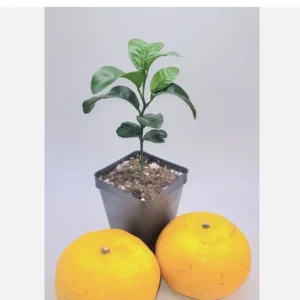
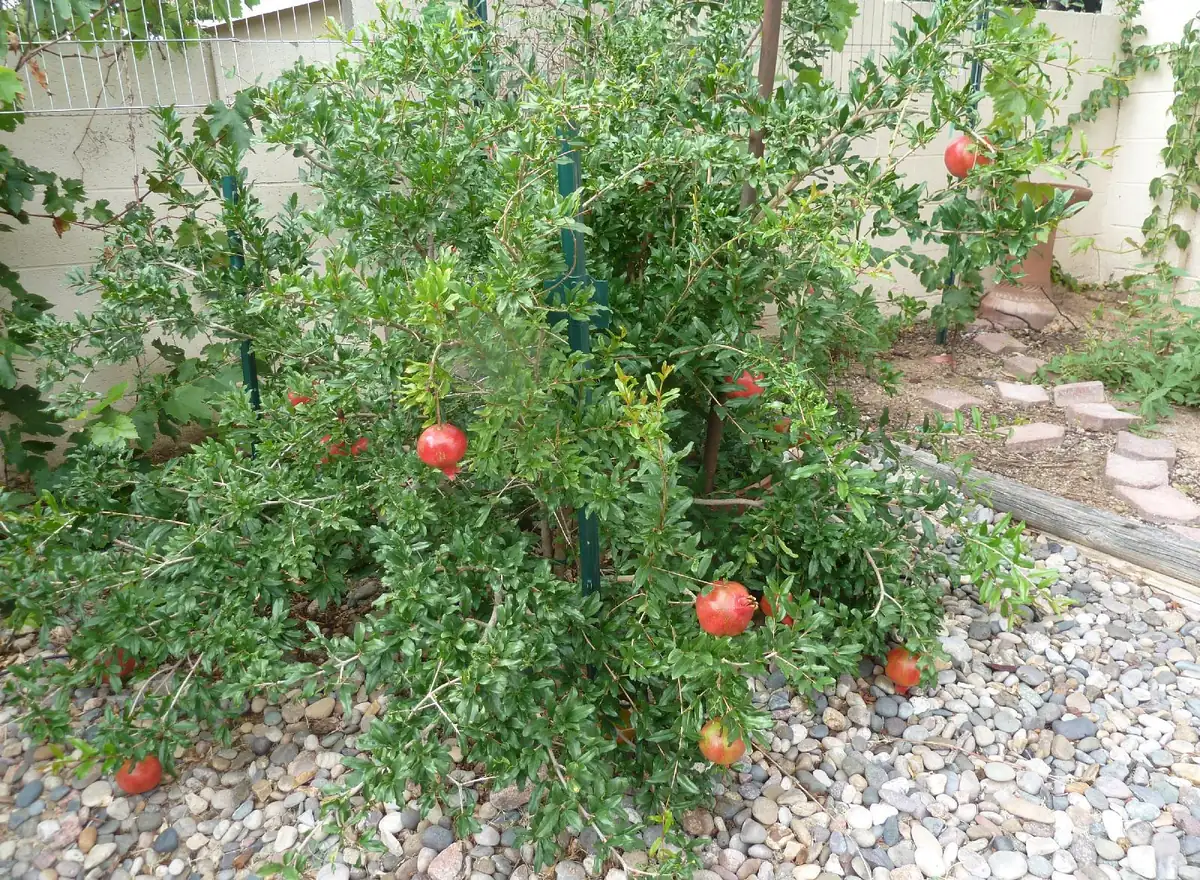
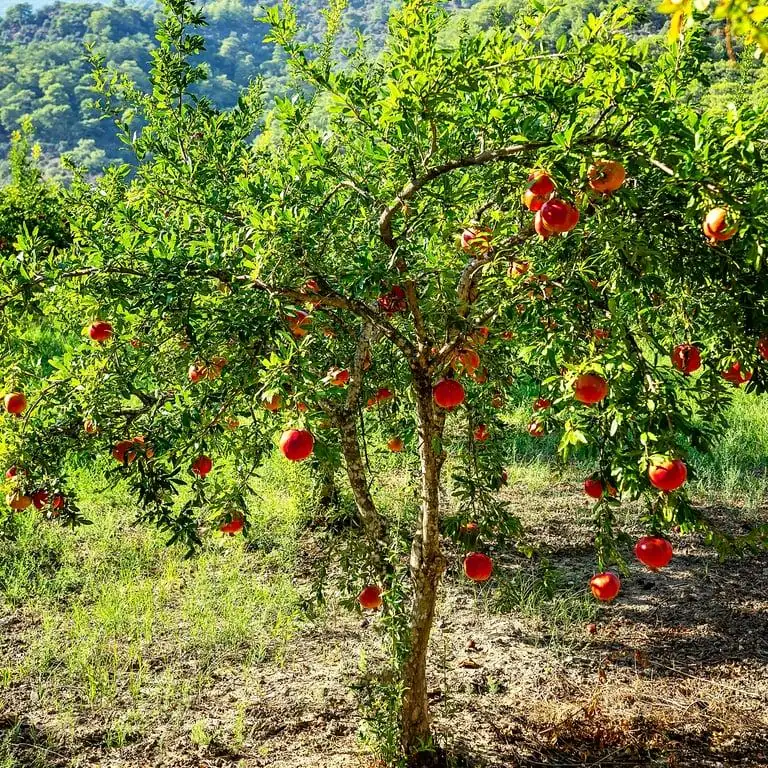
This offering is for a Parfianka pomegranate tree starter plant, providing a healthy foundation for your home orchard. These plants typically ship bare root, without a pot, allowing for easier transplanting and establishment in your garden. Upon arrival, it’s recommended to plant them promptly or keep the roots moist until planting. Young plants will vary in size, but are generally 6-12 inches tall, ready to grow into a productive tree. The Punica granatum Parfianka is known for its moderate growth rate, reaching a mature height of 10-15 feet with a similar spread, though it can be kept smaller with pruning. It is a compact deciduous tree, making it suitable for various landscape designs. Expect your young tree to begin producing fruit within 2-3 years, with increasing yields as it matures.
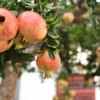
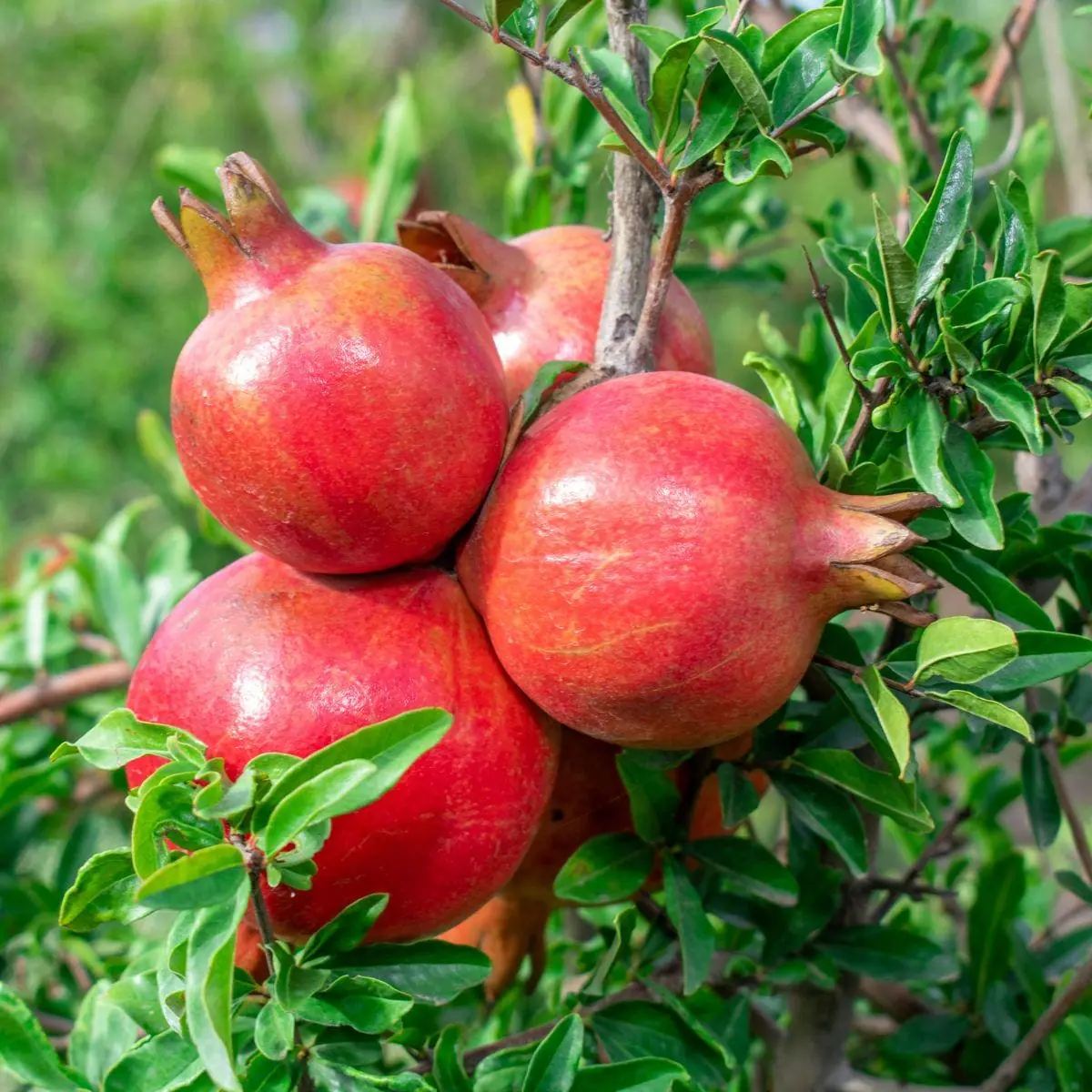
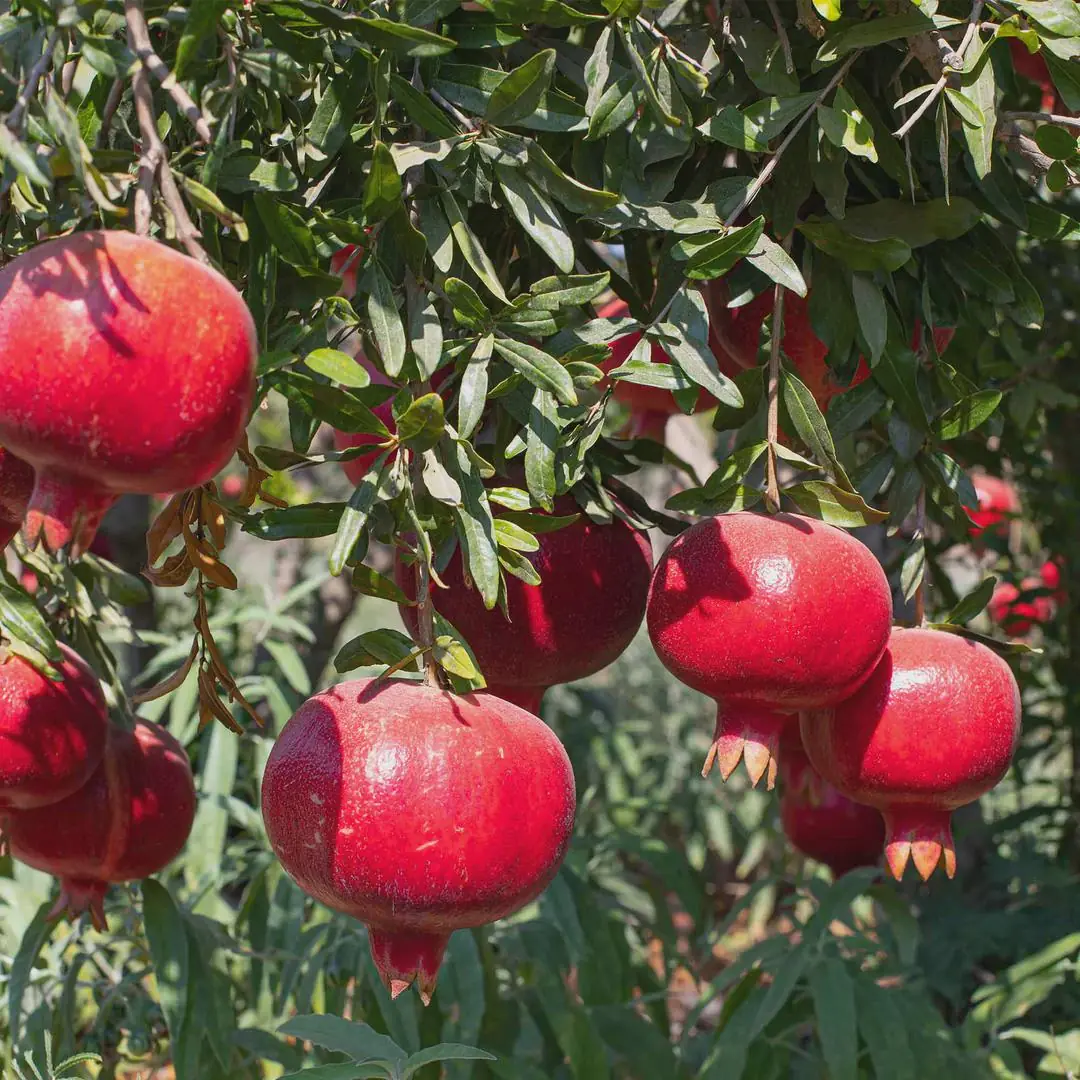
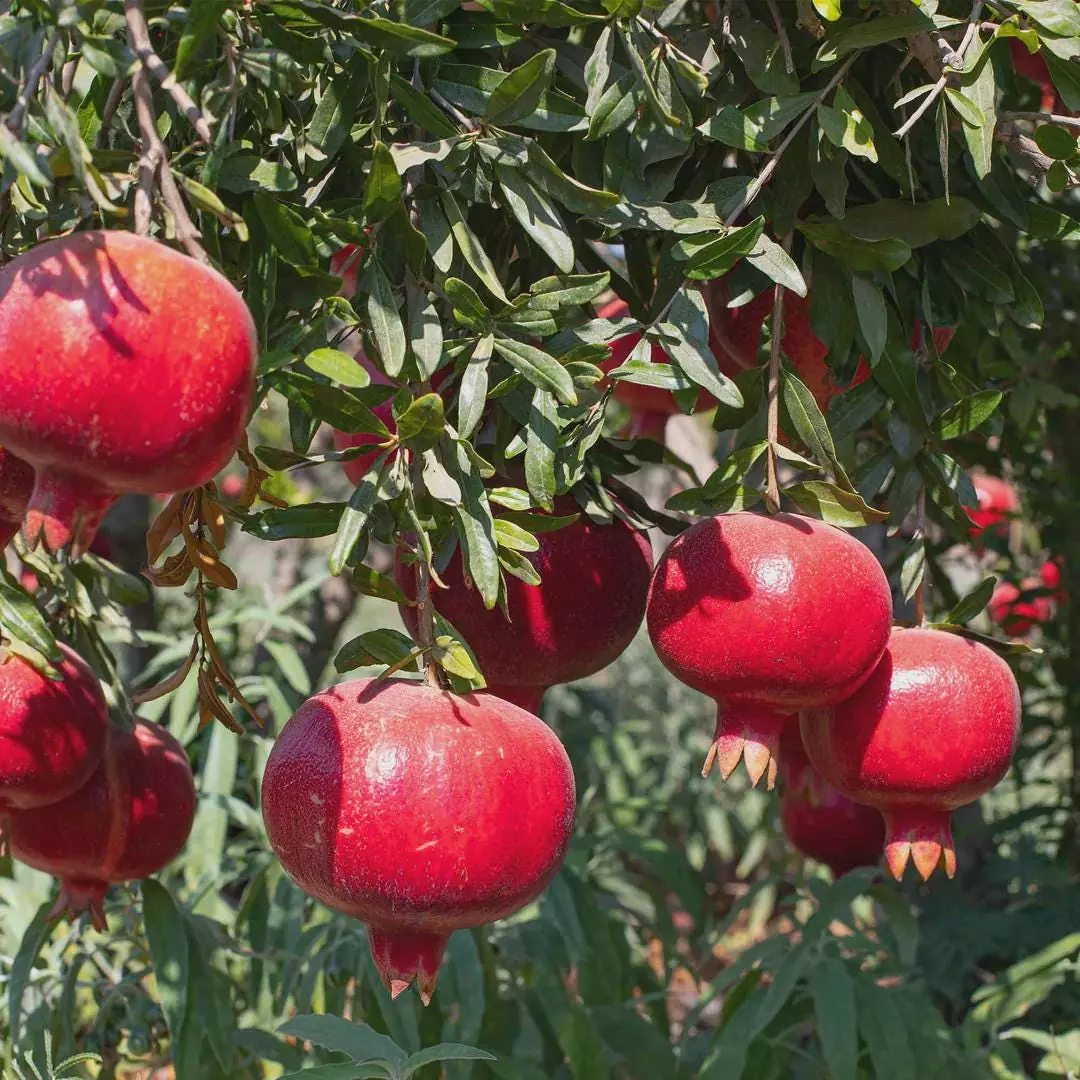
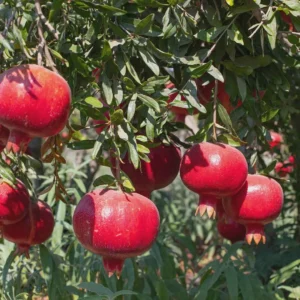
The fruit of the soft seed pomegranate is typically large, with a reddish-pink rind and juicy, sweet arils. The unique characteristic of this variety is its very soft seeds, which are barely noticeable when eating, making it a favorite for fresh consumption. The tree will typically flower in spring and early summer, with fruit ripening in late summer to fall, depending on your climate. Each Parfianka pomegranate tree is a long-term investment, providing years of delicious, homegrown fruit with proper care.
Frequently Asked Questions
- Q: How big does the Parfianka pomegranate tree get? A: A mature Parfianka pomegranate tree typically grows to a height of 10-15 feet and can have a similar spread. However, its size can be managed with regular pruning, making it suitable for various garden spaces, including large containers.
- Q: Is this an indoor or outdoor plant? A: The Parfianka pomegranate tree is primarily an outdoor plant, thriving in full sun. It is hardy in USDA zones 7-11. In colder zones, it can be grown in a pot and moved indoors to a protected, unheated space during the winter months.
- Q: How much sunlight does my sweet pomegranate plant need? A: For optimal fruit production and health, your Parfianka pomegranate tree requires at least 6-8 hours of direct sunlight per day. More sun generally leads to better fruit development and sweeter pomegranates.
- Q: Is this plant easy to care for? A: Yes, pomegranates are relatively easy to care for once established. They are drought-tolerant and adaptable to various soil conditions, making them a good choice for both beginner and experienced gardeners. Consistent watering during fruiting is key.
- Q: What condition will the Punica granatum Parfianka arrive in? A: These plants typically ship bare root, meaning they will not be in a pot and their roots will be carefully packaged to retain moisture. This method ensures safe transport and easy transplanting upon arrival.
- Q: When is the best time to plant a Parfianka pomegranate tree? A: The best time to plant your Parfianka pomegranate tree is in early spring or late fall when the plant is dormant or semi-dormant. This allows the roots to establish before the stress of summer heat or winter cold.
- Q: How long until my soft seed pomegranate produces fruit? A: You can typically expect your Parfianka pomegranate tree to start producing fruit within 2-3 years after planting. Yields will increase as the tree matures and establishes itself in your garden.
- Q: Is the self pollinating pomegranate truly self-fertile? A: Yes, the ‘Parfianka’ variety is indeed self-pollinating, meaning a single tree can produce fruit without the need for another pomegranate plant nearby. This is a significant advantage for home gardeners.
- Q: What kind of soil does the Parfianka pomegranate tree prefer? A: This tree prefers well-draining soil but is adaptable to various types, including sandy or loamy soils. Good drainage is crucial to prevent root issues, so amending heavy clay soils is recommended.
- Q: Can I grow the Parfianka pomegranate tree in a container? A: Yes, due to its relatively compact size, the Parfianka pomegranate tree can be successfully grown in a large container, especially in colder climates where it needs to be moved indoors for winter protection.


Reviews
There are no reviews yet.