Overview
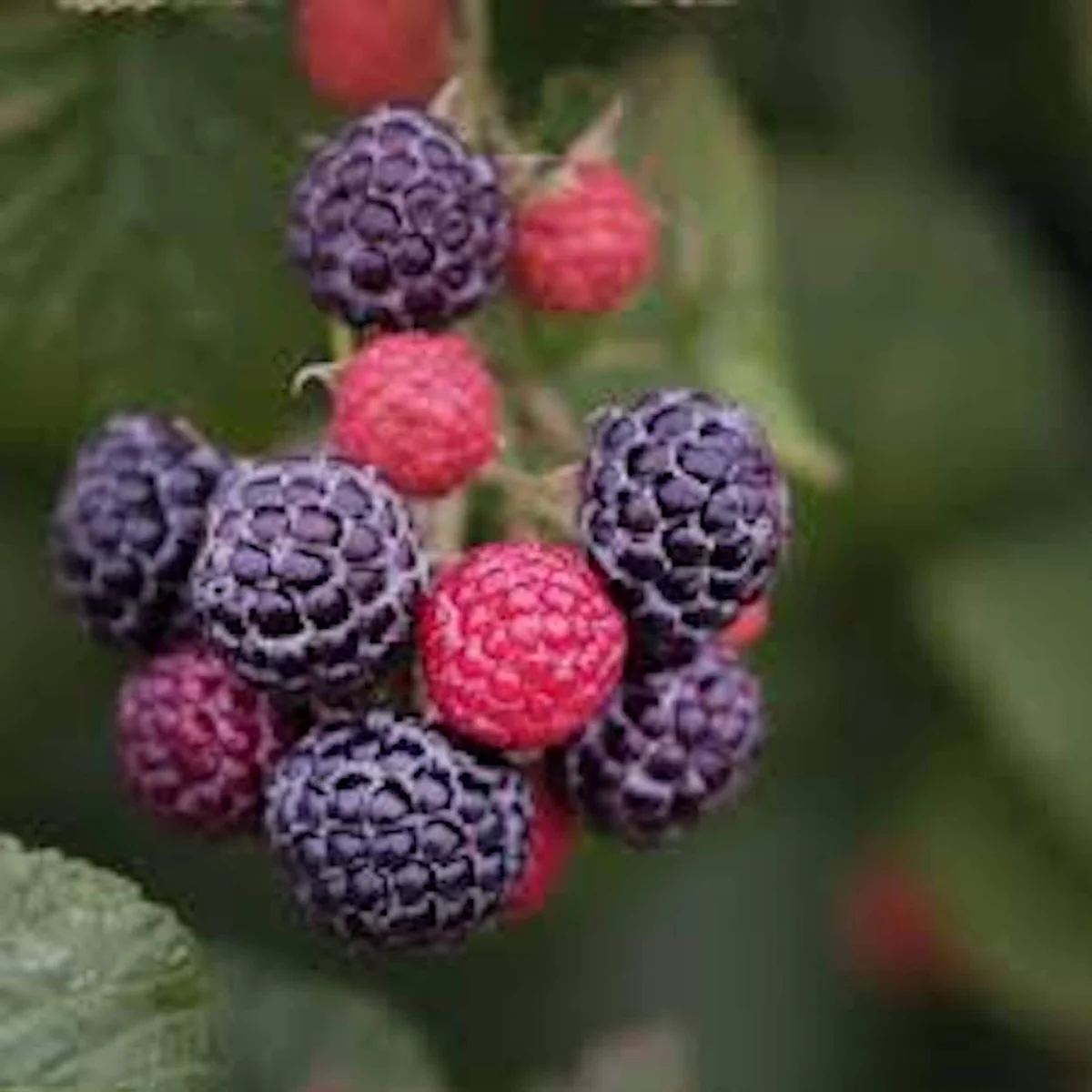
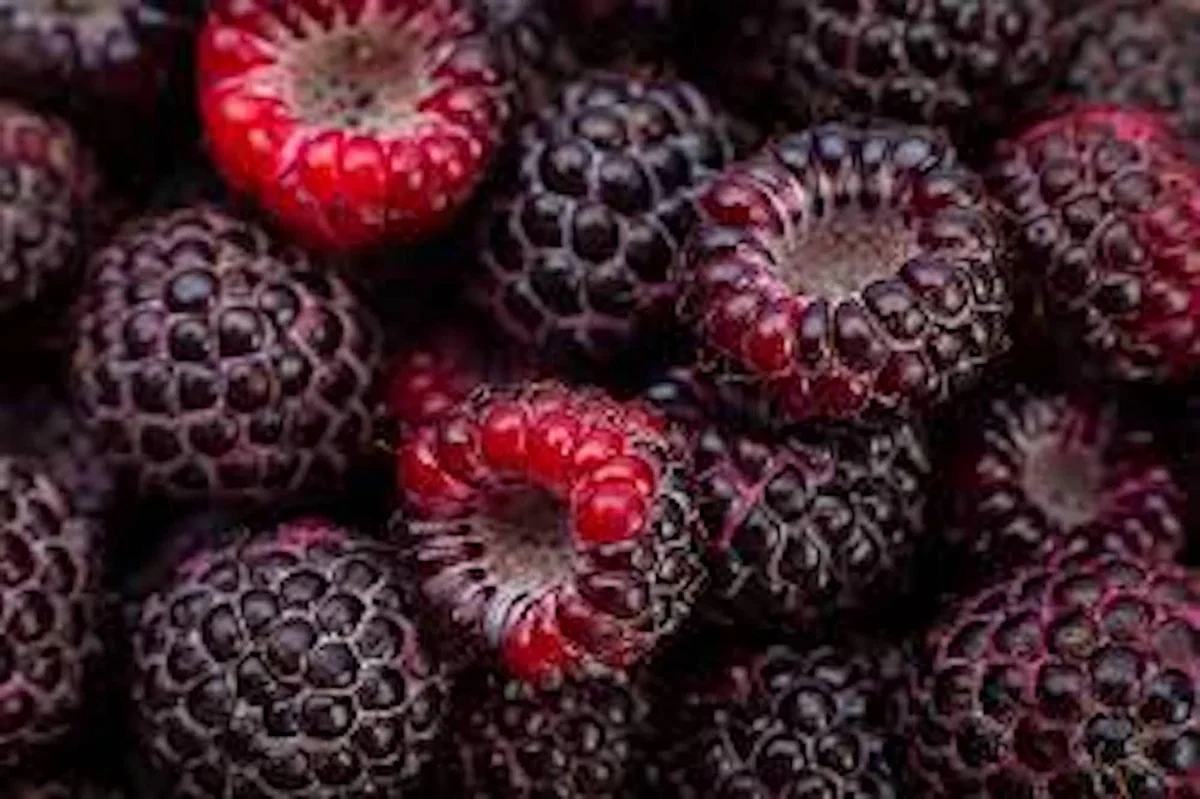
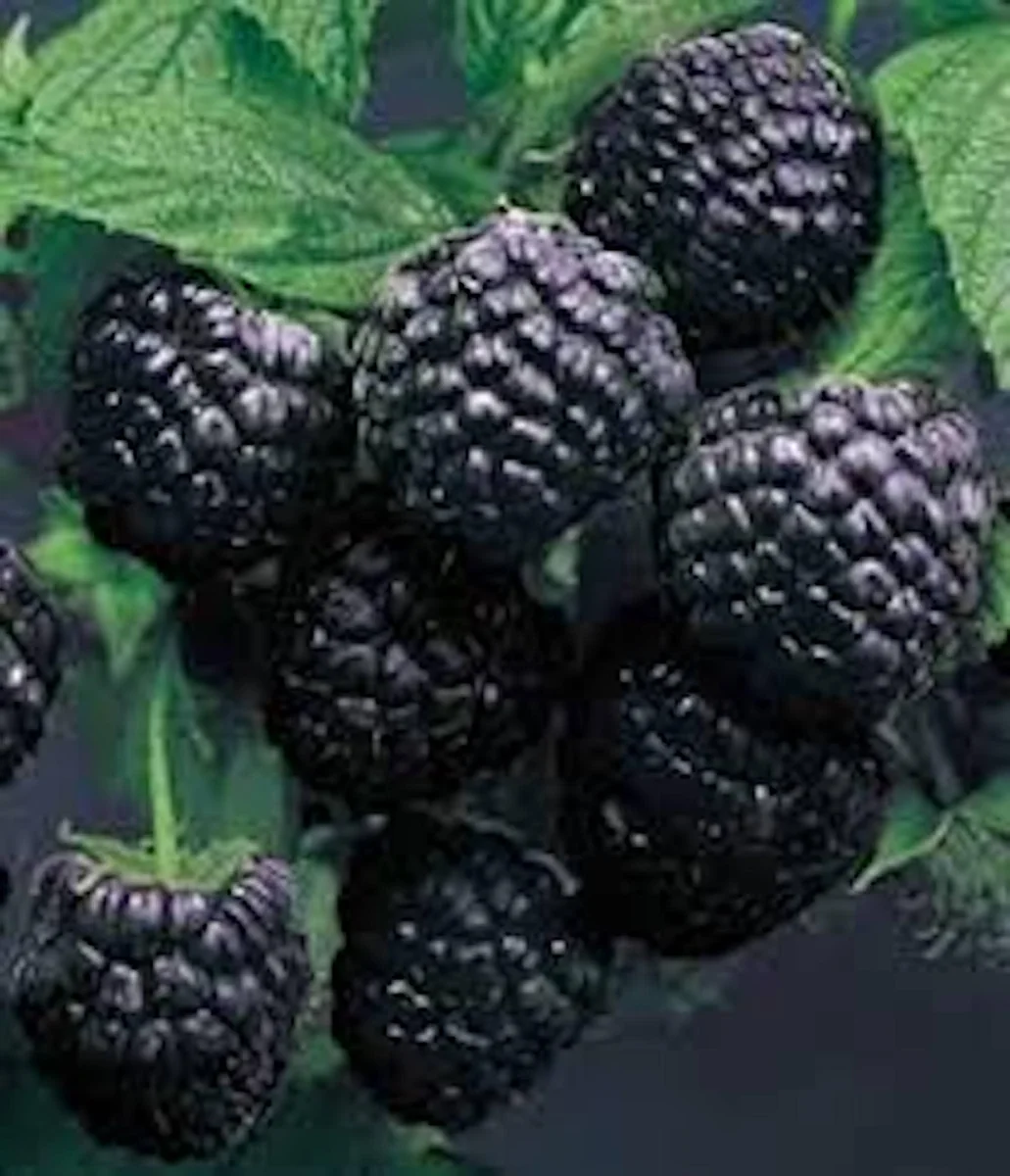
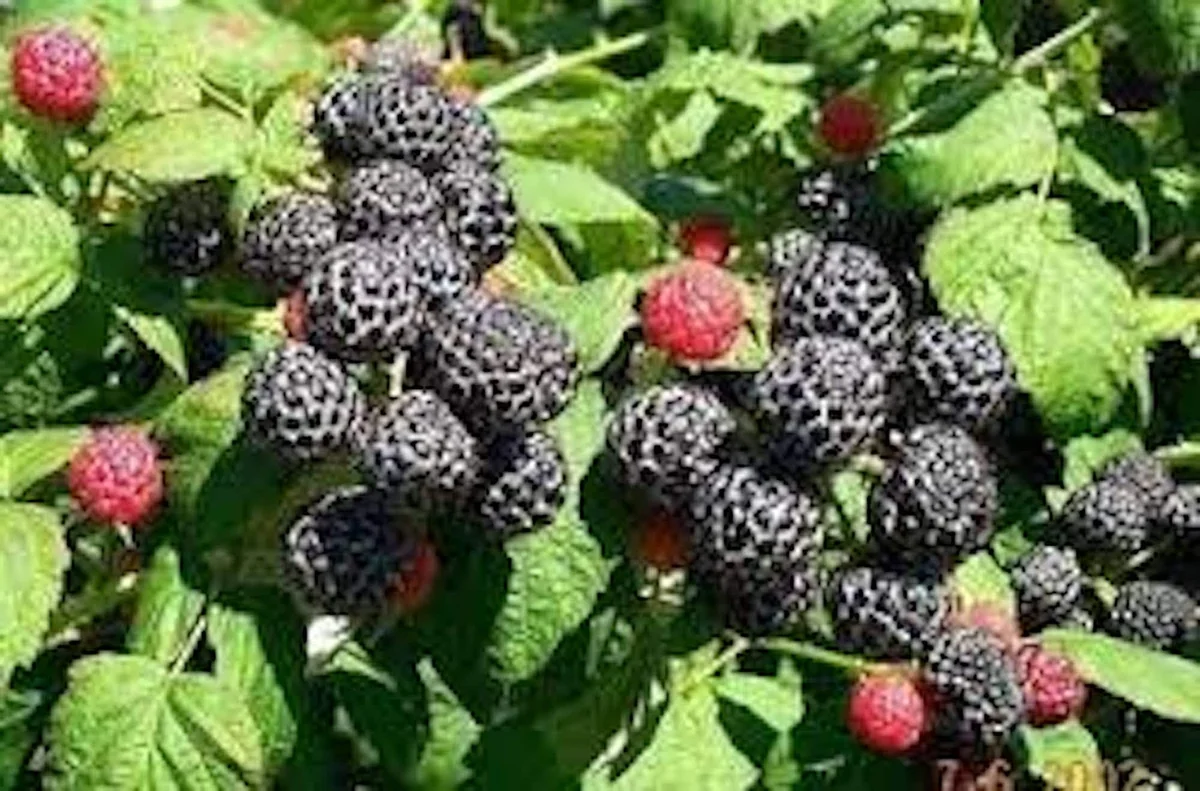
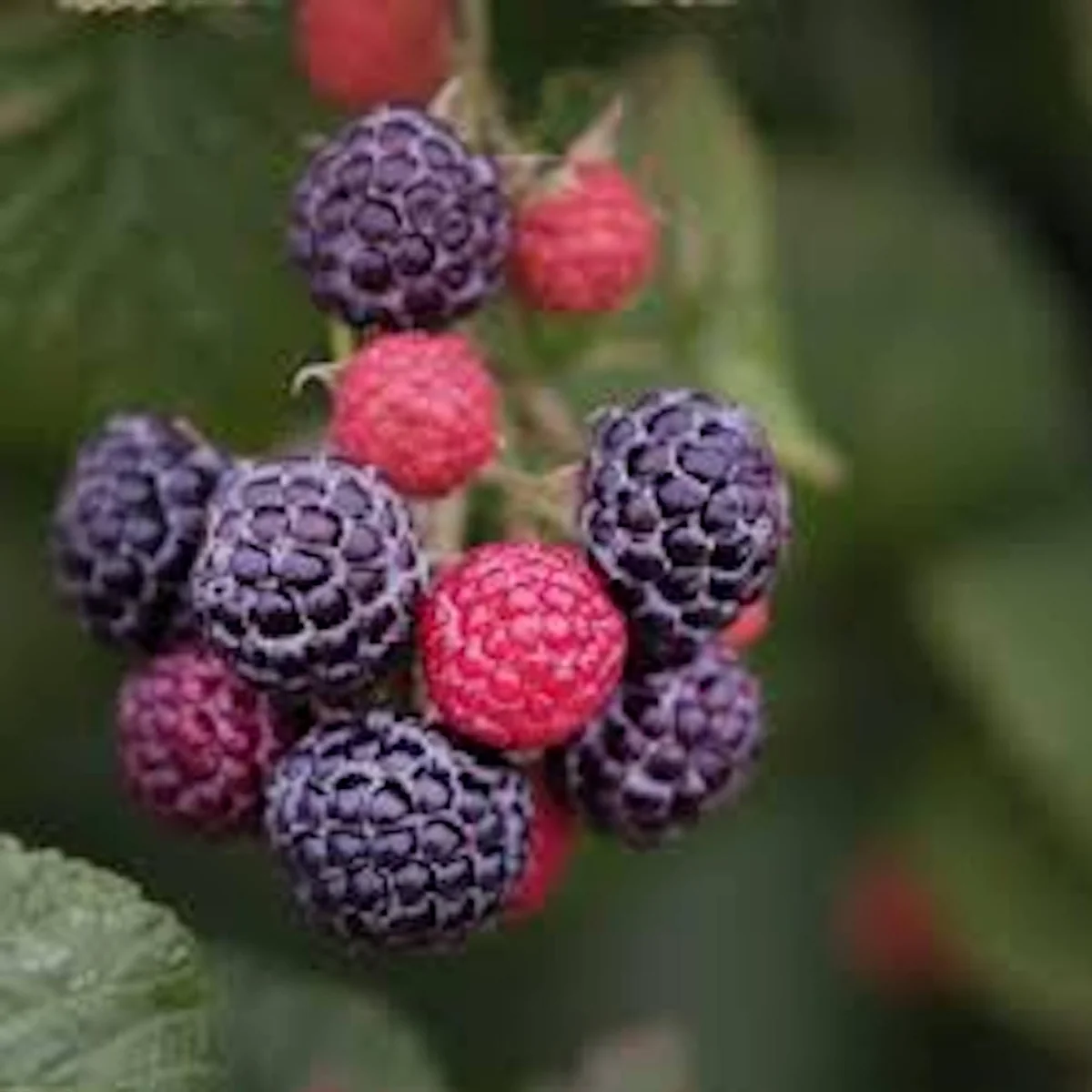
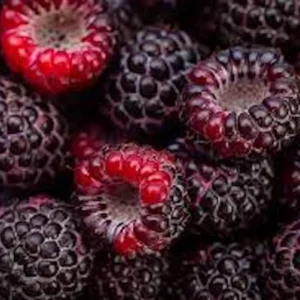
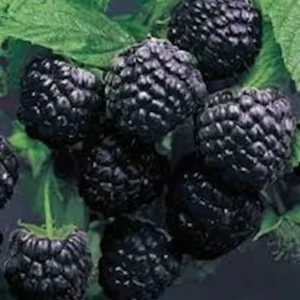
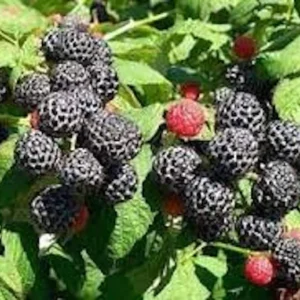
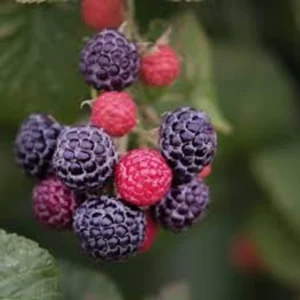
Embark on a rewarding gardening journey with the Cumberland Black Raspberry plant. This distinctive variety of Rubus occidentalis is a highly sought-after fruit plant, celebrated for its prolific yield of rich, dark purple-black berries. As a 2-year-old live plant, it arrives ready to establish quickly in your garden, promising delicious harvests in the near future. The Cumberland Black Raspberry is not just a treat for the taste buds; it’s also a robust and relatively low-maintenance addition to any edible landscape. Its intense sweet-tart flavor makes it a versatile fruit, perfect for eating fresh off the cane, crafting homemade jams and jellies, or incorporating into various baked goods. This particular variety is known for its vigor and resilience, making it an excellent choice for both novice and experienced gardeners looking to grow black raspberries with confidence.
The berries are medium-sized, offering a juicy and aromatic experience with each bite, balancing sweetness and acidity beautifully. Beyond its culinary appeal, this Rubus occidentalis plant stands out for its impressive hardiness, thriving across a wide range of climates from USDA zones 4 to 8. A key advantage of the Cumberland Black Raspberry is its notable disease resistance, particularly against common fungal issues like anthracnose, which can often plague other raspberry varieties. This resilience ensures a healthier plant and a more consistent, bountiful harvest. Expect vigorous canes that will require some support for optimal growth and fruit production, making it a truly rewarding addition to your garden.
Key Benefits
Adding a Cumberland Black Raspberry plant to your garden offers numerous advantages, from delightful harvests to a resilient growing experience. This remarkable fruit plant is designed to bring both flavor and ease to your home orchard.
- Exceptional Flavor Profile: Enjoy the intense sweet-tart taste of dark purple-black berries, perfect for fresh consumption, preserves, pies, and other culinary creations. The juicy and aromatic fruit is a true garden delight.
- High Yield Potential: As a 2-year-old plant, it is well-established and ready to produce a generous bounty of berries, providing a steady supply of fresh fruit throughout the harvest season.
- Disease-Resistant Variety: Benefit from a naturally robust plant that shows strong resistance to common fungal diseases, including anthracnose. This reduces the need for extensive chemical treatments and ensures a healthier, more productive plant.
- Wide Adaptability: This hardy fruit plant for zones 4-8 can thrive in a broad range of climates, making it suitable for many regions across the United States. Its adaptability ensures successful growth in diverse garden settings.
- Vigorous Growth: The Cumberland Black Raspberry produces strong, vigorous canes that are easy to manage with proper support. This robust growth habit contributes to its high productivity and overall plant health.
- Nutrient-Rich Fruit: Black raspberries are packed with antioxidants, vitamins, and fiber, offering not just great taste but also significant health benefits for you and your family.
- Supports Local Pollinators: The flowers of this Rubus occidentalis plant attract bees and other beneficial pollinators to your garden, contributing to a healthier local ecosystem and enhancing fruit set.
Plant Care & Growing Tips
Successfully cultivating your Cumberland Black Raspberry plant involves providing the right conditions and consistent care. These plants thrive in full sun, meaning they need at least 6-8 hours of direct sunlight per day to produce the best fruit. Choose a location in your garden that receives ample morning sun, as this helps dry dew from the leaves, reducing fungal issues. Good air circulation is also beneficial. While they are hardy, protection from harsh, drying winds can be advantageous, especially in more exposed locations. Proper site selection is crucial for a healthy and productive disease-resistant raspberry bush.
When it comes to watering, consistent moisture is key, particularly during flowering and fruiting periods. The soil should be kept evenly moist but never waterlogged. Deep watering once or twice a week is usually sufficient, depending on your climate and soil type. Avoid overhead watering if possible, as wet foliage can encourage disease; drip irrigation or soaker hoses are ideal. The Cumberland Black Raspberry prefers well-draining, slightly acidic to neutral soil (pH 6.0-7.0) that is rich in organic matter. Amend heavy clay soils with compost or peat moss to improve drainage and aeration before planting. For optimal growth, provide a sturdy trellis or support system for the vigorous canes to climb, which also makes harvesting easier and keeps fruit off the ground.
Fertilize your raspberry plants in early spring before new growth begins, using a balanced slow-release fertilizer or a granular fertilizer specifically formulated for berries. Follow package instructions carefully to avoid over-fertilization. Pruning is essential for black raspberries; they fruit on second-year canes (floricanes). After harvesting, prune out the canes that have just fruited at ground level. In late winter or early spring, tip prune new first-year canes (primocanes) when they reach about 2-3 feet tall to encourage lateral branching, which increases fruit production. Keep an eye out for pests like Japanese beetles or aphids and address them with organic pest control methods if necessary. With these care tips, your Cumberland Black Raspberry plant will flourish and provide abundant harvests.
Size & Details
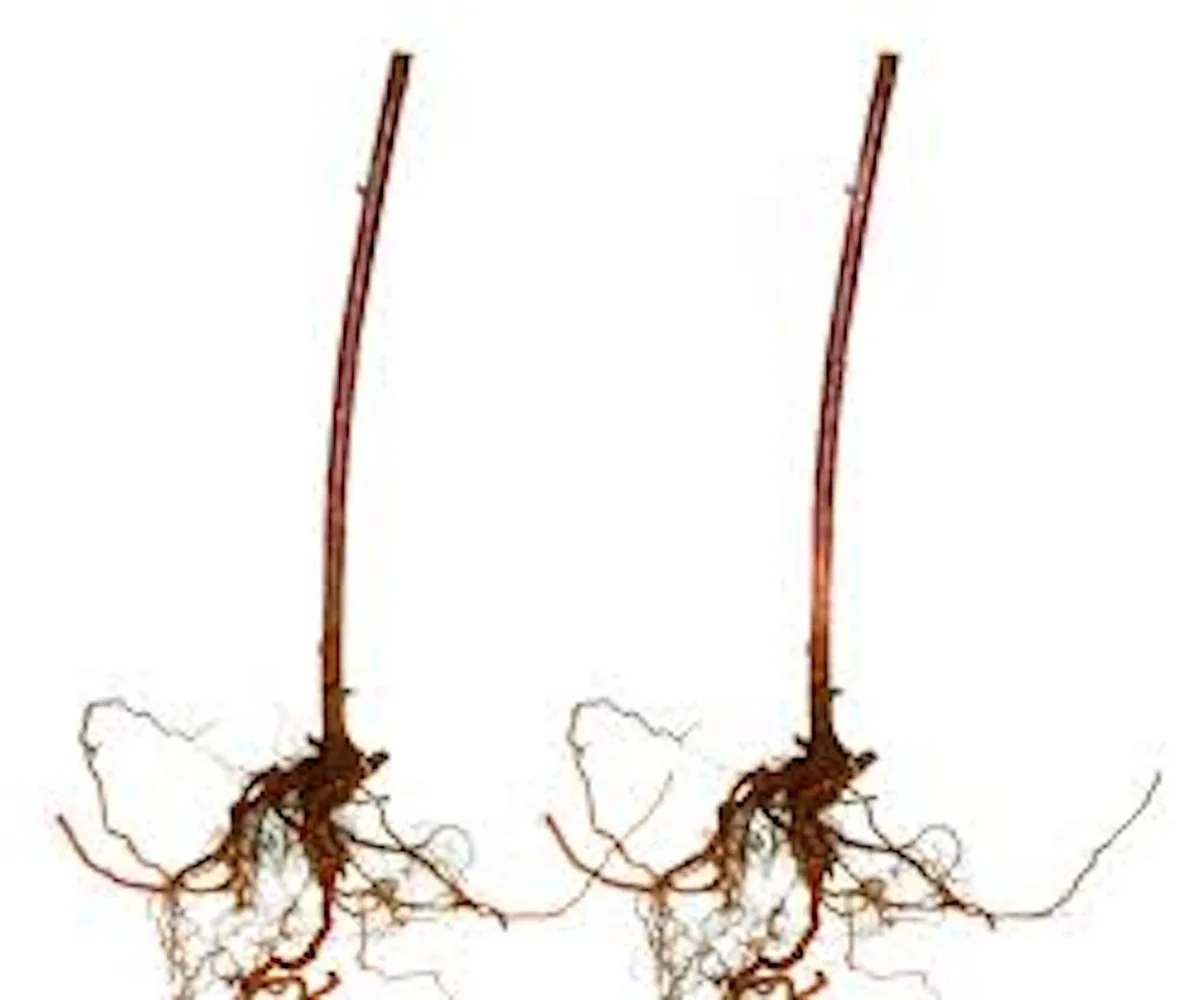
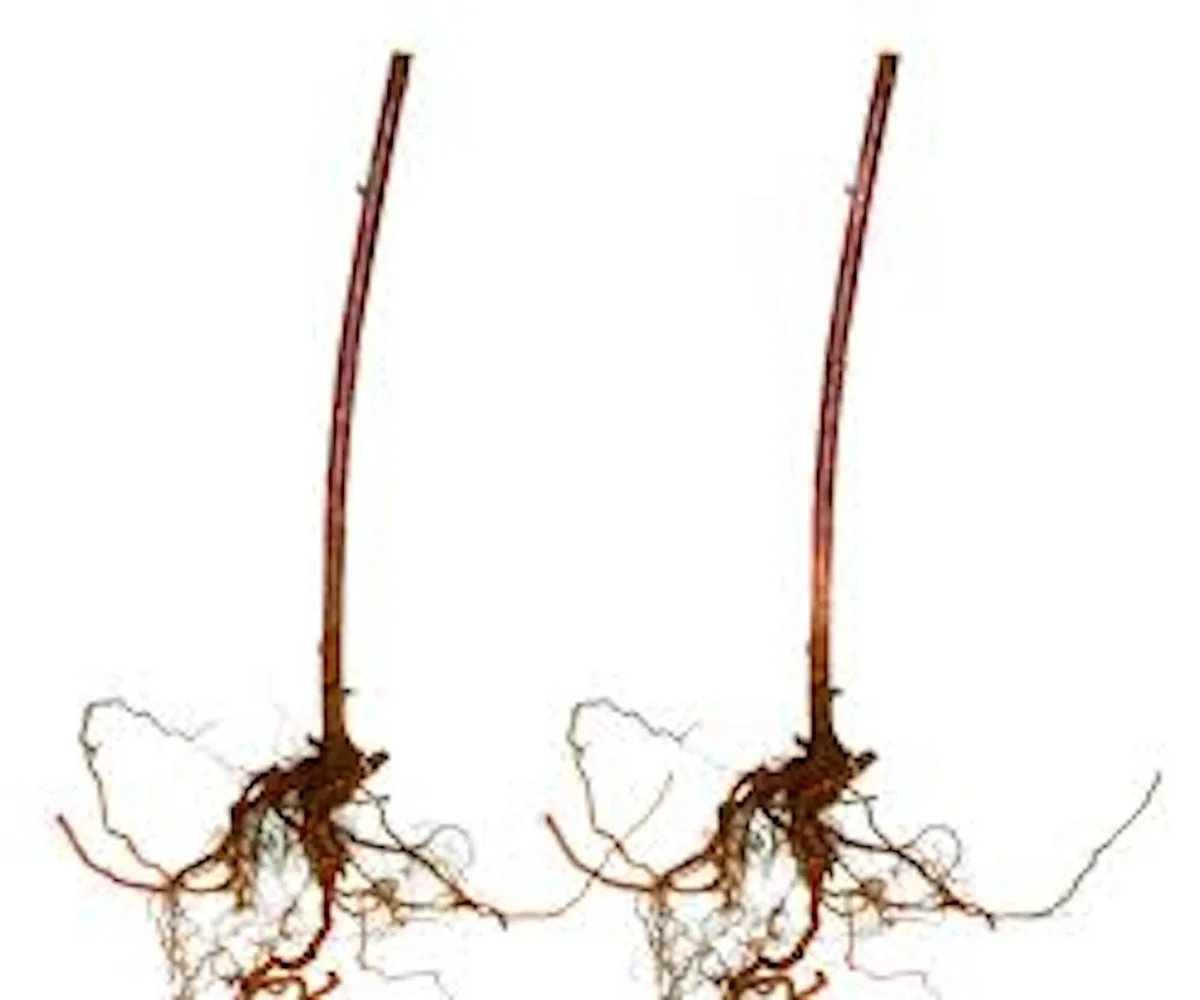
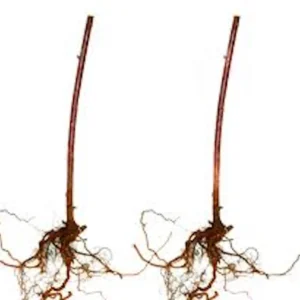
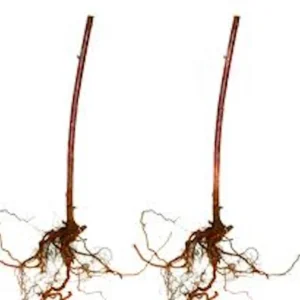
This offering is for a Cumberland Black Raspberry plant, provided as a 2-year-old live plant, typically shipped as a bare root or in a small nursery pot, depending on the season and grower. This age ensures a well-developed root system, allowing for quicker establishment and fruit production compared to younger plants. Mature Cumberland Black Raspberry canes can reach heights of 5-8 feet, with a spread of 3-4 feet, especially when given proper support like a trellis or wires. The vigorous growth habit means that with adequate space and pruning, your plant will form a productive hedgerow or stand.
Expected time to maturity for significant fruit production is typically the second year after planting for new canes, with the 2-year-old plant you receive being ready to produce fruit on its floricanes. Berries are usually ready for harvest in mid-summer. The plant is cold hardy, thriving in USDA zones 4-8, making it suitable for a wide range of temperate climates. When planting, ensure you provide enough space for growth and good air circulation to promote plant health and maximize your yield of this delicious disease-resistant raspberry.
Frequently Asked Questions
- Q: How big does this Cumberland Black Raspberry plant get? A: Mature Cumberland Black Raspberry plants typically grow 5-8 feet tall with proper support and can spread 3-4 feet wide. Its vigorous canes require trellising for optimal growth and fruit production.
- Q: Is this an indoor or outdoor plant? A: The Cumberland Black Raspberry plant is an outdoor fruit plant that requires full sun exposure and is hardy in USDA zones 4-8. It is not suitable for indoor cultivation.
- Q: How much sunlight does it need? A: This raspberry plant thrives in full sun, requiring at least 6-8 hours of direct sunlight daily to ensure the best fruit production and overall plant health.
- Q: Is this plant easy to care for? A: Yes, the Cumberland Black Raspberry plant is considered relatively easy to care for, especially due to its disease resistance. Regular watering, pruning, and a good support system are key to its success.
- Q: What condition will the plant arrive in? A: Your 2-year-old Rubus occidentalis plant will arrive as a live plant, typically bare root or in a small nursery pot, depending on the shipping season. It will be carefully packaged to ensure its health upon arrival.
- Q: How long until it produces fruit? A: As a 2-year-old plant, it is already established and should begin producing fruit on its floricanes (second-year canes) in the upcoming growing season, typically mid-summer.
- Q: What is the best time to plant a black raspberry? A: The best time to plant a Cumberland Black Raspberry plant is in early spring after the last frost, allowing it ample time to establish its root system before the summer heat.
- Q: Will it survive winter in my zone? A: This fruit plant for zones 4-8 is very cold hardy and will survive winter in these USDA zones. Mulching around the base can provide extra protection in colder regions.
- Q: What kind of soil does it prefer? A: It prefers well-draining soil that is rich in organic matter, with a slightly acidic to neutral pH (6.0-7.0). Good drainage is crucial to prevent root rot.
- Q: Are black raspberries good for cooking? A: Absolutely! The sweet-tart flavor of these black raspberries makes them excellent for fresh eating, baking into pies and crumbles, or making delicious jams, jellies, and sauces.


Reviews
There are no reviews yet.