Overview
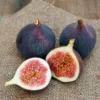
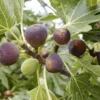
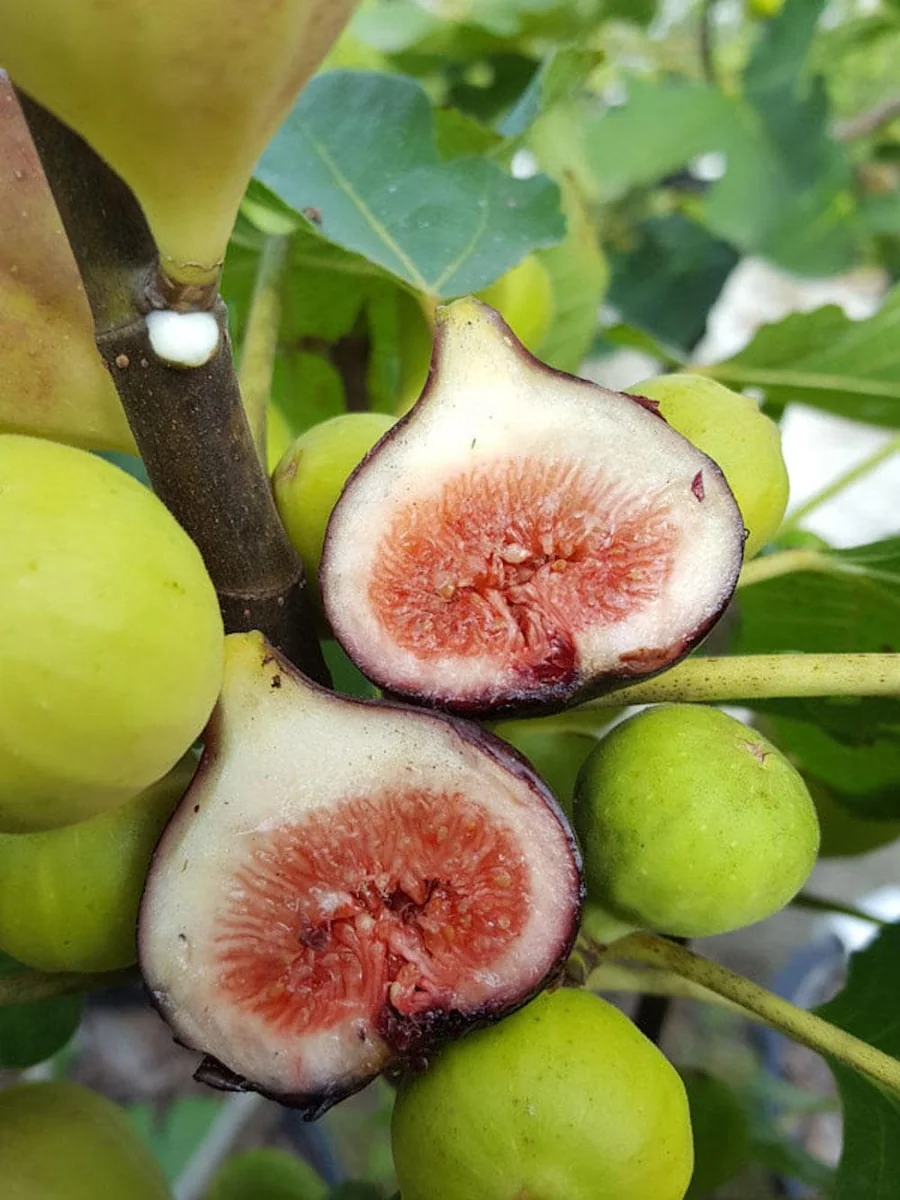
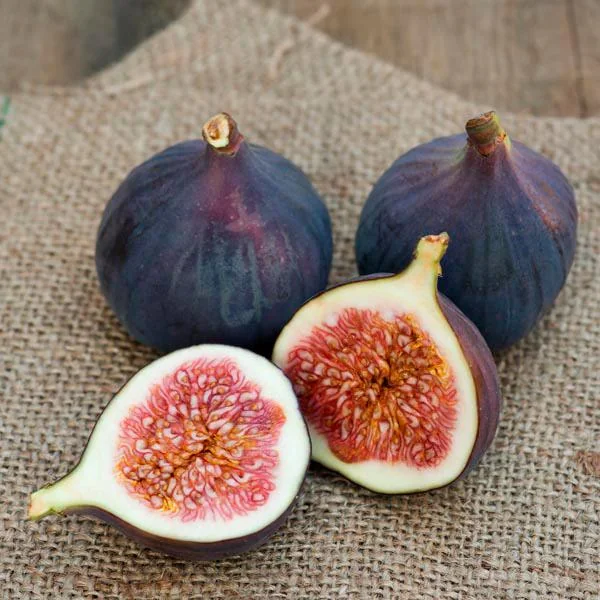
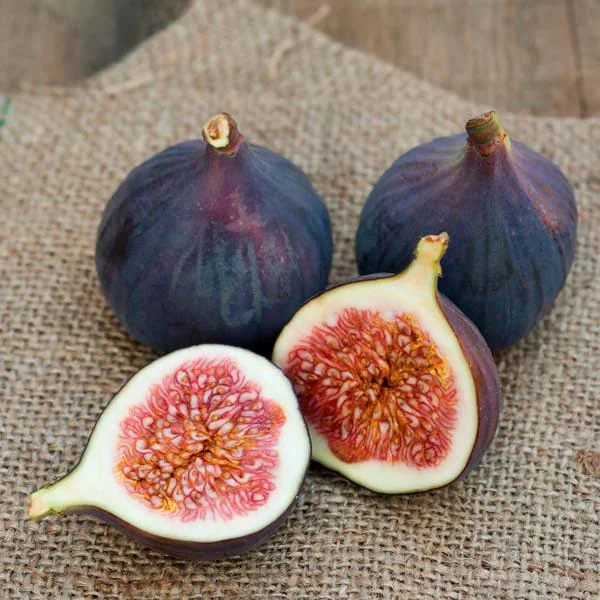
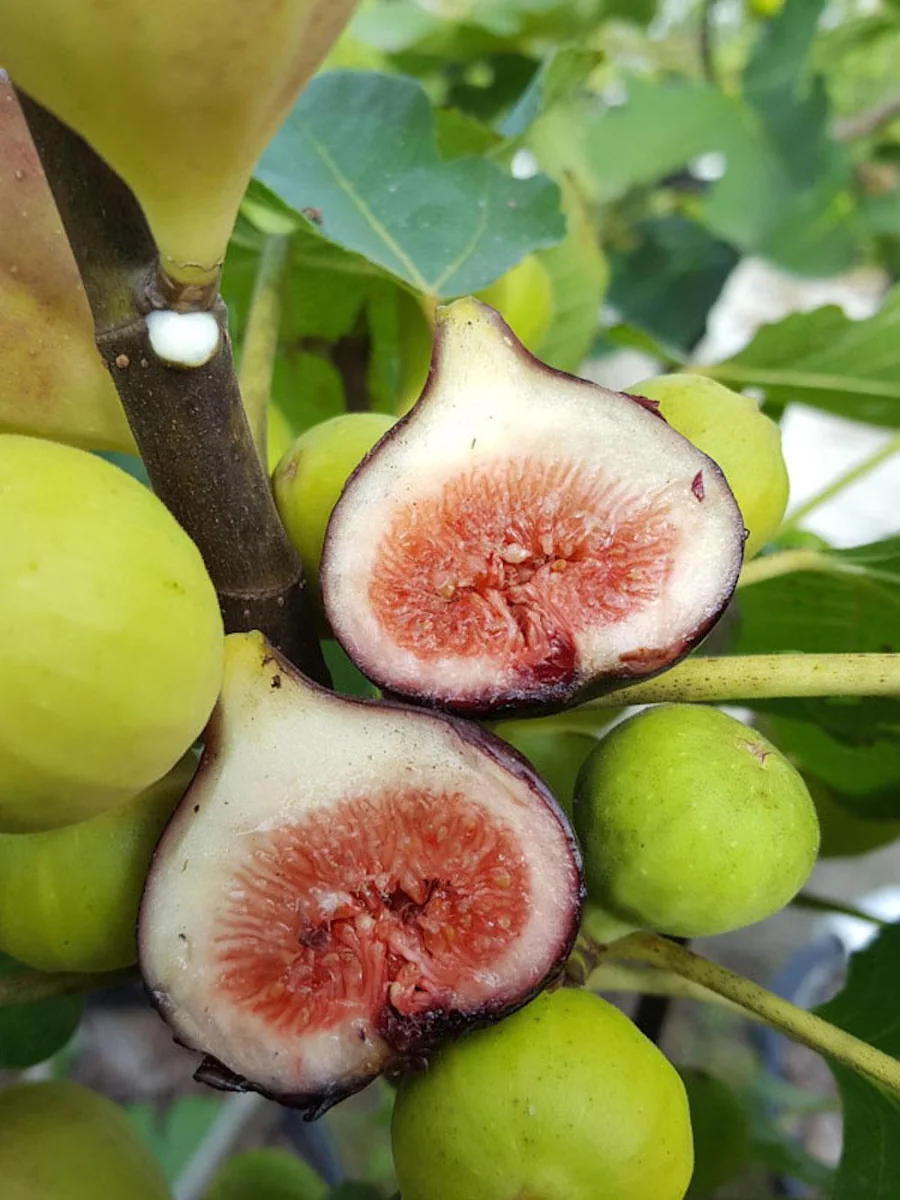
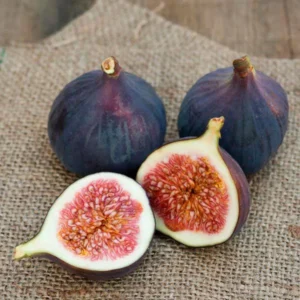
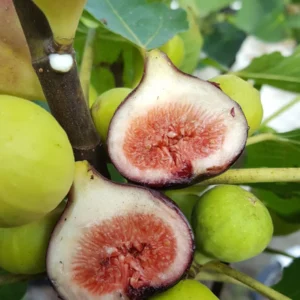
Embark on a rewarding gardening journey with these 10 Magnolia fig starter plugs. The Ficus carica Magnolia, often recognized by its synonyms ‘Brunswick’ and ‘Madonna’, is a highly sought-after, self-pollinating fig cultivar. These young plants provide an excellent foundation for establishing your own fig tree, known for producing abundant, large, and incredibly sweet fruits. Widely appreciated in the southeastern United States, this variety is particularly celebrated for its versatility in the kitchen, making it a favorite for canning, preserves, and enjoying fresh from the tree. These starter plugs are carefully nurtured to ensure a strong beginning, allowing you to cultivate a prolific fig harvest in your garden.
The ‘Magnolia’ fig is a robust and resilient plant, suitable for various growing conditions, especially thriving where other fig varieties might struggle. Its self-pollinating nature means you don’t need multiple trees to ensure fruit production, making it an ideal choice for both novice and experienced gardeners. With these Magnolia fig starter plugs, you’re not just planting a tree; you’re investing in years of delicious, home-grown fruit.
Key Benefits
Growing the Ficus carica Magnolia offers a multitude of advantages for the home gardener:
-
Abundant, Delicious Fruit Production: Enjoy a generous harvest of large, sweet figs that are perfect for fresh eating, baking, drying, or making preserves. The flavor profile is rich and satisfying, a true taste of summer.
-
Self-Pollinating Cultivar: Unlike some fruit trees, the Magnolia fig starter plugs develop into self-pollinating trees, meaning a single plant can produce fruit without the need for a second tree for cross-pollination. This simplifies cultivation and ensures a consistent yield.
-
Versatile Culinary Use: The fruit from the Brunswick fig plant is exceptionally versatile. It excels in preserves and canning due to its firm texture and rich sweetness, but is equally delightful when eaten fresh, added to salads, or incorporated into various desserts.
-
Adaptable Growth: This fig cultivar is known for its adaptability, thriving in a range of climates, particularly well-suited for regions with warm summers and mild winters. It’s a reliable choice for many home gardens.
-
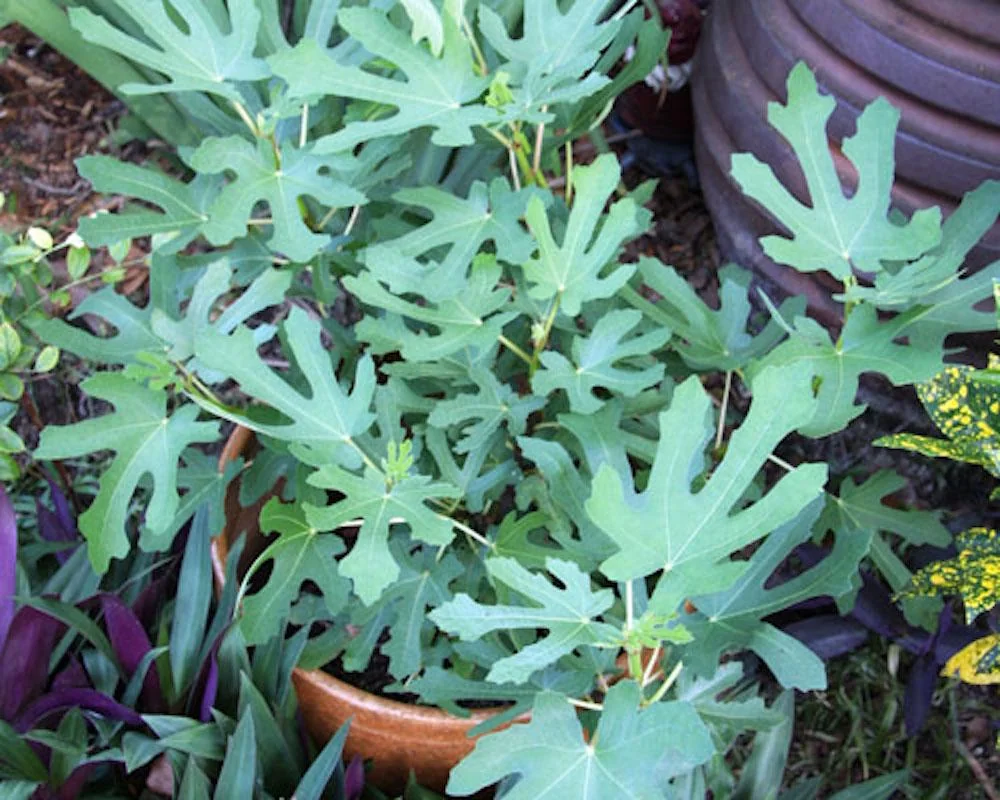
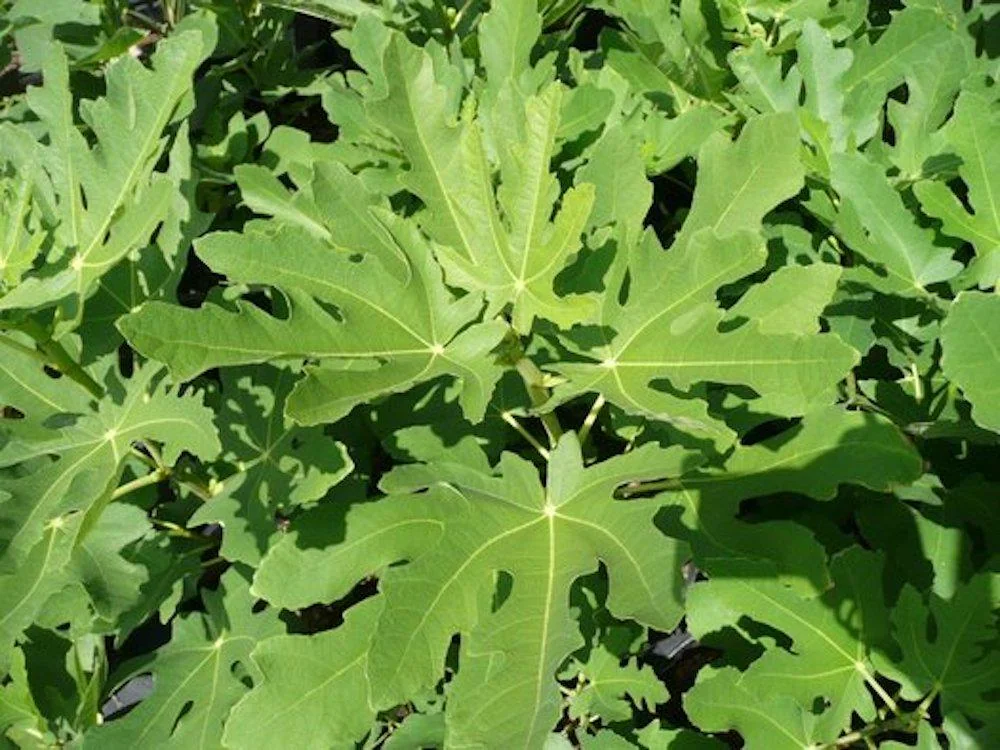
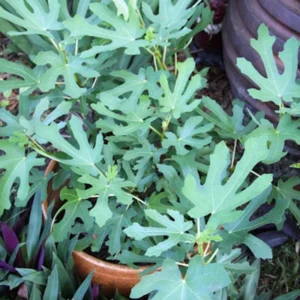
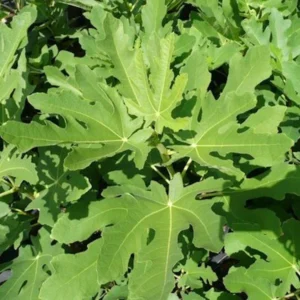
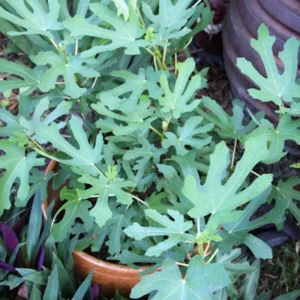
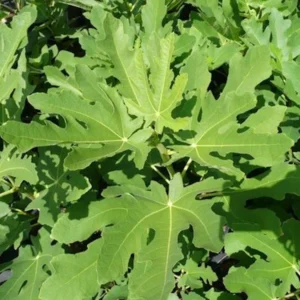
Ornamental Appeal: Beyond its fruit, the fig tree itself provides attractive foliage with large, lobed leaves, adding a touch of Mediterranean charm to your landscape. It can be grown as a bush or trained as a small tree.
-
Easy to Grow: Fig trees are generally low-maintenance once established, making them a great option for gardeners who want a rewarding crop without excessive effort. These starter plugs provide a head start on growth.
-
Long-Lived Perennial: With proper care, a ‘Magnolia’ fig tree can be a productive and beautiful addition to your garden for many years, offering a sustainable source of fresh fruit.
Plant Care & Growing Tips
Caring for your Magnolia fig starter plugs is straightforward, ensuring a healthy and productive fig tree. Figs thrive in full sun, meaning at least 6-8 hours of direct sunlight per day is ideal for optimal fruit production. While young, protect them from harsh afternoon sun if temperatures are extreme. Adequate watering is crucial, especially during the establishment phase and during dry spells. Keep the soil consistently moist but never waterlogged; good drainage is paramount to prevent root rot. Once established, fig trees are relatively drought-tolerant but will produce more and larger fruit with regular watering.
The best soil for Ficus carica Magnolia is well-draining, fertile loam with a pH between 6.0 and 6.5. Amend heavy clay soils with organic matter like compost to improve drainage and aeration. For fertilization, a balanced all-purpose fertilizer can be applied in early spring as new growth begins, and again in mid-summer. Avoid over-fertilizing, especially with high-nitrogen formulas, as this can lead to excessive foliage at the expense of fruit. Pruning is best done in late winter or early spring while the tree is dormant. Remove any dead, damaged, or crossing branches, and shape the tree to maintain an open structure for good air circulation and sunlight penetration. Protect young trees in colder zones from frost with mulching or by wrapping the trunk. Understanding how to grow Magnolia figs successfully involves consistent attention to these basic needs.
Size & Details
This offering includes 10 Magnolia fig starter plugs, which are young, actively growing plants ready for transplanting. Each plug is a robust seedling or cutting, typically measuring a few inches in height, with a well-developed root system designed for successful establishment. These are bare root plants, meaning they are shipped without soil or a pot, which minimizes shipping stress and allows for immediate planting upon arrival. When mature, the Madonna fig tree can grow to be a medium-sized shrub or small tree, typically reaching heights of 10-20 feet with a similar spread, though size can be controlled with pruning. Figs generally begin producing fruit within 2-3 years of planting, with increasing yields as the tree matures. Expect the first significant harvest in late summer to early fall, depending on your climate zone and planting time.
Frequently Asked Questions
-
Q: How big do these Magnolia fig starter plugs get when mature? A: When mature, a Magnolia fig tree can typically reach a height of 10-20 feet and spread similarly, depending on growing conditions and pruning. These starter plugs are young plants, a few inches tall, ready to establish.
-
Q: Is this an indoor or outdoor plant? A: The Ficus carica Magnolia is primarily an outdoor plant, thriving in full sun. However, in colder climates (below USDA Zone 7), it can be grown in large containers and brought indoors during winter.
-
Q: How much sunlight does the Brunswick fig plant need? A: For optimal fruit production, the Brunswick fig plant requires at least 6-8 hours of direct sunlight per day. Choose a sunny location in your garden for planting.
-
Q: Is this plant easy to care for? A: Yes, fig trees, including the ‘Magnolia’ variety, are generally considered easy to care for once established. They are relatively low-maintenance, requiring consistent watering when young and occasional pruning.
-
Q: What condition will the 10 Magnolia fig starter plugs arrive in? A: These are shipped as bare root starter plugs, meaning they will arrive without soil or a pot. They are carefully packed to ensure their root systems remain healthy during transit, ready for immediate planting.
-
Q: How long until these starter plugs produce fruit? A: You can typically expect your Magnolia fig starter plugs to begin producing fruit within 2-3 years after planting, with yields increasing as the tree matures and establishes itself.
-
Q: What USDA hardiness zones are suitable for growing Magnolia figs? A: Magnolia figs are generally hardy in USDA Zones 7-10. In Zone 6, they may require winter protection, and in colder zones, container growing with indoor overwintering is recommended to grow Magnolia figs successfully.
-
Q: Can I grow the Madonna fig tree in a container? A: Yes, the Madonna fig tree adapts well to container growing, especially beneficial in colder climates where it can be moved indoors during winter months. Choose a large pot with good drainage.
-
Q: What kind of soil is best for these fig plants? A: Fig plants prefer well-draining, fertile soil with a slightly acidic to neutral pH (6.0-6.5). Amending with organic matter will improve soil structure and fertility.
-
Q: Are these figs suitable for making preserves? A: Absolutely, the ‘Magnolia’ fig is highly valued for its large, sweet fruits which are excellent for canning, making preserves, jams, and other culinary creations.


Reviews
There are no reviews yet.