Overview
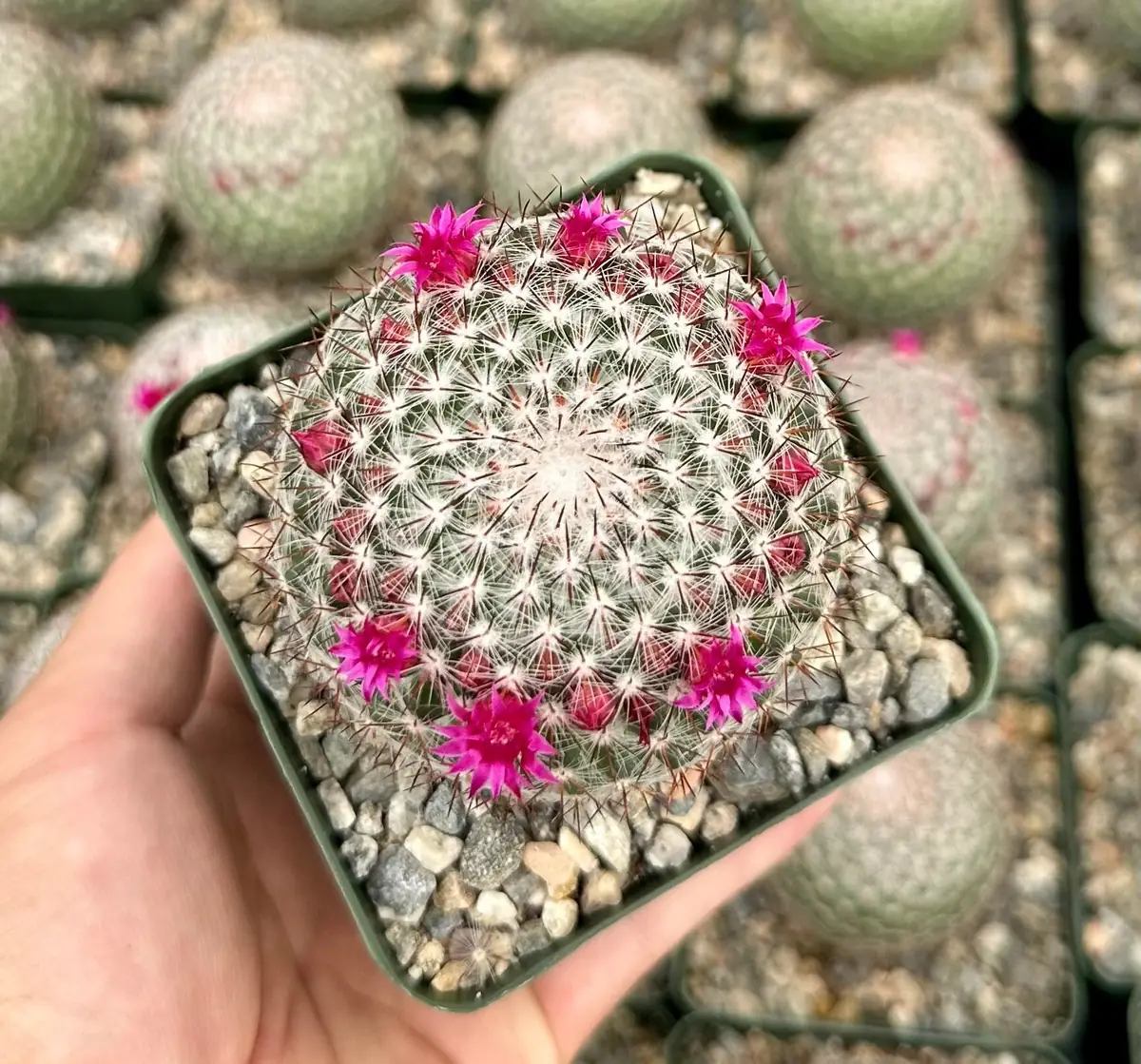
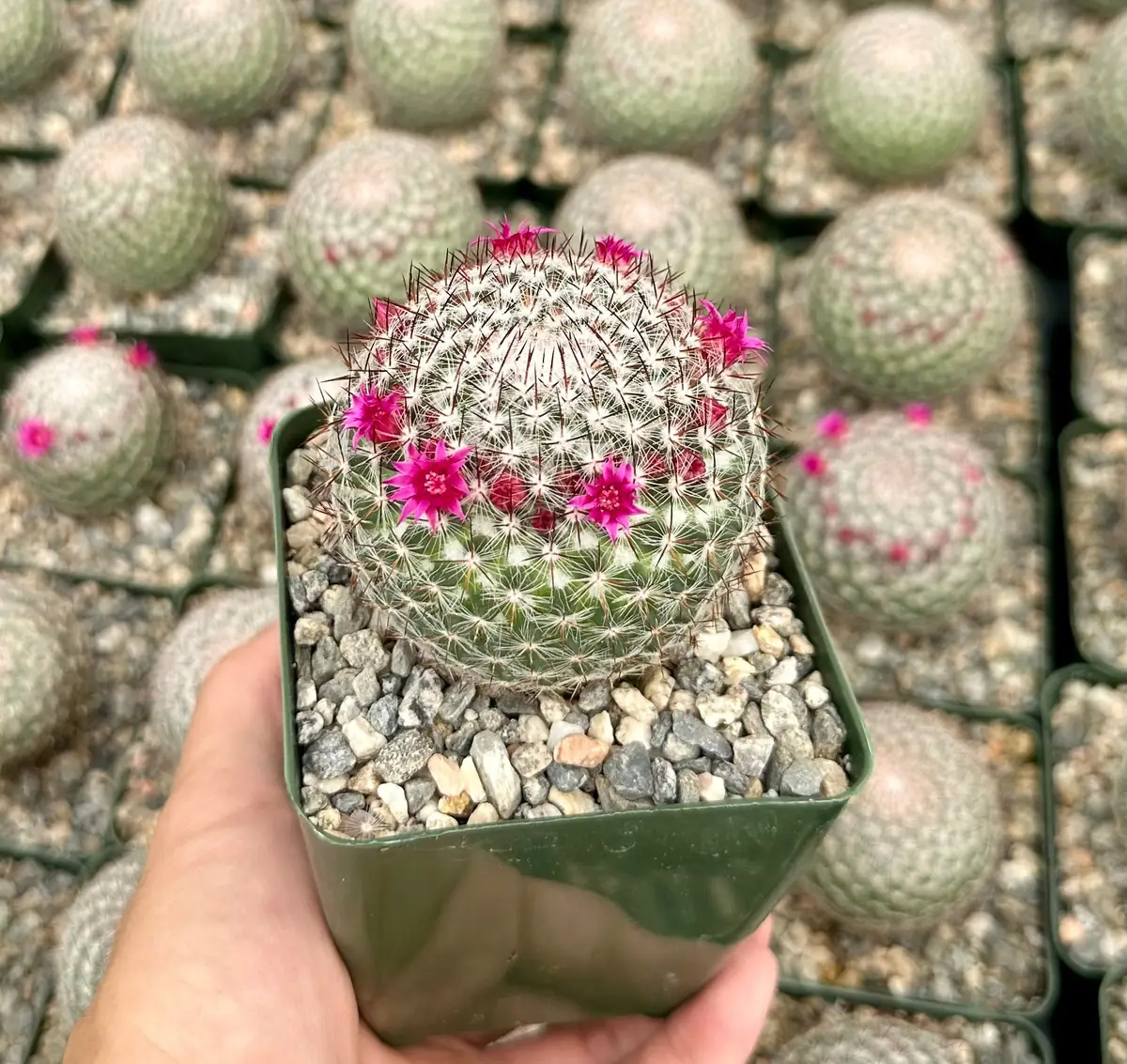
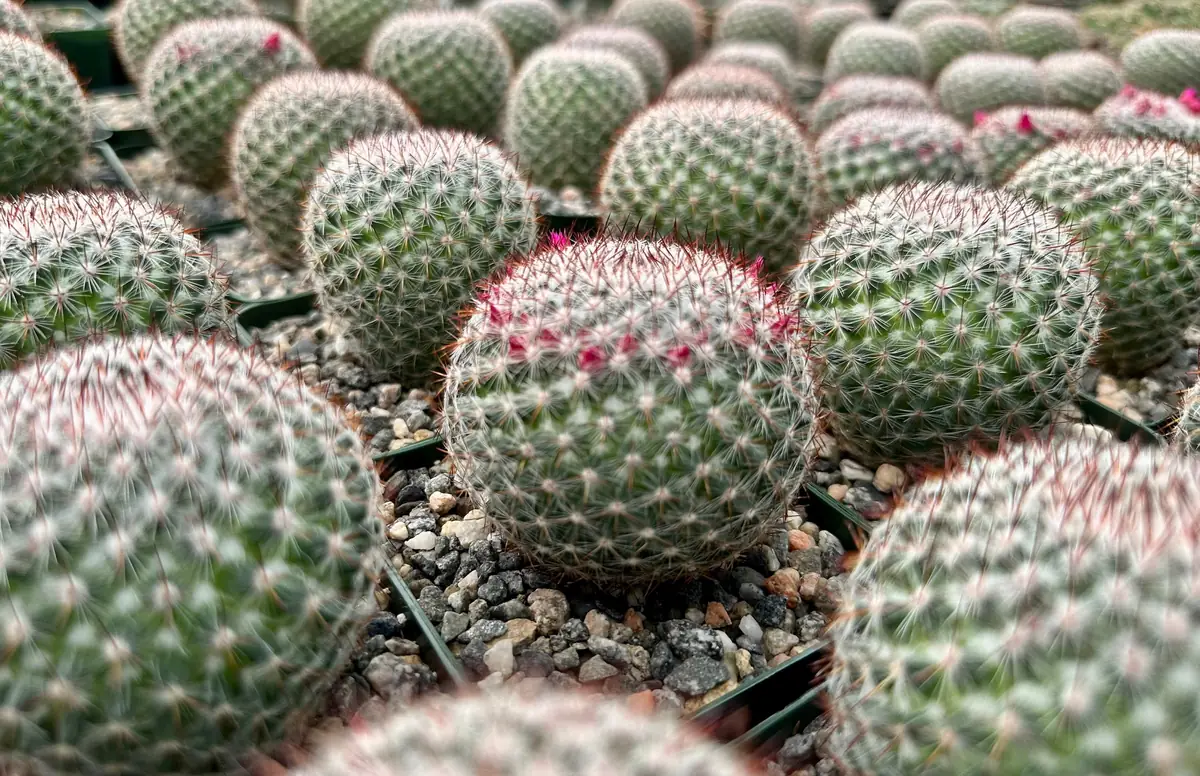
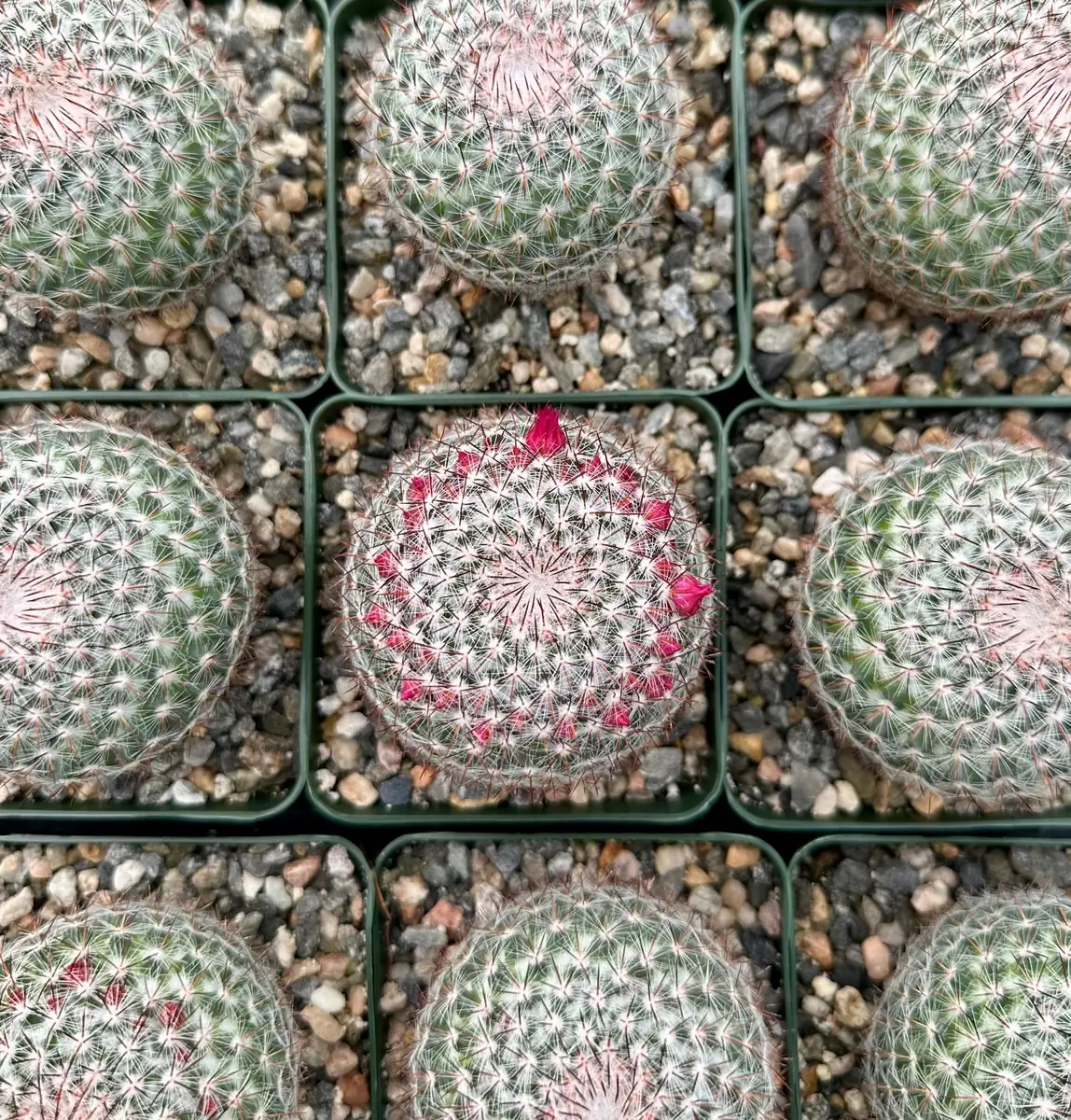
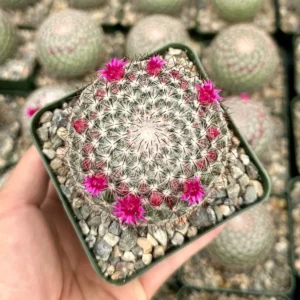
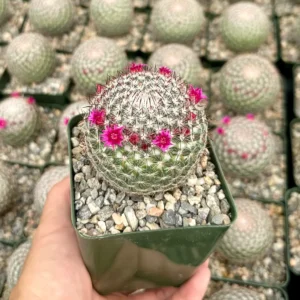
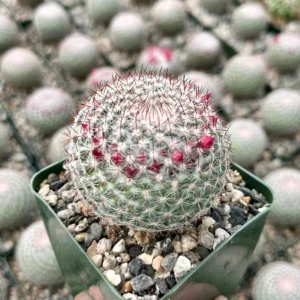
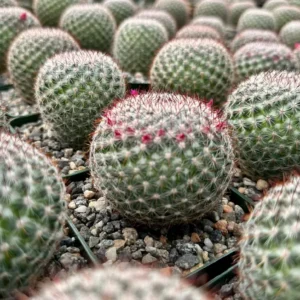
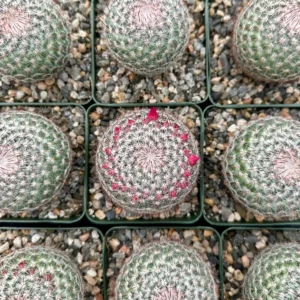
The Rainbow Pincushion Cactus, scientifically known as Mammillaria rhodantha, is a truly captivating live plant that stands out in any succulent collection. This small, spherical cactus typically measures between 2 to 4 inches (5 to 10 cm) in diameter, making it a perfect desktop or shelf companion. Its most striking feature is the array of radial spines that boast a spectrum of colors, from delicate white to various shades of pink, earning it the beloved “Rainbow” nickname. These vibrant spines beautifully contrast with the darker, longer central spines, creating a mesmerizing visual display. Originating from the rocky, arid landscapes of Mexico, Mammillaria rhodantha is a resilient and enchanting addition to your home or garden, promising a touch of natural wonder.
This particular offering is for a live Rainbow Pincushion Cactus, ready to thrive in its new environment. Known for its relatively straightforward care requirements, it’s an excellent choice for both seasoned plant enthusiasts and those new to the world of cacti. When its blooming season arrives, you can anticipate vibrant, funnel-shaped flowers emerging from the crown, typically in stunning pink, red, or magenta hues, further enhancing its appeal as a decorative plant.
Key Benefits
The Rainbow Pincushion Cactus offers numerous advantages, making it a highly desirable plant for various settings. Its unique characteristics contribute to its popularity and ease of integration into diverse decor styles. This easy care cactus brings a blend of beauty and simplicity.
- Stunning Visual Appeal: The Mammillaria rhodantha features an exquisite display of colorful spines ranging from white to pink, creating a rainbow effect that is truly eye-catching. This makes it a fantastic focal point for shelves, windowsills, or succulent arrangements.
- Low Maintenance: As a desert native, this spherical cactus is incredibly resilient and requires minimal watering, making it ideal for busy individuals or those new to plant care. It tolerates a range of conditions, simplifying its upkeep.
- Vibrant Blooms: During its blooming season, the Mammillaria rhodantha produces beautiful funnel-shaped flowers in shades of pink, red, or magenta, adding an unexpected splash of color and charm to your space. These flowers are a delightful surprise for any owner.
- Compact Size: With its small, spherical form (typically 2-4 inches), the Rainbow Pincushion Cactus is perfect for small spaces, terrariums, or as part of a larger cactus collection without taking up too much room.
- Drought Tolerant: Adapted to arid environments, this colorful spine cactus can withstand periods of drought, reducing the need for constant attention and making it a forgiving plant choice.
- Unique Texture: The distinct texture created by its radial and central spines adds an interesting tactile and visual element to your plant collection, offering a unique contrast to other plants.
- Beginner-Friendly: Its robust nature and simple care routine make the Mammillaria rhodantha care straightforward, encouraging new gardeners to explore the joys of growing cacti.
Plant Care & Growing Tips
Caring for your Rainbow Pincushion Cactus is a rewarding experience, as this resilient plant thrives with minimal attention when its basic needs are met. Proper Mammillaria rhodantha care involves understanding its preferences for light, water, and soil. To ensure optimal health and vibrant growth, it’s crucial to mimic its natural desert habitat as much as possible. This spherical cactus appreciates consistency in its environment.
Sunlight: The Mammillaria rhodantha thrives in ample sunlight. Place your Rainbow Pincushion Cactus in a location where it can receive at least 6-8 hours of direct sunlight per day. A south-facing window is often ideal for indoor plants. If grown outdoors, ensure it gets full sun exposure. While it can tolerate some partial shade, too little light can lead to etiolation (stretching) and duller spine colors. Watering: Overwatering is the most common cause of problems for cacti. Allow the soil to dry out thoroughly between waterings. During the growing season (spring and summer), water deeply but infrequently. In fall and winter, reduce watering significantly, often to once a month or less, as the plant enters a dormant phase. Always check the soil moisture before watering.
Soil and Potting: This colorful spine cactus requires well-draining cactus soil. A mix formulated specifically for cacti and succulents, often containing perlite, pumice, or coarse sand, is ideal. Ensure the pot has drainage holes to prevent waterlogging, which can lead to root rot. Repotting is generally needed every 2-3 years, or when the plant outgrows its container. Temperature and Hardiness: Mammillaria rhodantha is resilient and can tolerate various temperature conditions. It prefers warm temperatures during its active growth period. However, it’s wise to shield it from frost and extremely cold weather, especially if temperatures drop below 40°F (4°C). The typical USDA hardiness zone for this cactus is 9-11. Fertilization: Fertilize sparingly during the growing season (spring and summer) with a balanced, diluted cactus fertilizer. Avoid fertilizing during its dormant period. Propagation: New growth can be initiated by gently separating offsets (pups) from the main plant. Allow the offsets to callus for a few days before planting them in well-draining cactus soil. Propagation from seeds is also possible but takes longer.
Size & Details
This offering is for one live Rainbow Pincushion Cactus (Mammillaria rhodantha) presented in a 3-inch nursery pot. Each spherical cactus typically has an individual diameter ranging from 2 to 4 inches (5 to 10 cm), making it a compact and desk-friendly size suitable for various indoor settings. The plant is shipped rooted in its nursery pot, ensuring a healthy transition to your home. While growth rates vary depending on environmental conditions, this cactus is generally a slow-growing species, maintaining its charming, compact form over many years. Expect the plant to arrive well-packaged, ready to be placed in its new spot or transplanted into a decorative container of your choice. The vibrant spine coloration will be evident upon arrival, showcasing the beauty of this unique specimen.
Frequently Asked Questions
- Q: How big does this plant get? A: The Rainbow Pincushion Cactus typically grows to a spherical shape with a diameter of 2 to 4 inches (5 to 10 cm). It’s a compact cactus, perfect for small spaces and collections.
- Q: What size pot does it come in? A: This Mammillaria rhodantha live plant is provided in a 3-inch nursery pot, suitable for its current size and ready for display or repotting.
- Q: Is this an indoor or outdoor plant? A: While it can thrive outdoors in warm, arid climates (USDA Zones 9-11), the Rainbow Pincushion Cactus is also an excellent indoor plant, especially in cooler regions, as long as it receives ample sunlight.
- Q: How much sunlight does it need? A: This cactus requires at least 6-8 hours of direct sunlight daily to maintain its vibrant spine colors and promote healthy growth. A bright, sunny window is ideal indoors.
- Q: Is this plant easy to care for? A: Yes, the Mammillaria rhodantha care is considered straightforward, making it an easy care cactus suitable for beginners. Its main requirements are plenty of sun and infrequent watering.
- Q: What condition will it arrive in? A: Your Rainbow Pincushion Cactus will arrive as a healthy, live plant, carefully packaged in its nursery pot to ensure its safe journey and readiness for its new home.
- Q: How often should I water my Rainbow Pincushion Cactus? A: Water thoroughly only when the soil has completely dried out. In summer, this might be every 2-4 weeks, and in winter, it could be as infrequent as once a month or less.
- Q: Will it survive winter in my zone? A: If you live outside USDA Zones 9-11, it’s best to bring your spherical cactus indoors during winter to protect it from frost and extremely cold temperatures, which it cannot tolerate.
- Q: Can I propagate this cactus? A: Yes, you can propagate the Mammillaria rhodantha by gently separating offsets (pups) that grow from the main plant. Allow the offsets to callus before planting them.
- Q: What kind of soil is best for this colorful spine cactus? A: A well-draining cactus and succulent potting mix is essential to prevent root rot. You can also create your own mix with perlite, pumice, or coarse sand.


Reviews
There are no reviews yet.