Overview
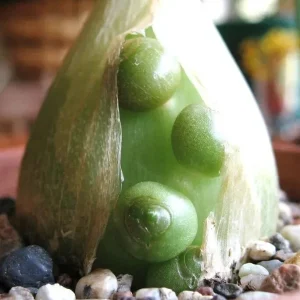
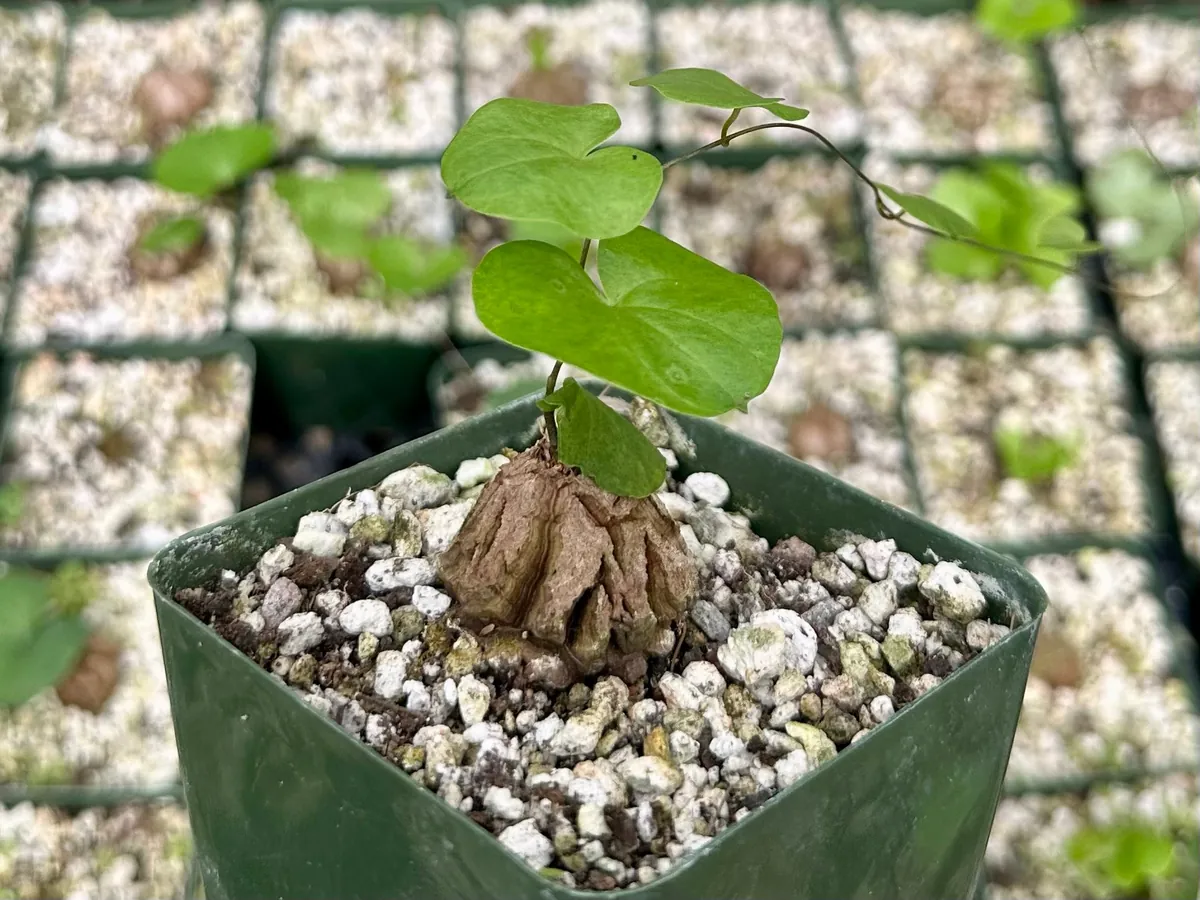
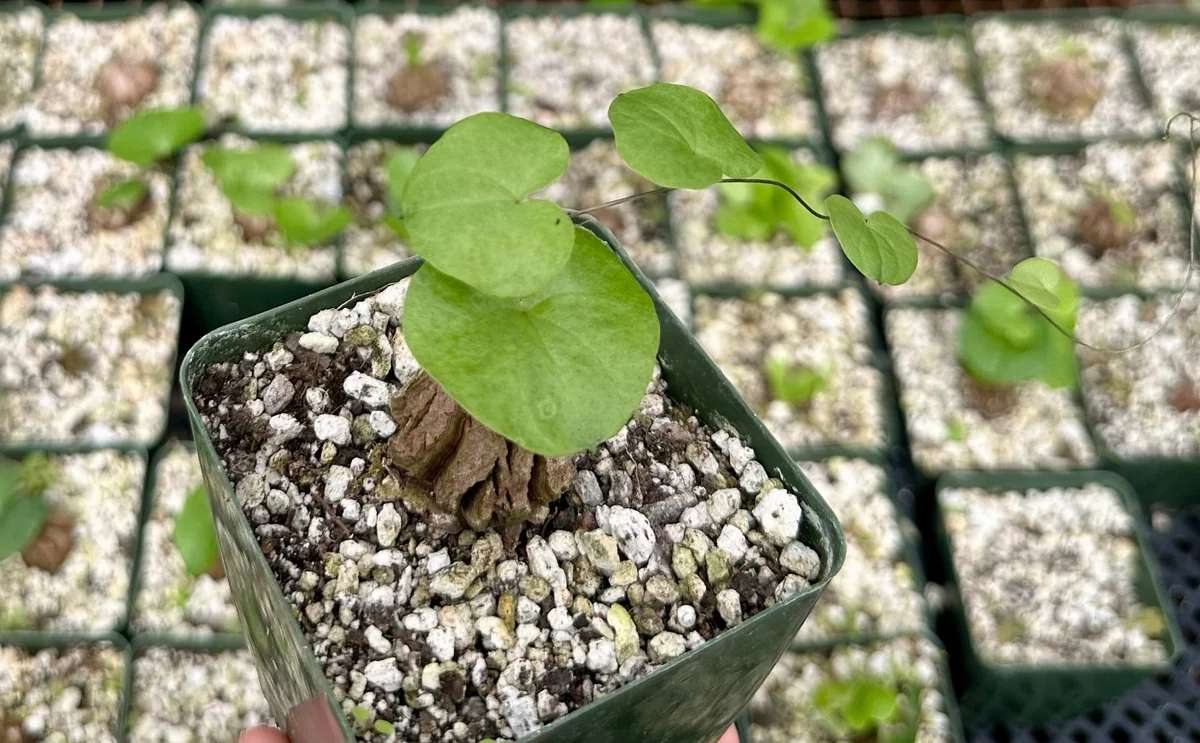
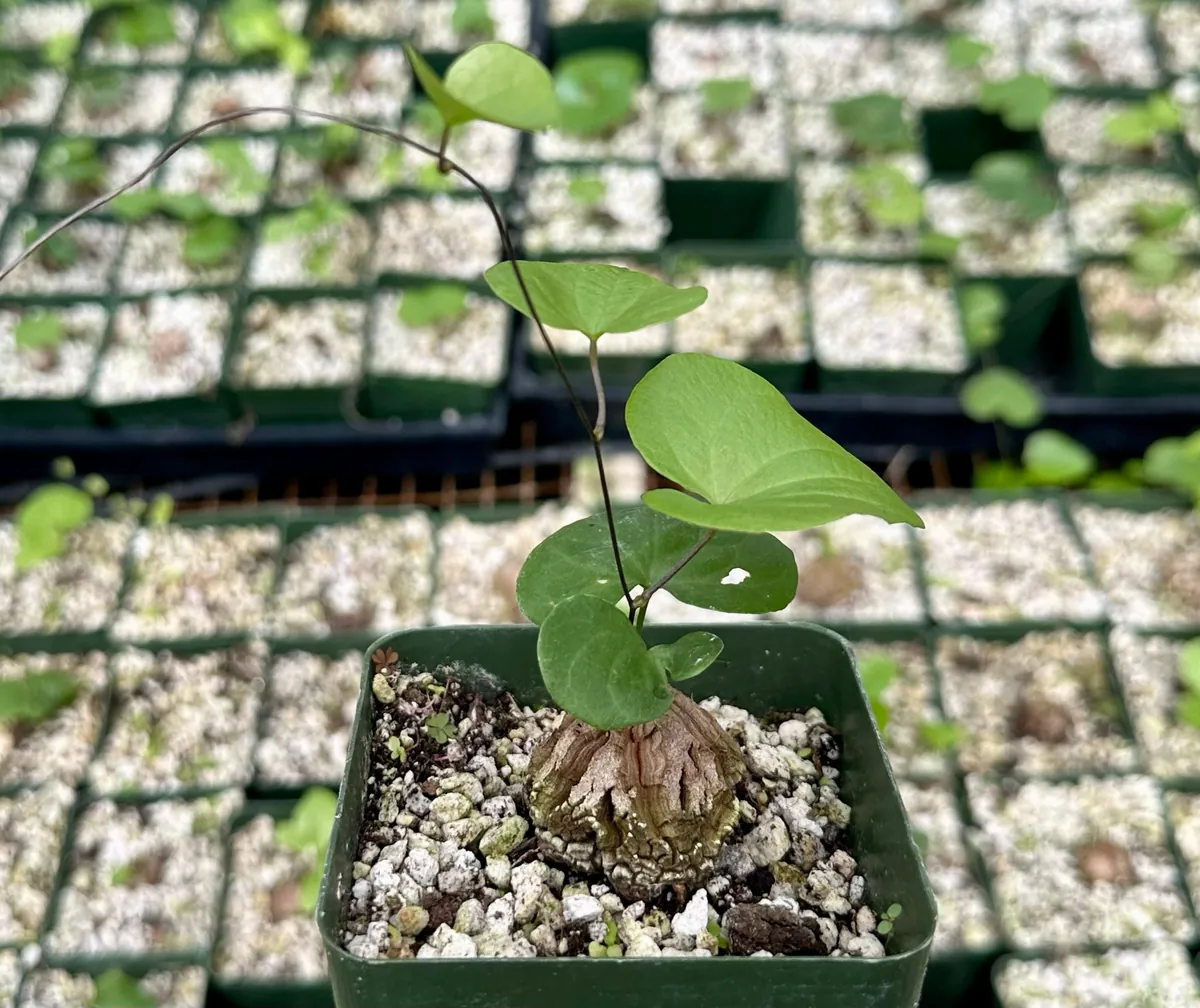
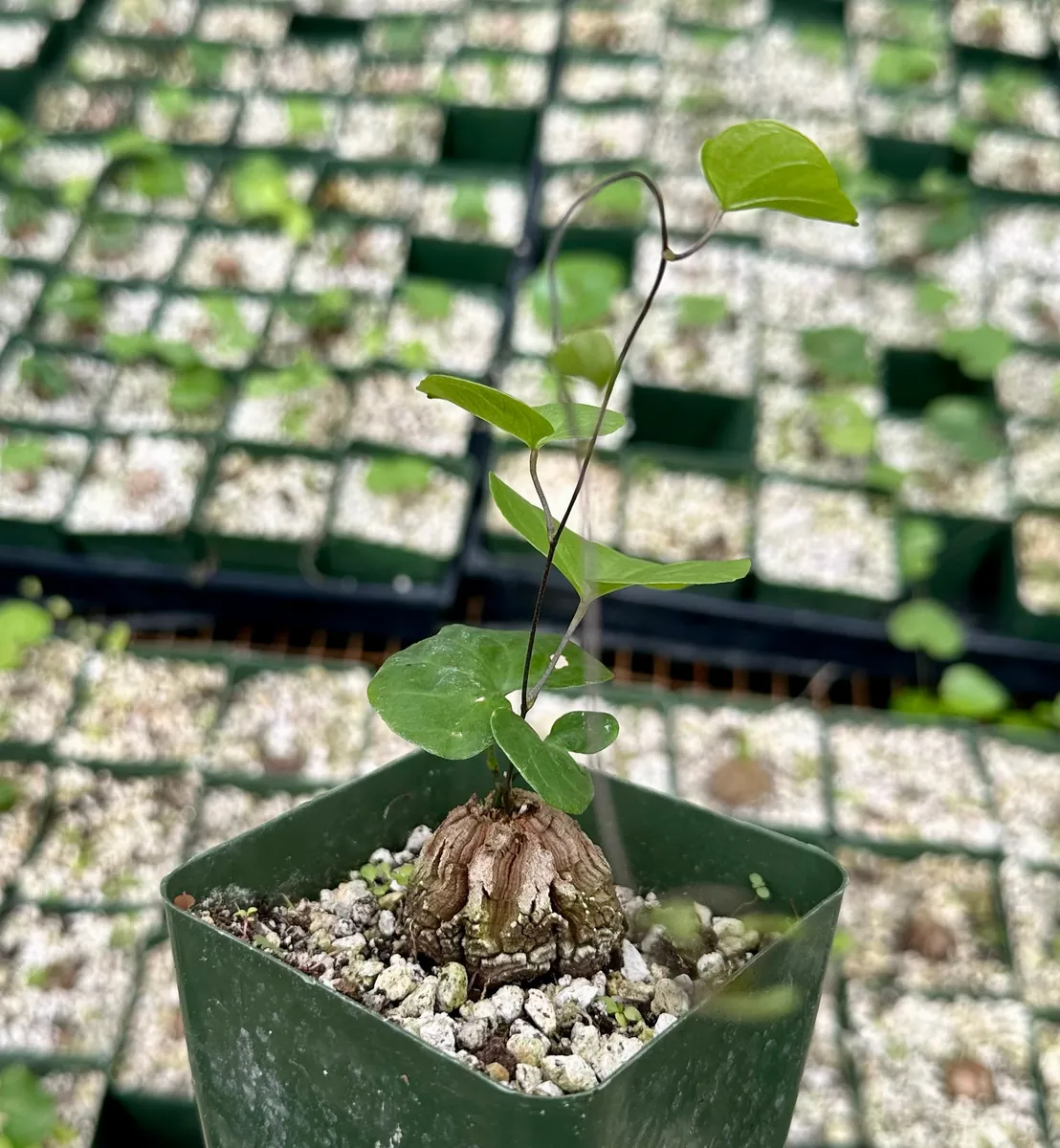
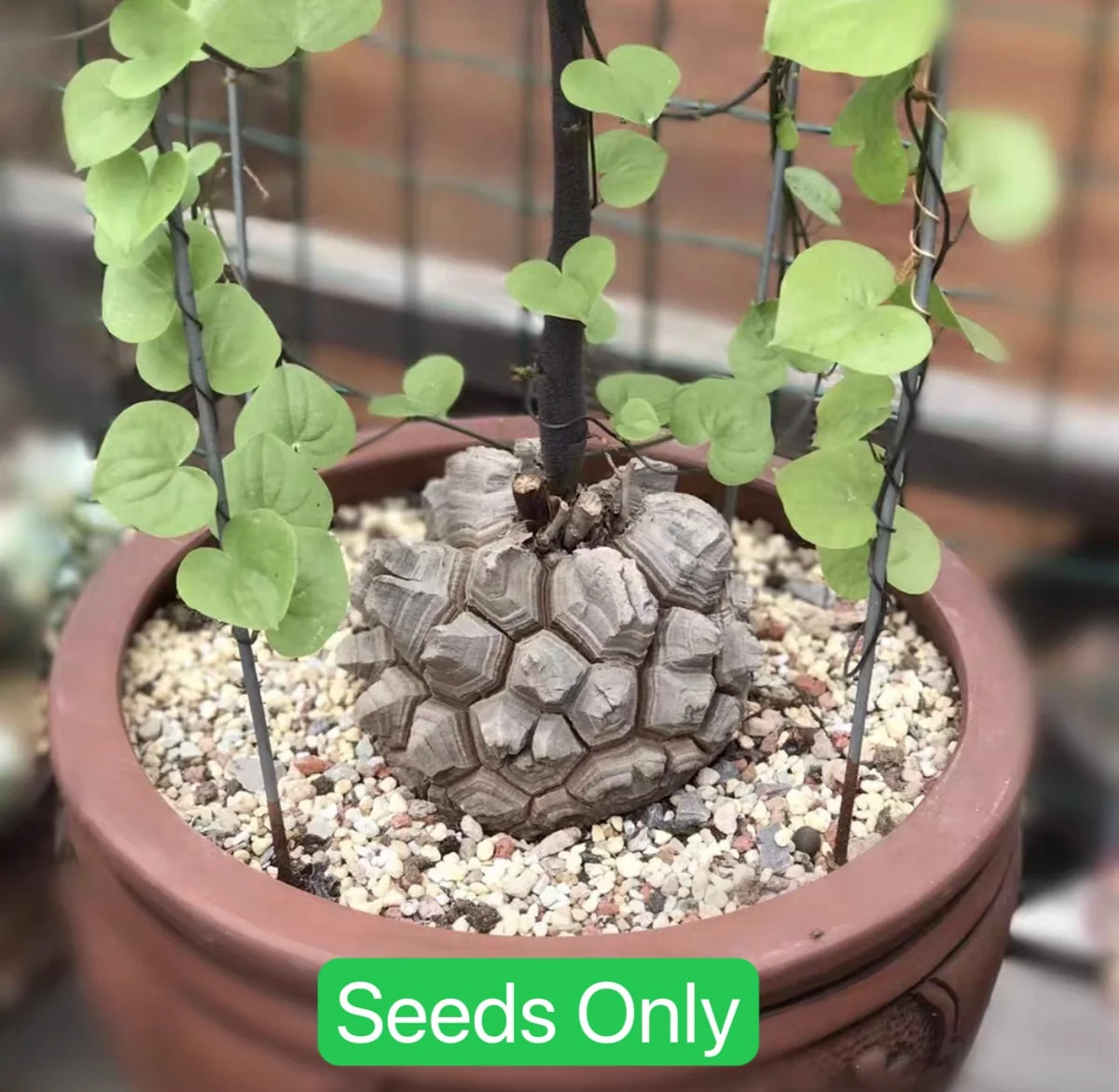
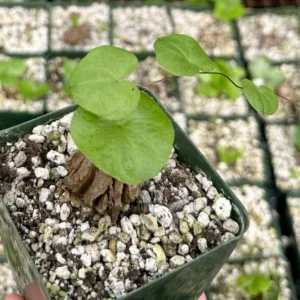
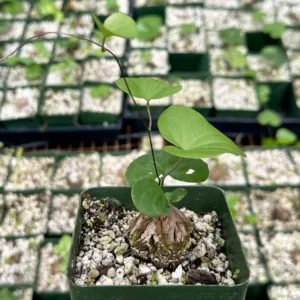
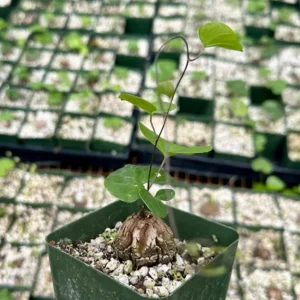
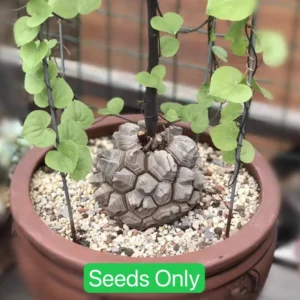
Embark on a rewarding botanical journey with Dioscorea Elephantipes seeds. This extraordinary plant, commonly known as Elephant’s Foot plant seeds or Hottentot bread, is a captivating perennial vine native to the arid regions of South Africa. Belonging to the diverse Dioscoreaceae family, it stands out with its remarkable aesthetic. The primary allure of Dioscorea Elephantipes is its large, spherical caudex, which can grow up to 1.5 feet in diameter, resembling an elephant’s foot – a feature that gives the plant its memorable common name. Starting this unique specimen from rare plant seeds allows you to witness its full life cycle and development, offering a truly immersive gardening experience.
As an ornamental plant, Dioscorea Elephantipes is highly sought after by collectors and enthusiasts due to its distinctive appearance. Beyond the caudex, it produces long, twining stems that can reach impressive lengths of up to 20 feet, adorned with heart-shaped, glossy green leaves. These exotic plant seeds provide an opportunity to cultivate a living sculpture that will undoubtedly become a focal point in any collection. Understanding proper Dioscorea Elephantipes care from the seed stage is key to its successful growth and development, ensuring you can enjoy this intriguing plant for many years.
Key Benefits
Growing Dioscorea Elephantipes from seeds offers numerous benefits, transforming your plant collection with a truly unique specimen. This plant is not only visually striking but also quite resilient, making it a rewarding choice for various gardeners. The journey of cultivating these Elephant’s Foot plant seeds will provide a unique connection to nature.
- Exceptional Ornamental Value: The most significant benefit is the plant’s striking appearance. Its massive, textured caudex and delicate vining foliage create an unparalleled visual interest, making it a perfect conversation piece for any home or garden.
- Drought Tolerance: Once established, Dioscorea Elephantipes is remarkably drought-tolerant. Its caudex stores water, allowing it to thrive with minimal watering, which is ideal for busy gardeners or those in drier climates.
- Collector’s Item: Due to its unique form and relatively slow growth, rare plant seeds of Dioscorea Elephantipes are highly prized by succulent and exotic plant collectors. Growing your own adds a personal touch to your esteemed collection.
- Low Maintenance (once established): While germination requires attention, mature plants are relatively low-maintenance, preferring well-draining soil and ample sunlight. This makes Dioscorea Elephantipes care manageable for dedicated enthusiasts.
- Long Lifespan: With proper care, a Dioscorea Elephantipes plant can live for many decades, becoming a long-term botanical companion and a testament to your gardening skills.
- Fascinating Dormancy Cycle: The plant’s natural dormancy period, where it sheds its leaves in summer and reawakens in cooler fall temperatures, offers a unique seasonal spectacle.
- Unique Growth Habit: The twining stems and heart-shaped leaves add an elegant contrast to the rugged caudex, providing dynamic growth that can be trained and admired.
Plant Care & Growing Tips
Cultivating Dioscorea Elephantipes seeds requires patience and specific environmental conditions to ensure successful germination and growth. Once germinated, proper Dioscorea Elephantipes care will lead to a thriving and long-lived plant. These rare plant seeds are best started in a warm, bright environment. Sow seeds in a well-draining, sandy cactus or succulent mix, lightly covering them with a thin layer of grit. Maintain consistent moisture, but ensure excellent drainage to prevent rot. Germination can be erratic, taking anywhere from a few weeks to several months.
For mature plants grown from Elephant’s Foot plant seeds, provide full sun to partial shade. In intense summer heat, some afternoon shade can be beneficial, especially for younger plants. The plant is drought-tolerant, meaning it can survive with very little water, but it will grow more vigorously with regular watering during its active growth phase (typically fall through spring). Allow the soil to dry out completely between waterings to prevent caudex rot. During its summer dormancy, watering should be significantly reduced or stopped altogether until new growth emerges in the fall. The plant is not frost-tolerant and should be protected from temperatures below 40°F (4°C).
The ideal soil for Dioscorea Elephantipes is a very well-draining succulent or cactus mix, often amended with pumice, perlite, or coarse sand to enhance drainage. Repotting should be done carefully, ensuring the caudex is partially exposed above the soil line. Fertilize sparingly during the active growing season with a diluted, balanced liquid fertilizer. Keep an eye out for common pests like mealybugs, which can be treated with insecticidal soap. Understanding these aspects of Dioscorea Elephantipes care is crucial for nurturing these unique exotic plant seeds into magnificent specimens.
Size & Details
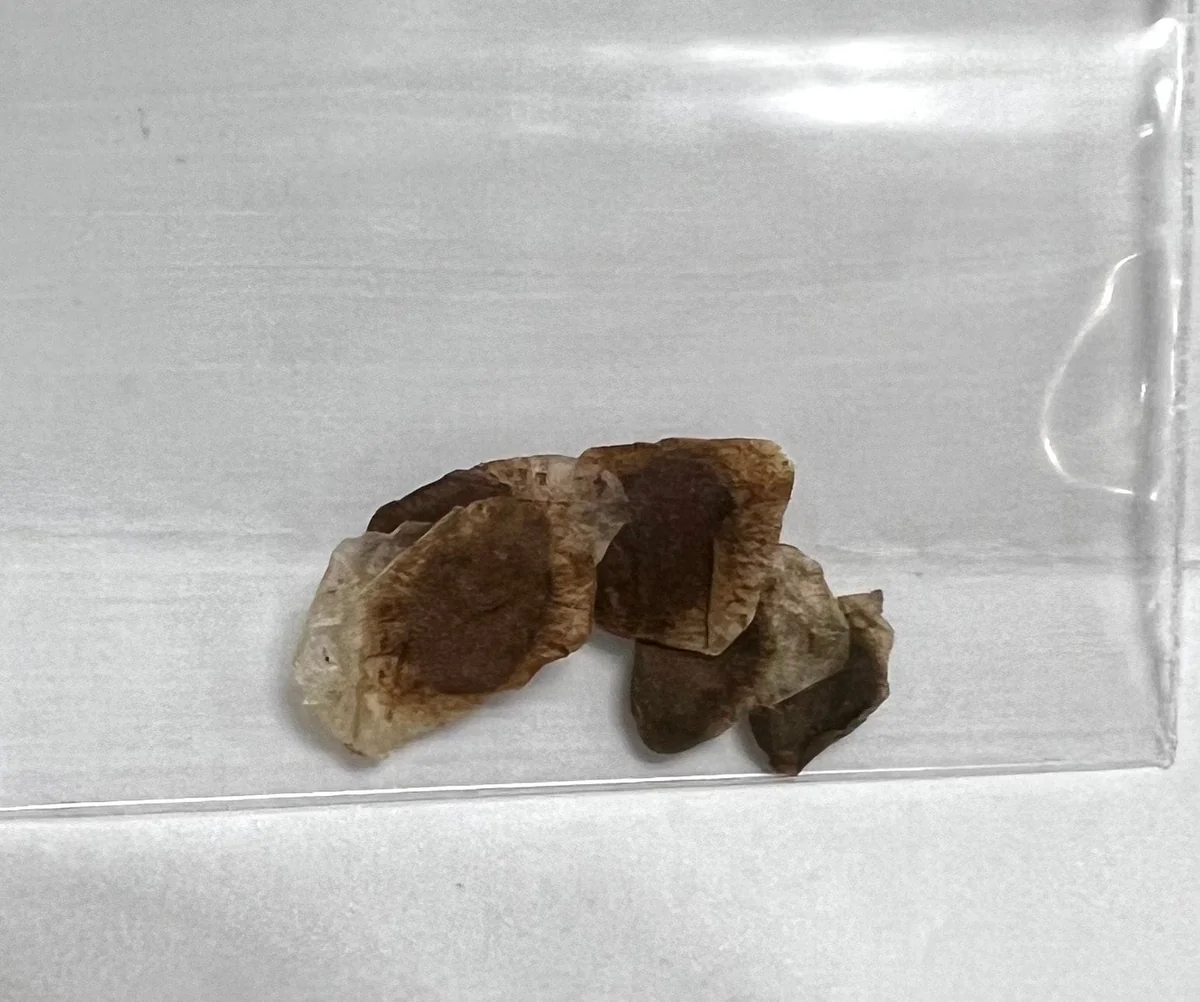
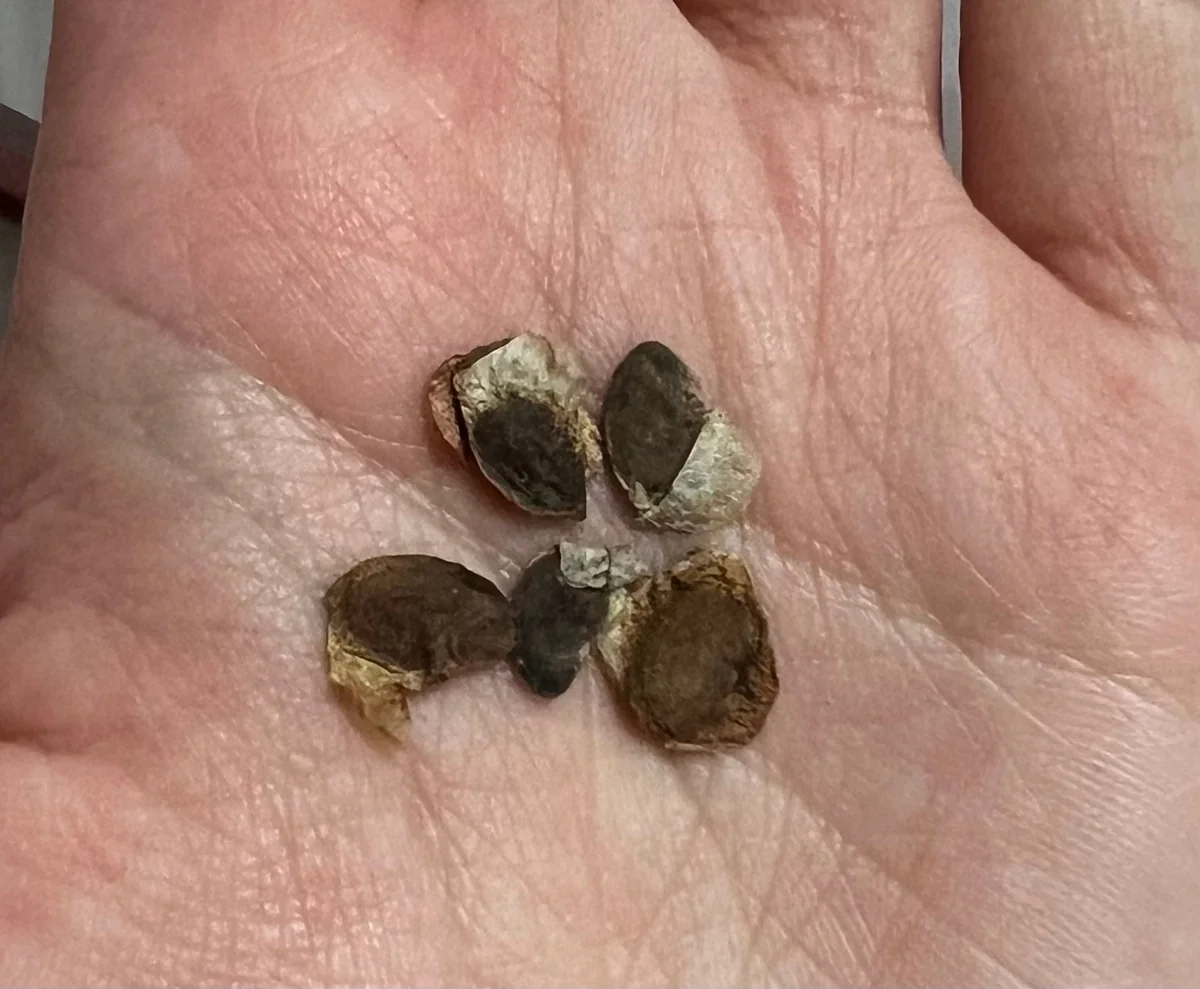
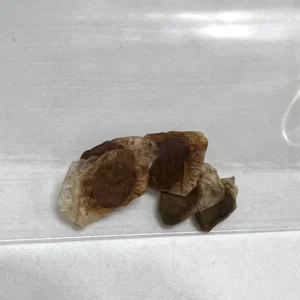
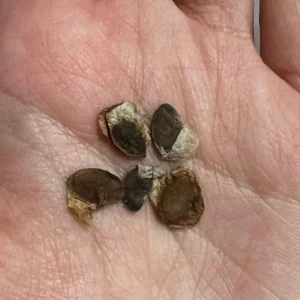
These are Dioscorea Elephantipes seeds, ready for germination. Once successfully grown, the plant’s most notable feature is its caudex, which can eventually reach an impressive diameter of up to 1.5 feet (0.5 meters) in mature specimens, though this takes many years. The twining stems can extend up to 20 feet (6 meters) in length, providing a dramatic display. Growth rate from rare plant seeds is initially slow, with the caudex developing gradually over time. Plants typically enter a natural dormancy period during the hottest summer months, losing their leaves, and then reawaken with cooler temperatures in the fall.
Each seed has the potential to grow into a long-lived, striking ornamental plant. The ultimate size and form will depend on growing conditions and care. These exotic plant seeds offer the opportunity to cultivate and shape your own unique succulent. Expect a period of several months for germination and initial growth, with the characteristic caudex becoming more prominent over subsequent years. The plant will be shipped as seeds, providing you with the foundation to grow your own magnificent Elephant’s Foot plant seeds specimen.
Frequently Asked Questions
- Q: How big does a Dioscorea Elephantipes plant get? A: The distinctive caudex of a mature Dioscorea Elephantipes can reach up to 1.5 feet (0.5 meters) in diameter over many years. Its vining stems can grow up to 20 feet (6 meters) long, creating a dramatic display.
- Q: Is this an indoor or outdoor plant? A: Dioscorea Elephantipes can be grown both indoors and outdoors, depending on your climate. It thrives outdoors in USDA Zones 9-11 but requires protection from frost. Indoors, it needs a bright, sunny location.
- Q: How much sunlight do Dioscorea Elephantipes seeds need to germinate? A: For germinating Dioscorea Elephantipes seeds, provide bright, indirect light and consistent warmth. Once sprouted, young plants and mature specimens prefer full sun to partial shade for optimal growth.
- Q: Is this plant easy to care for? A: While germinating rare plant seeds requires attention, established Dioscorea Elephantipes plants are considered relatively low-maintenance. They are drought-tolerant and thrive with minimal watering during their active growth phase.
- Q: What condition will the Dioscorea Elephantipes seeds arrive in? A: Your Elephant’s Foot plant seeds will arrive as fresh, viable seeds, carefully packaged to ensure their integrity during transit. They are ready for immediate planting upon arrival.
- Q: How long until the seeds germinate? A: Germination of Dioscorea Elephantipes seeds can be variable and may take anywhere from a few weeks to several months. Patience and consistent care are key during this initial phase.
- Q: What is the best soil for Dioscorea Elephantipes care? A: The best soil for Dioscorea Elephantipes is a very well-draining succulent or cactus mix. Amending the soil with pumice, perlite, or coarse sand will further enhance drainage, which is crucial for preventing caudex rot.
- Q: What is the dormancy period for Dioscorea Elephantipes? A: Dioscorea Elephantipes naturally enters a heat-driven dormancy typically in late spring or early summer, losing its leaves and drying back. It reawakens in the cooler temperatures of fall, sending out new shoots.
- Q: Can I grow this plant if I’m a beginner? A: While some aspects of Dioscorea Elephantipes care, especially from seed, can be challenging, a dedicated beginner with a willingness to learn and provide specific conditions can certainly succeed with these exotic plant seeds.
- Q: How often should I water my Dioscorea Elephantipes? A: During its active growth (fall to spring), water thoroughly when the soil is completely dry. During its summer dormancy, significantly reduce or cease watering entirely until new growth appears.


Reviews
There are no reviews yet.