Overview
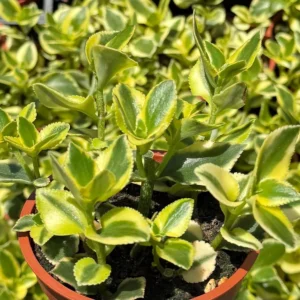
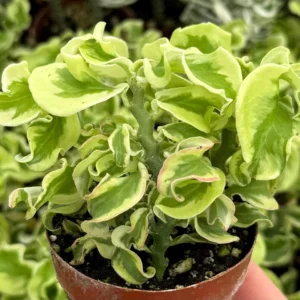
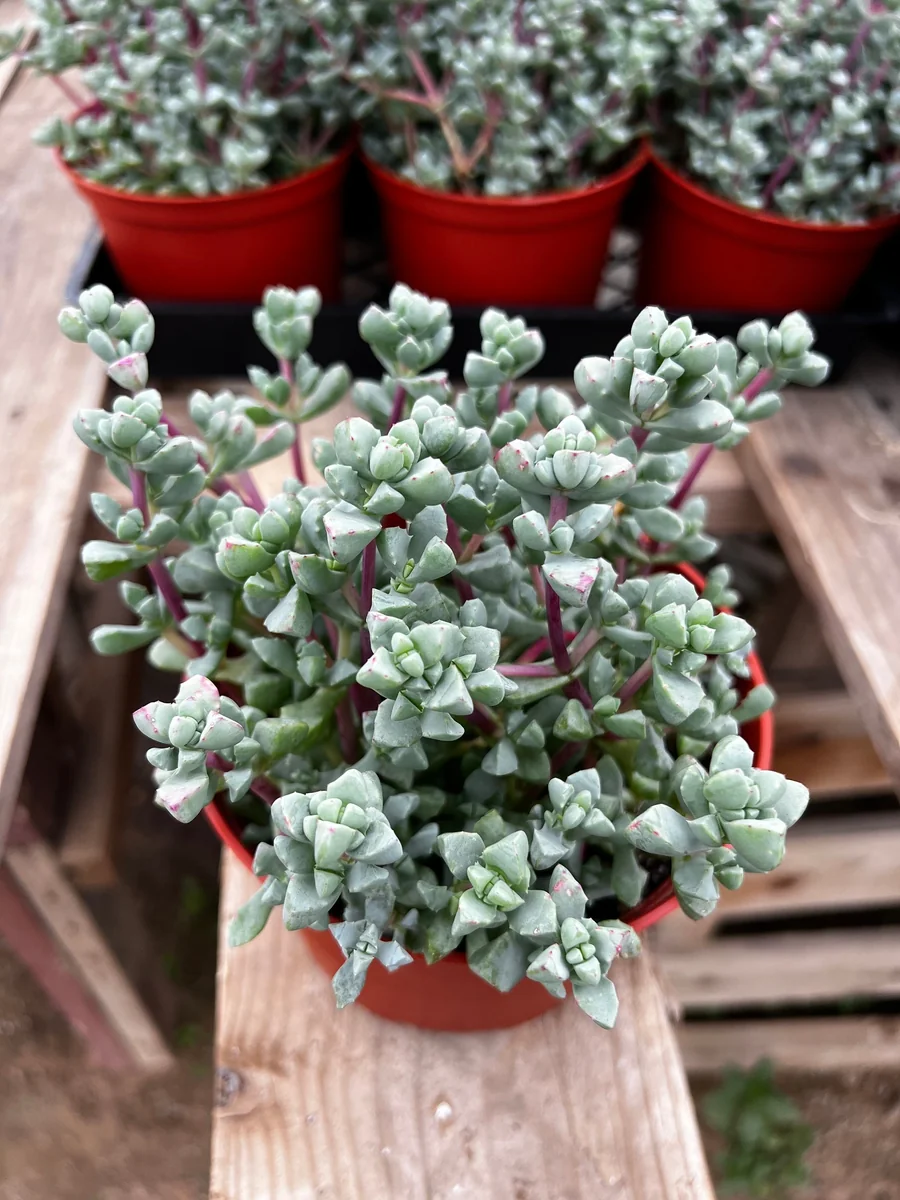
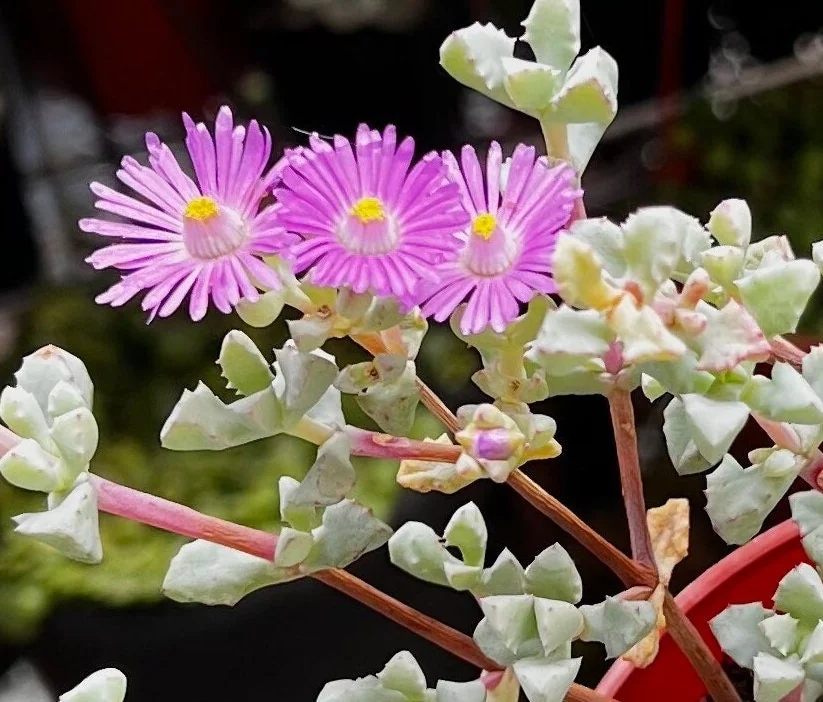
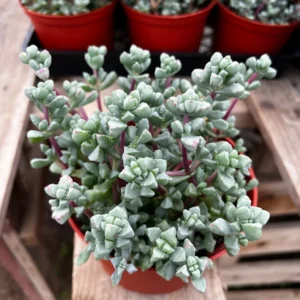
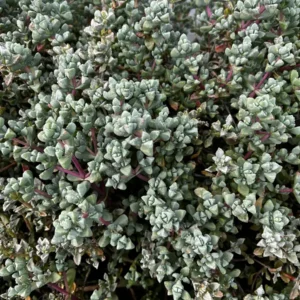
Introduce a splash of vibrant color and effortless beauty to your landscape with the pink vygie live plant, also commonly known as the pink ice plant succulent. This remarkable succulent, scientifically named Lampranthus roseus, is celebrated for its dazzling pink flowers that emerge in profusion during spring and summer. Native to South Africa, this hardy plant forms a dense, mat-forming groundcover, making it an excellent choice for xeriscaping or water-wise gardens. Its fleshy, green leaves and star-shaped blooms create a stunning visual impact, transforming sunny, dry areas into captivating displays. This live plant arrives in a 4” pot, ready to establish itself and bring long-lasting charm to your outdoor spaces.
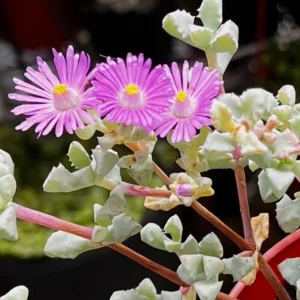
The pink vygie live plant is a low-maintenance wonder, ideal for gardeners seeking beauty without the fuss. Its ability to thrive in challenging conditions makes it a versatile addition to various garden styles, from coastal landscapes to arid rockeries. The striking pink or magenta flowers, each about 4 cm in diameter with a bright yellow center, open during the day and close at night, offering a dynamic display. Whether you’re looking to cover a large area or add a unique texture to containers, the pink ice plant succulent provides an easy and rewarding gardening experience.
Key Benefits
The pink vygie live plant offers numerous advantages for both novice and experienced gardeners, making it a popular choice for its aesthetic appeal and resilience:
- Stunning Floral Display: Enjoy a breathtaking show of vibrant pink or magenta, star-shaped flowers throughout the spring and summer, adding continuous color to your garden. These blooms are a true highlight and attract beneficial pollinators.
- Drought-Tolerant Groundcover: As a drought-tolerant groundcover, this plant is perfectly suited for water-wise landscaping, requiring minimal irrigation once established. It’s an eco-friendly choice that conserves water and thrives in arid conditions.
- Low Maintenance: This hardy succulent demands very little attention, making it ideal for busy gardeners. It’s easy to grow and requires infrequent watering and feeding, allowing you more time to enjoy its beauty.
- Erosion Control: Its mat-forming growth habit helps stabilize soil on slopes and in difficult areas, preventing erosion and creating a lush, green carpet. This makes it practical for challenging garden spots.
- Versatile Landscaping Use: Perfect for rock gardens, borders, containers, or large-scale groundcover projects. The pink ice plant succulent adapts well to various settings, enhancing curb appeal wherever it’s planted.
- Heat and Sun Loving: Thrives in full sun and hot climates, making it an excellent choice for areas with intense summer heat where other plants might struggle. It truly basks in the warmth.
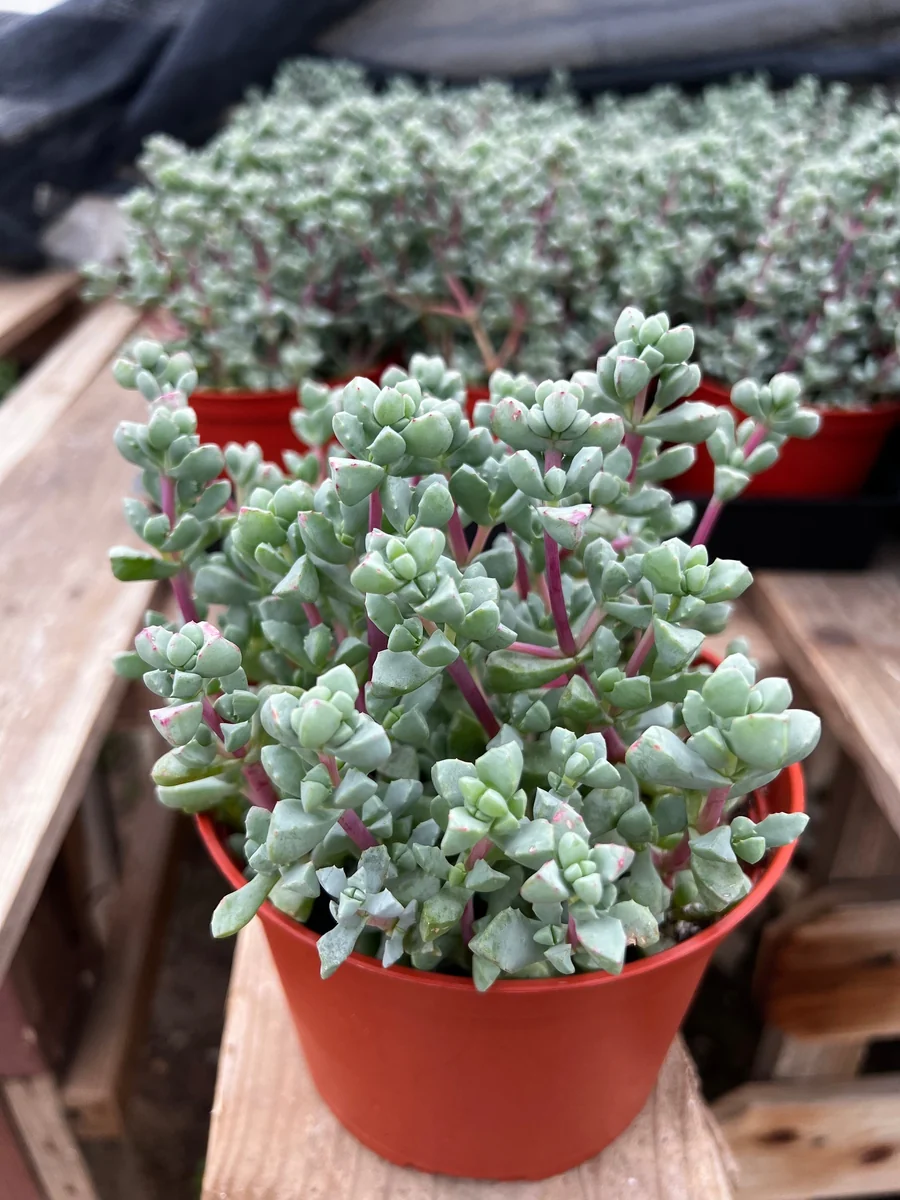
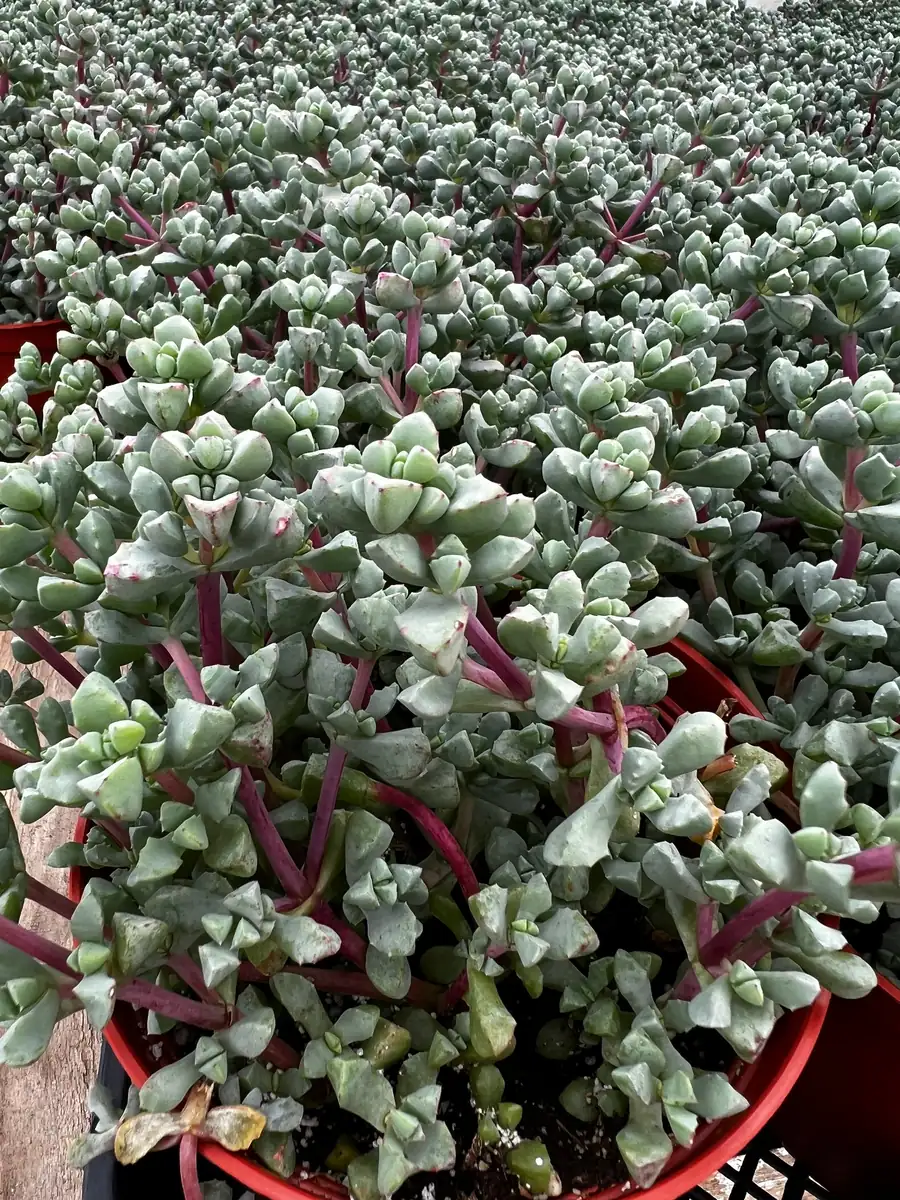
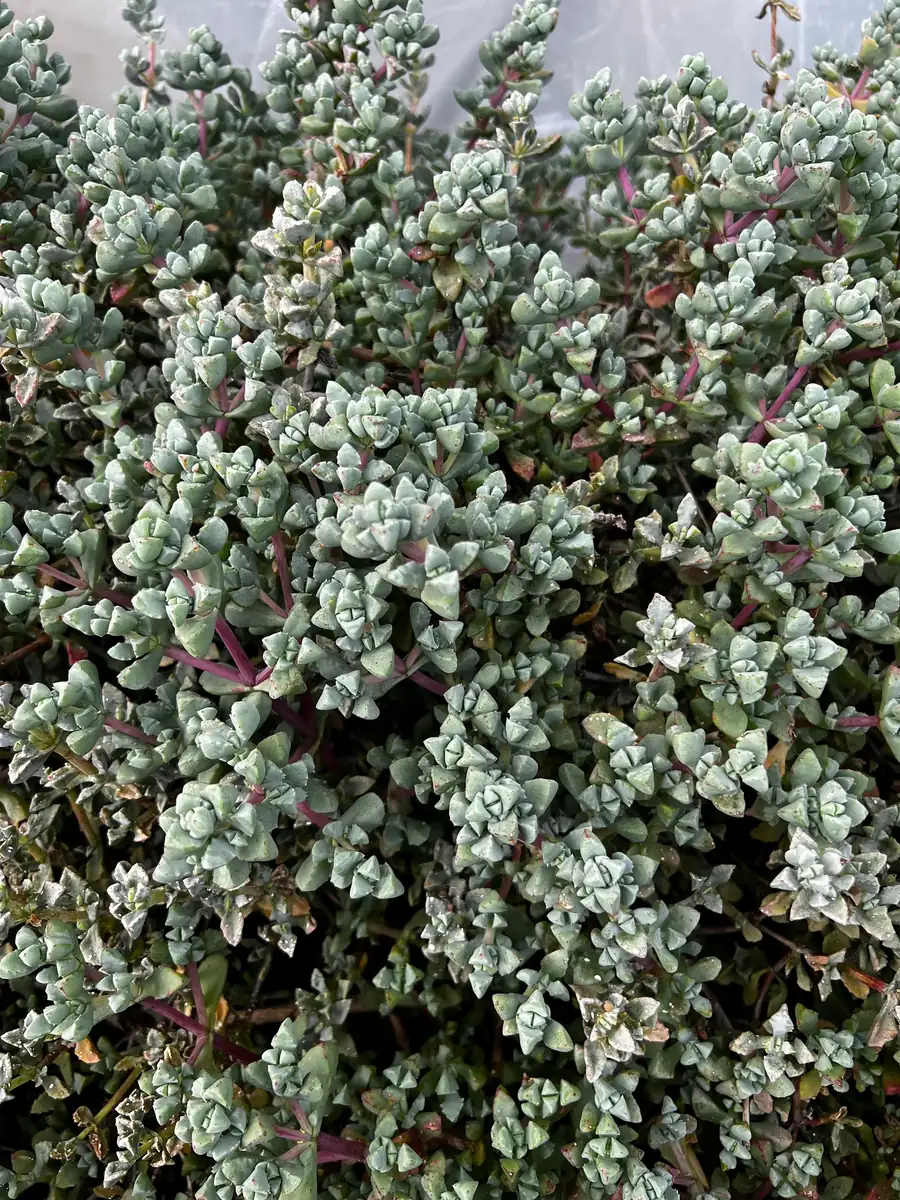
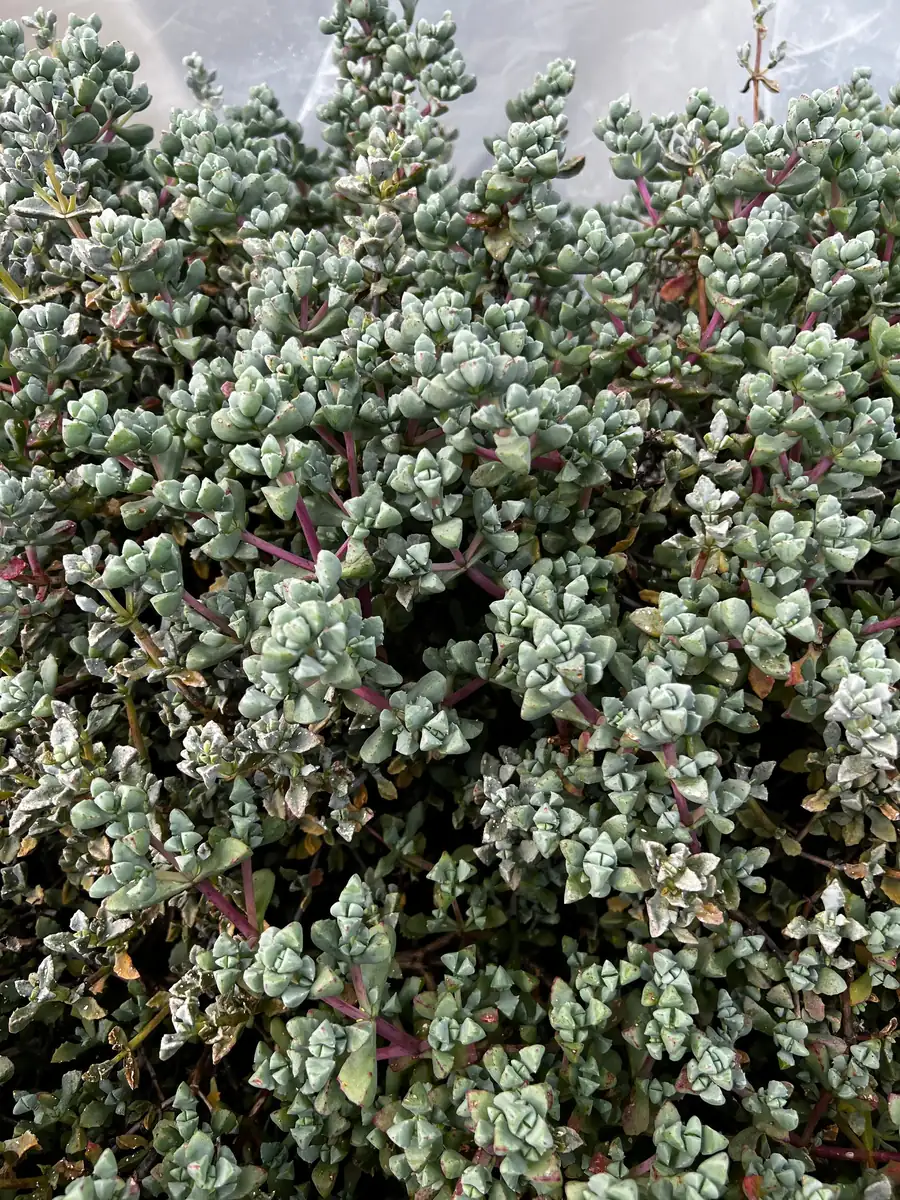
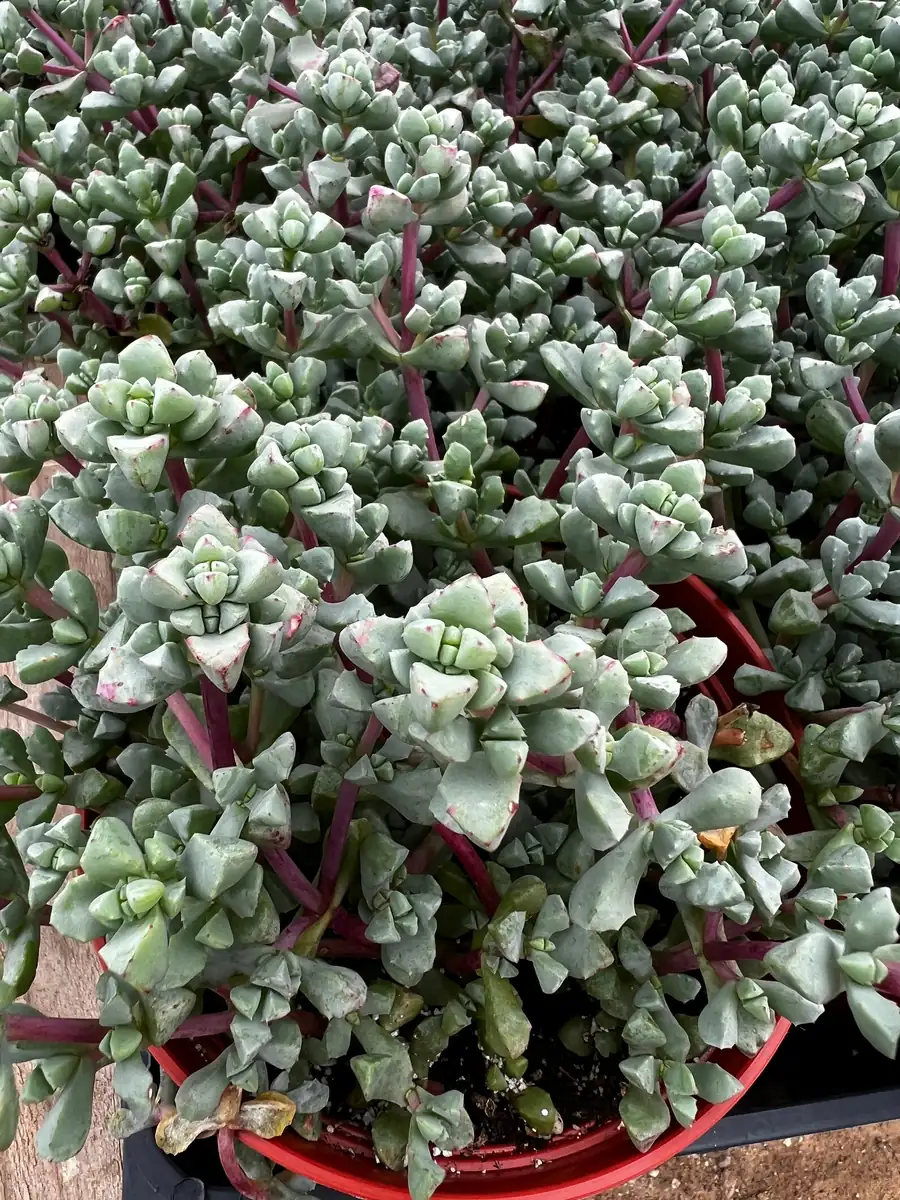
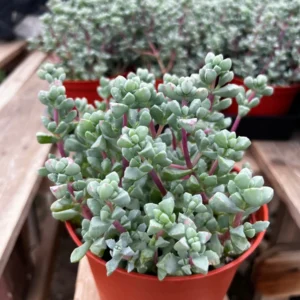
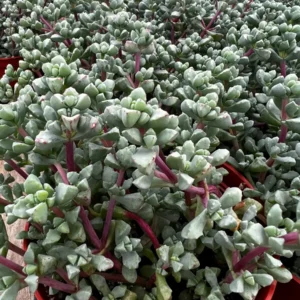
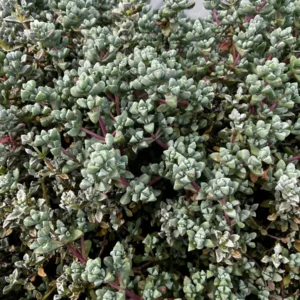
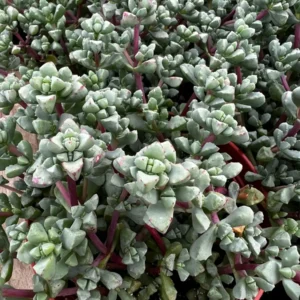
- Attractive Foliage: Even when not in bloom, the fleshy, cylindrical gray-green to blue-green leaves add texture and interest to the garden, providing year-round appeal.
Plant Care & Growing Tips
Caring for your pink vygie live plant is remarkably straightforward, making it a favorite among gardeners for its resilience and low-maintenance nature. This succulent thrives with minimal fuss, provided its basic needs for sunlight and well-draining soil are met. Understanding the specific requirements for Oscularia deltoides care will ensure your plant flourishes and produces abundant blooms. For optimal growth, choose a location that receives full sun, meaning at least six hours of direct sunlight per day. In extremely hot climates, some afternoon shade can be beneficial to prevent scorching, but generally, more sun equals more flowers.
When it comes to watering, the pink ice plant succulent is exceptionally drought-tolerant. Allow the soil to dry out completely between waterings, especially during the cooler months. Overwatering is the most common cause of problems for succulents, leading to root rot. During active growth in spring and summer, you might water more frequently, but always check the soil moisture first. Well-draining soil is crucial; a sandy or gritty mix designed for succulents and cacti is ideal. Avoid heavy clay soils that retain too much moisture. This plant is hardy in USDA zones 9-11, preferring temperatures above 40°F (4°C), but it can tolerate light frosts for short periods once established.
Fertilization is rarely necessary for this robust mat-forming succulent. If you choose to fertilize, use a diluted, balanced liquid fertilizer once in the spring at half strength. Pruning is also minimal; simply remove spent flowers to encourage more blooms and trim any unruly growth to maintain its desired shape. Keep an eye out for common succulent pests like mealybugs, though they are generally not a major issue for the pink vygie. Good air circulation and proper watering practices are your best defense against most problems. Following these simple care guidelines will ensure your pink vygie live plant remains healthy and beautiful for years to come.
Size & Details
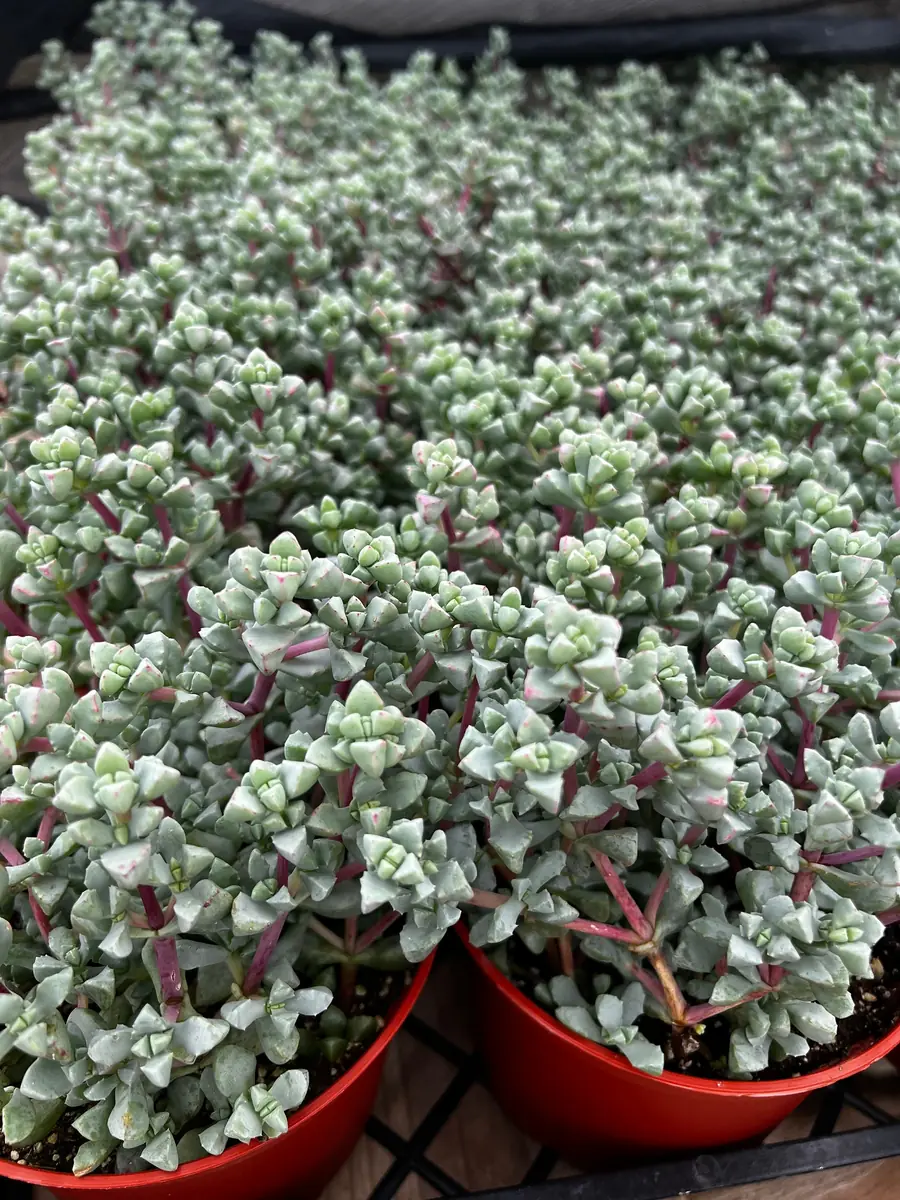
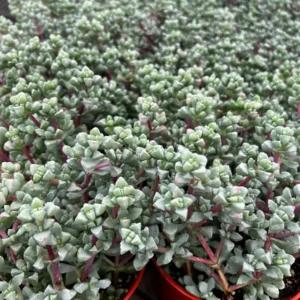
Your pink vygie live plant will arrive as a healthy, established specimen in a 4-inch nursery pot. This size is ideal for immediate planting into your garden beds, rockeries, or larger decorative containers. With its vigorous growth habit, this mat-forming succulent quickly spreads to create a dense groundcover, typically reaching a height of 4-6 inches (10-15 cm) and spreading up to 2-3 feet (60-90 cm) wide within a few seasons. The leaves are typically about 2 cm long and 0.5 cm thick, varying in color from gray-green to blue-green depending on light exposure.
The pink vygie exhibits a moderate to fast growth rate, especially when provided with ample sunlight and good drainage. You can expect the first flush of beautiful pink or magenta flowers to appear in spring and continue through summer, with individual flowers measuring approximately 4 cm in diameter. This plant is shipped with care to ensure it arrives in excellent condition, ready to thrive in its new home. Its dense growth makes it an excellent choice for covering large areas or adding vibrant texture to mixed succulent arrangements, contributing to its reputation as a reliable and beautiful drought-tolerant groundcover.
Frequently Asked Questions
- Q: How big does this pink vygie live plant get? A: This mat-forming succulent typically grows 4-6 inches tall and can spread up to 2-3 feet wide, creating a dense groundcover over time. Its spreading habit makes it excellent for covering larger areas.
- Q: What size pot does it come in? A: The pink vygie live plant is shipped in a 4-inch nursery pot, providing a healthy root system ready for transplanting into your garden or a larger container.
- Q: Is this an indoor or outdoor plant? A: While it can be grown indoors in a very bright, sunny spot, the pink vygie thrives best outdoors in full sun, making it an ideal outdoor perennial in warmer climates. It’s a fantastic outdoor groundcover.
- Q: How much sunlight does the pink ice plant succulent need? A: For optimal growth and flowering, this succulent requires full sun, meaning at least 6 hours of direct sunlight per day. It tolerates hot, intense sun very well.
- Q: Is this plant easy to care for? A: Yes, the pink vygie live plant is considered very easy to care for, making it suitable for beginners. It’s known for its drought tolerance and low maintenance requirements.
- Q: What condition will it arrive in? A: Your plant will arrive healthy and well-packaged in its 4-inch pot, ready for planting. We take great care to ensure safe transit for our live plants.
- Q: How long until it blooms? A: If provided with adequate sunlight and care, your pink vygie should begin producing its characteristic pink flowers in the spring and continue blooming throughout the summer.
- Q: When is the best time to plant a mat-forming succulent like this? A: The best time to plant is in spring or early summer, allowing the plant ample time to establish its root system before winter.
- Q: Will this drought-tolerant groundcover survive winter in my zone? A: The pink vygie is hardy in USDA Zones 9-11. In colder zones, it can be grown as an annual or brought indoors during winter.
- Q: What’s the minimum temperature this plant can tolerate? A: It prefers temperatures above 40°F (4°C) but can tolerate brief periods of light frost once established. Prolonged freezing temperatures may cause damage.


Reviews
There are no reviews yet.