Overview
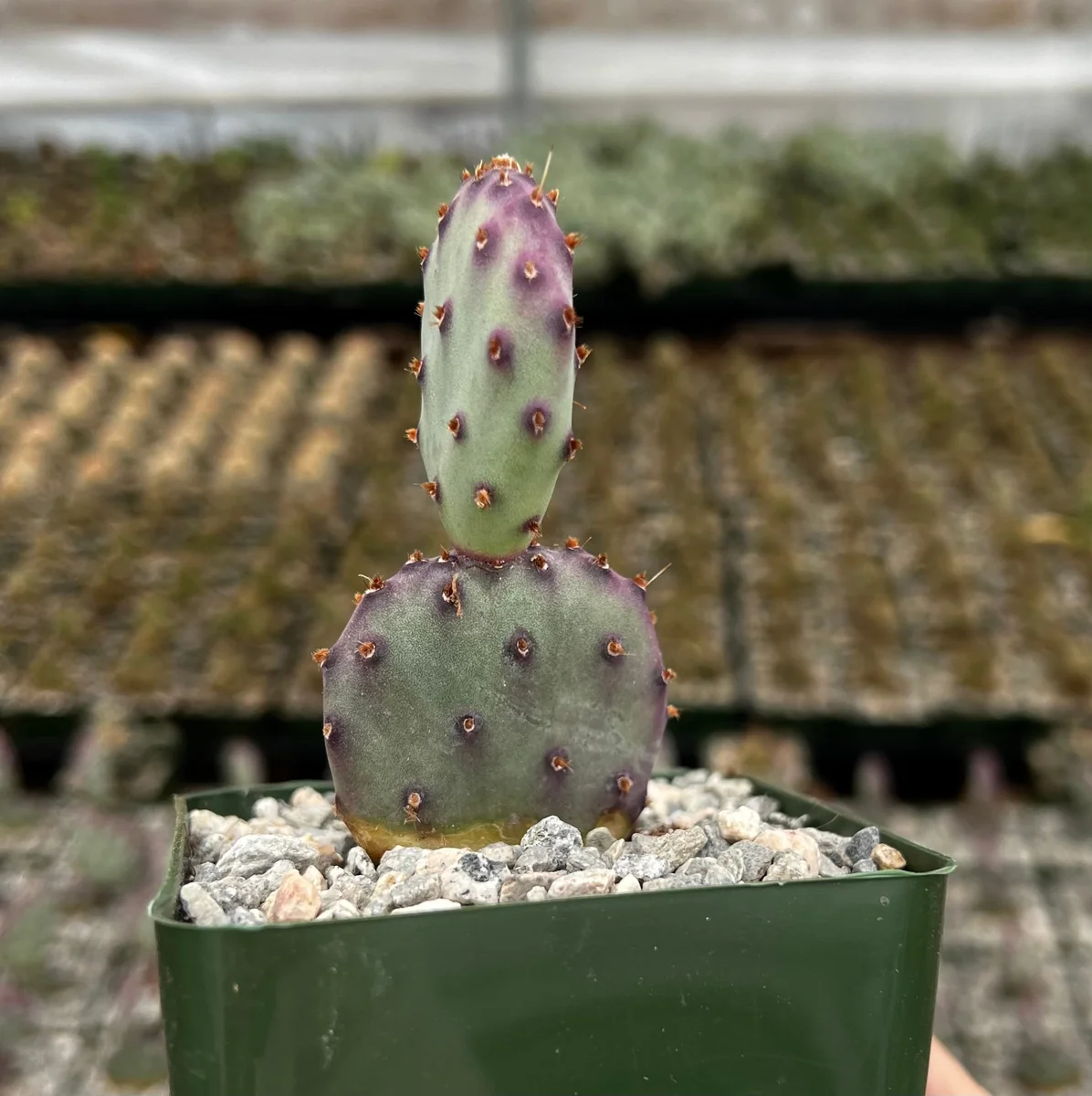
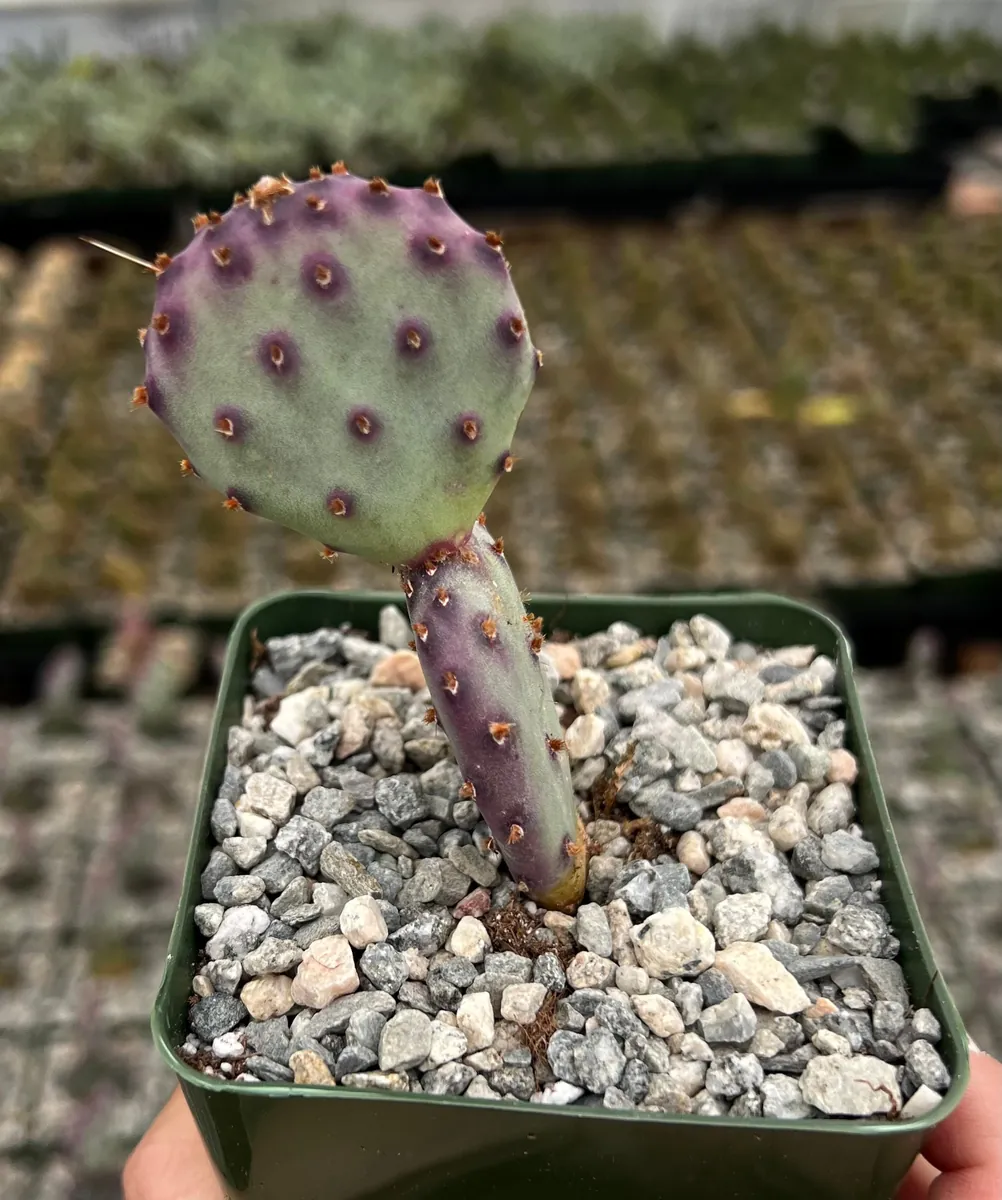
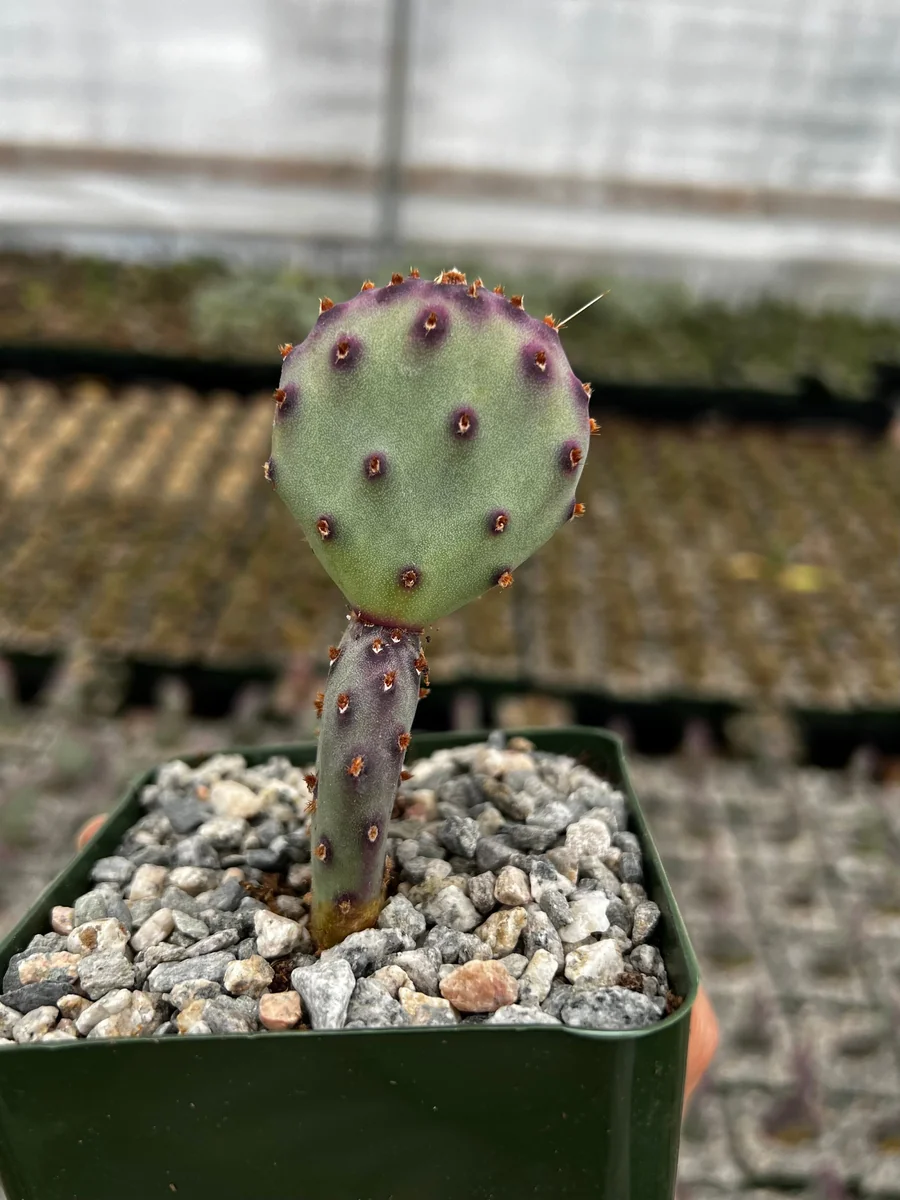
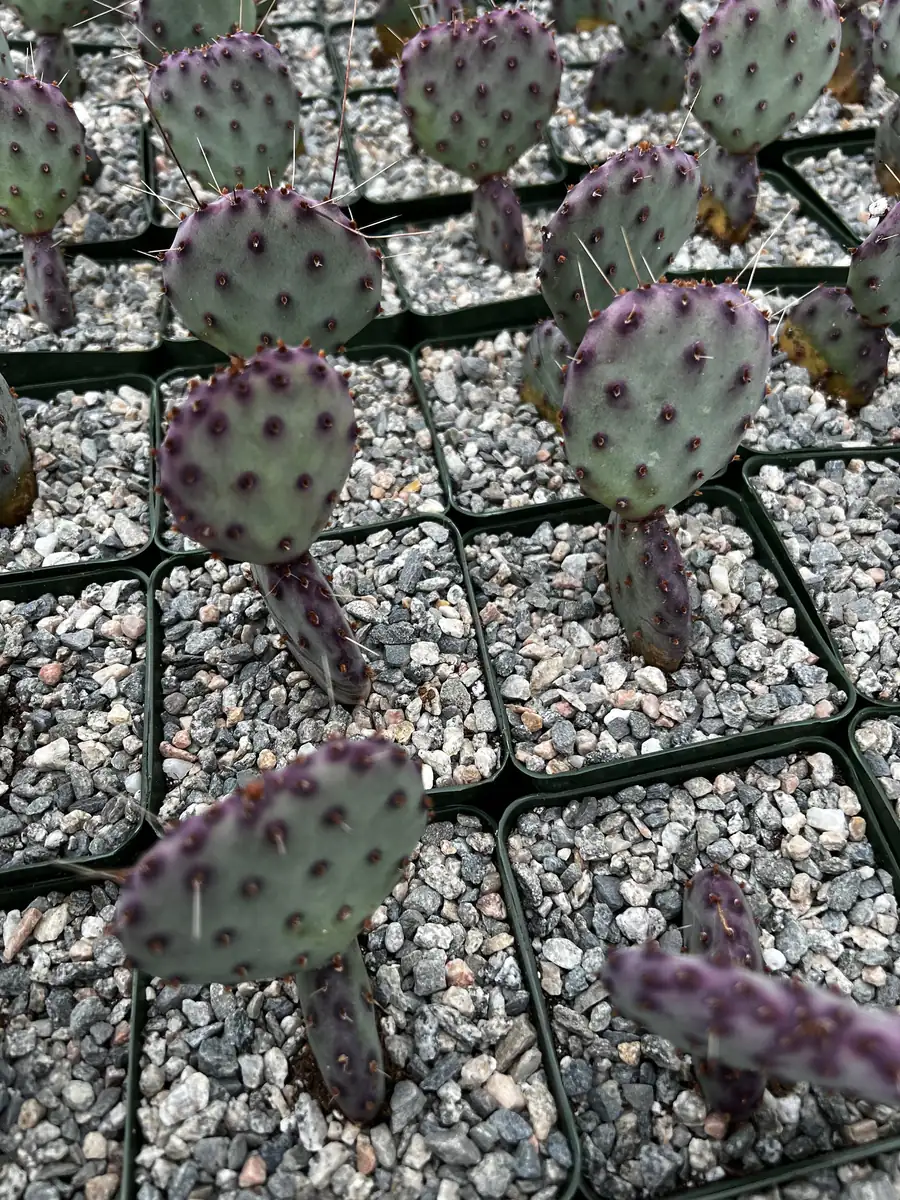
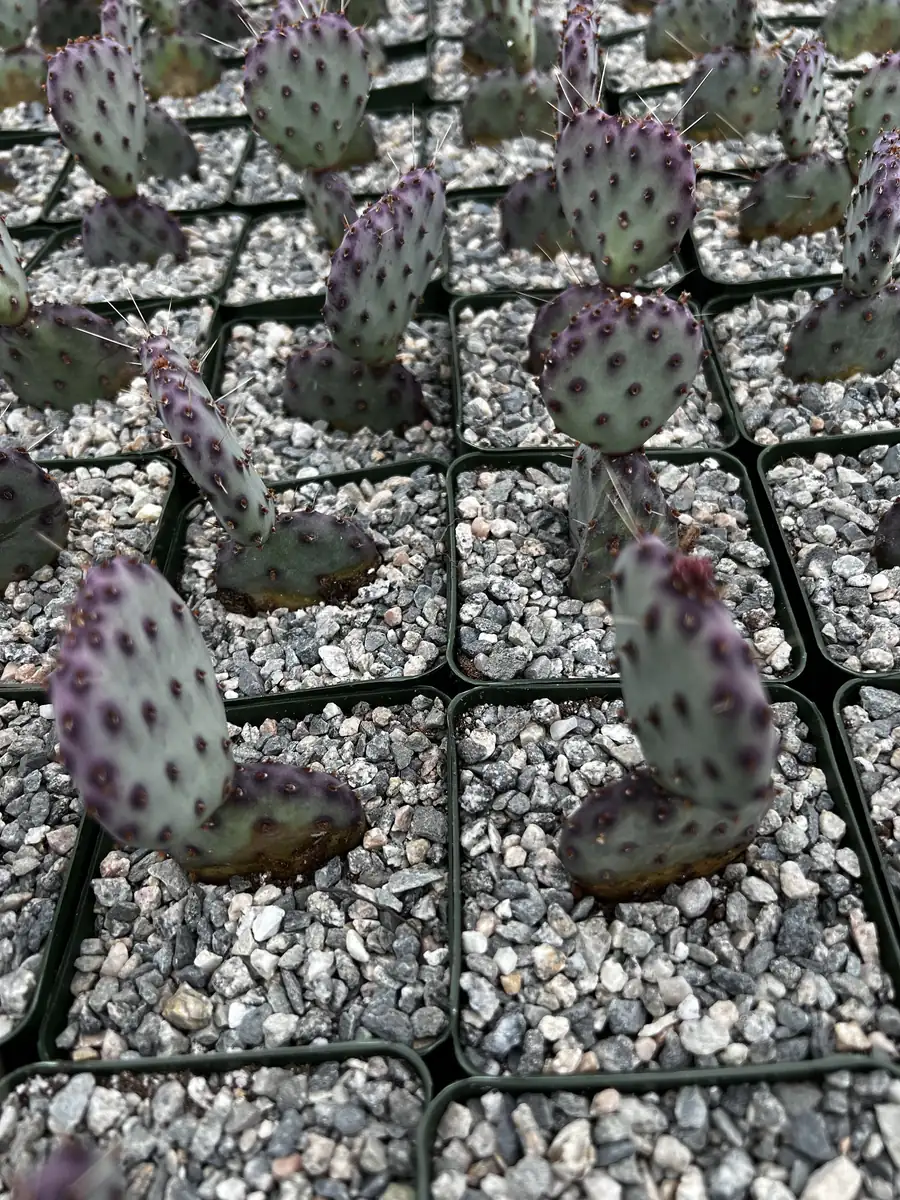
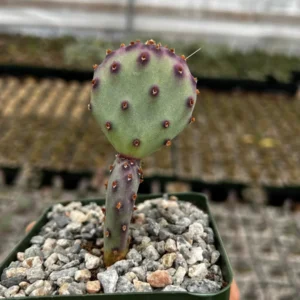
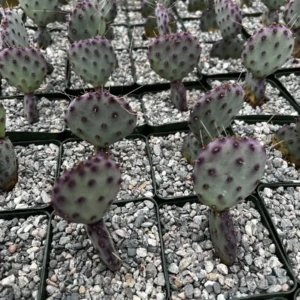
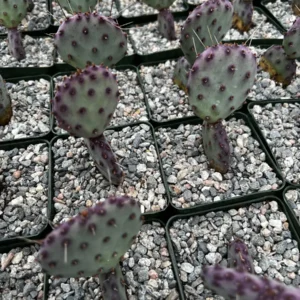
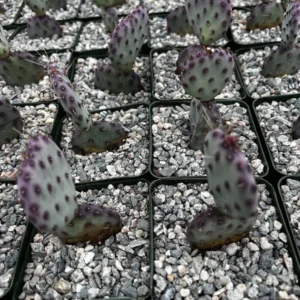
Introduce a touch of the desert’s vibrant beauty to your collection with the stunning purple prickly pear cactus, scientifically known as Opuntia santa-rita. This captivating live cactus plant is celebrated for its unique coloration, which intensifies to a deep purple or reddish-purple hue when exposed to cooler temperatures and direct sunlight. Originating from the American Southwest, the ‘Santa Rita’ variety of prickly pear is a hardy and visually striking succulent, making it an excellent choice for both experienced collectors and gardening novices. Its paddle-like pads, characteristic of the Opuntia genus, provide a sculptural element to any landscape or indoor setting, offering year-round interest. This particular offering is a well-rooted specimen, ready to establish itself in its new home and begin showcasing its remarkable aesthetic.
The Opuntia Santa Rita is more than just a plant; it’s a living piece of art that adapts beautifully to various environments. Its resilience and striking appearance make it a favorite among landscapers and succulent enthusiasts. Whether you’re aiming to create a xeriscape garden, add a unique focal point to your patio, or simply enjoy a low-maintenance indoor plant, this purple prickly pear delivers. Its distinctive color change is a natural phenomenon, a response to environmental stress that transforms its green pads into a breathtaking violet, ensuring it stands out in any collection.
Key Benefits
The Opuntia Santa Rita offers numerous advantages, making it a highly desirable plant for a variety of settings. Its unique characteristics provide both aesthetic appeal and practical benefits that enhance any space.
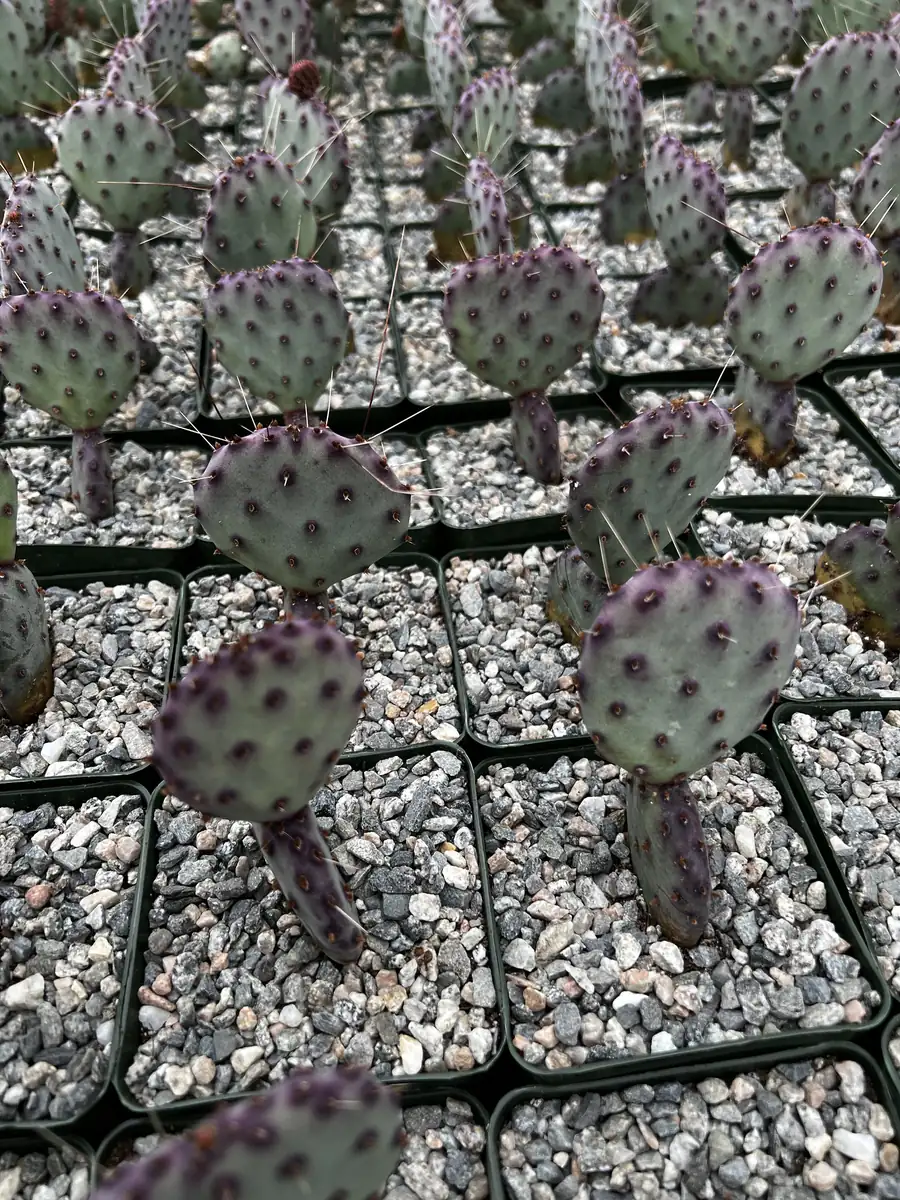
- Striking Visual Appeal: The primary benefit of this cactus is its incredible color transformation. The pads of the purple prickly pear cactus shift from blue-green to a rich purple, especially during cooler months or when exposed to full sun, providing dynamic visual interest throughout the year.
- Exceptional Drought Tolerance: As a desert native, the Opuntia Santa Rita is incredibly water-wise. Once established, it requires very little irrigation, making it an ideal choice for xeriscaping or for gardeners seeking low-maintenance options.
- Low Maintenance and Easy Care: This live cactus plant thrives on neglect. It doesn’t demand constant attention, making it perfect for busy individuals or those new to gardening. Minimal watering and occasional feeding are usually sufficient.
- Versatile Landscaping Plant: Its sculptural form and vibrant color make it suitable for various garden designs. It can be a focal point in a succulent garden, part of a rock garden, or an accent in a mixed border.
- Adaptable to Containers: Despite its potential size in the ground, the purple desert plant also grows very well in pots, allowing it to be enjoyed on patios, balconies, or as an indoor specimen in bright locations.
- Natural Wildlife Habitat: In outdoor settings, the flowers and fruits of the Opuntia can attract pollinators like bees and provide food for various wildlife, contributing to local biodiversity.
- Unique Texture and Form: The flattened, paddle-like pads add a unique architectural element to any plant arrangement, contrasting beautifully with other foliage types.
Plant Care & Growing Tips
Caring for your Opuntia Santa Rita is straightforward, as this live cactus plant is renowned for its hardiness and minimal requirements. To ensure your purple prickly pear cactus thrives, understanding its basic needs is key. Sunlight is paramount; this cactus demands full sun exposure to develop its vibrant purple coloration. Aim for at least 6-8 hours of direct sunlight daily. If growing indoors, place it in the brightest south-facing window possible, or supplement with a grow light. Insufficient light will result in greener pads and less vigorous growth.
When it comes to watering, less is definitely more. Allow the soil to dry out completely between waterings. During the growing season (spring and summer), water thoroughly until it drains from the bottom of the pot, then wait until the soil is bone dry before watering again. In fall and winter, reduce watering significantly, often to once a month or even less, as the plant enters dormancy. Overwatering is the most common cause of root rot in cacti. A well-draining soil mix is crucial; a specialized cactus and succulent mix or a blend of potting soil with plenty of perlite or pumice (50/50 ratio) is ideal. This ensures excess water can escape quickly, preventing root issues. The drought tolerant cactus prefers lean, sandy, or gritty soils.
The Opuntia Santa Rita is highly tolerant of various temperatures but prefers warmer conditions. It is generally hardy in USDA zones 8-11, meaning it can withstand winter temperatures down to about 10-20°F (-12 to -6°C) for short periods, especially if kept dry. In colder zones, it’s best to grow it in a container that can be brought indoors during winter. Fertilization is rarely needed. If desired, feed with a balanced, diluted liquid fertilizer formulated for cacti and succulents once or twice during the spring and summer growing season. Repotting should only be done when the plant outgrows its container, typically every 2-3 years, using a pot only slightly larger than the previous one to avoid excess moisture retention. Handle with care, as its glochids (tiny barbed spines) can be irritating. Always use thick gloves or tongs when handling any purple desert plant.
Size & Details
This offering features a healthy Opuntia Santa Rita, a vibrant purple prickly pear cactus, provided as a well-rooted live plant in a 4-inch nursery pot. The exact height and width of the plant will vary slightly based on individual growth, but it is typically a compact specimen, ready for transplanting. In its natural habitat or when planted directly in the ground, the Opuntia Santa Rita can eventually reach heights of 3 to 6 feet and spread up to 6 feet wide, forming an impressive clump. When grown in containers, its size will be more constrained, making it a manageable addition to patios or indoor spaces. This cactus has a moderate growth rate, gradually developing its iconic paddle-shaped pads. Expect it to establish quickly in well-draining soil and appropriate sunlight.
Frequently Asked Questions
- Q: How big will my purple prickly pear cactus get? A: When grown in the ground, the Opuntia Santa Rita can reach 3-6 feet tall and wide. In a 4-inch pot, it’s a young specimen, and its ultimate size will depend on its environment and pot size.
- Q: Is this an indoor or outdoor plant? A: The purple prickly pear cactus is highly versatile. It can thrive outdoors in USDA zones 8-11. In colder climates, it makes an excellent container plant that can be brought indoors during winter, requiring a very bright spot.
- Q: How much sunlight does the Opuntia Santa Rita need? A: To achieve its best purple coloration, this live cactus plant requires full sun, ideally 6-8 hours of direct sunlight per day. Insufficient light will result in greener pads.
- Q: Is this plant easy to care for? A: Yes, the Opuntia Santa Rita is considered very easy to care for, making it suitable for beginners. Its primary needs are abundant sunlight and very infrequent watering, especially as a drought tolerant cactus.
- Q: What condition will the cactus arrive in? A: Your purple prickly pear cactus will arrive as a healthy, well-rooted live plant in a 4-inch nursery pot, carefully packaged to ensure its safe journey to you.
- Q: When is the best time to plant or repot this cactus? A: The best time to plant or repot your Opuntia Santa Rita is during the warmer months, typically spring or early summer, when the plant is actively growing.
- Q: Is the purple prickly pear cactus safe for pets? A: Like many cacti, the Opuntia Santa Rita has spines and glochids which can be irritating. It’s generally best to keep it out of reach of curious pets to avoid accidental injury.
- Q: How often should I water my purple desert plant? A: Water sparingly. Allow the soil to dry out completely between waterings, especially in winter. Overwatering is the most common cause of issues for this purple prickly pear cactus.


Reviews
There are no reviews yet.