Overview
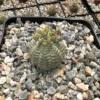
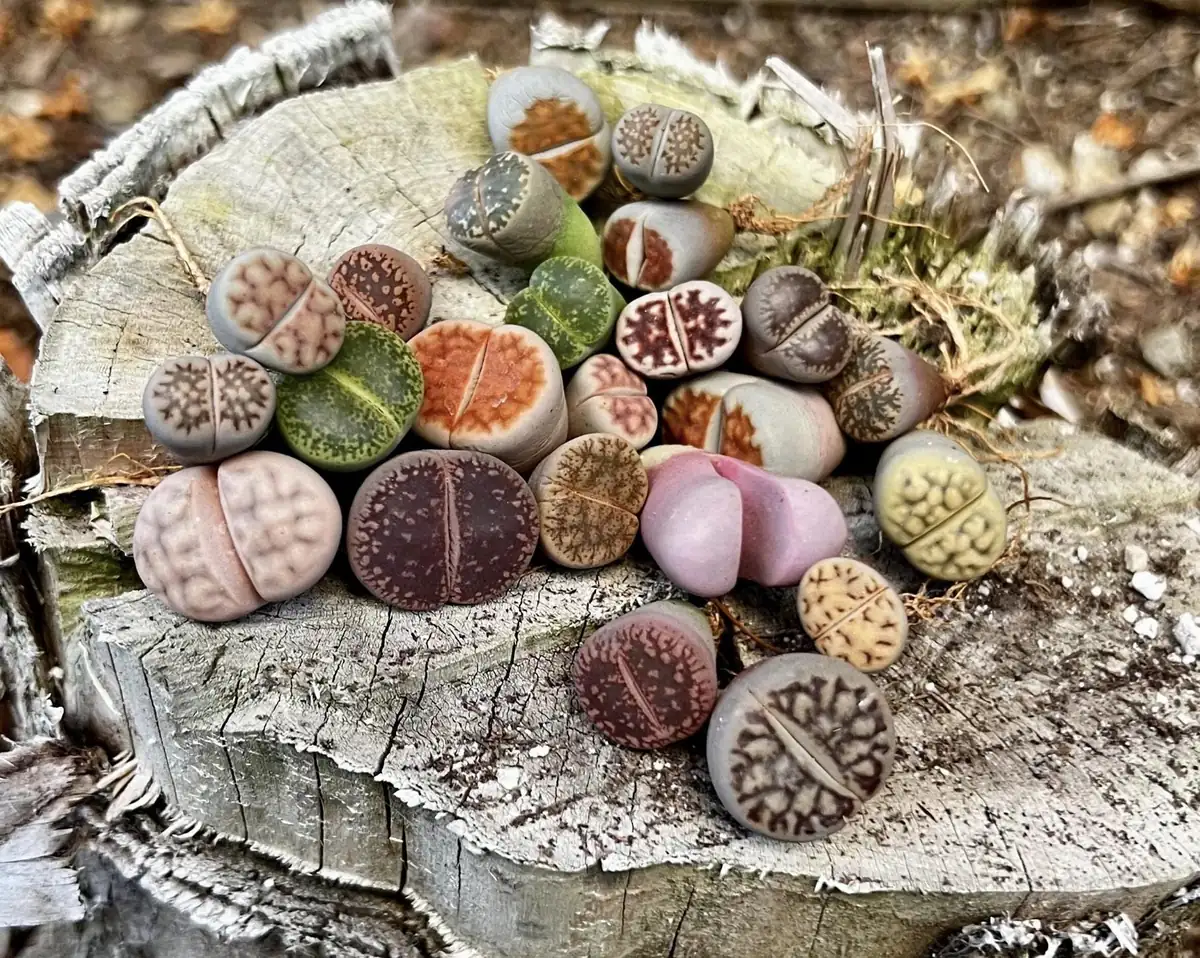
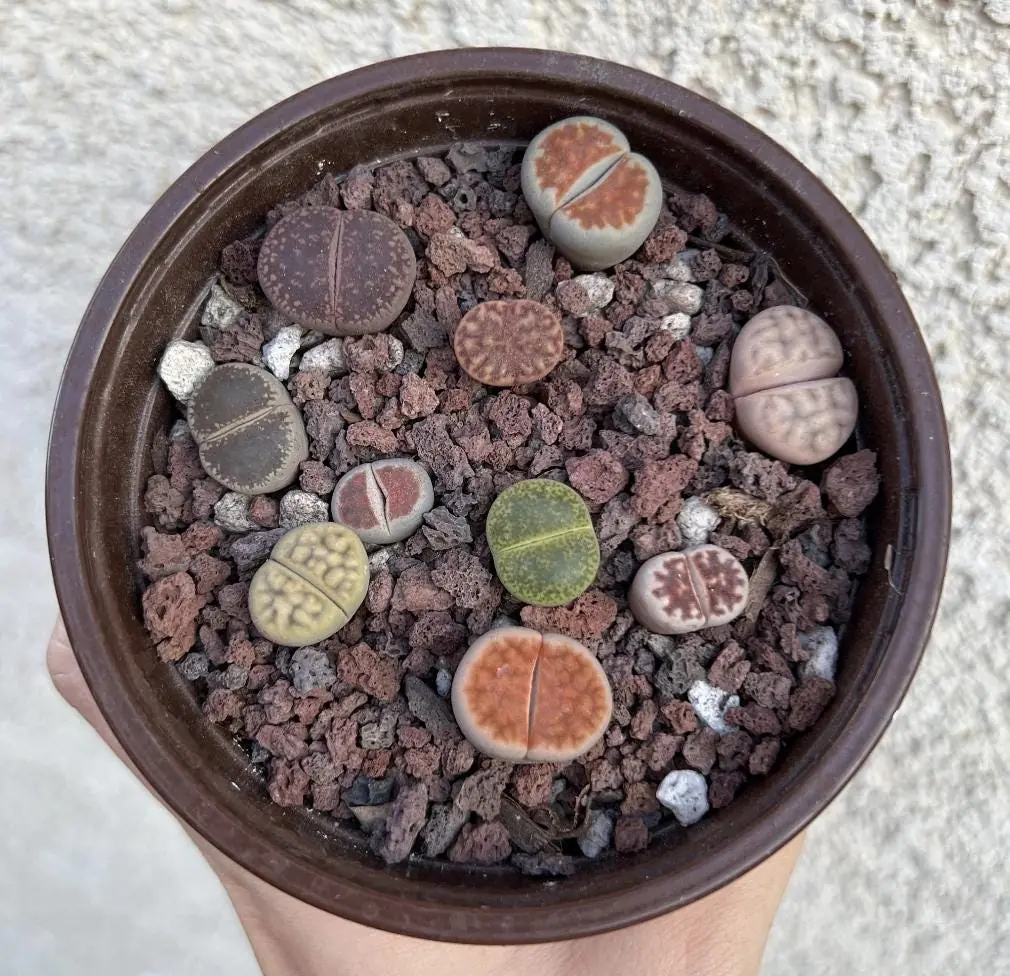
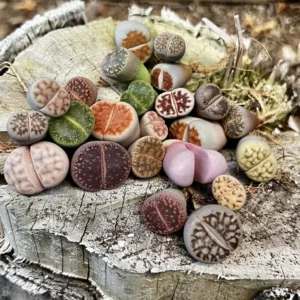
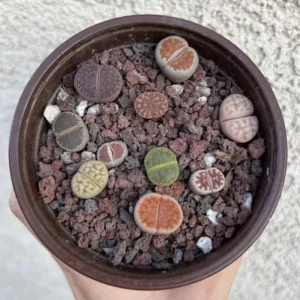
Introduce a touch of the extraordinary to your plant collection with our lithops living stones. Often referred to as “living stones” due to their uncanny resemblance to pebbles and rocks, these small, fascinating succulents are native to the arid regions of southern Africa. Their unique appearance is a natural camouflage, allowing them to blend seamlessly into their stony environments to avoid detection by herbivores. Each Lithops plant typically consists of a single pair of thick, fused leaves with a central slit from which new growth emerges. These leaves serve as water storage organs, enabling the plant to thrive in drought-prone conditions. Our colorful succulent plant selection offers a diverse range of hues, adding vibrant, natural artistry to any indoor space.
Lithops living stones are slow-growing and incredibly long-lived when provided with the right conditions. They are a true testament to nature’s adaptability and make for an engaging conversation starter. Whether you’re a seasoned succulent enthusiast or new to the world of unique houseplants, Lithops offer a rewarding and visually stunning experience. Their subtle beauty and intriguing life cycle provide a continuous source of wonder, making them an excellent choice for a contemplative display.
Key Benefits
Choosing lithops living stones for your home or office comes with a multitude of benefits, making them a top choice among unique houseplants:
- Unparalleled Aesthetics: These plants are natural works of art, mimicking colorful pebbles and blending into their environment. They add a sophisticated, minimalist, and utterly unique aesthetic to any decor, perfect for modern or eclectic styles. Their diverse patterns and colors make each plant a miniature sculpture.
- Extremely Low Maintenance: Lithops are renowned for being incredibly easy to care for, requiring very little water and attention once established. This makes them ideal for busy individuals or those who are new to plant ownership. Their slow growth rate also means less frequent repotting.
- Drought Tolerant: As desert natives, lithops living stones have evolved to store water efficiently in their thick leaves, allowing them to withstand long periods without watering. This resilience makes them a forgiving plant for those who might forget an occasional watering.
- Space-Saving Size: Their compact size makes them perfect for small spaces, windowsills, desks, or terrariums. You can grow a collection of different varieties without taking up much room, creating a miniature desert landscape.
- Fascinating Growth Cycle: Witnessing new leaves emerge from the central slit and the old leaves shrivel away is a captivating process. Occasionally, they surprise with delicate, daisy-like flowers, adding another layer of intrigue to their life cycle.
- Educational Value: Growing lithops living stones provides a unique opportunity to learn about plant adaptation and survival strategies in harsh environments. They are a living lesson in botanical evolution.
- Unique Houseplant: Stand out from the crowd with these truly distinctive plants. While many succulents are popular, Lithops offer an unparalleled level of visual interest and rarity, making them a prized possession for any collector seeking unique houseplants.
Plant Care & Growing Tips
Proper care is essential for the longevity and health of your lithops living stones. The most critical aspect of lithops plant care is understanding their unique watering needs, which differ significantly from most other plants. They thrive on neglect when it comes to water.
Sunlight requirements: Lithops prefer bright light, ideally 4-5 hours of direct morning sun or very bright indirect light throughout the day. A south-facing window is often ideal, but ensure they don’t get scorched by intense afternoon sun. In lower light conditions, they may stretch or lose their vibrant coloration. Rotate the pot occasionally to ensure even light exposure.
Watering schedule and soil moisture preferences: This is where lithops plant care deviates most. Lithops have distinct dormant and growth periods. Water very sparingly. In fact, many experienced growers recommend waiting until the old leaves have completely shriveled and been absorbed by the new leaves before watering. When you do water, do so thoroughly, allowing excess water to drain completely, then do not water again until the soil is completely dry for several weeks. Overwatering, especially during dormancy, is the most common cause of failure. During their dormant period in summer, they require almost no water. During their active growth in fall and winter, water only when the plant shows signs of thirst (slight shrinking or softening).
Soil type and drainage requirements: Excellent drainage is paramount. Use a very gritty, fast-draining succulent or cactus mix. A good mix might include a significant portion of perlite, pumice, or coarse sand, with very little organic matter. The soil should dry out almost immediately after watering. A shallow pot is often preferred as Lithops have a taproot system.
Temperature range and USDA hardiness zone: Lithops are typically grown as indoor plants in most regions. They prefer warm temperatures during their growing season (70-90°F / 21-32°C) and can tolerate cooler temperatures down to about 50°F (10°C) during dormancy, but should be protected from frost. They are generally suited for USDA zones 10-11 if grown outdoors in very specific, well-drained, arid conditions, but are best kept as unique houseplants.
Fertilization schedule and type: Lithops are not heavy feeders. Fertilize very sparingly, if at all, during their active growth period (fall/winter) with a highly diluted, low-nitrogen succulent fertilizer. Over-fertilization can lead to weak, stretched growth.
Size & Details
Our lithops living stones are shipped as established, healthy live plants, ready to be transplanted into your preferred container. Each plant typically consists of one to two pairs of fused leaves, showcasing the characteristic pebble-like appearance. While exact dimensions vary by species and individual plant, they generally remain very compact, typically growing to about 0.5 to 1.5 inches in diameter and height. These slow-growing succulents will gradually increase in size over many years, with new leaves emerging annually from the central fissure. When mature, they can produce delicate white or yellow daisy-like flowers that emerge from the same central slit, usually in the fall. The plant you receive will be carefully packaged to ensure its safe arrival, providing you with a vibrant and healthy specimen. This colorful succulent plant is perfect for creating miniature desert landscapes or as a focal point on a desk or windowsill.
Frequently Asked Questions
- Q: How big does this plant get? A: Lithops living stones are very compact plants, typically growing to about 0.5 to 1.5 inches in diameter and height. They are slow growers, making them ideal for small spaces and collections.
- Q: What size pot does it come in? A: Our Lithops are shipped as individual plants ready for planting. We recommend potting them in a shallow pot with excellent drainage, typically 2-4 inches in diameter, depending on the size of the plant received and if you’re planting multiple.
- Q: Is this an indoor or outdoor plant? A: While they can tolerate outdoor conditions in very arid, frost-free climates (USDA Zones 10-11), lithops living stones are primarily grown as unique houseplants in most regions of the US due to their specific light and watering needs.
- Q: How much sunlight does it need? A: Lithops require bright light, preferably several hours of direct morning sun or very bright indirect light throughout the day. A south-facing window is often ideal, but protect them from intense, scorching afternoon sun.
- Q: Is this plant easy to care for? A: Yes, lithops living stones are considered easy-care succulents, provided you understand their unique watering requirements. The key to successful lithops plant care is to avoid overwatering and provide ample light.
- Q: Is it good for beginners? A: With a little research into their specific watering cycle, Lithops can be a rewarding plant for beginners looking for something unique. Their low water needs make them relatively forgiving compared to other houseplants.
- Q: What condition will it arrive in? A: Your colorful succulent plant will arrive carefully packaged, healthy, and ready for planting. We take great care to ensure the plant is protected during transit to your home.
- Q: How long until it blooms? A: Mature Lithops typically bloom in the fall, producing delicate white or yellow daisy-like flowers from the central slit. The timing can vary based on growing conditions and the specific species.
- Q: What’s the minimum temperature Lithops can tolerate? A: Lithops can tolerate temperatures down to about 50°F (10°C) during their dormant period but should be protected from frost. They prefer warmer temperatures during their active growth.
- Q: Why are they called ‘living stones’? A: They are called ‘living stones’ because they have evolved to closely resemble pebbles or rocks in their native southern African habitats. This camouflage helps them avoid being eaten by animals.


Reviews
There are no reviews yet.