Overview
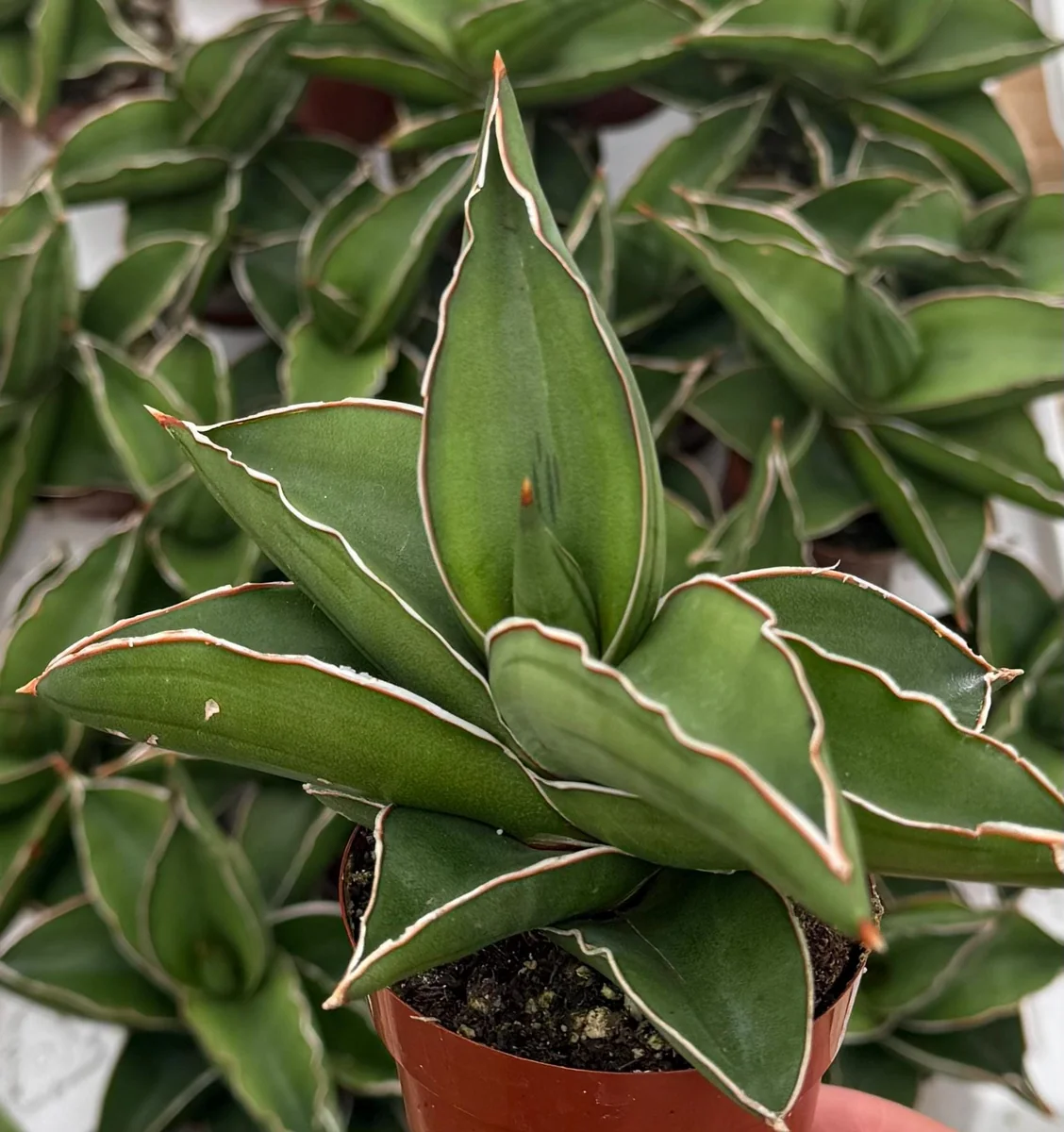
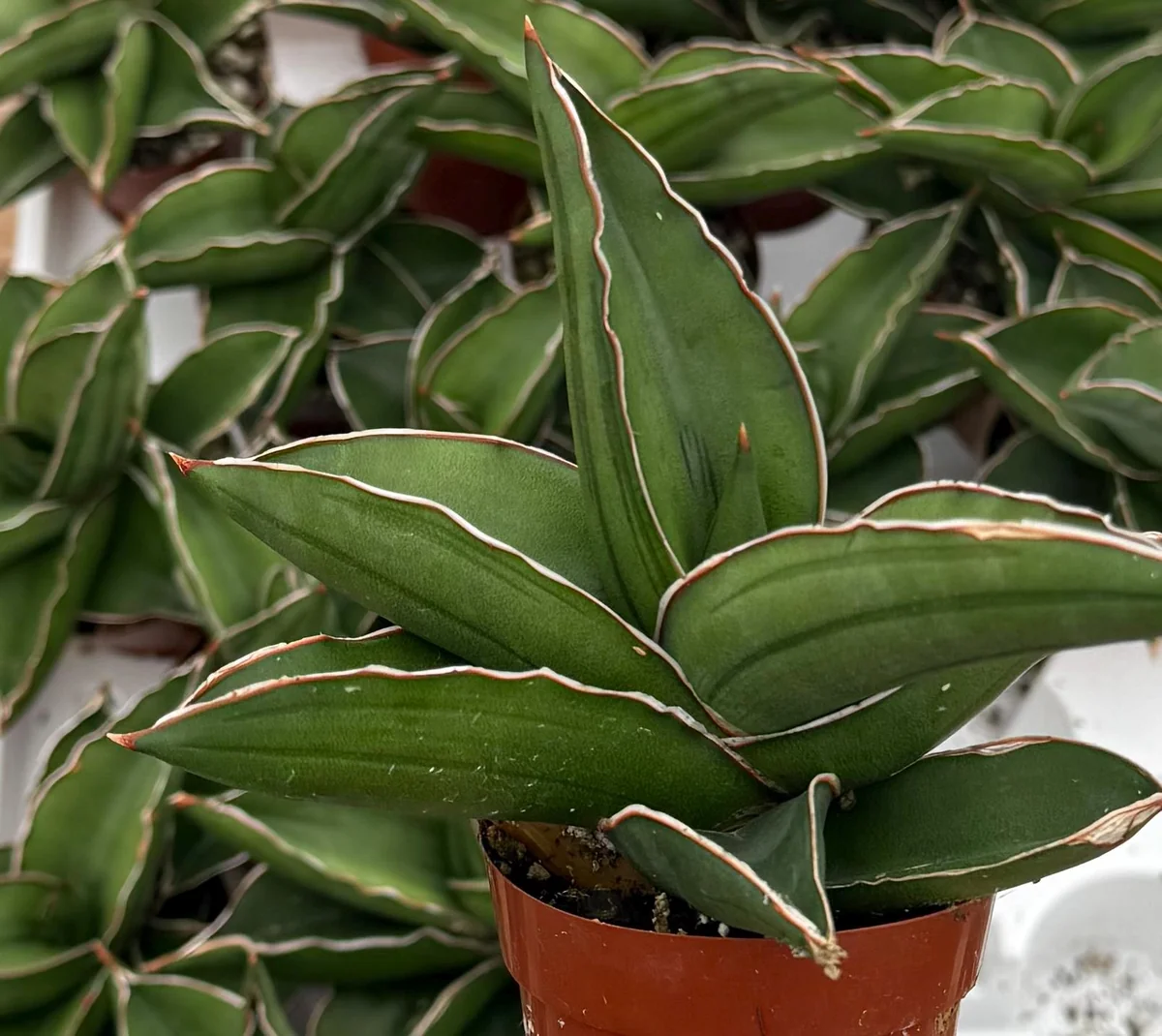
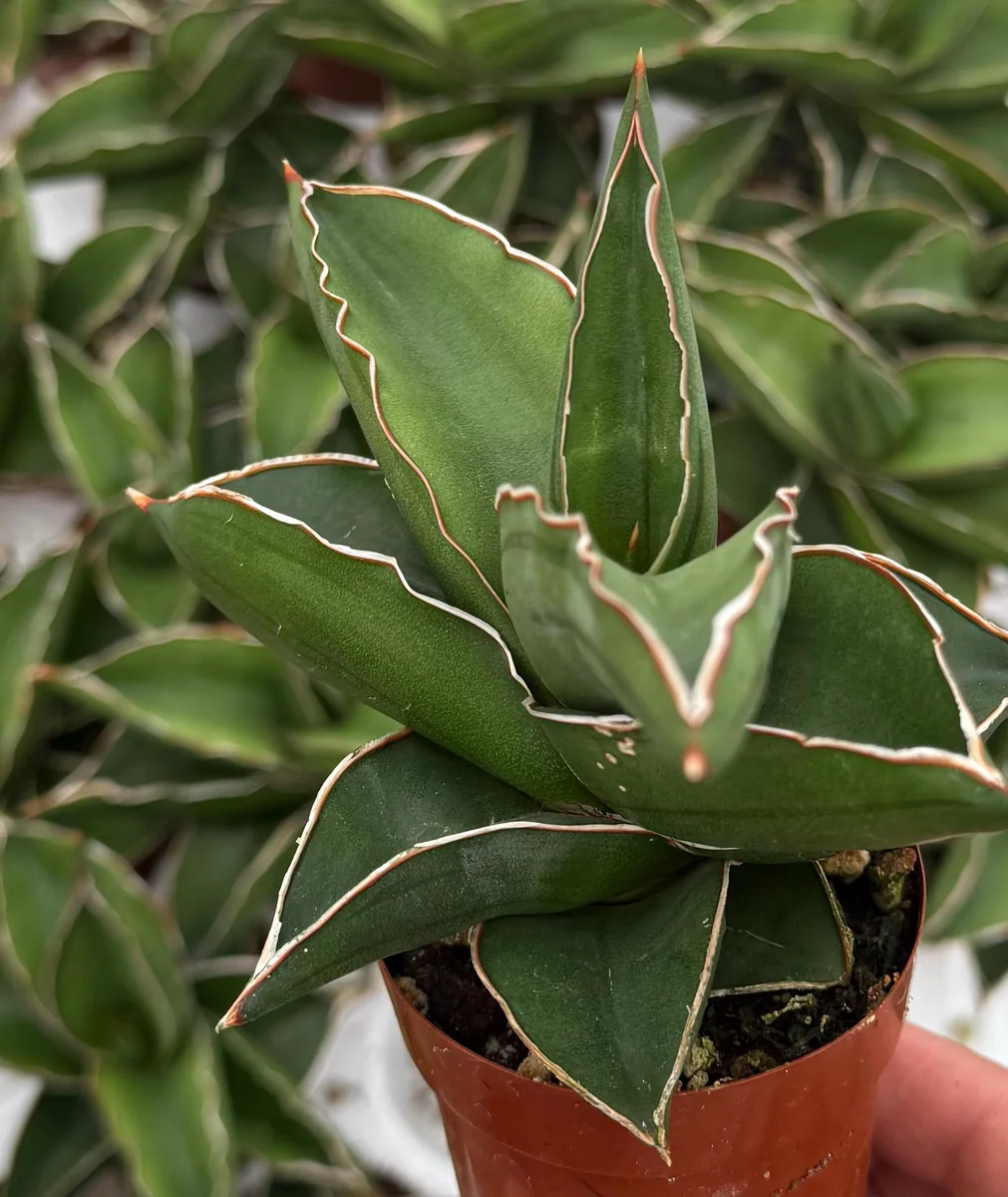
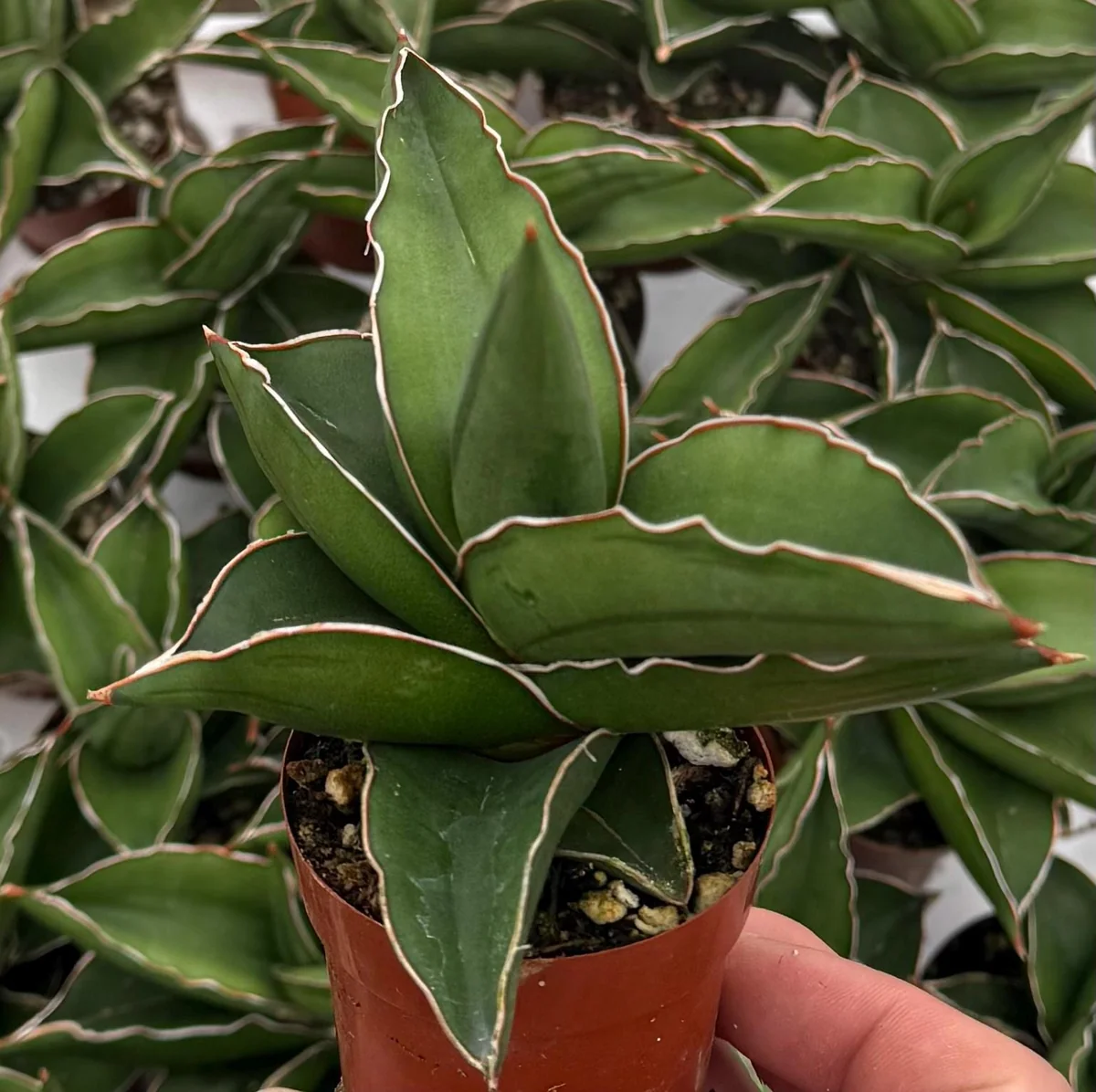
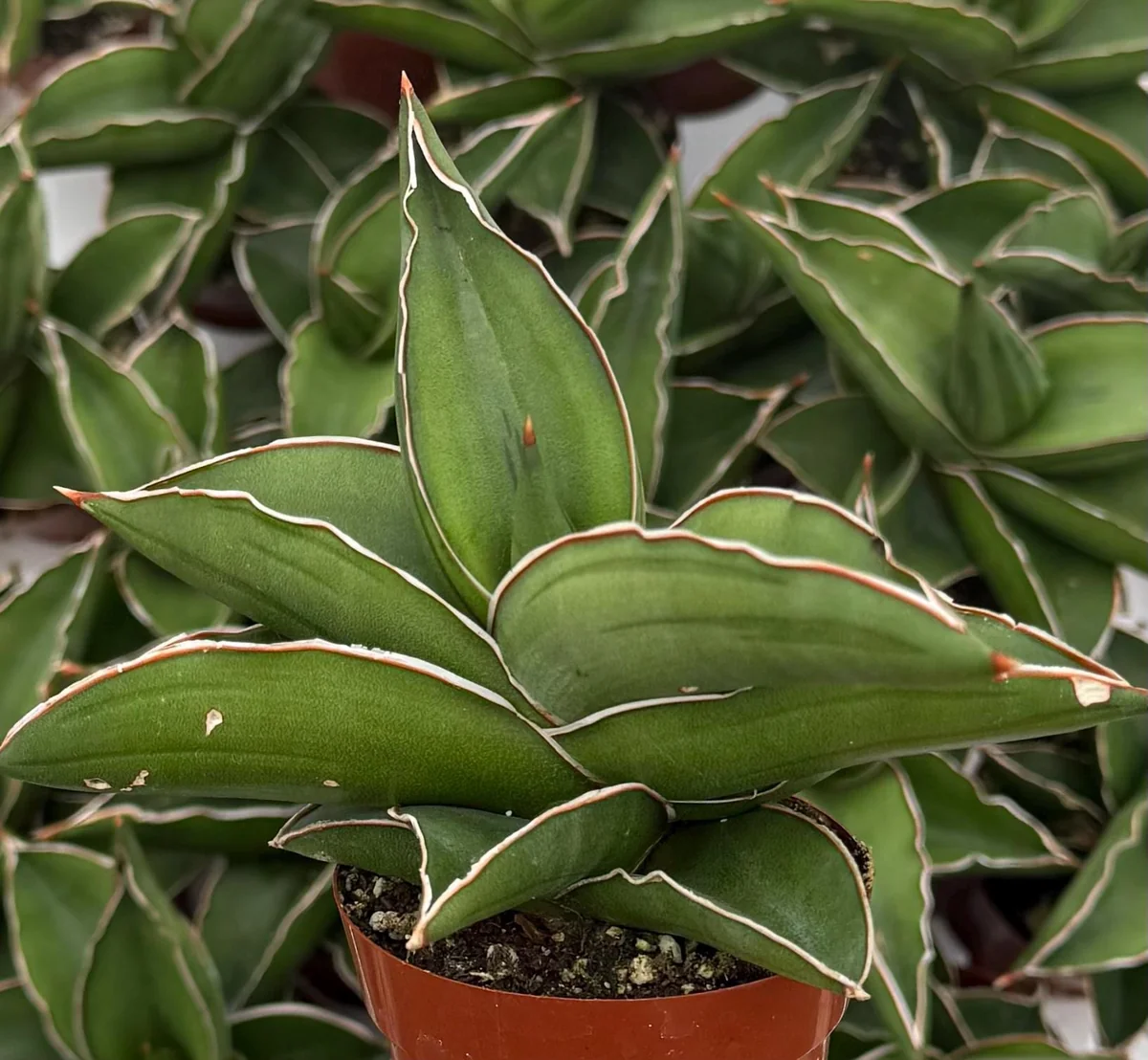
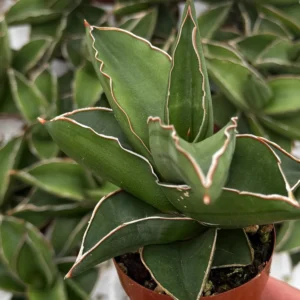
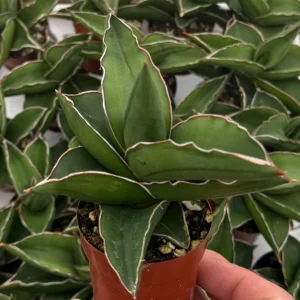
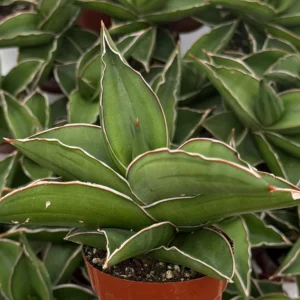
Introduce a touch of modern elegance to your home with the fascinating samurai snake plant. Scientifically known as Dracaena hanningtonii, this compact and slow-growing succulent is a true marvel in the plant world. Unlike its taller relatives, this variety boasts short, thick, sword-shaped leaves that artfully stack in a fan-like pattern, creating an impressive architectural and geometric display. Each leaf is a rich dark green with a leathery texture, often highlighted by distinctive reddish-brown margins. It’s a perfect choice for those seeking a unique and striking addition to their indoor plant collection, offering both visual appeal and ease of care. This particular offering is a live plant, ready to thrive in its new home.
Originating from the arid regions of Africa, the Dracaena hanningtonii care is remarkably straightforward, making it an excellent option for both seasoned plant enthusiasts and beginners. Its unique form and resilience make it a standout among other succulents. The name “Samurai” aptly describes its strong, structured appearance, reminiscent of ancient Japanese armor. This plant is not just a decorative item; it’s a living sculpture that brings a sense of calm and natural beauty to any room. Its compact size ensures it fits perfectly on desks, shelves, or windowsills, making it a versatile decorative element.
Key Benefits
The samurai snake plant offers a multitude of benefits, making it an exceptional choice for any indoor setting. Its distinctive appearance and robust nature contribute to a healthier and more aesthetically pleasing environment.
- Striking Architectural Beauty: The unique, fan-like arrangement of its thick, sword-shaped leaves provides a strong visual statement, adding a modern and artistic touch to any decor. It’s a true conversation starter.
- Exceptional Low Maintenance: As a low maintenance indoor plant, it thrives on neglect, making it perfect for busy individuals or those new to plant care. It requires infrequent watering and tolerates various light conditions.
- Drought Tolerant: Its thick, succulent leaves efficiently store water, allowing it to withstand long periods without watering. This makes it incredibly resilient and forgiving.
- Air Purifying Qualities: Like other snake plants, the Samurai variety is known for its ability to filter indoor air, removing toxins such as formaldehyde and benzene, contributing to a healthier living space.
- Compact Size: Its dwarf stature makes it ideal for small spaces, apartments, offices, or as a desk plant. It won’t outgrow its spot quickly, maintaining its charming proportions.
- Versatile Light Needs: While it prefers bright, indirect light, it can surprisingly tolerate lower light conditions, offering flexibility in placement within your home.
- Unique Succulent Appeal: For collectors of unique succulent varieties, the dwarf sansevieria Samurai is a must-have, offering a distinct form that stands out from more common types.
Plant Care & Growing Tips
Caring for your samurai snake plant is refreshingly simple, thanks to its resilient nature and adaptability. Understanding basic Dracaena hanningtonii care will ensure your plant thrives and continues to be a stunning feature in your home. This plant is known for being tough and forgiving, making it an excellent choice for beginners.
Sunlight Requirements: This dwarf sansevieria prefers bright, indirect light. A spot near an east or west-facing window is often ideal, where it receives ample light without the harshness of direct, midday sun. While it can tolerate lower light conditions, growth may be slower, and the vibrant leaf coloration might be less pronounced. Avoid prolonged exposure to direct sunlight, especially during the hottest parts of the day, as this can scorch the leaves.
Watering Schedule: The key to successful samurai snake plant care is infrequent watering. Allow the soil to dry out completely between waterings to prevent root rot, which is a common issue for succulents. In most indoor environments, watering every 2-4 weeks is sufficient, but always check the soil moisture level first. Reduce watering significantly during the cooler winter months when the plant’s growth slows down. Overwatering is the quickest way to harm this plant.
Soil Type and Drainage: A well-draining potting mix is crucial for this plant. A succulent or cactus mix is highly recommended, as it provides the necessary aeration and prevents waterlogging. Ensure the pot has drainage holes to allow excess water to escape. Good drainage is paramount for the health of this unique succulent.
Temperature Range & USDA Hardiness Zone: The samurai snake plant thrives in average room temperatures, ideally between 65-80°F (18-27°C). It is not frost-tolerant and should be protected from temperatures below 50°F (10°C). It is typically grown as an indoor plant in most climates, though it can be grown outdoors in USDA Zones 10-11 where temperatures remain warm year-round.
Fertilization: Fertilize sparingly. During the growing season (spring and summer), feed your plant with a balanced liquid fertilizer diluted to half strength once every 2-3 months. Avoid fertilizing in fall and winter. Over-fertilization can lead to leggy growth and potential root burn.
Common Problems: The most common issue is overwatering, leading to root rot. Signs include mushy, yellowing leaves. Pests are rarely a problem for snake plants, but occasionally mealybugs or spider mites may appear. Treat with insecticidal soap if necessary. Ensure good air circulation to prevent fungal issues, especially in humid environments, for optimal dracaena hanningtonii care.
Size & Details
This offering is for a live samurai snake plant, ready to be a captivating addition to your indoor garden. The plant typically comes in a 3 or 4-inch nursery pot, providing a healthy root system ready for transplanting or to remain in its current container for some time. As a dwarf sansevieria, it is known for its compact growth habit, usually reaching a mature height of approximately 6-12 inches tall and spreading 6-8 inches wide. Its slow growth rate means it will maintain its appealing size for many years without requiring frequent repotting.
The plant will be shipped as a potted specimen, carefully packaged to ensure its safe arrival. Expect a well-established plant with its characteristic thick, sword-shaped leaves and fan-like growth pattern. While individual plant sizes may vary slightly, each specimen is chosen for its health and vigor. This unique succulent is an excellent long-term investment for any home or office, providing enduring beauty with minimal effort.
Frequently Asked Questions
- Q: How big does this plant get? A: The samurai snake plant is a dwarf variety, typically growing 6-12 inches tall and 6-8 inches wide, making it perfect for small spaces and tabletops.
- Q: What size pot does it come in? A: This live plant is generally shipped in a 3-inch or 4-inch nursery pot, providing a good foundation for its continued growth.
- Q: Is this an indoor or outdoor plant? A: The samurai snake plant is primarily an indoor plant in most climates, though it can thrive outdoors in warm, frost-free regions (USDA Zones 10-11).
- Q: How much sunlight does it need? A: It prefers bright, indirect light but is highly tolerant of lower light conditions. Avoid harsh, direct sun to prevent leaf scorching.
- Q: Is this plant easy to care for? A: Yes, it is considered a very low maintenance indoor plant, ideal for beginners due to its drought tolerance and adaptability to various light conditions.
- Q: Is it good for beginners? A: Absolutely! Its resilience and minimal care requirements make it one of the best choices for those new to plant ownership.
- Q: What condition will it arrive in? A: Your dracaena hanningtonii care starts with us; it will arrive as a healthy, well-rooted potted plant, carefully packaged to minimize stress during transit.
- Q: Is it shipped in soil? A: Yes, the plant will be shipped in its nursery pot with soil, ensuring it stays hydrated and stable during its journey to you.
- Q: Is this plant pet-safe? A: Like many snake plants, the Samurai variety is considered mildly toxic if ingested. It’s best to keep it out of reach of pets and small children.
- Q: How often should I water my samurai snake plant? A: Water only when the soil is completely dry, typically every 2-4 weeks, depending on your home’s environment. Always err on the side of underwatering.
- Q: Can I propagate this unique succulent? A: Yes, dwarf Sansevieria can be propagated through leaf cuttings or division, though its slow growth means this will take time.


Reviews
There are no reviews yet.