Overview
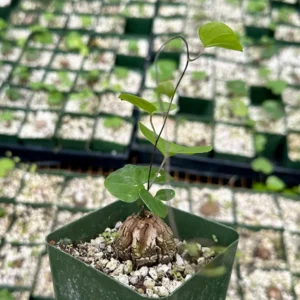
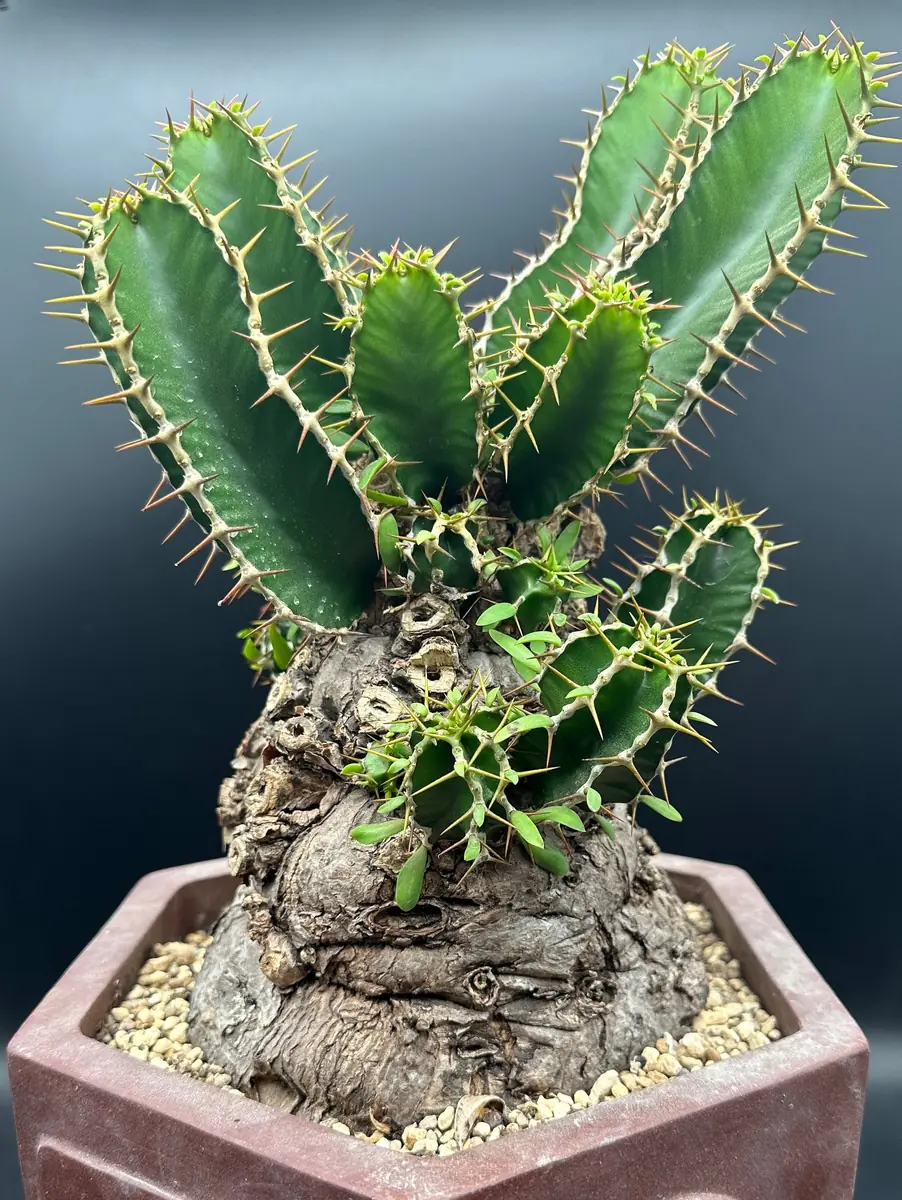
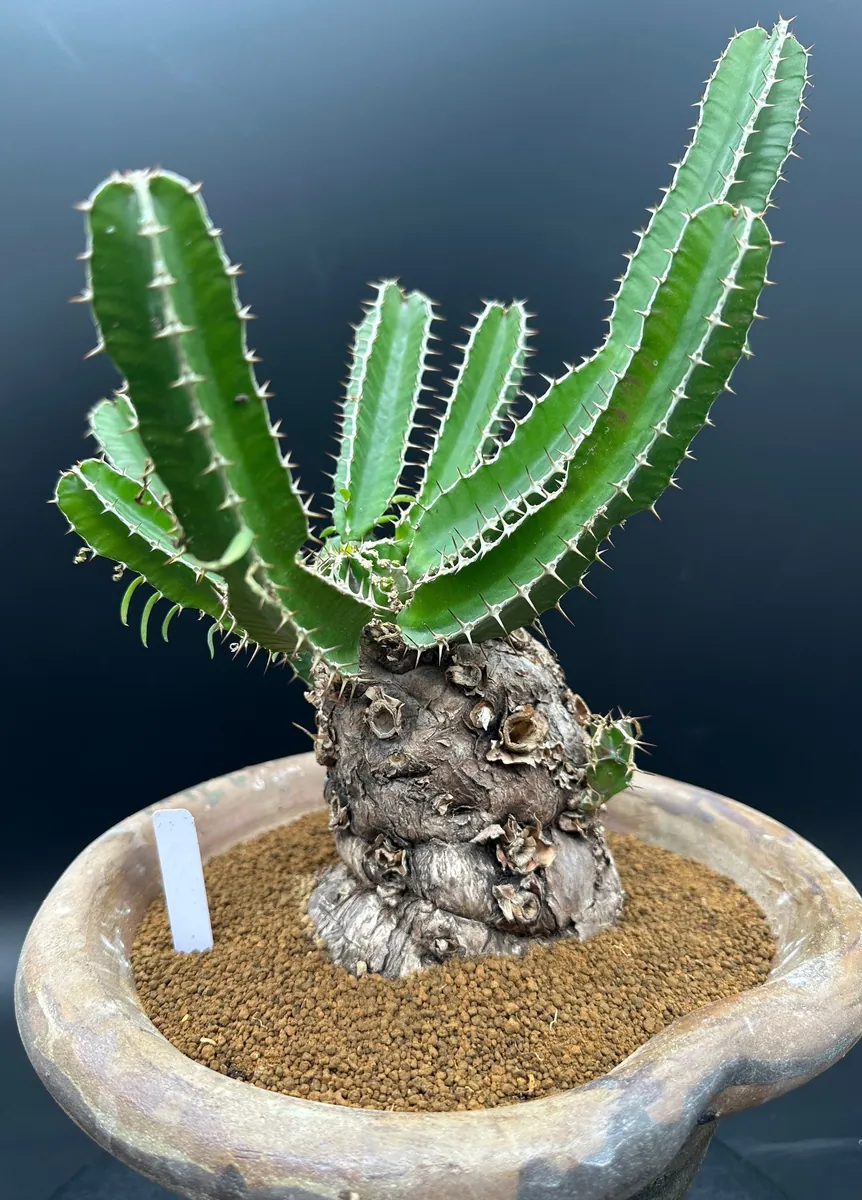
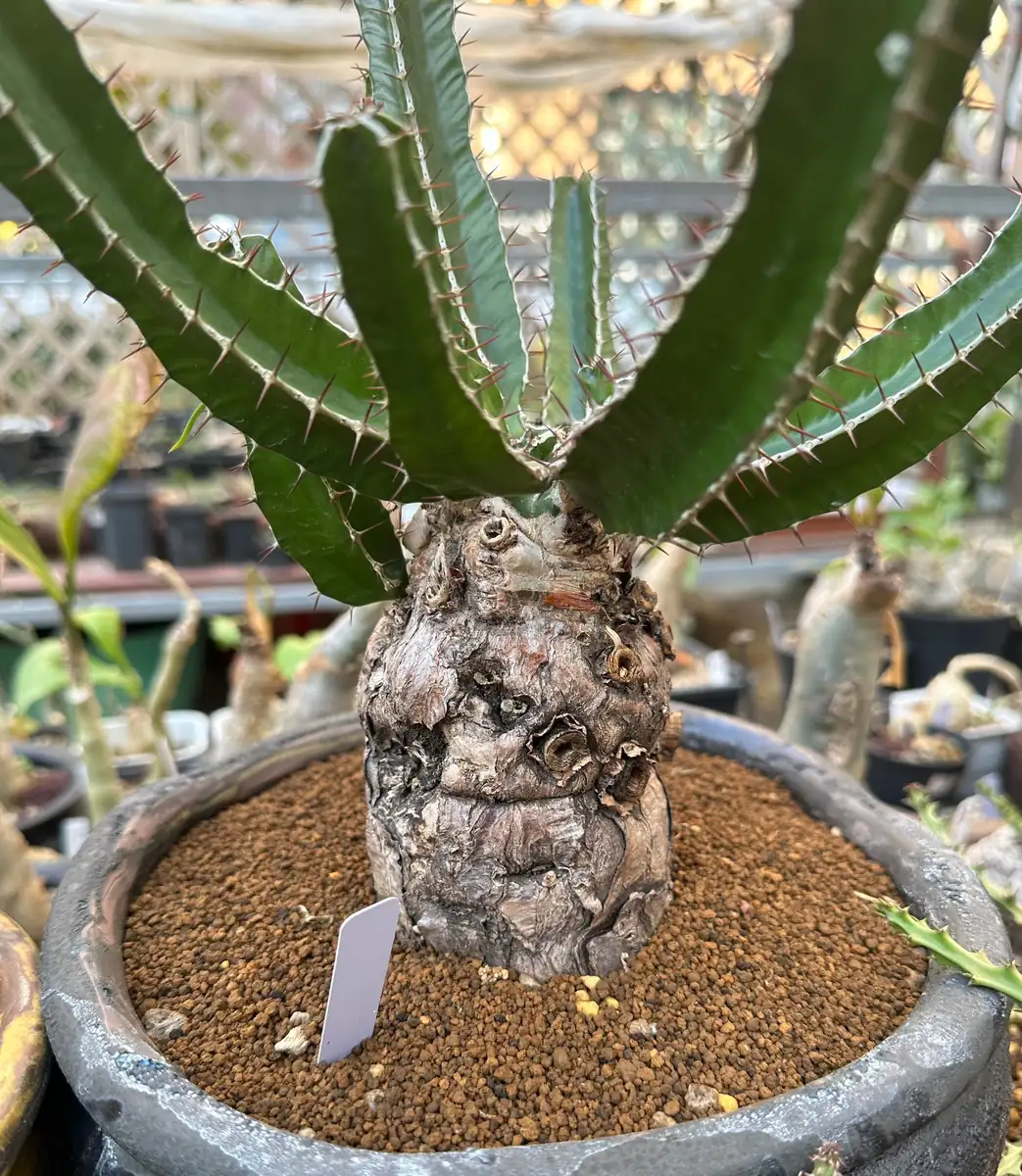
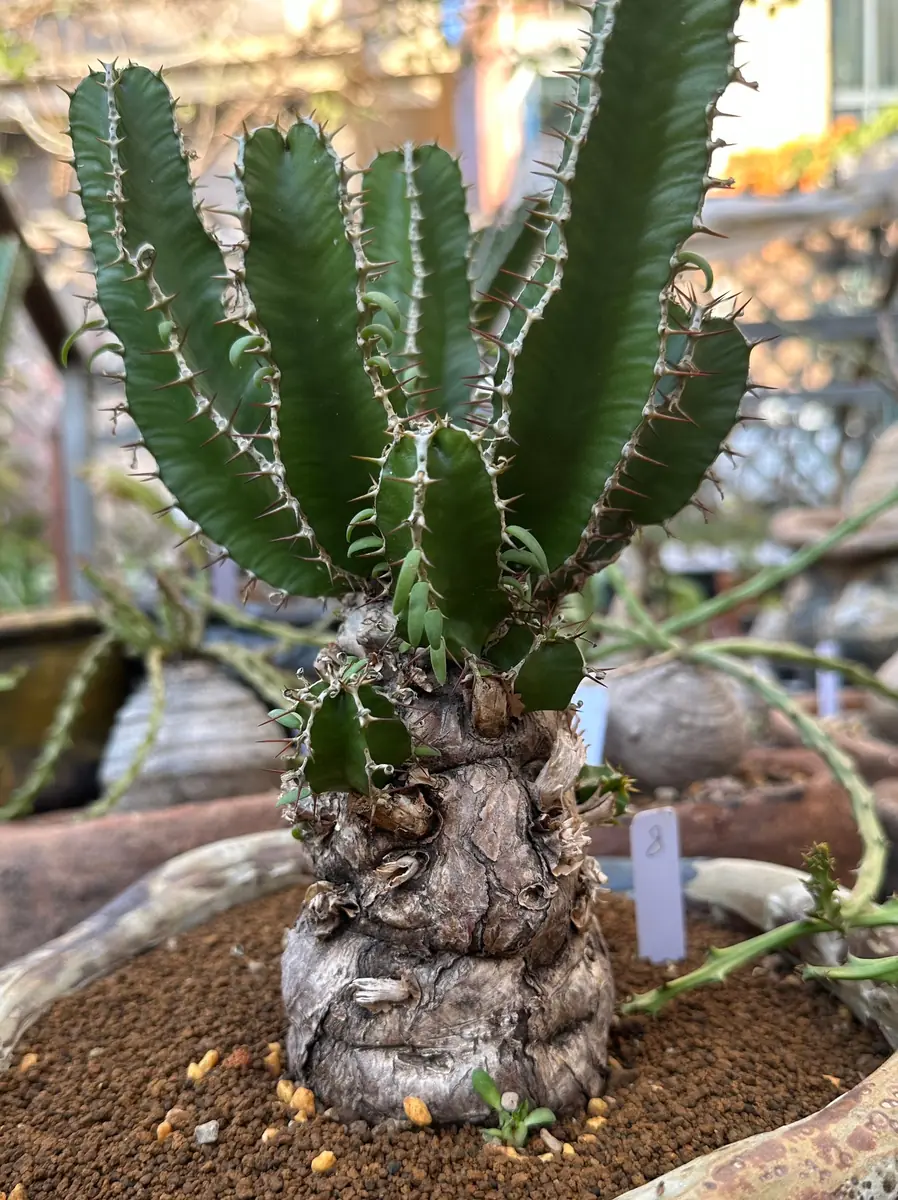
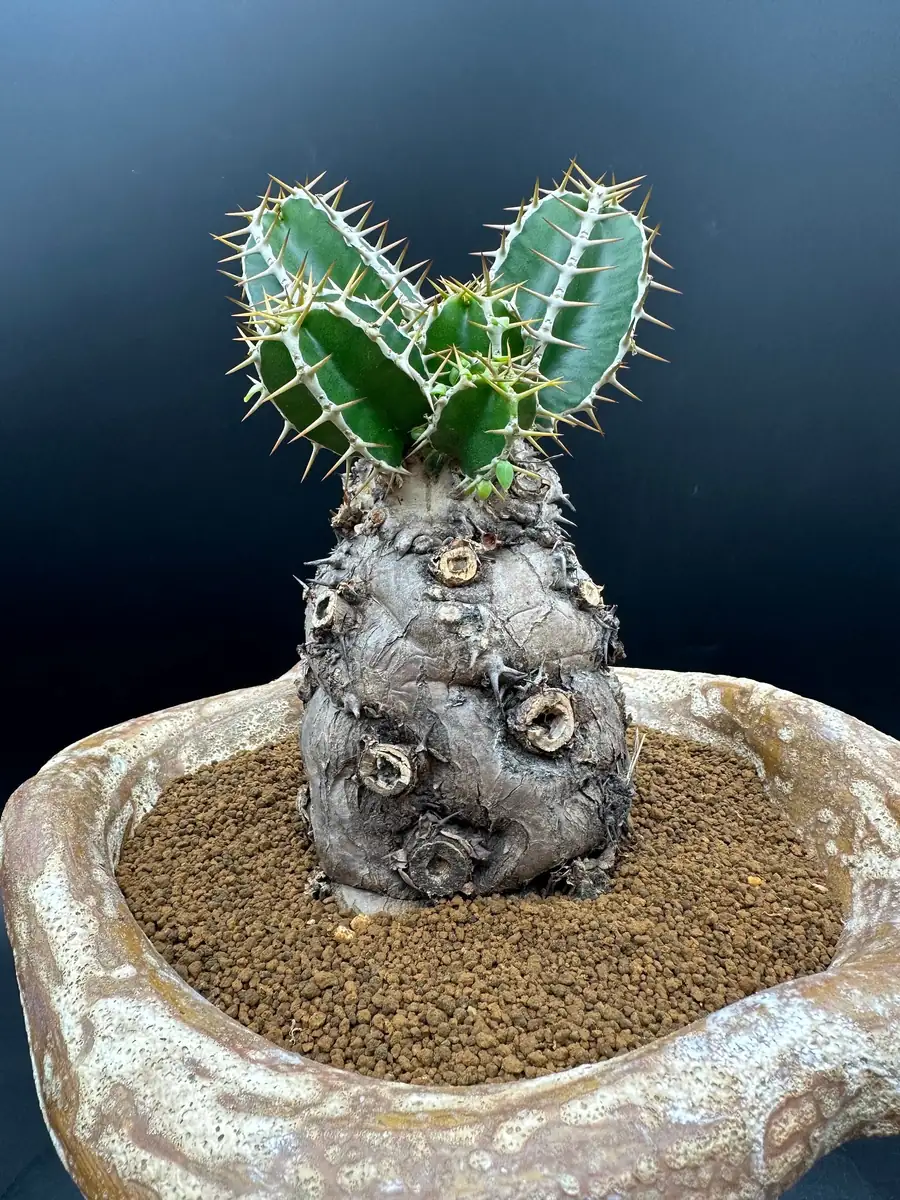
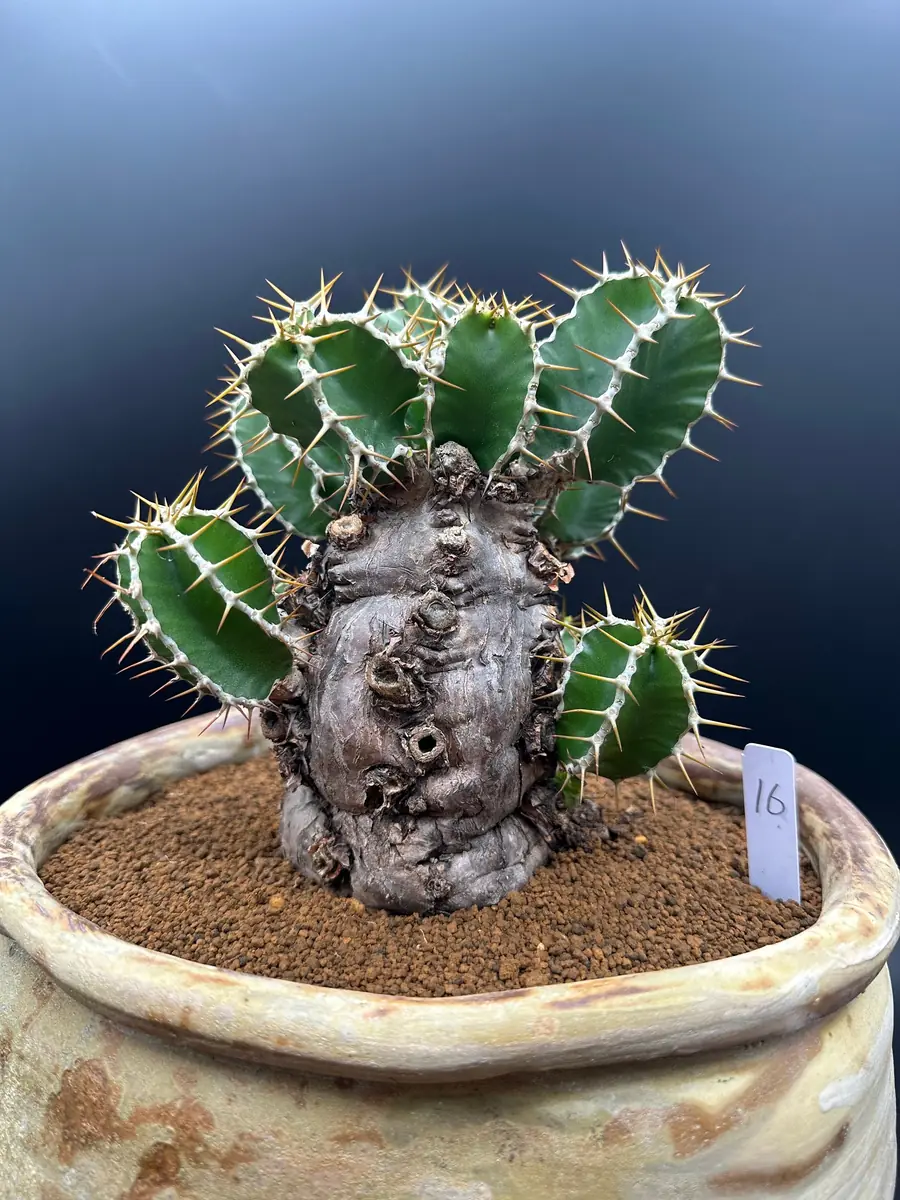
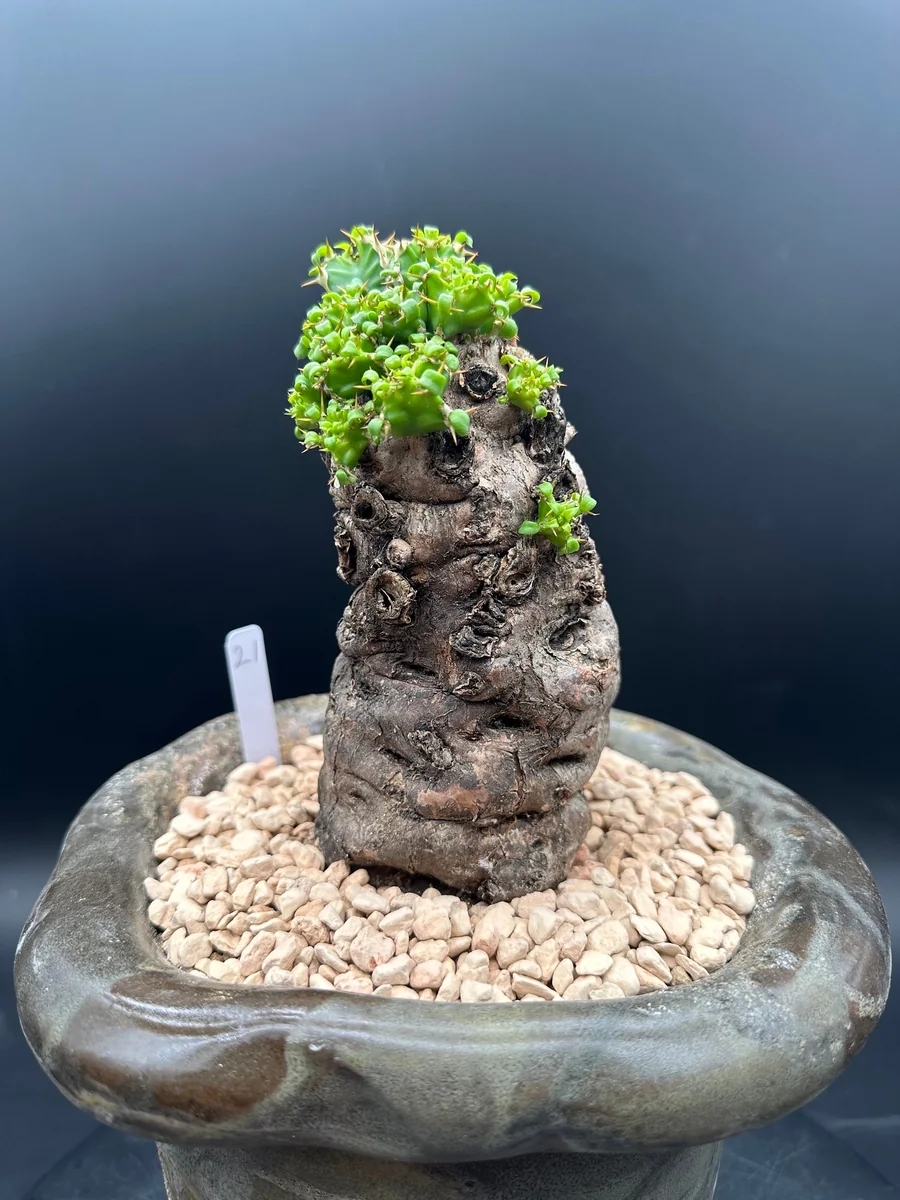
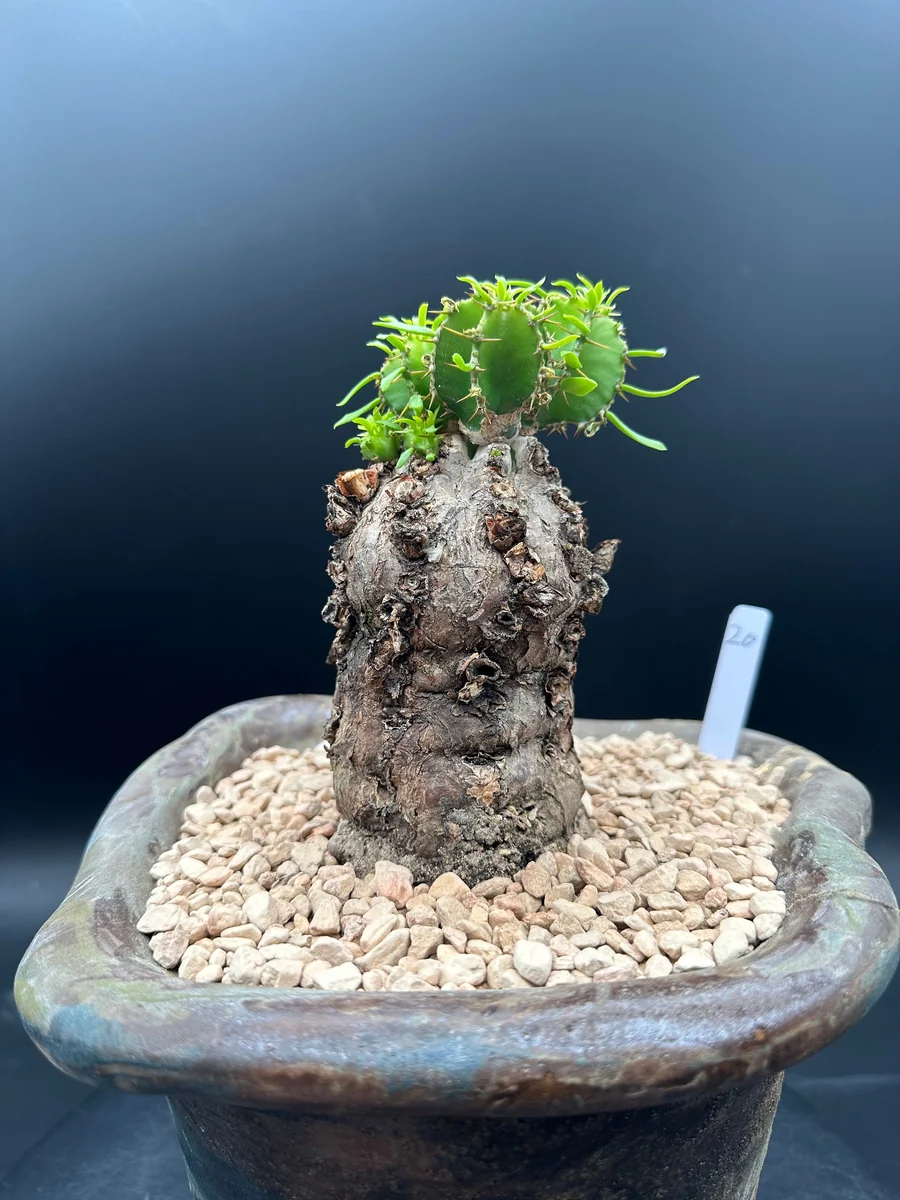
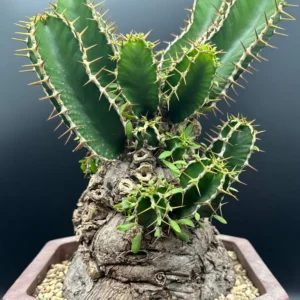
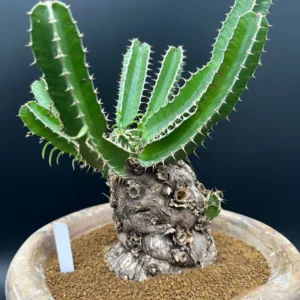
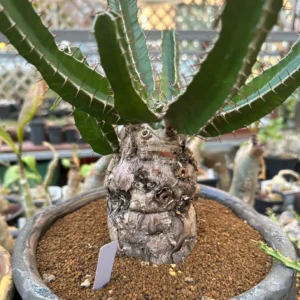
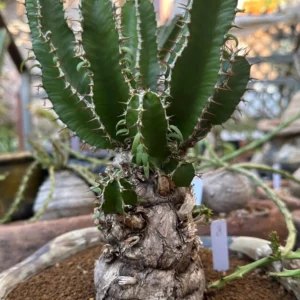
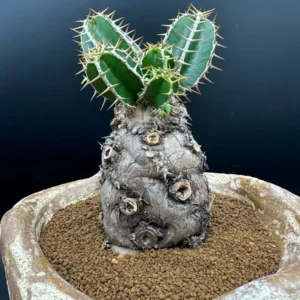
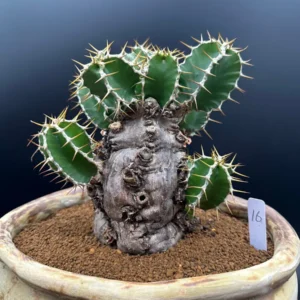
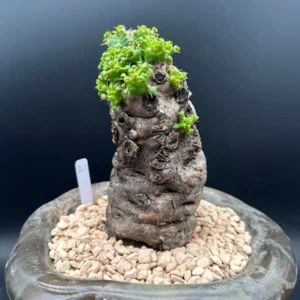
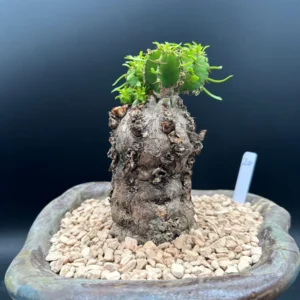
Introducing the extraordinary Euphorbia Mlanjeana live plant, a fascinating and rare succulent prized by collectors and plant enthusiasts alike. Originating from the Mulanje Mountain region in Malawi, this unique specimen is known for its distinctive appearance and remarkable resilience. The Euphorbia Mlanjeana live plant develops a thick, fleshy, cylindrical stem with a grayish-green hue, covered in tiny protective spines. Its most striking feature is its impressive caudex, or swollen base, which can grow significantly in mature specimens, serving as a natural water reservoir. This slow-growing succulent can reach up to 1 meter in height, making it a captivating focal point in any plant collection.
This particular offering is for a bare root plant, ensuring a healthy and robust specimen ready for planting in your preferred substrate. The inconspicuous green leaves appear in clusters at the stem’s top, complemented by small, yellow flowers that emerge in clusters. The Euphorbia Mlanjeana live plant is not just a plant; it’s a living sculpture, offering a unique aesthetic that stands out from more common succulents. Its ability to withstand extreme temperatures and prolonged drought periods makes it an incredibly adaptable and rewarding plant to grow.
Key Benefits
The Euphorbia Mlanjeana live plant offers a multitude of benefits that make it a highly desirable addition to your home or garden:
- Exceptional Ornamental Value: With its unique caudex and striking architectural form, the Euphorbia Mlanjeana live plant serves as a stunning decorative piece. It adds a touch of exotic elegance to rock gardens, succulent arrangements, or as a standalone houseplant, drawing attention with its unusual growth habit.
- Drought Tolerance: Adapted to arid conditions, this plant boasts excellent drought resistance, thanks to its water-storing caudex. This makes it a low-maintenance option for those seeking beautiful plants that don’t require constant watering.
- Hardy and Resilient: The Mlanje Mountain succulent is known for its ability to withstand extreme temperatures and prolonged dry spells, making it a robust choice for various environments, provided its basic needs are met.
- Unique Caudex Development: One of the most fascinating aspects is the development of its swollen base, or caudex. This feature not only aids in survival but also provides an ever-evolving, sculptural element that becomes more impressive with age.
- Collector’s Item: Due to its rarity and distinctive characteristics, the Euphorbia Mlanjeana live plant is a prized possession for plant collectors, offering a chance to own a truly special botanical specimen.
- Low Maintenance: This rare succulent plant is relatively easy to care for, thriving in a wide range of conditions from full sun to partial shade, and requiring minimal intervention once established.
- Conversation Starter: Its unusual appearance and origin story make it a fantastic conversation starter, allowing you to share the wonders of the plant kingdom with guests.
Plant Care & Growing Tips
Caring for your Euphorbia Mlanjeana live plant is straightforward, making it an excellent choice for both experienced succulent growers and beginners alike. This unique caudex plant thrives with proper attention to its specific environmental needs. When it comes to sunlight, the Euphorbia Mlanjeana prefers full sun to partial shade. If grown indoors, place it near a bright window where it can receive at least 6 hours of direct sunlight daily. For outdoor cultivation, ensure it gets morning sun and afternoon shade, especially in hotter climates, to prevent scorching.
Watering is crucial for this rare succulent plant. As a drought-tolerant species, it’s essential to let the soil dry out completely between waterings. Overwatering is the most common cause of problems, leading to root rot. During its active growing season (spring and summer), water thoroughly but infrequently. Reduce watering significantly in the cooler months, as the plant enters a period of dormancy. A well-draining soil mix is paramount. Use a cactus or succulent potting mix, or create your own by combining potting soil with perlite, pumice, or coarse sand to ensure excellent drainage. The ideal temperature range for the Euphorbia Mlanjeana is typically above 50°F (10°C). It can tolerate higher temperatures but should be protected from frost if grown outdoors in colder USDA zones. Fertilize sparingly during the growing season with a balanced, diluted liquid fertilizer formulated for succulents.
Size & Details
The Euphorbia Mlanjeana live plant you receive will be a bare root specimen, carefully prepared for shipping to ensure its health upon arrival. This particular succulent is known for its slow growth rate, eventually reaching an impressive height of up to 1 meter (approximately 3.3 feet) with a stem diameter of about 5-10 cm (2-4 inches). The most notable characteristic is its distinctive caudex, or swollen base, which can expand to several meters in diameter in very mature specimens, though this takes many years to develop. When planting your bare root Euphorbia Mlanjeana, choose a pot that allows for future caudex development, typically 6-8 inches in diameter to start, with ample drainage holes. The plant will establish its root system and begin to show new growth within a few weeks of planting. Its unique growth habit and striking appearance make it a long-term investment in botanical beauty.
Frequently Asked Questions
- Q: How big does this Euphorbia Mlanjeana live plant get? A: The Euphorbia Mlanjeana is a slow-growing succulent that can eventually reach up to 1 meter (approximately 3.3 feet) in height. Its stem typically has a diameter of 5-10 cm, and its unique caudex can become quite large over many years.
- Q: Is this an indoor or outdoor plant? A: The Euphorbia Mlanjeana live plant can be grown both indoors and outdoors, depending on your climate. It thrives outdoors in warm, dry climates and can be an excellent houseplant in cooler regions, provided it receives ample sunlight.
- Q: How much sunlight does the Mlanje Mountain succulent need? A: This succulent prefers full sun to partial shade. If growing indoors, place it in a location with at least 6 hours of bright, direct sunlight daily. Outdoors, morning sun with afternoon shade is ideal in hot areas.
- Q: Is this plant easy to care for? A: Yes, the Euphorbia Mlanjeana live plant is relatively easy to care for, especially for those familiar with succulents. Its drought-tolerant nature means it doesn’t require frequent watering, and it’s quite adaptable to various conditions.
- Q: What condition will the rare succulent plant arrive in? A: Your Euphorbia Mlanjeana will arrive as a bare root plant, which means it will be shipped without soil or a pot. This method ensures the plant’s health and minimizes stress during transit.
- Q: When is the best time to plant this unique caudex plant? A: The best time to plant a bare root Euphorbia Mlanjeana is during its active growing season, typically in spring or early summer, when temperatures are consistently warm. This allows the plant to establish its roots quickly.
- Q: What type of soil is best for Euphorbia Mlanjeana? A: A well-draining soil mix is crucial. A commercial cactus or succulent potting mix is ideal, or you can create one by amending regular potting soil with perlite, pumice, or coarse sand to improve drainage.
- Q: Will it survive winter in my zone? A: The Euphorbia Mlanjeana is not frost-tolerant. If you live in a region with cold winters (below 50°F or 10°C), it’s best to grow it in a container that can be brought indoors during the colder months. It’s suitable for USDA zones 9-11 outdoors.
- Q: How often should I water my Euphorbia Mlanjeana? A: Water thoroughly only when the soil has completely dried out. The frequency will depend on factors like temperature, humidity, and pot size. Always err on the side of underwatering rather than overwatering.
- Q: Is the succulent plant care for this species different from others? A: While general succulent care principles apply, the Euphorbia Mlanjeana’s distinct caudex emphasizes the need for excellent drainage and careful watering to prevent rot, especially around its swollen base.


Reviews
There are no reviews yet.