Overview
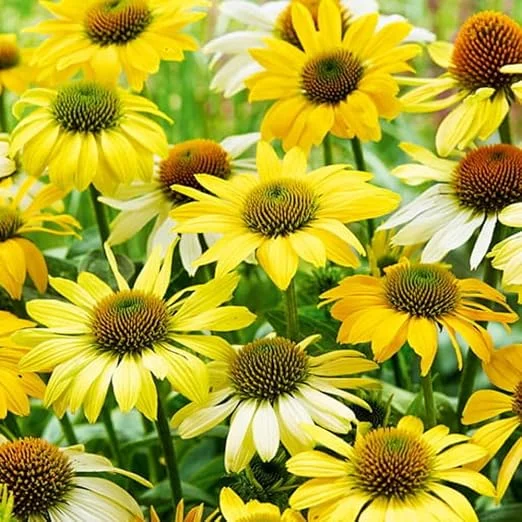
Transform your garden into a beacon of natural beauty with these exceptional yellow coneflower seeds. Known scientifically as Echinacea, coneflowers are celebrated for their striking, daisy-like flowers with prominent central cones. This particular variety boasts cheerful yellow petals, bringing a sunny disposition to any landscape. Unlike annuals, these are truly perennial flower seeds, meaning they will return year after year, establishing a robust presence with minimal effort once mature. Perfect for gardeners seeking both aesthetic appeal and ecological benefit, these seeds offer a sustainable way to enhance biodiversity.
Yellow coneflower seeds are an excellent choice for creating a vibrant, low-maintenance garden. Echinacea plants are renowned for their hardiness and adaptability, thriving in a variety of conditions. Whether you’re a seasoned gardener or just starting out, growing these coneflowers from seed is a rewarding experience, culminating in a spectacular display of color and life. They are particularly effective in mass plantings, borders, or as part of a mixed perennial bed, providing continuous bloom throughout the summer and into the fall.
Key Benefits
Planting yellow coneflower seeds offers a multitude of advantages for both your garden and the environment. These resilient plants provide long-lasting beauty and contribute significantly to local ecosystems.
- Attracts Pollinators: The bright yellow blooms are a magnet for bees, butterflies, and other beneficial insects, making your garden a vital hub for local wildlife. Creating a thriving pollinator habitat is crucial for supporting ecological balance.
- Drought Tolerant: Once established, these plants are remarkably tolerant of dry conditions, requiring less frequent watering than many other flowering perennials. This makes them an excellent choice for sustainable gardening and water conservation, especially for those looking for drought tolerant flowers.
- Long Blooming Season: Enjoy a prolonged display of cheerful yellow flowers from mid-summer through fall, providing continuous color when many other plants have finished blooming. This extended bloom time ensures your garden remains lively and engaging for months.
- Low Maintenance: These coneflowers are incredibly easy to care for, requiring minimal attention once established. They are resistant to most pests and diseases, allowing you more time to enjoy their beauty rather than constantly tending to them.
- Deer Resistant: Gardeners in areas with deer often struggle to find attractive plants that are not consumed. Fortunately, coneflowers are generally unappealing to deer, helping to preserve your beautiful floral displays.
- Versatile Garden Use: Ideal for a variety of garden settings, including perennial borders, cottage gardens, native plant landscapes, and naturalized areas. Their upright growth habit and vibrant color make them a standout feature.
- Excellent Cut Flowers: The sturdy stems and long-lasting blooms make excellent additions to fresh floral arrangements, bringing the beauty of your garden indoors. Their unique shape adds texture and interest to bouquets.
Plant Care & Growing Tips
Successfully growing yellow coneflower seeds is straightforward with a few key considerations. Echinacea thrives in conditions that mimic its native prairie environments, favoring plenty of sun and well-draining soil. Starting seeds indoors 6-8 weeks before the last frost can give them a head start, or you can direct sow them after all danger of frost has passed. Lightly cover the seeds with soil, as some light aids germination. Keep the soil consistently moist until germination occurs, which typically takes 10-20 days.
Once seedlings are established, thin them to about 18-24 inches apart to allow for proper air circulation and growth. Yellow coneflowers prefer full sun, meaning at least six hours of direct sunlight per day, but they can tolerate partial shade, especially in hotter climates where afternoon shade can help prevent scorching. They are highly adaptable to various soil types but perform best in well-draining soil with a neutral to slightly acidic pH. Avoid heavy, waterlogged soils, as this can lead to root rot. Amending heavy clay soils with organic matter like compost can significantly improve drainage and fertility.
Water young plants regularly until they are well-established. Mature plants are remarkably drought tolerant and will only need supplemental watering during extended dry periods. Fertilization is generally not necessary in rich garden soil, but a light application of a balanced slow-release fertilizer in spring can promote vigorous growth and more abundant blooms, especially for perennial flower seeds being established. Deadheading spent flowers can encourage more blooms and prevent self-seeding if desired. Dividing mature clumps every 3-4 years in early spring can rejuvenate the plants and maintain their vigor. Watch out for common pests like aphids, which can be managed with insecticidal soap, and powdery mildew, which can be prevented with good air circulation.
Size & Details
These yellow coneflower seeds are carefully selected to ensure high germination rates and robust plant growth. Each seed packet contains enough seeds to start a significant patch of these beautiful perennials. Once mature, yellow coneflowers typically grow to a height of 2-4 feet (60-120 cm) and spread about 18-24 inches (45-60 cm) wide, forming attractive clumps. The vibrant yellow flowers, measuring 3-5 inches across, feature a prominent, often spiky, central cone surrounded by a ring of ray petals. Plants grown from these echinacea seeds will establish their root systems in the first year, with blooming typically beginning in the second year, though some may produce flowers in their first season under optimal conditions.
The seeds are shipped in a protective packet, ensuring their viability upon arrival. Expect a moderate growth rate, with plants reaching their full size within 2-3 years. These plants are known for their strong, erect stems, making them excellent for cut flower arrangements. Their robust nature means they require minimal staking. Ideal for creating a long-lasting, visually impactful display, these drought tolerant flowers will be a highlight in your garden for many years to come.
Frequently Asked Questions
- Q: How big does this plant get? A: Yellow coneflowers typically grow to a height of 2 to 4 feet and spread about 18 to 24 inches wide. Their upright growth habit makes them a striking addition to the mid-to-back of a garden border.
- Q: Is this an indoor or outdoor plant? A: These yellow coneflower seeds are intended for outdoor cultivation. While you can start them indoors, the mature plants thrive in full sun conditions in a garden setting.
- Q: How much sunlight does it need? A: Yellow coneflowers perform best in full sun, requiring at least 6 hours of direct sunlight per day. They can tolerate partial shade, especially in hotter climates, but may produce fewer blooms.
- Q: Is this plant easy to care for? A: Yes, coneflowers are renowned for being low-maintenance and easy to grow, making them an excellent choice for both beginner and experienced gardeners. Once established, they are quite drought-tolerant.
- Q: What condition will the seeds arrive in? A: The echinacea seeds will arrive in a sealed, protective packet designed to maintain their viability. We ensure proper packaging for safe transit.
- Q: How long until it blooms? A: Plants grown from these perennial flower seeds typically begin to bloom in their second year after planting, though some may produce flowers in the first year under ideal growing conditions. They have a long blooming season from summer to fall.
- Q: Will it survive winter in my zone? A: Yellow coneflowers are hardy perennials, generally thriving in USDA Zones 3-9. They are well-adapted to cold winters and will return each spring in these zones.
- Q: What’s the best time to plant these seeds? A: You can start yellow coneflower seeds indoors 6-8 weeks before the last frost date, or direct sow them outdoors after all danger of frost has passed in spring. Fall planting can also be successful in mild climates.
- Q: Are these flowers considered drought tolerant flowers? A: Yes, once established, these coneflowers are highly drought tolerant, making them an excellent choice for water-wise gardens. They prefer consistent moisture during germination and establishment but require less water as they mature.
- Q: Why should I plant these for a pollinator garden seeds project? A: These coneflower seeds are perfect for a pollinator garden because their bright, nectar-rich flowers are irresistible to bees, butterflies, and other beneficial insects, providing essential food sources and supporting local ecosystems.


Reviews
There are no reviews yet.