
Overview
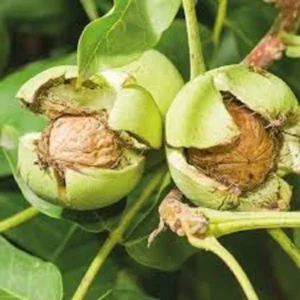
Bring the taste of the South to your garden with a southern pecan tree. These impressive deciduous trees are renowned for their delicious nuts and their ability to provide significant shade, making them a dual-purpose addition to any landscape. Our 12-24″ bareroot plants offer an excellent start for establishing your own pecan grove. Native to the United States, pecan trees (Carya illinoinensis) thrive in regions with long, warm growing seasons, producing an abundance of nuts that are perfect for baking, snacking, or sharing with family and friends. This sturdy plant is delivered as a bareroot specimen, ready for planting to establish strong roots and vigorous growth. Imagine enjoying your own freshly harvested pecans and the cool comfort of a mature shade tree for decades to come.
Choosing to grow pecan tree varietals suitable for your climate ensures a rewarding gardening experience. These trees are known for their longevity and resilience, becoming a cherished part of your property. The southern pecan tree is not just a producer of food; it’s also a magnificent ornamental tree, boasting lustrous, dark green foliage throughout the growing season.
Key Benefits
Planting a southern pecan tree offers numerous advantages, from bountiful harvests to environmental benefits. These trees are an investment that provides value for many years.
- Abundant Nut Production: Enjoy a generous yield of good-sized, thin-shelled pecans, perfect for culinary uses. A single mature pecan nut tree can provide enough nuts for a large family.
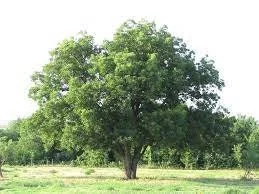
- Exceptional Shade: Reaching heights of 50-70 feet, these trees develop a broad canopy, offering deep, cooling shade that can significantly lower temperatures during hot summer months.
- Long Lifespan: Pecan trees are long-lived, often producing nuts for over a century, making them a lasting legacy for your property.
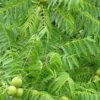
- Attractive Foliage: The lustrous, dark green leaves provide beautiful aesthetic appeal throughout spring and summer, adding elegance to your landscape.
- Wildlife Support: Pecans are a valuable food source for local wildlife, contributing to the biodiversity of your garden ecosystem.
- Drought Tolerance: Once established, pecan trees are relatively drought-tolerant, requiring less water than many other fruit or nut trees.
- Easy to Grow: As a pecan tree bareroot, it establishes quickly with proper initial care, making it a straightforward addition for gardeners.
Plant Care & Growing Tips
Successful cultivation of your southern pecan tree involves understanding its specific needs for light, water, and soil. These trees thrive with thoughtful care, especially during their establishment phase.
Sunlight Requirements: Pecan trees require full sun exposure, meaning at least 6-8 hours of direct sunlight per day. Choose a planting site that receives ample, unobstructed light throughout the day to ensure optimal growth and nut production. Watering Schedule: Consistent moisture is crucial, especially during the first few years after planting. Water deeply and regularly, ensuring the soil remains moist but not waterlogged. Once established, pecan trees are more drought-tolerant but will benefit from supplemental watering during prolonged dry periods, particularly when nuts are developing. Soil Type and Drainage: Pecans prefer deep, well-draining, fertile loamy soil with a pH between 6.0 and 7.0. Avoid heavy clay soils or areas with poor drainage, as this can lead to root rot. Amending the soil with organic matter can improve structure and fertility. Temperature Range and USDA Hardiness Zone: This southern pecan tree is hardy in USDA Zones 5-9. It requires a long growing season with hot summers to properly mature its nuts. Ensure your region meets these requirements for successful nut production. Fertilization: Fertilize your pecan tree annually in late winter or early spring before new growth begins. Use a balanced fertilizer or one specifically formulated for nut trees, following package instructions. Soil tests can help determine specific nutrient deficiencies. Common Problems: Watch out for common pests like pecan weevils and diseases such as pecan scab. Proper air circulation, sanitation, and timely treatment can help manage these issues. Regular inspection of your shade tree pecan will help catch problems early.
Size & Details
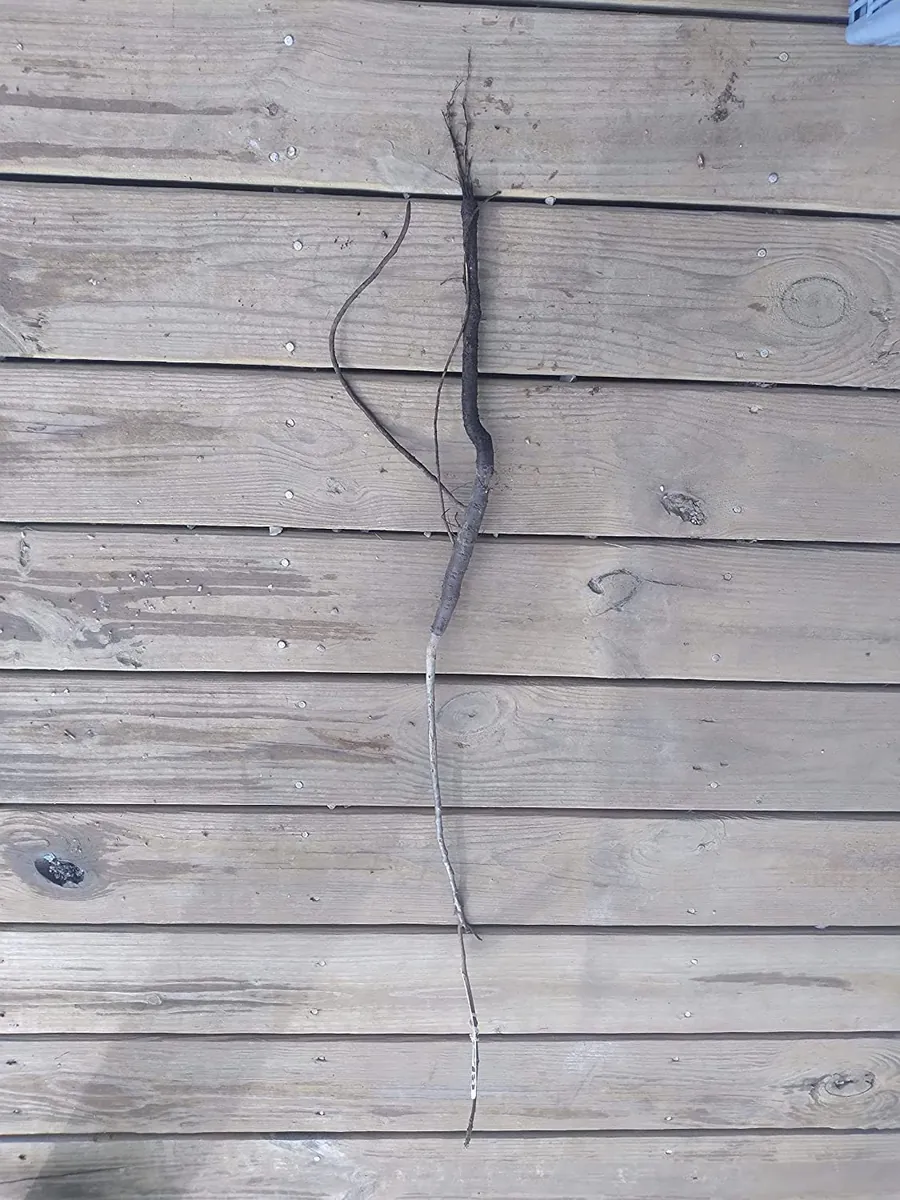
This offering is for a southern pecan tree delivered as a bareroot plant, typically measuring 12-24 inches in height upon arrival. Bareroot plants are dormant and ship without soil around their roots, which allows for easier transport and often a more robust root system development once planted. Pecan trees are known for their rapid growth once established, quickly developing into impressive shade trees. They can reach a mature height of 50-70 feet with a spread of 30-50 feet. The growth rate is moderate to fast, adding 1-2 feet per year under ideal conditions. Expect your tree to begin producing nuts within 5-10 years, with yields increasing as the tree matures. This pecan tree bareroot is an excellent choice for those looking to establish a long-term food and shade source.
Frequently Asked Questions
- Q: How big does this plant get? A: This southern pecan tree bareroot plant arrives 12-24 inches tall. When mature, pecan trees can reach significant heights of 50-70 feet with a spread of 30-50 feet, making them excellent shade trees.
- Q: Is this an indoor or outdoor plant? A: This is an outdoor plant. Southern pecan tree varieties require full sun and a long growing season to produce nuts effectively and reach their full potential.
- Q: How much sunlight does it need? A: A pecan nut tree requires full sun, meaning at least 6-8 hours of direct sunlight daily, to thrive and produce a good harvest of nuts.
- Q: Is this plant easy to care for? A: Pecan trees require consistent care during their establishment phase, particularly with watering. Once established, they are relatively low-maintenance, especially if planted in suitable climate zones.
- Q: What condition will it arrive in? A: Your pecan tree bareroot will arrive dormant and without soil around its roots, carefully packaged to ensure its health during transit. This is the optimal condition for planting.
- Q: When is the best time to plant a pecan tree? A: The best time to plant a bareroot pecan tree is in late winter or early spring, before new growth begins. This allows the tree to establish its root system before the heat of summer.
- Q: Can I really grow pecan trees in Zone 5? A: Yes, certain hardy varieties of southern pecan tree can grow as far north as Zone 5, though nut production may vary depending on the length of the growing season and specific cultivar.
- Q: How long until it produces nuts? A: A newly planted southern pecan tree typically begins producing nuts within 5-10 years, with yields increasing as the tree matures over time.
- Q: What kind of soil is best for a pecan tree? A: Pecan trees prefer deep, well-draining, fertile loamy soil. Good drainage is crucial to prevent root issues and promote healthy growth.
- Q: Will this tree provide good shade? A: Absolutely! A mature shade tree pecan can grow very large, developing a dense canopy that provides excellent, cooling shade, making it a perfect addition to a sunny yard.


Reviews
There are no reviews yet.