Overview
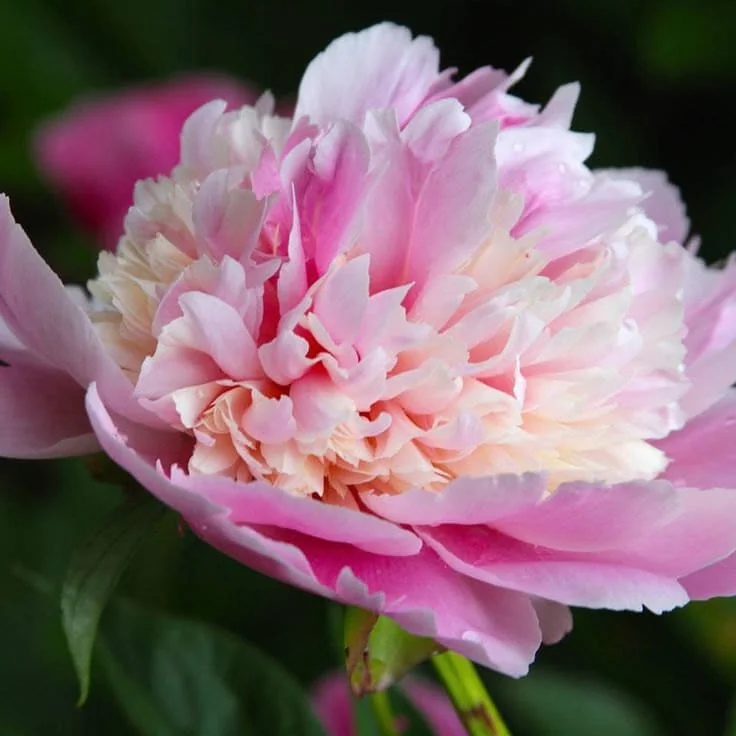
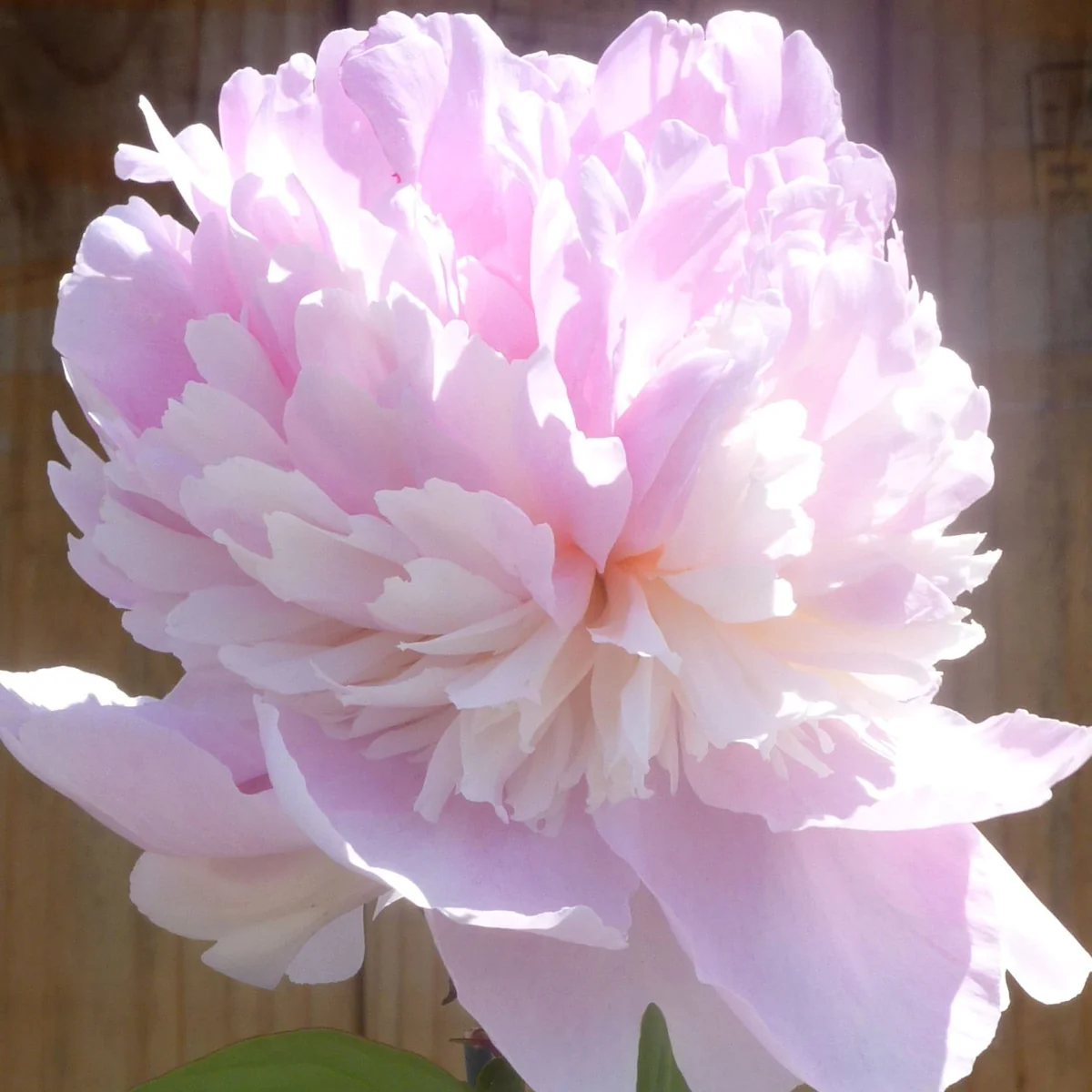
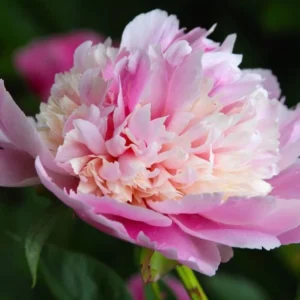
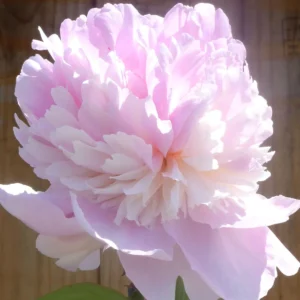
Transform your garden into a vibrant spectacle with the magnificent whopper peony bareroot. This exceptional bareroot plant promises a stunning late spring display, featuring enormous 8-9 inch double blooms in a captivating blend of light pink and cream. Known for its dramatic presence and classic beauty, this peony variety is a favorite among gardeners seeking both elegance and resilience. As a bare root plant, it’s perfectly suited for fall planting, establishing robust roots over winter to ensure a spectacular floral show year after year. The whopper peony bareroot is a true garden classic, offering both visual splendor and a touch of timeless charm to any landscape.
Peonies are renowned for their large, showy flowers and long lifespan, often thriving for decades with proper care. This particular variety, once established, will become a focal point in your garden, attracting admirers with its luxurious petals and impressive size. If you’re looking to enhance your outdoor space with a plant that combines grandeur and ease of care, the whopper peony bareroot is an unparalleled choice. Its impressive bloom size and robust growth habit make it a standout specimen, perfect for perennial beds, borders, or as a striking standalone feature.
Key Benefits
The whopper peony bareroot offers numerous advantages for any garden enthusiast, combining stunning aesthetics with surprising hardiness and ease of cultivation. Its impressive attributes make it a truly rewarding addition to your landscape.
- Spectacular Blooms: Enjoy massive 8-9 inch double flowers in a gorgeous light pink and cream, creating a dramatic visual impact in late spring. These showy blooms are perfect for cutting and bringing indoors.
- Hardy and Resilient: Thrives across a wide range of climates, from USDA zones 2-8, making it a reliable choice for many gardeners. This robust nature ensures long-term beauty.
- Easy to Establish: As a fall planting peony, it benefits from cooler temperatures to develop a strong root system, leading to vigorous growth and abundant flowering in subsequent seasons.
- Award-Winning Beauty: This variety is celebrated for its classic appeal and has received accolades, guaranteeing a high-quality and desirable plant for your garden.
- Low Maintenance: Once established, peonies require minimal care, making them an excellent choice for both experienced and novice gardeners. They are generally pest and disease resistant.
- Long-Lived Perennial: Peonies are known for their longevity, often blooming for 50 years or more, providing decades of enjoyment from a single planting.
- Versatile Garden Use: Excellent for borders, mass plantings, or as a specimen plant, the whopper peony bareroot adds elegance and structure to any garden design.
Plant Care & Growing Tips
Caring for your whopper peony bareroot is straightforward, ensuring years of beautiful blooms with the right approach. Peonies are notoriously long-lived and resilient, but proper planting and initial care are crucial for their establishment and prolific flowering. For optimal growth, choose a location that receives full sun, especially in northern climates. In deeper Southern States (Zone 7 and 8), a spot with light afternoon shade can help protect the blooms from scorching and prolong their display. Aim for at least 6 hours of direct sunlight daily for the best results.
When planting, ensure the ‘eyes’ (pinkish buds) of the bareroot are no deeper than 2 inches below the soil surface. Planting too deep is a common reason for poor blooming. Peonies prefer well-draining, rich soil with a slightly acidic to neutral pH. Amend heavy clay soils with organic matter like compost to improve drainage. Water thoroughly after planting and keep the soil consistently moist but not waterlogged during the first growing season. Once established, peonies are relatively drought-tolerant but will benefit from deep watering during dry spells, especially when buds are forming. Fertilize annually in spring with a balanced slow-release fertilizer, avoiding high-nitrogen formulas which can promote foliage at the expense of flowers. For a comprehensive peony care guide, remember to deadhead spent blooms to maintain a tidy appearance, but leave the foliage until it yellows naturally in the fall to allow the plant to store energy for the next season’s growth.
Protect your fragrant garden peony from strong winds, which can damage its large blooms. Staking may be necessary for very heavy flowers, especially after rain. Monitor for common peony diseases like botrytis blight, which can be managed by ensuring good air circulation and removing affected plant parts. With these simple tips, your whopper peony bareroot will flourish, rewarding you with its spectacular light pink and cream flowers for many seasons.
Size & Details
This offering is for a whopper peony bareroot, typically featuring 2-3 ‘eyes’ or growth buds, indicating a healthy and robust start for your new plant. Each bareroot is carefully selected to ensure strong establishment and future vibrance. Once mature, this peony variety will reach an impressive height of 2-3 feet, forming a bushy, upright habit that provides significant garden presence. The colossal 8-9 inch double blooms are a defining characteristic, showcasing a beautiful blend of light pink and cream hues. These magnificent flowers emerge in late spring, creating a truly dramatic show in the garden.
The bareroot is shipped ready for planting, ideally in the fall for best establishment, though spring planting is also possible in some regions. Peonies are known for their moderate growth rate, typically taking 2-3 years to establish and produce their full complement of blooms. With proper care and an optimal planting location, this pink peony plant will become a cherished, long-lasting fixture in your landscape, offering a classic and elegant display year after year. Expect a strong, healthy plant that will contribute significantly to your garden’s aesthetic.
Frequently Asked Questions
- Q: How big does this peony plant get? A: The whopper peony bareroot typically grows to a mature height of 2-3 feet with a similar spread, creating a substantial and impactful presence in your garden. Its large blooms contribute to its overall impressive size.
- Q: Is this an indoor or outdoor plant? A: This is an outdoor perennial plant, designed to thrive in garden beds and landscapes. It requires a winter dormancy period and is not suitable for indoor cultivation.
- Q: How much sunlight does the whopper peony need? A: For best flowering, the whopper peony bareroot requires full sun (at least 6 hours of direct sunlight) in most climates. In hotter southern regions, it can benefit from light afternoon shade.
- Q: What condition will the bareroot arrive in? A: Your whopper peony bareroot will arrive dormant, carefully packaged, and ready for planting. It will consist of the root structure with 2-3 visible ‘eyes’ or growth buds, ensuring a strong start.
- Q: When is the best time to plant this peony? A: The ideal time for planting this fall planting peony is in the fall, allowing the roots to establish before winter. Spring planting is also an option in some cooler climates.
- Q: Is this plant easy to care for? A: Yes, once established, peonies are considered very low-maintenance plants. They are long-lived and relatively pest and disease-free, making them a great choice for various gardening skill levels, especially with a good peony care guide.
- Q: Will it survive winter in my zone? A: Absolutely! This whopper peony bareroot is hardy in USDA zones 2-8, meaning it is well-equipped to survive cold winters and return reliably each spring.
- Q: Do these peonies have a fragrance? A: While not explicitly stated for this specific variety, many double pink and cream peonies are known for their pleasant, often sweet, fragrance, adding to the charm of your fragrant garden peony.
- Q: What kind of soil does this peony prefer? A: Peonies thrive in rich, well-draining soil with a neutral to slightly acidic pH. Good drainage is crucial to prevent root rot.
- Q: How long until it blooms after planting? A: Peonies often take 2-3 years to fully establish and produce their most abundant blooms. You may see some flowers in the first year, but the display will improve significantly in subsequent seasons.


Reviews
There are no reviews yet.