Overview
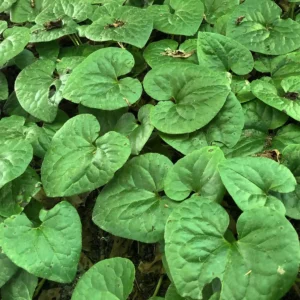
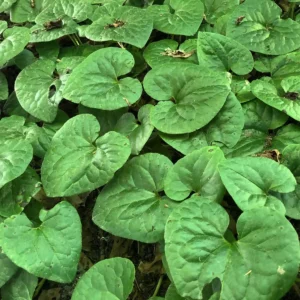
Transform your garden into a culinary haven with our premium bareroot horseradish root. This robust and easy-to-grow perennial is perfect for gardeners looking to cultivate their own zesty horseradish. Known for its distinctively pungent flavor, horseradish (Armoracia rusticana) is a versatile root vegetable that adds a powerful kick to a wide array of dishes, from sauces and relishes to meats and salads. Our bareroot form ensures a strong start, allowing the plant to establish quickly and provide bountiful harvests for years to come. Whether you’re a seasoned gardener or just starting out, growing your own culinary horseradish is a rewarding experience that promises fresh, vibrant flavor straight from your soil.
The beauty of planting a bareroot horseradish root lies in its simplicity and resilience. These roots are incredibly forgiving and thrive with minimal intervention once established. They are ideal for creating a self-sustaining source of this beloved condiment. Each root is selected for its viability, ensuring you receive a healthy start to your horseradish patch. Prepare to enjoy the satisfaction of harvesting your own homegrown horseradish, renowned for its health benefits and intense flavor profile.
Key Benefits
Growing your own horseradish offers a multitude of benefits, both in the garden and in the kitchen. This exceptional plant is not only easy to cultivate but also provides a continuous supply of fresh, potent roots for all your culinary adventures. Embrace the joy of homegrown flavor with our bareroot horseradish root.
- Abundant Yields: Once established, this perennial plant will produce generous quantities of fresh horseradish, ensuring you always have a supply for your kitchen. Its vigorous growth means more roots to harvest each year.
- Exceptional Flavor: Experience the unbeatable, scintillating flavor of freshly grated horseradish, far superior to store-bought varieties. Its intense pungency adds a unique zest to any meal.
- Perennial Growth: As a perennial, horseradish returns year after year, providing bigger and better crops without the need for replanting. This makes it a sustainable and economical choice for your garden.
- Cold Hardy: This plant is incredibly resilient and cold-hardy, thriving in a wide range of climates from USDA Zone 3 to 8, making it suitable for many gardeners across the US.
- Easy to Grow: Known for its adaptability, horseradish is very easy to grow and quick to multiply. Even beginners can achieve success with this forgiving plant.
- Self-Pollinating: The plant is self-pollinating, simplifying the growing process and ensuring successful reproduction without needing companion plants.
- Culinary Versatility: The harvested roots can be used in a vast array of dishes, from classic horseradish sauce to marinades, dressings, and spice rubs, elevating the flavor of countless recipes.
Plant Care & Growing Tips
Caring for your bareroot horseradish root is straightforward, making it an excellent choice for gardeners of all experience levels. To ensure a thriving plant and abundant harvests, understanding its basic needs is key. This plant prefers a location with full sun exposure, meaning at least 6-8 hours of direct sunlight daily. While it can tolerate some partial shade, full sun promotes the best root development and flavor intensity. When you grow horseradish, consider its vigorous nature, as it can be quite invasive. Many gardeners choose to plant it in a large container buried in the soil with the bottom cut out to manage its spread, as its roots can grow quite long.
For optimal growth, horseradish requires well-drained soil. It’s not particular about soil type but will struggle in heavy, waterlogged conditions. Amend heavy clay soils with organic matter like compost to improve drainage. Watering should be consistent, especially during dry spells, to keep the soil evenly moist but never soggy. Once established, the plant becomes more drought-tolerant. Horseradish is cold-hardy and generally doesn’t require special winter protection within its recommended hardiness zones (3-8). Fertilization isn’t usually necessary if planted in rich, organic soil, but a balanced, all-purpose fertilizer can be applied in early spring to encourage vigorous growth.
Harvesting can begin in early spring as soon as the crown turns green, or roots can be left in the ground and harvested until late fall. The roots store well for months, allowing for flexible harvesting times. While generally pest and disease resistant, ensure good air circulation and avoid overwatering to prevent fungal issues. Learning how to properly grow horseradish will reward you with a continuous supply of this pungent root.
Size & Details
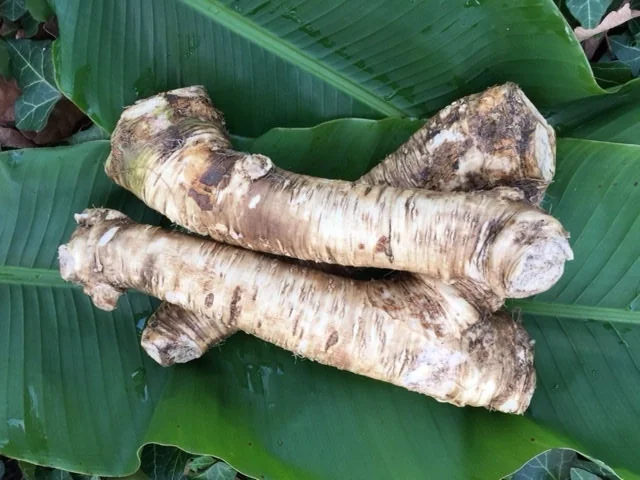
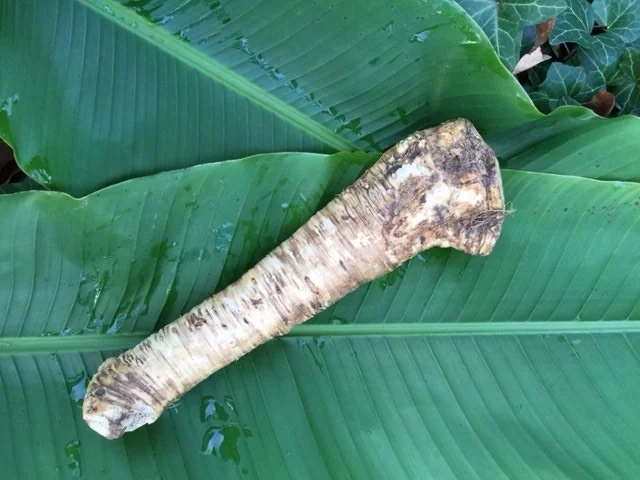
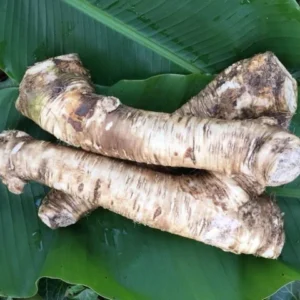
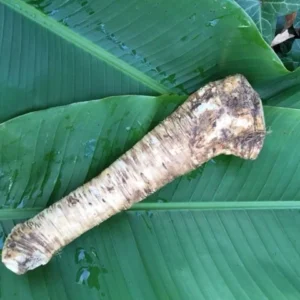
Our bareroot horseradish root is shipped ready for planting, offering an immediate start to your horseradish patch. The product is sold by weight, meaning you may receive one large root or several smaller ones, depending on the harvest. Each root is viable and suitable for planting, and can even be cut into several large chunks to yield multiple plants. While these roots may not always appear aesthetically perfect upon arrival, their vigor and ease of growth are exceptional, ensuring they “get the job done” in your garden.
Horseradish is a perennial plant that will establish quickly and multiply readily, providing an expanding harvest each year. It is cold-hardy, thriving in USDA Zones 3-8. With proper care, you can expect mature roots ready for harvest within a single growing season. The plant typically reaches a height of 1 to 3 feet with a similar spread if not contained. It’s an excellent choice for a dedicated garden bed or a large container. Prepare to enjoy the spicy rewards from your very own perennial horseradish plant.
Frequently Asked Questions
- Q: How big does a horseradish plant get? A: A mature horseradish plant typically grows to be 1 to 3 feet tall and can spread quite wide if not contained. The roots themselves can become very long and thick, especially in loose soil.
- Q: What size root will I receive? A: The bareroot horseradish root is sold by weight, so you might receive one large root or several smaller ones, depending on the harvest. All roots are viable and ready for planting.
- Q: Is this an indoor or outdoor plant? A: Horseradish is primarily an outdoor plant, thriving in garden beds or large containers. It requires significant space and sunlight to produce well.
- Q: How much sunlight does it need? A: Horseradish prefers full sun, meaning at least 6-8 hours of direct sunlight daily for the best growth and root development. It can tolerate partial shade but may have reduced yields.
- Q: Is this plant easy to care for? A: Yes, horseradish is known for being very easy to grow and is quite resilient. It’s a low-maintenance perennial that is forgiving for beginner gardeners and experts alike.
- Q: What condition will the bare root arrive in? A: Your bareroot horseradish root will arrive healthy and ready for planting. Bare roots are dormant and may not look “pretty,” but they are viable and will sprout once planted.
- Q: When is the best time to plant horseradish? A: The optimal time to plant is in early to mid-spring, after the last hard frost. This allows the root ample time to establish before the heat of summer.
- Q: Will it survive winter in my zone? A: Yes, this horseradish is cold-hardy and thrives in USDA Zones 3-8, meaning it will survive winter in most temperate climates and return year after year.
- Q: Can I use this horseradish for cooking? A: Absolutely! This culinary horseradish is perfect for grating fresh into sauces, relishes, and various dishes to add a unique, pungent flavor.
- Q: How do I prevent horseradish from becoming invasive? A: To control its spread, consider planting it in a large container that is buried in the ground, or create a root barrier. This helps manage the vigorous root system.


Reviews
There are no reviews yet.