Overview
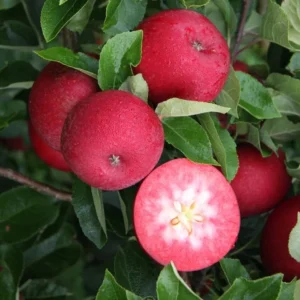
Bring the joy of homegrown fruit to your garden with the exceptional Pink Lady Apple Tree. This bare root apple tree, standing 2-3 feet tall, offers a rewarding experience for both novice and experienced gardeners. Known botanically as Malus domestica ‘Cripps Pink’, the Pink Lady apple is celebrated for its distinctive sweet-tart flavor, firm texture, and excellent storage qualities. Our grafted apple trees are designed to give you a head start on fruit production, often yielding fruit within the first year after planting. Adaptable and resilient, this variety performs beautifully across various climates, from hot summers to colder winters, making it a versatile addition to many landscapes.
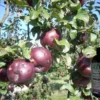
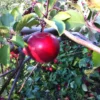
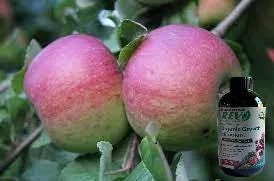
The Pink Lady Apple Tree is not just a source of delicious fruit; it’s also an ornamental delight. In spring, it graces your garden with creamy white to pale pink blossoms, followed by lush emerald foliage in the summer. As autumn approaches, the leaves transform into a stunning display of orange, maroon, and yellow hues, culminating in a harvest of classic red apples around November. These apples are ideal for fresh consumption, holiday baking, and canning, and they store exceptionally well, maintaining their quality for up to six weeks when refrigerated.
Planting a bare root apple tree offers a unique advantage, allowing the tree to establish its root system directly in your garden soil, fostering robust growth. While this variety is known for its hardiness and ease of cultivation, it is important to note that Pink Lady Apple Trees are not self-fertile. To ensure a bountiful harvest, you will need to plant another compatible apple variety nearby for cross-pollination. Consider pairing it with varieties like Gala, Fuji, Granny Smith, or Honeycrisp™ for optimal fruiting.
Key Benefits
The Pink Lady Apple Tree offers a multitude of benefits, making it an excellent choice for any home orchard. Its adaptability and delicious fruit stand out as primary advantages, ensuring a successful and enjoyable gardening experience.
- Delicious & Versatile Fruit: Harvest crisp, sweet-tart apples in late fall, perfect for fresh eating, baking, canning, and long-term storage. The flavor of the Pink Lady Apple Tree improves after a few weeks of storage, making them a holiday favorite.
- Adaptable & Hardy: This variety thrives in a wide range of climates, demonstrating excellent cold hardiness and heat resistance. Whether you’re looking for a fruit tree for hot climates or cooler regions, the Pink Lady is a resilient choice.
- Beautiful Ornamental Features: Enjoy creamy white to pale pink blossoms in spring, vibrant green foliage in summer, and stunning autumnal colors before the harvest.
- Early Fruit Production: As a grafted tree, it has the potential to start bearing fruit within its first year, providing quicker gratification for your gardening efforts.
- Easy to Grow: Known for being low-maintenance and forgiving, making it suitable for gardeners of all experience levels. Its robust nature simplifies apple tree care.
- Long Storage Life: Apples can be refrigerated for up to 6 weeks, allowing you to enjoy your harvest well into winter.
- Health Benefits: Homegrown apples offer a fresh, healthy snack rich in vitamins and fiber, contributing to a nutritious diet.
Plant Care & Growing Tips
Proper care is essential for a thriving Pink Lady Apple Tree and a successful harvest. These trees are relatively easy to care for, but understanding their specific needs will help ensure optimal growth and fruit production. When planting your bare root apple tree, choose a location with full sun exposure, meaning at least 6-8 hours of direct sunlight per day. Good air circulation is also important to prevent fungal diseases. Dig a hole wide enough to accommodate the roots spread out, and ensure the graft union (the swollen part where the scion meets the rootstock) remains above the soil line.
Watering is crucial, especially during the first few years as the tree establishes. Provide deep, consistent watering, aiming for about 1 inch of water per week, either from rainfall or irrigation. The soil should be well-draining to prevent root rot. Apples prefer a loamy, slightly acidic to neutral soil (pH 6.0-7.0). Fertilize in early spring with a balanced fruit tree fertilizer, following package directions. Pruning should be done in late winter while the tree is dormant to shape the tree, remove dead or diseased branches, and encourage fruit production. Regular pruning also improves air circulation and sunlight penetration, which are vital for healthy fruit development.
The Malus domestica ‘Cripps Pink’ variety is hardy in USDA Zones 5-9. While resilient, protecting young trees from extreme winter cold or intense summer heat can be beneficial. Consider mulching around the base to retain moisture, regulate soil temperature, and suppress weeds. Keep an eye out for common apple tree pests and diseases, and address them promptly with appropriate organic or conventional treatments. Remember that this apple tree care includes ensuring cross-pollination by planting another compatible apple variety nearby, as the Pink Lady is not self-fertile.
Size & Details
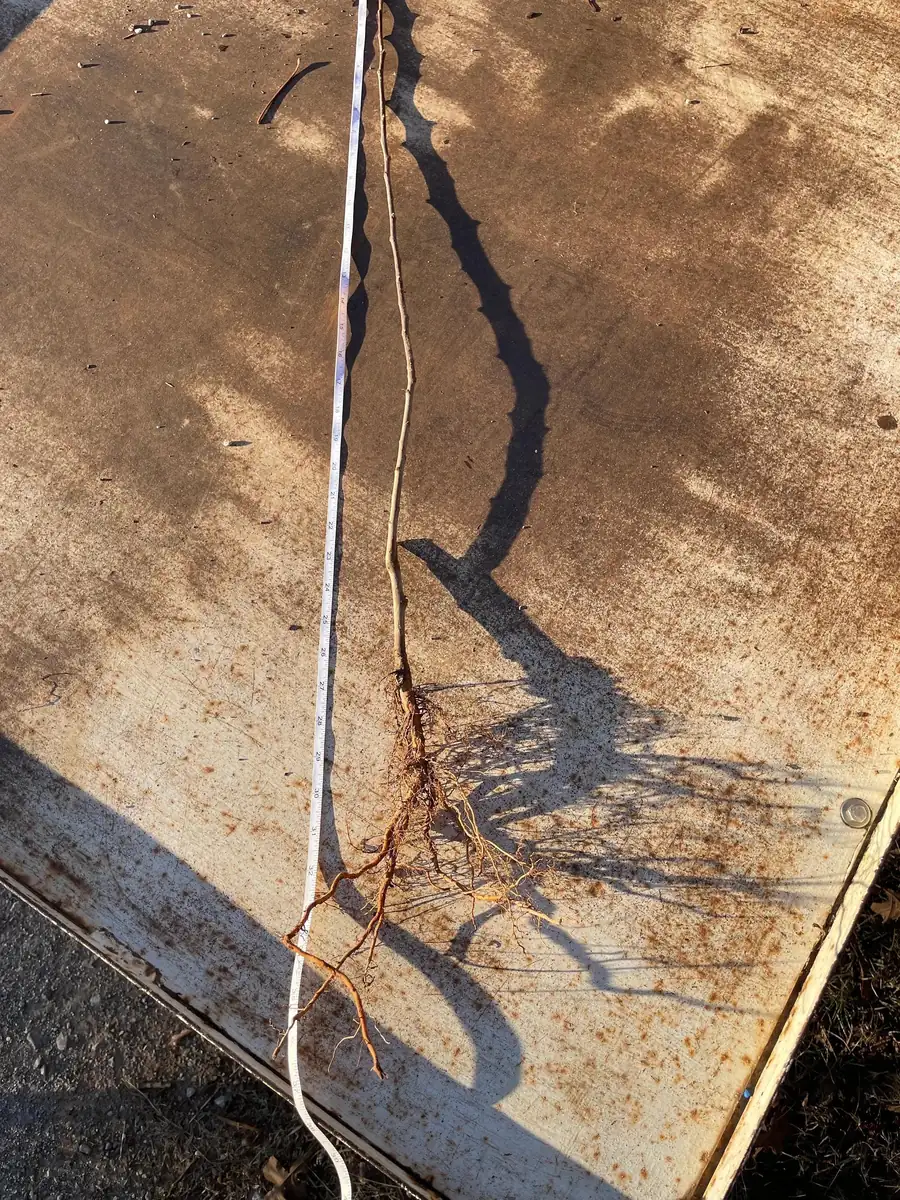
This offering is for a bare root apple tree, specifically a Pink Lady Apple Tree, that measures approximately 2-3 feet tall upon arrival. Bare root trees are shipped without soil around their roots, which allows for easier transplanting and a strong start in your garden. Once planted, these trees will grow to a mature height of 15-20 feet with a spread of 8-10 feet, depending on pruning and growing conditions. They have a moderate growth rate, establishing themselves well within a few seasons.
The harvest time for these delicious apples typically falls between November and December, and with proper care, the tree can begin to bear fruit as early as its first year. The apples are known for their excellent storage capability, remaining fresh for up to 6 weeks when refrigerated. This makes them a perfect addition for fall and winter holiday baking and canning. The botanical name for this variety is Malus domestica ‘Cripps Pink’, a testament to its specific cultivar. It grows well outdoors in USDA Zones 5-9 and requires full sun for optimal fruit production.
Frequently Asked Questions
- Q: How big does this Pink Lady Apple Tree get? A: A mature Pink Lady Apple Tree typically reaches a height of 15-20 feet and a width of 8-10 feet. Regular pruning can help manage its size and shape for your garden.
- Q: What condition will the bare root apple tree arrive in? A: Your bare root apple tree will arrive without soil around its roots, carefully packaged to keep the roots moist. It will be approximately 2-3 feet tall, ready for immediate planting.
- Q: Is this an indoor or outdoor plant? A: The Pink Lady Apple Tree is an outdoor fruit tree. It requires full sun and sufficient space to grow and produce fruit. It is not suitable for indoor cultivation.
- Q: How much sunlight does it need? A: This fruit tree thrives in full sun, meaning it needs at least 6-8 hours of direct sunlight per day to produce the best fruit.
- Q: Is this plant easy to care for? A: Yes, the Malus domestica ‘Cripps Pink’ is considered easy to grow and is suitable for gardeners of all experience levels, thanks to its cold hardiness and heat resistance. Basic apple tree care involves proper watering, pruning, and fertilization.
- Q: When is the best time to plant a bare root apple tree? A: The optimal time to plant a bare root apple tree is in early spring, after the last hard frost, or in late fall after the leaves have dropped but before the ground freezes.
- Q: How long until it bears fruit? A: As a grafted tree, your Pink Lady Apple Tree can potentially bear fruit within its first year, though a more substantial harvest usually occurs in the second or third year.
- Q: Will it survive winter in my zone? A: The Pink Lady Apple Tree is cold hardy and thrives in USDA Zones 5-9. If you are within these zones, it should survive winter without issue. For colder zones, winter protection may be needed.
- Q: Does this apple tree need another tree for pollination? A: Yes, Pink Lady Apple Tree is not self-fertile. You will need to plant another compatible apple variety, such as Gala, Fuji, or Granny Smith, nearby for cross-pollination to ensure fruit production.
- Q: What kind of soil does it prefer? A: This apple tree prefers well-draining, loamy soil with a slightly acidic to neutral pH (6.0-7.0). Good drainage is crucial to prevent root issues.


Reviews
There are no reviews yet.