
Overview
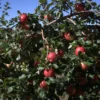
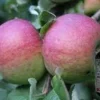
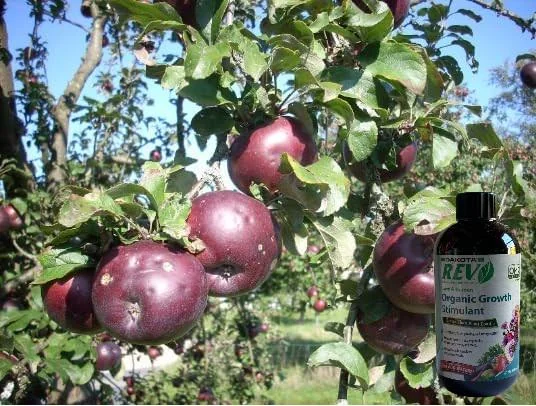
Bring the timeless taste of heirloom apples to your garden with the Arkansas Black Apple Tree bare root. This remarkable deciduous fruit tree, scientifically known as Malus domestica ‘Arkansas Black’, is celebrated for its distinctive dark red to almost black skin and its firm, sweet-tart flesh. Ideal for home orchards, this variety offers a unique aesthetic and a delightful culinary experience. Our Arkansas Black Apple Tree bare root offers a robust start to growing your own apples, allowing for easy establishment in your chosen location. Known for its resilience and adaptability, this tree is a favorite among gardeners looking for a reliable and productive apple variety. The deep color and rich flavor make it excellent for fresh eating, baking, and cider production, promising a bountiful harvest for years to come. Planting a bare root tree is an economical and effective way to introduce this beloved heirloom into your landscape, establishing a strong root system from the outset.
The Arkansas Black Apple Tree bare root is an excellent choice for gardeners seeking a fruit tree that combines beauty with utility. Its striking appearance in the orchard, coupled with its delicious fruit, makes it a valuable addition to any edible landscape. This variety is particularly noted for its long storage life, allowing you to enjoy your harvest well into the winter months. The tree’s hardiness and ability to thrive in various conditions contribute to its popularity. When you choose an Arkansas Black Apple Tree bare root, you’re investing in a piece of horticultural history that will provide both visual appeal and a rewarding harvest.
Key Benefits
The Arkansas Black Apple Tree bare root offers numerous advantages for the home gardener, from its unique fruit to its resilient nature. These benefits make it a superior choice for cultivating delicious apples in your own backyard.
- Distinctive Fruit Quality: Enjoy crisp, sweet-tart apples with a deep red to almost black skin. This unique coloration and flavor profile set the Arkansas Black apart from other apple varieties, making it a gourmet choice for fresh eating, baking, and cider.
- Excellent Storage Life: One of the standout features of the Arkansas Black apple is its exceptional ability to store well. Harvested apples can be kept for several months in cool conditions, allowing you to savor the harvest long after the picking season.
- Heirloom Variety Appeal: As an heirloom apple tree, it carries a rich history and a reputation for superior flavor and hardiness, appealing to those who appreciate traditional, time-tested fruit varieties.
- Resilience and Hardiness: This variety displays strong resilience to colder temperatures and is known for its robust growth, thriving in USDA planting zones 5-8. This makes it a reliable choice for various climates.
- Home Orchard Suitability: Its manageable size and consistent production make it an ideal candidate for home orchards, providing a steady supply of delicious fruit without requiring extensive space.
- Versatile Culinary Use: The firm texture and balanced sweet-tart flavor of the apples make them incredibly versatile, perfect for eating fresh, creating pies, sauces, and even homemade ciders.
- Aesthetic Appeal: Beyond its fruit, the tree itself adds beauty to the landscape with its seasonal foliage and the striking deep color of its mature apples.
Plant Care & Growing Tips
Proper care is essential to ensure your Arkansas Black Apple Tree bare root establishes well and produces a healthy, abundant crop. Understanding the specific needs of this heirloom apple tree will help you achieve success in your orchard.
Planting and Establishment
Planting your Arkansas Black Apple Tree bare root should ideally occur in late winter to early spring, before new growth begins. Choose a sunny location that receives at least 6-8 hours of direct sunlight daily. The soil should be well-drained, fertile, loamy, and slightly acidic (pH 6.0-7.0). Amend heavy clay soils with organic matter like compost to improve drainage. Dig a hole twice the width of the root system and deep enough so that the graft union (the swollen area where the apple variety is joined to the rootstock) remains 2-3 inches above the soil line after planting. Spread the roots evenly in the hole, backfill with soil, and gently tamp down to remove air pockets. Water thoroughly immediately after planting to settle the soil around the roots. For optimal growth and to promote a strong root system, consider adding a specialized rooting compound during planting.
Ongoing Care and Maintenance
Consistent moisture is crucial, especially during the first year of establishment. Deep watering once or twice a week, depending on rainfall and soil type, will encourage deep root growth. Once established, the tree is more drought-tolerant but will benefit from irrigation during dry spells. Fertilize in early spring and again in early summer with a balanced fertilizer formulated for fruit trees. Follow package instructions based on the tree’s age and size. Mulch around the base of the tree with 2-4 inches of organic material, keeping it a few inches away from the trunk, to conserve moisture, suppress weeds, and regulate soil temperature. Pruning is vital for fruit production and tree health. Train young trees to develop a strong scaffold structure, removing competing branches and inward-facing growth. Annually, in late winter, prune to remove dead, diseased, or crossing branches, and to open the canopy for better sunlight penetration and air circulation. Thin fruit in late spring to ensure larger, higher-quality apples and prevent limb damage. Monitoring for common apple pests like aphids and apple scab is important; apply appropriate organic or chemical treatments if necessary. In colder climates, consider wrapping the trunk with protective material in winter to prevent sunscald and rodent damage. Understanding apple tree care is key to a thriving orchard.
Size & Details
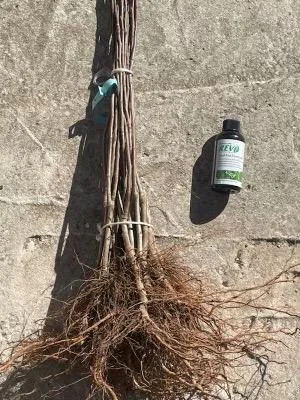
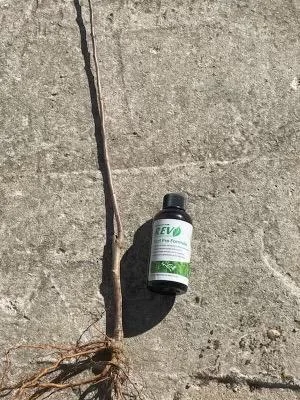
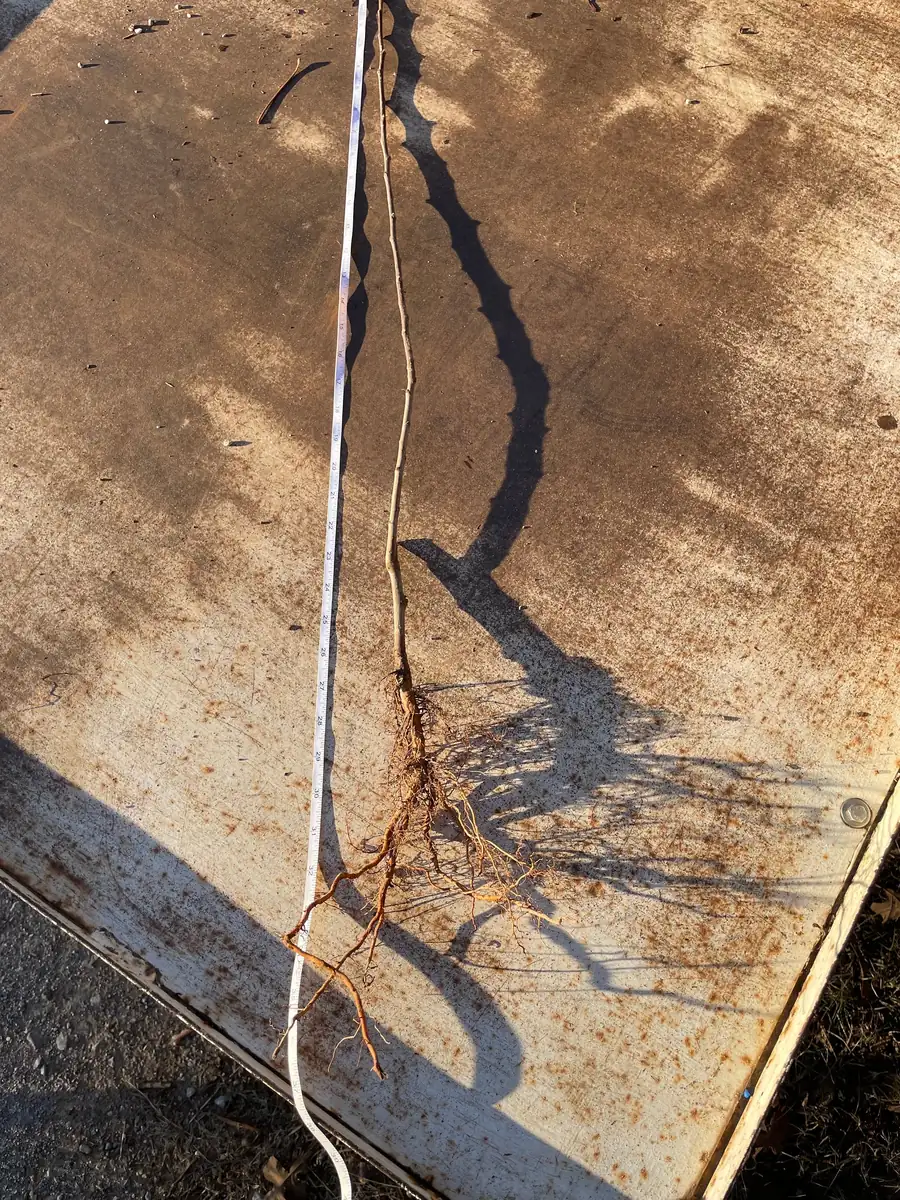
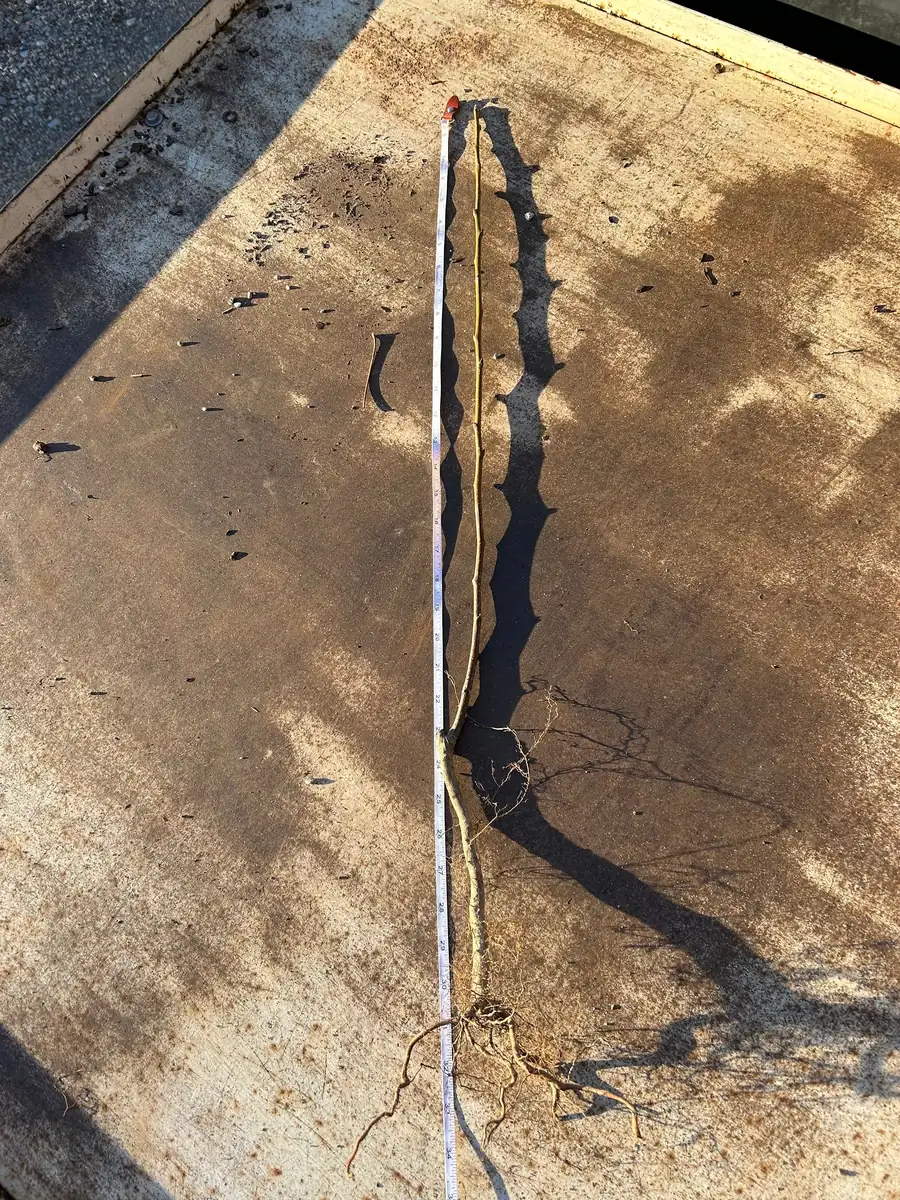
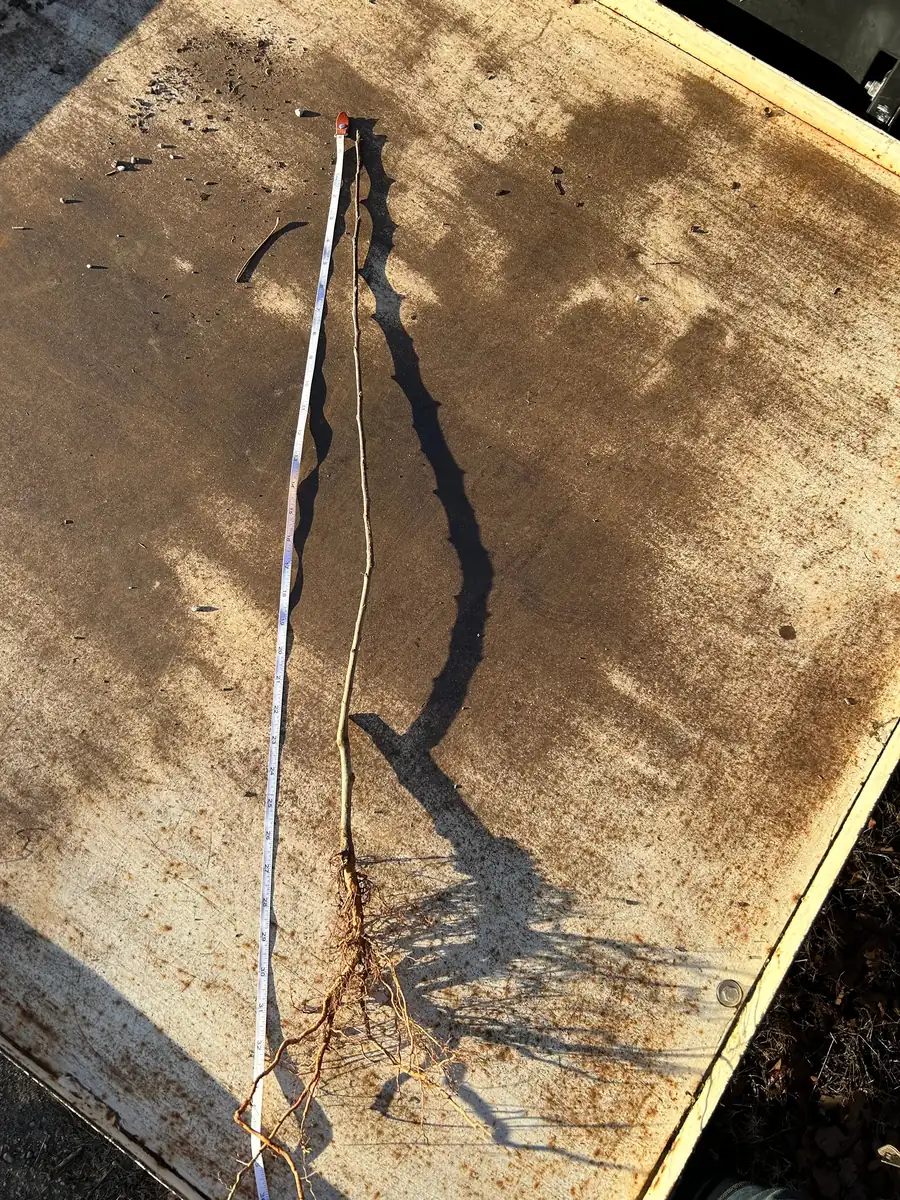
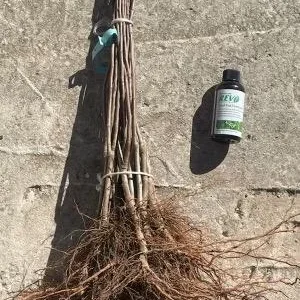
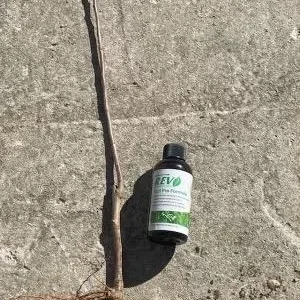
This offering is for a Arkansas Black Apple Tree bare root, typically measuring 2-3 feet in height upon arrival. Bare root trees are dormant and shipped without soil around their roots, making them an efficient and effective way to establish new fruit trees. These trees are ready for immediate planting upon receipt in your prepared garden space. The mature height of an Arkansas Black Apple Tree can vary depending on the rootstock used, but standard varieties can reach 15-20 feet tall with a similar spread, while dwarf rootstocks will result in smaller trees, often 8-10 feet. The growth rate is moderate, and with proper growing apple trees techniques, you can expect fruit production to begin within 3-5 years after planting. The apples typically ripen in late fall, usually in October. This specific size is ideal for establishing a young, vigorous tree that will quickly adapt to its new environment and begin its journey towards fruit-bearing maturity. The bare root format allows the tree to focus its energy on root development once planted, leading to a strong foundation for future growth.
Frequently Asked Questions
- Q: How big will the Arkansas Black Apple Tree get? A: A mature Arkansas Black Apple Tree on standard rootstock can reach 15-20 feet tall and wide. Dwarf rootstocks will result in a smaller tree, typically 8-10 feet. The 2-3 ft bare root tree you receive is a young plant ready to grow.
- Q: Is this an indoor or outdoor plant? A: The Arkansas Black Apple Tree is an outdoor fruit tree. It requires full sun and a dormant period in winter to produce fruit. It is not suitable for indoor cultivation.
- Q: How much sunlight does the Arkansas Black Apple Tree need? A: This tree requires at least 6-8 hours of direct sunlight per day to thrive and produce a good harvest. Full sun exposure is crucial for the best fruit development and overall tree health.
- Q: Is this tree easy to care for? A: While apple trees require regular attention for pruning, watering, and pest management, the Arkansas Black Apple Tree is considered a relatively hardy and resilient variety, making apple tree care manageable for most gardeners.
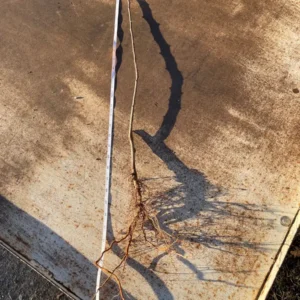
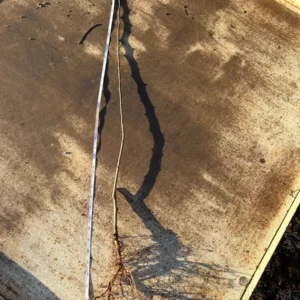
- Q: What condition will the bare root tree arrive in? A: Your Arkansas Black Apple Tree bare root will arrive dormant, without leaves or soil, and with its roots carefully packed to retain moisture. This is a normal and healthy state for bare root trees, ready for planting.
- Q: When is the best time to plant the Arkansas Black Apple Tree bare root? A: The optimal time to plant a bare root apple tree is in late winter to early spring, after the danger of hard freezes has passed but before the tree begins to leaf out. This allows the tree to establish its roots before the stress of summer heat.
- Q: What USDA zones are suitable for growing this apple tree? A: The Arkansas Black Apple Tree thrives in USDA hardiness zones 5-8. Ensure your local climate falls within this range for successful growth and fruiting.
- Q: How long until the tree starts producing apples? A: Typically, you can expect your heirloom apple tree to start bearing fruit within 3-5 years after planting, depending on care and growing conditions.
- Q: What kind of soil does this apple tree prefer? A: This tree prefers well-drained, fertile, loamy soil with a slightly acidic pH (6.0-7.0). Good drainage is essential to prevent root rot.
- Q: Do I need to plant more than one apple tree for pollination? A: The Arkansas Black Apple Tree is a triploid variety, meaning it has three sets of chromosomes. It is not a good pollinator for other apple trees and requires two other diploid apple varieties for successful cross-pollination.


Reviews
There are no reviews yet.