Overview
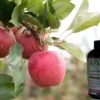
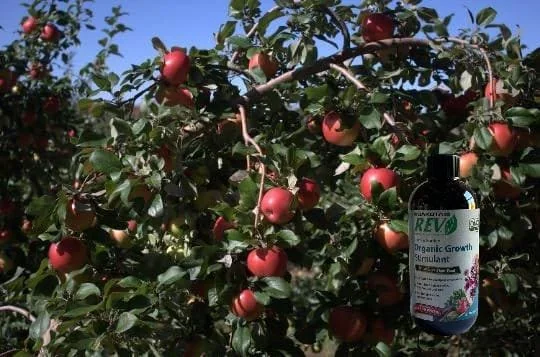
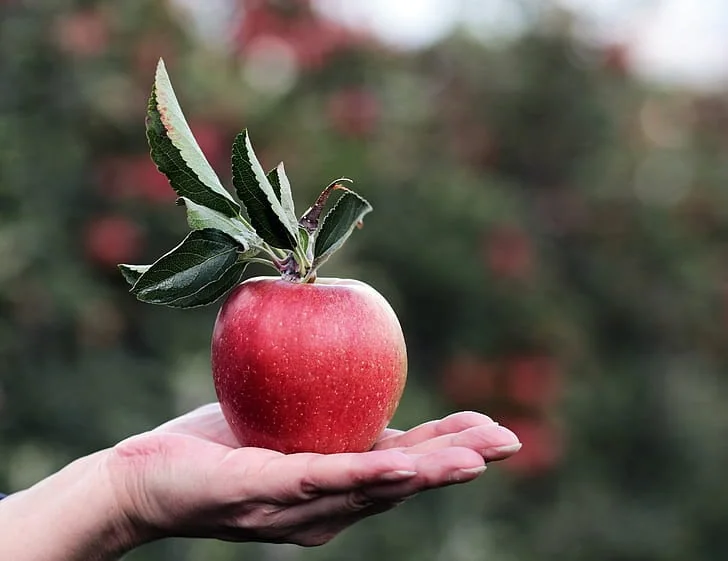
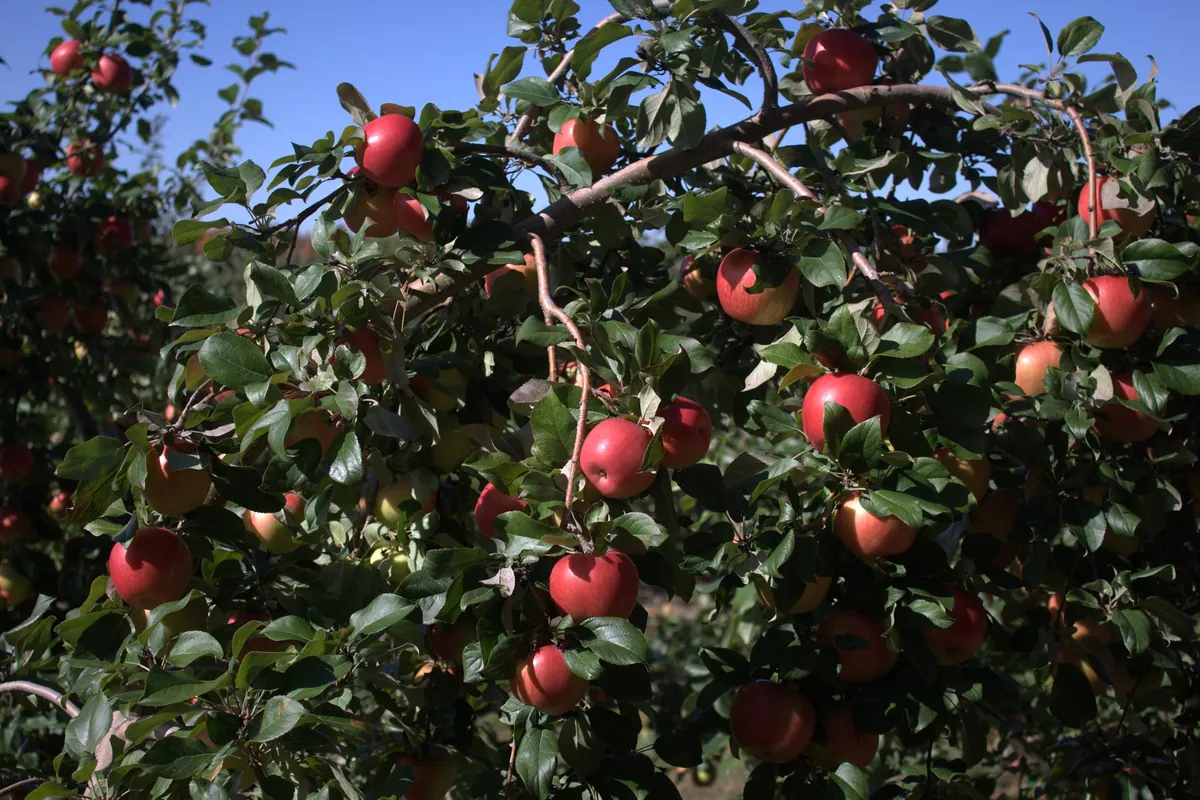
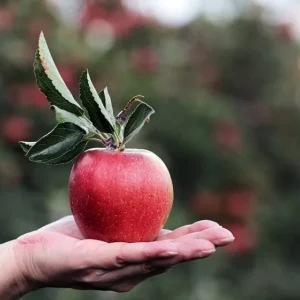
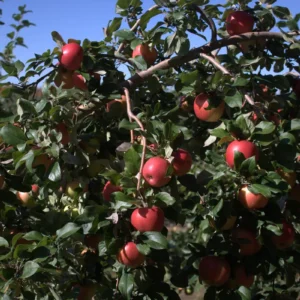
Introduce the delightful taste of autumn to your garden with the Honeycrisp apple tree. This highly prized fruit tree is offered as a bareroot apple tree, making it an excellent choice for planting in late winter or early spring. Renowned for its aromatic, honey-sweet flavor and explosively crisp, juicy texture, the Honeycrisp apple has quickly become an American favorite. Originating from Excelsior, Minnesota, in 1974, this variety is celebrated for its exceptional cold-hardiness, allowing it to thrive in a wide range of climates. Growing 2-3 feet tall, this compact tree is suitable even for smaller garden spaces, promising abundant harvests of large, red fruit that ripens in early September. To ensure successful fruit production, a pollinator from another apple variety is required, enhancing the biodiversity and yield of your home orchard.
The Honeycrisp apple tree is a live plant specimen, ready to establish itself in your landscape and provide years of delicious fruit. Bareroot trees offer a cost-effective and efficient way to start your orchard, as they adapt quickly to their new environment. Its vigorous growth and disease resistance make it a reliable choice for both novice and experienced gardeners. Enjoy the satisfaction of picking your own sweet, crisp apples, perfect for snacking, baking, or making cider. This remarkable tree is not just a source of food but also an attractive addition to any garden, with its lush foliage and beautiful white blossoms in mid to late spring.
Key Benefits
Choosing to plant a Honeycrisp apple tree brings a multitude of rewards, from its delectable fruit to its robust nature. Here are some of the standout benefits:
- Exceptional Flavor & Texture: Experience the true delight of Honeycrisp apples, known for their outstanding fresh-eating qualities. Each bite offers a harmonious blend of sweetness and a signature crisp, juicy texture that sets it apart from other apple varieties.
- Cold-Hardy & Adaptable: This variety boasts excellent cold-hardiness, making it suitable for a wide range of USDA zones. It can withstand colder winter temperatures, ensuring its viability and productivity in diverse climates, a key factor for successful apple tree care in northern regions.
- Home Orchard Favorite: The high demand and popularity of the Honeycrisp apple make it a perfect addition to any home orchard. Growing your own means you get to enjoy the freshest, most flavorful fruit right from your backyard.
- Compact Growth Habit: Naturally compact, the Honeycrisp apple tree is an ideal choice for smaller gardens or spaces where larger fruit trees might not fit. Its manageable size makes harvesting and maintenance easier.
- Early September Harvest: Enjoy the anticipation of delicious apples ripening in early September. This timing allows for fresh fruit enjoyment before the peak of the autumn harvest season.
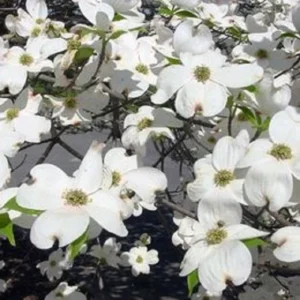
- Beautiful Blooms: In mid to late spring, the tree adorns itself with beautiful white blooms, adding ornamental value to your garden even before the fruit develops. These blossoms also attract beneficial pollinators.
- Disease Resistance: While not entirely disease-proof, Honeycrisp apple trees possess good resistance to common apple diseases, contributing to easier apple tree care and healthier trees.
Plant Care & Growing Tips
Proper apple tree care is essential for a thriving Honeycrisp apple tree. These trees require specific conditions to produce their best fruit. They flourish in full sun, meaning they need at least 6-8 hours of direct sunlight daily. Choose a planting site that receives ample morning sun, which helps dry dew from the leaves and reduces the risk of fungal diseases. For watering, consistent moisture is key, especially during dry spells and when the tree is young. Aim for well-drained soil; loamy soil with a pH level between 6.0 and 7.0 is ideal. Avoid waterlogged conditions, as this can lead to root rot. Mulching around the base of the tree can help retain soil moisture and regulate temperature.
When it comes to fertilization, a balanced fertilizer designed for fruit trees should be applied in early spring before new growth begins. Follow the product’s instructions for application rates. Pruning is also a crucial aspect of apple tree care; dormant pruning in late winter helps maintain the tree’s shape, encourages air circulation, and promotes better fruit production. Remove any dead, diseased, or crossing branches. The Honeycrisp apple is cold-hardy, suitable for USDA Zone Range 3-8, requiring 800-1000 chill hours to set fruit effectively. Remember that this variety requires a pollinator; plant another apple variety within 100 feet for adequate cross-pollination to ensure a bountiful harvest of these sweet apple varieties. Protect young trees from pests and diseases by monitoring regularly and applying appropriate organic or chemical controls if necessary.
Size & Details
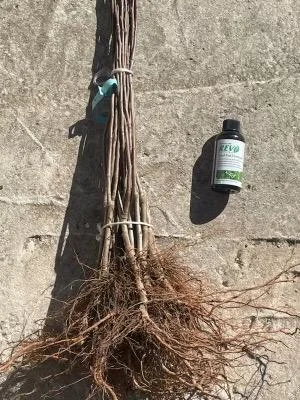
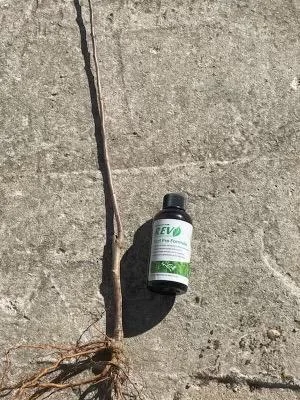
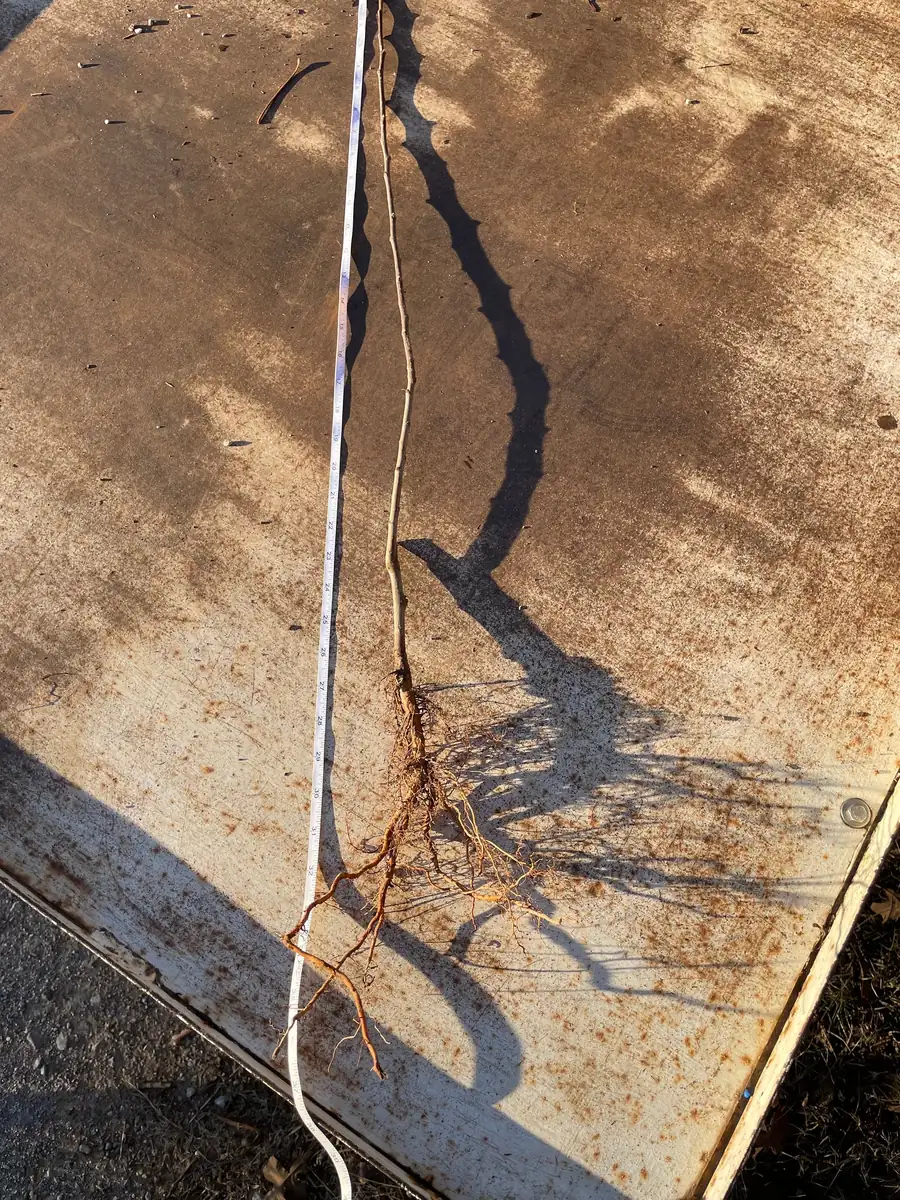
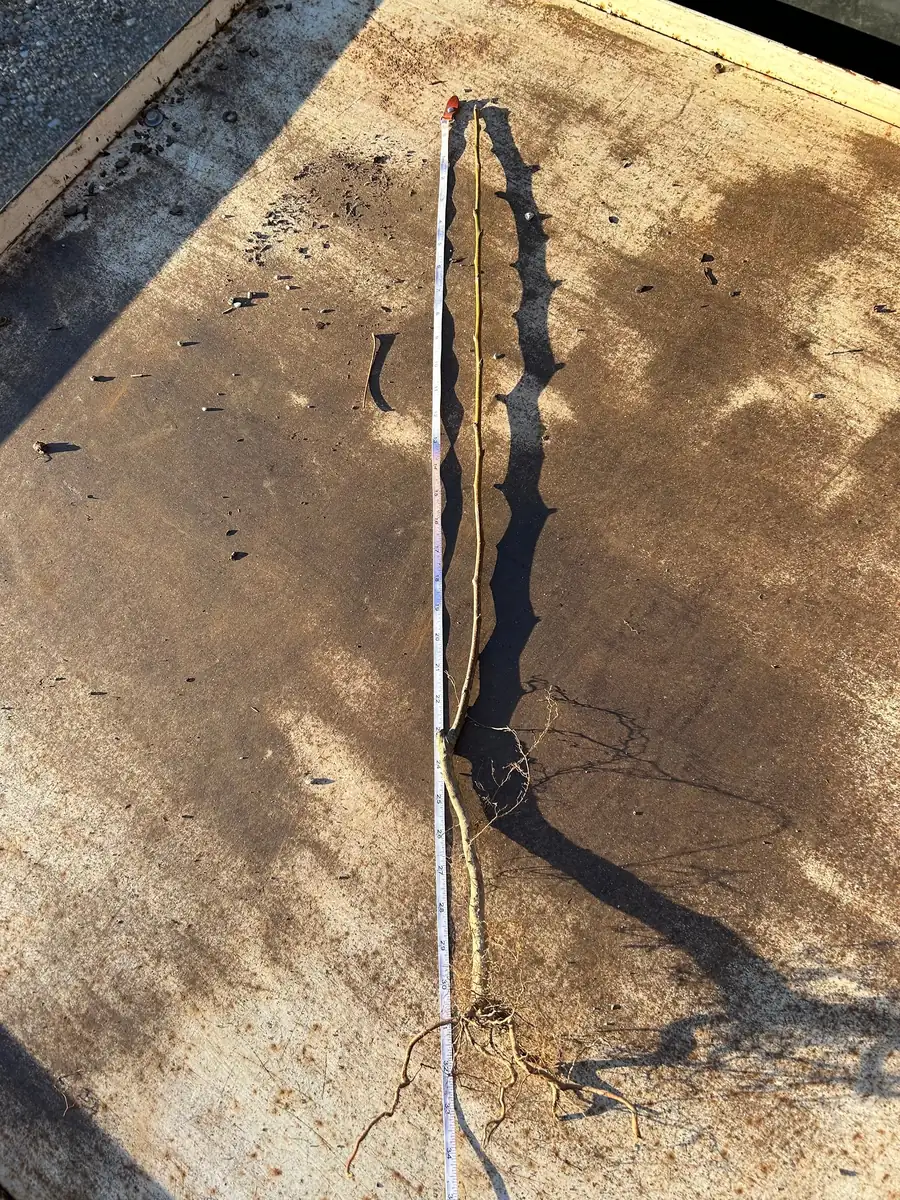
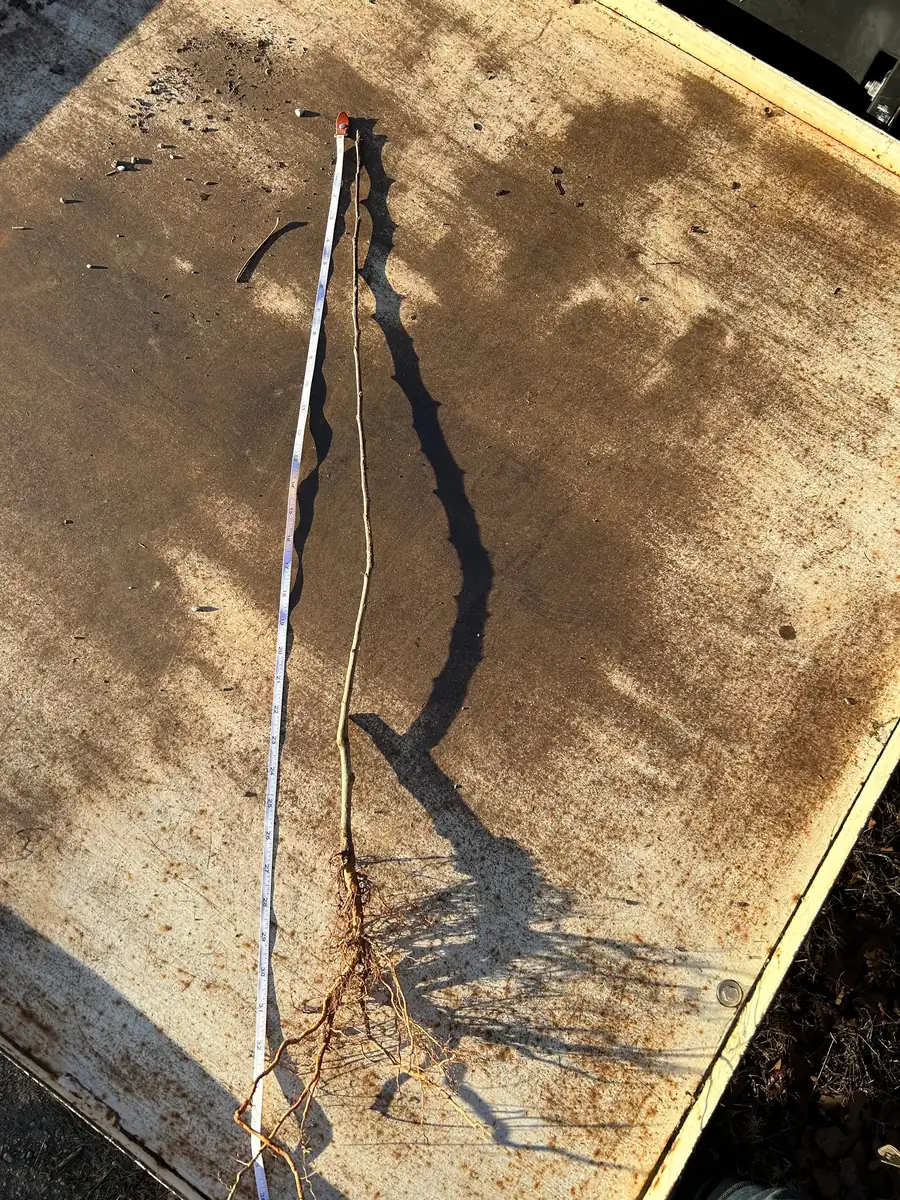
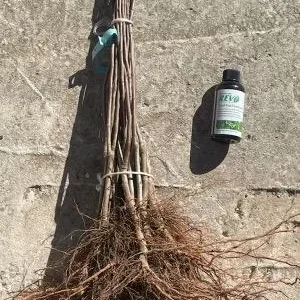
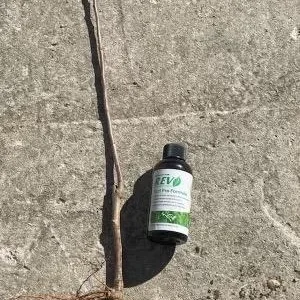
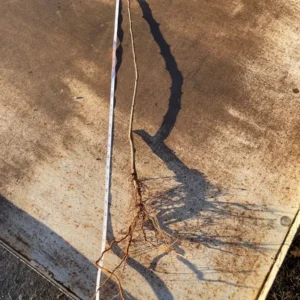
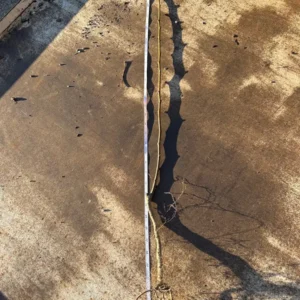
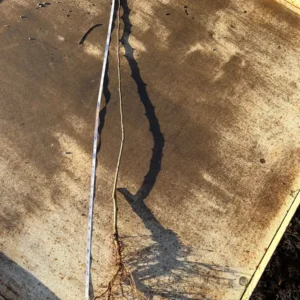
This Honeycrisp apple tree is supplied as a bareroot apple tree, typically measuring 2-3 feet in height upon arrival, which is an ideal size for successful transplanting and establishment. Bareroot trees are dormant and free of soil around their roots, minimizing transplant shock and allowing them to adapt quickly to your garden’s native soil. The fruit produced by this variety is large and ripens in early September, offering a taste experience that is both sweet and wonderfully crisp. With proper care, these trees typically begin to bear fruit within 2-5 years after planting, providing a relatively quick reward for your gardening efforts. The mature tree will exhibit a naturally compact growth habit, making it manageable for most home gardens. It requires 800-1000 chill hours, making it suitable for a wide range of temperate climates.
Frequently Asked Questions
- Q: How big will the Honeycrisp apple tree get? A: The Honeycrisp apple tree has a naturally compact growth habit. While individual growth can vary, it typically reaches a height and spread that is manageable for home gardens, often around 10-15 feet tall and wide at maturity with proper pruning.
- Q: Is this an indoor or outdoor plant? A: This is an outdoor fruit tree, designed to be planted directly into your garden or orchard. It requires full sun and the natural elements to thrive and produce fruit.
- Q: How much sunlight does a Honeycrisp apple tree need? A: A Honeycrisp apple tree requires at least 6-8 hours of direct sunlight per day to ensure optimal growth and fruit production. Full sun exposure is crucial for developing sweet and flavorful apples.
- Q: Is this plant easy to care for? A: With consistent watering, proper pruning, and adequate sunlight, apple tree care for the Honeycrisp variety is considered moderate. It is a rewarding tree for gardeners willing to provide basic maintenance.
- Q: What condition will the bareroot tree arrive in? A: Your bareroot apple tree will arrive dormant, without leaves or soil around its roots. This is the optimal state for planting and promotes strong root establishment once planted.
- Q: How long until it blooms and produces fruit? A: Honeycrisp apple trees typically begin to bloom and produce fruit within 2-5 years after planting. Fruit ripening occurs in early September.
- Q: Will it survive winter in my zone? A: The Honeycrisp apple is a cold hardy apple, suitable for USDA Zones 3-8. If your zone falls within this range, it should survive winter effectively, provided it receives adequate chill hours.
- Q: Does the Honeycrisp apple tree need a pollinator? A: Yes, the Honeycrisp apple tree is not self-fertile and requires another apple variety planted nearby for cross-pollination to ensure successful fruit production. Consider planting another compatible apple tree within 100 feet.
- Q: What kind of soil is best for this apple tree? A: Honeycrisp apple trees prefer well-drained, loamy soil with a pH level between 6.0 and 7.0. Good drainage is critical to prevent root issues.
- Q: Can I grow this tree in a container? A: While possible for dwarf varieties, growing a standard or semi-dwarf Honeycrisp apple tree in a container long-term can be challenging due to its size and root system needs. It’s best suited for in-ground planting.


Reviews
There are no reviews yet.