Overview
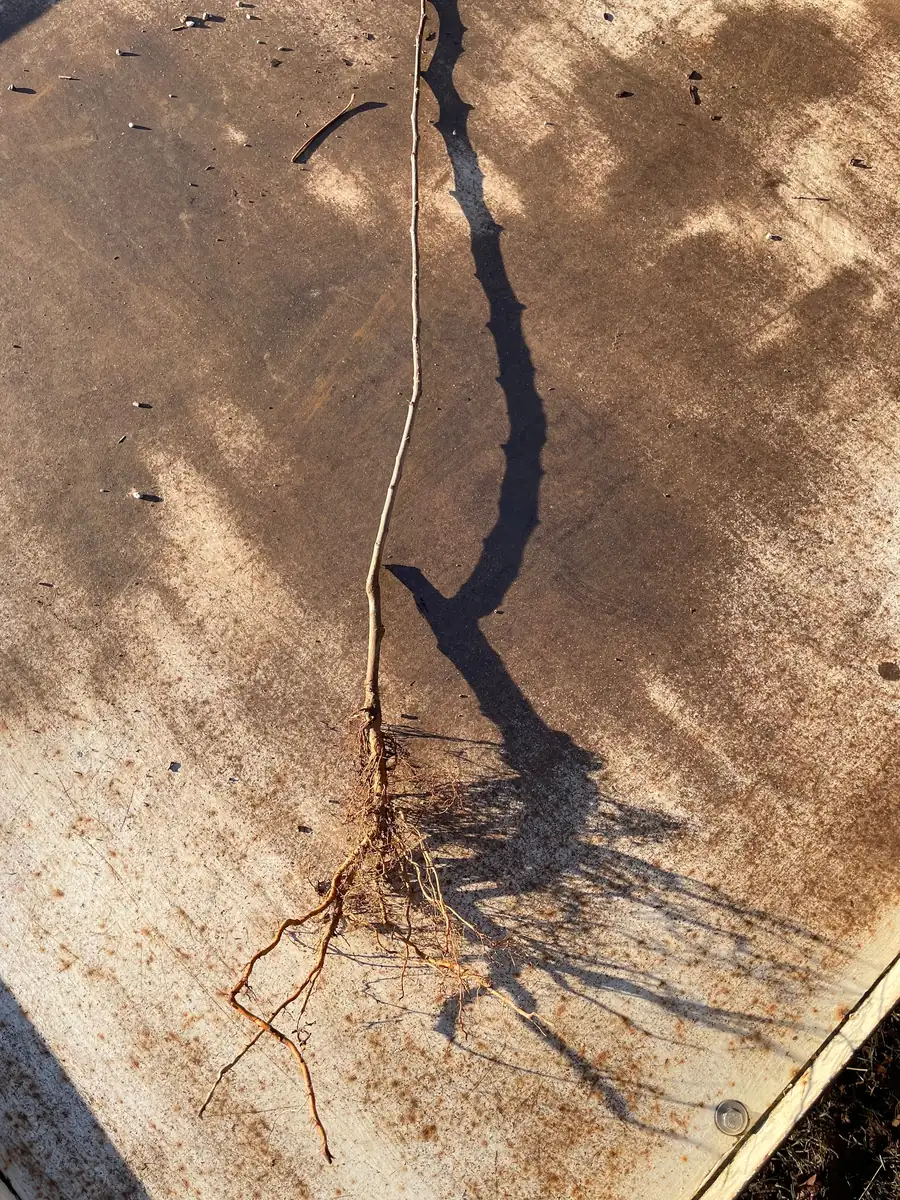
Bring the joy of homegrown fruit to your garden with the moonglow pear tree. This live bareroot plant, typically 2-3 feet tall upon arrival, is an excellent addition for both novice and experienced gardeners looking for a reliable and productive fruit tree. The Moonglow Pear (Pyrus communis ‘Moonglow’), often referred to as the European pear, is celebrated for its vigorous growth habit and ability to bear fruit for many years. It’s a fantastic choice for those seeking a mid-season bearer, with harvests typically occurring in August. Its attractive form and delicious fruit make it a standout among fruit trees, promising a rewarding harvest year after year. This variety is also noted for its resilience, particularly its resistance to fire blight, a common concern for pear growers.
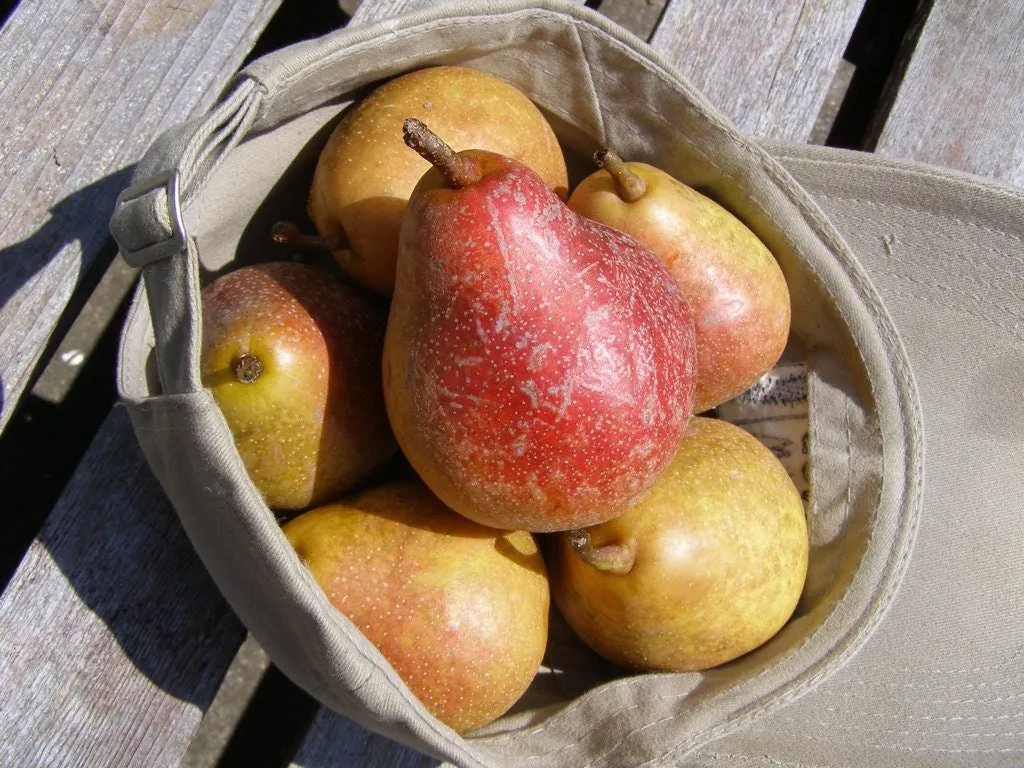
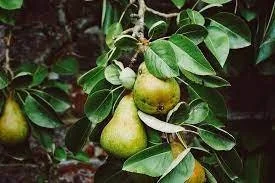
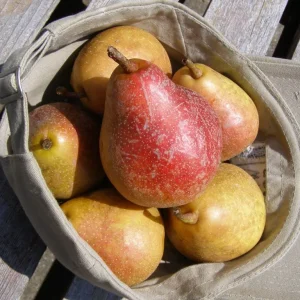
The moonglow pear tree is known for its beautiful spring display of aromatic creamy white flowers, which typically emerge in April to May. These blossoms eventually give way to medium to large-sized, Bartlett-shaped fruits with a lovely yellow to red blush. The white flesh of the Moonglow pear is soft, moderately juicy, and remarkably smooth with almost no grit, offering a delightful eating experience. Ripening approximately a week before the popular Bartlett pear, it provides an early taste of summer’s bounty. Beyond its fruit, the tree boasts glossy dark green leaves that transform into stunning shades of red and yellow in the fall, adding ornamental value to your landscape.
Key Benefits
The moonglow pear tree offers numerous advantages for the home gardener, combining aesthetic appeal with practical benefits. Its robust nature and delicious fruit make it a highly desirable addition to any temperate climate garden.
- Delicious & Abundant Fruit: Enjoy a bountiful harvest of sweet, juicy, and nearly grit-free pears in early to mid-August. The medium to large, Bartlett-shaped fruit is perfect for fresh eating, canning, or baking.
- Disease Resistance: This variety is notably resistant to fire blight, a common and often devastating disease for pear trees, ensuring a healthier and more productive plant with less intervention. This makes it an ideal choice for those looking to grow moonglow pear with minimal fuss.
- Vigorous Growth & Longevity: The moonglow pear tree exhibits a strong growth habit and can bear fruit for many years, providing a long-term investment in your home orchard. It’s a hardy and reliable producer.
- Ornamental Value: Beyond its fruit, the tree provides year-round beauty, from aromatic white spring blooms to glossy green summer foliage and vibrant red and yellow fall colors, enhancing your garden’s visual appeal.
- Adaptable to Various Climates: Thriving in USDA Zones 5-8, the Moonglow Pear is suitable for a wide range of climates, requiring approximately 700 chill hours to set fruit. This broad adaptability makes it a popular choice.
- Easy to Care For: While requiring a pollinator, the overall care for a moonglow pear tree is straightforward, making it accessible even for those new to fruit tree cultivation. Its hardiness contributes to its low-maintenance nature.
Plant Care & Growing Tips
Caring for your moonglow pear tree ensures a healthy plant and a plentiful harvest. Starting with a fruit tree bare root, proper planting and ongoing maintenance are crucial for its success. This tree prefers a location with full sun exposure, meaning at least 6-8 hours of direct sunlight per day is ideal for fruit production. Well-drained, loamy soils are best, but the tree can tolerate a variety of soil types as long as drainage is adequate. Avoid heavy clay soils that retain too much moisture, as this can lead to root issues. When planting your bare root tree, ensure the roots are spread out in the planting hole and the graft union (if visible) is above the soil line.
Watering is essential, especially during the establishment phase and dry periods. Deep, infrequent watering is generally better than shallow, frequent watering, encouraging deeper root growth. Aim to keep the soil consistently moist but not waterlogged. The Moonglow Pear is hardy in USDA Zones 5-8 and requires approximately 700 chill hours, which is the cumulative number of hours below 45°F (7°C) during the dormant season, necessary for proper fruit setting. Fertilize in early spring before new growth begins, using a balanced fruit tree fertilizer according to package directions. Pruning should be done in late winter while the tree is dormant to shape the tree, remove dead or diseased branches, and encourage fruit production. Remember that the moonglow pear tree is not self-pollinating; a suitable pollinator like a Bartlett pear tree planted nearby is necessary for fruit set.
While the Moonglow Pear is known for being fire blight resistant pear, it’s still good practice to monitor for other common pests and diseases. Good air circulation through proper pruning can help prevent fungal issues. Maintaining a healthy, vigorous tree through correct watering and fertilization will also increase its natural resistance to problems. For optimal growth, space trees 18-20 feet apart to allow for mature size and good air circulation.
Size & Details
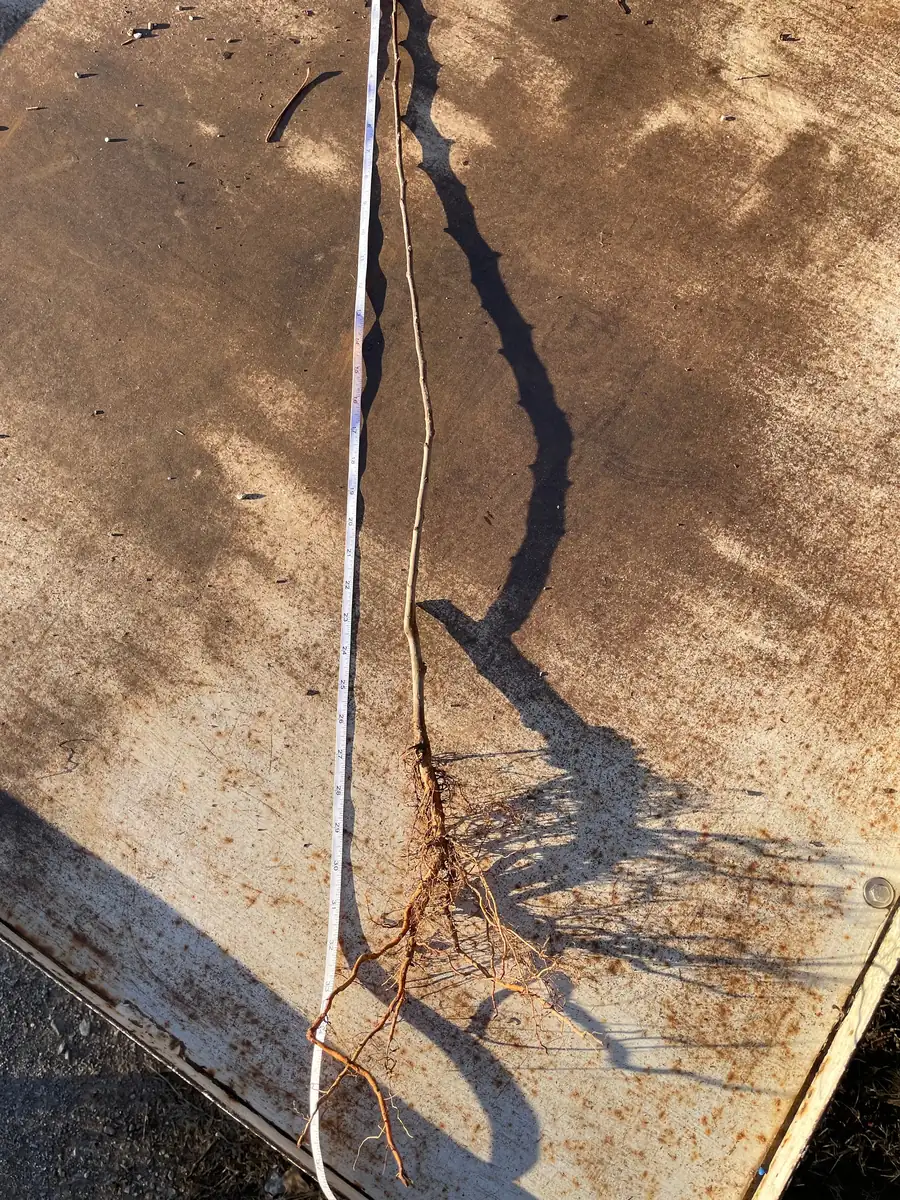
This offering is for a moonglow pear tree supplied as a bare root specimen, typically measuring 2-3 feet tall upon arrival. Bare root trees are shipped without soil around their roots, making them an economical and efficient way to establish new fruit trees. Once planted, this tree grows at a medium rate, with height increases of 13–24 inches per year. At maturity, the Moonglow Pear tree can reach an impressive height of 15-20 feet and a width of 15-20 feet, forming a rounded, spreading canopy. Its substantial size makes it a prominent feature in any garden or orchard.
The tree will begin to produce fruit a few years after planting, with harvests occurring in early to mid-August. It requires full sun and well-drained loamy soils to thrive and is winter hardy in USDA Zones 5-8. The requirement for 700 chill hours means it performs best in regions with distinct cold winters. When you grow moonglow pear, you are investing in a long-term producer that will provide sweet, delicious fruit for many years to come.
Frequently Asked Questions
- Q: How big does this moonglow pear tree get? A: A mature moonglow pear tree typically reaches a height of 15-20 feet and a width of 15-20 feet. It grows at a medium rate, adding 13-24 inches in height per year.
- Q: What size is the bare root tree when shipped? A: The bare root moonglow pear tree you will receive is generally 2-3 feet tall, ready for planting in your garden.
- Q: Is this an indoor or outdoor plant? A: The Moonglow Pear is an outdoor fruit tree, suitable for planting in gardens and orchards within its recommended hardiness zones.
- Q: How much sunlight does it need? A: For optimal growth and fruit production, the moonglow pear tree requires full sun, meaning at least 6-8 hours of direct sunlight daily.
- Q: Is this plant easy to care for? A: Yes, the Moonglow Pear is considered relatively easy to care for, especially due to its strong growth habit and natural resistance to fire blight. Consistent watering and proper pruning are key for a successful harvest.
- Q: What condition will the bare root fruit tree arrive in? A: Your fruit tree bare root will arrive dormant, without leaves, and with its roots carefully packaged to maintain moisture, ready for immediate planting.
- Q: When is the best time to plant a moonglow pear tree? A: The optimal time for planting bare root pear trees is in late winter or early spring, before the tree breaks dormancy and after the last hard frost.
- Q: Will it survive winter in my zone? A: The moonglow pear tree is hardy in USDA Zones 5-8, meaning it can withstand winter temperatures in these regions. It requires approximately 700 chill hours for proper fruit development.
- Q: Does the moonglow pear tree need a pollinator? A: Yes, the moonglow pear tree is not self-pollinating. You will need to plant another compatible pear variety, such as a Bartlett pear, nearby for successful fruit set.
- Q: What does it mean to be a fire blight resistant pear? A: Being fire blight resistant pear means the tree has a natural genetic resistance to the bacterial disease known as fire blight, which can cause significant damage to pear and apple trees. This reduces the need for disease management.


Reviews
There are no reviews yet.